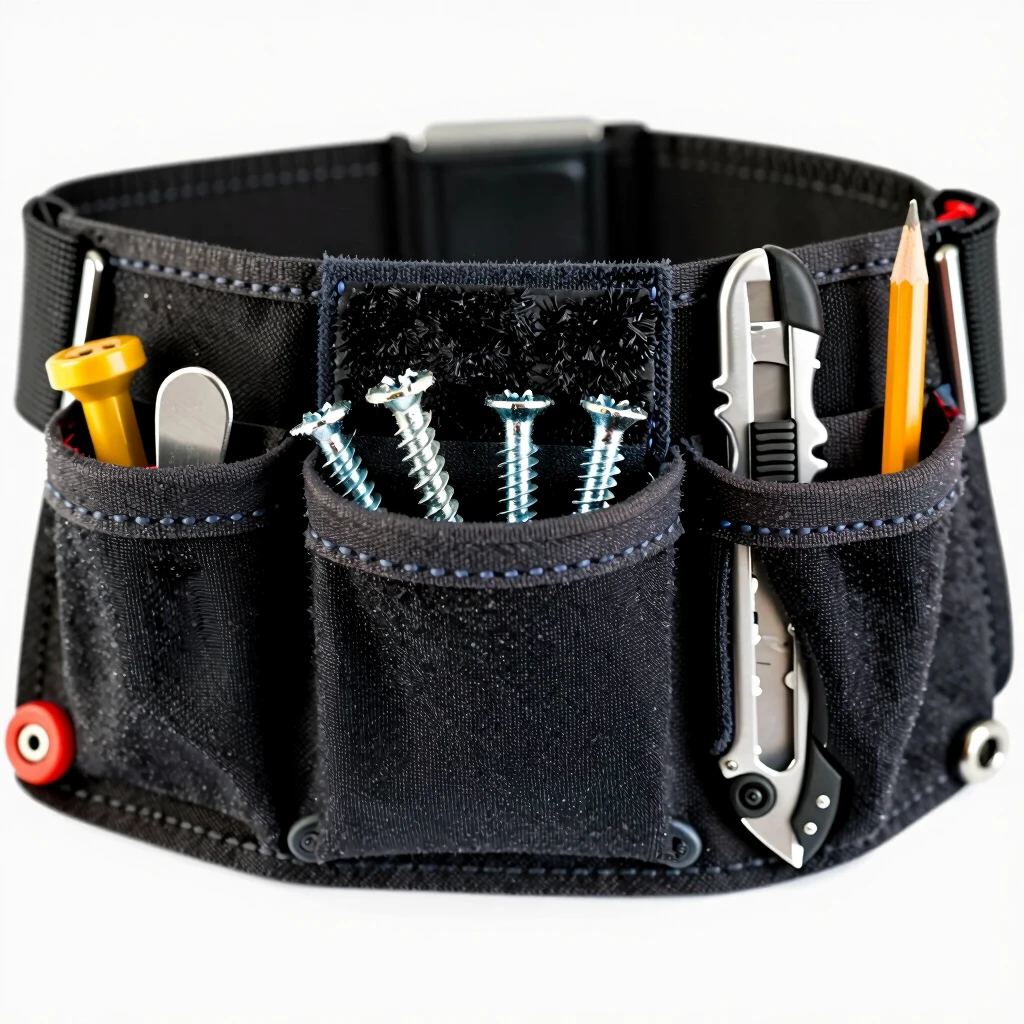
Quick Overview
When it comes to fixing electrical issues at home or on the job, having the right electrical tools for troubleshooting and repair makes all the difference. This guide covers must-have workman tools, step-by-step tips, and real-world advice to keep you safe and efficient. Whether you're a DIYer or a pro, these insights will save time and headaches.

Why Electrical Tools Matter More Than You Think
I've spent years knee-deep in wires and circuits, and let me tell you—skipping quality electrical tools isn't worth the risk. One faulty connection can turn a simple fix into a nightmare. Good tools don't just make the job easier; they keep you from getting zapped or starting a fire.
Think about the last time you flipped a breaker and nothing happened. Frustrating, right? With the right gear, you pinpoint the problem fast. According to Fayetteville Technical Community College's guide to essential electrician tools, investing in reliable workman tools boosts accuracy and safety right from the start.
As someone who's troubleshot everything from flickering lights to full outages, I swear by starting simple. Grab a coffee, assess the scene, and reach for your toolkit. It's not about fancy gadgets—it's about tools that fit your hand and your project.
The Core Electrical Tools You Need
Let's dive into the essentials. These electrical tools for troubleshooting and repair form the backbone of any job. I'll break them down with what they do and why they're non-negotiable.
I've organized them in a handy table for quick scanning. Each one has saved my bacon more times than I can count.
| Tool | Description | Key Use in Troubleshooting |
|---|---|---|
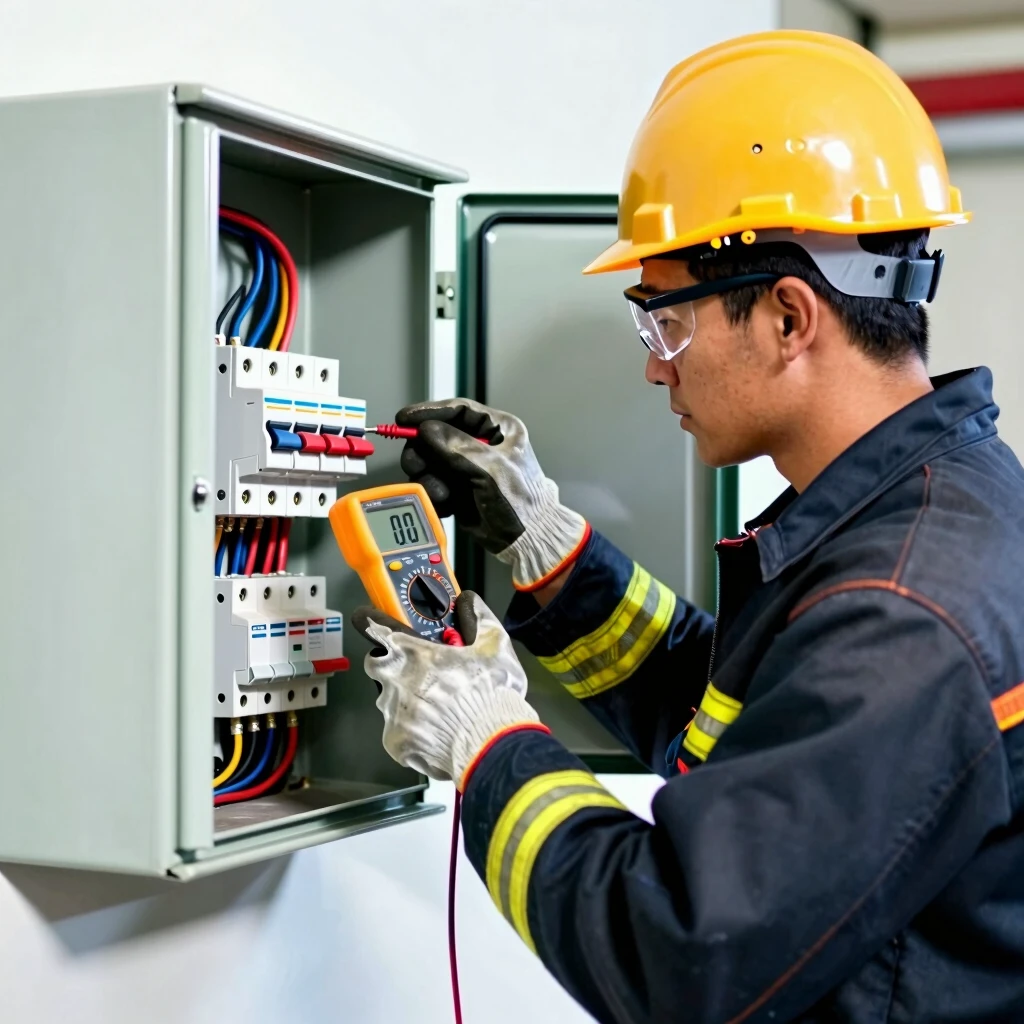
| Multimeter | A handheld device that measures voltage, current, and resistance. Digital versions are user-friendly with auto-ranging. | Tests circuits for shorts, opens, or overloads—my go-to for diagnosing why an outlet's dead. |
| Non-Contact Voltage Tester | Pen-like tool that beeps or lights up near live wires without touching them. | Quick safety check before digging in; prevents shocks on hidden lines. |
| Wire Strippers | Precision cutters that remove insulation without nicking the wire. Get ones with gauges for different sizes. | Preps wires for connections—botch this, and you've got loose fits causing arcs. |
| Insulated Pliers | Heavy-duty pliers with rubber grips for bending and cutting wire safely. Lineman's style for tough jobs. | Grips and twists in tight spots; insulation keeps shocks at bay. |
| Insulated Screwdrivers | Set with flathead, Phillips, and nut drivers, all rated for live work. | Secures terminals without slipping—essential for panel access. |
| Fish Tape | Flexible steel or fiberglass reel for pulling wires through walls. | Routes new cables during repairs; glow-in-the-dark versions rock for attics. |
| Circuit Breaker Finder | Transmitter-receiver kit that traces breakers to outlets. | Ends the 'flip every switch' game—saves hours on big homes. |
| Electrical Tape | Vinyl wrap for insulating joints and labeling. | Seals connections against moisture; color codes for organization. |
This lineup covers 80% of everyday fixes. For more depth, check out Universal Technical Institute's overview of 15 key electrician tools, which adds gems like conduit benders for pro installs.
Pro tip from my garage: Store them in a magnetic strip on your bench. No more rummaging in the dark.
Mastering Troubleshooting with Your Tools
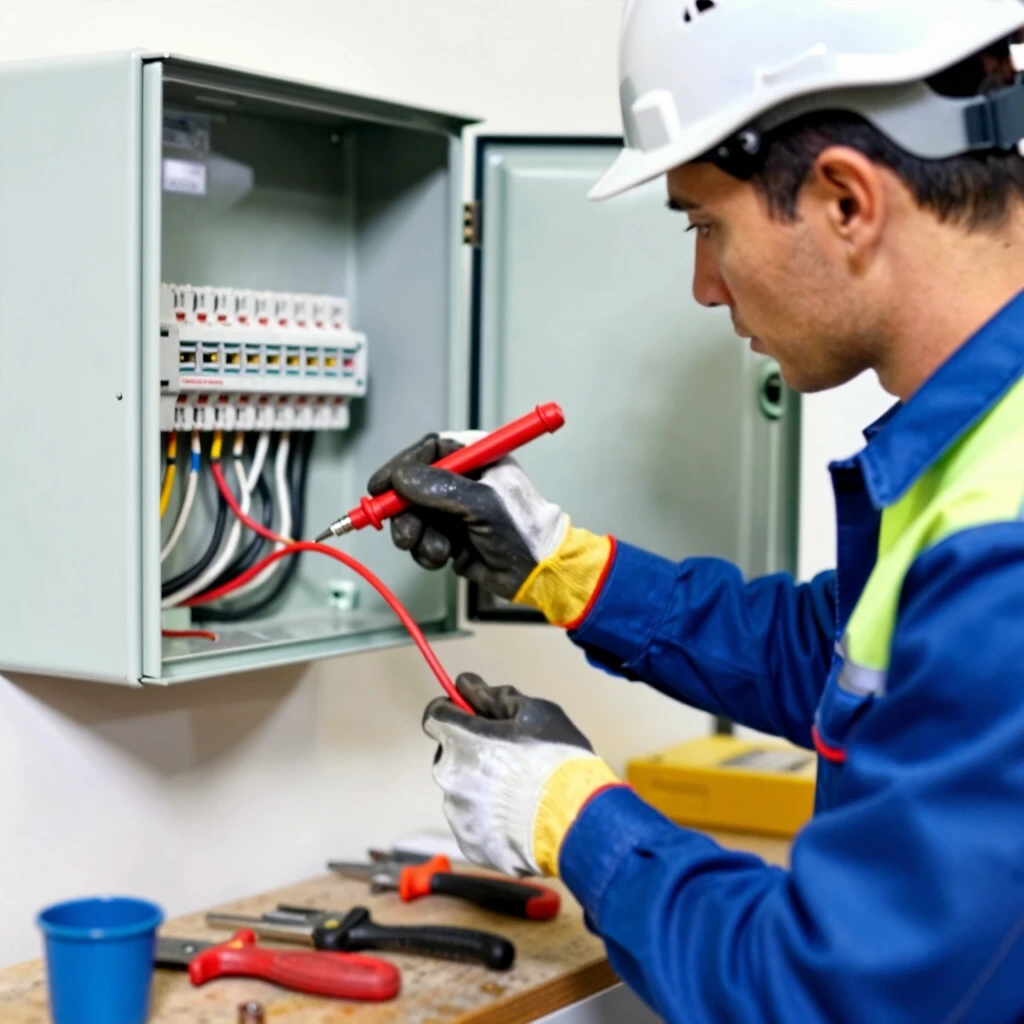
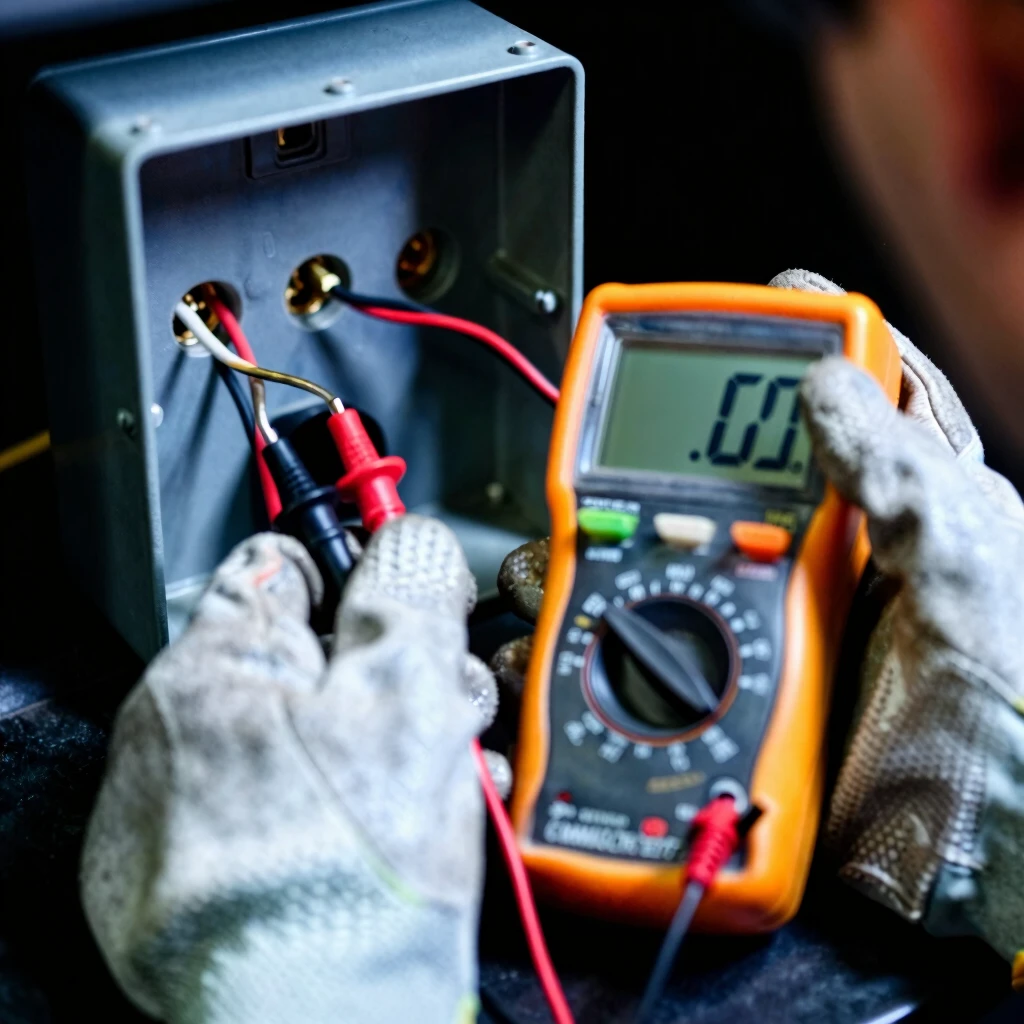
Troubleshooting isn't guesswork—it's systematic. Start by powering down, then use your voltage tester to confirm. No buzz? Move to the multimeter for deeper reads.
Here's a simple step-by-step list: - Isolate the Issue: Unplug appliances and test outlets one by one. - Check Connections: Strip and inspect wires for corrosion—twist with pliers if needed. - Trace the Circuit: Deploy the breaker finder to match loads. - Test Components: Multimeter on switches and fixtures for continuity. - Reassemble Safely: Tape up and double-check with the tester.
I remember a basement flood where water hit the panel. Tools in hand, I traced a ground fault in under 30 minutes. Without them? Hours of misery.
For bigger woes like intermittent faults, log readings over time. Patterns emerge, and fixes stick.
Safety: Your Non-Negotiable Sidekick
Talk safety, and I get serious. Electricity doesn't forgive mistakes. Always de-energize first—lock out the breaker and tag it.
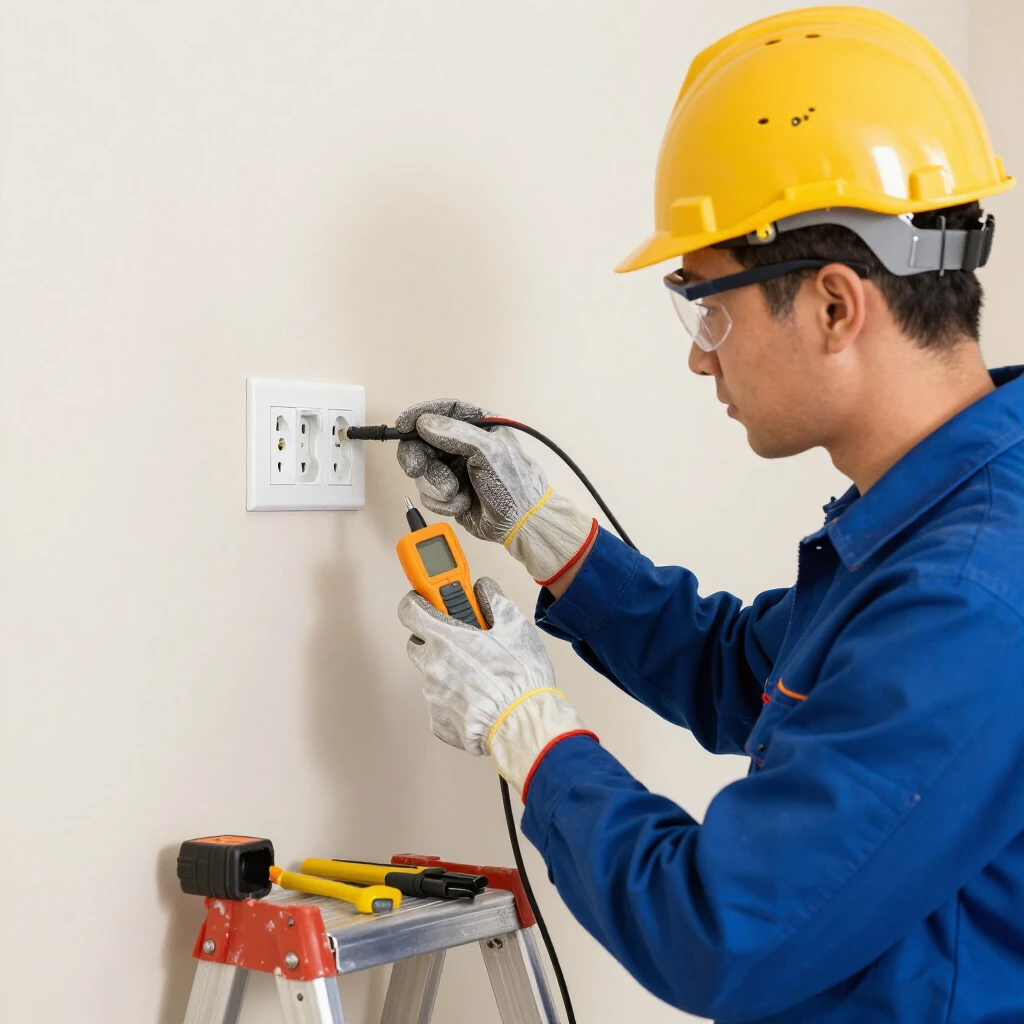
The Mine Safety and Health Administration's electrical safety alert drives this home: Troubleshoot without power whenever possible. If live work can't wait, gear up with insulated gloves, glasses, and barriers.
Wear what fits: Class 0 gloves for up to 1,000 volts, plus a hard hat in tight spots. And never solo it—call a buddy for eyes on your back.
My close call? A live wire I missed. Now, I test twice. Your tools include PPE—treat it like gold.
Real Talk: Lessons from the Field
Over a decade in, I've learned tools evolve with you. Start basic, upgrade as jobs grow. My first kit was cheap—strippers dulled fast, leading to nicks and sparks. Now, I splurge on Klein or Fluke brands.
One story sticks: Helping a neighbor with a buzzing fridge. Multimeter showed a bad ground. Fixed in 10 minutes, beer in thanks. Moments like that? Pure win.
Don't overlook maintenance. Wipe tools after sweaty days, store dry. A rusty plier slips—bad news.
For beginners, practice on scrap wire. Build muscle memory before the real stakes.
Wrapping It Up
Solid electrical tools for troubleshooting and repair turn chaos into control. From multimeters to testers, these workman tools equip you for success. Prioritize safety, trust your process, and you'll handle any zap with ease. Ready to gear up? Your next fix awaits.
Related electrical tools for troubleshooting and repair:
- Essential Safety Tips for Metalworking Beginners: Protect Yourself and Craft with Confidence
- Understanding Your Car’s Cooling System: Tips and Tricks
- How to Maintain Your Hammers for Longevity
- Essential Workman Tools for Electrical Work: A Hands-On Guide to Getting the Job Done Right
- Top Voltage Testers for Safe Electrical Work
- How AI is Transforming Manufacturing: The Future of Industrial Automation
- Guide to Selecting the Best Paint for Your Home
- Must-Have Tools in a Painter's Toolkit: Essentials for Every Project
- Beginner’s Guide to Woodworking Tools
- Advanced Electrical Troubleshooting: Tips from the Pros
- Preventing Work-Related Injuries: Tips and Tricks
- Unlocking Efficiency: Why Tool Belts with Customizable Pockets Are a Must for Every Tradesperson