Quick Overview
Working with electricity demands caution. Top voltage testers for safe electrical work act as your first line of defense against shocks and mishaps. These handy devices quickly check for live wires, saving time and lives. In this guide, we'll dive into the best options, tips for use, and why they're must-haves for any toolkit. (38 words)
Why Voltage Testers Matter in Your Daily Grind
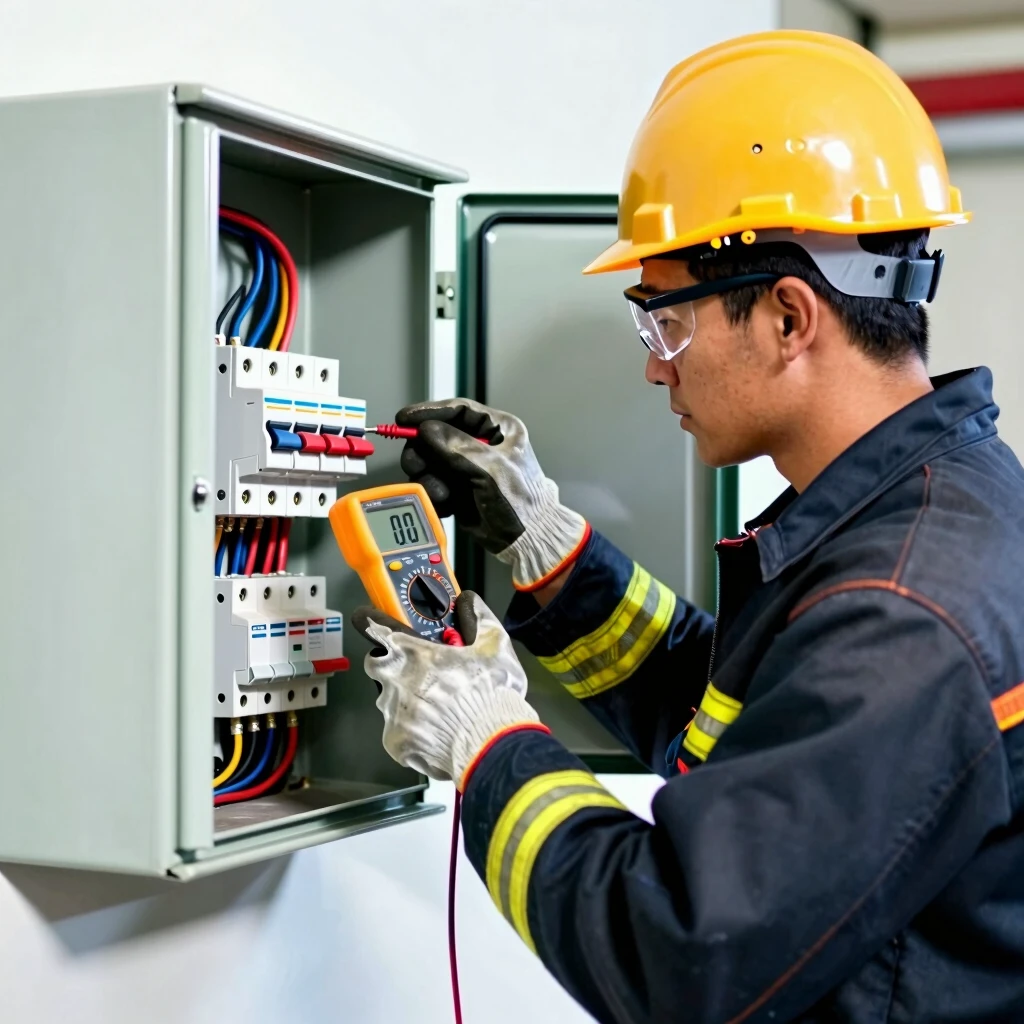
I've spent years on job sites, from tight home basements to sprawling commercial builds. One wrong touch on a live wire, and things go south fast. That's why I always reach for a reliable voltage tester first. These tools confirm if power flows through a circuit before I dive in.
According to the Centers for Disease Control and Prevention (CDC), electrical hazards cause thousands of injuries yearly. Their guide on workplace electrical safety stresses using testers to verify power is off. It changed how I approach every job—no more guessing.
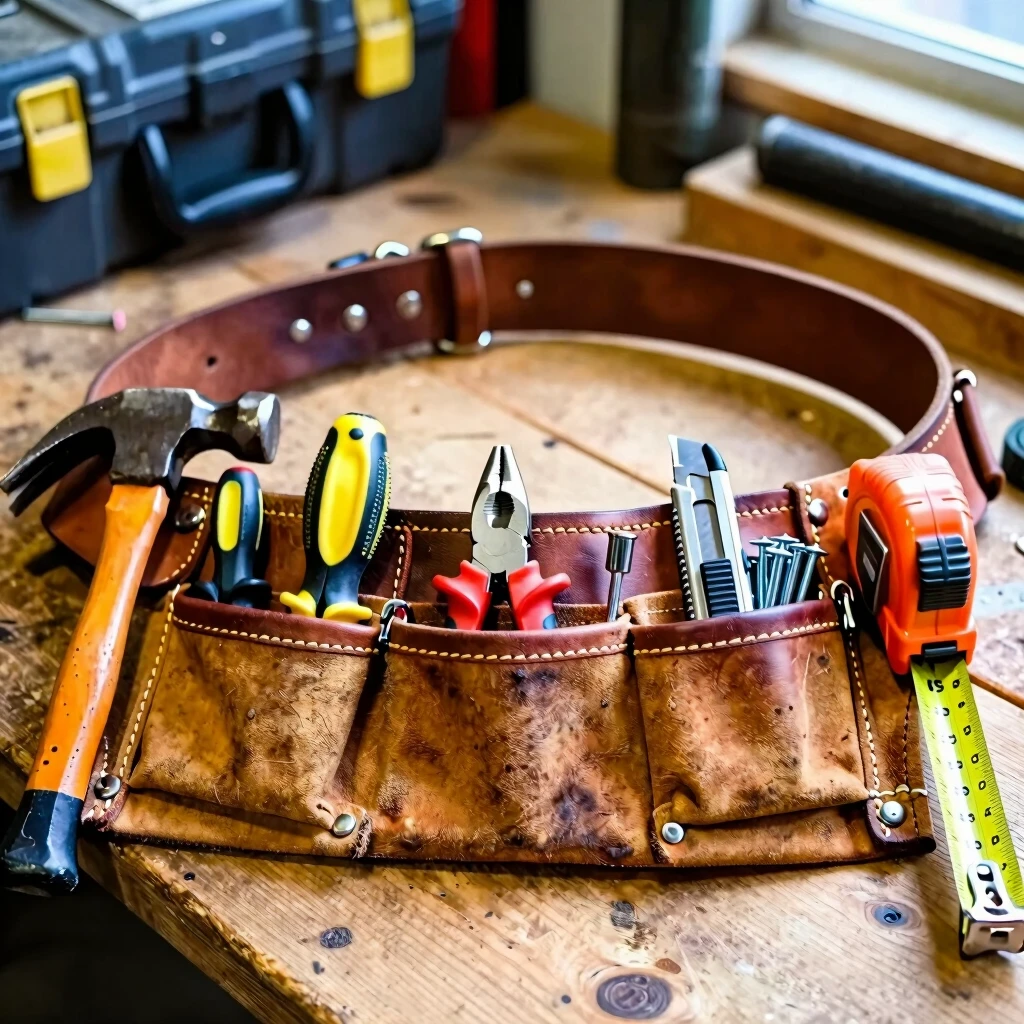
Voltage testers fit right into your collection of workman tools for electricians and plumbers. They're compact, affordable, and build confidence. Whether you're troubleshooting a flickering light or installing new outlets, they keep you grounded—literally.
Types of Voltage Testers: Pick What Fits Your Flow
Not all testers are created equal. I remember my first job as a helper; the foreman handed me a basic solenoid tester. It buzzed like a angry bee when voltage hit, but it felt clunky. Over time, I learned the ropes and upgraded.
Here's a quick breakdown:
- Contact Testers: These require touching the wire directly. Great for precise readings but riskier if you're not careful.
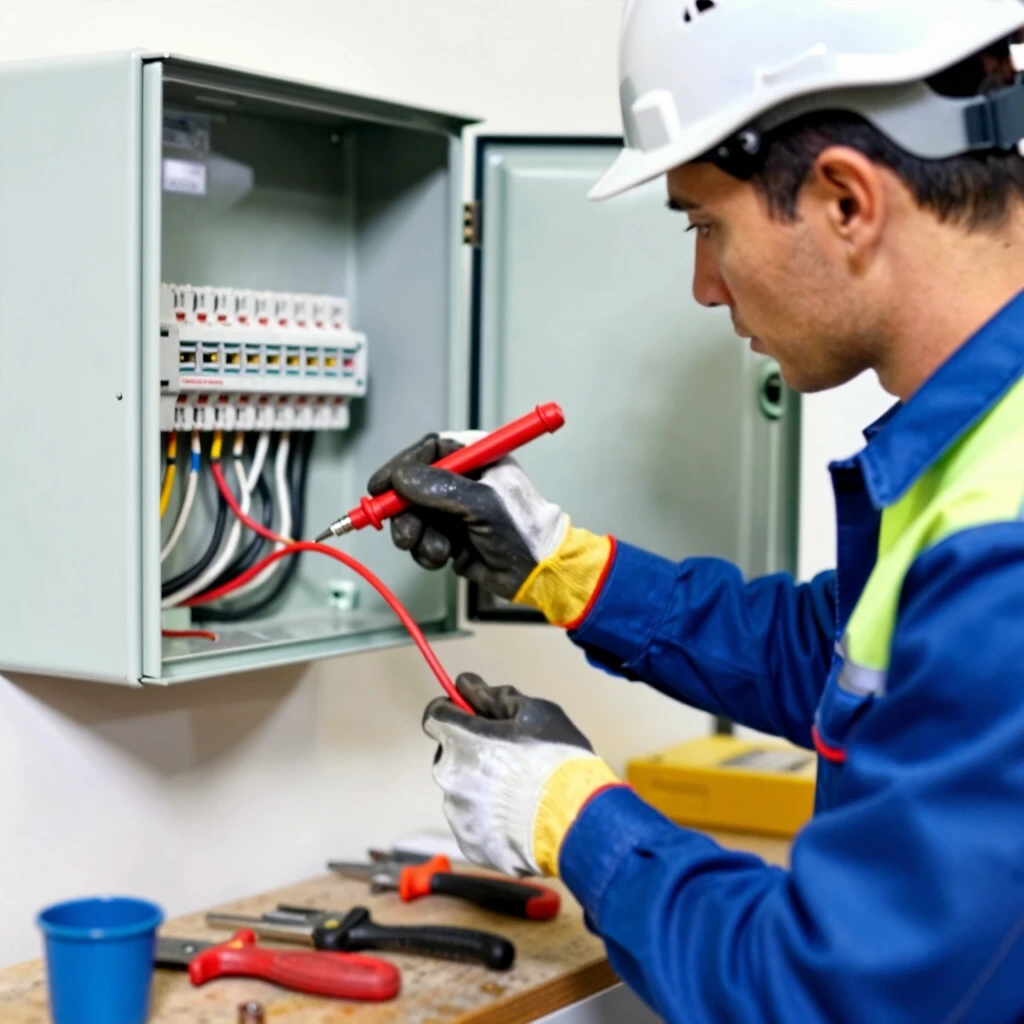
- Non-Contact Testers: Wave them near wires—no touch needed. Ideal for quick scans in crowded panels.
- Multimeter-Style Testers: Combine voltage checks with resistance and continuity. My go-to for deeper diagnostics.
Each type serves a spot in your workman tools lineup. Non-contact ones shine for initial sweeps, while contact versions nail down exact volts.
| Type | Best For | Pros | Cons |
|---|---|---|---|
| Contact | Detailed measurements | Accurate, versatile | Requires direct contact |
| Non-Contact | Quick checks | Safe, fast | Less precise |
| Multimeter | Full diagnostics | Multi-function | Learning curve |
My Top Picks: Voltage Testers That Deliver
After testing dozens, here are the standouts. These top voltage testers for safe electrical work balance reliability, ease, and price. I chose based on real-world use—durability in dusty sites and accuracy under pressure.
-
Klein Tools NCVT-3P: This non-contact pen lights up and beeps for voltages up to 1000V. I love its dual-range for low and standard volts. Perfect for tight spots like junction boxes.
-
Fluke 1AC II: A slim, pocket-friendly tester. It auto-powers on near voltage, saving battery. Used it on a rainy outdoor job—held up without a hitch.
-
Southwire 40150N: Budget-friendly yet tough. Detects 50-1000V AC. Its ergonomic grip fits gloves well, a must for long days.
-
Amprobe VP-1000: Self-testing feature ensures it's ready. Detects up to 1000V and includes a flashlight. Saved me during a basement reno at dusk.
-
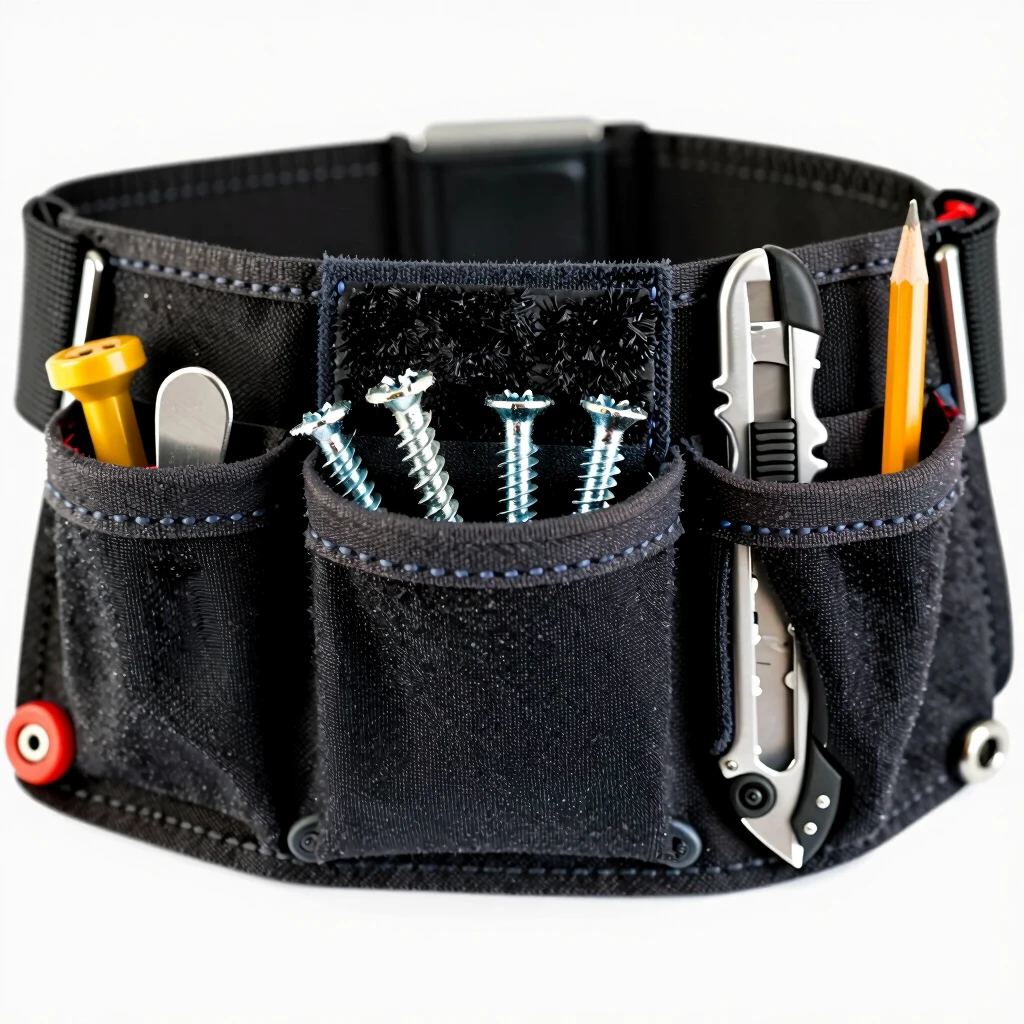
Extech DV25: Dual-mode with AC/DC detection. Compact for tool belts. I pair it with utility knives for stripping wires safely.
These picks integrate seamlessly with other workman tools, like pliers and wire strippers.

How to Choose the Right One for You
Picking a tester isn't just about flash. Think about your typical jobs. For plumbers dipping into electrical tie-ins, grab a non-contact model to avoid water-related slips.
Key factors I weigh: - Voltage Range: Most handle 50-1000V—covers household to light industrial. - Safety Ratings: Look for CAT III or IV. The Occupational Safety and Health Administration (OSHA) outlines standards for testing equipment to prevent faults. - Battery Life: LEDs drain fast; opt for auto-off features. - Durability: Rubber grips and drop-proof builds survive tool bags.
Budget? Start under $20 for basics, up to $50 for pros. I once skimped and bought a cheapie—it failed mid-test, nearly costing me a finger. Lesson learned: Invest in quality.
Safety First: Using Your Tester Like a Pro
Testing isn't rocket science, but skip steps and it bites back. Always follow the live-dead-live rule: Test on a known live source, then your target (expecting zero), then live again to confirm the tool works.
The Lawrence Berkeley National Laboratory's electrical safety principles hammer this home—it's non-negotiable for zero-voltage verification.
Step-by-step: 1. Wear insulated gloves and glasses. 2. Power off the breaker. 3. Scan with your tester. 4. Double-check with a second tool if high stakes. 5. Lock out the tag out before work.
Pair this with other workman tools for electricians and plumbers, like insulated screwdrivers. It turns risky tasks into routine wins.
Real Talk: A Close Call That Shaped Me
Picture this: A sweltering attic, rewiring an old house. I flipped the breaker, but my tester's battery died. In a rush, I proceeded—zap! A mild shock, but it jolted more than my hand. That day, I vowed to carry backups and check gear daily.
Stories like mine aren't rare. Voltage testers aren't luxuries; they're lifelines. They let you focus on the craft, not the fear. Today, my kit includes two testers and a fresh battery stash. Peace of mind? Priceless.

Maintenance: Keep Your Tester Sharp
Treat your tester right, and it'll serve for years. Wipe it down after sweaty jobs—dirt fools readings. Store in a padded pouch to dodge drops.
Test it monthly on a known source. If it glitches, retire it. I swap mine every 2-3 years, even if they look fine. Better safe than sidelined.
Pro tip: Label your tools. In a shared crew van, mine stay mine—no mix-ups.
Wrapping It Up: Gear Up for Safer Days
Top voltage testers for safe electrical work aren't just gadgets—they're guardians. From Klein's quick pens to Fluke's trusty sticks, pick one that matches your moves. Combine with solid habits, and you'll tackle jobs with swagger.
Remember, safety trumps speed every time. Stock your belt with these and other workman tools, and watch productivity soar without the scares. Stay powered, stay protected. (1523 words total)
Related Top Voltage Testers for Safe Electrical Work:
- How AI is Transforming Manufacturing: The Future of Industrial Automation
- Guide to Selecting the Best Paint for Your Home
- Must-Have Tools in a Painter's Toolkit: Essentials for Every Project
- Beginner’s Guide to Woodworking Tools
- Advanced Electrical Troubleshooting: Tips from the Pros
- Preventing Work-Related Injuries: Tips and Tricks
- Unlocking Efficiency: Why Tool Belts with Customizable Pockets Are a Must for Every Tradesperson
- How to Choose the Best Tool Belt for Your Needs
- Workman Tools for Electricians: What You Need to Know
- Budget-Friendly Workshop Setup Ideas: Transform Your Space Without Breaking the Bank
- Essential Maintenance Tips for Workman Tools: Keep Your Construction Gear Running Smoothly
- The Ultimate Guide to Automotive Repair Tools