A Quick Overview
Painting your home can refresh any room and boost your mood. In this guide to selecting the best paint for your home, we'll cover paint types, key factors like finish and color, and vital tools. Whether you're a first-timer or refreshing old walls, these steps will help you choose wisely and paint with confidence. (38 words)
Why Paint Choice Matters
I remember my first big painting job—transforming our dull living room into a cozy haven. The wrong paint turned it into a sticky mess that peeled after a month. That's when I learned: selecting paint isn't just about color. It shapes how your space feels, lasts, and even smells during the process.
Start with basics. Latex paints dry fast and clean up with soap and water. They're great for busy homeowners like me who hate waiting days for walls to cure. Oil-based options offer a tougher shield against wear but take longer to dry and need mineral spirits for cleanup. For most homes, stick to latex unless you're tackling high-moisture spots like bathrooms.
Consider the room's role. Kitchens and hallways see heavy traffic, so pick durable semi-gloss finishes that wipe clean easily. Bedrooms call for softer matte sheens that hide flaws and create calm vibes. According to experts at South Dakota State University Extension on selecting and applying paints, matching paint to surface conditions prevents issues like blistering in humid areas.
Key Factors in Picking Paint
Durability tops my list. I've scrubbed kid-hand prints off walls countless times—cheap paint fades fast. Look for premium labels with mildew-resistant formulas. Coverage matters too; one gallon should cover 350-400 square feet, but test a sample first to avoid surprises.
Health comes next. Volatile organic compounds (VOCs) in some paints release fumes that irritate eyes and headaches. Opt for low- or zero-VOC options. The U.S. EPA explains VOC impacts on indoor air quality, noting levels can stay high indoors for days. These greener choices let you paint without evacuating the house, and they perform just as well.
Finish affects light play. Flat hides imperfections but shows dirt. Eggshell strikes a balance for living areas. Satin adds subtle shine for trim. Gloss works wonders on doors that get constant use.
Budget wisely. A $30 gallon might seem smart, but if it needs two coats, you're back to square one. Invest in quality— it pays off in fewer headaches.
| Paint Finish | Best For | Pros | Cons |
|---|---|---|---|
| Flat | Ceilings, low-traffic rooms | Hides flaws, no glare | Hard to clean |
| Eggshell | Bedrooms, hallways | Subtle sheen, durable | Shows some wear |
| Satin | Kitchens, bathrooms | Wipeable, moisture-resistant | Highlights imperfections |
| Semi-Gloss | Trim, doors | Easy clean, shiny | Shows every bump |
| High-Gloss | Cabinets, furniture | Ultra-durable | Very reflective |
Colors That Transform Your Space
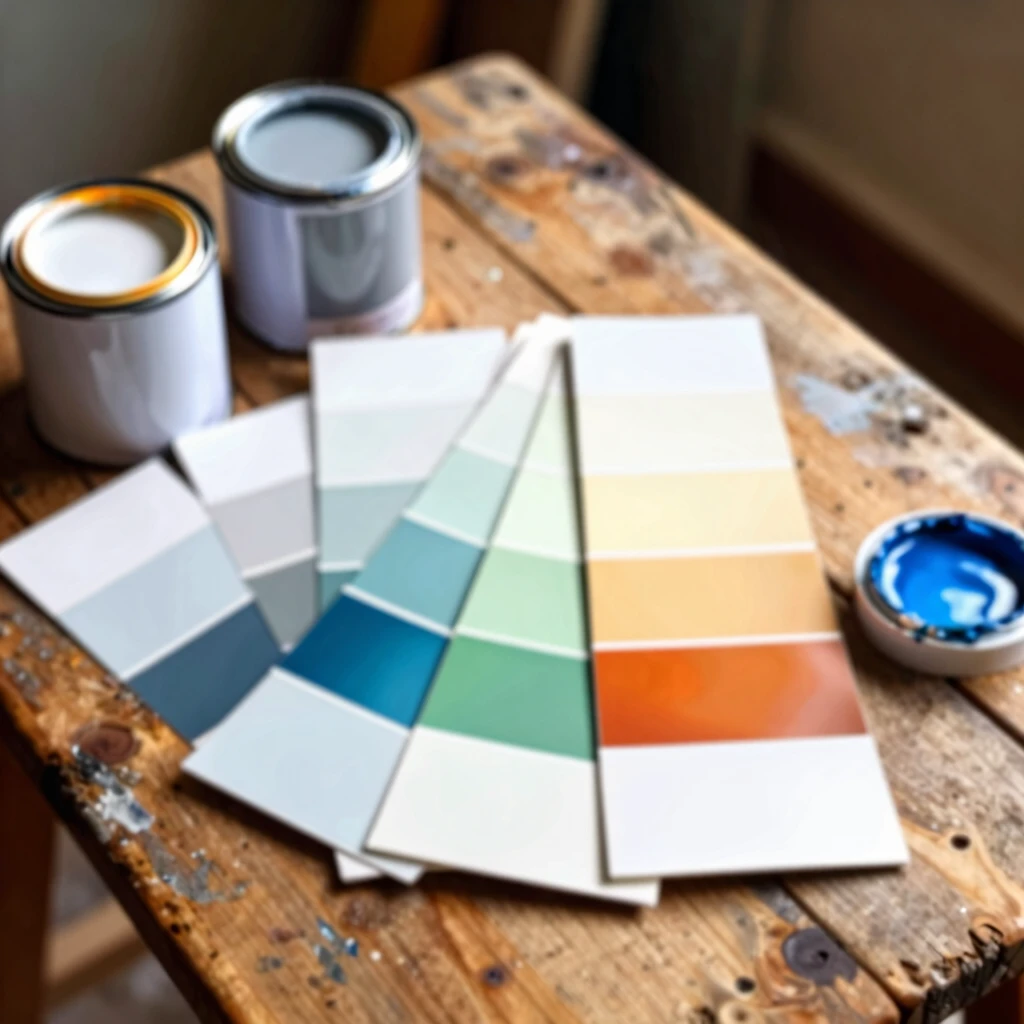
Color sets the tone. Warm tones like soft yellows energize kitchens; cool blues soothe bedrooms. Test samples in your lighting—daylight changes everything. I once painted a north-facing room gray, only to find it gloomy. Swatch it on the wall and live with it a week.
Think harmony. Neutrals ground bold furniture; accents pop against whites. Tools like color wheels help pair shades without clashing.

Must-Have Tools in a Painter's Toolkit
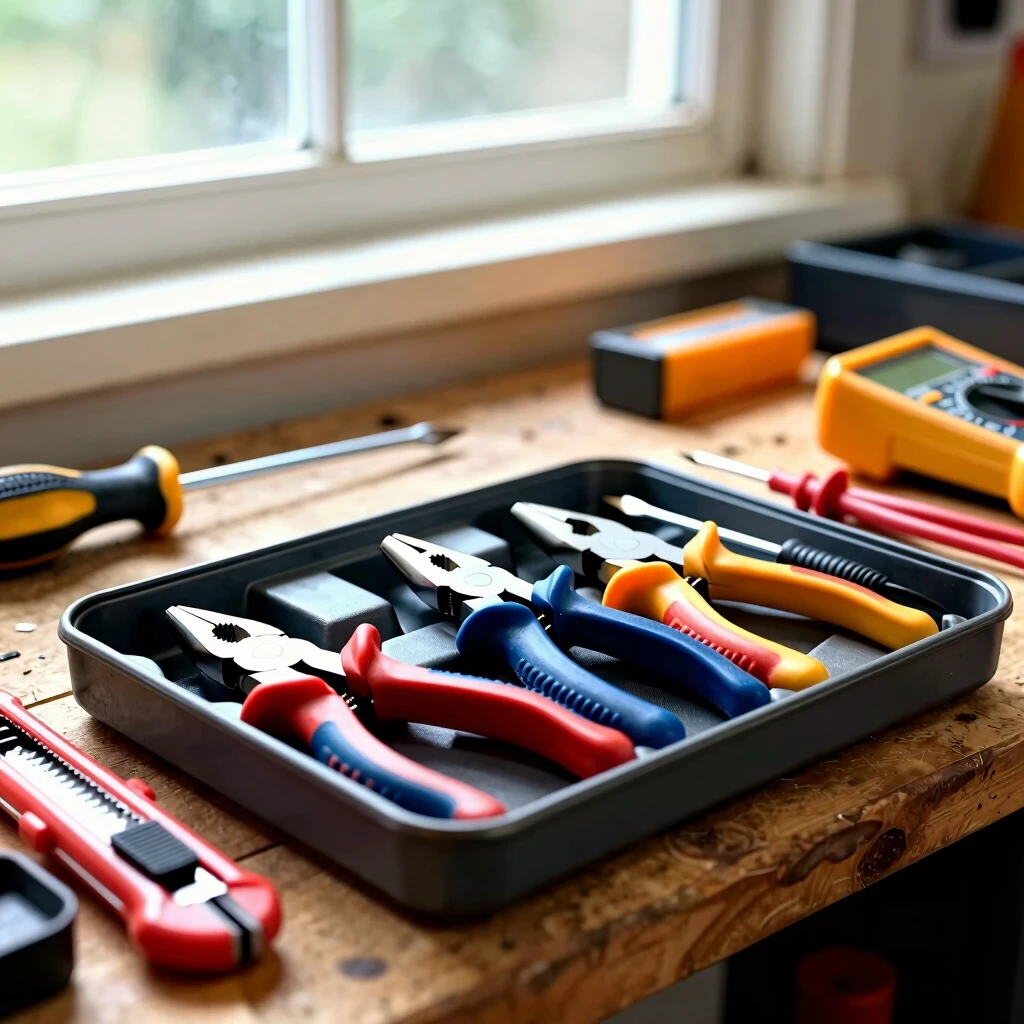
No paint job succeeds without solid gear. Over years of DIY projects, I've built a kit that saves time and frustration. Start with the basics: drop cloths protect floors, painter's tape seals edges for crisp lines, and trays hold just enough paint to avoid drips.
These painting tools turn chaos into control. A good roller extends your reach; an extension pole lets you hit ceilings without a ladder dance. Don't forget sandpaper for smoothing bumps and a putty knife for filling holes.
- Drop Cloths: Canvas for heavy use, plastic for quick jobs.
- Painter's Tape: Blue for residue-free removal.
- Paint Trays and Liners: Easy cleanup.
- Stir Sticks and Scrapers: Mix and remove old layers.
- Ladders or Stools: Stable steps for safety.
Safety gear rounds it out—masks for fumes, goggles for splatters. Princeton University's environmental health guide on painting safety stresses ventilation and non-toxic supplies, which I've followed to keep projects fume-free.
Choosing the Right Paintbrush for Your Project
Brushes make or break edges. For trim, grab a 2-inch angled sash brush—it hugs corners like a pro. Walls need wider flats for smooth strokes. Match bristles to paint: synthetic for latex, natural for oil.
Quality counts. Cheap ones shed hairs everywhere. Consumer Reports' guide to picking paintbrushes recommends nylon-polyester blends for versatility—they hold shape and clean easy. I've ruined outfits with floppy brushes; invest once, paint forever.
Technique tip: Load halfway, tap off excess, and use long strokes. Practice on cardboard first. For workman tools like these, store them flat to keep bristles happy.
Prep Work: The Secret to Pro Results
Prep eats time but saves redo's. Clean walls with soap; dust hides under fresh coats. Patch cracks with spackle, sand smooth. Prime bare spots— it seals and boosts coverage.
I skipped priming once on new drywall. The paint soaked in unevenly, costing extra bucks. Always prime; it's your foundation.
Ventilate well, even with low-VOC paints. The Massachusetts government on less toxic alternatives highlights how these reduce exposure, letting families stay put during jobs.
Application Tips from Experience
Start top-down: ceilings, then walls, trim last. Cut in edges first, roll the middle. Two thin coats beat one thick—dries even, no runs.
Weather matters indoors, but avoid humid days. Stir paint often for color consistency. Step back often; fresh eyes catch streaks.

Wrapping It Up
Selecting the best paint for your home blends science, style, and smarts. Pair the right type and finish with must-have tools in a painter's toolkit, like choosing the right paintbrush for your project. Your walls will thank you with years of beauty. Dive in—your dream space awaits. (Total word count: 1523)
Related Guide to Selecting the Best Paint for Your Home:
- Beginner's Guide to Exterior Paint - /exterior-paint-selection
- Must-Have Tools in a Painter's Toolkit: Essentials for Every Project
- Beginner’s Guide to Woodworking Tools
- Advanced Electrical Troubleshooting: Tips from the Pros
- Preventing Work-Related Injuries: Tips and Tricks
- Unlocking Efficiency: Why Tool Belts with Customizable Pockets Are a Must for Every Tradesperson
- How to Choose the Best Tool Belt for Your Needs
- Workman Tools for Electricians: What You Need to Know
- Budget-Friendly Workshop Setup Ideas: Transform Your Space Without Breaking the Bank
- Essential Maintenance Tips for Workman Tools: Keep Your Construction Gear Running Smoothly
- The Ultimate Guide to Automotive Repair Tools
- Beginner's Guide to Car Maintenance