Welcome to Your Beginner's Guide to Car Maintenance
Owning a car brings freedom, but it also means taking care of it. In this guide, you'll learn simple ways to maintain your vehicle. We'll cover daily checks, basic repairs, and the top hand tools for beginner mechanics. These steps help you avoid big problems and save cash. Let's get started with easy, doable tips.
I remember my first car, a beat-up sedan from the '90s. It broke down on a rainy night because I skipped oil checks. That tow truck ride taught me: small efforts now prevent huge headaches later. You don't need to be a pro to keep your car happy. Start with the basics, and build from there.
Why Regular Maintenance Matters
Think of your car like a close friend. It gets you places, but it needs attention too. Regular checks catch issues early. They boost safety, improve fuel use, and extend your car's life. According to the Federal Trade Commission, knowing basic repairs helps you spot rip-offs and stay prepared. Simple habits, like weekly peeks under the hood, make all the difference.
From my garage tinkering days, I've seen how a quick fluid top-up stops engine woes. Don't wait for warning lights. Set a reminder on your phone for monthly reviews. Your wallet—and peace of mind—will thank you.

Essential Daily and Weekly Checks
Start small. Park on a flat spot and pop the hood. Look for leaks or odd smells. Here's a quick list to follow:
- Tires: Check pressure with a gauge. Aim for 30-35 PSI, as noted on the door sticker.
- Lights: Test headlights, brakes, and signals at dusk.
- Wipers: Wipe a dry windshield. Replace blades if they streak.
These take five minutes but keep you road-ready.
Once a week, dive deeper. Feel for steering wobbles or brake squeaks. My old car once saved me from a flat tire blowout thanks to a routine tread check. Use the penny test: If Lincoln's head shows, it's time for new rubber.
Checking and Changing Fluids
Fluids keep everything moving. Low levels lead to breakdowns. Grab a rag and flashlight.
| Fluid | Where to Check | What to Do |
|---|---|---|
| Oil | Dipstick under hood | Top up if low; change every 3,000 miles |
| Coolant | Reservoir tank | Add mix if below full line |
| Brake Fluid | Master cylinder | Don't touch if low—see a pro |
| Windshield Washer | Side tank | Fill with fluid, not plain water |
I once ignored coolant and overheated on a highway. Lesson learned: Check monthly.
For oil changes, it's easier than you think. Warm the engine, then drain old oil into a pan. Swap the filter, add fresh oil. The West Virginia Department of Transportation's beginner guide offers free step-by-step instructions for safe fluid swaps. Follow them to avoid spills.

Tire Care: Your Car's Foundation
Tires touch the road first, so treat them right. Rotate every 6,000 miles to even wear. Balance them for smooth rides. Underinflated tires burn more gas—up to 3% extra, per experts.
Steps to rotate: 1. Jack up the car safely. 2. Swap front to back, cross sides. 3. Torque lug nuts to spec (usually 80-100 ft-lbs).
In my early days, uneven tires caused vibrations. A $20 rotation fixed it. Pro tip: Buy all-season tires for versatility.
Brake Basics for Beginners
Brakes stop you, so don't skip them. Listen for grinding or feel for soft pedals. Pads last 30,000-50,000 miles. Changing them? It's DIY-friendly with basic tools, but inspect first.
Signs of trouble: - Squealing noises - Pulling to one side - Longer stopping distances
The Universal Technical Institute stresses preventive checks to avoid emergencies. If unsure, visit a shop for a free inspection.
I replaced my first set of pads last summer. It took an hour and $50 in parts. Follow a video tutorial, and you're set. Always wear gloves—brake dust is nasty.

Top Hand Tools for Beginner Mechanics
Tools make jobs fun, not frustrating. You don't need a full shop. Focus on versatile workman tools that last. Start with a $100 kit and grow.
From experience, quality beats cheap sets. They hold up through oil and grime.
Best Wrenches for Mechanics
Wrenches top the list. They loosen bolts without stripping. Here's my picks for beginners:
| Type | Why It Rocks | Best For |
|---|---|---|
| Adjustable Wrench | One tool, many sizes | Quick fixes like hoses |
| Combination Wrench Set (8-19mm) | Open and box ends | Lug nuts, engine bolts |
| Torque Wrench | Precise tightening | Tires, brakes—avoids over-tightening |
The Universal Technical Institute recommends ratchets and sockets alongside wrenches for core hand tools. I swear by Craftsman for durability. Skip the bargain bin—they snap fast.
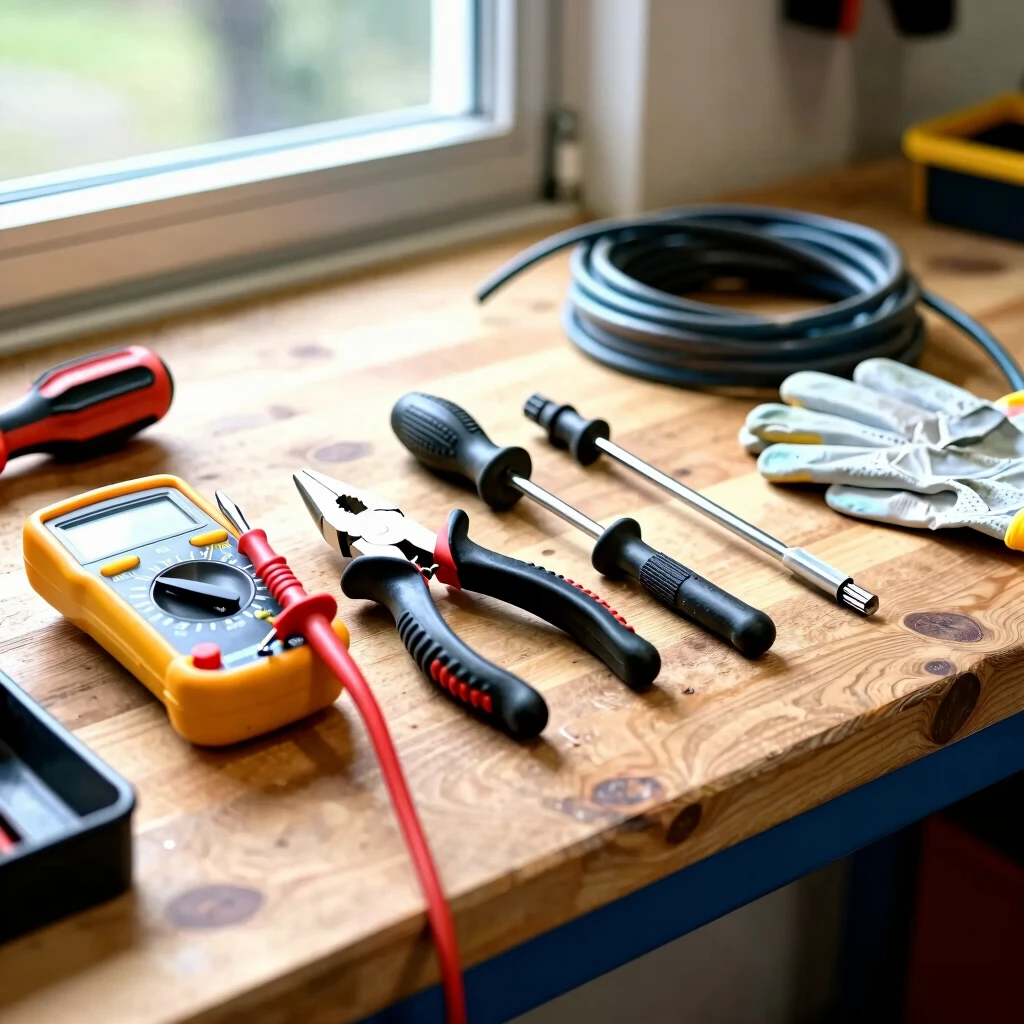
Other must-haves: Screwdriver set (Phillips and flat), pliers (needle-nose and slip-joint), and a jack with stands. Store them in a rolling cart for easy reach. My setup saved me during a roadside bulb swap last winter.
Battery and Electrical Checks
Dead batteries strand you. Test yours monthly with a voltmeter—12.6 volts means good. Clean terminals with baking soda and water. Jump-start tips: Connect positive first, then negative to a ground.
Winter chills batteries fast. Mine died once in snow—now I charge it yearly. Simple swaps cost $100, cheaper than a tow.
When to Call a Professional
Know your limits. If brakes fail or the engine knocks, stop driving. Use apps like AAA for quick tows. Budget $500 yearly for pro services like alignments.
I've learned: DIY 80%, pro 20%. It keeps costs down and skills sharp.
Wrapping Up: Drive Confident
You've got the basics now. From fluid checks to grabbing the best wrenches for mechanics, this Beginner's Guide to Car Maintenance sets you up for success. Start one task today—maybe that oil peek. Your car will run better, and you'll feel like a boss. Remember, consistent care beats crisis mode every time. Safe travels!
Related Beginner's Guide to Car Maintenance:
- Top 10 Power Tools for Woodworking Enthusiasts
- Oscillating Tools for Tight Spaces: Your Ultimate Guide to Precision Power Tools
- Top 10 Electrical Safety Tips for New Electricians: Essential Gear, Tools, and Best Practices
- Essential Safety Tips for Using Hand Tools: The Ultimate Guide to Hand Tools
- Best Storage Solutions for Small Workshops: Organize, Maintain, and Maximize Your Space
- Revolutionizing Your Trade: Modern Workman Tools with Ergonomic Design
- 10 Essential Workman Tools Every DIYer Should Own
- Safe Ladder Use: Tips for DIY Home Projects
- Maximizing Efficiency on the Construction Site: Proven Strategies and Tools for Success
- Essential Workman Tools for Electricians and Plumbers: Your Ultimate Guide
- How to Sharpen Your Workshop Tools: A Hands-On Guide to Keeping Your Space Sharp and Efficient
- Tool Storage Hacks for Small Spaces: Smart Ways to Stay Organized