A Quick Overview
Hand tools make everyday tasks easier, but they can cause serious injuries if mishandled. In this guide, you'll find essential safety tips for using hand tools that blend practical advice with real-life stories. Whether you're a DIY enthusiast or a pro, these steps will help you work smarter and safer. (38 words)
Why Hand Tool Safety Should Be Your Top Priority
I remember my first big project as a young carpenter. I grabbed a rusty chisel without thinking and ended up with a deep cut that sidelined me for weeks. That mishap taught me a hard lesson: safety isn't optional—it's essential. Every year, thousands of injuries happen from hand tools alone. According to the Occupational Safety and Health Administration (OSHA), over 70,000 workers suffer hand injuries annually, many preventable with simple habits.
Think about it. A slip of the hammer or a loose wrench grip can lead to cuts, bruises, or worse. But when you follow essential safety tips for using hand tools, you protect yourself and get better results. This ultimate guide to hand tools covers everything from inspections to ergonomics, drawing from my years on job sites and expert sources.
Safety starts with respect for the tools in your hands. Workman tools like screwdrivers, pliers, and hammers are reliable friends if treated right. Neglect them, and they turn into hazards. Let's dive into the basics.

Step 1: Inspect Your Tools Before Every Use
Before you swing that hammer or twist that screwdriver, give your tools a quick once-over. Look for cracks, chips, or loose parts. A damaged handle on a chisel can snap mid-cut, sending shards flying.
From my experience, skipping this step leads to disasters. Once, I used a worn-out plier jaw on a tight wire, and it slipped, nearly pinching my finger. Now, I make it a ritual.
Here's a simple checklist to follow:
| Tool Type | What to Check | Red Flags |
|---|---|---|
| Hammers | Handle cracks, head looseness | Splinters, wobble |
| Screwdrivers | Tip wear, shaft bends | Mushroomed ends, rust |
| Wrenches | Jaw grip, handle integrity | Slipping jaws, cracks |
| Saws | Blade sharpness, teeth damage | Dull edges, missing teeth |
The Yale University Environmental Health and Safety guidelines emphasize inspecting tools daily to catch issues early. It takes seconds but saves days of recovery.
Pro tip: Store your workman tools in a dry spot. Moisture rusts metal and weakens wood handles. A quick wipe-down after use keeps them ready for action.
Step 2: Pick the Right Tool for the Job
Nothing frustrates me more than seeing someone force a flathead screwdriver into a Phillips slot. It strips the screw and risks flying bits. Always match the tool to the task.
For example, use adjustable wrenches for odd-sized nuts, not a fixed one that slips. This isn't just about efficiency—it's safety. The wrong tool increases force needed, leading to slips and strains.
In my workshop, I keep a 'tool audit' going. Before starting, I ask: Does this fit perfectly? If not, swap it out. This habit has prevented countless close calls.
Remember, workman tools come in all shapes. Invest in quality ones that feel right in your hand. Cheap knockoffs break easily and aren't worth the risk.

Step 3: Master Proper Handling Techniques
How you hold and use a tool matters as much as the tool itself. Grip firmly but not white-knuckled—let your muscles relax to avoid fatigue.
Pull, don't push, when using wrenches or knives. This keeps the force directed away from your body. The University of Rochester Medical Center advises pulling tools toward you to reduce injury risk from slips.
In one project, I was prying a board loose by pushing a crowbar. It gave way suddenly, slamming into my thigh. Ouch. Now, I always position myself for a pull. Practice this in low-stakes moments to build muscle memory.
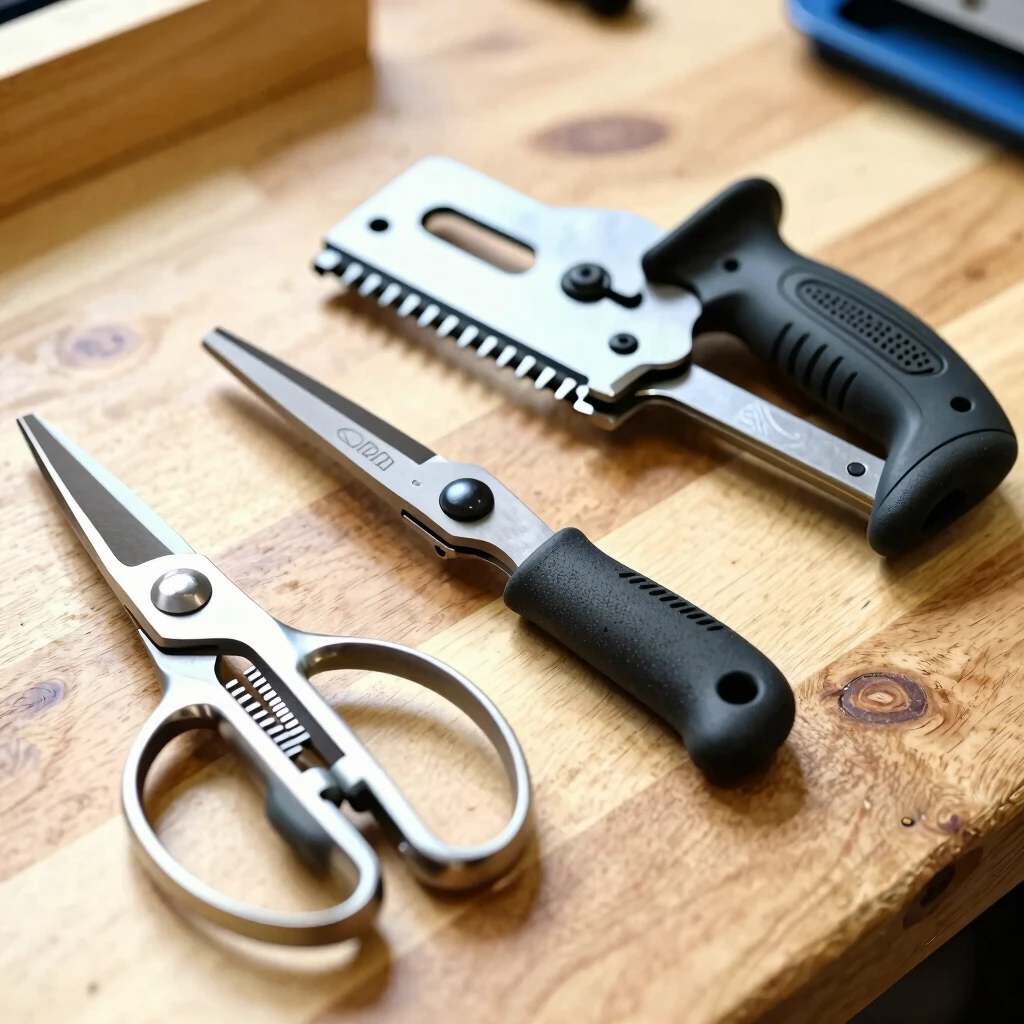
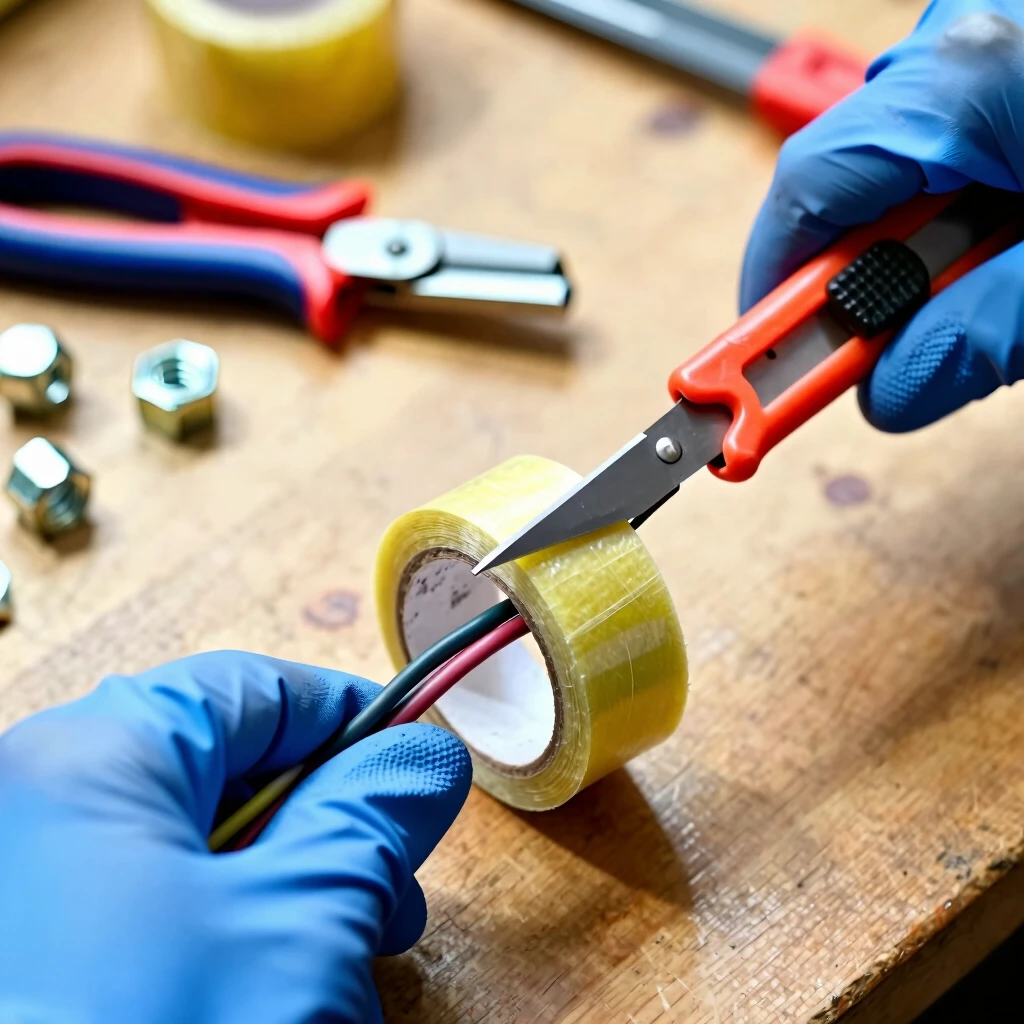
For cutting tools like utility knives, score lightly first. Deep hacks lead to loss of control. And always cut away from your fingers—sounds basic, but I've seen pros forget in a rush.
Step 4: Embrace Ergonomics with Smart Gear
Ergonomics isn't fancy talk—it's about working without pain. That's where tool belts shine. A good tool belt keeps essentials at your waist, reducing bends and reaches that strain your back.
Look for tool belts with ergonomic designs. Padded waistbands distribute weight evenly, and multiple pockets prevent dangling hazards. I switched to one years ago, and my lower back thanks me daily. No more fumbling on ladders or digging through piles.
When choosing tool belts, consider: - Adjustable straps for a custom fit. - Heavy-duty buckles that won't fail mid-job. - Pocket organization for quick grabs.
These features turn chaos into calm. Pair your tool belt with cushioned knee pads if you're kneeling a lot. Small changes, big comfort.

Tool belts aren't just for pros. DIYers benefit too. Clip on your essentials and move freely—it's a game-changer for garden sheds or garage fixes.
Step 5: Gear Up with Personal Protective Equipment (PPE)
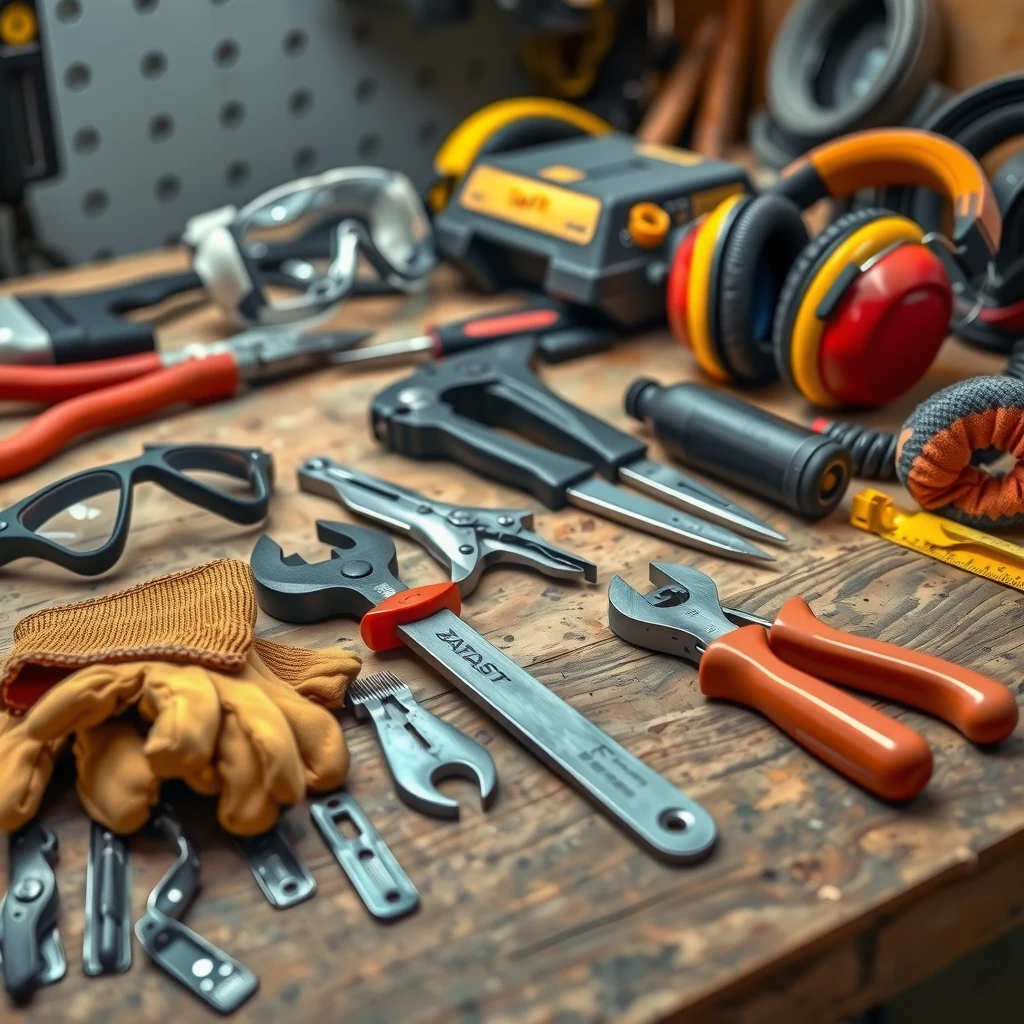
PPE is your invisible shield. Safety glasses block flying chips, gloves protect palms from blisters and cuts, and sturdy boots guard your toes from drops.
Don't skimp here. I've dropped a 2-pound mallet on an unprotected foot—bruised for weeks. Now, steel-toed boots are non-negotiable. Start with basics: ANSI-rated glasses, cut-resistant gloves, and hearing protection for noisy hammering.
Layer up based on the job. Wet work? Waterproof gloves. Overhead tasks? A hard hat. Consistency builds the habit.
Fun fact from my sites: Teams that enforce PPE have fewer accidents. Lead by example—put on your gear first, and others follow.
Step 6: Keep Your Workspace Hazard-Free
A cluttered bench is an accident waiting to happen. Clear debris, secure your workpiece with clamps, and ensure good lighting. Shadows hide dangers.
I once tripped over a stray nail in dim light—face-planted into a sawhorse. Lesson learned: Light it up and tidy as you go. Use vises for stability; freehand holding invites wobbles.
Also, work in well-ventilated areas. Dust from sanding or fumes from adhesives build up fast. A fan or open window keeps air fresh.
Pro organize tip: Dedicate zones—one for tools, one for materials, one for waste. It speeds workflow and cuts risks.
Common Pitfalls and How I Learned from Them
Overconfidence bites hardest. Early on, I hammered without securing the board. It shifted, and the blow glanced off, gashing my wrist. Blood everywhere—scary stuff.
Another time, fatigue set in after hours. I rushed a saw cut and nicked my thumb. Now, I set timers for breaks: 10 minutes every hour to stretch and refocus.
Watch for these traps: 1. Rushing jobs—slow down for precision. 2. Ignoring fatigue—rest beats hospital visits. 3. Solo heavy lifts—call for a buddy. 4. Poor storage—hanging tools prevent tip-overs.
Sharing these stories isn't bragging about scars; it's hoping you skip them. Safety grows from stumbles.
Incorporate these into your routine, and you'll handle workman tools like a pro. It's about building habits that stick.
Wrapping It Up: Safe Hands, Strong Work
There you have it—the essential safety tips for using hand tools that have kept me going strong. From inspections to ergonomic tool belts, these practices turn potential pitfalls into smooth sails. Prioritize safety, and your projects will thrive without the drama.
Remember, a safe worker is a productive one. Apply one tip today, and build from there. You've got this.
Related Essential Safety Tips for Using Hand Tools:
- Advanced Techniques for Tool Organization
- Injury Prevention in Construction: Expert Advice
- Best Storage Solutions for Small Workshops: Organize, Maintain, and Maximize Your Space
- Revolutionizing Your Trade: Modern Workman Tools with Ergonomic Design
- 10 Essential Workman Tools Every DIYer Should Own
- Safe Ladder Use: Tips for DIY Home Projects
- Maximizing Efficiency on the Construction Site: Proven Strategies and Tools for Success
- Essential Workman Tools for Electricians and Plumbers: Your Ultimate Guide
- How to Sharpen Your Workshop Tools: A Hands-On Guide to Keeping Your Space Sharp and Efficient
- Tool Storage Hacks for Small Spaces: Smart Ways to Stay Organized
- Safety Tips for Using Power Tools: The Ultimate Guide to Staying Safe and Productive
- How to Choose the Right Wrench Size: Your Ultimate Guide to Workman Tools