Quick Overview
Power tools boost efficiency in woodworking, construction, and home repairs, but mishandling them leads to thousands of injuries yearly. This guide shares safety tips for using power tools, from gear choices to daily checks. You'll gain actionable steps to protect yourself and your tools. (42 words)

Why Power Tool Safety Matters
I remember my first big DIY project—a backyard deck build. Excited, I grabbed my new power drill without a second thought. One slip, and I nicked my finger. It healed fast, but that scare taught me: safety isn't optional; it's essential.
According to the U.S. Occupational Safety and Health Administration (OSHA), over 30,000 power tool injuries occur annually in the U.S. Many stem from simple oversights like skipping eye protection or ignoring worn cords. By following basic safety tips for using power tools, you cut these risks dramatically.
This isn't about fear—it's about smart habits. Let's dive into gear, setup, and routines that keep projects smooth and you unscathed.
Gear Up: Personal Protective Equipment (PPE)
Start every session by suiting up. Think of PPE as your project's invisible shield.
Eyes First
Dust, sparks, and flying debris are no joke. Wear ANSI-rated safety glasses that fit snugly. I once saw a buddy lose an eye to a rogue wood chip—don't let that be you.
Hands and Ears
Gloves protect against cuts and vibrations, but choose ones that won't snag in moving parts. For noisy saws or grinders, earplugs or muffs drop decibels to safe levels. The Cornell University Environmental Health and Safety guide on hand and power tools stresses matching PPE to the tool's hazards.
Respiratory and Foot Protection
In dusty environments, a mask filters out particles. Steel-toed boots guard toes from dropped tools. Layer up based on the job—overkill beats regret.
| PPE Item | Why It Matters | Quick Tip |
|---|---|---|
| Safety Glasses | Shields eyes from debris | Ensure side shields for full coverage |
| Work Gloves | Prevents cuts and blisters | Use cut-resistant for sharp tasks |
| Ear Protection | Reduces hearing damage | Opt for NRR 25+ for loud tools |
| Dust Mask | Blocks inhalable particles | Fit-test for a tight seal |
| Steel-Toed Boots | Protects feet from impacts | Choose slip-resistant soles |
Set Up a Safe Workspace
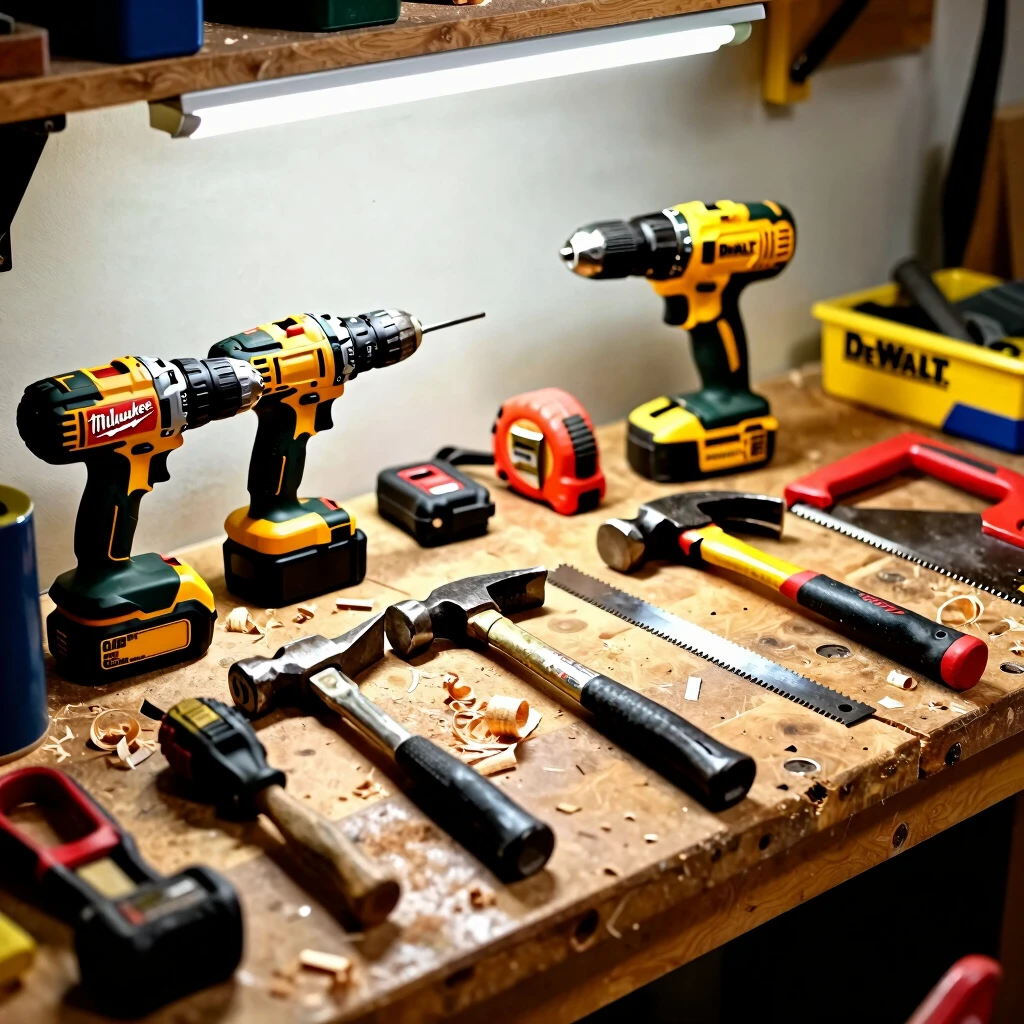
A cluttered shop is an accident waiting to happen. Clear the area of trip hazards and ensure good lighting. I cleared my garage once and finished a shelf build twice as fast—no stubs or spills.
Keep flammable materials away from sparks. Use stable surfaces for tools. For power drills, secure workpieces with clamps to avoid slips. The Yale Environmental Health and Safety PDF on hand and power tools recommends inspecting your space daily.
Ventilate well to disperse fumes, especially with cordless tools' battery heat. And unplug everything when not in use—it's a habit that saves lives.
Handling Power Tools Like a Pro
Grip firmly, but let the tool do the work. Start slow to gauge resistance. For power drills, select the right bit and speed—high for softwoods, low for metals.
Never carry tools by cords or hoses. Yanking one out once fried my extension—lesson learned. Keep fingers clear of triggers until ready. The OSHA eTool on power tools outlines cord care to prevent shocks.
Store tools in cases or on pegboards. Label bits and blades for quick grabs. This organization cuts frustration and errors.
Power Drills: Focus on the Workhorse
Power drills are versatile stars in any toolbox, but they demand respect. From drilling pilot holes to driving screws, misuse leads to kickback or stripped bits.
Choose cordless for mobility—my go-to for overhead work. Always check battery charge; a dying one strains the motor. Secure the bit firmly to avoid wobbles.
When boring into walls, scan for wires first. I use a stud finder religiously after a near-miss with plumbing.

The Ultimate Guide to Cordless Drill Care
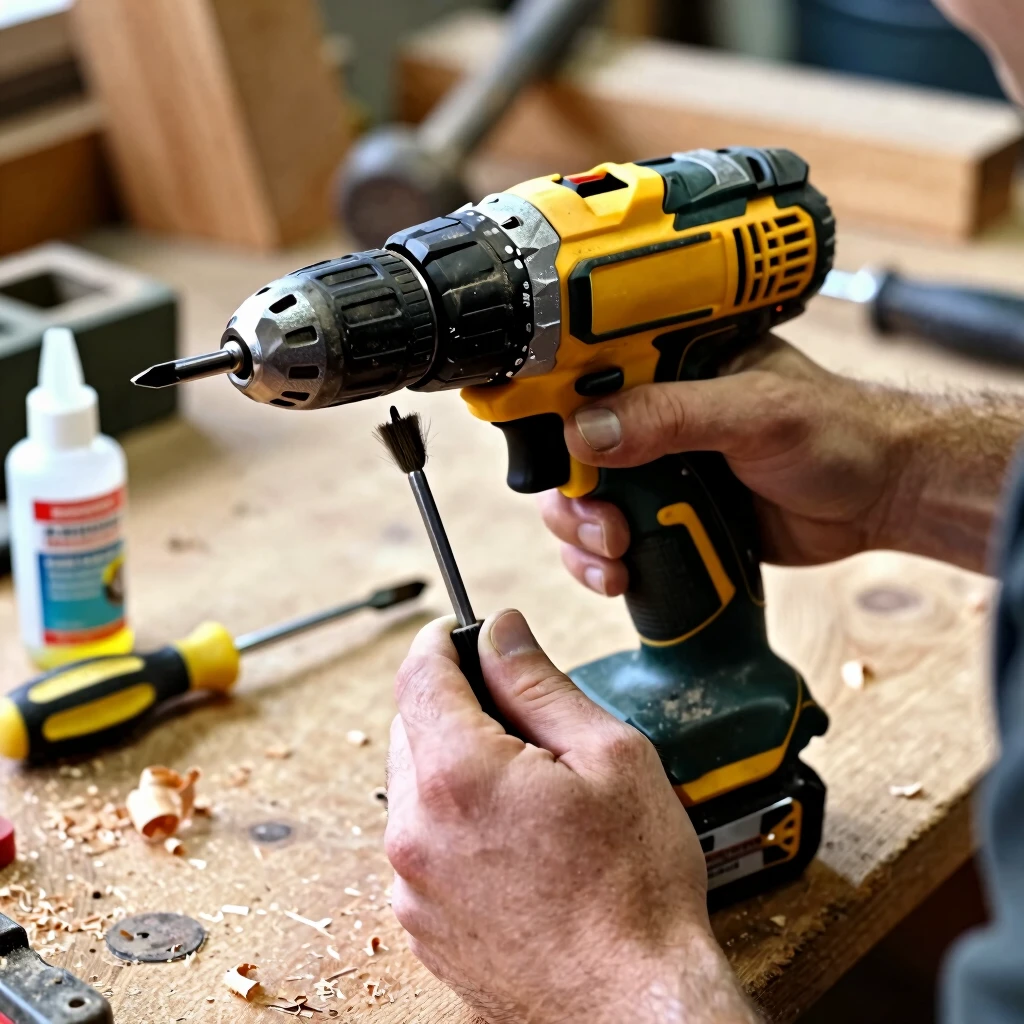
Cordless drills shine in convenience, but neglect them, and performance drops. Power tools maintenance tips start with daily wipes—dust clogs vents and shortens life.
Remove the battery after use; store it cool and half-charged to prevent deep discharge. The Virginia Tech lab safety resource on portable electric drills advises tightening bits before and after jobs.
Lubricate moving parts quarterly. Inspect for cracks or loose screws. My drill lasted five years with monthly checks—yours can too.
Battery tips: Avoid full drains; charge at room temp. Clean terminals with a dry cloth. Rotate spares to keep them active.
Cordless Drill Maintenance Checklist
- Daily: Wipe exterior, check battery fit.
- Weekly: Inspect chuck and cordless connections.
- Monthly: Lubricate gears, test on scrap.
- Yearly: Professional tune-up if heavy use.
These power tools maintenance tips extend warranties and cut replacement costs.
Common Mistakes and How to Dodge Them
Rushing setup tops the list—always read manuals. Over-tightening screws strips heads; use torque settings.
Ignoring vibrations leads to fatigue; take breaks. I paused during a fence install and avoided a cramp-induced slip.
Mixing bits for wrong materials dulls them fast. Match to the task: spade for wood, masonry for concrete.
Wet conditions amplify shocks—keep tools dry. Even cordless ones hate water.
A Personal Take: Lessons from the Trenches
Years ago, building a treehouse with my kids, I skipped gloves. A drill bit grabbed and yanked—lucky it was just a blister. Now, I demo full routines to them. Safety builds confidence; share it.
Pros echo this: Listen to your body and tool. Whines or shakes signal stops. Community forums buzz with stories—yours could inspire safer habits.
Wrapping It Up
Safety tips for using power tools boil down to preparation, respect, and routine care. Gear up, organize, handle smartly, and maintain diligently. Your projects—and health—thank you.
Implement one tip today: Audit your PPE. Small steps yield big safety gains. Stay powered, stay safe. (28 words)
Related Safety Tips for Using Power Tools:
- Top Home Workshop Organization Hacks: Transform Your Space with Expert Tips
- How to Choose the Right Wrench Size: Your Ultimate Guide to Workman Tools
- How to Choose the Best Safety Gear for Your Job
- DIY Plumbing: Tips and Tricks for Beginners
- Top 10 Must-Have Tools for Every DIY Enthusiast
- Unlocking Professional Excellence: The Ultimate Guide to High-Quality Workman Tools for Professionals
- How to Choose the Best Plumbing Tools for Your Needs
- Safety Tips for New Construction Workers: A Beginner's Essential Guide
- 10 Tips for Choosing the Right Paint Brushes: Elevate Your Art and DIY Projects
- Top Popular Brands for Workman Tools in 2025: Build Better with Trusted Names
- Safety Tips for Using Workman Tools: Essential Guide for Every Handyman
- Best Cordless Drills for Automotive Work