Quick Overview
Starting out in construction? Safety comes first. This guide shares straightforward tips to keep you safe, from picking the right gear to handling tools like a pro. You'll build confidence and avoid common pitfalls with real-world advice from the trenches. (38 words)
Hey there, new builder! I remember my first day on a site—nerves buzzing, dust everywhere, and that constant hum of machinery. Construction work builds more than structures; it shapes you. But let's be real: it's tough on the body if you're not careful. As someone who's swung hammers for over a decade, I've learned the hard way that small habits make big differences. In this article on safety tips for new construction workers, we'll cover the basics to get you started strong. Think of it as your personal safety blueprint.
First things first: know the risks. Construction sites are full of hazards like falls, heavy loads, and sharp edges. According to the Occupational Safety and Health Administration (OSHA), falls cause one in three construction injuries. Scary stat, right? But you can dodge most of them with awareness.
Start by scouting your workspace. Walk the site before diving in. Spot uneven ground, overhead wires, or stacked materials that could topple. I once tripped over a loose cable—lesson learned: always tie up cords and mark trip zones with bright tape.

Gear Up: Personal Protective Equipment (PPE)
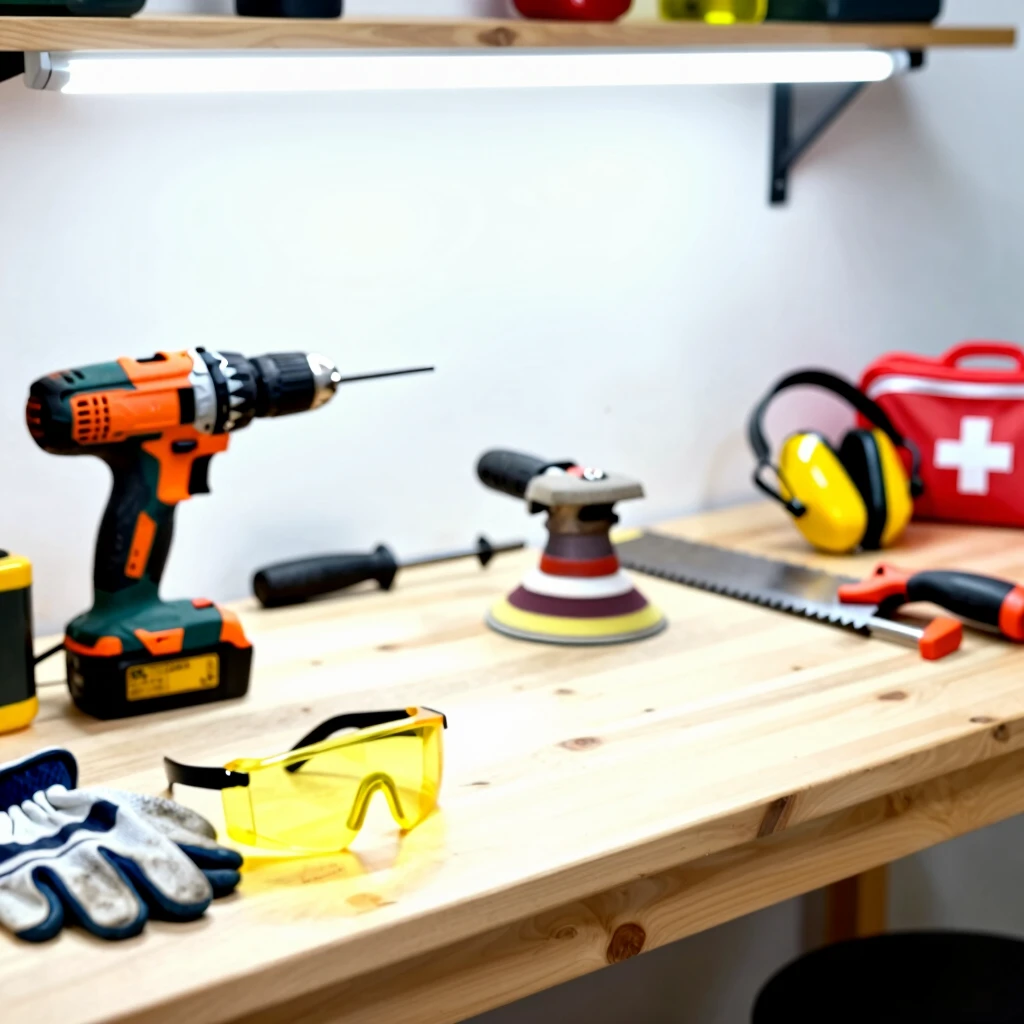
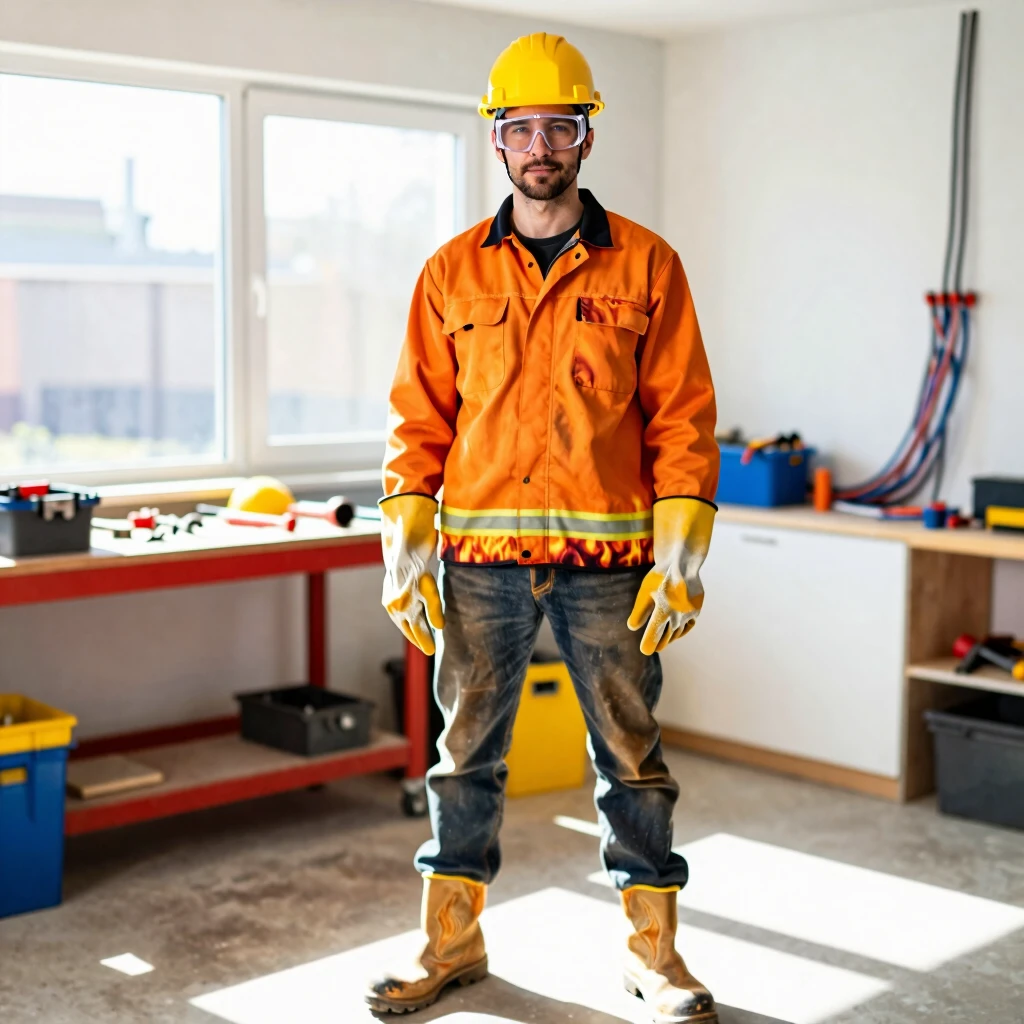
Your body is your best tool—protect it. PPE isn't optional; it's your shield. Begin with a sturdy hard hat. It saved my buddy's noggin from a falling wrench last year.
Next, steel-toed boots. They grip slick surfaces and crush hazards underfoot. Pair them with gloves that fit snug but let you feel the work. Cut-resistant ones for handling rebar, padded for hammering away.
Don't forget eye protection. Flying debris is no joke. I wear wraparound goggles that fog up less in the heat. And earplugs or muffs for those noisy saws—pro tip: reusable ones last longer and save cash.
High-vis vests keep you seen, especially in low light. Respiratory masks filter dust; swap them out daily. OSHA's site has a full PPE checklist—check it out here.
| Essential PPE Item | Why It Matters | Quick Tip |
|---|---|---|
| Hard Hat | Guards against head impacts | Adjust the strap for a secure fit |
| Steel-Toed Boots | Protects feet from punctures | Lace them tight to avoid slips |
| Safety Glasses | Shields eyes from particles | Clean lenses daily for clear vision |
| Gloves | Prevents cuts and strains | Choose task-specific types |
| High-Vis Vest | Boosts visibility | Layer under jackets in cold weather |
Mastering Tools: Handle with Care
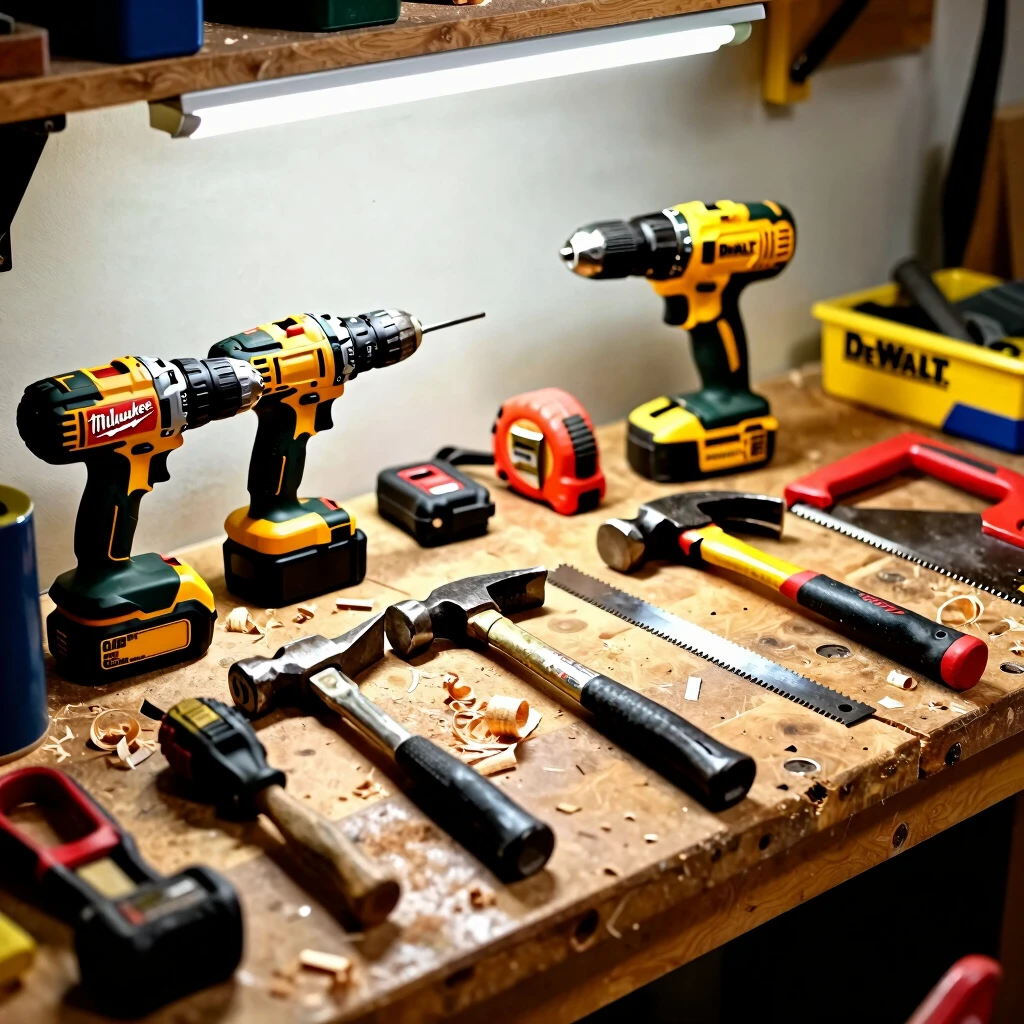
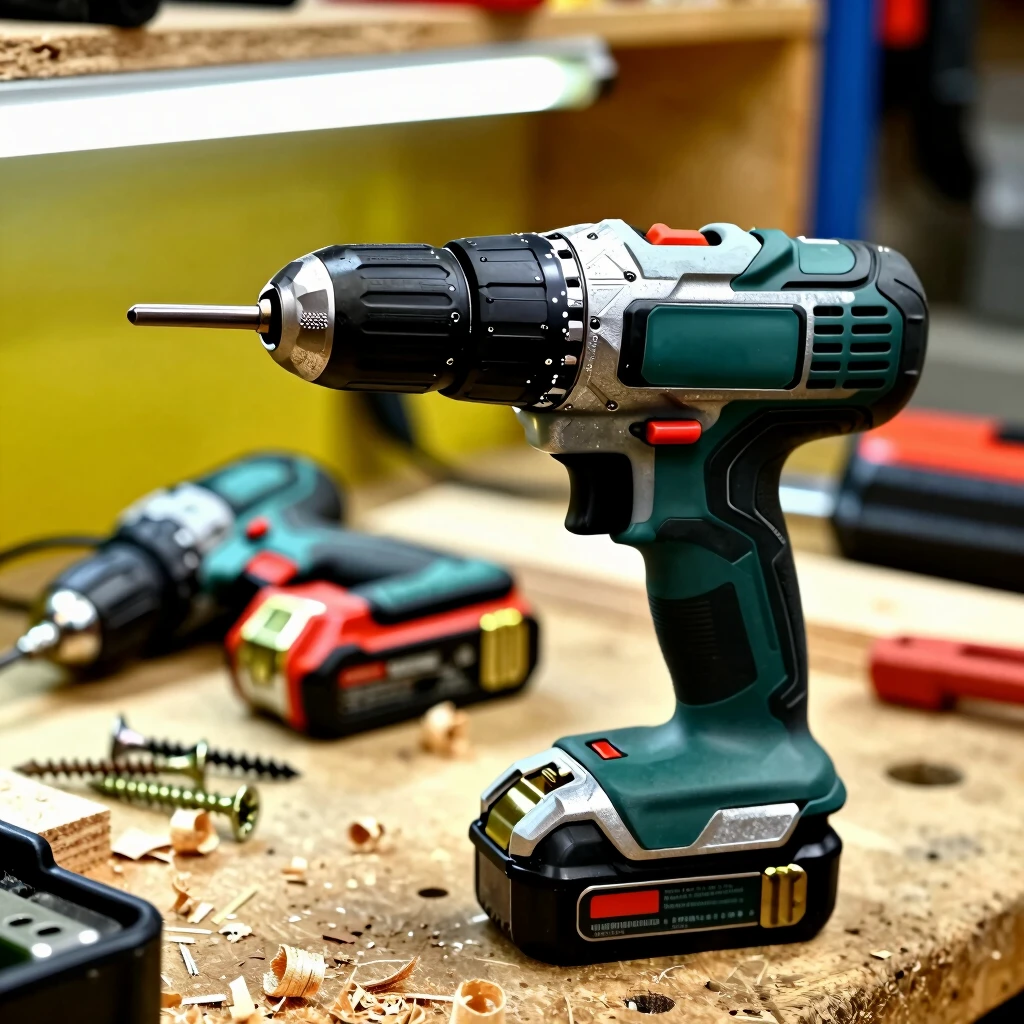
Tools are extensions of your hands, but misuse them and they bite back. Let's talk safety tips for new construction workers when it comes to gear. Start simple: always inspect before use. Cracked handles or dull blades? Set them aside.
Lock tools when not in use—hanging racks beat cluttered boxes. And carry them point-down, never swinging wildly. I learned that after nicking my leg with a misplaced chisel.
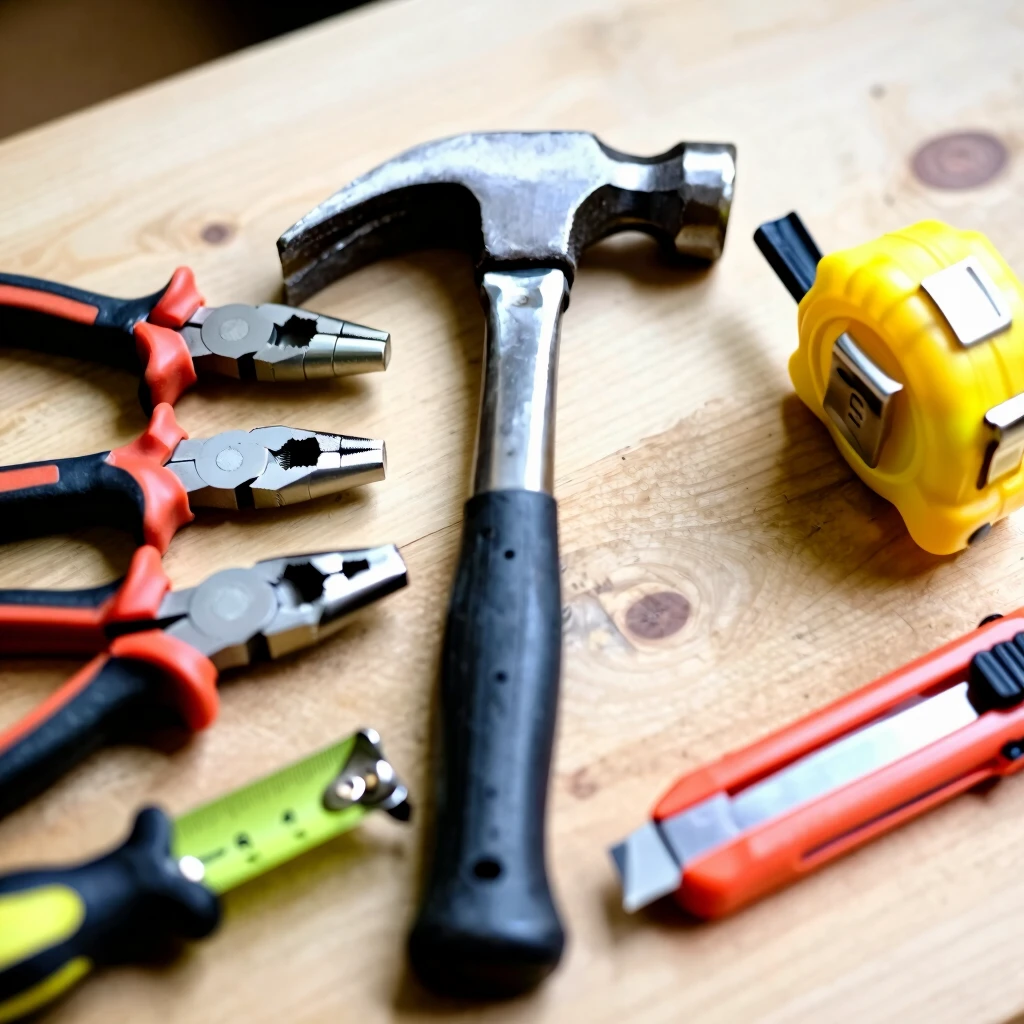
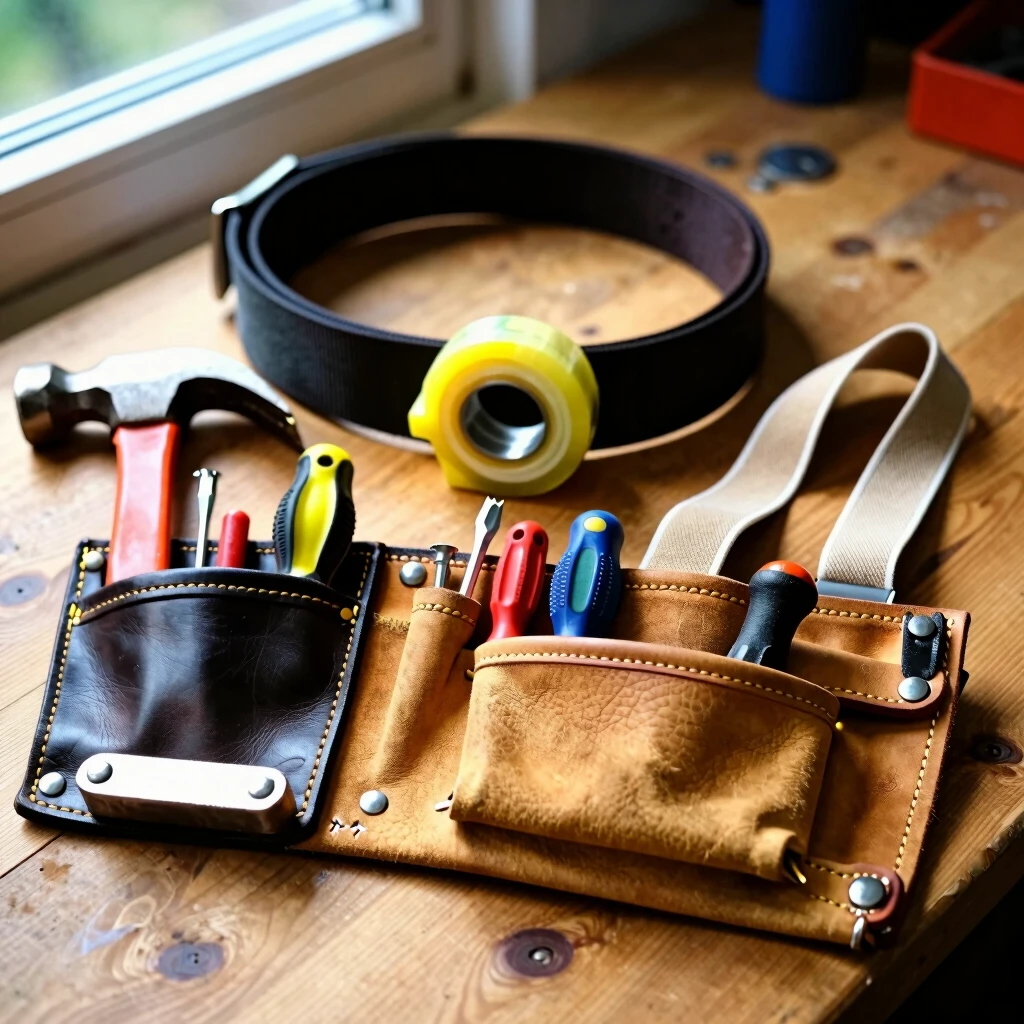
Now, for the fun part: building your kit. If you're wondering about A Beginner’s Guide to Building Your Construction Tool Kit, here's the scoop. Start with basics: tape measure, level, and utility knife. Add pliers and a speed square for framing.
But let's zero in on hammers. How to Choose the Best Hammer for Your Needs? Weight matters—16 ounces for general use, heavier for demo work. Look for a fiberglass handle; it absorbs shock better than wood. Test the balance in your hand; it should feel like an old friend.

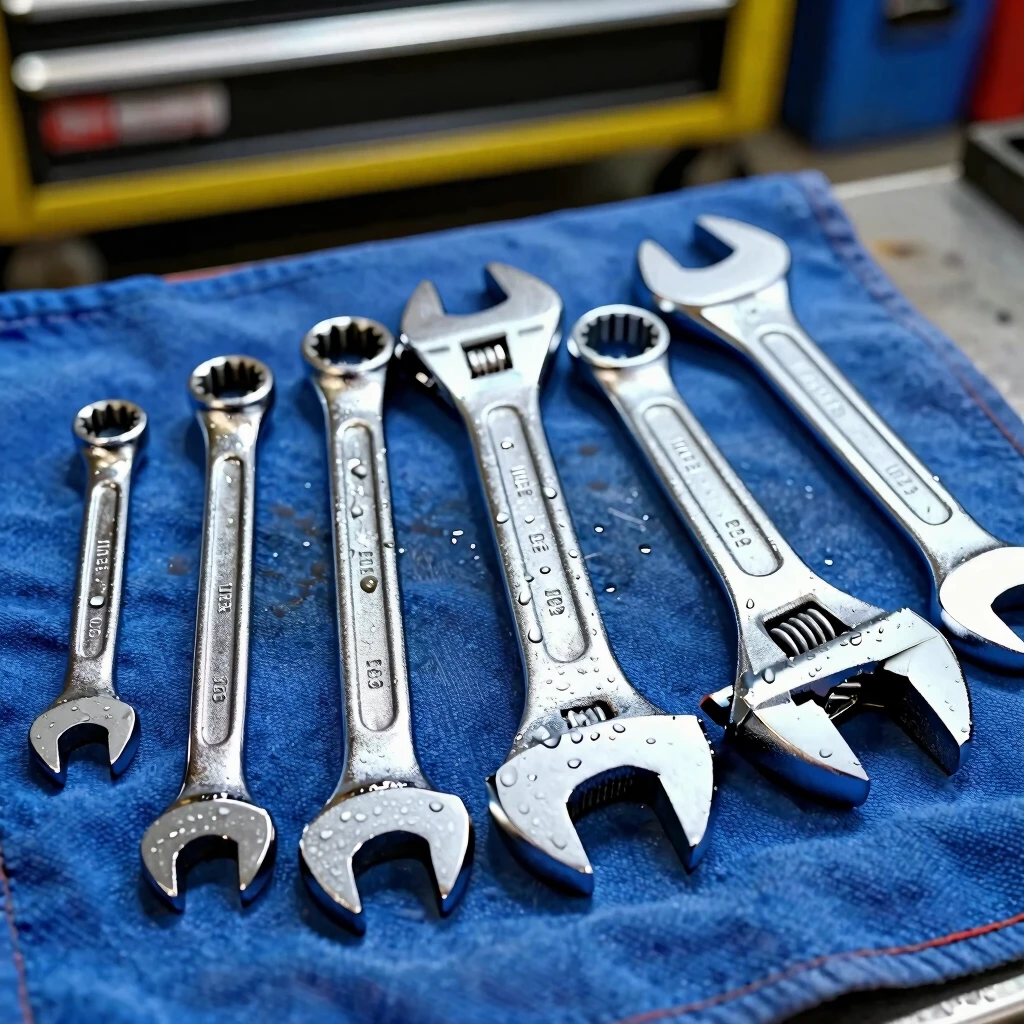
Wrenches are next-level essential. For best wrench sets for construction workers, go for a combo pack with adjustable and combination types. Chrome-vanadium steel resists rust and wear. I swear by sets with 8- to 18-inch sizes—they cover pipes to bolts without fuss.
When tightening, pull toward your body, not away. Use the right size to avoid stripping nuts. And oil them regularly; it keeps wrenches smooth and you safe from slips.
| Tool Type | Recommended Set | Best For |
|---|---|---|
| Hammer | 16-oz claw with fiberglass handle | Framing and nailing |
| Wrench Set | 10-piece adjustable combo | Plumbing and assembly |
| Level | 24-inch magnetic | Ensuring straight lines |
Site Smarts: Daily Practices
Beyond gear, it's about habits. Communicate—yell 'heads up' before swinging. Work as a team; never lift alone if it's over 50 pounds. Use dollies or team lifts instead.
Stay hydrated; construction dehydrates you fast. I pack a cooler with water bottles—aim for one every hour. And take breaks. Sitting for five minutes beats burnout.
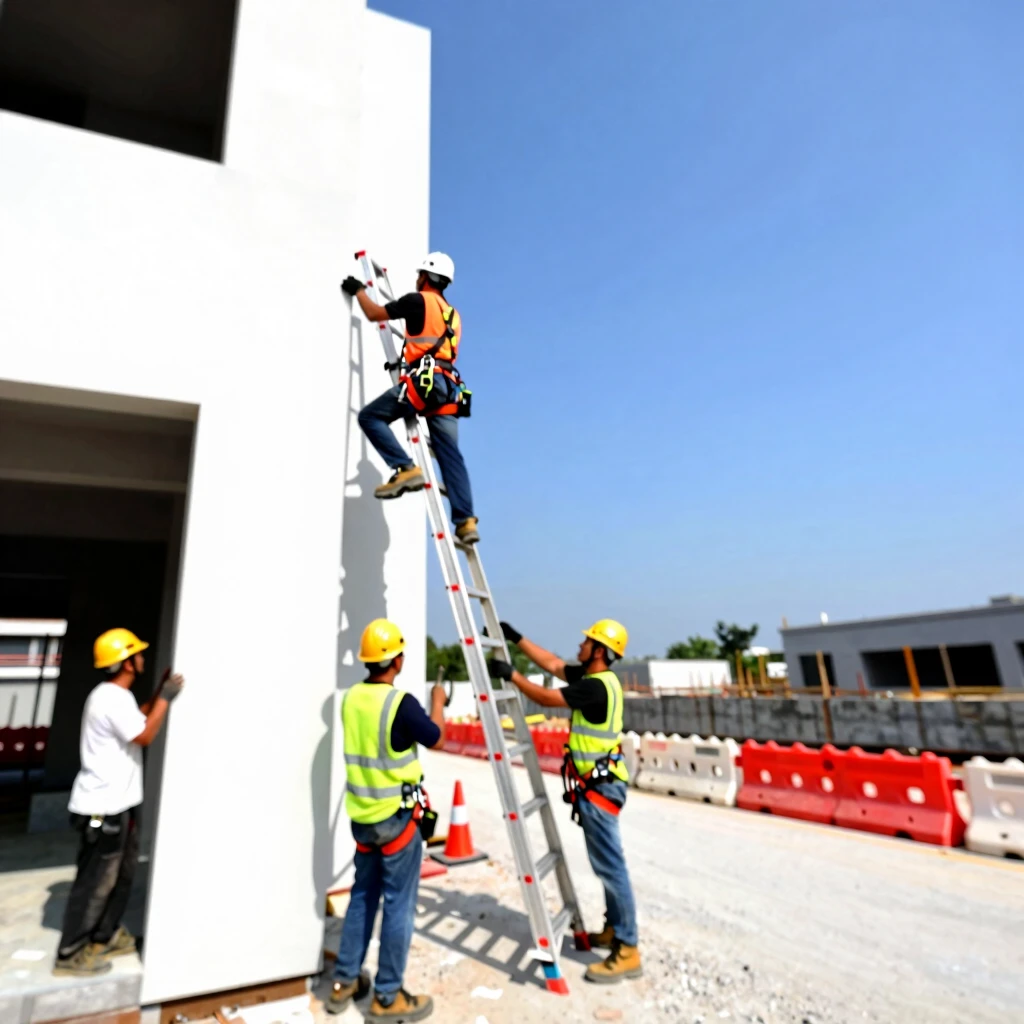
Ladders? Set them at a 4:1 angle—four feet up for every foot out from the wall. Tie off the top and face it when climbing. Falls from heights are preventable with these steps.
Electrical safety: assume all wires are live. Use ground-fault circuit interrupters (GFCIs) on extensions. I double-check cords for frays every morning—it's a ritual now.
Weather plays tricks too. In rain, cover trenches to prevent slips. Heat? Work shade shifts. Cold? Layer wool under PPE. Mother Nature doesn't care about deadlines.
Health Check: Long-Term Wellness
Safety isn't just today—it's for the long haul. Stretch before shifts; it warms those muscles. I do wrist circles and shoulder rolls—keeps tendonitis at bay.
Watch your back. Bend at the knees, not the waist, when lifting. Core exercises off-site build strength. And eat real food; skip the drive-thru for fuel that lasts.
Mental health counts too. Sites can isolate you—chat with the crew, share laughs. If stress builds, talk to a supervisor. Resources like OSHA's mental health page here offer support.
Track your hours. Overtime fatigue leads to errors. Aim for seven hours of sleep; it's non-negotiable for sharp focus.
Emergencies: Be Ready
Know the plan. First aid kits? Locate them. Fire extinguishers? Practice the PASS method: Pull, Aim, Squeeze, Sweep. I quiz newbies on it weekly.
For cuts, apply pressure and elevate. Burns? Cool with water, no ice. And report everything—even minor slips. Early logs prevent bigger issues.
Carry your site's emergency number. Mine's pinned to my hat. Drills aren't drills; they're lifelines.
Wrapping It Up
There you have it—safety tips for new construction workers boiled down to actionable steps. From suiting up in PPE to choosing the best wrench sets for construction workers and beyond, these habits will keep you building safely. Remember my first-site jitters? Yours will fade with practice. Stay vigilant, stay connected, and build not just projects, but a safe career. You've got this. (1,512 words total)
Related Safety Tips for New Construction Workers:
- 10 Tips for Choosing the Right Paint Brushes: Elevate Your Art and DIY Projects
- Top Popular Brands for Workman Tools in 2025: Build Better with Trusted Names
- Safety Tips for Using Workman Tools: Essential Guide for Every Handyman
- Best Cordless Drills for Automotive Work
- Safety First: Best Practices for Using Power Tools
- Essential Workman Tool Maintenance Tips: Keep Your Tools Sharp and Reliable
- Safety Gear Essentials for Electrical Work: A Comprehensive Guide for DIY Enthusiasts
- Must-Have Workman Tools for Beginners: A Starter Guide
- DIY Workbench Upgrades for Small Spaces: Boost Your Workshop Without the Clutter
- The Ultimate Guide to Tool Belts for Construction Workers: Essentials, Picks, and Pro Tips
- Essential Tools Every Workman Must Have
- Choosing the Best Multimeter for Beginners: Your Essential Guide