Quick Overview
Using workman tools can turn a simple home fix into a satisfying win. But safety comes first. This guide shares practical safety tips for using workman tools, helping you handle hammers and more with confidence. Stay safe and get the job done right.
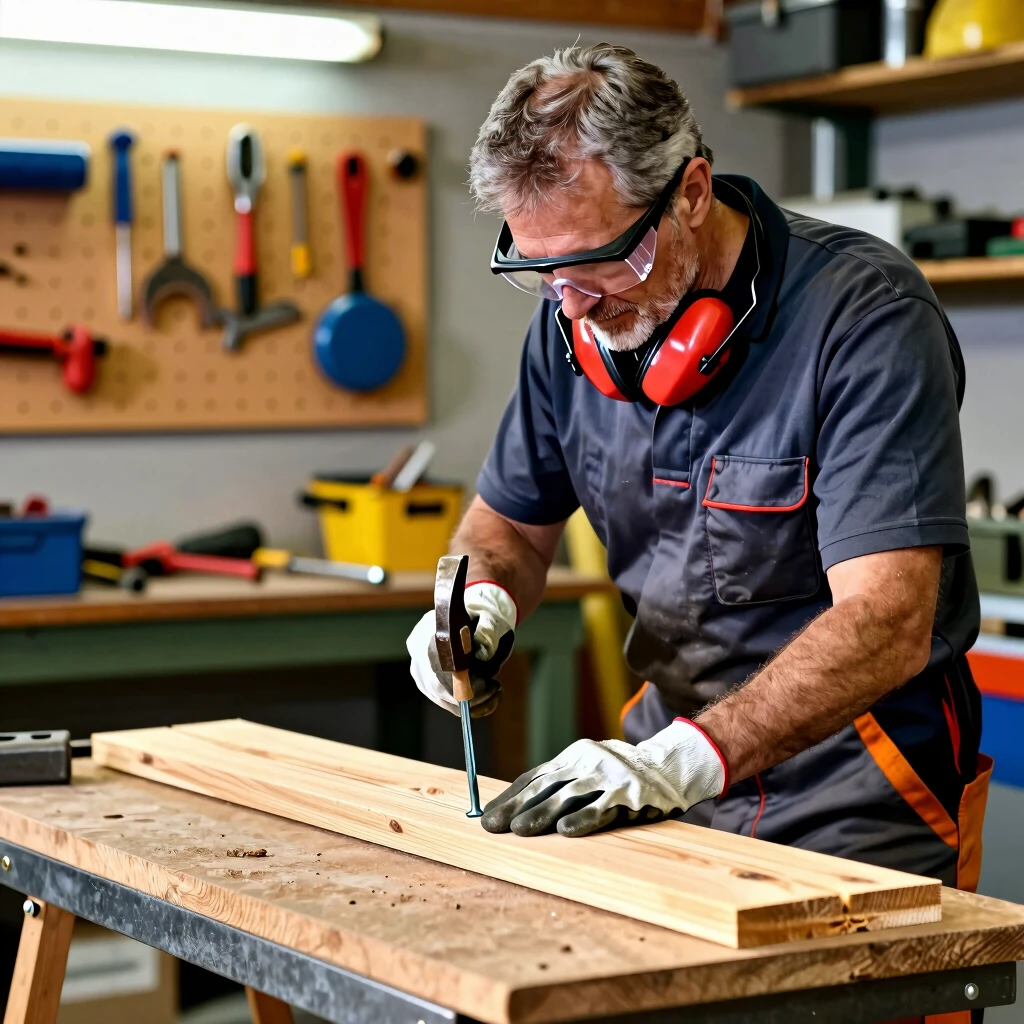
Why Safety Matters in Your Workshop
I remember my first big DIY project—a backyard deck. Excitement ran high, but so did the risks. One slip with a tool, and things could go wrong fast. That's why safety tips for using workman tools aren't just rules; they're lifesavers.
Each year, thousands face injuries from hand tools. The Occupational Safety and Health Administration (OSHA) reports that improper use leads to cuts, strains, and worse. Don't let that be you. Focus on prevention to keep your hands steady and your mind clear.
Safety builds good habits. It lets you enjoy the work without worry. Think about it: a quick check before swinging a hammer saves time in the ER. Let's dive into the basics.
Gear Up: Personal Protective Equipment (PPE)
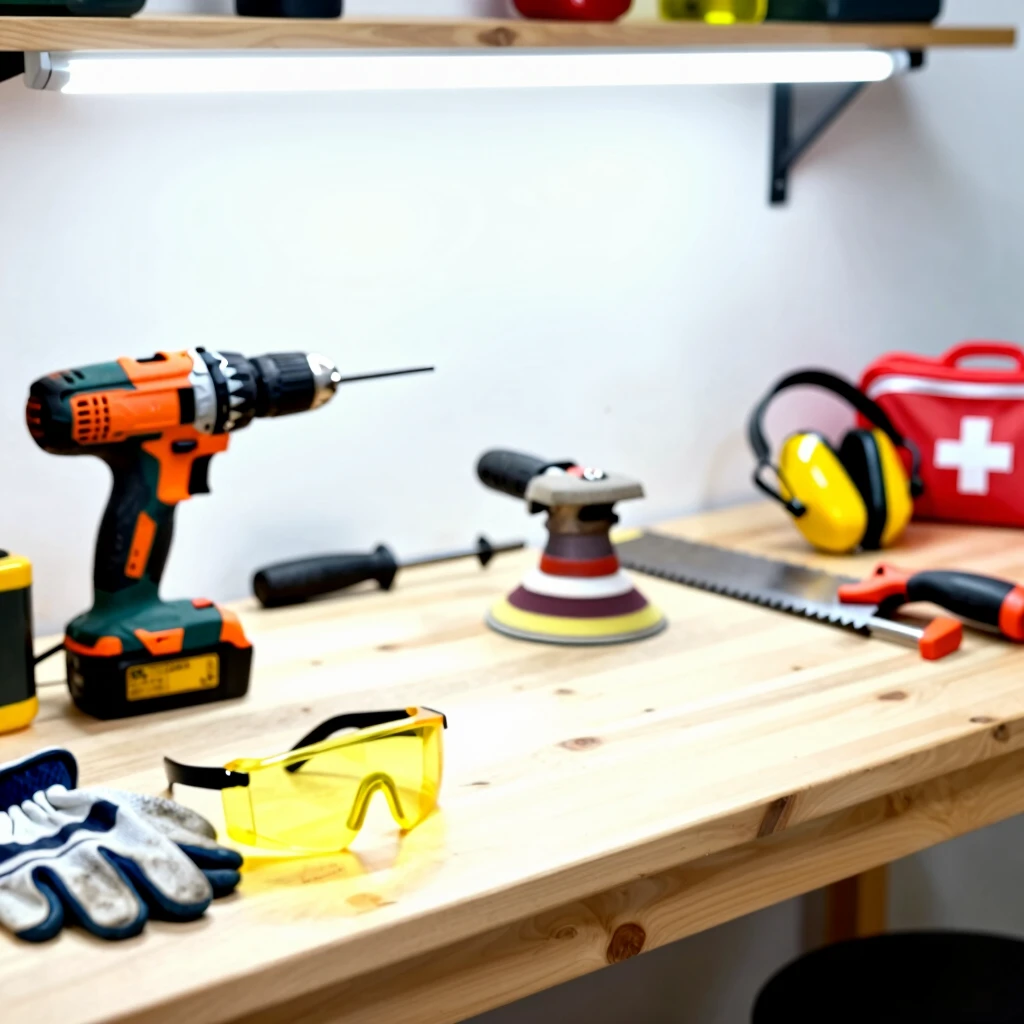
Start with what you wear. PPE acts as your first line of defense. Always grab safety goggles—they shield your eyes from flying bits. Gloves protect your hands from sharp edges, but pick ones that don't slip.
For noisy jobs, ear protection muffles the racket. And sturdy boots keep toes safe from dropped loads. I once skipped gloves on a quick nail job. Lesson learned: a small cut turned into a big hassle.
Here's a simple checklist for your PPE:
- Eyes: Goggles or glasses rated for impact.
- Hands: Cut-resistant gloves.
- Ears: Plugs or muffs for loud tools.
- Feet: Steel-toed boots.
- Body: Long sleeves and pants to cover skin.
Make this routine. Your future self will thank you.
Essential Tools for Every Handyman: Know Your Kit
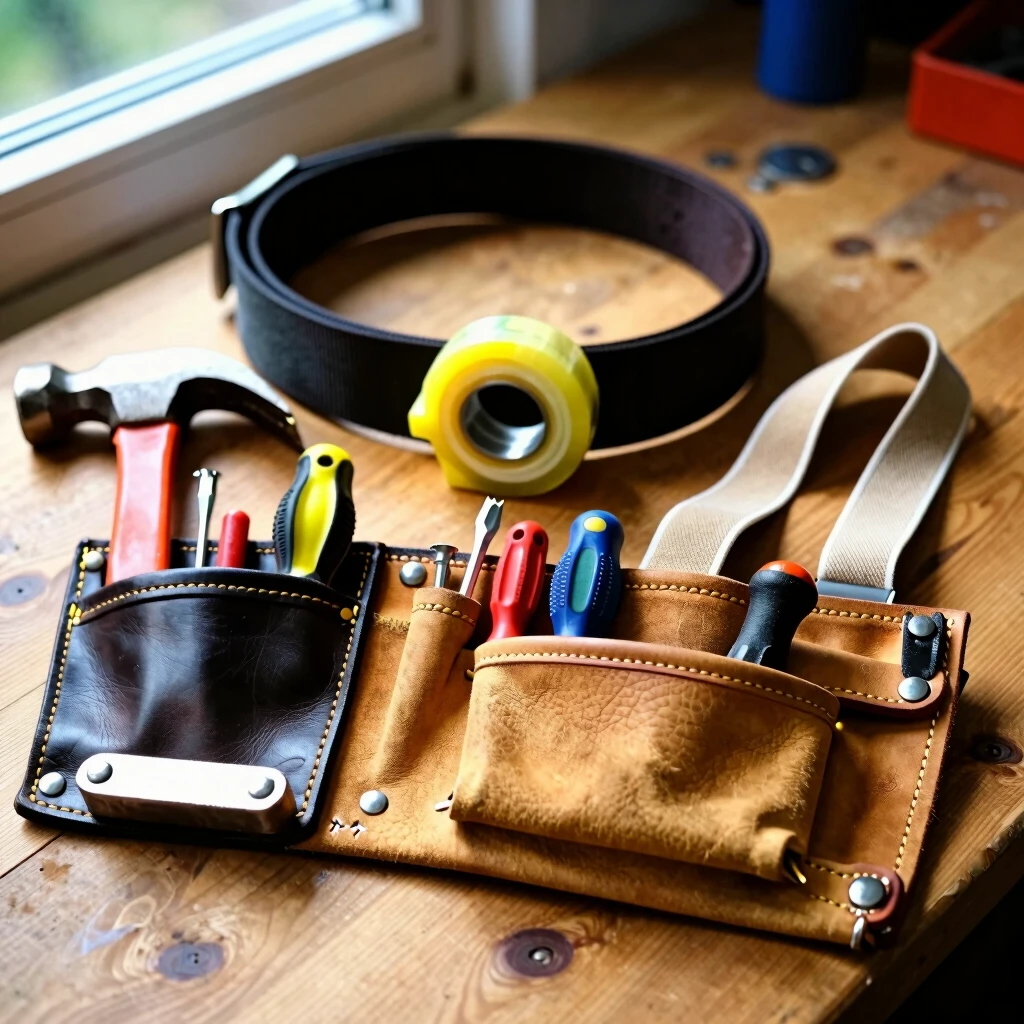
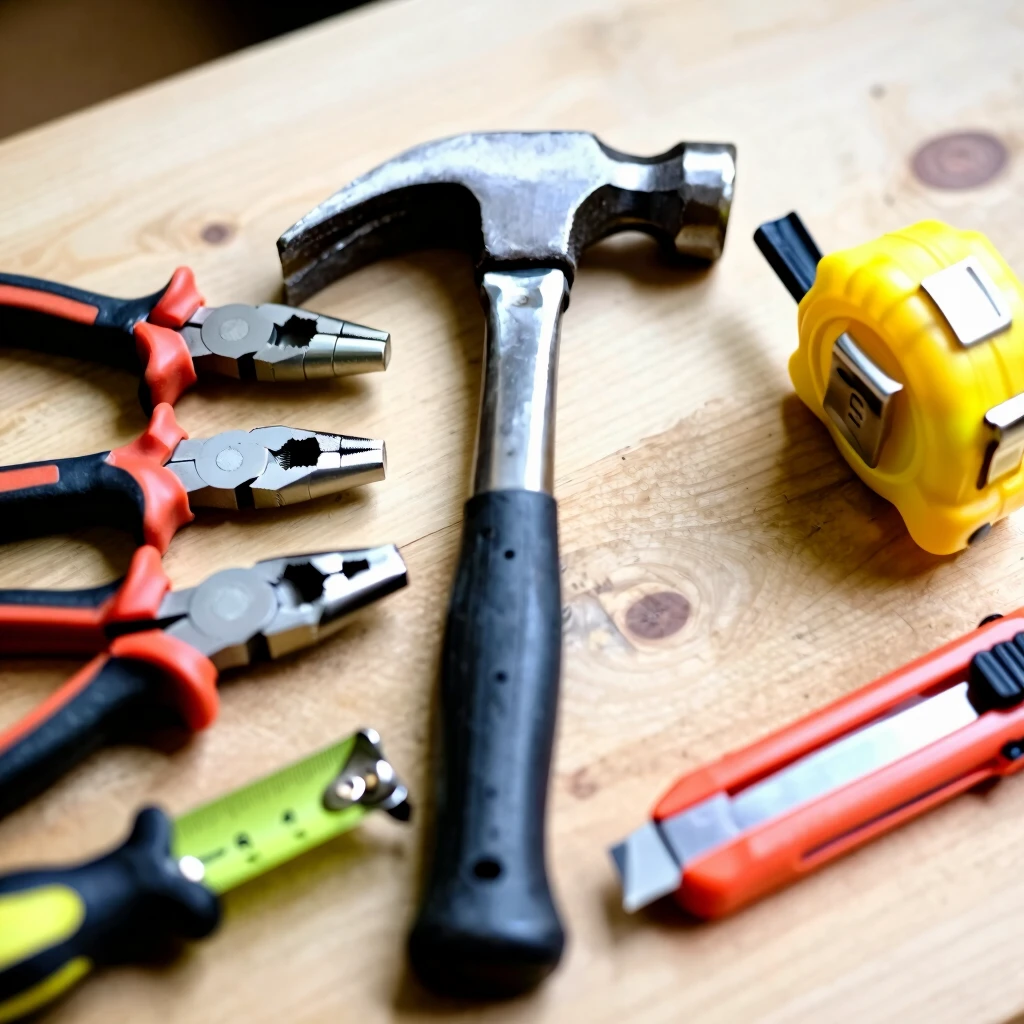
Before tips, know your basics. Essential tools for every handyman include hammers, screwdrivers, pliers, and tape measures. These workhorses handle most jobs around the house.
Build a solid set. Quality matters—cheap tools break and cause accidents. Store them right, too. A messy toolbox invites trips or grabs at the wrong handle.
| Tool | Why It's Essential | Quick Safety Note |
|---|---|---|
| Hammer | Driving nails, light demo | Check head tightness before use |
| Screwdriver | Tightening fasteners | Match size to screw to avoid slips |
| Pliers | Gripping wires, bending | Use jaw covers for delicate work |
| Tape Measure | Accurate cuts | Retract slowly to prevent snaps |
This table covers the starters. Expand as you go, but always prioritize safe handling.
Mastering Hammers: Swing Smart
Hammers top the list of workman tools. They're simple, but misuse leads to smashed thumbs or flying splinters. Choose the right one: claw for nails, ball-peen for metal.
Inspect first. Look for loose heads or cracked handles. Tighten with a wedge if needed. Grip firm, but not white-knuckled. Swing from the elbow, not the wrist, for control.
The Ohio State University Extension stresses using soft-faced hammers on steel to avoid sparks. I follow that—once, a steel-on-steel hit sent a chip into my glasses. Lucky save.
Tips for hammer safety:
- Wear eye protection every time.
- Secure your workpiece on a stable surface.
- Strike squarely—glancing blows rebound.
- Keep bystanders clear.
- Store with handles up to avoid tip-overs.
Practice on scrap wood. Build muscle memory for safe swings.
Safe Screwdriver and Wrench Work
Next up: screwdrivers and wrenches. These twist and turn, but slips cause gashes. Fit the tip perfectly—no wobbling. Apply steady pressure; jerky moves strip heads.
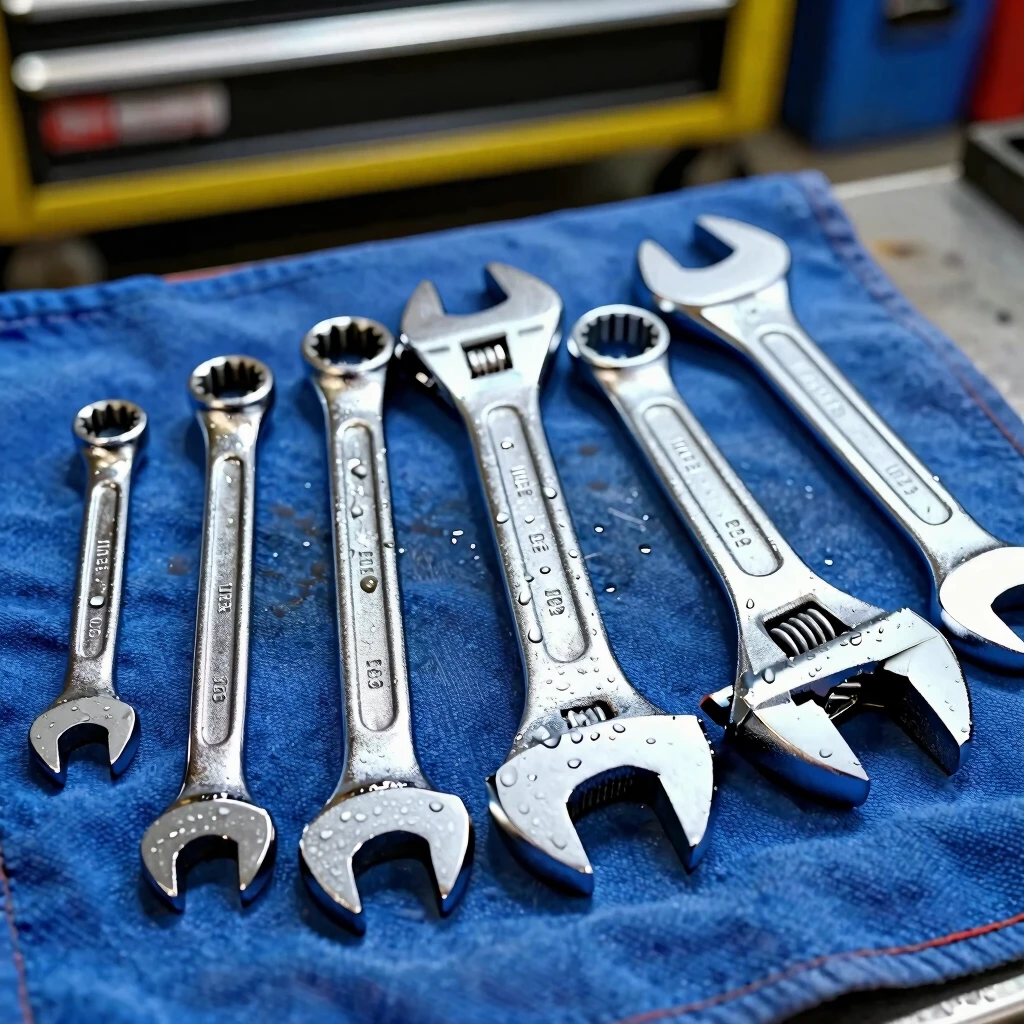
For wrenches, pull toward you for balance. Never hammer on them—that's what they call 'cheater bars,' and they're a no-go. The University of Rochester Medical Center advises against pushing wrenches; it throws you off.
I learned this fixing a leaky faucet. A loose wrench slipped, nearly taking a finger. Now, I double-check fits and use the right size every time.
Pro move: Mark your tools with sizes using tape. Saves hunting and reduces errors. And always work on a bench, not your lap—stability counts.
Power Tools: A Quick Note
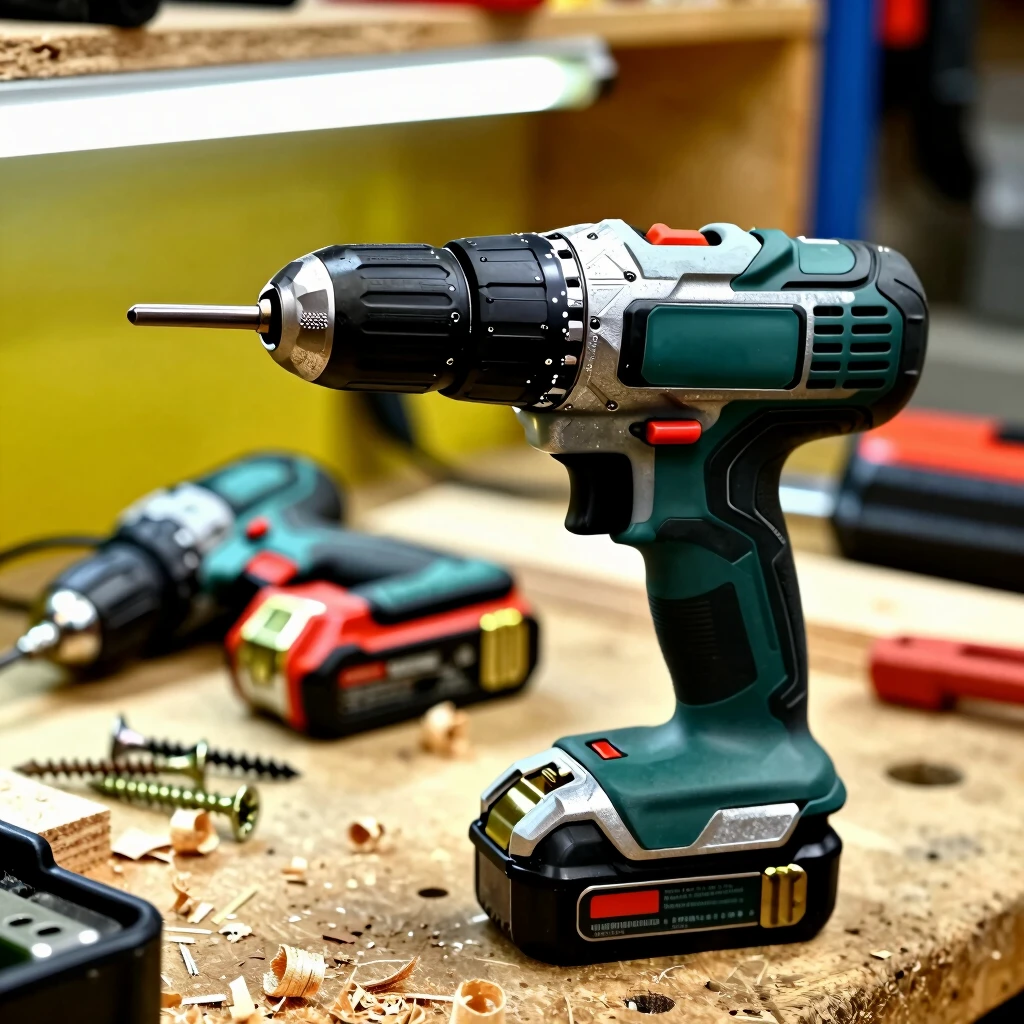
While we focus on hand tools, power ones amp up risks. Follow the same rules: inspect cords, use guards, and unplug when done. But that's a story for another day. Stick to manuals for specifics.
General Safety Tips for Using Workman Tools
Beyond specifics, broad habits keep you sharp. Keep your space clean—clutter causes trips. Good lighting spots hazards early. And take breaks; fatigue dulls focus.
From the Virginia Department of Energy, examine tools daily for damage. Operate per instructions, and use PPE always.
My workshop rule: one task at a time. Multitasking invites mistakes. Lock doors if kids or pets roam. And ventilate—dust and fumes build up fast.
Here's a daily routine list:
- Inspect: Check for cracks or wear.
- Clean: Wipe down after use.
- Store: Hang or box neatly.
- Sharpen: Keep blades keen.
- Learn: Review manuals yearly.
These steps turned my chaotic shed into a safe zone. Projects flow better now.
Top Toolkits for Every Handyman: Build Yours Right
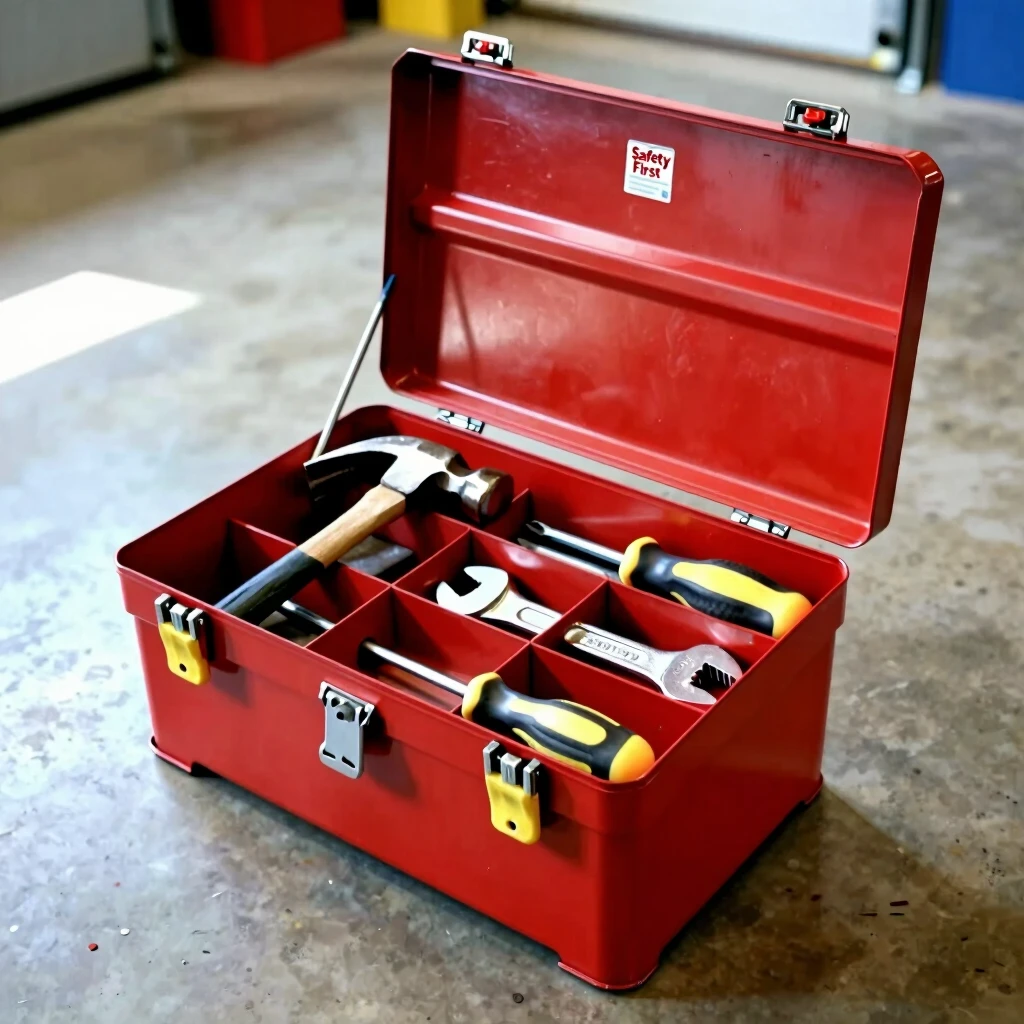
A great toolkit ties it all together. Look for sets with essentials: hammers, pliers, levels, and multi-tools. Brands like Stanley or Craftsman offer durable options.
Start small—a 20-piece kit covers basics. Add as skills grow. I built mine over years, swapping junk for quality. Key: include a first-aid kit and tool manual inside.
Organize by type: drawers for bits, hooks for hammers. This setup speeds work and cuts accident odds. Remember, the best toolkit includes safety gear.
Budget tip: Shop sales, but skip the bargain bin for cutters—they dull fast and snag skin. Invest in ergonomics; comfy grips mean less strain.
Personal Insights: Lessons from the Trenches
Over 15 years of fixes—from shelves to sheds—I've dodged disasters by listening to my gut. Once, a wobbly ladder mid-saw cut nearly ended badly. Now, I test stability first.
Share stories with buddies; we swap tips over coffee. Community sharpens skills. And forgive slip-ups—they teach. Just don't repeat them.
Teaching my nephew? Pure joy. Watching him grip a hammer right fills me with pride. Safety isn't solo; pass it on.
One more: Track your tools. Lost ones lead to improvised hacks—and those hurt. A simple inventory sheet works wonders.
Wrapping It Up
Safety tips for using workman tools boil down to prep, respect, and practice. From essential tools for every handyman to top toolkits, gear your space for success. Stay vigilant, and your projects will shine without the scars.
Remember: tools serve you, not the other way around. Work safe, build strong.
Related Safety Tips for Using Workman Tools:
- Best Cordless Drills for Automotive Work
- Safety First: Best Practices for Using Power Tools
- Essential Workman Tool Maintenance Tips: Keep Your Tools Sharp and Reliable
- Safety Gear Essentials for Electrical Work: A Comprehensive Guide for DIY Enthusiasts
- Must-Have Workman Tools for Beginners: A Starter Guide
- DIY Workbench Upgrades for Small Spaces: Boost Your Workshop Without the Clutter
- The Ultimate Guide to Tool Belts for Construction Workers: Essentials, Picks, and Pro Tips
- Essential Tools Every Workman Must Have
- Choosing the Best Multimeter for Beginners: Your Essential Guide
- How to Organize Your Workshop for Maximum Efficiency
- Essential Workman Tools for Plumbing Projects: A Complete Guide
- ShopSavvy’s Best Tool Belts for 2025: Gear That Keeps You Moving