Overview
Power tools make tough jobs easier, but they demand respect. In this guide, we'll cover key safety practices to keep you injury-free. From basic habits to tool-specific tips, you'll gain confidence in your workshop. Let's put safety first and get building.
Why Safety Matters in Your Workshop
I remember my first close call with a power tool—a rogue spark from a grinder that singed my sleeve. It taught me quick: safety isn't optional. Each year, thousands face injuries from misuse. But with smart steps, you avoid those risks.
Think about it. Power tools spin fast, cut deep, and pack force. One slip, and things go wrong. Yet, when you follow best practices, you focus on the fun part: creating.
Start simple. Inspect your space. Clear clutter. Good lighting helps you see hazards. I always sweep my bench before starting—it's a five-minute habit that saves hours of regret.
General Best Practices for All Power Tools
No matter the tool, some rules apply everywhere. Follow these, and you're ahead.
Wear the Right Gear
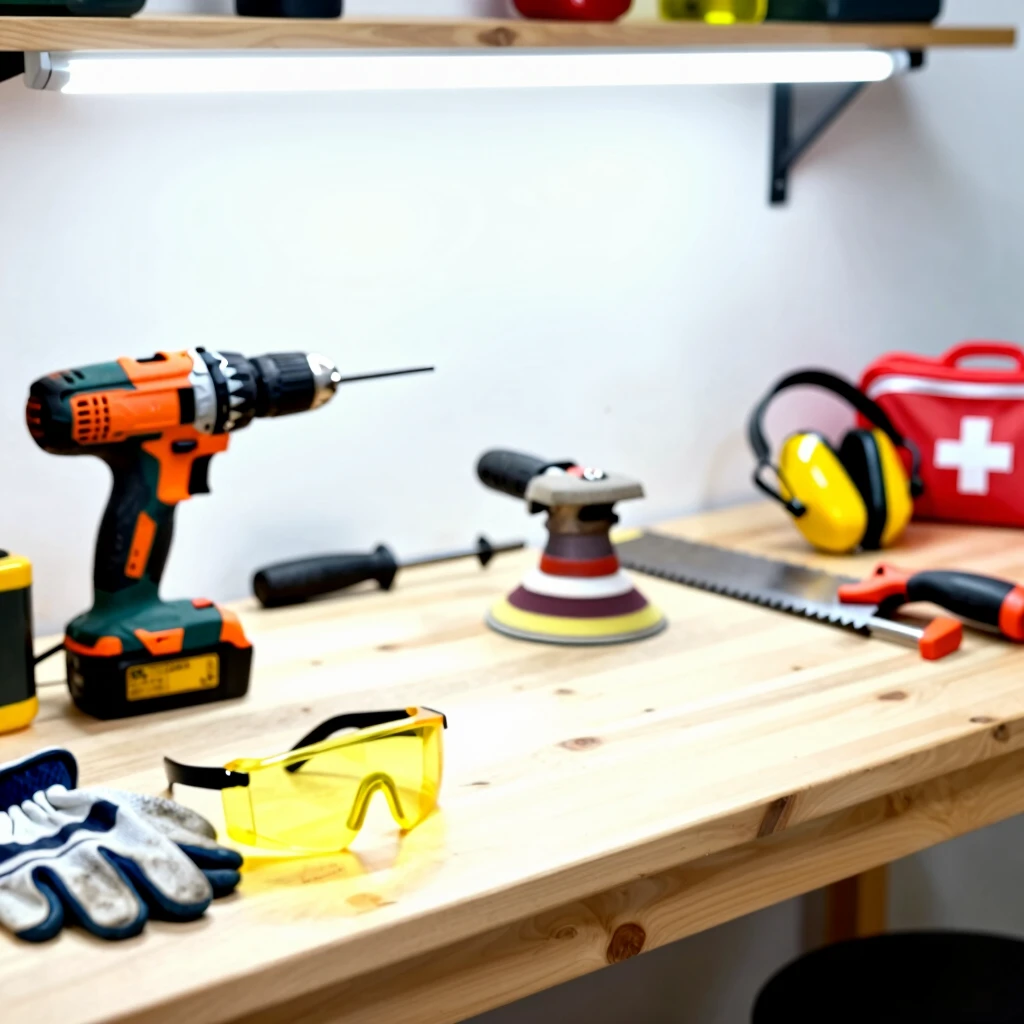
Protect your eyes, ears, and skin. Safety glasses shield against flying bits. Ear plugs muffle the roar. Sturdy gloves grip better without sacrificing feel.
Check Before You Start
Plug in? Unplug first. Cords frayed? Toss them. Bits dull? Sharpen or replace. I once skipped this on a saw—bad idea. The blade wobbled and kicked back.
Keep It Stable
Secure your workpiece. Clamps beat hands every time. A steady setup means precise cuts and no surprises.
Here's a quick checklist:
| Step | Action | Why It Helps |
|---|---|---|
| Inspect Tool | Look for damage | Prevents failures |
| Secure Work | Use clamps | Avoids slips |
| Wear PPE | Goggles, gloves | Blocks debris |
| Clear Area | Remove extras | Reduces trips |
The Occupational Safety and Health Administration (OSHA) outlines these basics in their hand and power tools guide, stressing regular maintenance to cut accident risks by up to 70%.
Mastering the Drill Press: Techniques for Better Precision
The drill press shines for straight holes, but it bites back if mishandled. I love it for woodworking projects—perfect for shelf brackets.
First, pick the right bit. Match speed to material: slow for metal, faster for wood. Clamp your stock firm. No hands near the spin.
Feed steady. Too much pressure binds the bit; too little wanders. Use a depth stop for repeats. And unplug before swaps—always.
Pro tip: Lubricate metal jobs. A drop of oil cools and smooths. I skipped that once on aluminum; the bit snapped.
For safety, keep fingers four inches away. Use a brush for chips, not your hand. The Louisiana State University engineering department details these steps in their drill press safety rules, noting they prevent most common mishaps like bit ejections.
Practice on scrap first. Adjust the table height so your arms stay relaxed. Over time, you'll drill like a pro—clean, quick, safe.
Common Mistakes to Dodge
- Rushing adjustments while powered.
- Ignoring vibration—tighten the belt.
- Forgetting the guard—it's your shield.
Build these habits, and the drill press becomes a trusted ally.
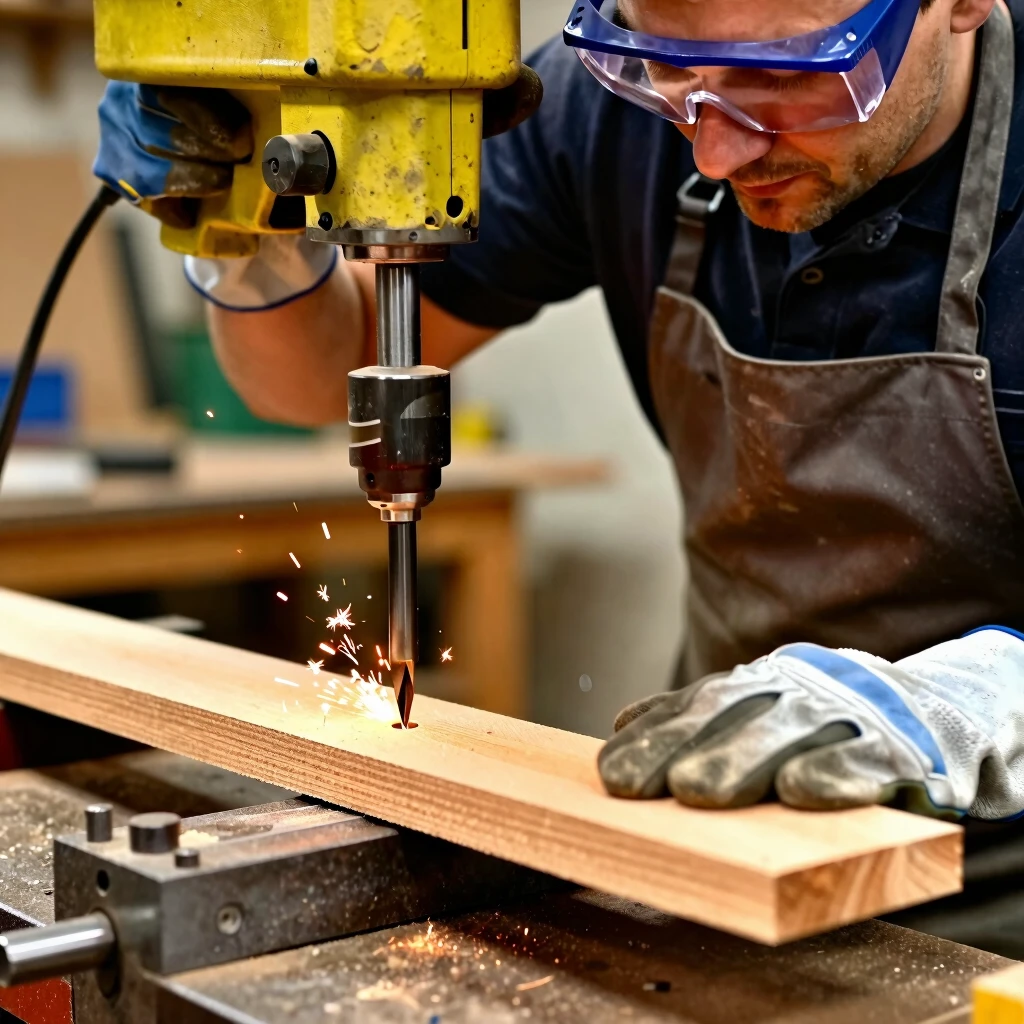
Power Tools for Metalworking: Handling Heat and Sparks
Metalworking tools like grinders and cutters demand extra caution. Sparks fly, heat builds, and edges stay sharp.
Start with ventilation. Fumes from cutting can irritate lungs. I run a fan during sessions—clears the air fast.
Choose the right disc or blade. Wrong one shreds or shatters. Secure metal tight; it warps under torque.
Wear flame-resistant clothes. Long sleeves, pants—no synthetics that melt. And a face shield over goggles for full coverage.
For grinders, angle right—15 degrees off flat. Let the tool do the work; force it, and it grabs back.
The Princeton University Environmental Health and Safety team shares tips on securing tools to hoses and pressures in their portable power tools guide, highlighting how proper setup avoids hose whips and bursts.
Cool pieces between passes. Hot metal burns skin easy. I use a quench bucket nearby—handy and smart.
Metalworking Safety Checklist
- Ground all electrics.
- Inspect abrasives for cracks.
- Use a spark shield.
- Clean residue post-job.
These steps turned my metal projects from stressful to smooth. You'll feel the difference.
Power Washers: Blasting Clean Without the Blast
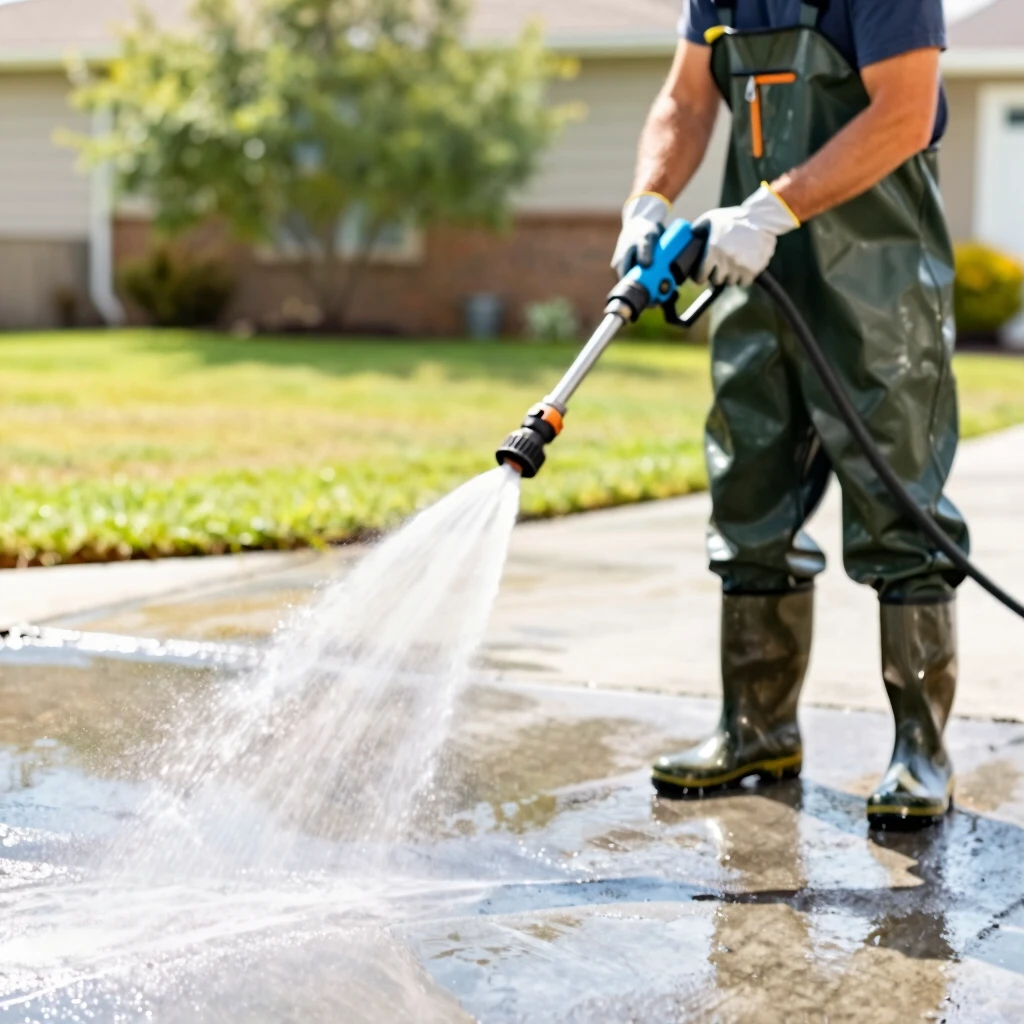
Power washers tackle grime on decks and drives, but high pressure means high risk. Water jets slice skin like knives.
Never point at people—or pets. Keep the nozzle 12 inches from surfaces. Start low pressure; build as needed.
Wear closed shoes and long pants. Goggles block splash-back. And unplug before nozzle changes.
For electrics, use GFCI outlets. Wet conditions amp shock danger. I learned that rinsing my garage—tripped the breaker once.
The Centers for Disease Control and Prevention (CDC) provides clear do's and don'ts for pressure washers in their safety guidelines, warning against aiming streams at bodies to prevent deep cuts.
Drain hoses after use. Store dry to fend mold. And check for leaks—drips waste water and signal wear.
Tips for Everyday Use
- Test on hidden spots first.
- Avoid ladders—ground level only.
- Rinse from top down.
With care, power washers refresh without wrecking.
Personal Insights: Lessons from the Shop
Over years tinkering, I've gathered stories. Like the time a loose cord tangled my saw—nearly cost a finger. Now, I coil extras away.
Safety builds muscle memory. Teach kids or helpers young. Demo gear-ups every session.
Rest when tired. Fatigue dulls focus—prime for slips. I cap runs at two hours, stretch, sip water.
Invest in quality. Cheap tools fail; good ones endure. My drill press, 10 years strong, proves it.
Join forums or classes. Sharing tips sharpens skills. I picked up a metalworking clamp trick online—game-changer.
Remember, safety frees you to experiment. Push boundaries smart, not reckless.
Wrapping Up: Your Safe Workshop Awaits
Safety first means thriving with power tools. From drill presses to washers, these practices guard you. Apply them daily; watch mishaps fade.
Gear up, check twice, work steady. Your projects deserve it—and so do you. Stay safe, create bold.
Related Safety First: Best Practices for Using Power Tools:
- Advanced Safety Gear Reviews for DIYers: Power Tools, Drill Presses, and Power Washers
- Essential Workman Tool Maintenance Tips: Keep Your Tools Sharp and Reliable
- Safety Gear Essentials for Electrical Work: A Comprehensive Guide for DIY Enthusiasts
- Must-Have Workman Tools for Beginners: A Starter Guide
- DIY Workbench Upgrades for Small Spaces: Boost Your Workshop Without the Clutter
- The Ultimate Guide to Tool Belts for Construction Workers: Essentials, Picks, and Pro Tips
- Essential Tools Every Workman Must Have
- Choosing the Best Multimeter for Beginners: Your Essential Guide
- How to Organize Your Workshop for Maximum Efficiency
- Essential Workman Tools for Plumbing Projects: A Complete Guide
- ShopSavvy’s Best Tool Belts for 2025: Gear That Keeps You Moving
- How to Organize Your Toolbox for Maximum Efficiency