A Quick Overview
You've mastered the basics of workshop setup—now it's time to level up. In this guide to Advanced Workshop Organization: Beyond the Basics, we'll explore smart strategies, essential tools, and real-world tips to make your space a powerhouse of efficiency and inspiration. Whether you're a hobbyist or pro, these insights will transform chaos into creativity. (38 words)

I remember my first workshop. It was a garage corner piled with boxes and scattered screwdrivers. Fast forward a decade, and it's a streamlined haven where ideas flow without frustration. That's the magic of going beyond the basics. Let's dive in.
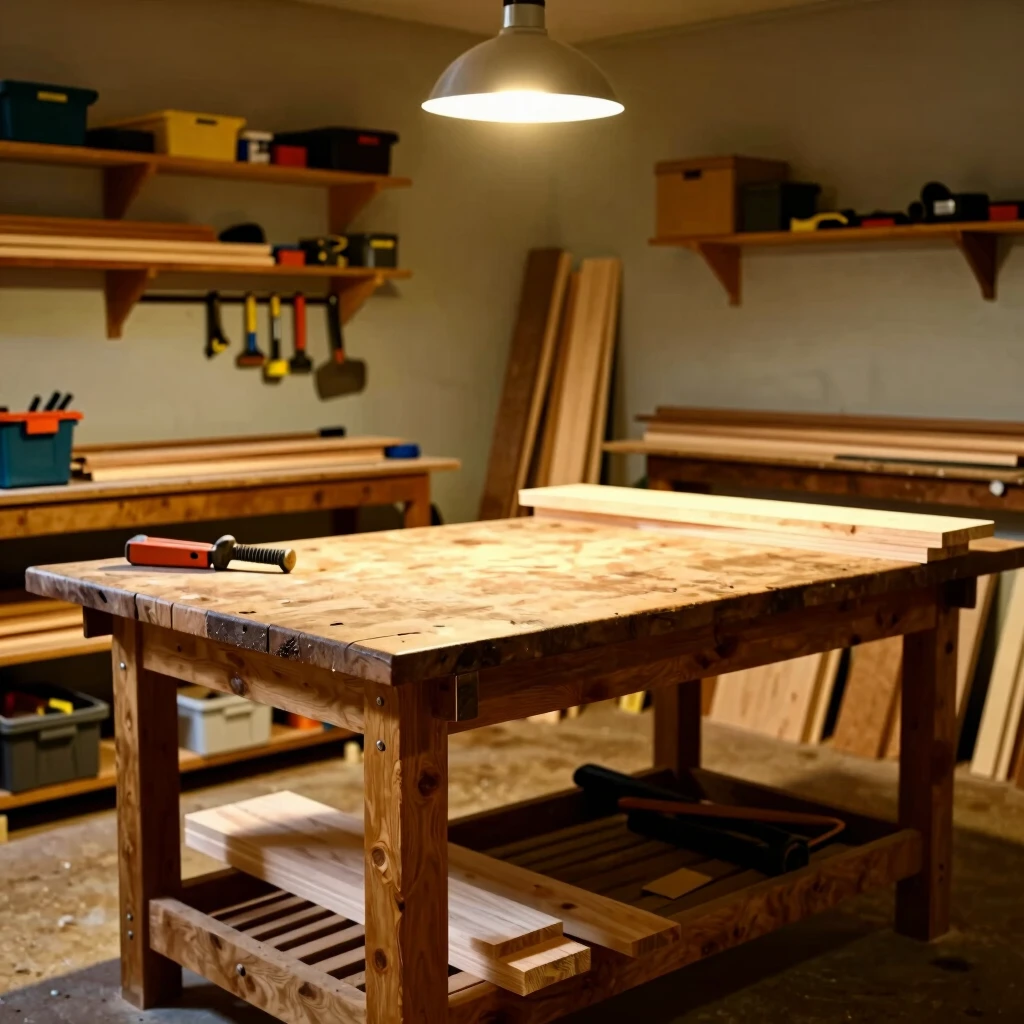
Workshops aren't just storage spots—they're creative engines. Poor organization leads to lost time hunting for that one wrench. Good setup? It sparks focus and flow. As someone who's tinkered through countless projects, I've learned that advanced organization blends function with foresight.
Why Advanced Organization Matters
Think about your last project. Did a misplaced tool slow you down? Advanced organization cuts that waste. It groups items by task, ensures safety, and even boosts your mood. Studies from the National Safety Council show organized spaces reduce accidents by up to 30%. Simple swaps, like magnetic strips for bits, pay off big.
But it's not all stats. From my experience building custom furniture, a zoned layout—tools near benches, materials in easy-reach zones—shaved hours off builds. Start small: Audit your space weekly. What gets used most? Prioritize it.
Top 10 Must-Have Tools for Every Workshop
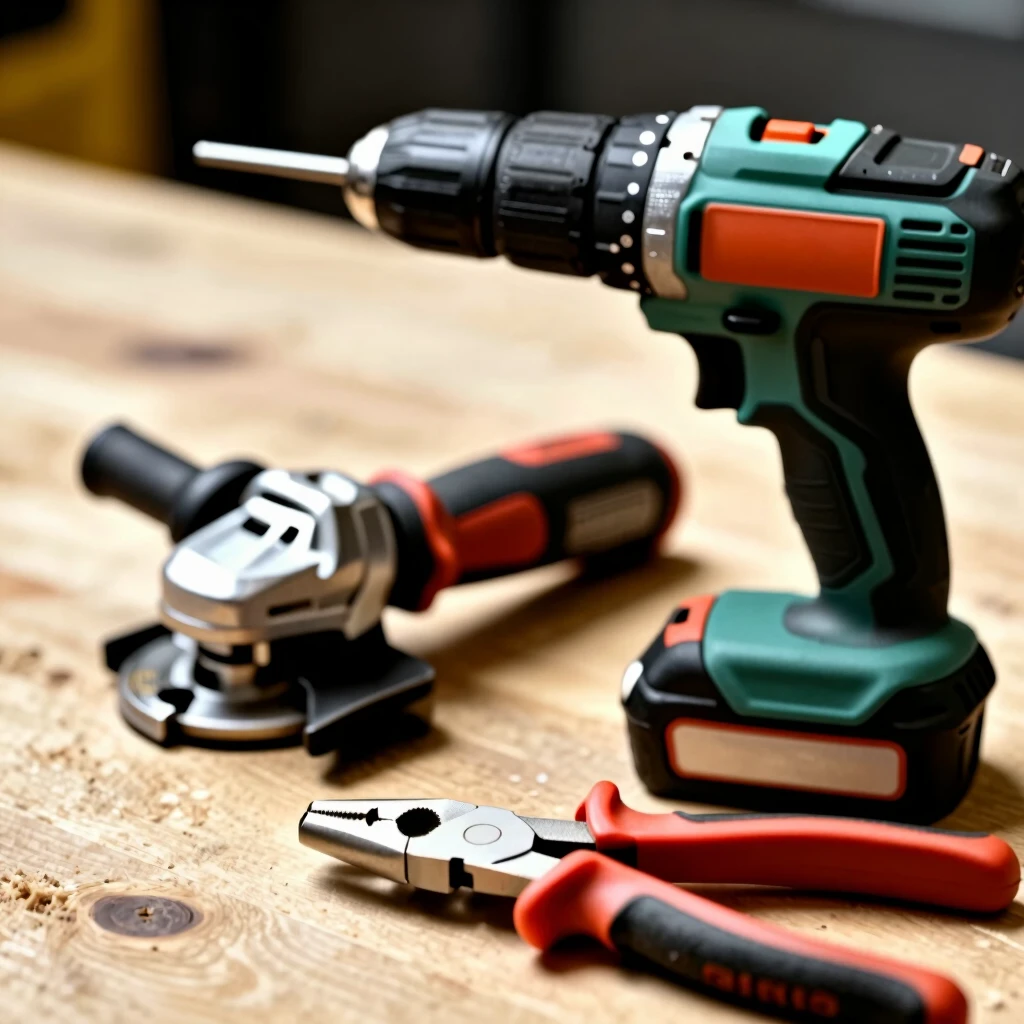
No advanced setup thrives without the right gear. Here's my curated list of Top 10 Must-Have Tools for Every Workshop. These aren't gadgets—they're workhorses that handle daily demands. I've tested them in real grinds, from woodworking to metal fab.
| Tool | Why It Rocks | Pro Tip |
|---|---|---|
| Cordless Drill/Driver | Versatile for drilling and driving; battery life lasts full days. | Pair with hex bits for quick swaps. |
| Multi-Tool Saw | Cuts wood, metal, tile—frees up space from single-use saws. | Keep blades sharp to avoid binding. |
| Digital Caliper | Precise measurements down to 0.01mm; beats tape measures for accuracy. | Calibrate monthly for trust. |
| Bench Vise | Secure hold for sanding or bending; swivels for angles. | Mount at elbow height to save your back. |
| LED Work Light | Bright, shadow-free illumination; rechargeable for portability. | Clip to vises for hands-free glow. |
| Tool Chest Organizer | Drawer dividers keep bits and fasteners sorted. | Label drawers inside and out. |
| Laser Level | Straight lines without guesswork; essential for shelves or frames. | Use outdoors with a detector. |
| Cordless Sander | Smooth finishes fast; variable speeds for control. | Vacuum attachment curbs dust. |
| Torque Wrench | Prevents over-tightening; crucial for assemblies. | Set to task-specific ft-lbs. |
| Utility Knife with Blades | Clean cuts on everything from cardboard to cable. | Retractable for safety. |
Invest in high-quality workman tools for professionals—they last longer and perform better. Brands like DeWalt or Milwaukee hold up under abuse. Skip cheap knockoffs; they fail when you need them most.
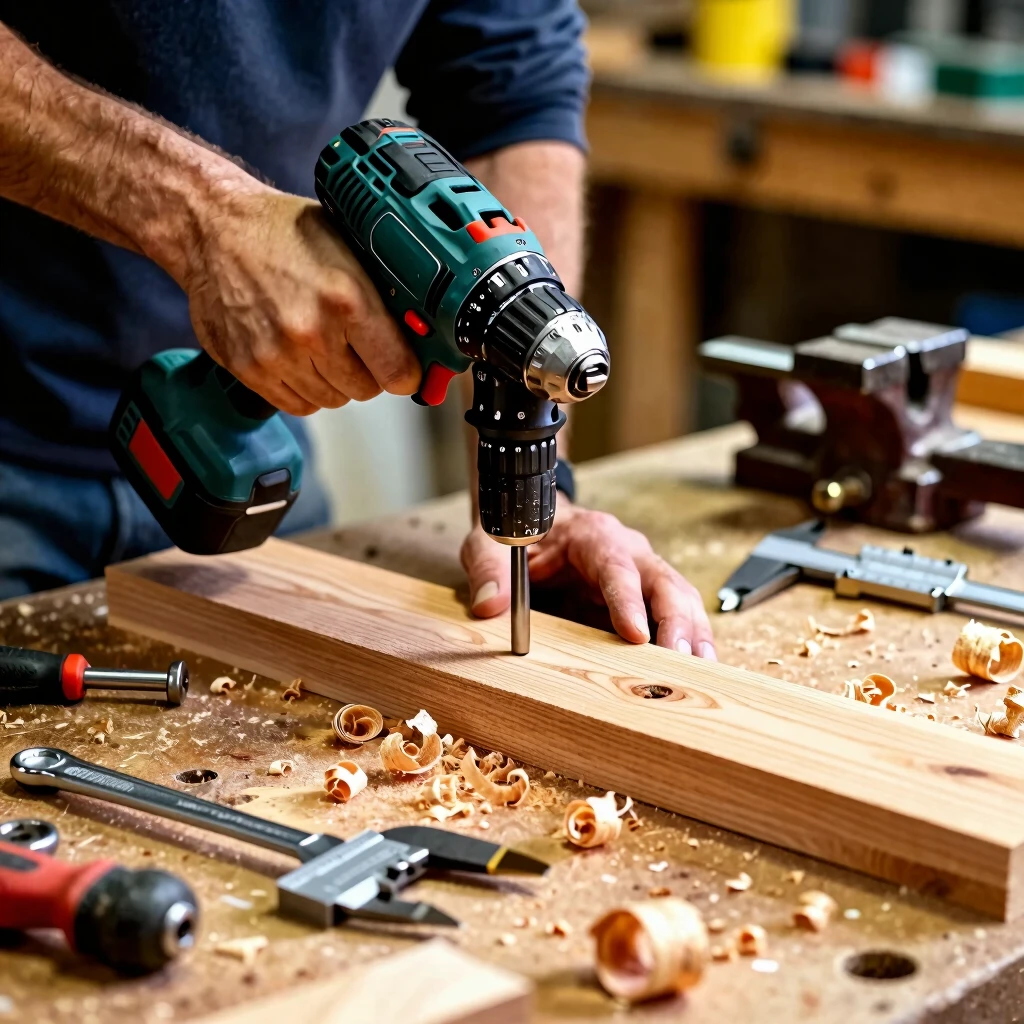
These tools form the backbone of any workshop. But remember, quality trumps quantity. In my shop, that digital caliper saved a heirloom table from uneven legs—measuring twice, cutting once, literally.
Tips for Organizing Small Workshops Efficiently
Tight on space? No problem. Tips for Organizing Small Workshops Efficiently turn shoebox-sized spots into efficient hubs. I've squeezed magic from a 10x10 garage—here's how you can too.
-
Vertical is Vital: Wall-mounted racks and pegboards multiply floor space. Hang workshop equipment like saws and clamps off the ground. I added pulleys for overhead storage—genius for seasonal gear.
-
Zone It Out: Divide by function. One corner for cutting, another for assembly. Color-code bins: Blue for fasteners, red for paints. This zoning cut my search time in half.
-
Modular Magic: Use stackable carts on wheels. Roll them where needed, then tuck away. My pneumatic tool cart? It's a game-changer for quick setups.
-
Declutter Ruthlessly: The 80/20 rule applies—80% of use from 20% of tools. Donate the rest. Last purge, I freed a shelf and found motivation buried under junk.
-
Lighting and Flow: LED strips under shelves banish shadows. Ensure 3-foot walkways—no tripping hazards. Good flow feels intuitive, like your space anticipates your moves.
For small setups, focus on multi-use items. A fold-down bench doubles as a table. Track usage with a simple app—mine flags underused tools for rotation.
Personal story: In my tiny apartment workshop phase, wall-mounted fold-out tables were lifesavers. Projects stayed contained, neighbors none the wiser. Efficiency isn't about size—it's smart choices.

Elevating with High-Quality Workman Tools for Professionals
Once organized, stock up on high-quality workman tools for professionals. These aren't hobbyist toys—they're precision instruments built for pros. Why settle for less when durability pays dividends?
Consider power tools: A brushless motor in your impact driver means longer runtime and less heat. I've powered through 500 screws on one charge—impossible with budget models. Hand tools? Ergonomic grips reduce fatigue. My go-to chisel set, with hardened steel blades, sharpens easily and holds edges through heavy use.
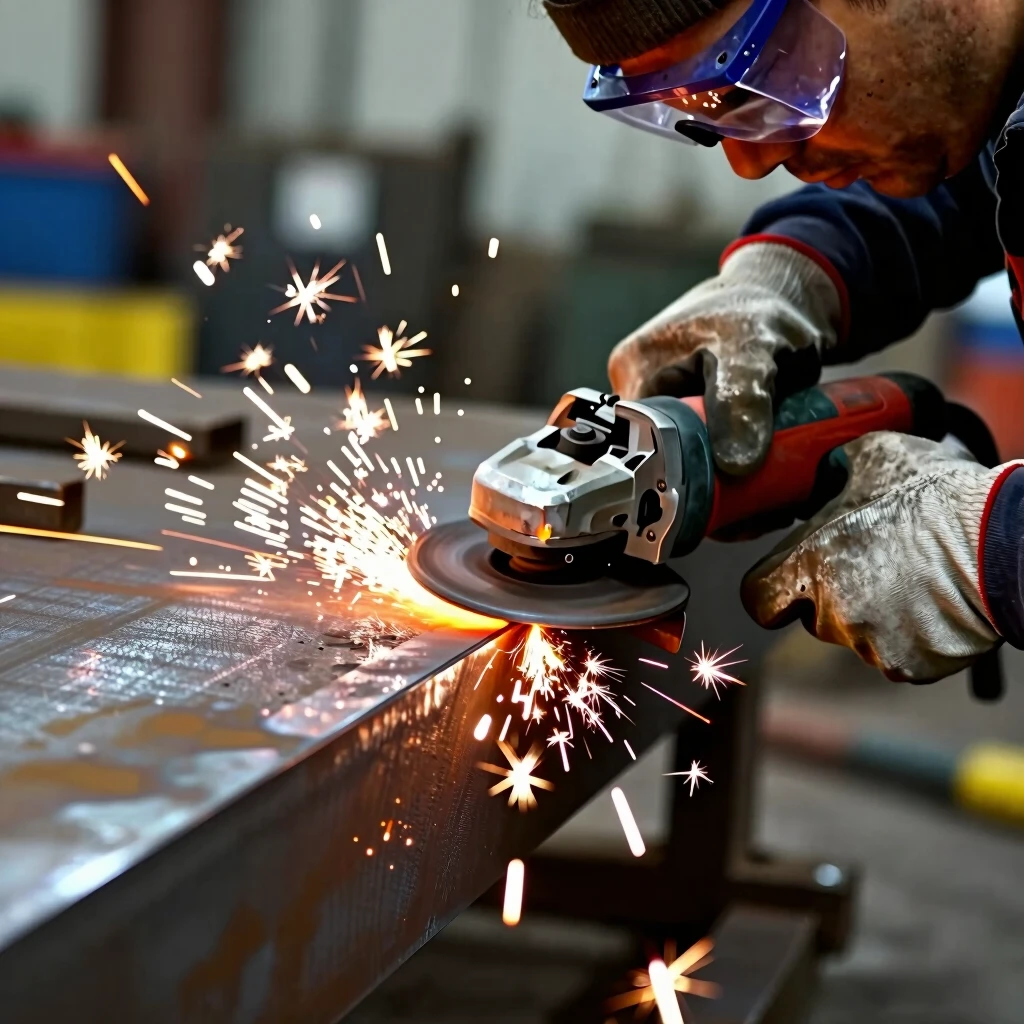
Safety integrates here too. Anti-vibe gloves and eye-pro gear aren't extras—they're essentials. Pair with organized workshop equipment like fire extinguishers in reach. The Occupational Safety and Health Administration (OSHA) backs this: Proper tools cut injury risks sharply. Learn more from OSHA's guidelines.
Budget tip: Buy once, cry once. Start with a core kit, expand as projects grow. In my evolution, upgrading to pro-grade sanders transformed rough prototypes into polished pieces—clients noticed.
Advanced Strategies: Customization and Maintenance
Beyond tools and tips, customize your space. Add a dedicated charging station for batteries—mine's a wall dock with indicators. Track inventory digitally; apps like Sortly keep counts accurate.
Maintenance is key. Weekly wipes prevent dust buildup. Oil moving parts monthly. This ritual turned my workshop into a reliable partner, not a finicky foe.
Incorporate ergonomics: Adjustable stools, anti-fatigue mats. Long sessions without aches? Priceless. From experience, these tweaks sustain passion—burnout from bad posture is real.
Wrapping It Up
Advanced workshop organization isn't a chore—it's empowerment. From Top 10 Must-Have Tools for Every Workshop to Tips for Organizing Small Workshops Efficiently, these steps build a space that amplifies your skills. Invest in high-quality workman tools for professionals and smart workshop equipment layouts, and watch productivity soar. Your best work awaits. Dive in, tweak as you go, and enjoy the craft. (Word count: 1523)
Related Advanced Workshop Organization: Beyond the Basics:
- Building Custom Storage Solutions: Expert Guide for Workshop Organization
- Essential Power Tools for Woodworking Beginners - /essential-power-tools-woodworking
- Pro Tips for Metalworking Mastery - /metalworking-pro-tips
- Ergonomic Workman Tools for Comfort: Boost Your Productivity Without the Aches
- Seasonal Maintenance Checklist for Outdoor Equipment
- How to Maintain Your Torque Wrench for Longevity
- Top 10 Tools Every Workshop Needs
- Ultimate Guide to Power Tools for Metalworking: Boost Your Workshop Game
- The Essential Toolbox for Every DIY Enthusiast: Build Yours Right
- DIY Workshop Storage Solutions: Transform Chaos into Creative Flow
- OSHA’s Guide to Personal Protective Equipment: Essential Safety Gear for Construction Workers
- Essential Tools for Every Handyman: Build Your Ultimate Toolkit