Quick Overview
Every DIY project starts with the right tools. The Essential Toolbox for Every DIY Enthusiast isn't just a collection—it's your gateway to confidence and creativity. From fixing a leaky faucet to building a backyard shelf, these basics cover it all. In this guide, we'll explore must-haves like hammers and other workman tools, with tips to choose wisely. (42 words)
I've spent countless weekends in my garage, turning sketches into reality. One thing I've learned? A solid toolbox saves time, frustration, and trips to the store. Whether you're a weekend warrior or just starting, building The Essential Toolbox for Every DIY Enthusiast sets you up for success. Let's dive in.
First, think about why quality matters. Cheap tools break fast, leaving you stranded mid-project. I once grabbed a bargain hammer that splintered after one swing—lesson learned. Invest in durable pieces that feel good in your hand. They make work fun, not a chore.

Hammers: The Heart of Your Toolkit
Hammers top the list in The Essential Toolbox for Every DIY Enthusiast. They're simple, but versatile. No toolbox feels complete without one—or three, depending on your projects.
Let's talk types of hammers for different projects. A claw hammer shines for general use. Its forked end pulls nails easily, perfect for framing or demolition. I love mine for hanging pictures or prying apart old crates. Look for a 16-ounce head—light enough to swing all day, heavy enough for power.
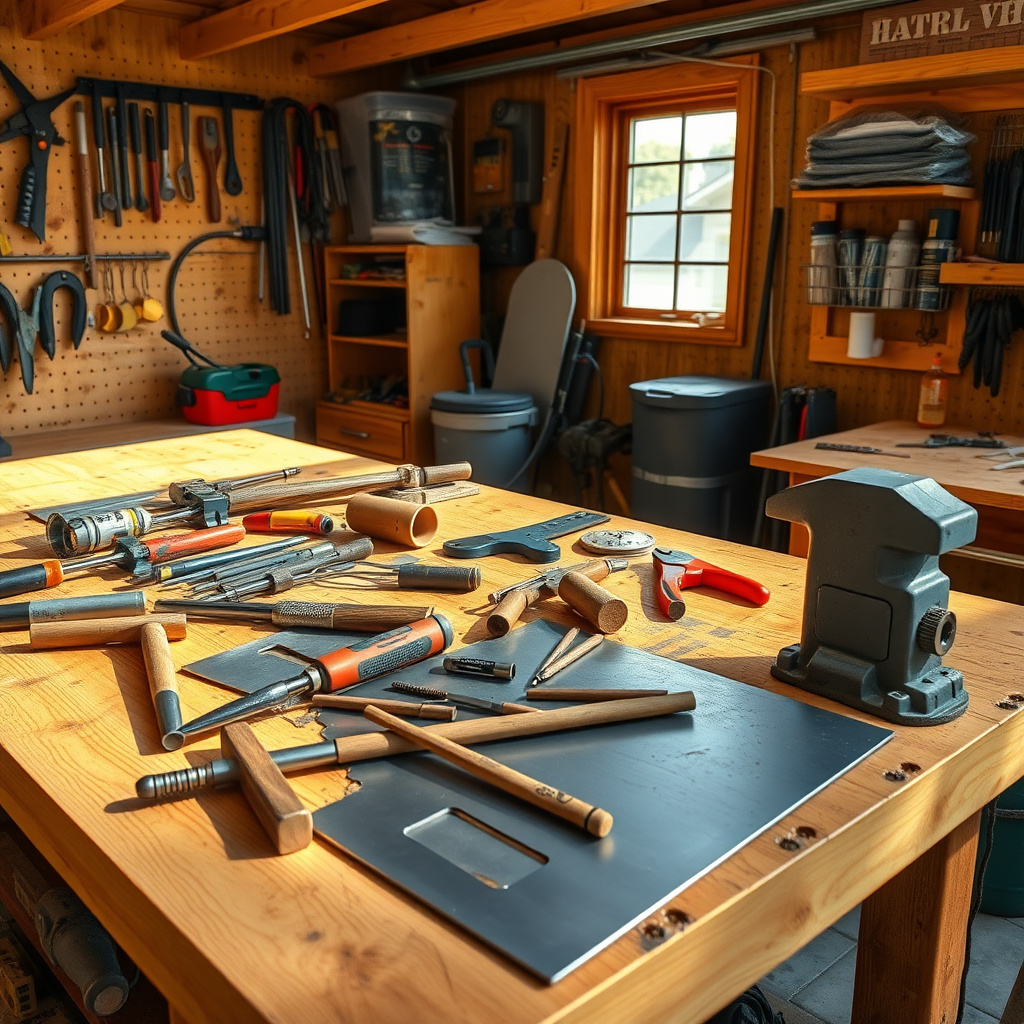
For precision, grab a ball-peen hammer. The rounded end shapes metal without marring it. I've used it to tap rivets during bike repairs. It's a staple among workman tools for anyone tinkering with engines or jewelry.
Don't sleep on the sledgehammer for heavy lifting. This beast drives stakes or breaks concrete. I wielded one to set fence posts last summer—satisfying, but wear gloves! At 5-10 pounds, it's overkill for small jobs, so store it wisely.
| Hammer Type | Best For | Weight Recommendation |
|---|---|---|
| Claw Hammer | General carpentry, nail removal | 13-20 oz |
| Ball-Peen Hammer | Metalworking, riveting | 8-16 oz |
| Sledgehammer | Demolition, driving stakes | 5-10 lbs |
This table shows how to match hammers to tasks. Pick based on your common projects.
Pro tip: Check the handle. Fiberglass resists vibes better than wood, reducing fatigue. And always test the balance—your swing should feel natural, not forced.

Screwdrivers: Precision Partners
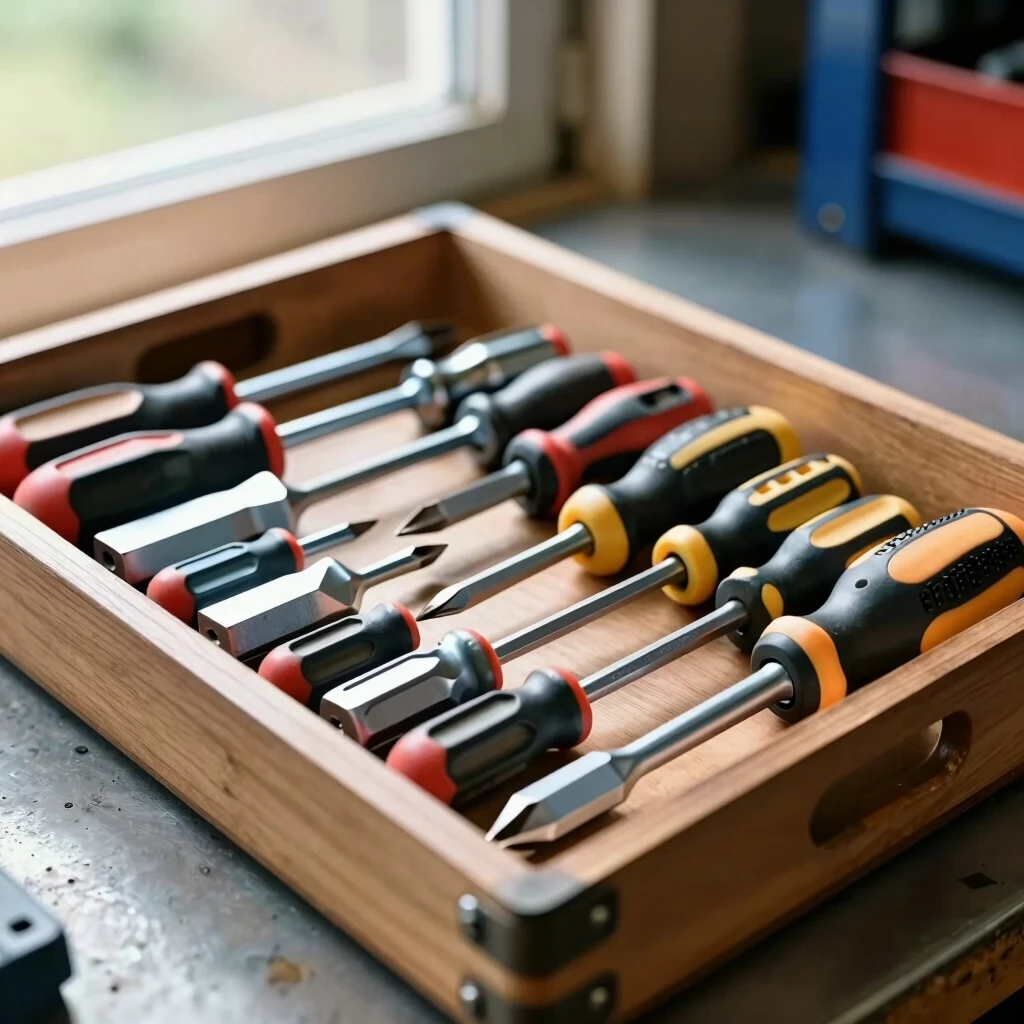
Next up in workman tools: screwdrivers. These unsung heroes turn screws without stripping heads. Start with a multi-bit set—Phillips, flathead, and Torx cover 90% of jobs.
I remember stripping a screw on a cabinet door early on. Now, I swear by magnetic tips—they hold bits steady. For power, a ratcheting screwdriver saves wrist strain on long sessions.
Go for ergonomic handles. Cushioned grips prevent blisters during marathon assemblies. A good set costs under $30 but lasts years.
- Stubby Screwdriver: Ideal for tight spaces, like appliance repairs.
- Long-Shaft: Reaches deep recesses in furniture.
- Precision Set: Tiny bits for electronics—gentle on delicate work.
Mix and match for your needs. They're small, so they fit anywhere in The Essential Toolbox for Every DIY Enthusiast.
Pliers and Clamps: Grip It and Rip It
Pliers are the multitaskers of your kit. Needle-nose ones grab wires in electrical work; slip-joint handle pipes or nuts.
My favorite? Locking pliers. They clamp tight, freeing your hands for welding or gluing. I've clamped boards steady while sawing—game-changer.
Add C-clamps for woodworking. They hold pieces flush during glue-ups. Start with 4- and 6-inch sizes; they're cheap and versatile.

Safety first: Pliers slip on oily surfaces, so wipe tools clean. And never use them as hammers— that's what your claw is for!
Measuring and Marking: Get It Right the First Time
Measure twice, cut once—that old saying rings true. A tape measure is non-negotiable in The Essential Toolbox for Every DIY Enthusiast.
Opt for a 25-foot lockable one with a nylon coat—it survives drops. Pair it with a speed square for angles; mine's marked for rafters and hips.
For marks, mechanical pencils beat pens—they don't smudge on wood. Add a level: Bubble types check flatness quick. Laser ones impress for big installs, but start simple.
Personal hack: Label your tape with custom marks for repeated cuts, like shelf depths. Saves seconds that add up.
Power Tools: Level Up When Ready
Basics first, but power amps efficiency. A cordless drill transforms holes and drives. Get one with 12-volt battery—light for overhead work.
I drilled pilot holes for a deck last year; the clutch prevented over-tightening. Bits? Invest in a full set: wood, metal, masonry.
Circular saws cut straight lines fast, but practice on scraps. Safety gear—goggles, gloves—is key here.
Budget tip: Borrow big tools from friends or libraries before buying. Test the fit.
Storage and Maintenance: Keep It Sharp
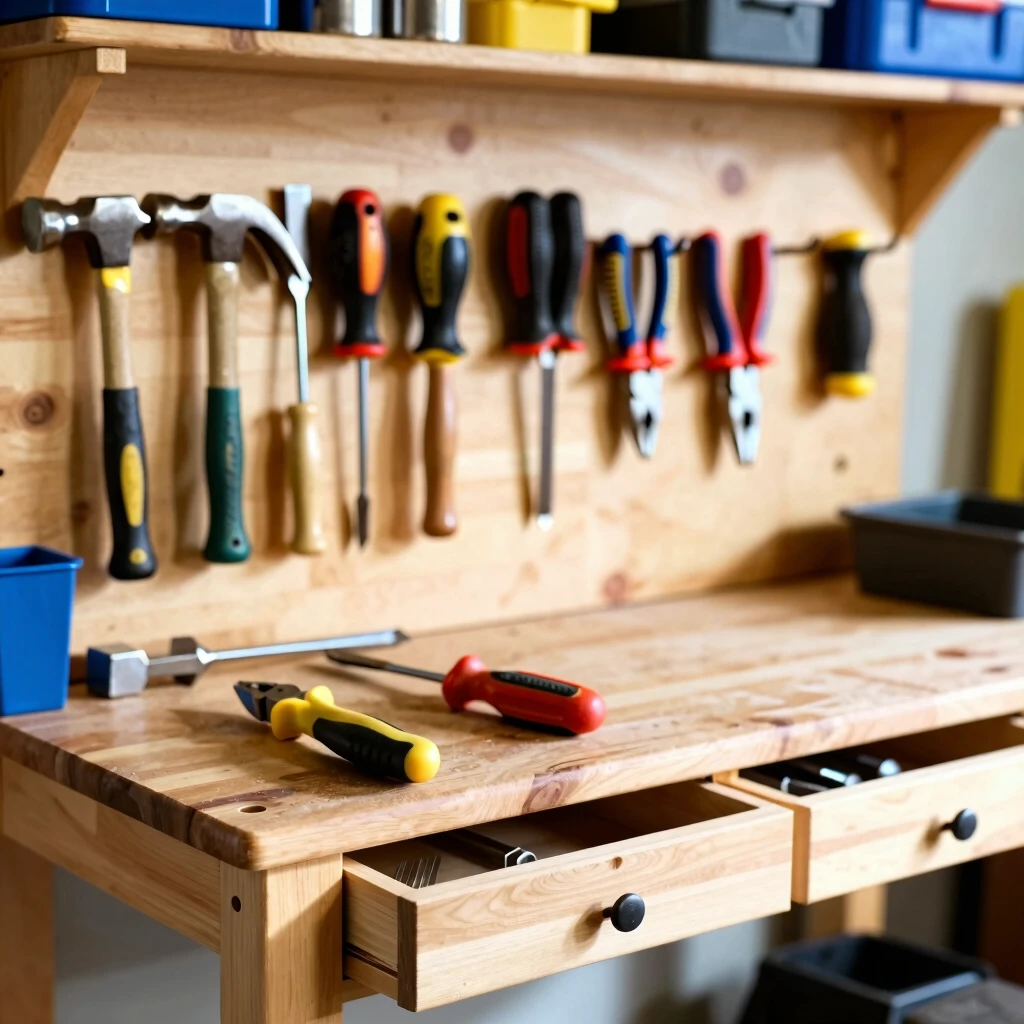
Your toolbox deserves care. Use divided trays to sort—hammers in one spot, bits in another. I built mine from scrap plywood; customizable bliss.
Clean after use: Oil metal parts to fend rust. Sharpen blades with a file—dull tools fight back.
Store dry, away from damp. A dehumidifier in the garage changed everything for me—no more seized locks.
One story: Rain soaked my kit during an outdoor build. Tools rusted overnight. Now, I cover up religiously.
Safety: Your Best Tool
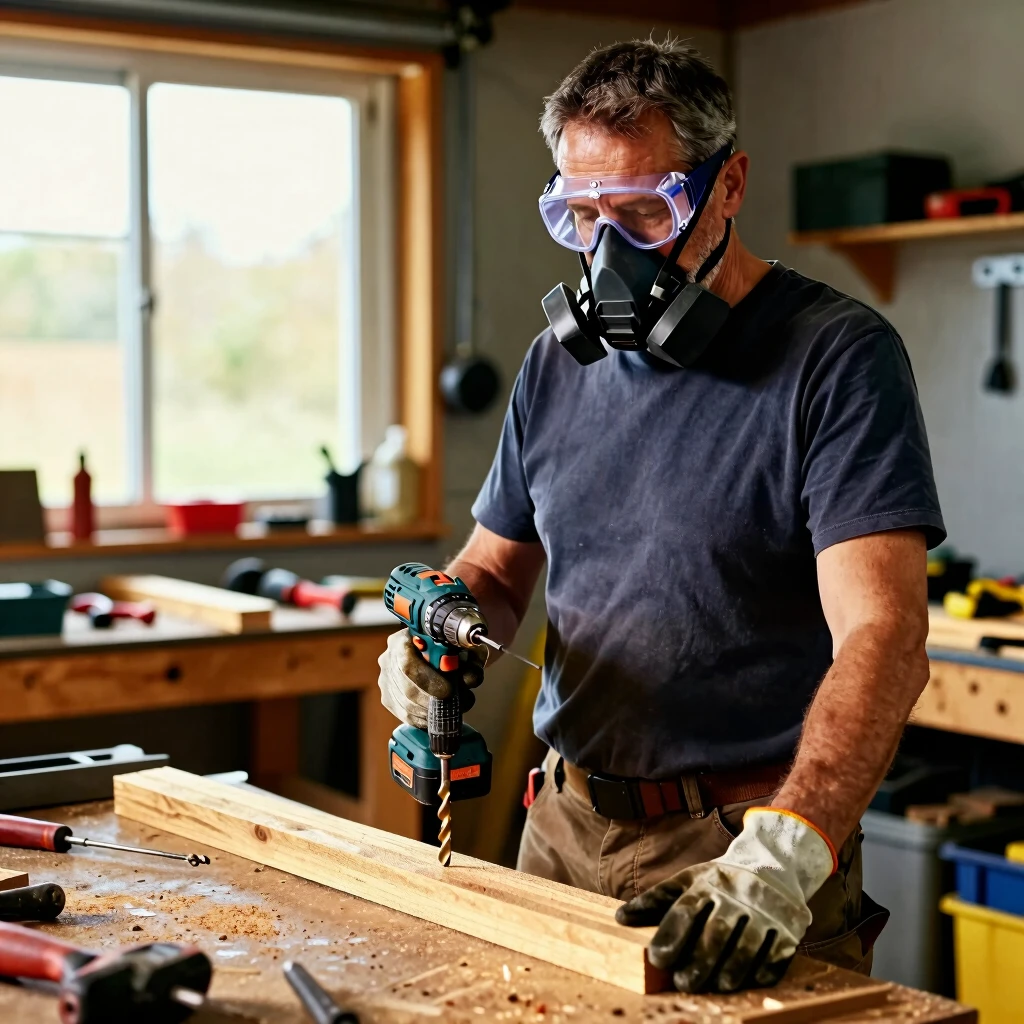
Don't skip this. Gloves protect hands, earplugs muffle saws, masks filter dust. I ignored dust once—coughing for days.
First aid kit nearby: Bandages, antiseptic. And know limits—call pros for wiring or plumbing if unsure.
For more on safety, check the CDC's home safety guide. It's gold.
Wrapping It Up
The Essential Toolbox for Every DIY Enthusiast evolves with you. Start with hammers—master types of hammers for different projects—then add workman tools as needs grow. My kit's grown from a battered box to a rolling cabinet, each piece earning its spot through sweat and smiles.
Build yours thoughtfully. You'll craft not just projects, but pride. Happy hammering!
Related The Essential Toolbox for Every DIY Enthusiast:
- DIY Workshop Storage Solutions: Transform Chaos into Creative Flow
- OSHA’s Guide to Personal Protective Equipment: Essential Safety Gear for Construction Workers
- Essential Tools for Every Handyman: Build Your Ultimate Toolkit
- DIY Tool Repair: When to Fix and When to Replace
- How to Maintain Hand Tools Effectively: A Complete Guide for Everyday Use
- How to Use Power Drills Safely and Effectively: Your Essential Guide
- Unlocking Creativity: Essential Specialty Hammers for Crafts and Hobbies
- The Importance of Tool Maintenance: A Guide to Safe and Efficient Electrical Work
- Preventing Workplace Injuries with Smart Tool Choices: A Practical Guide
- Understanding Different Types of Screwdrivers and Their Uses
- Essential Workman Tools for Metalworking: Your Complete Guide
- How to Maintain Your Car's Engine for Longevity: Smart Tips, Essential Tools, and Your AI Companion