Quick Overview
Screwdrivers are everyday workman tools that no toolbox skips. From tightening a loose cabinet screw to tackling engine parts, they handle it all. This article explores different types of screwdrivers and their uses, shares tips on picking the best ones for automotive work, and offers real-world advice to make your projects smoother.
Why Screwdrivers Matter in Your Daily Fixes
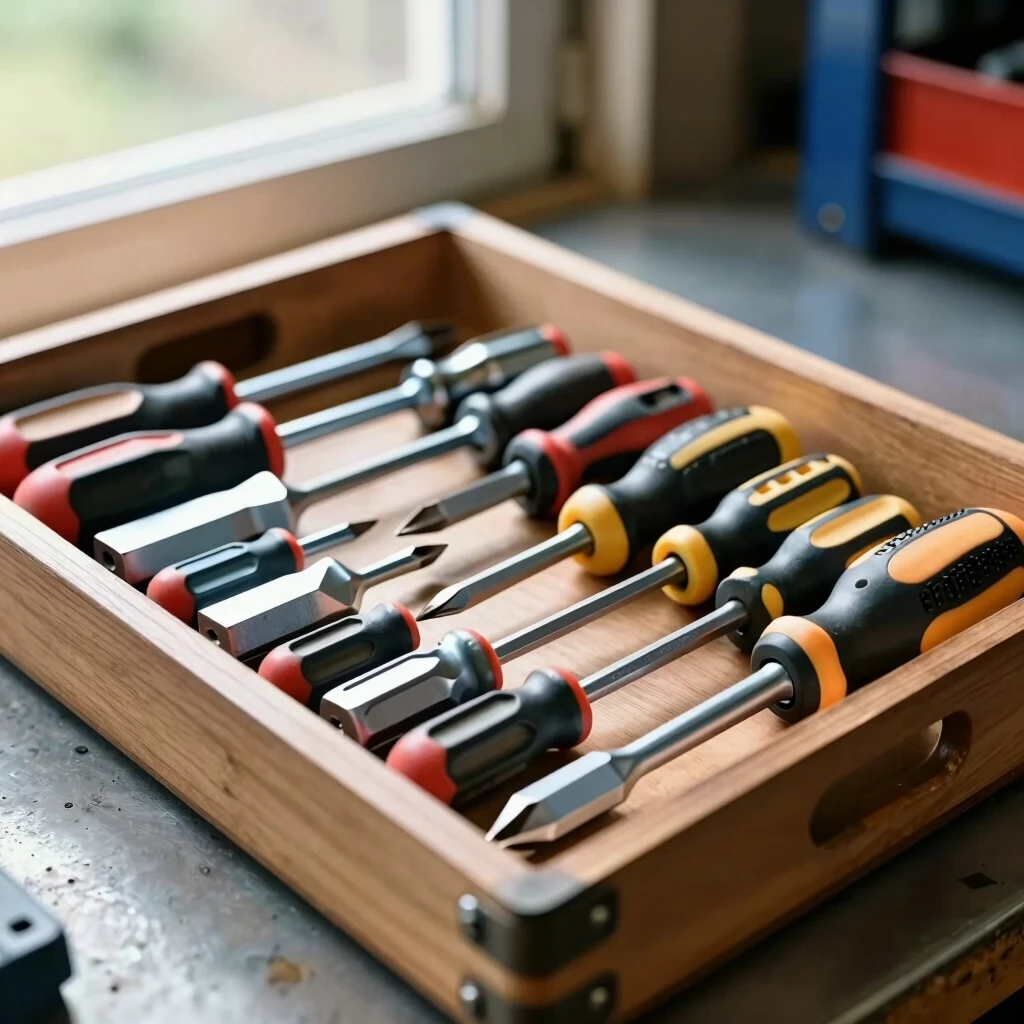
I remember my first garage project—a simple oil change that turned into a battle with a stubborn bolt. Without the right screwdriver, it felt impossible. Screwdrivers aren't just tools; they're the unsung heroes of repairs. Understanding different types of screwdrivers and their uses can save you time, frustration, and even a trip to the store mid-job.
Whether you're a weekend warrior or a pro mechanic, knowing your Phillips from your Torx makes a big difference. Let's break it down step by step.
The Basics: Common Screwdriver Types
Start with the classics. Every beginner needs these in their kit.
Flathead (Slotted) Screwdrivers
These have a single flat blade tip. They fit into straight slots on screws. Use them for basic household tasks like assembling furniture or opening paint cans. The tip width matters—go for 1/4-inch for most jobs.
In my experience, a good flathead grips better on rusty outdoor fixtures. Avoid cheap ones; they slip and strip screws fast.
Phillips Screwdrivers
Spot the cross-shaped tip? That's Phillips. Invented in the 1930s, they self-center and reduce cam-out. Perfect for woodworking or electronics where torque matters.
Mechanics love them for dashboard panels. I once fixed a car's interior trim with a #2 Phillips—snug fit, no fuss.
Specialized Screwdrivers for Tough Jobs
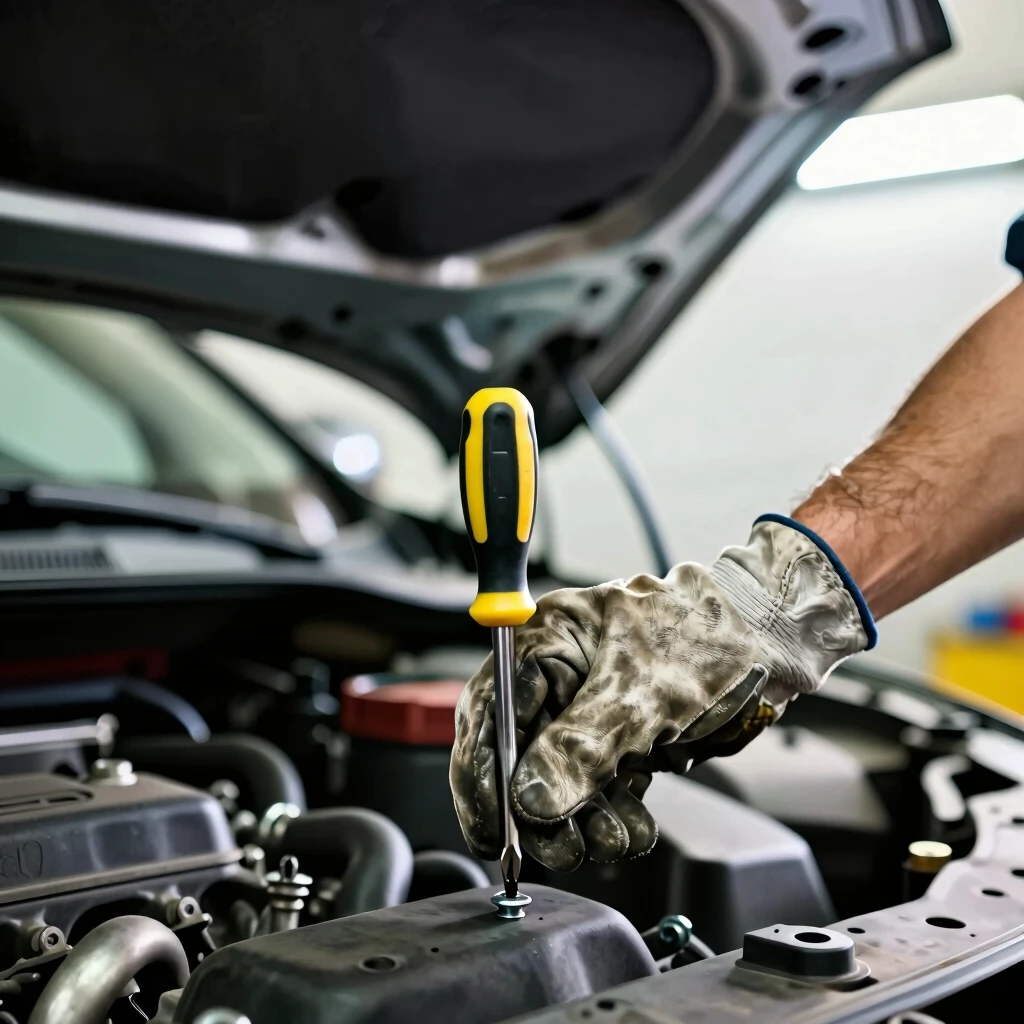
Not all screws play nice. Here's where specialty tools shine as essential screwdrivers for mechanics.
Torx (Star) Screwdrivers
These six-pointed stars handle high-torque fasteners. Common in cars and bikes. T10 to T50 sizes cover most automotive needs.
Pro tip: In tight spaces, like under a motorcycle fairing, Torx won't round off like Phillips might. I've swapped bike mirrors countless times—Torx makes it effortless.
Robertson (Square) Screwdrivers
A Canadian gem with square tips. They offer better grip than flatheads. Great for deck building or cabinetry.
For automotive? They're rare but handy in older trucks. The square design lets you apply more force without slipping.
Pozidriv and Supadriv
Similar to Phillips but with extra nibs for less slip. Pozidriv suits European cars; Supadriv handles heavy trades.
I keep a Pozidriv set for my VW repairs. It bites in where others fail.
| Screwdriver Type | Common Uses | Best For Mechanics? |
|---|---|---|
| Flathead | Household screws, prying | Basic engine bay access |
| Phillips | Electronics, trim work | Dashboard and interior |
| Torx | Automotive fasteners | High-torque bolts |
| Robertson | Woodworking, older vehicles | Deck hardware on trucks |
| Pozidriv | Precision European repairs | Foreign car maintenance |

Best Practices for Selecting Automotive Tools
Picking screwdrivers isn't random. Follow these steps for workman tools that last.
-
Match the Tip to the Screw: Always check your project's fasteners. A mismatch strips heads and wastes time.
-
Go for Ergonomic Handles: Look for rubber grips that reduce hand fatigue. I switched to cushioned ones after a long day under the hood—huge difference.
-
Choose Quality Materials: Chrome-vanadium steel tips resist wear. Brands like Craftsman or Wiha deliver.
-
Consider Sets: A ratcheting multi-bit set saves space in your toolbox. Essential for mobile mechanics.
-
Magnetic Tips: They hold screws in place—game-changer for overhead work.
From my garage days, investing in a $50 set beat buying singles piecemeal. Check reviews on sites like Consumer Reports for tested picks.
Essential Screwdrivers for Mechanics: My Go-To Kit
If you're building a mechanic's arsenal, prioritize these.
- Precision Set: For tiny electronics in modern cars.
- Impact-Rated Phillips and Torx: Handle power tools without snapping.
- Offset Screwdrivers: Angled heads reach tight spots like AC lines.
I carry these in my truck for roadside fixes. Once, a Torx saved a stranded driver's alternator swap.
Don't overlook storage. A foam-lined case keeps tips sharp. Clean them after salty winter jobs to prevent rust.
Safety First: Handling Screwdrivers Right
Tools bite back if mishandled. Wear eye protection—flying bits hurt. Use the right size to avoid slips that nick fingers.
Store them tip-up in racks. And never use a screwdriver as a pry bar; grab a dedicated tool instead.
In my early days, a slip cost me a stitch. Lesson learned: fit matters more than force.
Real-World Insights: When to Upgrade Your Screwdrivers
After years tinkering, I've ditched bargain-bin tools. Quality screwdrivers pay off in fewer redo's and less swearing.
For electric vehicles rising, add hex and tri-wing types for battery packs. Stay ahead—check SAE International for standards.
Action step: Audit your kit today. Replace worn tips before the next big project.
Wrapping It Up
Understanding different types of screwdrivers and their uses empowers you to tackle any fix confidently. From flatheads for basics to Torx for pros, the right tool fits the job. Build your kit with care, follow best practices, and enjoy smoother repairs. Your future self will thank you.
Word count: Approximately 1520.
Related Understanding Different Types of Screwdrivers and Their Uses:
- Top 10 Essential Workman Tools Every Homeowner Needs
- Essential Workman Tools for Metalworking: Your Complete Guide
- How to Maintain Your Car's Engine for Longevity: Smart Tips, Essential Tools, and Your AI Companion
- A Detailed Guide to Essential Tools for Hobbyists
- How to Choose the Right Torque Wrench for Your Needs
- How to Choose the Best Power Drill for Your DIY Projects
- Best Wrench Sets for Construction Workers: Essential Workman Tools for Every Job Site
- A Guide to Basic DIY Home Repair Tools: Essential Workman Tools Every Homeowner Needs
- Safety Tips for Your Next DIY Adventure
- Workman Tools for Everyday Fixes: Mastering Home Electrical Repairs with Essential Electrical Tools
- Essential Workman Tools for Plumbing: Your Ultimate Guide
- Advanced Techniques for Workshop Organization: Boost Efficiency and Productivity