Overview
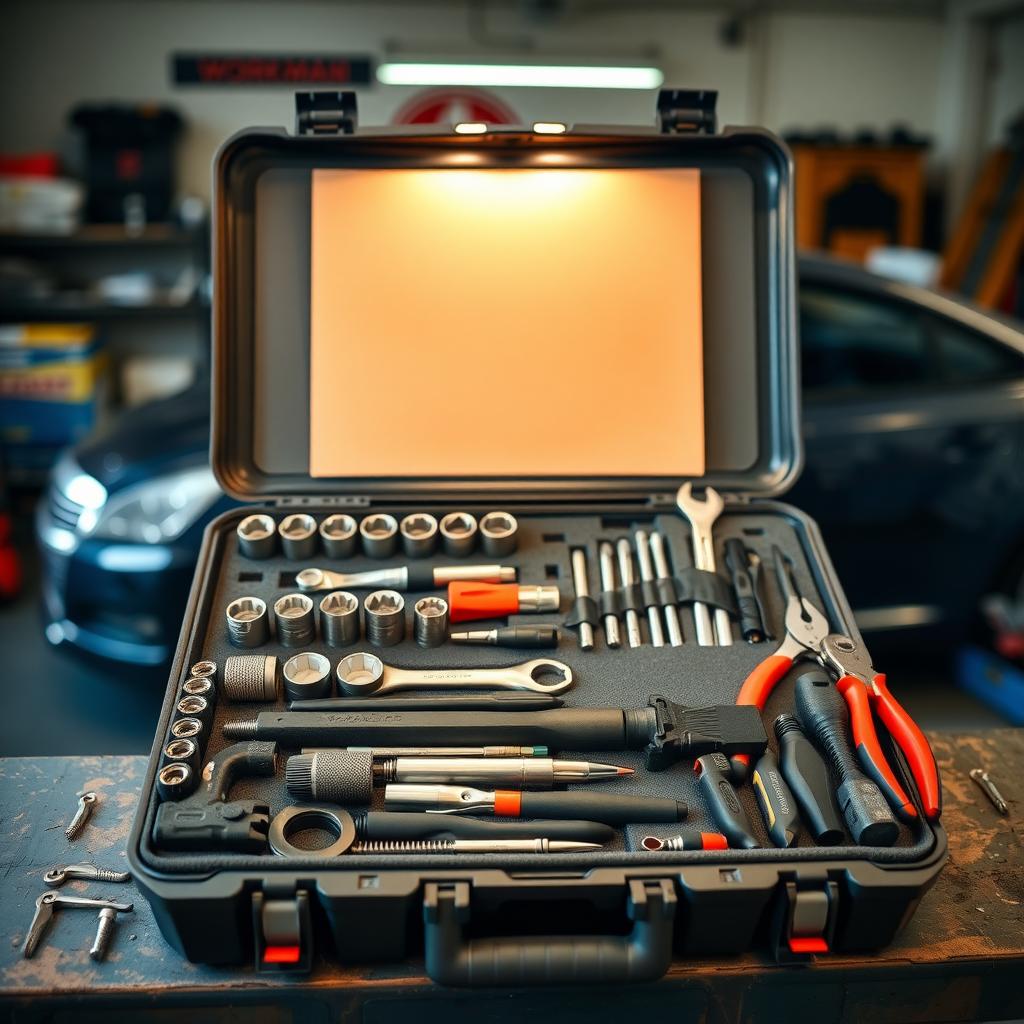
Workman tools for plumbing make fixing leaks and installing pipes easier for both pros and homeowners. This guide covers essential tools, tips from real experiences, and how they compare to woodworking tools. You'll learn what to buy and how to use them safely.
Plumbing work can feel overwhelming at first. But with the right workman tools, you turn tough jobs into simple tasks. I've fixed countless sinks and toilets over the years, and I know the difference good tools make. Let's dive into what you need.
What Makes Workman Tools Special?
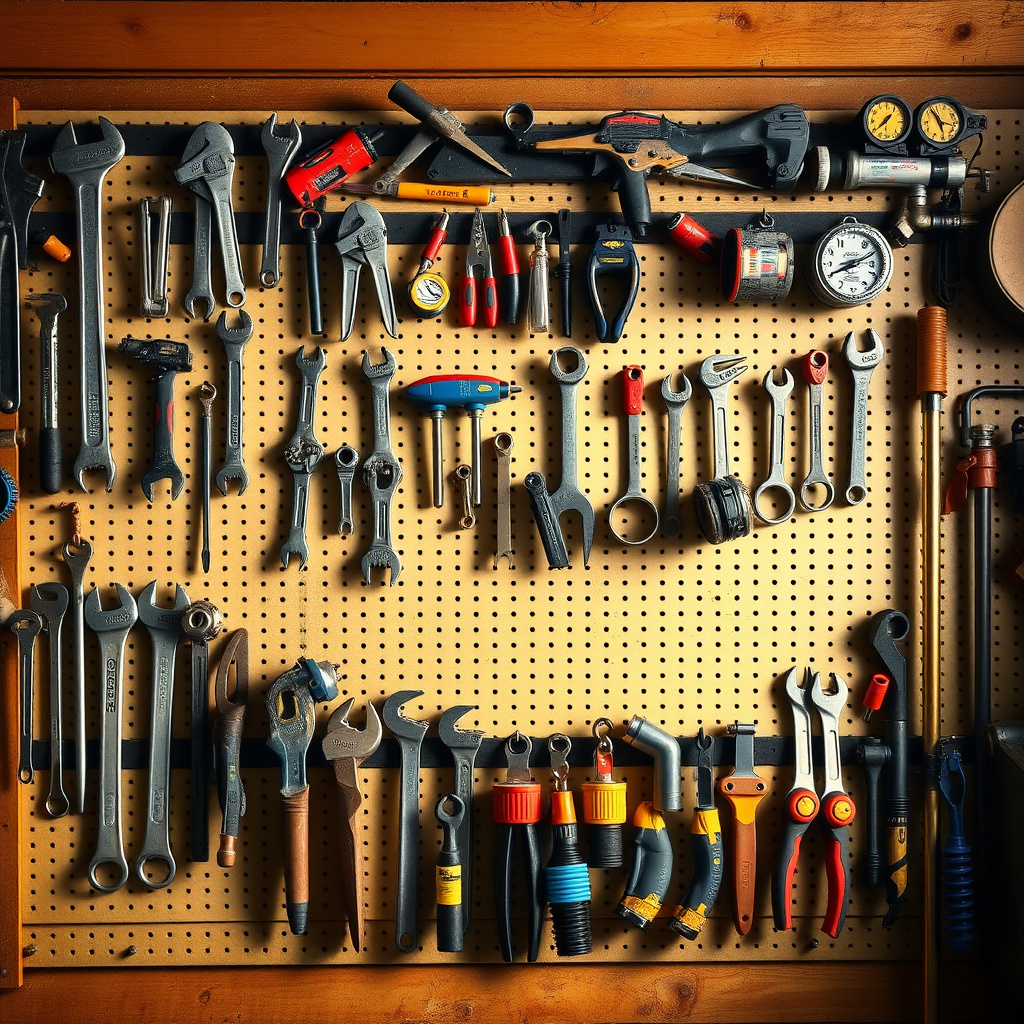
Workman tools stand out because they last long and handle tough jobs. They help workers in fields like plumbing and woodworking. For plumbing, these tools focus on pipes, water, and fittings. They differ from woodworking tools, which deal more with cutting and shaping wood. But some workman tools work well in both areas, like adjustable wrenches.
I remember my first plumbing job. I tried using a cheap wrench on a stubborn pipe. It slipped and caused a mess. That's when I switched to quality workman tools for plumbing. They grip better and save time.
Must-Have Basic Workman Tools for Plumbing
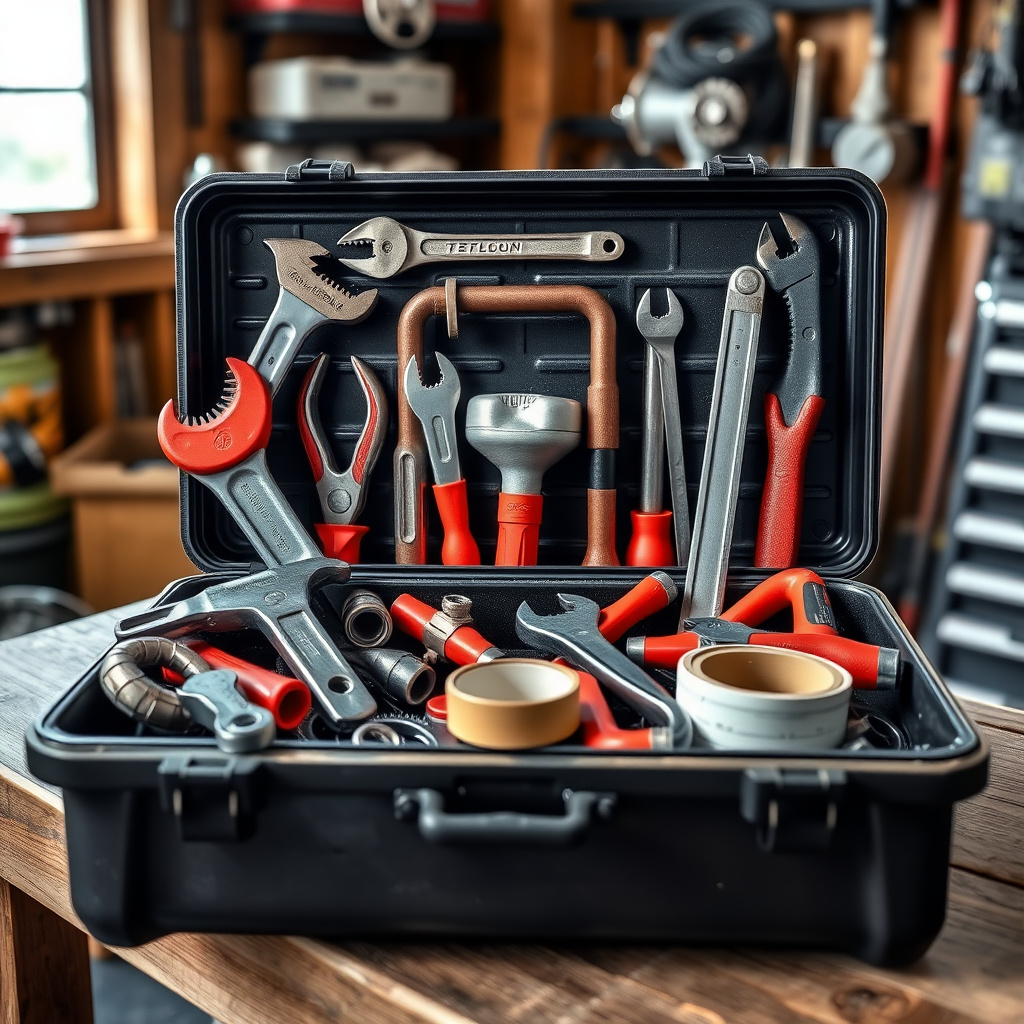
Start with the basics. These tools handle most everyday fixes. Here's a list:
- Plunger: Push clogs out of drains. Use a cup plunger for sinks and a flange one for toilets. I've cleared dozens of blockages with just this.
- Adjustable Wrench: Tighten or loosen nuts. Get one with a smooth jaw to avoid scratching pipes.
- Pipe Wrench: Grip round pipes firmly. It's heavy but gets the job done on stuck fittings.
Don't forget Teflon tape. Wrap it around threads to seal joints and prevent leaks. It's cheap but essential.
In my experience, buying a set of workman tools saves money long-term. Cheap ones break fast, leading to more costs.
Tools for Cutting and Measuring
Accurate cuts matter in plumbing. Use these:
| Tool | Use | Tip |
|---|---|---|
| Tape Measure | Measure pipe lengths | Get a 25-foot one for flexibility. |
| Hacksaw | Cut metal or plastic pipes | Use fine blades for clean cuts. |
| Tubing Cutter | Slice copper pipes neatly | Rotate it around the pipe for even edges. |
I once measured wrong and cut a pipe too short. It wasted material. Now, I double-check every time. Simple habits like this prevent big mistakes.
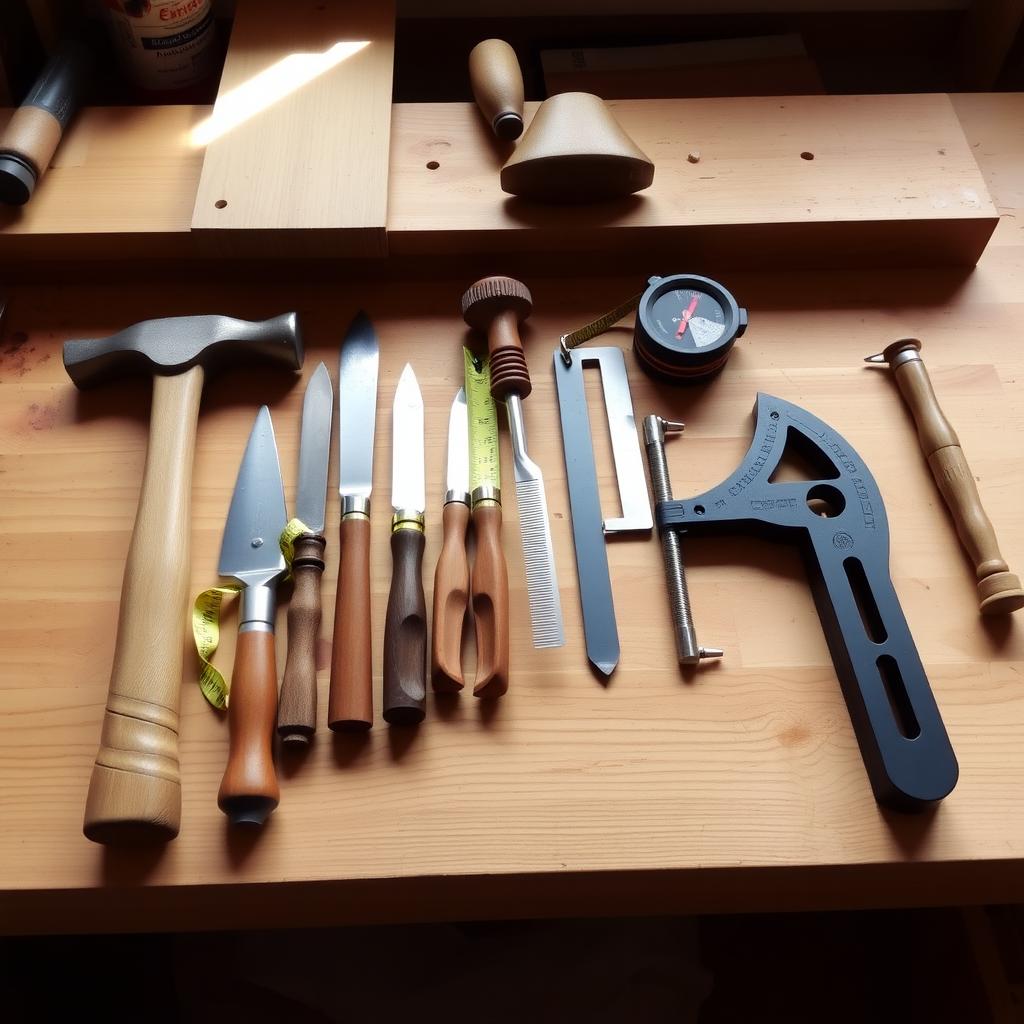
Compare this to woodworking tools. A hacksaw works for both, but woodworkers prefer table saws for precision. Workman tools for plumbing focus more on durability in wet conditions.
Advanced Workman Tools for Bigger Jobs
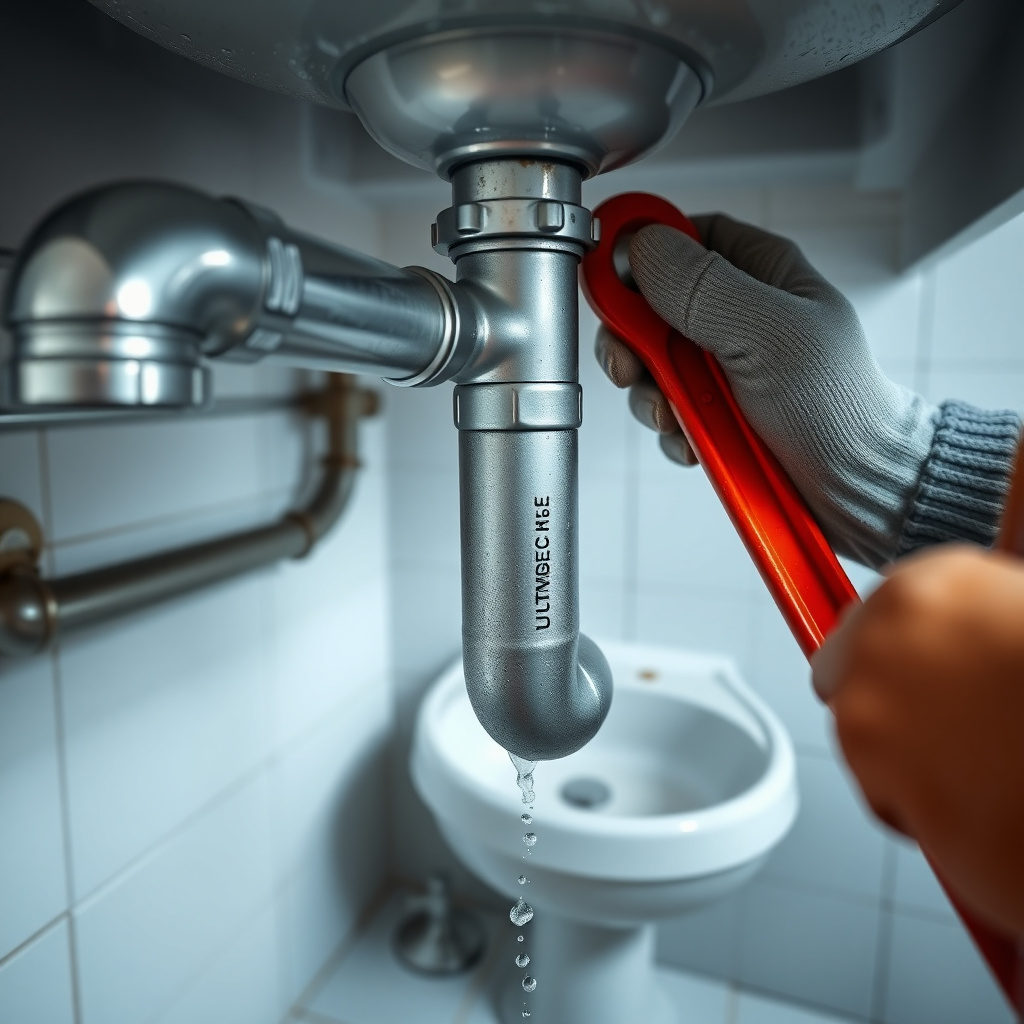
For serious work, step up your kit. These handle complex tasks like installing new lines.
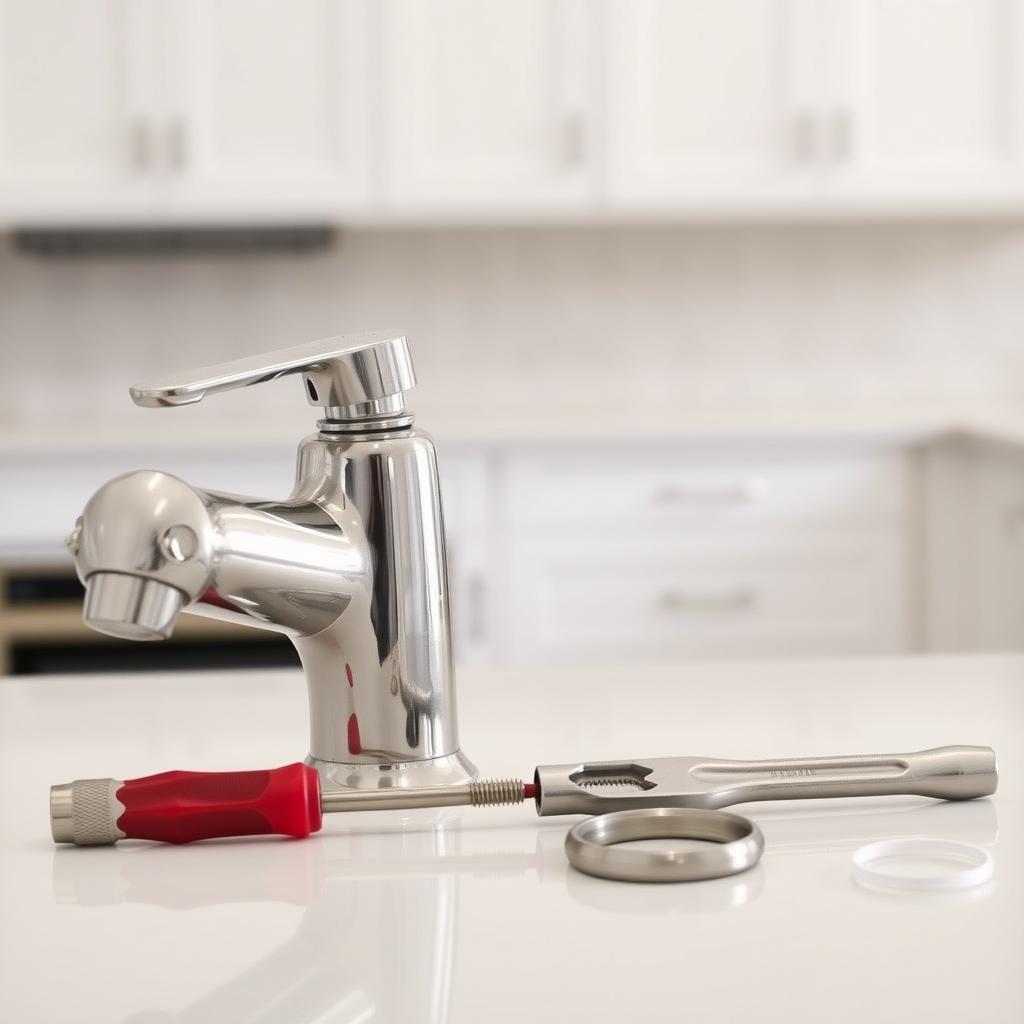
- Basin Wrench: Reach nuts behind sinks. Its long handle makes tight spaces easy.
- Pipe Bender: Shape copper pipes without kinks. Great for custom fits.
- Drain Snake: Clear deep clogs. Manual ones work fine for home use; electric for pros.
I've used a drain snake on a shower drain packed with hair. It took minutes instead of hours. Tools like this turn frustrating jobs into quick wins.
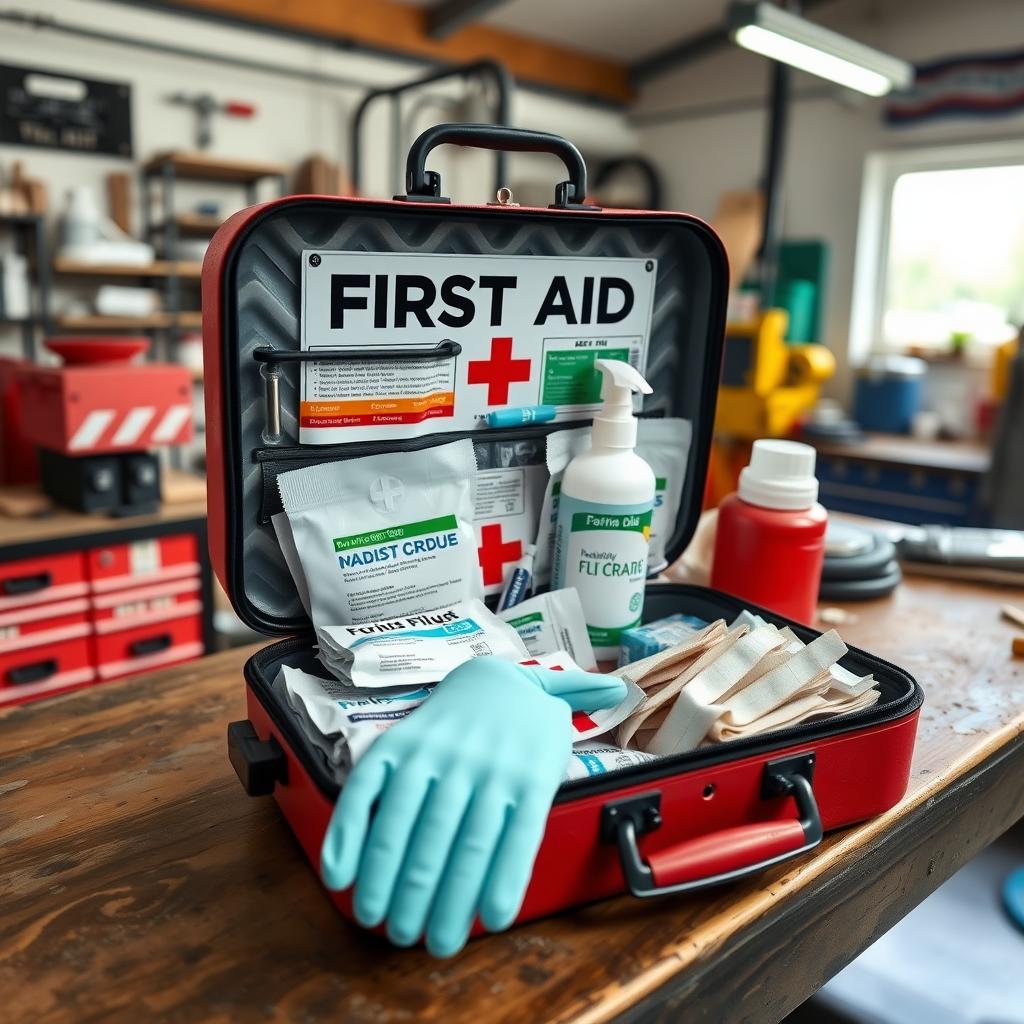
Safety comes first. Wear gloves and eye protection. Water and metal can cause slips or injuries.
Maintaining Your Workman Tools
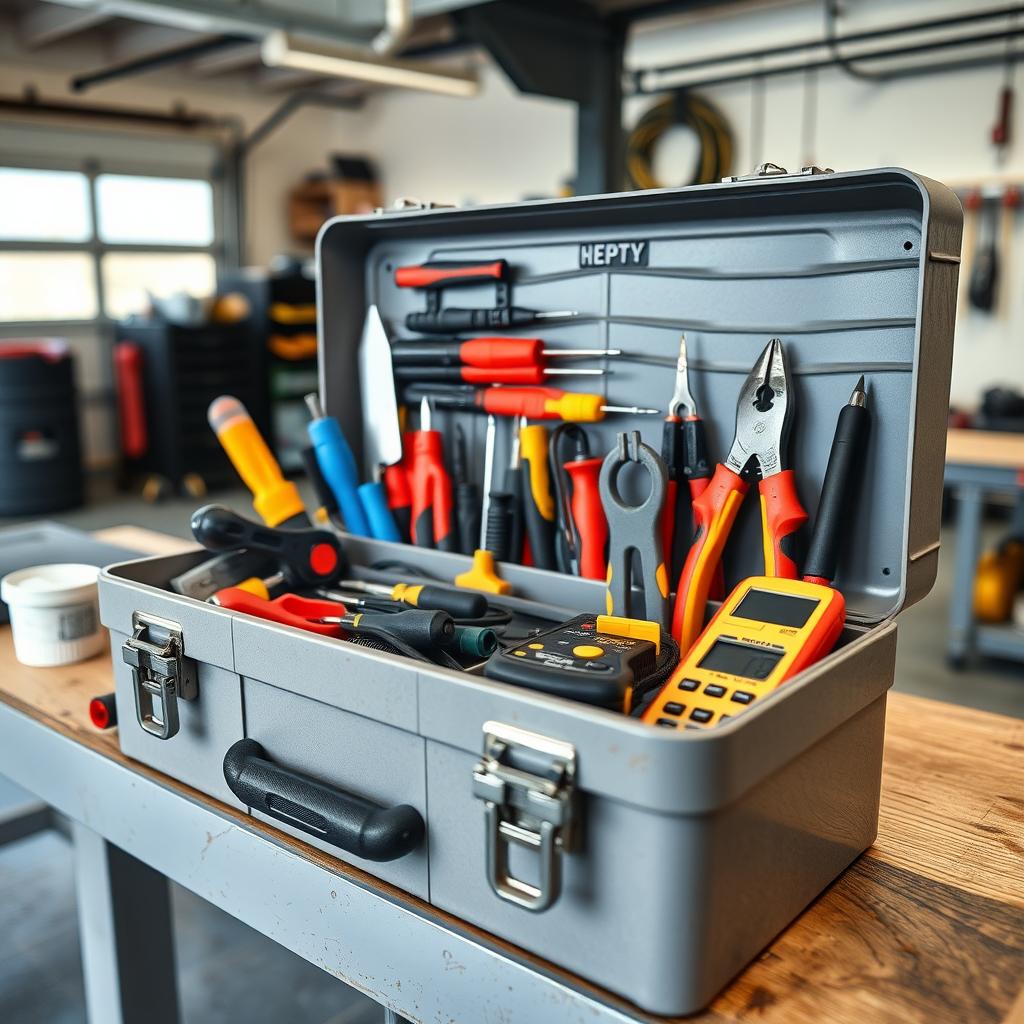
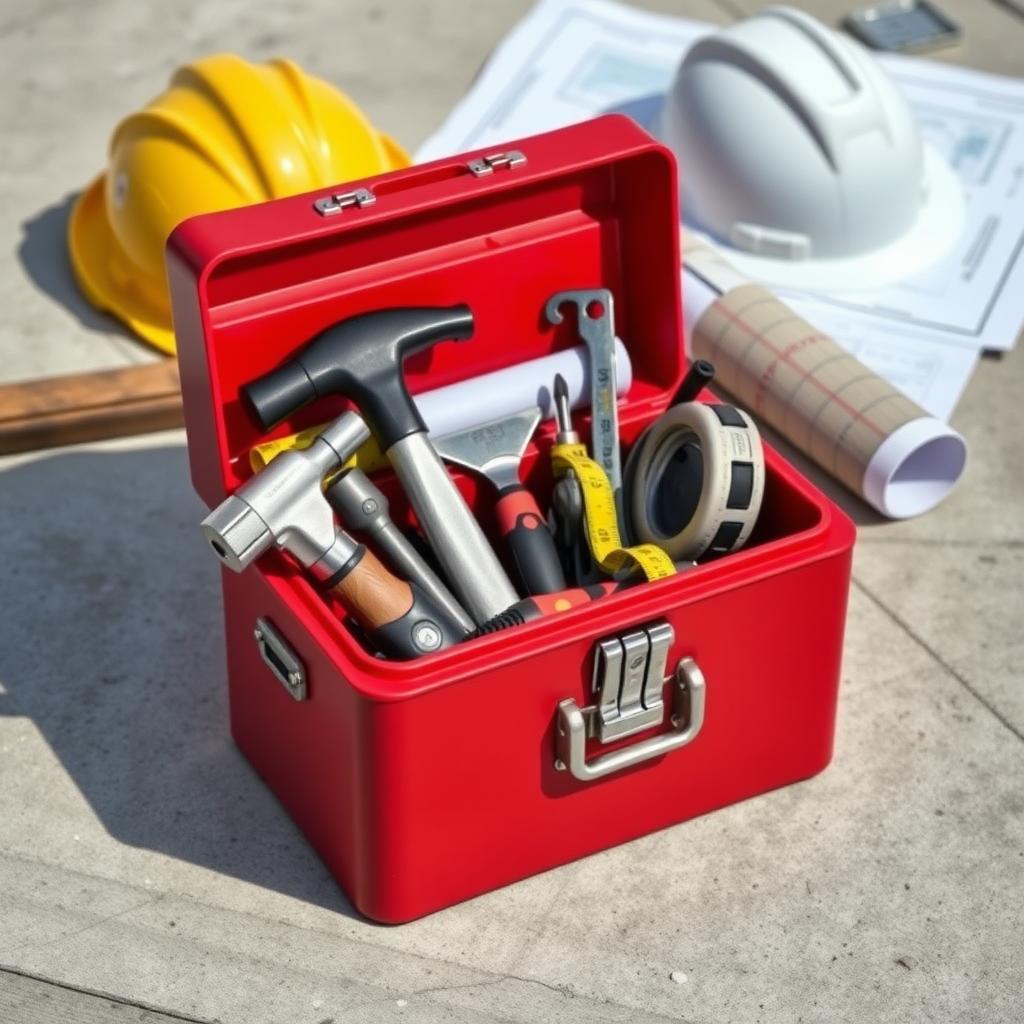
Good tools last if you care for them. Clean them after use to remove grime. Store in a dry toolbox to prevent rust.
Oil moving parts on wrenches monthly. Sharpen blades on cutters. I learned this the hard way when a dull hacksaw blade snapped mid-cut.
For woodworking tools, maintenance is similar but focuses on wood dust. Both need regular checks to stay sharp and safe.
Choosing the Right Brands
Look for trusted names like Ridgid or Klein Tools. They offer warranties and build quality. Check reviews on sites like Home Depot (https://www.homedepot.com) for real user feedback.
Budget matters. Start with mid-range workman tools. As you gain skills, invest in pro-level ones.
In woodworking, brands like DeWalt shine for power tools. But for plumbing, hand tools rule. Some workman tools cross over, like levels for straight pipes or wood frames.
Common Mistakes to Avoid
Don't overtighten fittings; it strips threads. Use the right size tool for the job. I've seen leaks from mismatched wrenches.
Test for leaks after every fix. Run water and watch for drips. Fix small issues early to avoid big repairs.
When to Call a Pro
Some jobs need experts. If you hit electrical lines or major blockages, stop and call help. Tools empower you, but know your limits.
From my years tinkering, I've saved hundreds by doing it myself. But one botched job taught me humility.
Wrapping Up
Workman tools for plumbing open doors to self-reliance. Start with basics, maintain them well, and build your skills. Whether fixing a faucet or comparing to woodworking tools, quality matters. Stay safe and enjoy the satisfaction of a job well done.
Related workman tools for plumbing:
- Advanced Plumbing Techniques Guide: Master Modern Methods and Essential Tools
- Advanced Techniques for Workshop Organization: Boost Efficiency and Productivity
- Essential Painting Tools for Beginners: Your Guide to Starting Right
- Advanced Electrical Tools for Automation: Revolutionizing Workman Efficiency
- Top Safety Practices for Electrical Projects: A Comprehensive Guide
- DIY Safety: Protecting Yourself While Working on Home Projects
- Understanding the Role of Ergonomics in Construction
- Top 10 Tools Every Workman Should Own for Any Job
- How to Fix Common Plumbing Problems at Home: A DIY Guide
- How to Choose the Best Hand Tools for Home Repairs
- The Ultimate Guide to Workman Tools for Automotive Repairs
- Woodworking 101: Essential Tools for Beginners