Overview
Woodworking is a rewarding craft that transforms raw lumber into functional art. Whether you're building a bookshelf or a birdhouse, having the right tools is key. This guide to Woodworking 101: Essential Tools for Beginners walks you through the basics, helping you choose reliable equipment without overwhelming your budget or workspace.
Why the Right Tools Matter
When I first started woodworking, I borrowed a rusty handsaw from my dad’s garage. My cuts were crooked, and frustration set in fast. The lesson? Quality tools make all the difference. They save time, improve accuracy, and keep you safe. For beginners, starting with a small but versatile toolset builds confidence and skills.
Hand Tools: The Foundation of Woodworking
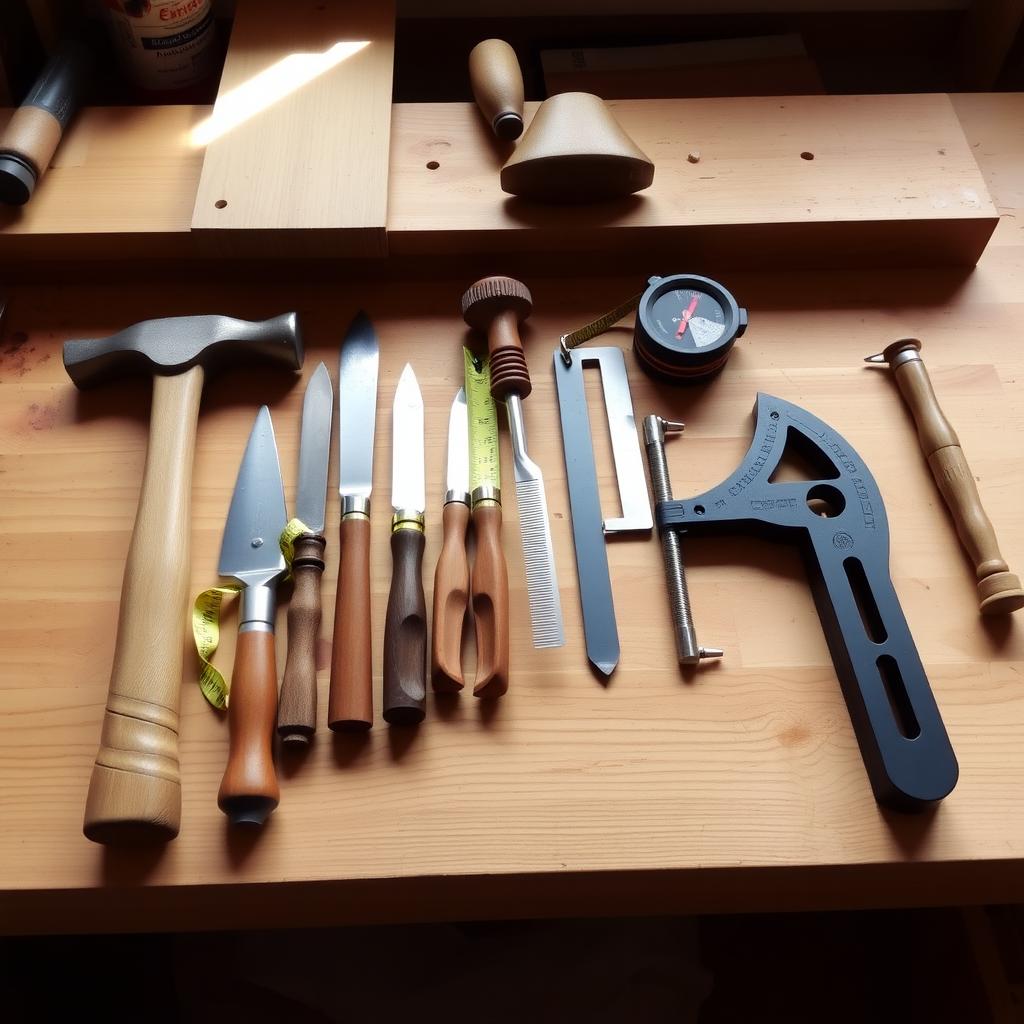
Every woodworker needs a solid set of hand tools. These are affordable, easy to use, and perfect for learning the craft. Here’s what you need to start:
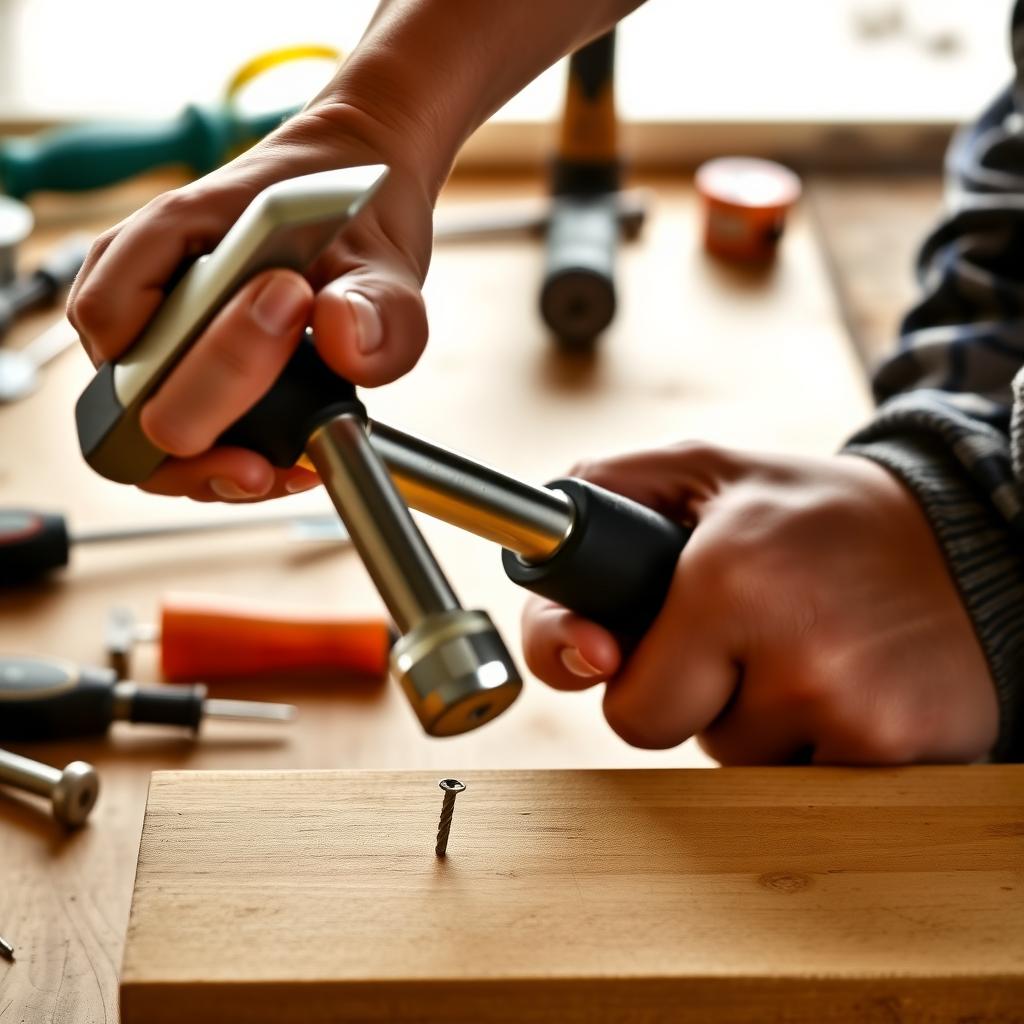
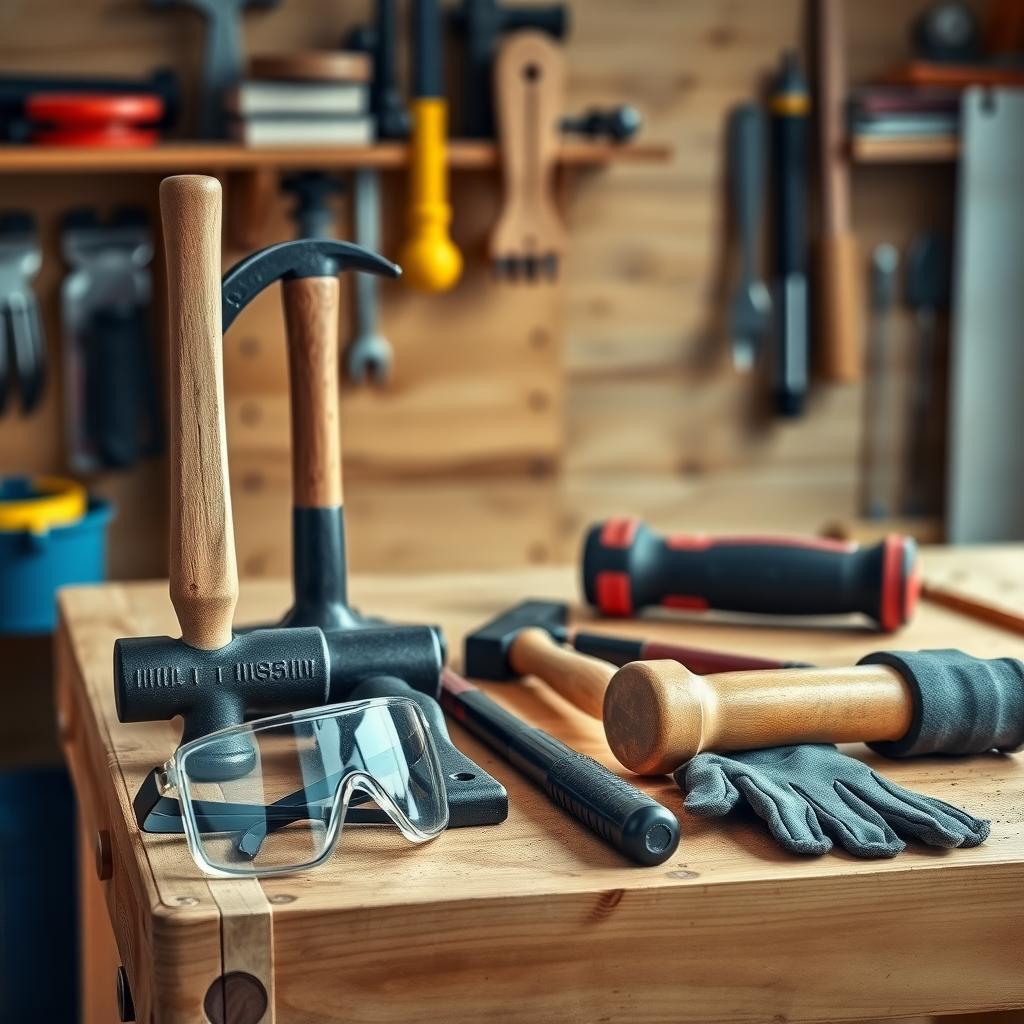
- Hammer: A 16-ounce claw hammer is ideal for driving nails and light chiseling. Look for a comfortable grip.
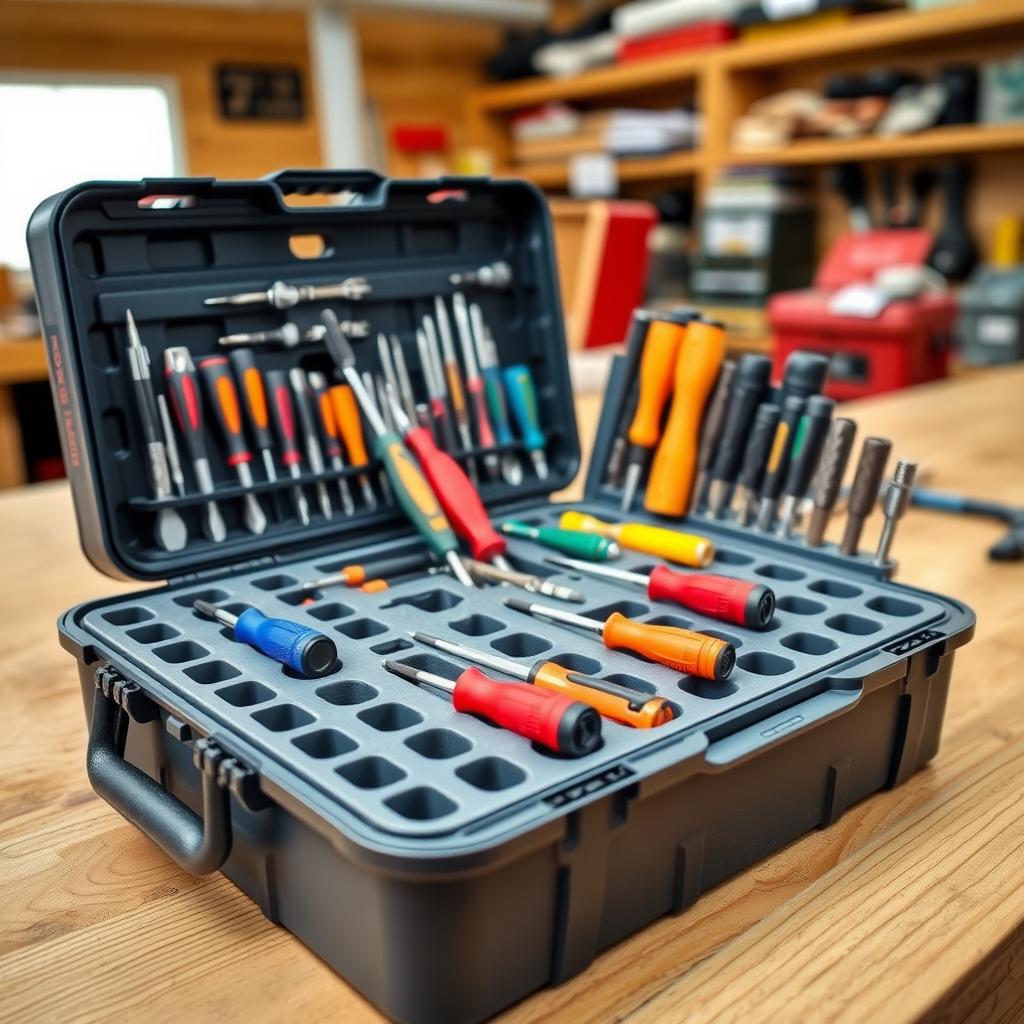
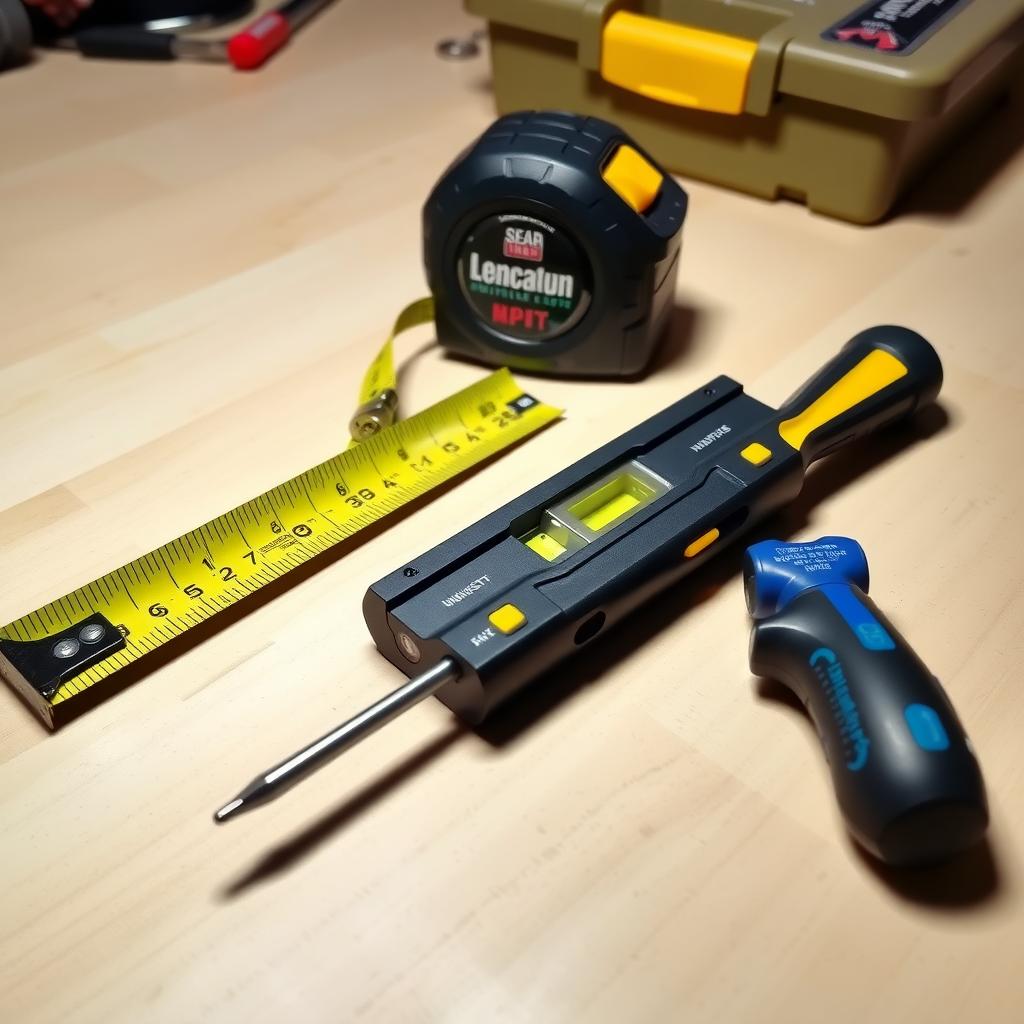
- Screwdrivers: Get a set with flathead and Phillips heads in multiple sizes.
- Chisels: A set of ¼-inch to 1-inch chisels handles most carving tasks. Keep them sharp for clean cuts.
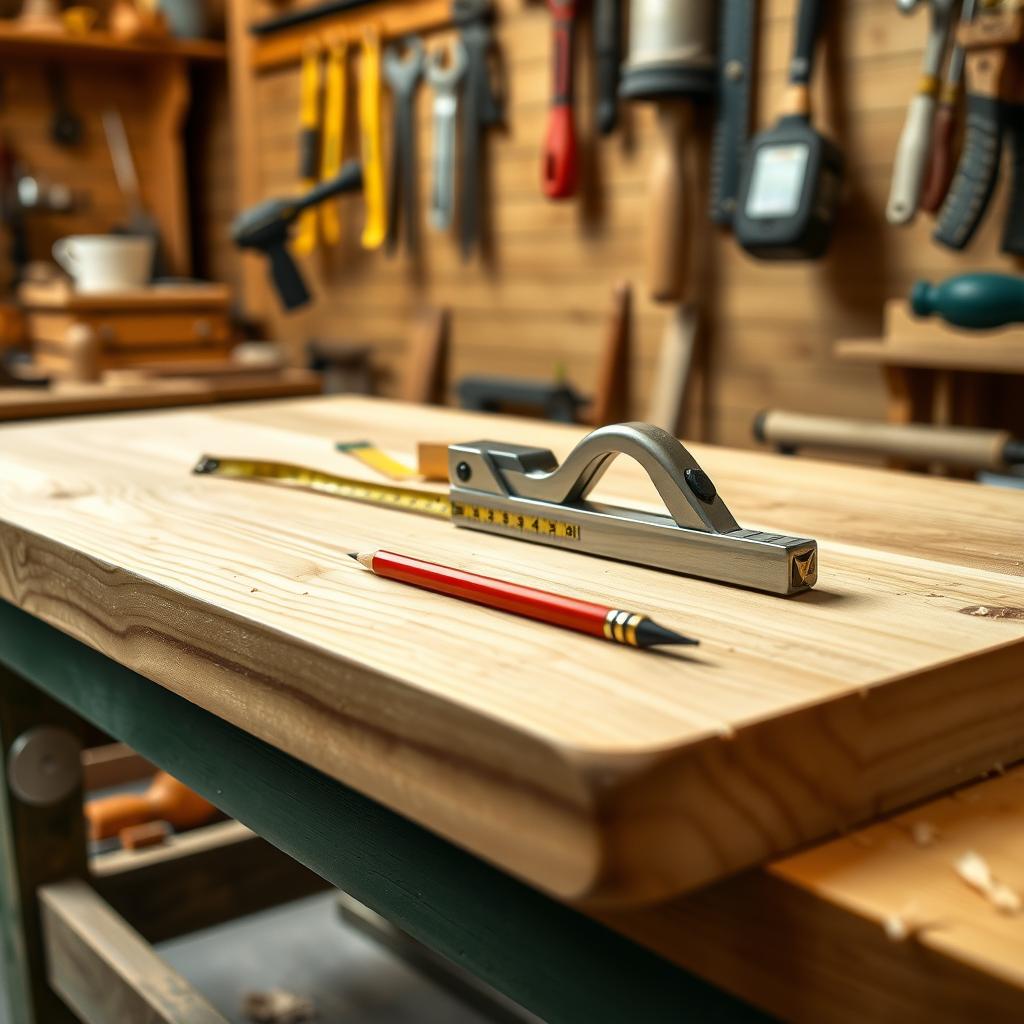
- Measuring Tape: A 25-foot tape is versatile for most projects.
- Square: A combination square ensures your angles are precise.
These tools are your foundation. I still use my first chisel set for detailed work, like carving out dovetails for a drawer.
Choosing the Right Saw for Your Project
Saws are the heart of woodworking, but picking the right one can feel daunting. Let’s break it down:
- Hand Saw: A 26-inch crosscut saw is great for beginners. It’s perfect for rough cuts on boards.
- Coping Saw: Ideal for intricate curves and detailed work, like cutting patterns for furniture trim.
- Miter Saw: For precise angled cuts, a manual miter saw with a miter box is budget-friendly and effective.
When choosing a saw, consider the project. For example, I used a coping saw to create curved legs for a small stool, which gave it a unique flair. According to Fine Woodworking, a well-maintained saw can last decades, so invest in quality blades.
Power Tools: Boosting Efficiency
Once you’re comfortable with hand tools, power tools can take your projects to the next level. Choosing the Best Power Tools for Home Projects means balancing power, safety, and cost. Here are the essentials:
| Tool | Use | Beginner Tip |
|---|---|---|
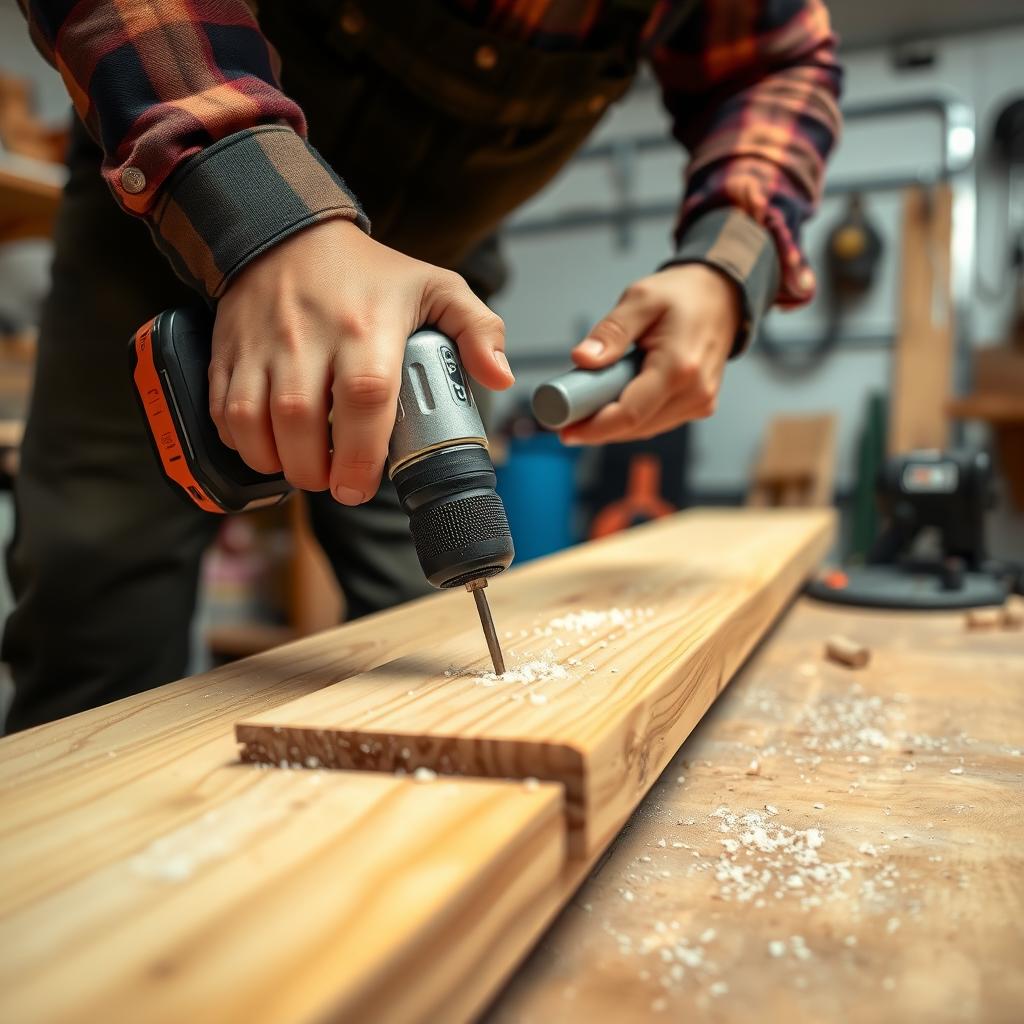
| Cordless Drill | Drilling holes, driving screws | Opt for an 18V model with a clutch for control. |
| Circular Saw | Straight cuts on large boards | Use a guide for straight lines. |
| Random Orbital Sander | Smoothing surfaces | Start with 120-grit sandpaper for most woods. |
| Jigsaw | Curved or irregular cuts | Practice on scrap wood first. |
My first cordless drill was a game-changer. It made assembling a bookshelf feel effortless compared to manual screwing. For safety, always wear goggles and follow the manufacturer’s guidelines, as outlined by OSHA’s woodworking safety guide.
Electrical Tools for Wiring and Installations
Some woodworking projects, like building cabinets or installing shelves, may involve basic electrical work. Electrical tools are crucial for tasks like adding lighting to a piece. Here’s what you might need:
- Multimeter: Checks voltage and continuity for safe wiring.
- Wire Strippers: Removes insulation from wires cleanly.
- Cordless Screwdriver: Speeds up installing electrical components like outlets.
I once added under-cabinet lighting to a kitchen island I built. Using a multimeter ensured I didn’t fry the circuit. For safe practices, refer to Electrical Safety Foundation International for guidelines on handling electrical tools for wiring and installations.
Safety Gear: Non-Negotiable
Safety is critical in woodworking. I learned this the hard way when a splinter lodged in my finger during a rushed project. Protect yourself with:
- Safety Glasses: Shield your eyes from sawdust and debris.
- Ear Protection: Essential when using loud power tools like circular saws.
- Dust Mask: Prevents inhaling fine particles during sanding.
A good pair of safety glasses saved me when a piece of wood chipped off unexpectedly. Check CDC’s woodworking safety tips for more on protecting yourself.
Organizing Your Tools
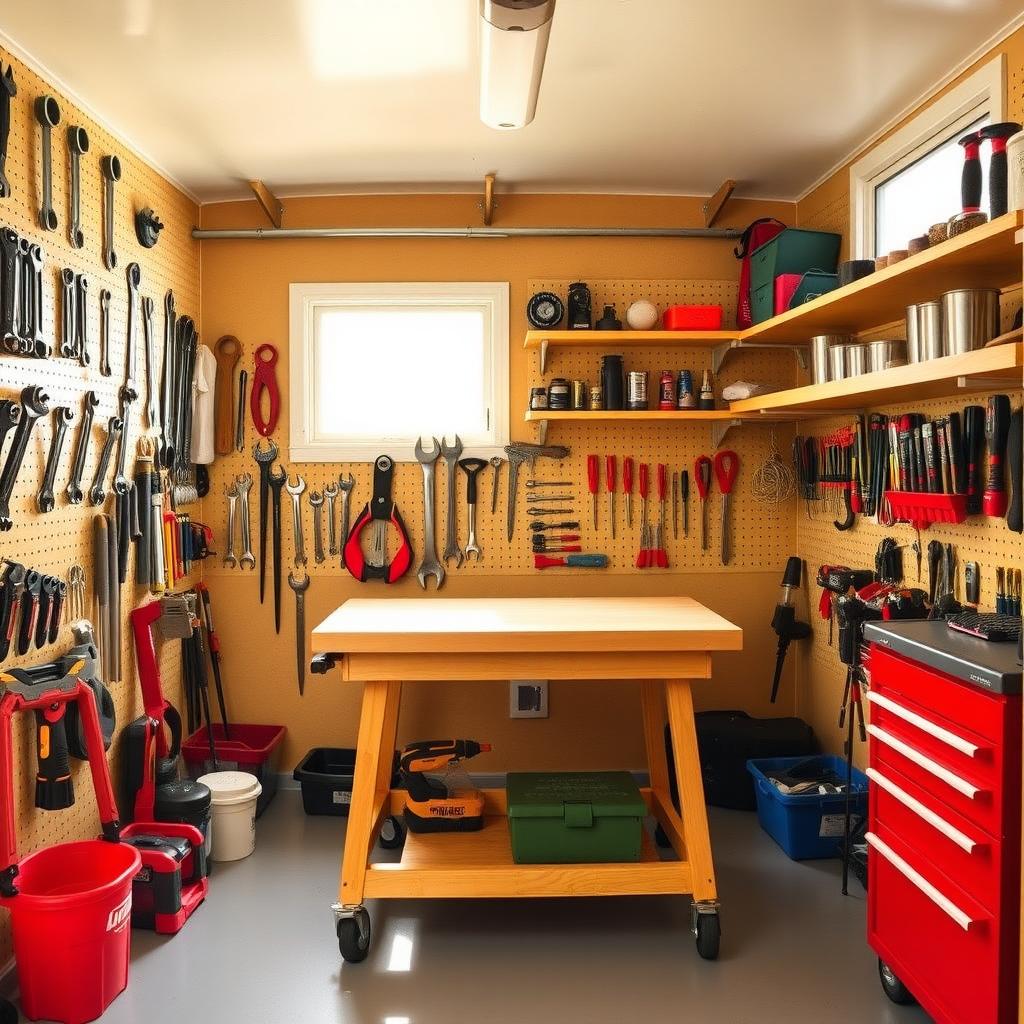
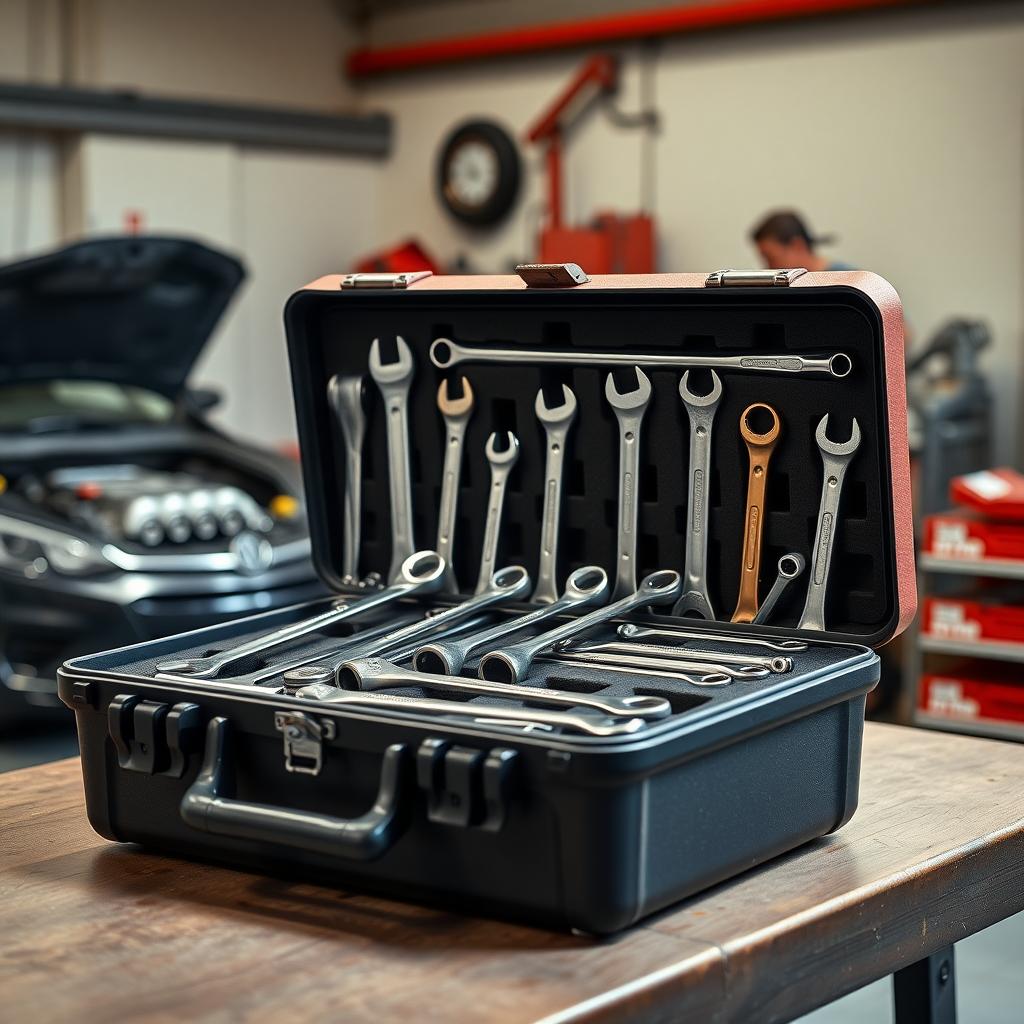
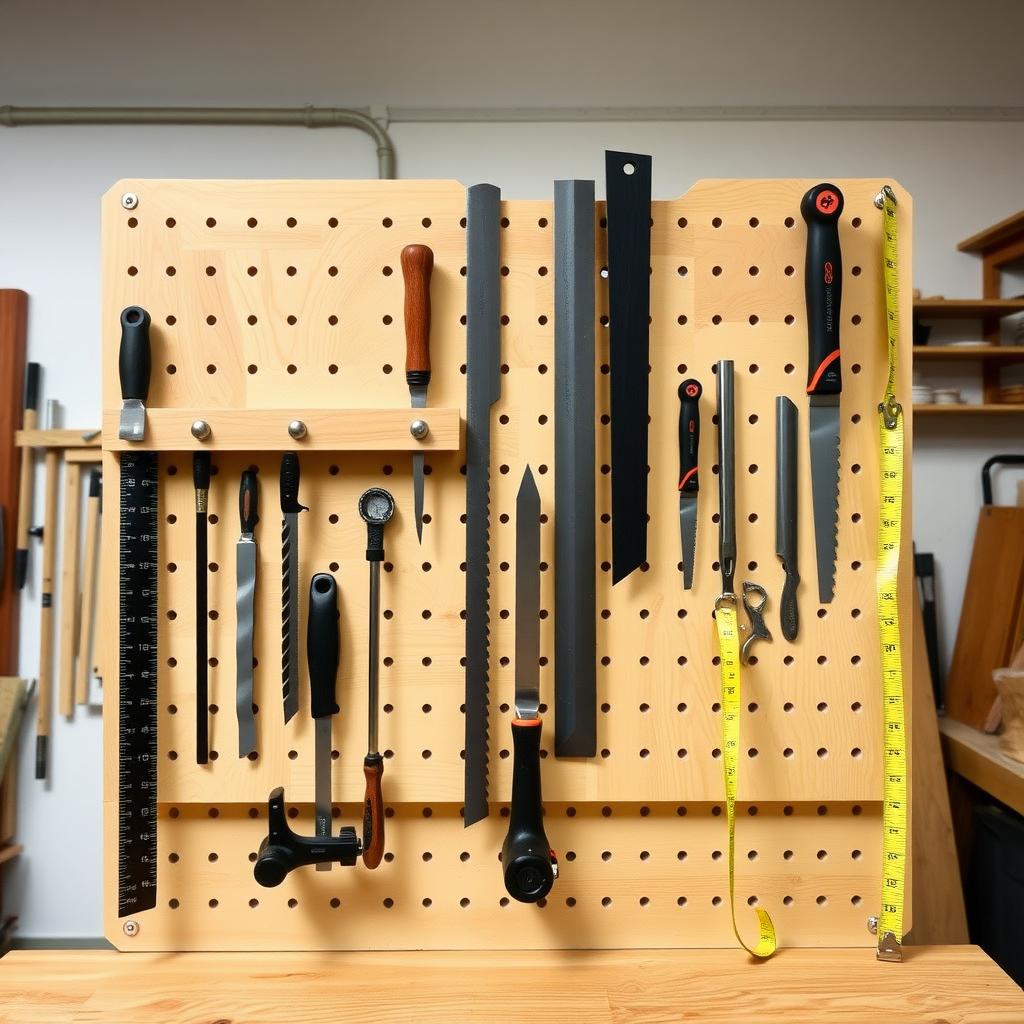
A cluttered workspace kills creativity. Invest in a toolbox or wall-mounted rack to keep tools accessible. I use a pegboard to hang my saws and chisels, which saves time and keeps my garage tidy. Label storage areas to find tools quickly, especially when you’re deep in a project.
Budgeting for Tools
You don’t need to break the bank. Start with versatile, mid-range tools and upgrade as your skills grow. For example, my $50 circular saw has lasted years and still cuts cleanly. Shop sales or secondhand stores, but inspect used tools for wear. A good tool lasts longer than a cheap one.
Learning and Practice
Start with simple projects like a picture frame or a small box to practice using your tools. Watch tutorials or take a local woodworking class. I joined a community workshop, which taught me how to use a miter saw properly. Practice builds confidence, and mistakes teach you more than perfection.
Summary
Starting woodworking doesn’t require a huge investment or fancy tools. With a few quality hand tools, a reliable saw, and essential power tools, you’re ready to create. Prioritize safety, organize your workspace, and practice regularly. Woodworking 101: Essential Tools for Beginners is about building skills and confidence, one project at a time.
Related Woodworking 101: Essential Tools for Beginners:
- How to Maintain and Sharpen Woodworking Tools: A Complete Guide
- Understanding Construction Site Hazards: A Comprehensive Guide to Staying Safe
- How to Choose the Best Tools for Electrical Projects: A Comprehensive Guide
- Screwdriver Safety Tips: How to Use Workman Tools Safely and Effectively
- How to Use a Hammer Safely: A Beginner’s Guide to Mastering This Essential Tool
- Organizing Your Tool Shed Like a Pro: A Step-by-Step Guide
- Woodworking Tools Every DIY Enthusiast Should Own
- Must-Have Hand Tools for Mechanics: Your Essential Guide
- Top Toolkits for Every Handyman: Building Your Essential Collection
- Mastering Joinery with Mortise Chisels: A Woodworker’s Guide
- Safety Tips for Using Hand Tools in the Workshop
- Tool Belts with Ergonomic Designs: Comfort and Efficiency for Workmen