Overview
Screwdrivers are essential workman tools, but improper use can lead to injuries or damaged projects. Whether you're a DIY beginner or a seasoned professional, mastering screwdriver safety tips ensures you work efficiently and stay safe. This guide shares practical advice, personal insights, and expert strategies to handle screwdrivers with confidence.
Why Screwdriver Safety Matters
Screwdrivers seem simple, but they can cause harm if mishandled. A slip can lead to puncture wounds, damaged materials, or stripped screws. I’ve seen a friend slice their hand open when a screwdriver slipped off a stubborn screw. It was a wake-up call about the importance of proper technique. By following screwdriver safety tips, you protect yourself, your tools, and your project.
According to the U.S. Consumer Product Safety Commission, hand tool injuries account for thousands of emergency room visits annually. While not all involve screwdrivers, many accidents are preventable with basic precautions. Let’s dive into actionable tips to keep you safe.
Choose the Right Screwdriver
Using the correct screwdriver for the job is the foundation of safety. Mismatched tools increase the risk of slips and damage. For example, using a Phillips screwdriver on a flathead screw can strip the screw and cause the tool to slip.
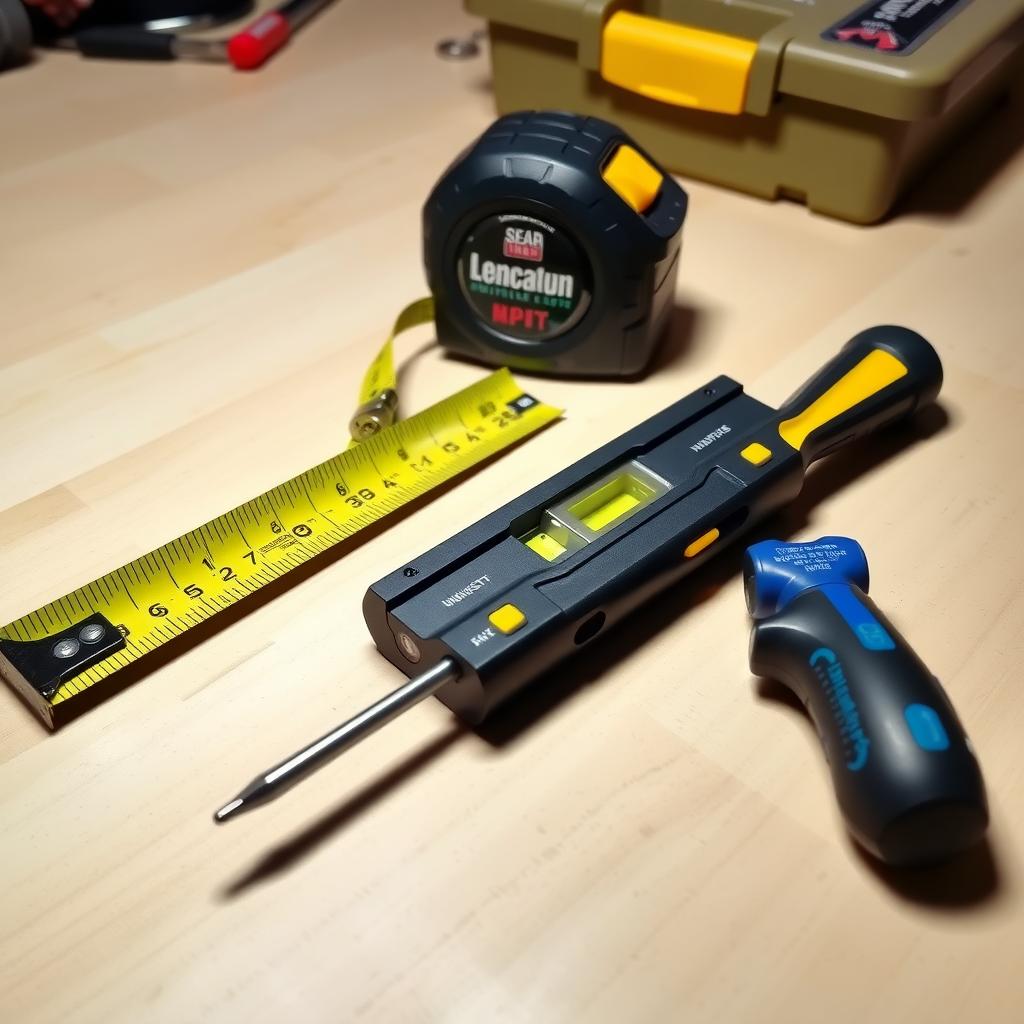
Common Screwdriver Types: - Flathead: Fits slotted screws; great for simple tasks. - Phillips: Cross-shaped tip; ideal for most household screws. - Torx: Star-shaped tip; common in automotive and electronics. - Robertson: Square tip; popular in woodworking.
Always match the screwdriver tip to the screw head. I keep a multi-bit screwdriver handy for versatility, but dedicated tools often provide better grip and control.
Inspect Your Tools Regularly
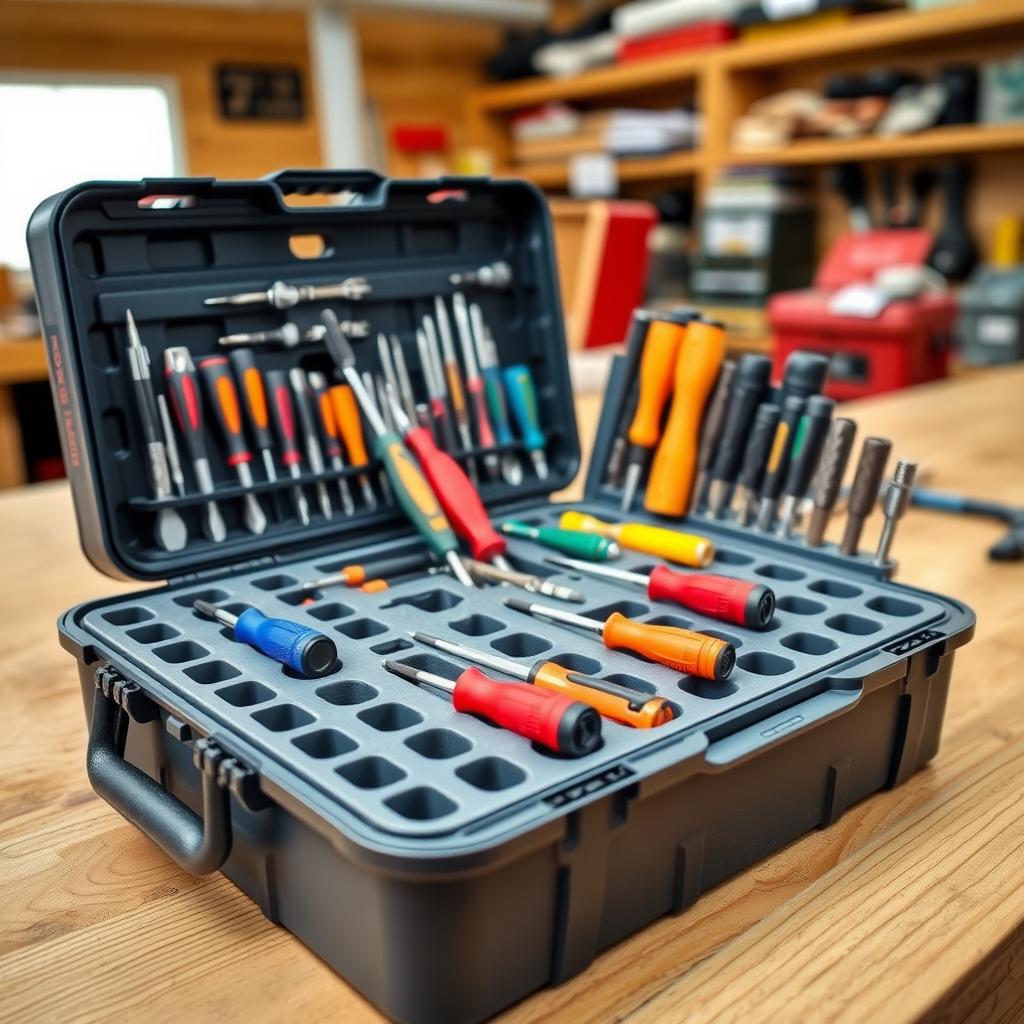
Before using any screwdriver, check its condition. A worn or damaged tip can slip, ruining screws or causing injury. I once tried to save time by using a chipped screwdriver, only to strip a screw and spend hours fixing the mess. Now, I inspect my tools before every project.
Inspection Checklist: - Tip Condition: Look for rounded or worn tips. - Handle Grip: Ensure it’s secure and not cracked. - Shaft Integrity: Check for bends or rust.
Replace damaged tools immediately. Quality workman tools are an investment in safety and efficiency.
Use Proper Technique
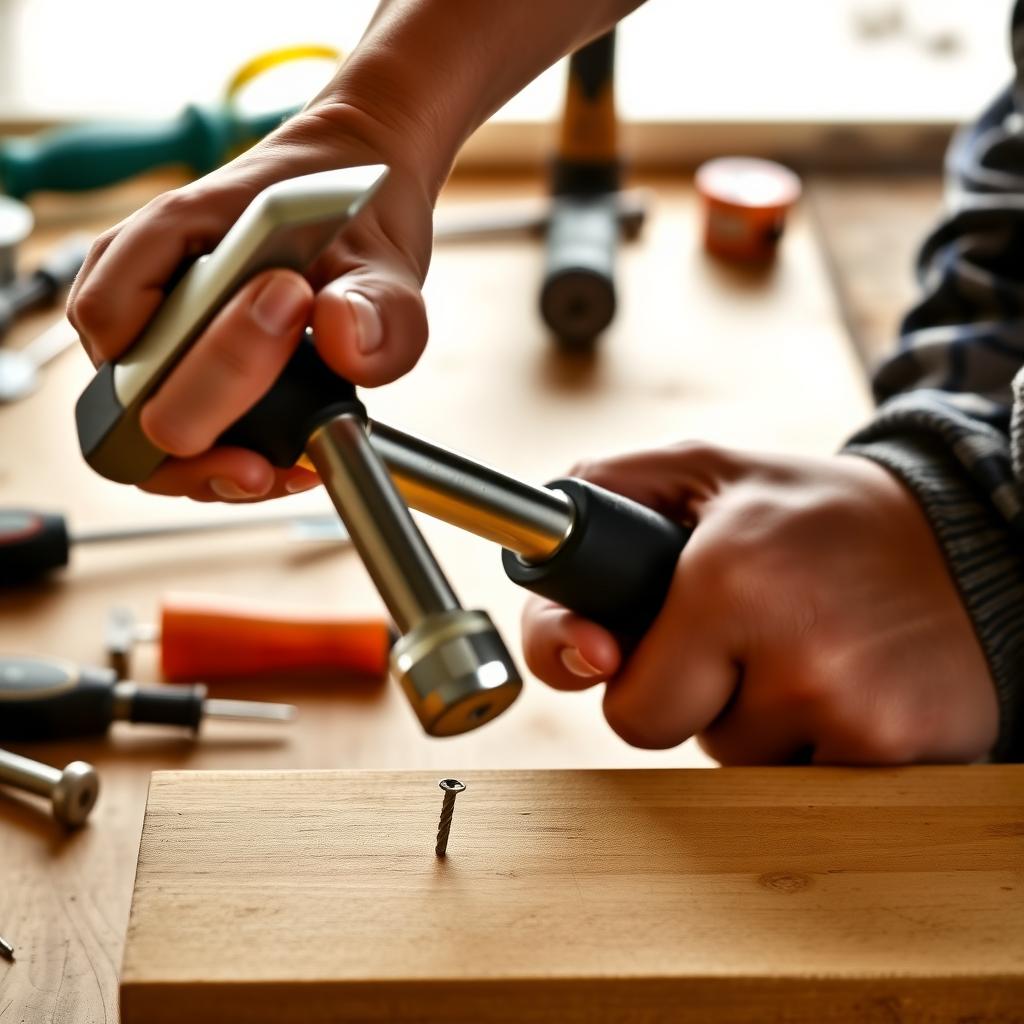
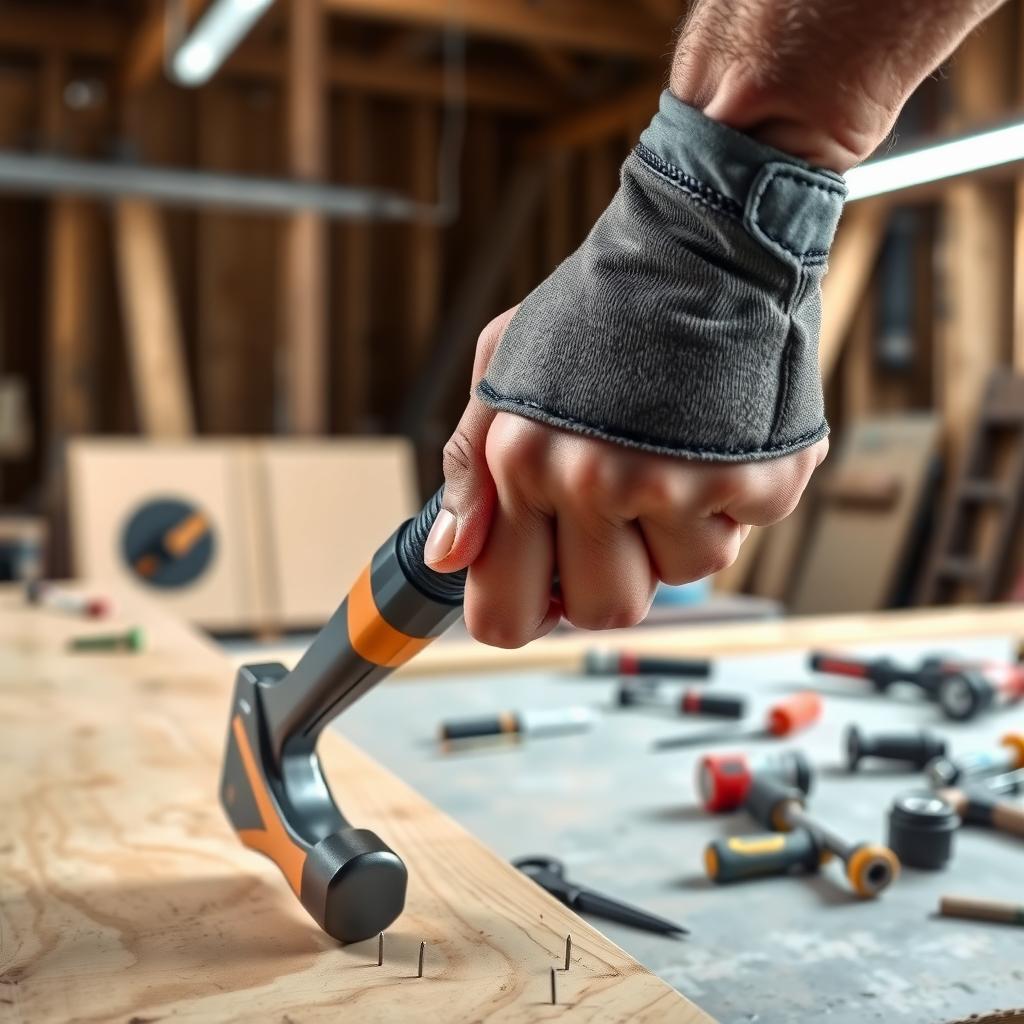
How you hold and use a screwdriver matters. Grip the handle firmly but not so tightly that your hand fatigues. Position the screwdriver perpendicular to the screw to maximize torque and prevent slipping.
Steps for Safe Use: 1. Align the screwdriver tip with the screw head. 2. Apply steady, even pressure while turning. 3. Use your other hand to stabilize the workpiece if needed. 4. Avoid excessive force; let the tool do the work.
I learned this the hard way when I pushed too hard on a screw and ended up with a bruised palm. Slow and steady wins the race.
Work in a Safe Environment
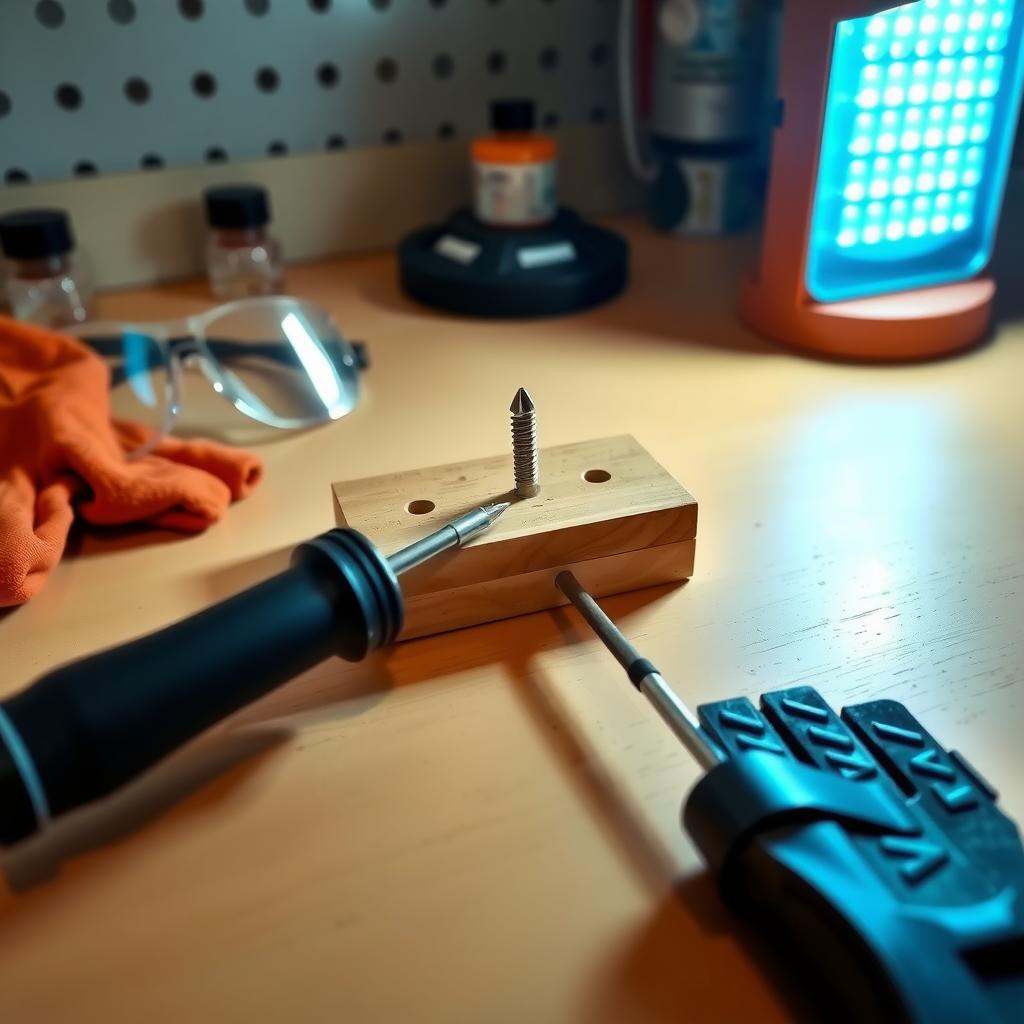
Your workspace plays a big role in screwdriver safety. A cluttered or poorly lit area increases the risk of accidents. Keep your workbench clear and well-lit to see what you’re doing. I always set up a bright LED lamp when working on small screws to avoid mistakes.
Workspace Tips: - Clear debris and unrelated tools from your work area. - Use a stable surface to prevent wobbling. - Keep a first-aid kit nearby for minor cuts or scrapes.
Wear Protective Gear
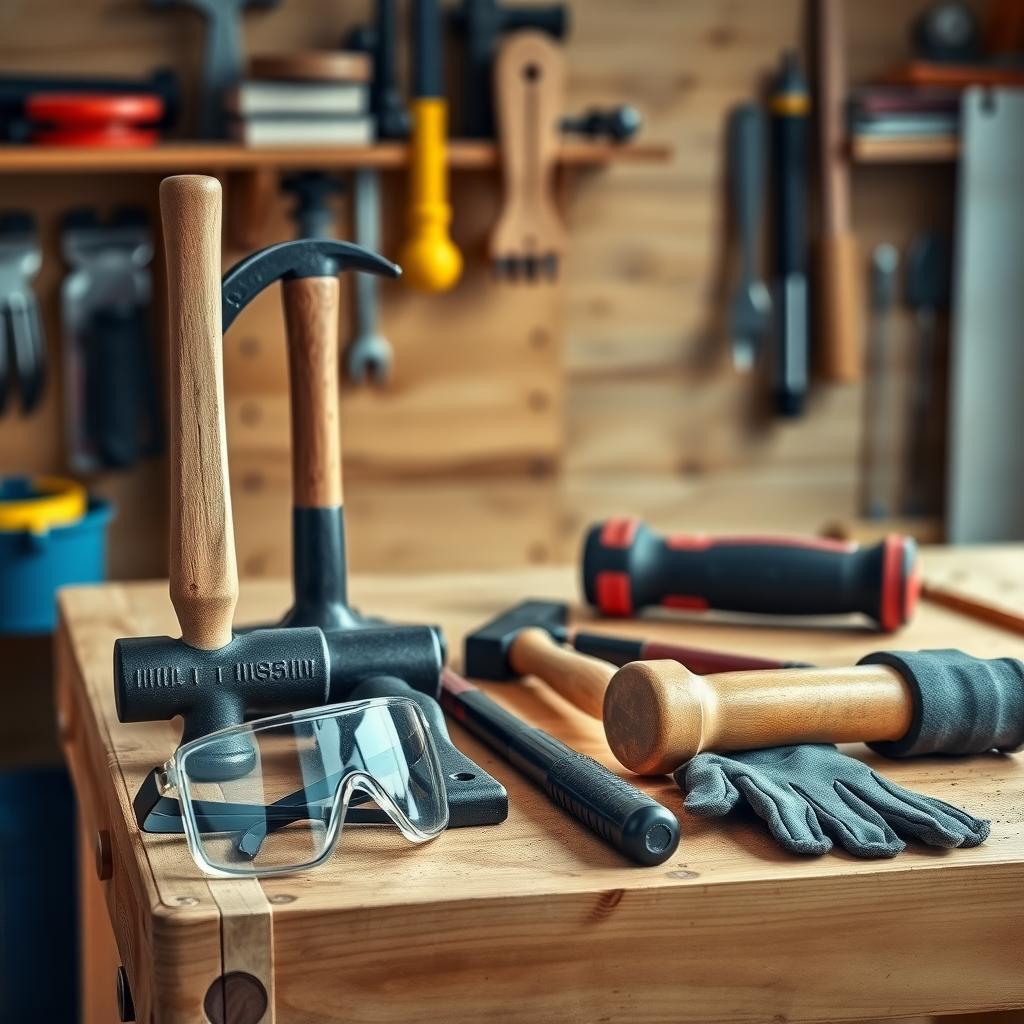
Screwdriver accidents can cause cuts, punctures, or eye injuries if debris flies. Safety glasses are a must, especially when working with hard materials like metal. Gloves can help with grip but avoid bulky ones that reduce control.
I started wearing safety glasses after a screw shard flew toward my face during a furniture assembly. It was a close call that convinced me to gear up every time.
Avoid Using Screwdrivers as Improvised Tools
Screwdrivers are not pry bars, chisels, or hammers. Using them for unintended purposes can damage the tool or cause injury. I once saw someone try to pry open a paint can with a screwdriver, only to bend the shaft and cut their hand. Stick to the tool’s intended use to stay safe.
Store Screwdrivers Properly
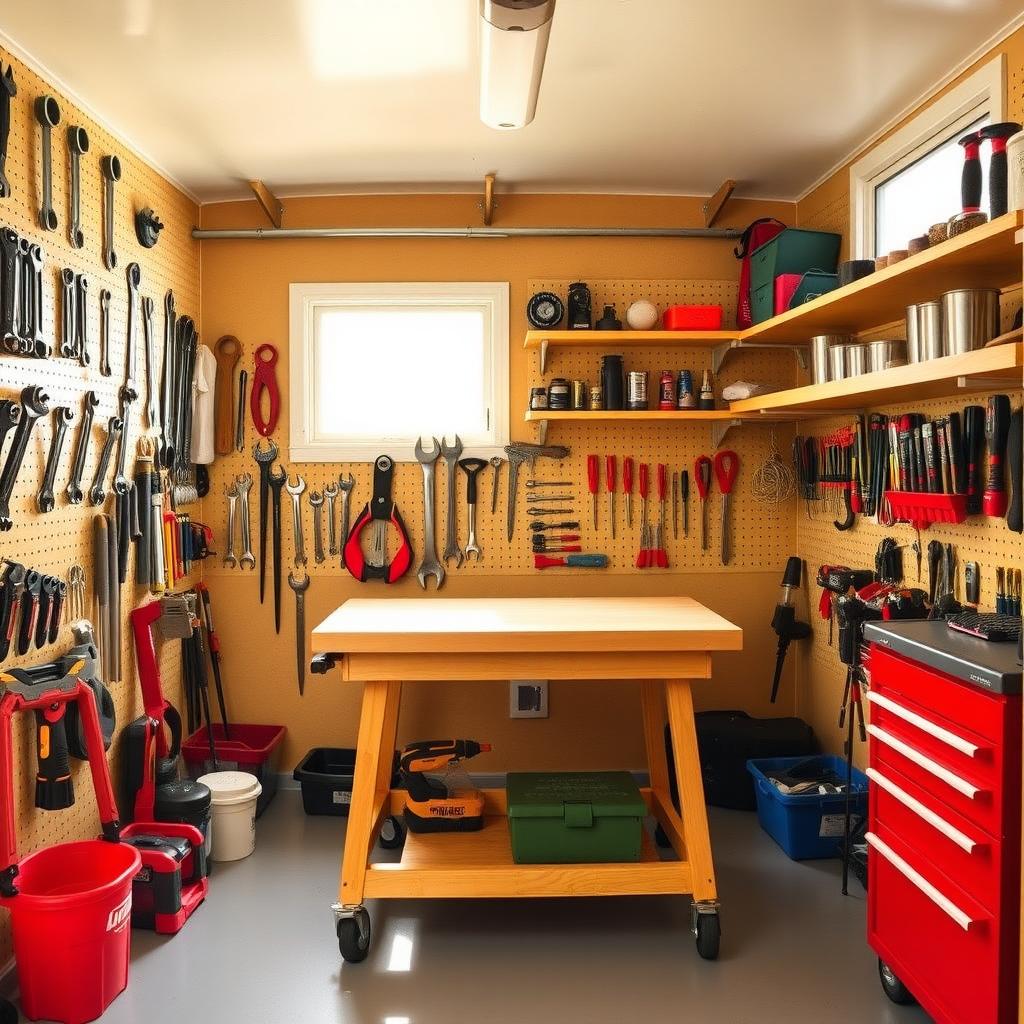
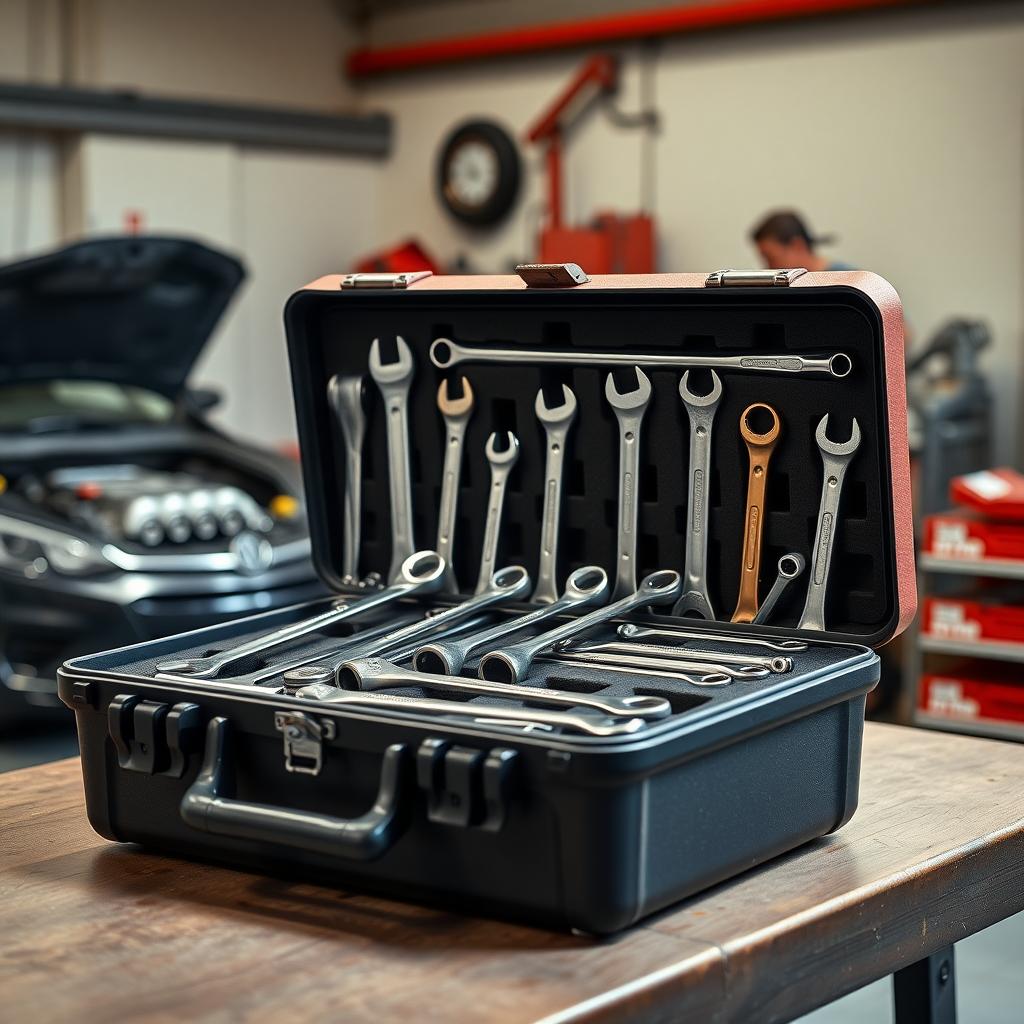
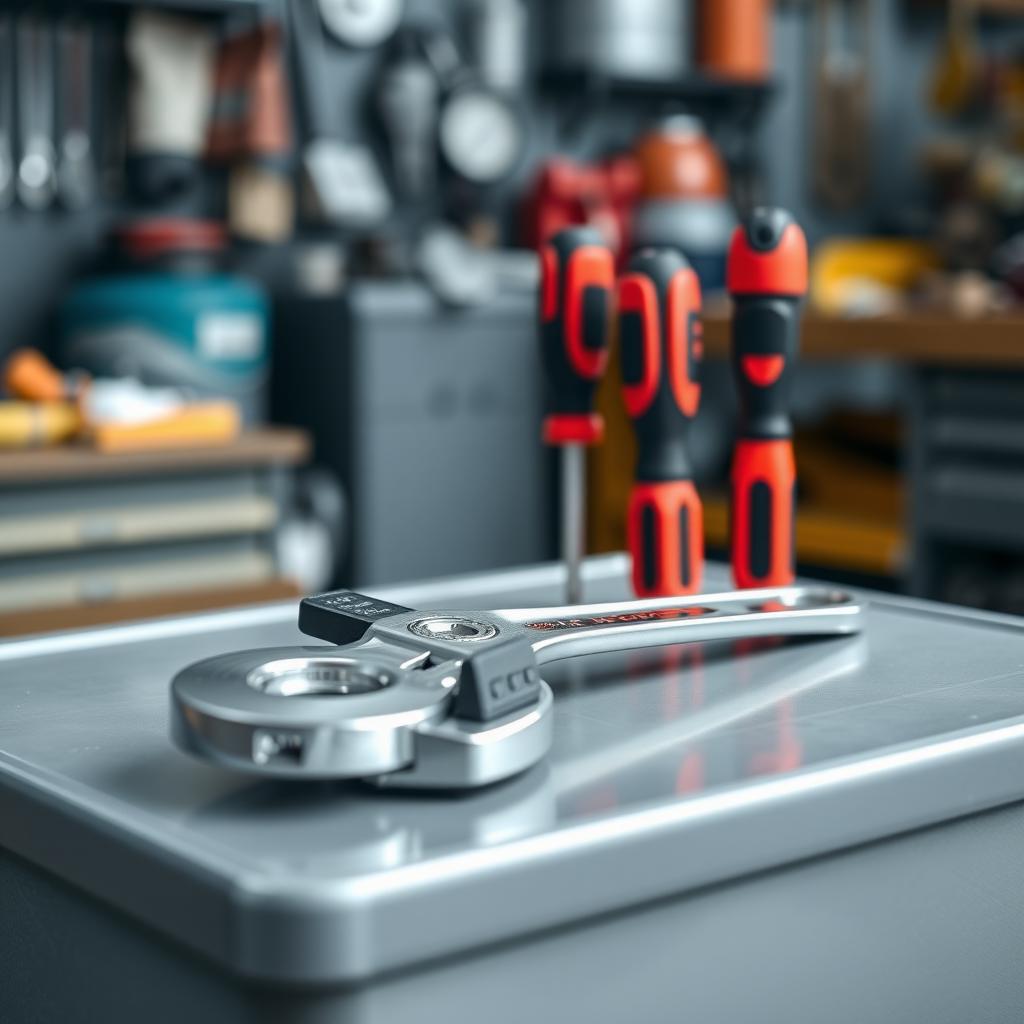
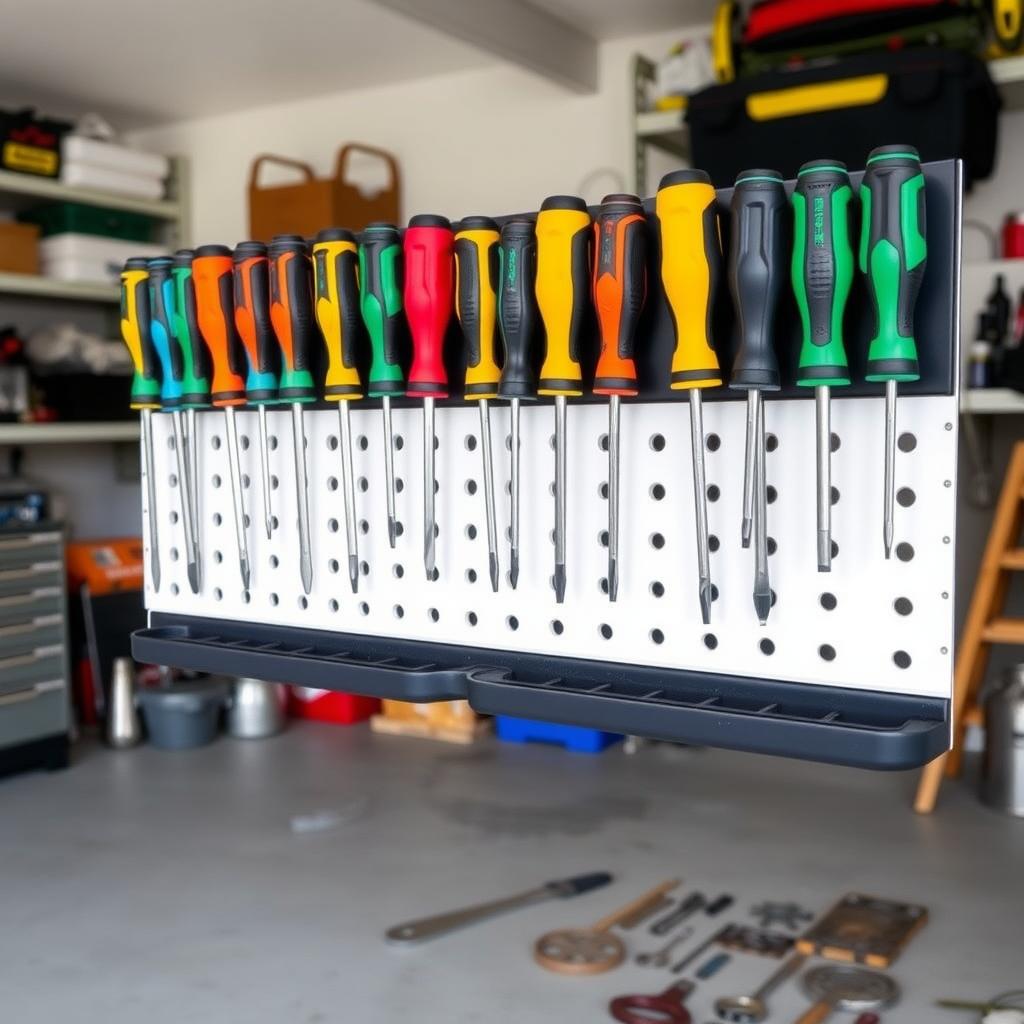
Proper storage prevents damage and accidents. Keep screwdrivers in a toolbox or rack, not loose in a drawer where tips can dull or handles can crack. I use a foam-lined toolbox to organize my workman tools, ensuring they’re easy to find and protected.
Storage Tips: - Use a dedicated slot for each screwdriver. - Store in a dry place to prevent rust. - Keep sharp-tipped tools away from edges where they can fall.
Know When to Seek Professional Help
Some tasks are beyond DIY scope. If a screw is stuck or a project involves complex machinery, consult a professional. I once struggled with a stripped screw in an appliance, only to realize a pro could’ve saved me hours with specialized tools. Safety comes first—don’t risk injury for pride.
Teach Others Screwdriver Safety
If you work with others or have kids around, share these screwdriver safety tips. Demonstrate proper techniques and explain the risks. I taught my nephew how to use a screwdriver safely, and now he’s confident tackling small projects without mishaps.
Common Screwdriver Safety Mistakes to Avoid
Here’s a quick table summarizing mistakes and how to avoid them:
| Mistake | Why It’s Risky | How to Avoid |
|---|---|---|
| Using the wrong screwdriver | Slips and strips screws | Match tip to screw type |
| Forcing a stuck screw | Damages tool or material | Use penetrating oil or seek help |
| Working in poor lighting | Increases risk of slips | Use a bright lamp |
| Ignoring protective gear | Risk of eye or hand injury | Wear safety glasses and gloves |
Avoiding these pitfalls keeps you and your project safe.
Final Thoughts
Screwdriver safety tips are about more than avoiding injuries—they help you work smarter and protect your tools. By choosing the right screwdriver, inspecting it regularly, using proper technique, and maintaining a safe workspace, you’ll tackle projects with confidence. Whether you’re assembling furniture or fixing appliances, these strategies make workman tools your allies, not hazards. Stay safe and keep learning!
Related screwdriver safety tips:
- How to Use a Hammer Safely: A Beginner’s Guide to Mastering This Essential Tool
- Organizing Your Tool Shed Like a Pro: A Step-by-Step Guide
- Woodworking Tools Every DIY Enthusiast Should Own
- Must-Have Hand Tools for Mechanics: Your Essential Guide
- Top Toolkits for Every Handyman: Building Your Essential Collection
- Mastering Joinery with Mortise Chisels: A Woodworker’s Guide
- Safety Tips for Using Hand Tools in the Workshop
- Tool Belts with Ergonomic Designs: Comfort and Efficiency for Workmen
- Mastering Metal Forming: Advanced Hammering Techniques and Tools
- Preventing Hand Injuries at Work: Practical Tips for a Safer Workplace
- Future Trends in Construction Planning: Revolutionizing the Industry
- Must-Have Workman Tools for Every Toolbox: Your Ultimate Guide