Overview
Woodworking is a rewarding hobby that lets you build everything from furniture to decor with your own hands. To succeed, you need the right tools. This guide on Woodworking Tools Every DIY Enthusiast Should Own walks you through the essentials, offering practical advice and personal insights to help you craft with confidence.
Why Quality Tools Matter
When I started woodworking, I made the mistake of buying cheap tools to save money. Big mistake. A dull saw blade or a wobbly drill can ruin your project and your mood. Quality woodworking tools ensure precision, safety, and durability. They’re an investment in your craft, saving you time and frustration in the long run.
Unlike workman tools for automotive repair, which focus on metal and mechanics, woodworking tools are designed for cutting, shaping, and finishing wood. While there’s some overlap (like hammers or screwdrivers), woodworking demands specialized gear for clean cuts and smooth finishes. Let’s dive into the must-haves.
Essential Woodworking Tools
Here’s a breakdown of the tools every DIY enthusiast should have in their workshop. I’ve included why each matters and how I’ve used them in my own projects.
1. Measuring and Marking Tools
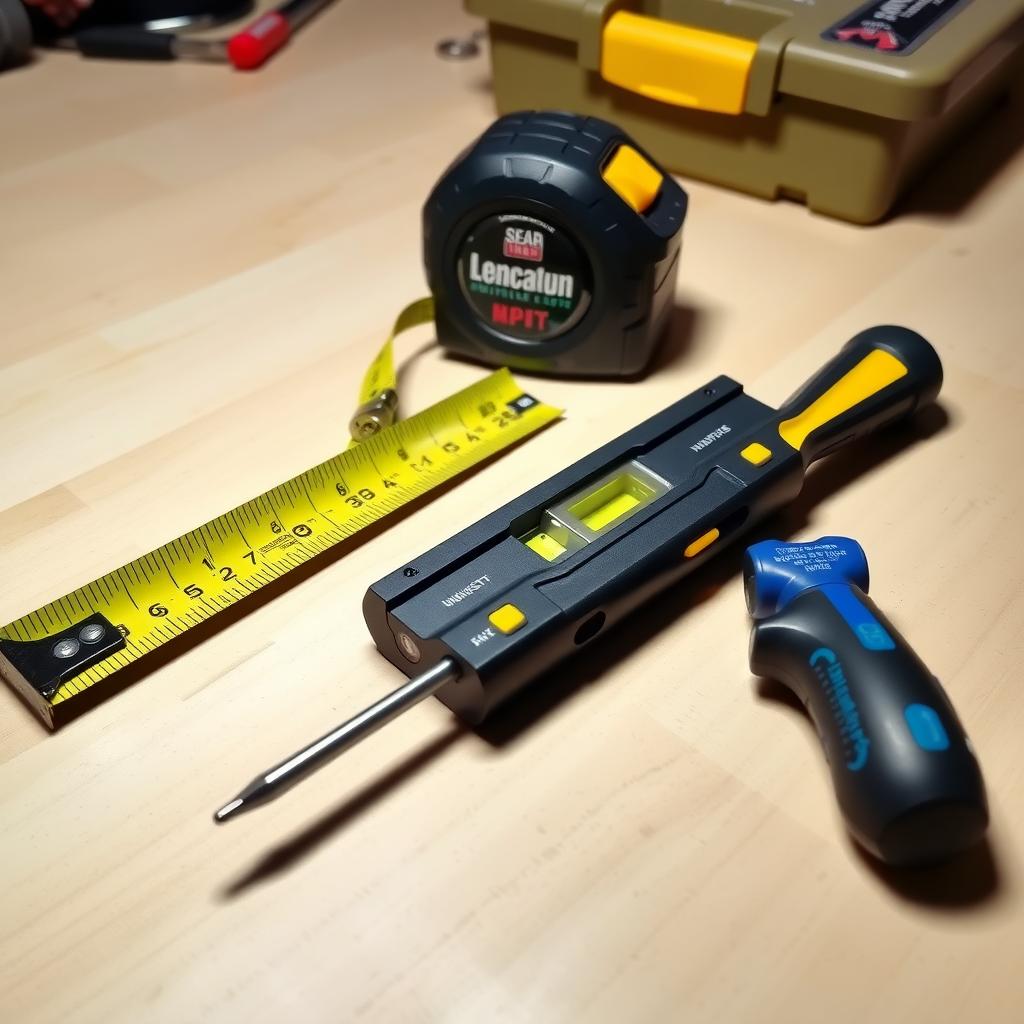
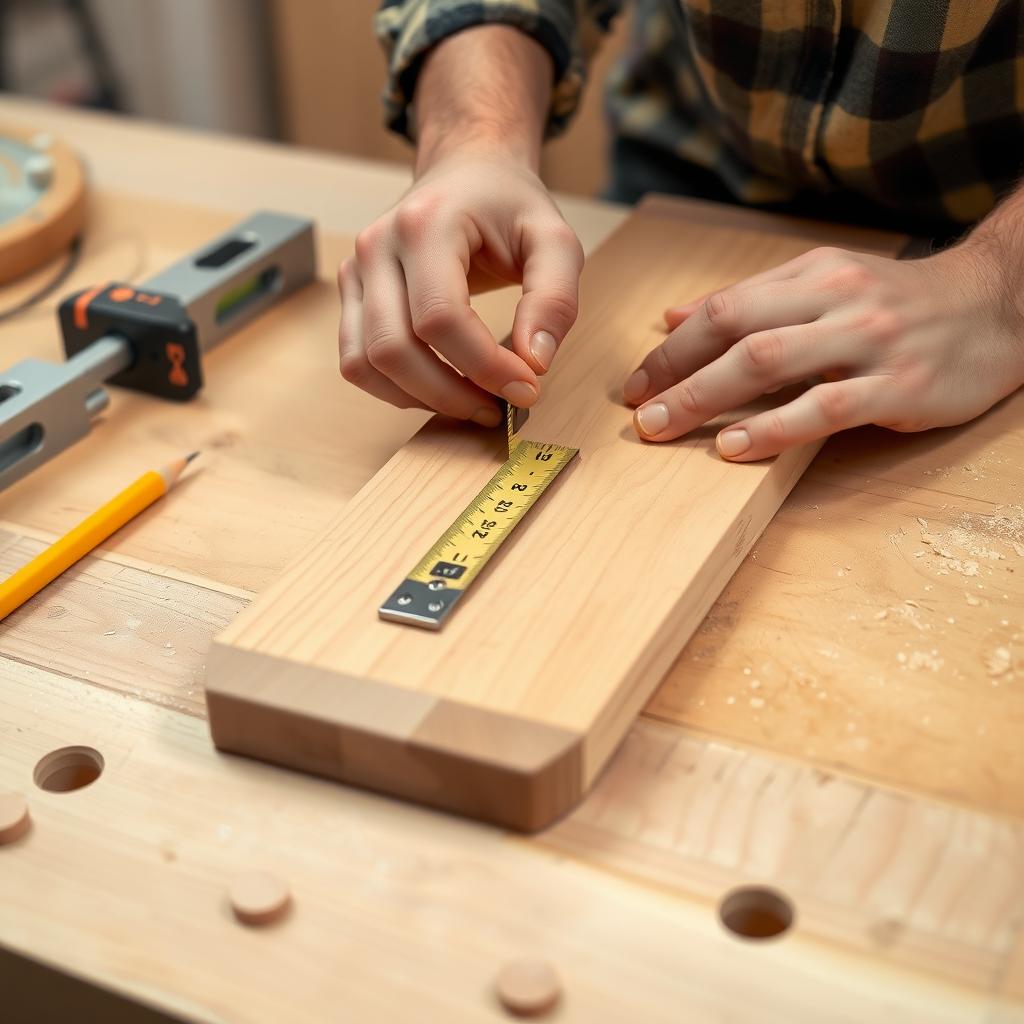
Accuracy is everything in woodworking. A mismeasured cut can throw off an entire project. Start with these: - Tape Measure: A 25-foot tape measure is versatile for most projects. I prefer one with a locking mechanism for solo work. - Combination Square: Perfect for checking 90-degree angles and marking precise lines. - Carpenter’s Pencil: These flat pencils don’t roll away and mark clearly on wood.
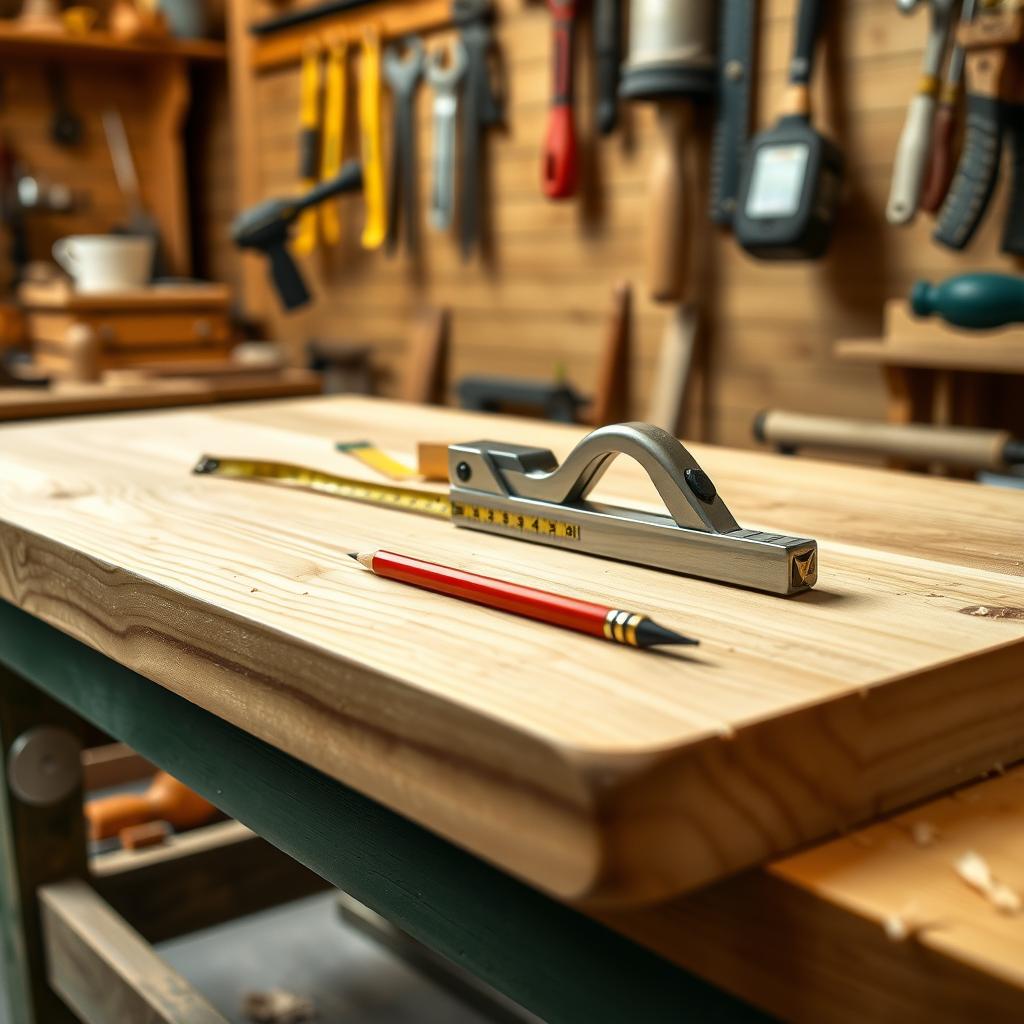
I once built a bookshelf where my measurements were off by a quarter-inch. The shelves leaned like a funhouse mirror. Now, I double-check with a combination square before cutting. Trust me, these tools are your project’s foundation.
2. Cutting Tools
Cutting wood cleanly is where the magic happens. Here are the essentials: - Hand Saw: A crosscut saw is great for beginners. I use mine for quick, rough cuts. - Circular Saw: This versatile power tool handles long, straight cuts. It’s my go-to for breaking down plywood sheets. - Jigsaw: Perfect for curved or intricate cuts, like decorative patterns on a headboard.
The circular saw was a game-changer for me. I built a dining table last year, and its clean cuts made assembly a breeze. If you’re on a budget, prioritize a circular saw over a table saw—it’s more versatile for beginners.
3. Power Drill and Bits
A good cordless drill is a must. Look for one with variable speed and a clutch to avoid stripping screws. A set of drill bits and screwdriver bits will cover most tasks. I’ve used my drill for everything from installing shelves to assembling cabinets. Pro tip: Keep a spare battery charged for uninterrupted work.
4. Sanders
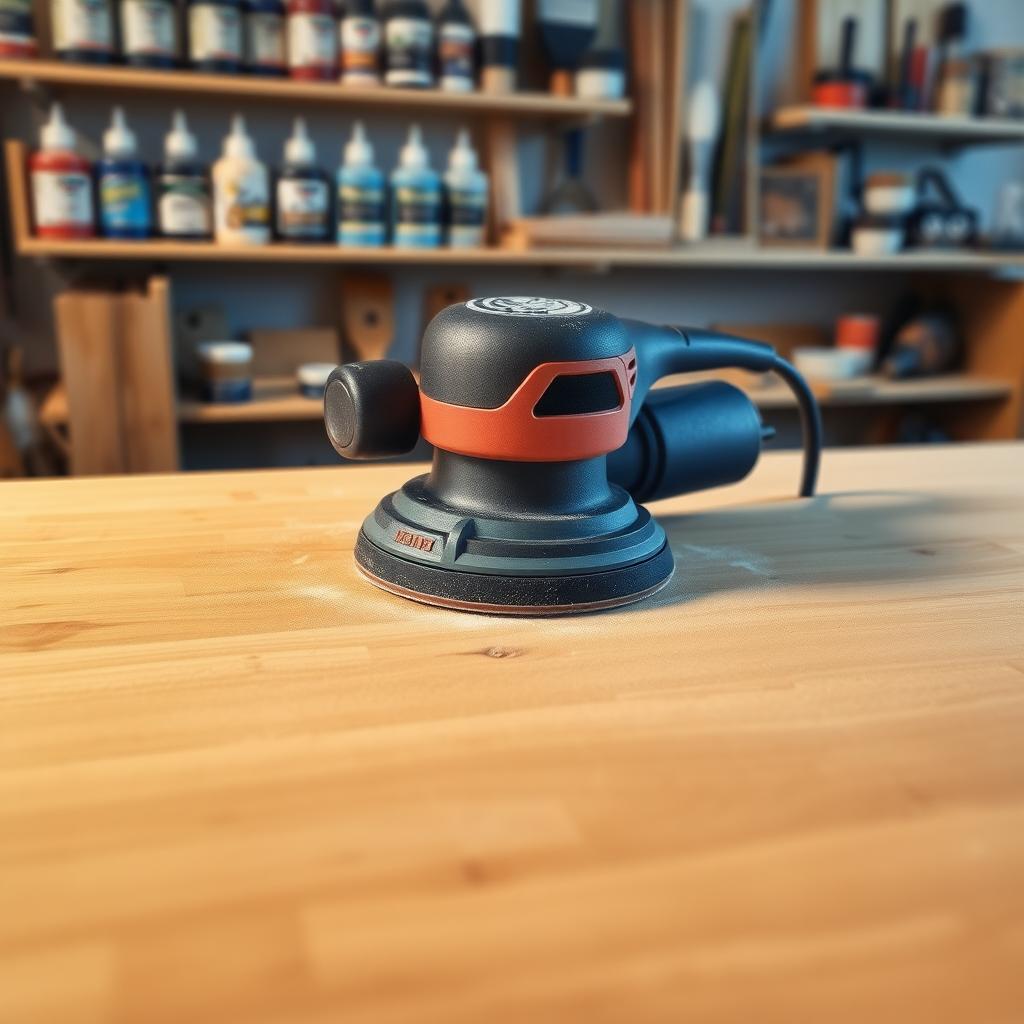
Sanding smooths rough edges and preps wood for finishing. You’ll need: - Random Orbital Sander: This tool prevents swirl marks and gives a professional finish. - Sanding Block: Great for small areas or hand-sanding detailed pieces. My first project—a coffee table—looked amateur until I invested in a random orbital sander. It transformed the wood’s surface into something silky smooth.
5. Clamps
Clamps are your extra hands. They hold wood pieces together while glue dries or during assembly. I recommend: - Bar Clamps: For large projects like tabletops. - Quick-Grip Clamps: Easy to use with one hand for smaller tasks. I learned the hard way that you can never have too many clamps. During a chair repair, I ran out and had to wait hours for glue to set without proper pressure.
6. Chisels
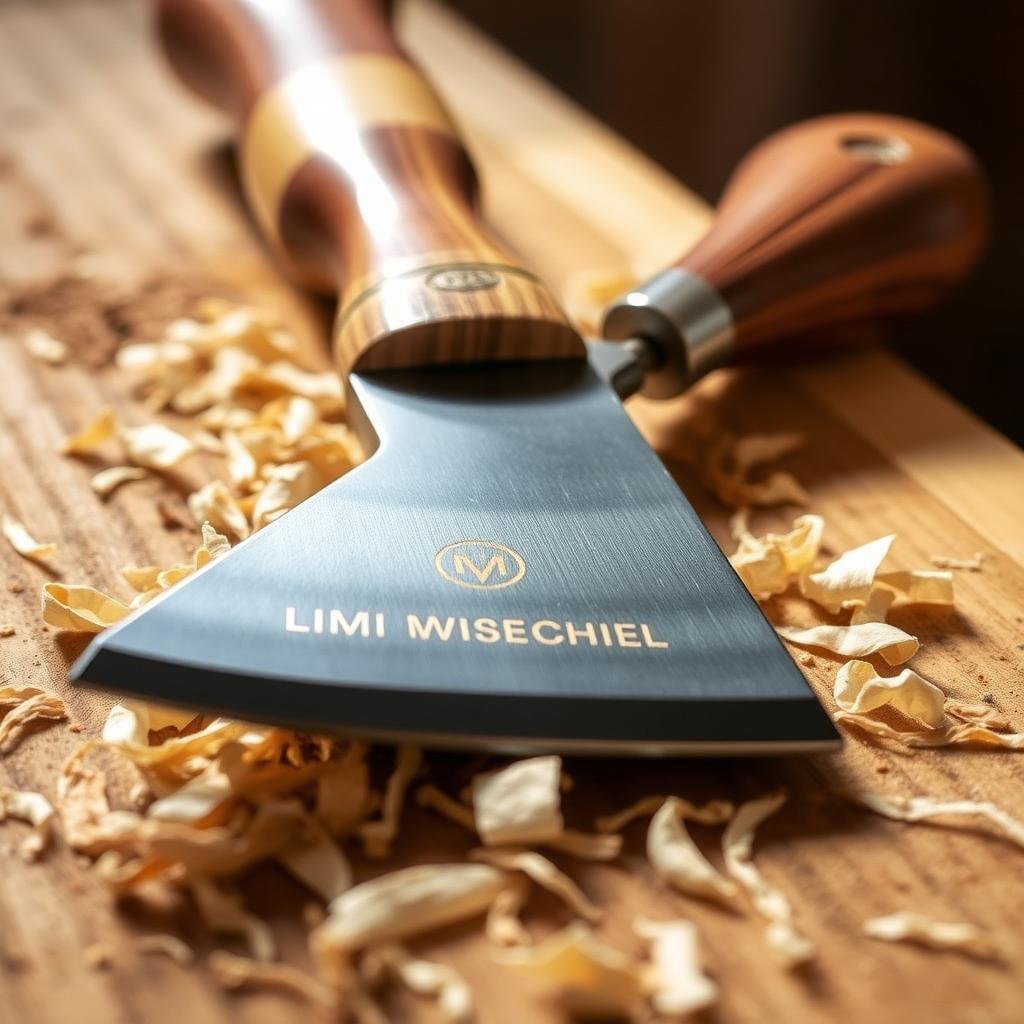
A set of sharp chisels (1/4-inch to 1-inch widths) is essential for carving joints or cleaning up edges. I use mine for mortise-and-tenon joints on furniture. Keep them sharp with a sharpening stone—dull chisels are dangerous and ineffective.
7. Workbench
A sturdy workbench is your project’s home base. It doesn’t need to be fancy—my first was a secondhand table reinforced with plywood. Ensure it’s flat and stable for safety. If you’re tight on space, consider a foldable workbench.
Tool Maintenance Tips
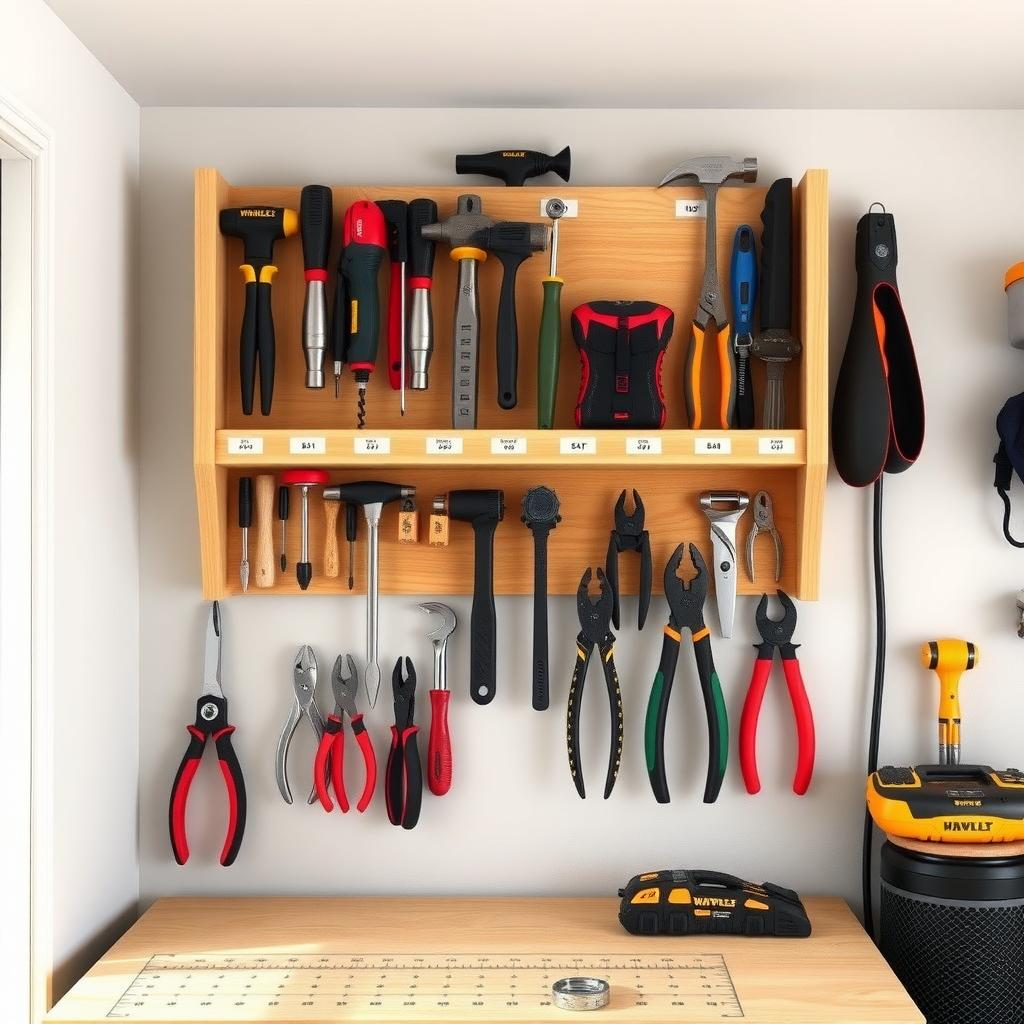
Quality woodworking tools last longer with proper care. Here’s what I’ve learned: - Clean Regularly: Sawdust can clog power tools. Use compressed air or a brush to clean them. - Sharpen Blades: A dull blade ruins cuts and strains motors. I sharpen my chisels and saw blades every few months. - Store Properly: Keep tools in a dry place to prevent rust. I use a pegboard to organize my workman tools and keep them accessible.
Safety First
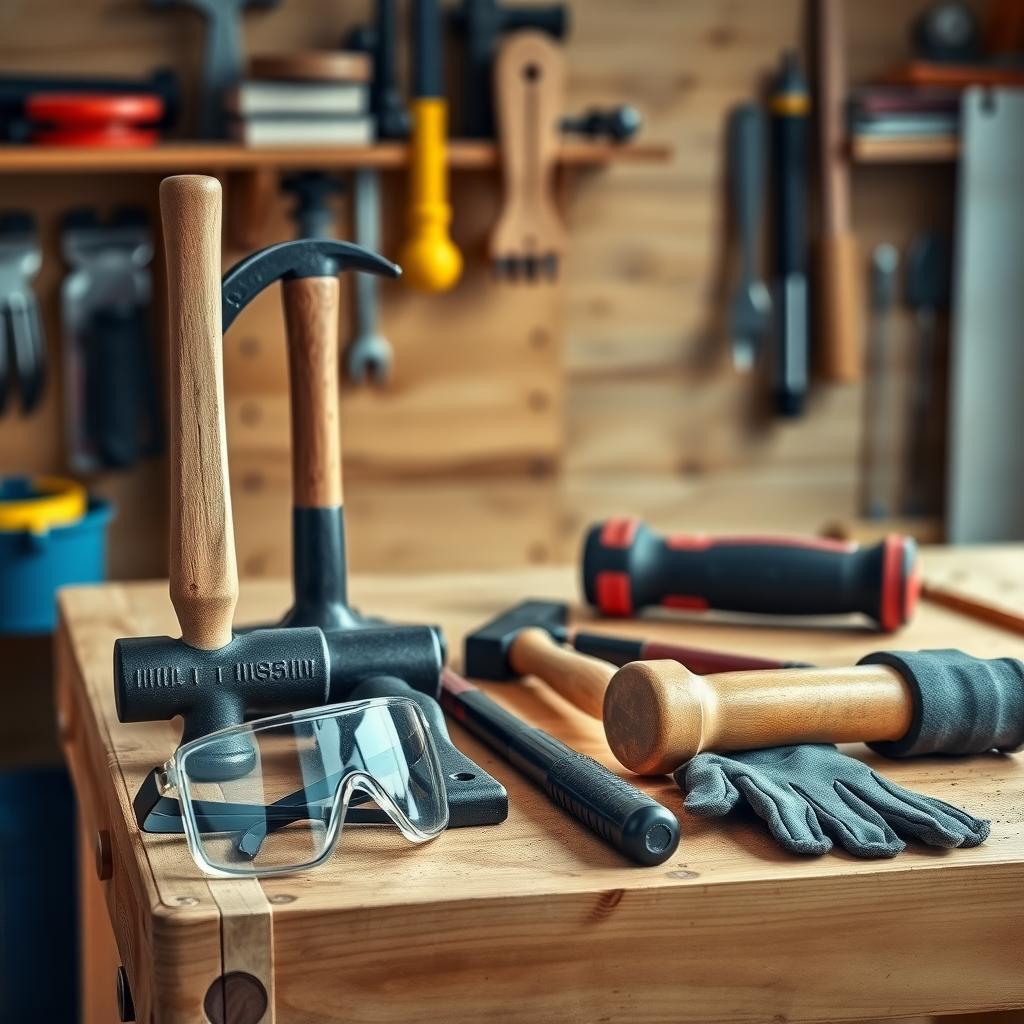
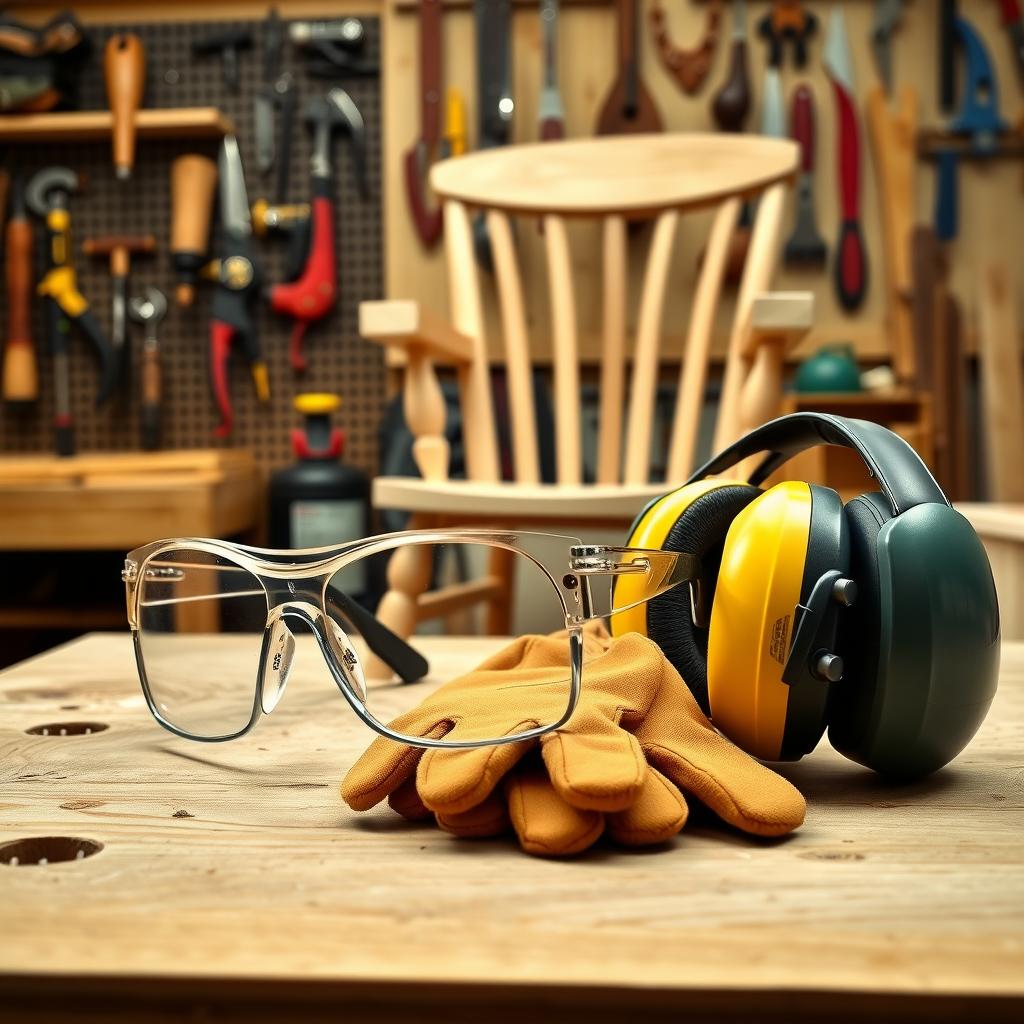
Woodworking is fun, but it’s not without risks. Always wear safety glasses and ear protection when using power tools. I once skipped gloves while chiseling and got a nasty splinter. Now, I keep a pair of work gloves handy. Also, read your tool manuals—knowing your equipment prevents accidents.
Budget vs. Premium Tools
You don’t need top-tier brands to start, but avoid the cheapest options. Mid-range brands like DeWalt or Bosch offer reliability without breaking the bank. For example, my DeWalt circular saw has lasted years with heavy use. If you’re curious about specific brands, check reviews on sites like Wood Magazine for expert insights.
How These Tools Differ from Automotive Tools
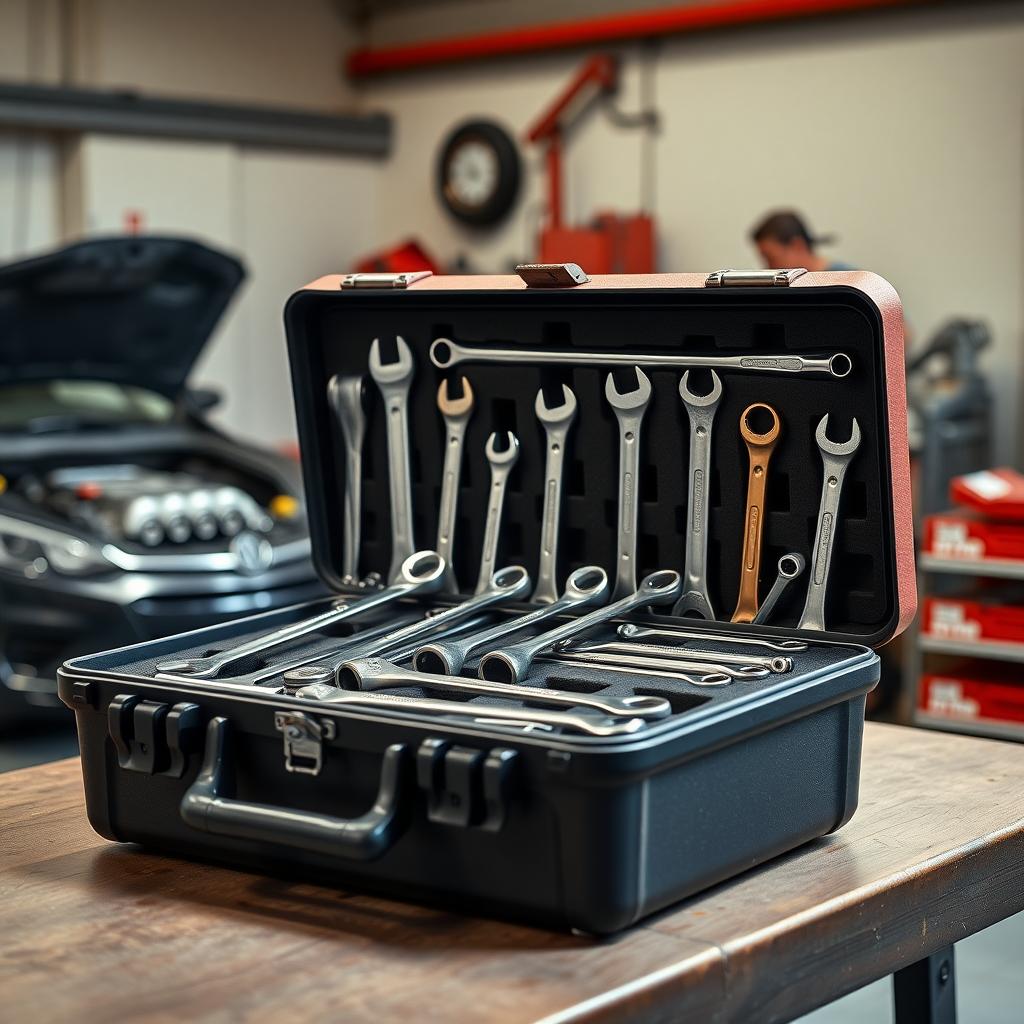
While some workman tools overlap, woodworking tools are specialized. Automotive tools like wrenches or socket sets focus on precision for metal parts, while woodworking tools prioritize cutting and shaping organic material. For instance, a woodworking chisel is useless for car repair, just as a torque wrench won’t help you carve a dovetail joint.
Building Your Tool Collection
Start with the basics: a tape measure, circular saw, drill, and sander. As you grow, add specialized tools like a router for decorative edges or a table saw for precision cuts. My collection grew over years, and each tool opened new project possibilities. Don’t rush—buy what you need for your current projects.
Summary
Equipping yourself with the right Woodworking Tools Every DIY Enthusiast Should Own sets you up for success. From measuring tools to sanders, each piece plays a role in crafting beautiful, functional projects. Invest in quality, prioritize safety, and maintain your tools to enjoy woodworking for years to come.
Related Woodworking Tools Every DIY Enthusiast Should Own:
- Comparing Woodworking and Automotive Tools: What You Need to Know
- Must-Have Hand Tools for Mechanics: Your Essential Guide
- Top Toolkits for Every Handyman: Building Your Essential Collection
- Mastering Joinery with Mortise Chisels: A Woodworker’s Guide
- Safety Tips for Using Hand Tools in the Workshop
- Tool Belts with Ergonomic Designs: Comfort and Efficiency for Workmen
- Mastering Metal Forming: Advanced Hammering Techniques and Tools
- Preventing Hand Injuries at Work: Practical Tips for a Safer Workplace
- Future Trends in Construction Planning: Revolutionizing the Industry
- Must-Have Workman Tools for Every Toolbox: Your Ultimate Guide
- DIY Storage Builds: Make Your Own Tool Racks
- DIY Home Improvement Projects for Beginners: Your Ultimate Guide to Getting Started