Overview
Working with hand tools in the workshop can be rewarding, but safety must come first. From hammers to screwdrivers, understanding how to use workman tools properly prevents accidents and boosts productivity. This guide shares practical Safety Tips for Using Hand Tools in the Workshop to keep you safe and confident.
Why Hand Tool Safety Matters
I’ve spent countless hours in my workshop, tinkering with projects from furniture to home repairs. Early on, I learned the hard way that a moment of carelessness with a hammer can lead to a smashed finger or worse. Hand tools, like hammers, chisels, and saws, are simple but powerful. According to the U.S. Consumer Product Safety Commission, over 100,000 injuries related to hand tools occur annually in the U.S. alone. Most of these are preventable with proper care.
Safety isn’t just about avoiding injury—it’s about building confidence. When you know how to handle workman tools safely, you work more efficiently and enjoy the process. Let’s dive into actionable tips to keep your workshop a safe space.
Choosing the Right Tool for the Job
One of the biggest mistakes is using the wrong tool. For example, not all hammers are created equal. Understanding types of hammers for different projects can prevent damage to materials and injury to yourself. Here’s a quick breakdown:
| Hammer Type | Best For | Safety Note |
|---|---|---|
| Claw Hammer | General carpentry, nail removal | Ensure a firm grip to avoid slipping. |
| Sledge Hammer | Heavy-duty demolition | Use both hands and check for overhead hazards. |
| Ball Peen Hammer | Metalworking | Wear safety glasses to protect against metal shards. |
| Rubber Mallet | Non-marring tasks like assembling furniture | Avoid overstriking to prevent handle damage. |
I once used a claw hammer for a metalworking task—big mistake. The hammer slipped, and I nearly injured my hand. Matching the tool to the task is a cornerstone of safety.
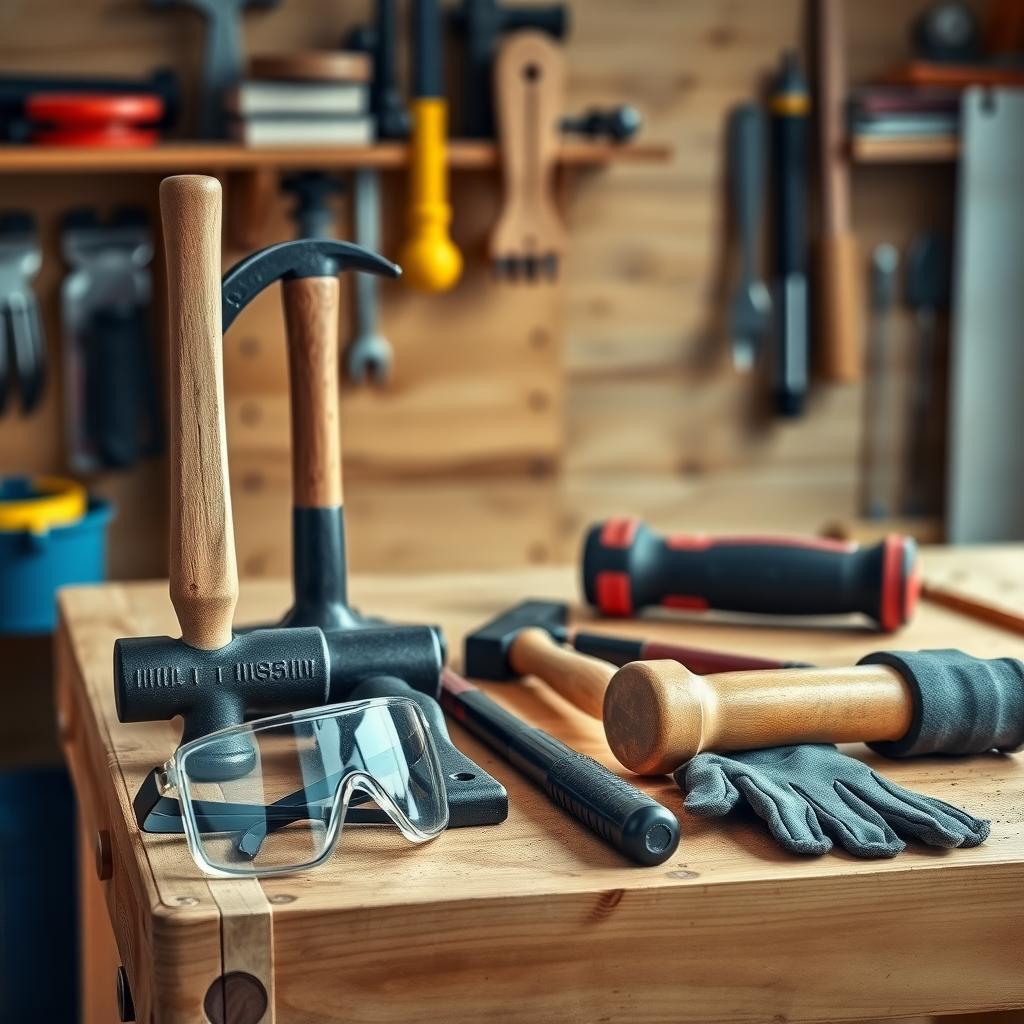
Inspect Your Tools Regularly
Before every project, I check my tools. A loose hammerhead or a cracked handle can turn a simple task into a hazard. Here’s what to look for: - Cracks or Wear: Inspect handles for splinters or cracks, especially on wooden-handled hammers. - Loose Parts: Ensure heads are securely attached. - Rust or Damage: Rusty or dull tools can slip or break. I keep a small checklist on my workshop wall to remind me. It takes two minutes but can save a trip to the ER.
Wear Proper Safety Gear
Never underestimate the power of safety gear. I used to think safety goggles were overkill for simple tasks, but a stray wood chip changed my mind. Here’s what you need: - Safety Goggles: Protect your eyes from flying debris. - Gloves: Use grip-enhancing gloves to prevent slips. - Steel-Toe Boots: Guard your feet from dropped tools. - Ear Protection: For loud tasks like hammering metal. The Occupational Safety and Health Administration (OSHA) emphasizes personal protective equipment as a key defense against workshop injuries.
Master Proper Tool Handling
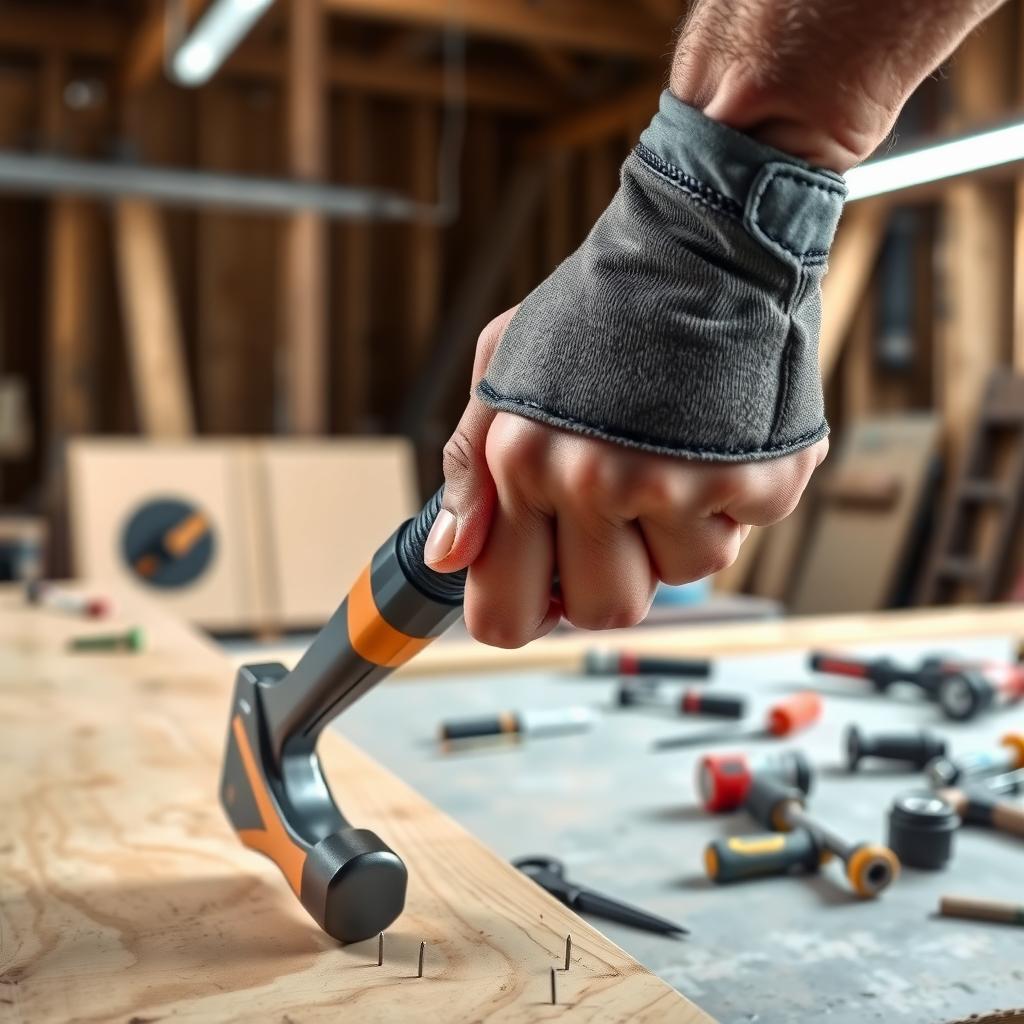
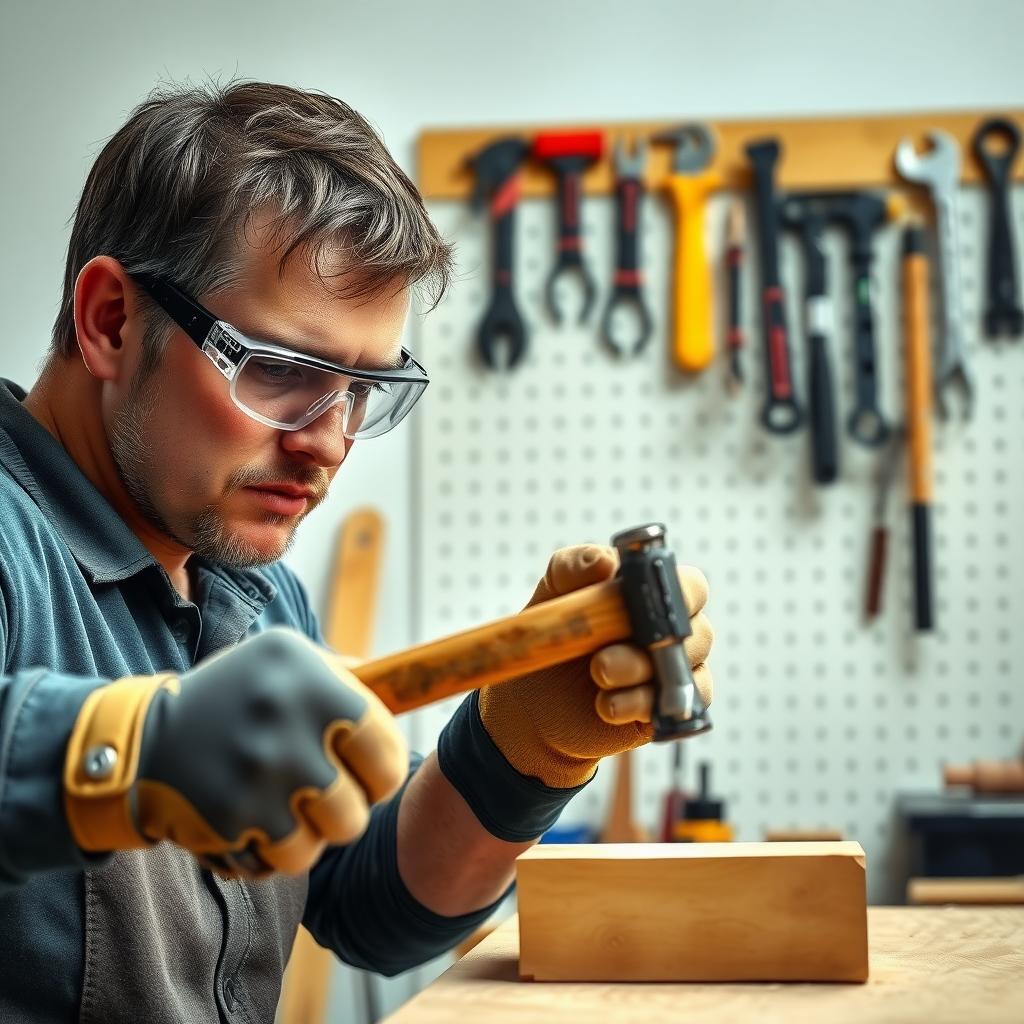
How you hold and use tools matters. For hammers, grip the handle firmly near the end for better control. Swing with your arm, not your wrist, to reduce strain. I learned this from a carpenter friend who showed me how to drive nails without tiring my hand. For other tools: - Screwdrivers: Use the right size to avoid stripping screws. - Chisels: Keep both hands behind the blade. - Saws: Use steady, even strokes to prevent binding.
Keep Your Workspace Clear
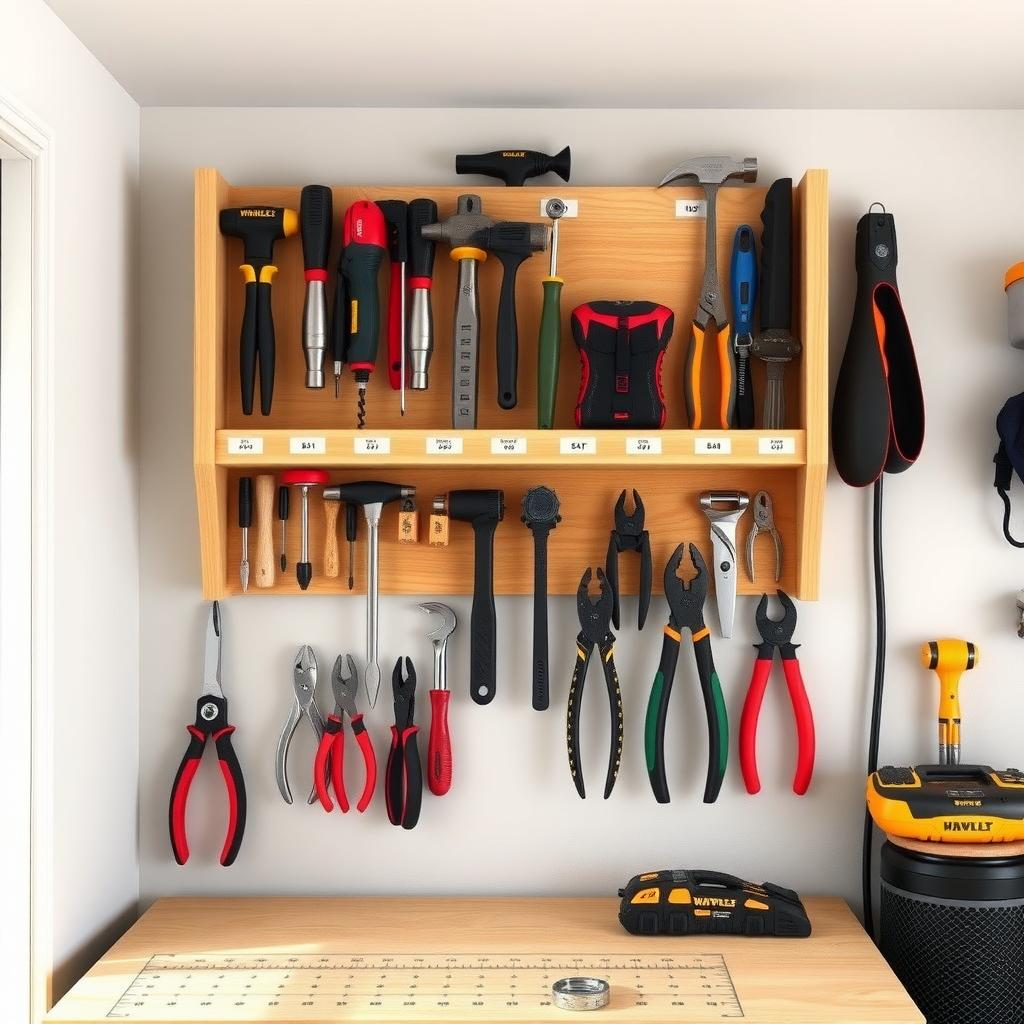
A cluttered workshop is an accident waiting to happen. I once tripped over a stray extension cord while holding a chisel—luckily, I caught myself. Keep your workspace tidy: - Clear debris and unused tools. - Store tools in designated spots, like pegboards or toolboxes. - Ensure good lighting to spot hazards. A clean workspace not only prevents accidents but also makes finding the right tool, like the perfect hammer for the job, much easier.
Use Tools as Intended
It’s tempting to use a screwdriver as a pry bar or a hammer as a wedge, but resist the urge. Misusing tools can damage them or cause injury. For example, using a claw hammer to chisel wood can chip the hammerhead, sending metal fragments flying. Stick to the tool’s purpose, and you’ll avoid trouble.
Take Breaks to Stay Focused
Fatigue leads to mistakes. I’ve noticed that after an hour of hammering or cutting, my focus slips. Take short breaks to stay sharp. Stretch your hands, grab some water, and reassess your setup. This simple habit has saved me from countless close calls.

Store Tools Safely
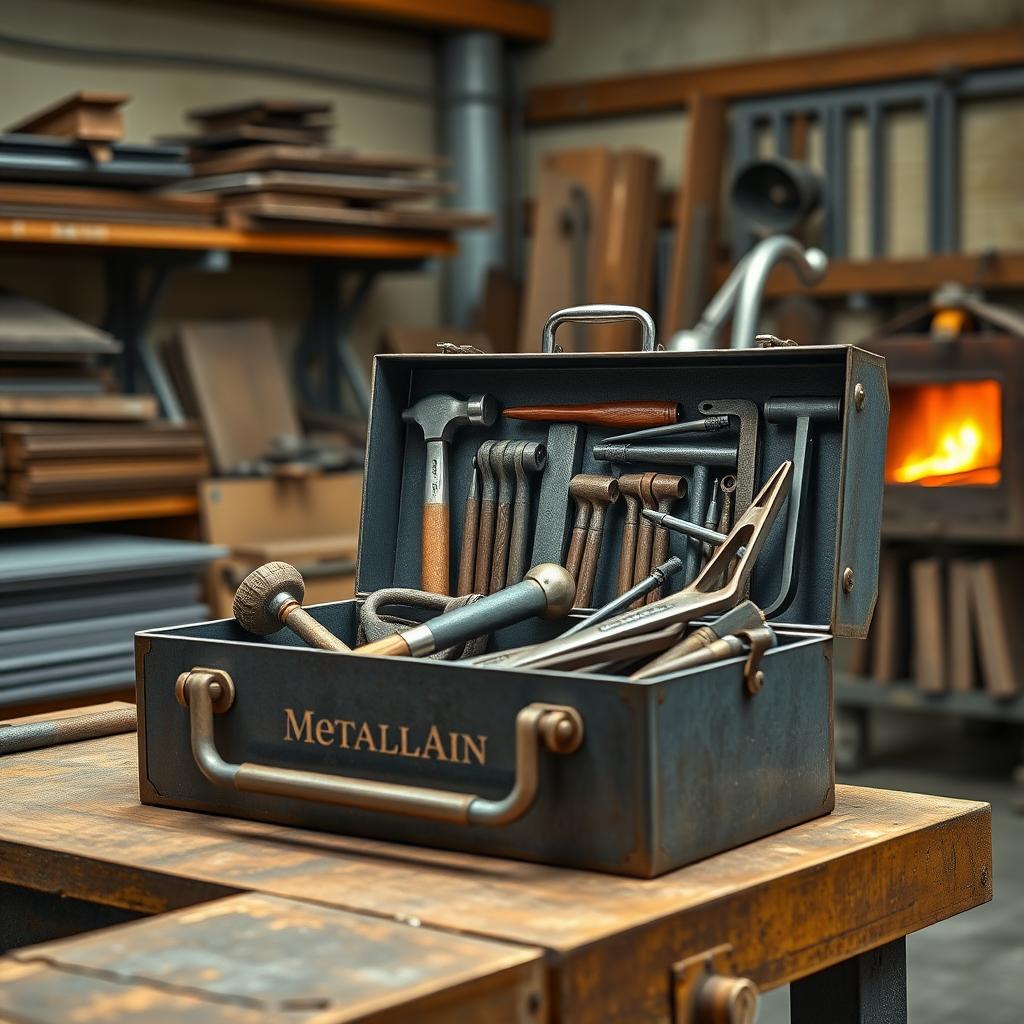
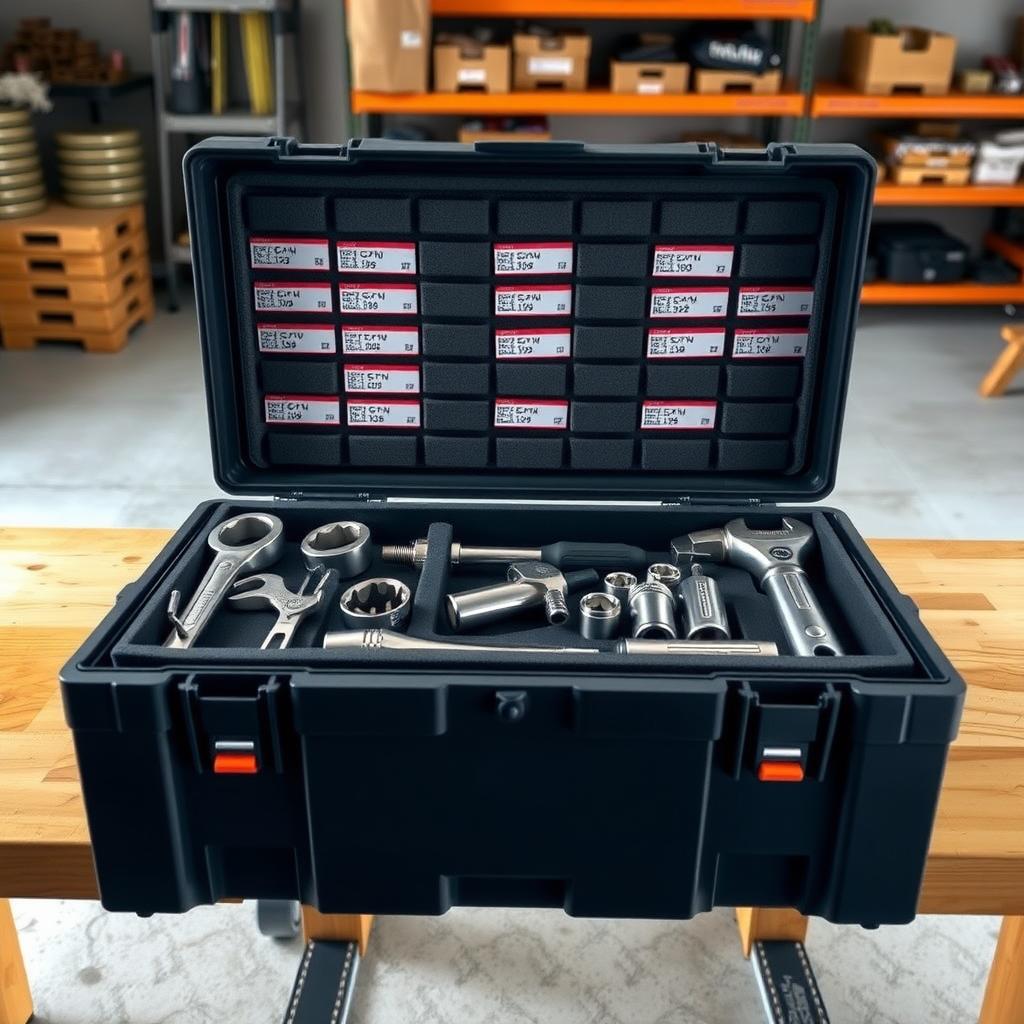
After a long day, it’s easy to leave tools lying around. I used to do this until a heavy wrench fell off my bench and narrowly missed my foot. Now, I store tools immediately: - Hang hammers on racks or pegboards. - Keep sharp tools in protective cases. - Store heavy tools on low shelves to avoid falling. Proper storage extends tool life and keeps your workshop safe.
Learn from Mistakes
No one’s perfect. If you make a mistake, like striking a nail at an angle and bending it, learn from it. I keep a small notebook in my workshop to jot down lessons learned, like double-checking my grip or choosing the right types of hammers for different projects. This habit has made me a safer, more skilled craftsman.
Stay Educated
Safety evolves with new tools and techniques. I follow woodworking blogs and watch safety videos to stay updated. Sites like OSHA’s safety resources (https://www.osha.gov) or the National Safety Council (https://www.nsc.org) offer great tips. Joining a local woodworking group has also helped me learn from others’ experiences.
Summary
Using hand tools like hammers and other workman tools safely in the workshop is about preparation, awareness, and respect for the tools. By choosing the right tool, inspecting it, wearing safety gear, and keeping a tidy workspace, you can prevent injuries and enjoy your projects. Stay focused, store tools properly, and keep learning to make every workshop session safe and productive.
Related Safety Tips for Using Hand Tools in the Workshop:
- Choosing the Right Hammer for Your Project: A Complete Guide
- Tool Belts with Ergonomic Designs: Comfort and Efficiency for Workmen
- Mastering Metal Forming: Advanced Hammering Techniques and Tools
- Preventing Hand Injuries at Work: Practical Tips for a Safer Workplace
- Future Trends in Construction Planning: Revolutionizing the Industry
- Must-Have Workman Tools for Every Toolbox: Your Ultimate Guide
- DIY Storage Builds: Make Your Own Tool Racks
- DIY Home Improvement Projects for Beginners: Your Ultimate Guide to Getting Started
- The Ultimate Guide to Hand Tools Storage Solutions
- Master Your Projects: A Complete Guide to Rotary Tool Accessories and Attachments
- DIY Toolbox Organization Ideas: The Ultimate Guide to Toolboxes for Every Need
- Essential Safety Gear for Construction Workers: Stay Protected on the Job