Overview
Keeping your tools organized can transform your workspace, save time, and boost productivity. Whether you're a DIY enthusiast or a professional mechanic, a well-organized toolbox is essential. This guide explores DIY toolbox organization ideas, helping you create a system that suits your needs. From choosing the right socket set to storing workman tools for automotive repairs, we’ve got you covered with practical tips and creative solutions.
Why Toolbox Organization Matters
A cluttered toolbox is a recipe for frustration. Digging through a mess to find the right wrench wastes time and can derail your project. Organized toolboxes streamline your workflow, protect your tools, and make every job easier. I’ve spent years tinkering in my garage, and a chaotic toolbox once cost me an hour hunting for a single screw. That’s when I decided to get serious about organization.
Good organization isn’t just about neatness—it’s about efficiency. A tidy toolbox reduces wear on tools, prevents loss, and ensures you’re ready for any task. Whether you’re working on home repairs or automotive projects, these DIY toolbox organization ideas will help you stay in control.
Creative DIY Toolbox Organization Ideas
Here are some practical and creative ways to organize your toolbox, drawn from my own experience and research into what works for DIYers and professionals.
1. Use Foam Inserts for Custom Fit
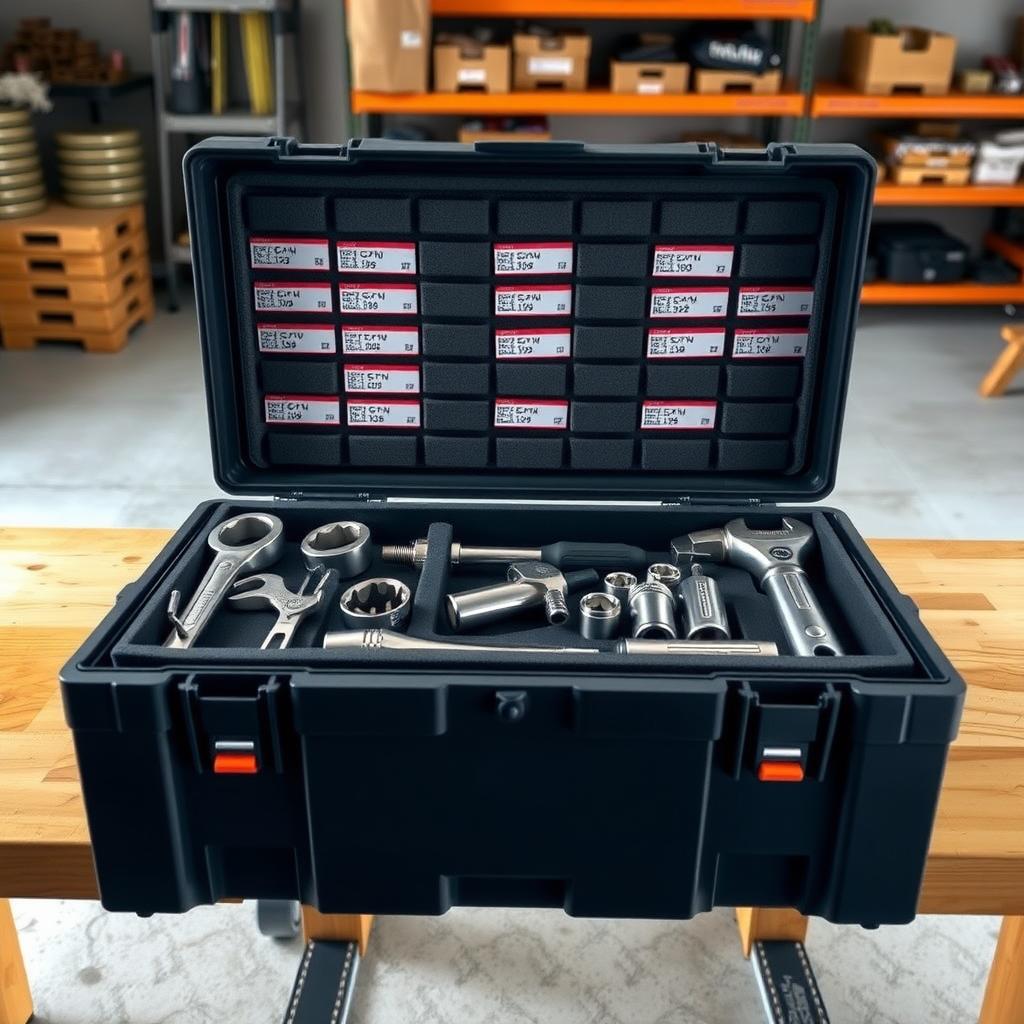
Foam inserts are a game-changer for tool organization. Cut custom shapes to fit your tools perfectly, ensuring they stay in place. I used a utility knife and a marker to trace my wrenches and sockets onto foam, creating a snug fit. This method not only looks professional but also makes it easy to spot missing tools.
- Tip: Use two-tone foam (black and red) for contrast, so you can quickly see if something’s missing.
- Cost: Foam sheets are affordable, starting at $10 online at retailers like Amazon.
2. Magnetic Strips for Quick Access
Magnetic strips are perfect for metal tools like screwdrivers or pliers. Mount a strip inside your toolbox lid or on a wall for easy access. I installed one in my toolbox, and it’s been a lifesaver for grabbing tools during fast-paced automotive repairs.
3. Drawer Dividers for Small Parts
Small parts like screws, nails, and bits can turn your toolbox into a jumbled mess. Use adjustable drawer dividers or small plastic containers to keep them sorted. I use clear tackle boxes for tiny components—each compartment holds a specific size or type.
| Tool Type | Storage Solution | Pros |
|---|---|---|
| Sockets | Foam inserts | Custom fit, easy to spot missing pieces |
| Screwdrivers | Magnetic strips | Quick access, space-saving |
| Small parts | Plastic containers | Portable, keeps items separated |
4. Label Everything
Labels are a simple yet effective way to stay organized. Use a label maker or masking tape to mark compartments, drawers, or foam slots. I labeled my socket set by size, which saves me from squinting at tiny engravings during a project.
How to Choose the Right Socket Set
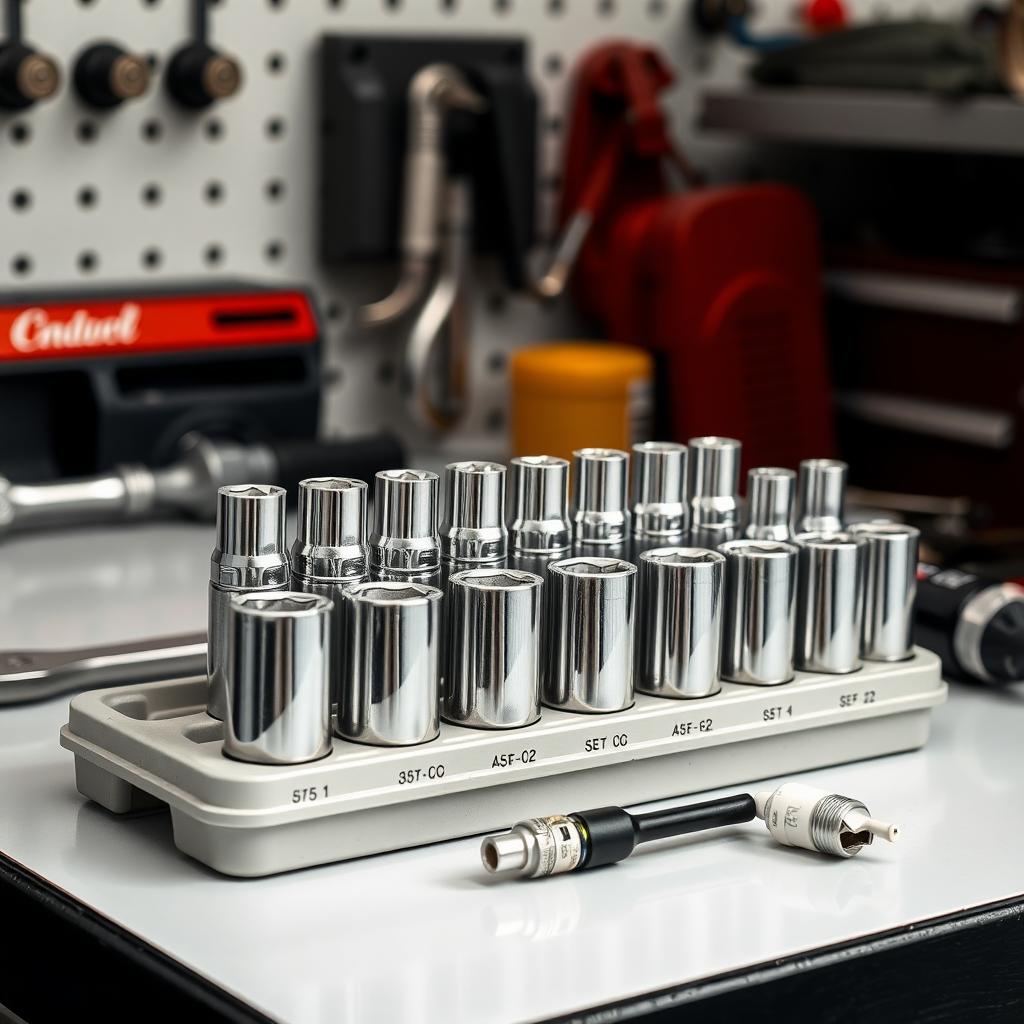
A good socket set is a cornerstone of any toolbox, especially for automotive repairs. Choosing the right one depends on your needs, budget, and the types of projects you tackle. Here’s what to consider:
- Size Range: Ensure the set includes both metric and SAE sizes. For automotive work, a set with 1/4-inch, 3/8-inch, and 1/2-inch drives covers most tasks.
- Material: Chrome vanadium steel is durable and resists rust. I’ve used cheaper sets that chipped under pressure, so invest in quality.
- Storage: Look for a set with a sturdy case or rail system. My current set has a molded plastic case that keeps sockets organized and portable.
- Depth: Deep sockets are essential for reaching bolts on long threads, while shallow ones work for tighter spaces.
For beginners, a mid-range set from brands like Craftsman or DeWalt (available at Home Depot or Lowe’s) offers reliability without breaking the bank. If you’re a professional, consider premium brands like Snap-on for longevity.
Workman Tools for Automotive Repairs
Automotive repairs demand specialized tools, and organizing them properly can make or break your efficiency. Here are some must-have workman tools for automotive repairs and how to store them:
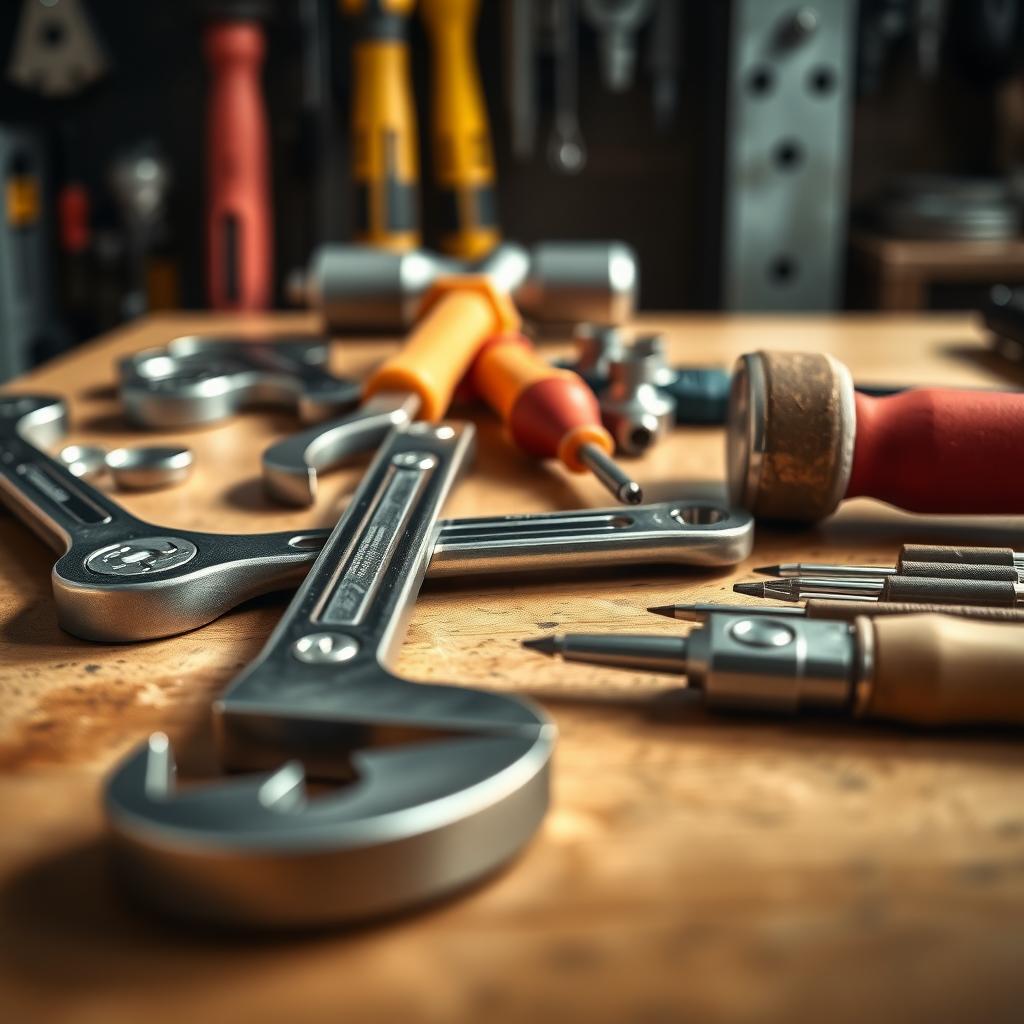
- Wrenches: A combination wrench set (open-end and box-end) is essential. Store them in foam inserts or on a wrench rack to save space.
- Ratchet and Socket Set: As mentioned, a versatile socket set is key. Keep the ratchet and extensions in a dedicated drawer or foam slot.
- Pliers and Cutters: Needle-nose pliers and wire cutters are vital for electrical work. Hang them on a pegboard or use magnetic strips.
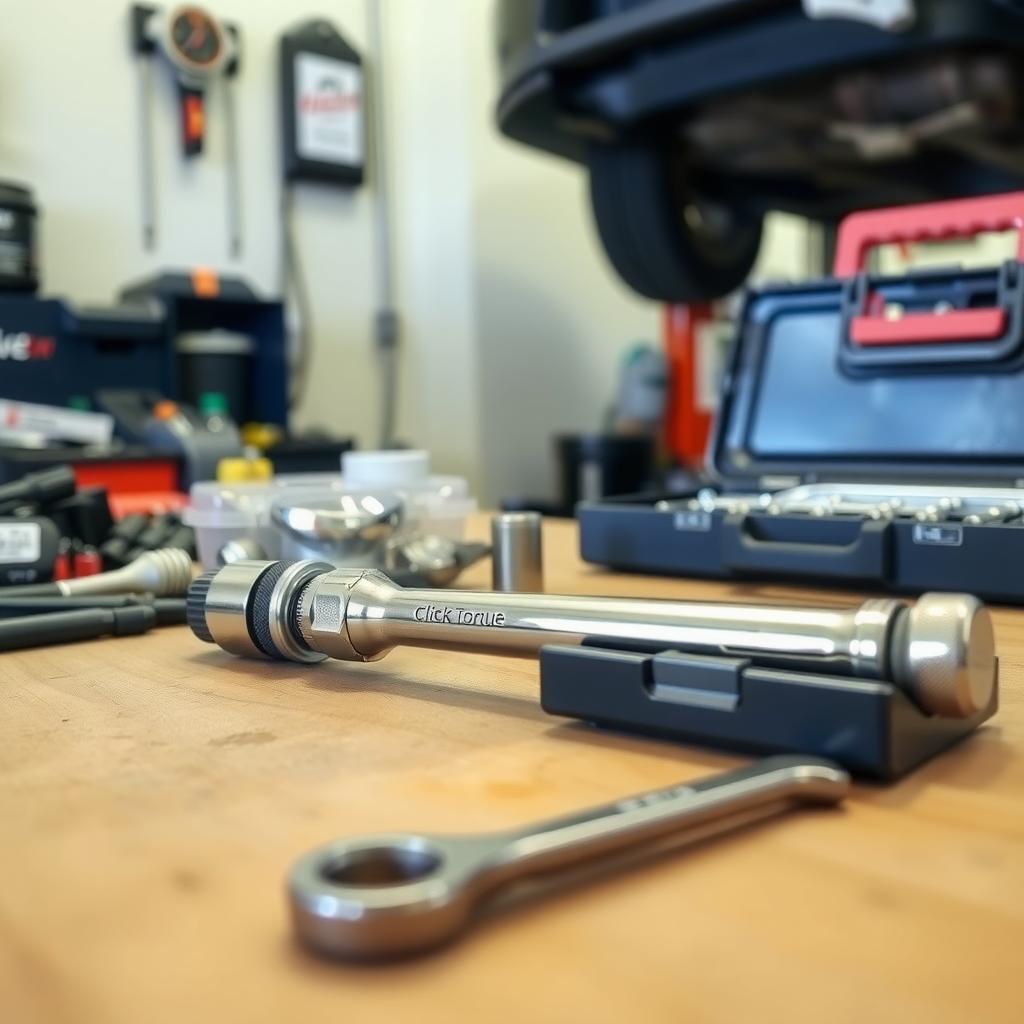
- Torque Wrench: Critical for precise tightening, store it in a protective case to maintain calibration.
I learned the hard way that leaving tools loose in a toolbox can damage them. After scratching a torque wrench, I now use padded dividers to keep everything secure. For inspiration, check out automotive forums like Garage Journal for community-tested storage ideas.
Choosing the Right Toolbox
The right toolbox is the foundation of your organization system. Here’s a quick guide to selecting one that meets your needs:
- Portable Toolboxes: Great for small projects or mobile mechanics. Look for models with sturdy handles and latches. I use a 20-inch Stanley toolbox for quick jobs.
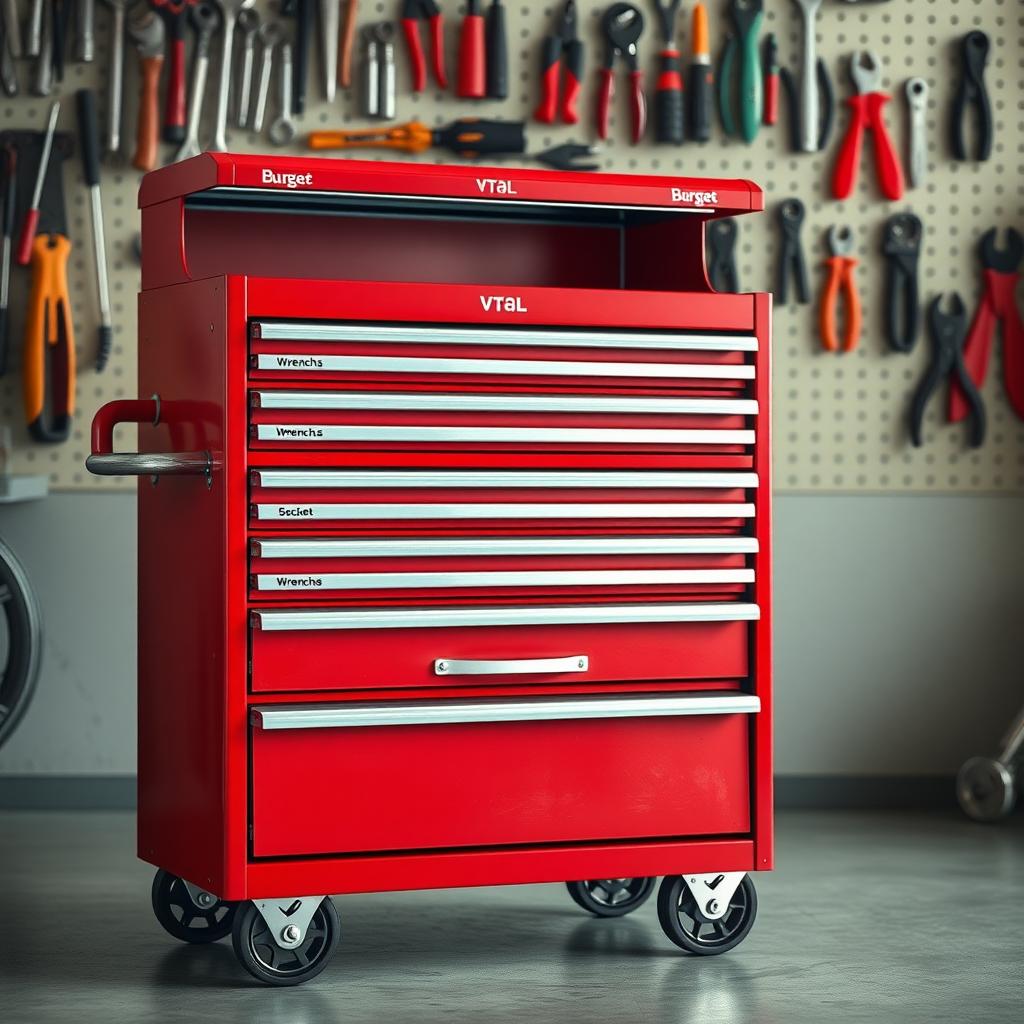
- Rolling Tool Chests: Ideal for large collections or garage setups. They offer multiple drawers and lockable wheels for mobility.
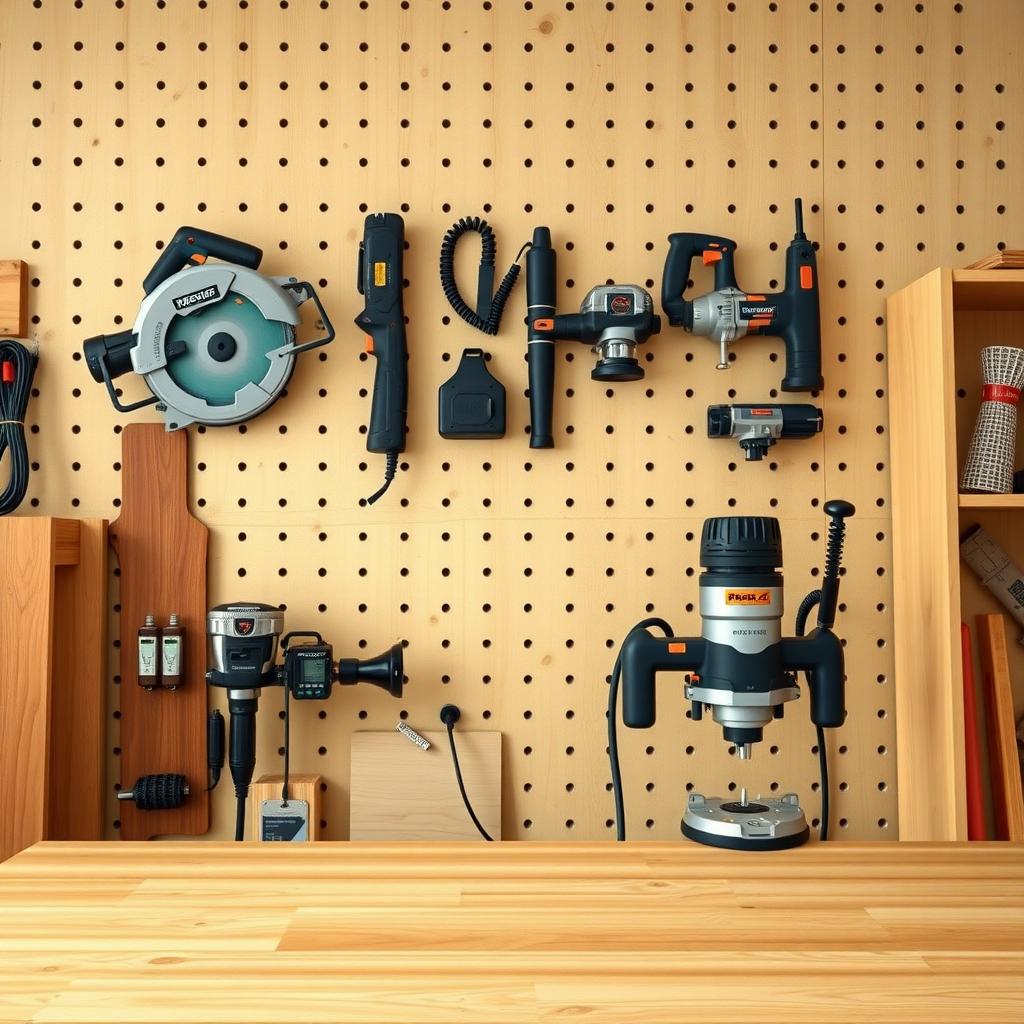
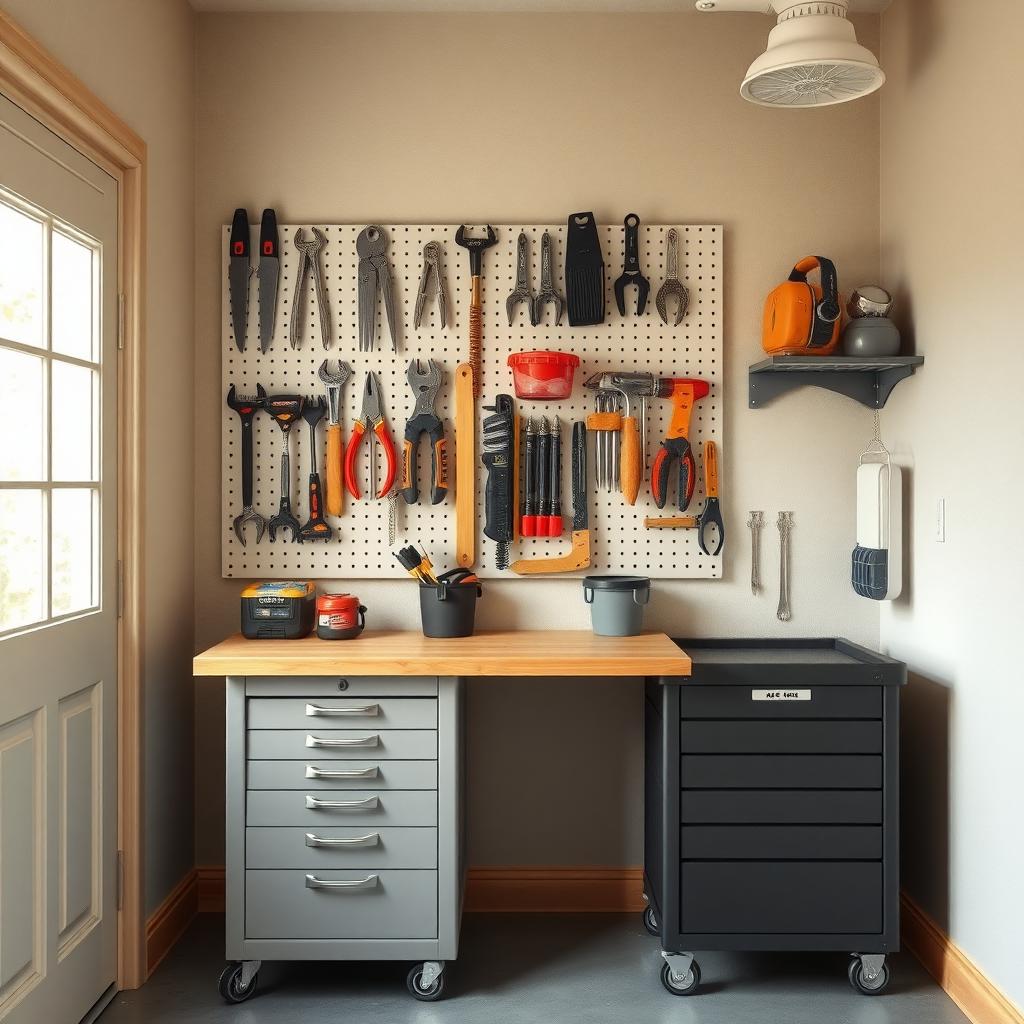
- Wall-Mounted Systems: Perfect for small spaces. Pegboards or modular systems let you customize your setup.
Consider your workspace size, tool collection, and budget. For detailed reviews, sites like ToolGuyd offer in-depth comparisons of popular toolboxes.
Maintenance Tips for Long-Lasting Organization
Once your toolbox is organized, keep it that way with these habits:
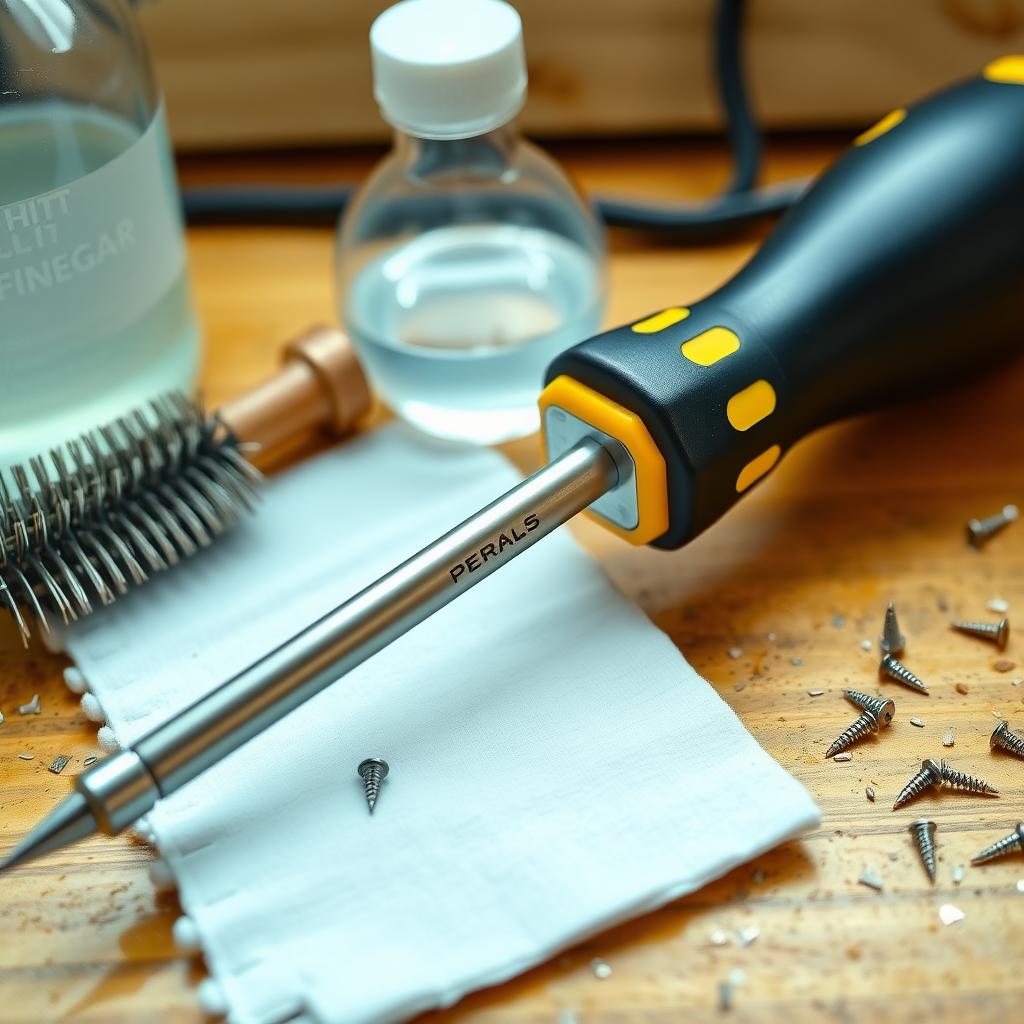
- Clean Regularly: Wipe down tools and compartments to prevent rust and grime buildup.
- Inventory Check: Periodically review your tools to ensure nothing’s missing or damaged.
- Update as Needed: As you add tools, adjust your storage system. I recently upgraded to a larger toolbox when my collection outgrew my old one.
These habits ensure your toolbox stays functional and ready for any project, from home repairs to automotive work.
Summary
Organizing your toolbox doesn’t have to be overwhelming. With DIY solutions like foam inserts, magnetic strips, and labeled dividers, you can create a system that’s both practical and efficient. Choosing the right socket set and toolbox, along with proper storage for workman tools for automotive repairs, sets you up for success. Start small, experiment with these ideas, and enjoy a clutter-free workspace that makes every project a breeze.
Related DIY Toolbox Organization Ideas:
- The Best Tool Storage Solutions for Small Spaces
- Essential Safety Gear for Construction Workers: Stay Protected on the Job
- Best Practices for Work-from-Home Boundaries: Boost Productivity and Balance
- The Ultimate Guide to Power Tools for Woodworking Enthusiasts
- Understanding Power Tool Batteries: Care and Safety
- How to Maintain Your Tools Like a Pro
- The Importance of Precision in Automotive Maintenance
- Screwdriver Maintenance Tips: Keep Your Workman Tools in Top Shape
- Choosing the Right Work Boots for Construction Work: A Comprehensive Guide
- DIY Workshop Projects to Enhance Productivity: Ultimate Guide
- Beginner’s Guide to Table Saw Safety: Protect Yourself While Mastering Your Craft
- Essential Power Washer Maintenance Tips for Long-Lasting Performance