Overview: Why Precision Matters in Automotive Maintenance
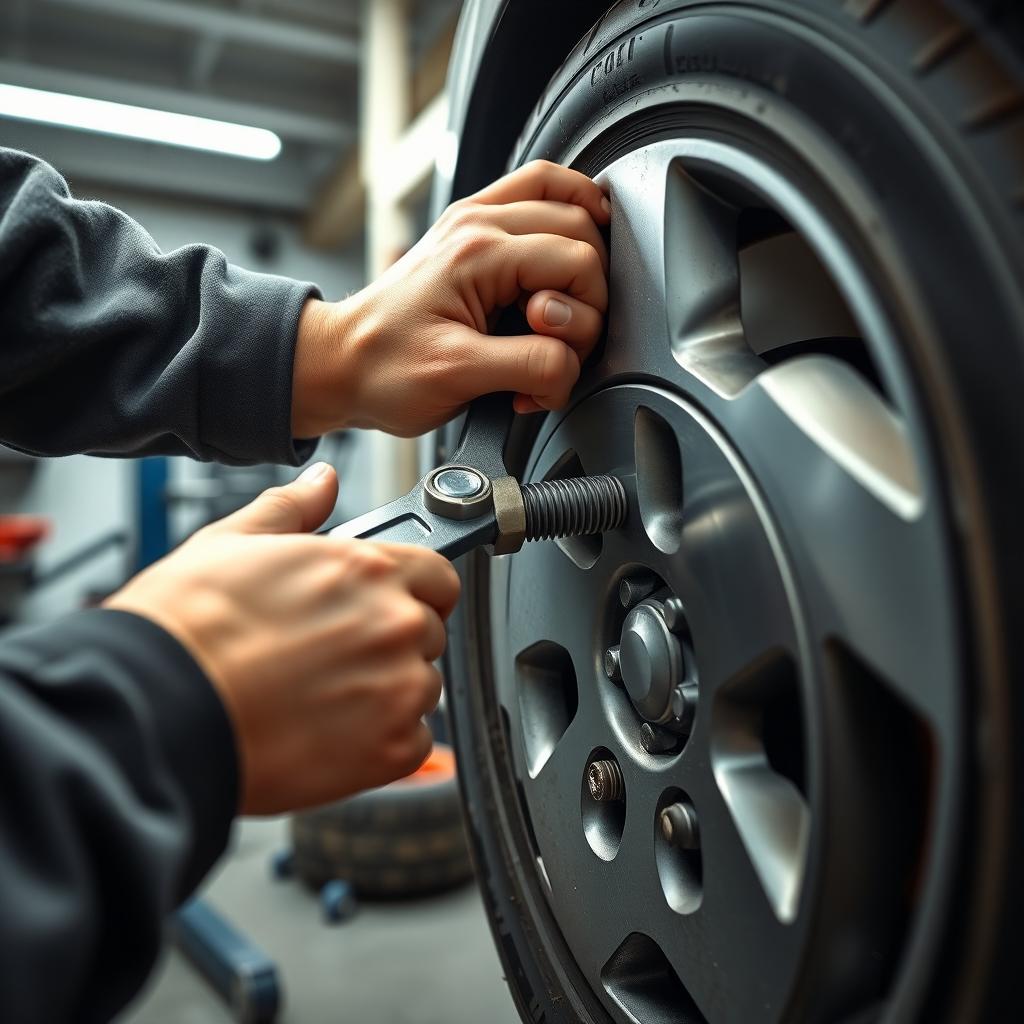
Taking care of a car isn’t just about changing oil or swapping tires. It’s about doing every task with care and accuracy. The Importance of Precision in Automotive Maintenance can’t be overstated—it ensures your vehicle runs smoothly, stays safe, and lasts longer. From tightening bolts to aligning parts, precision makes all the difference.
Why Precision Is the Backbone of Car Maintenance
When I first started working on cars, I thought a quick turn of a wrench was enough. I learned the hard way that being off by even a fraction can cause big problems. A loose bolt can lead to a rattling part, a misaligned component can wear out faster, or worse, a critical system like brakes could fail. Precision in automotive maintenance means every nut, bolt, and part is exactly where it needs to be, doing its job perfectly.
Precision isn’t just about avoiding mistakes—it’s about building trust. When you know every repair is done right, you drive with confidence. For mechanics, it’s about reputation. A shop known for precise work gets repeat customers. For DIYers, it’s about pride in a job well done and a car that performs at its best.
How Torque Wrenches Improve Accuracy in Car Repairs
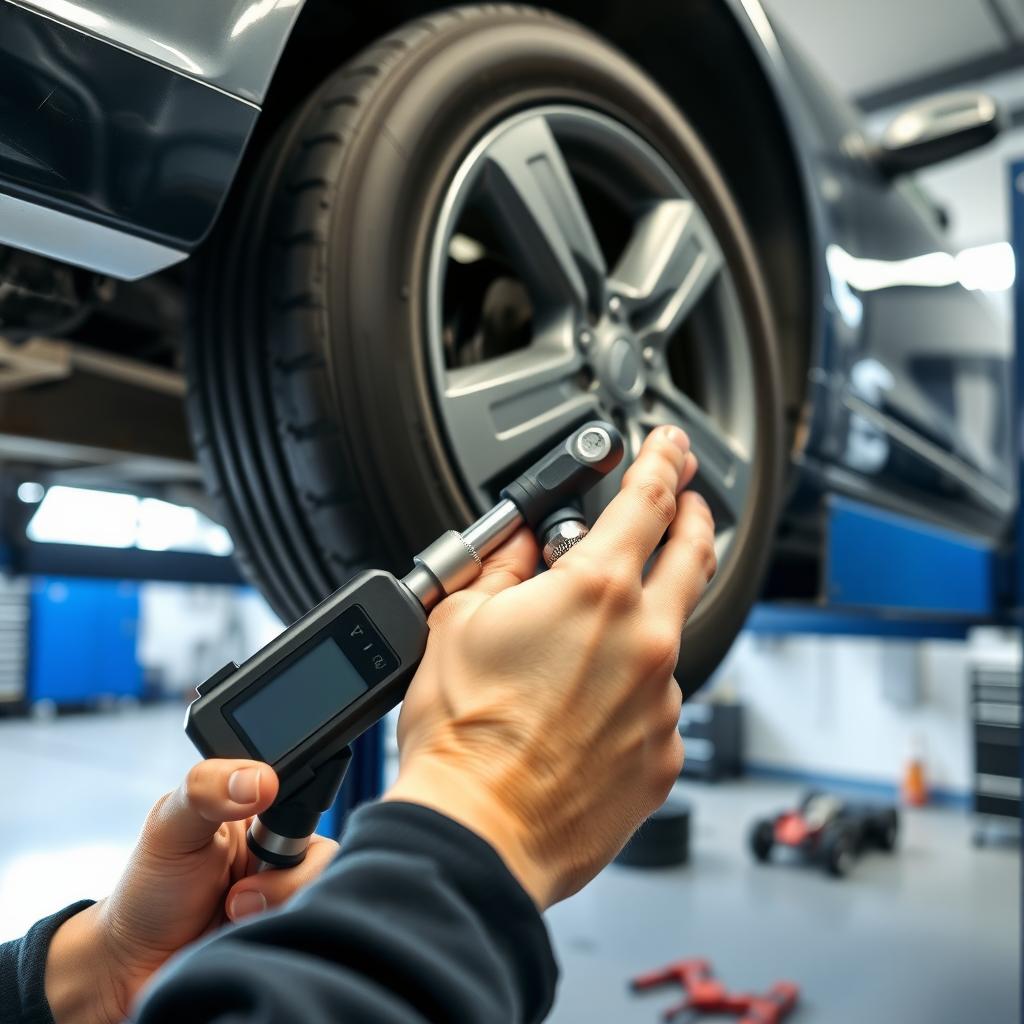
One of the best tools for precision is the torque wrench. Unlike a standard wrench, a torque wrench lets you apply a specific amount of force to a fastener. This ensures bolts are neither too loose nor too tight, which is critical for parts like engine components or wheel lugs. For example, over-tightening a spark plug can crack the cylinder head, while under-tightening can cause it to blow out.
Torque wrenches come in different types—click, beam, and digital聬digital. Each has its strengths, but I’ve found click-style torque wrenches to be the most reliable for most automotive tasks. They make a clicking sound when the set torque is reached, so you know exactly when to stop. This precision prevents damage to parts and ensures a secure fit.
Last summer, I helped a friend replace a car’s head gasket. The manual specified torque values for each bolt in a specific sequence. Using a click torque wrench, we got every bolt to the exact specification. The engine ran perfectly afterward. Without that tool, we might have warped the head or caused a leak. That’s the power of precision.
Types of Torque Wrenches
Here’s a quick look at the main types of torque wrenches:
| Type | Pros | Cons |
|---|---|---|
| Click | Easy to use, audible feedback | Can be less accurate at very low torque |
| Beam | Simple, durable, no batteries | Requires clear view of scale |
| Digital | Highly accurate, easy to read | More expensive, needs batteries |
For most home mechanics, a click torque wrench is the go-to choice for its balance of cost and reliability.
Choosing the Best Wrenches for Mechanics
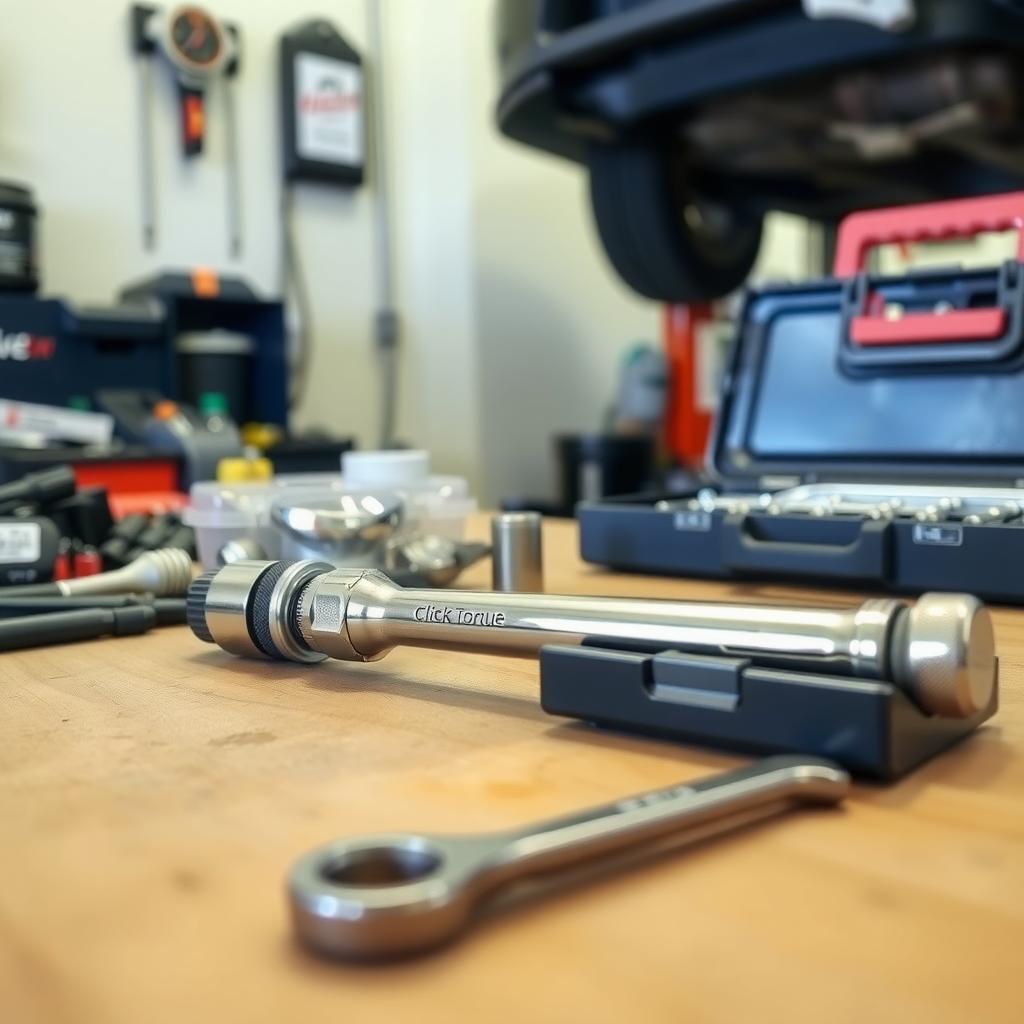
Not all wrenches are created equal. The best wrenches for mechanics balance durability, accuracy, and ease of use. For torque wrenches, I recommend brands like Tekton or Snap-on for professionals, while Craftsman offers solid options for DIYers. Look for wrenches with a wide torque range (e.g., 10-150 ft-lbs) to cover most automotive tasks, from lug nuts to suspension components.
Beyond torque wrenches, a good mechanic’s toolkit needs combination wrenches for general tasks. These have an open end and a box end, making them versatile. I’ve used GearWrench’s ratcheting combination wrenches for years—they save time and grip bolts securely. For tight spaces, a stubby wrench set is a lifesaver.
When shopping, prioritize quality over quantity. Cheap wrenches can strip bolts or wear out fast. Spend a bit more for tools that last. Check reviews on sites like Amazon or Harbor Freight to find reliable options. A good wrench feels solid in your hand and turns smoothly.
Other Essential Workman Tools for Precision
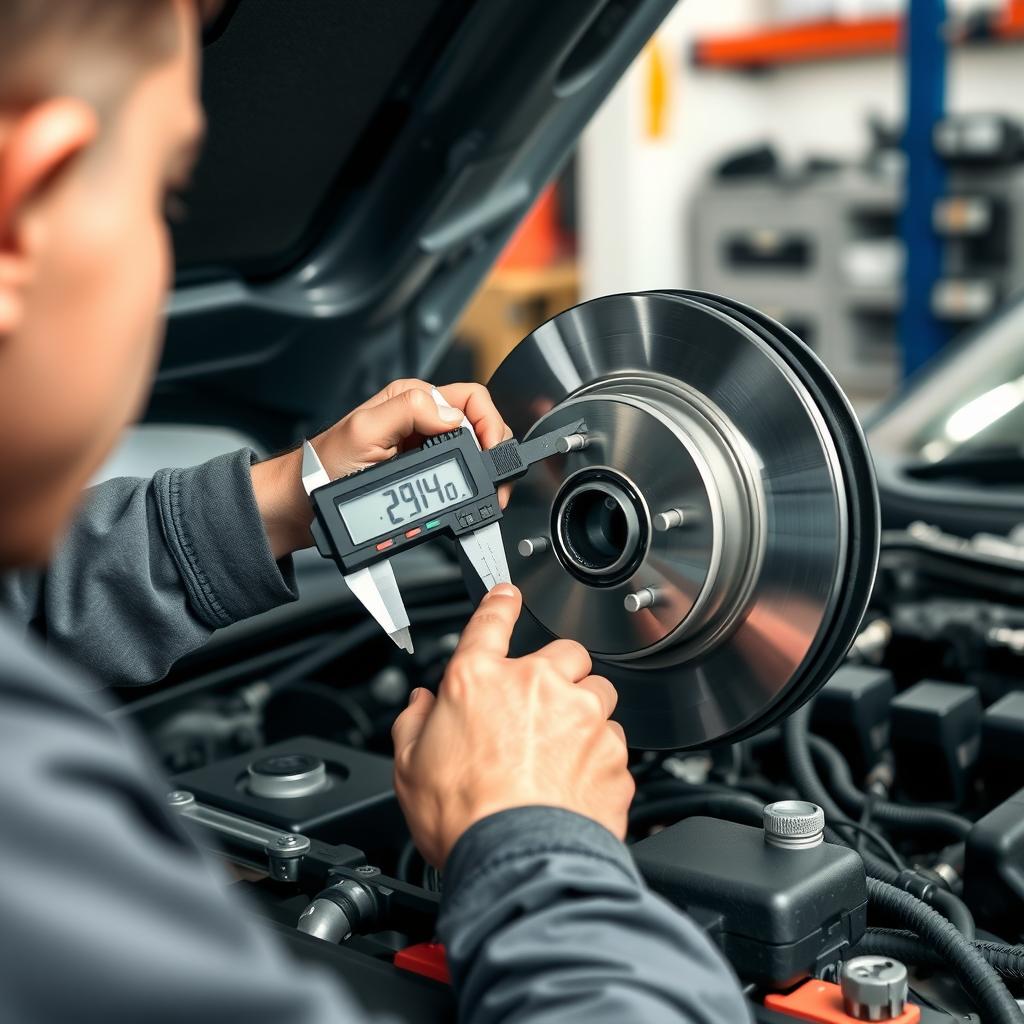
Precision isn’t just about wrenches. Other workman tools play a big role in automotive maintenance. A digital caliper ensures parts like brake rotors are within spec. A feeler gauge is great for checking spark plug gaps. Even a simple angle finder can help with alignment tasks.
One time, I was installing a new clutch and needed to check the flywheel runout. Using a dial indicator, I found it was slightly off. Without that precise measurement, I might have installed the clutch anyway, leading to vibrations or premature wear. Tools like these catch issues before they become costly.
Practical Tips for Precision in Your Garage
Here are some actionable tips to boost precision in your automotive work:
- Read the Manual: Every car has specific torque specs. Check the service manual (often available online) before starting.
- Calibrate Tools: Torque wrenches can drift over time. Get them calibrated yearly for accuracy.
- Work Clean: Dirt or grease on threads can affect torque. Clean parts before assembly.
- Double-Check: After torquing, give bolts a quick check to ensure they’re secure.
- Practice: If you’re new to torque wrenches, practice on scrap parts to get a feel for the tool.
These habits save time and prevent headaches down the road.
Common Mistakes to Avoid
Precision sounds simple, but it’s easy to mess up. One common mistake is ignoring torque sequences—tightening bolts in the wrong order can warp parts like cylinder heads. Another is using the wrong units (e.g., foot-pounds instead of Newton-meters). Always double-check the specs. Also, don’t rush. I once stripped a bolt by hurrying, turning a quick job into hours of drilling and re-tapping.
The Bigger Picture: Safety and Savings
Precision isn’t just about performance—it’s about safety. A loose wheel lug can cause a wheel to come off while driving. An improperly torqued oil drain plug can leak, starving the engine of oil. Getting it right keeps you and others safe. Plus, precise work reduces wear, saving money on repairs over time.
Summary: Precision Pays Off
The Importance of Precision in Automotive Maintenance boils down to doing things right the first time. Tools like torque wrenches make accuracy achievable, while the best wrenches for mechanics and other workman tools ensure every job is done to spec. Whether you’re a pro or a DIYer, investing in quality tools and careful work keeps your car running strong and safe.
Related The Importance of Precision in Automotive Maintenance:
- Screwdriver Maintenance Tips: Keep Your Workman Tools in Top Shape
- Choosing the Right Work Boots for Construction Work: A Comprehensive Guide
- DIY Workshop Projects to Enhance Productivity: Ultimate Guide
- Beginner’s Guide to Table Saw Safety: Protect Yourself While Mastering Your Craft
- Essential Power Washer Maintenance Tips for Long-Lasting Performance
- Top 10 Power Tool Safety Tips for Safe and Effective Use
- Essential Workman Tools Every DIYer Should Have
- Choosing the Best Cordless Tools for Your Workshop: A Comprehensive Guide
- Features to Look for in a Workbench: Your Guide to Choosing the Perfect Setup
- How to Choose the Right Wrench for Your Project
- Advanced Power Tool Maintenance Techniques: The Ultimate Guide
- Workman Tools: A Guide to Maintenance and Care