Overview
Hammers are one of the most fundamental workman tools for beginners, but using them safely requires knowledge and care. Whether you’re hanging a picture frame or building a bookshelf, understanding how to use a hammer safely prevents injuries and ensures quality results. This guide covers essential techniques, safety tips, and ergonomic practices for beginners.
Why Hammer Safety Matters
A hammer seems simple, but mishandling it can lead to smashed fingers, muscle strain, or damaged materials. I remember my first DIY project—a wobbly shelf that taught me the hard way about proper grip and swing. According to the U.S. Consumer Product Safety Commission, thousands of injuries occur annually from improper tool use, including hammers. Learning the right techniques early saves pain and frustration.
Safety starts with awareness. Hammers, as essential workman tools for beginners, vary in size, weight, and purpose. A claw hammer, for instance, is great for driving nails and prying them out, while a sledgehammer suits heavier tasks. Knowing your tool’s purpose is the first step to using it safely.
Choosing the Right Hammer
Not all hammers are created equal. For beginners, selecting the right one from the array of hand tools can feel overwhelming. Here’s a quick breakdown of common types:
- Claw Hammer: Ideal for driving and removing nails. Best for general carpentry.
- Ball Peen Hammer: Used for metalwork, like shaping or riveting.
- Sledgehammer: Heavy-duty for demolition or driving stakes.
- Mallet: Soft-headed for chiseling or delicate tasks.
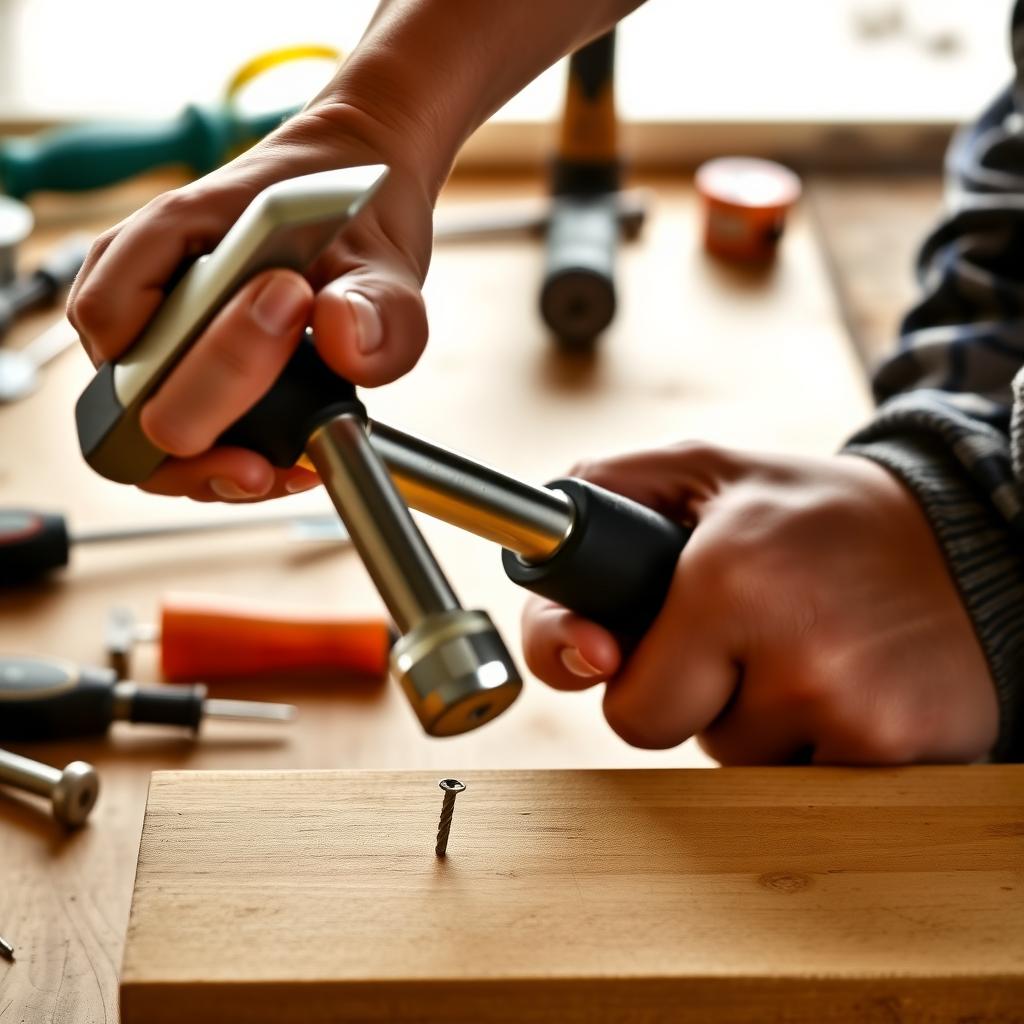
Choose a hammer that matches your task. A 16-ounce claw hammer is versatile for most home projects. Ensure the handle feels comfortable—ergonomic hand tools for reduced strain, like those with rubber grips, minimize fatigue during extended use.
When I started, I grabbed the heaviest hammer thinking it’d make me work faster. Big mistake. A heavy hammer caused wrist strain, and I quickly learned that a lighter, well-balanced tool was better for control. Check the hammer’s weight and balance before buying. Brands like Estwing offer durable, ergonomic options designed for comfort.
Proper Grip and Stance
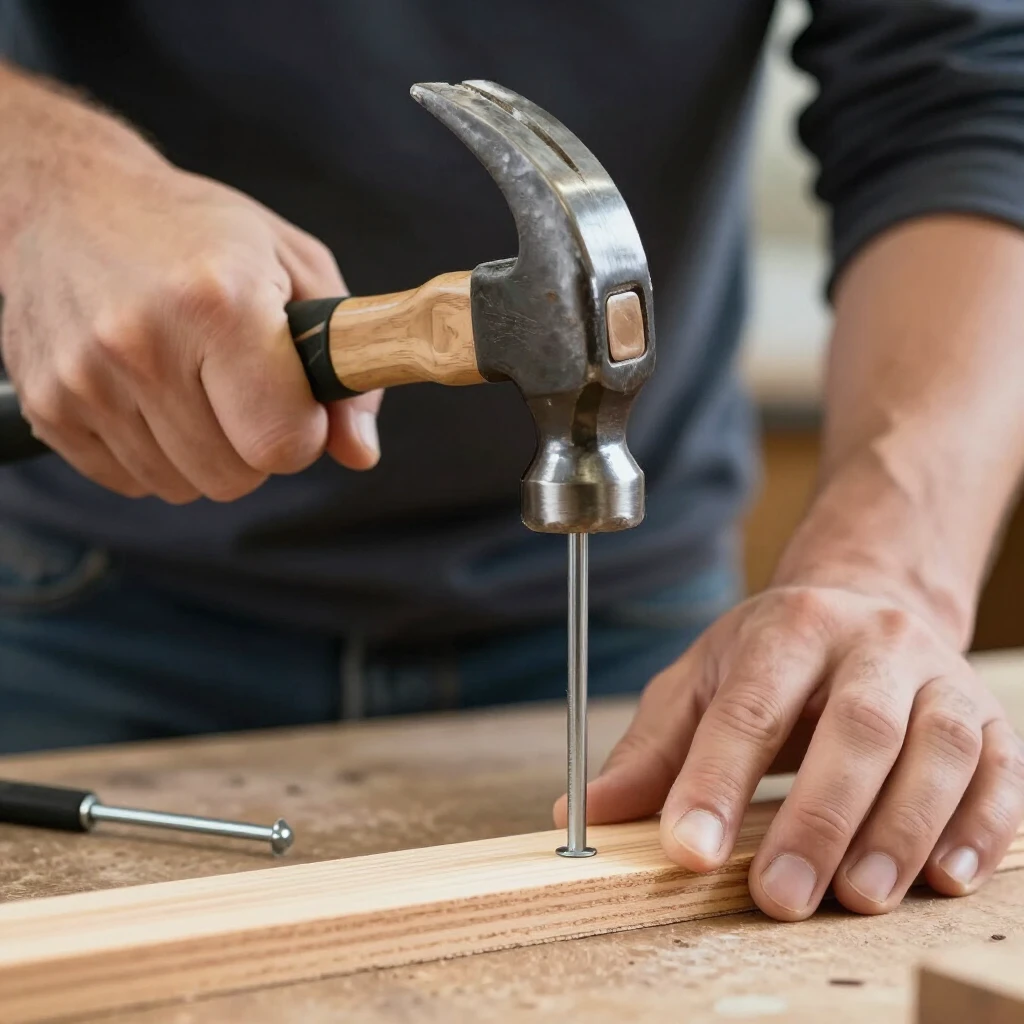
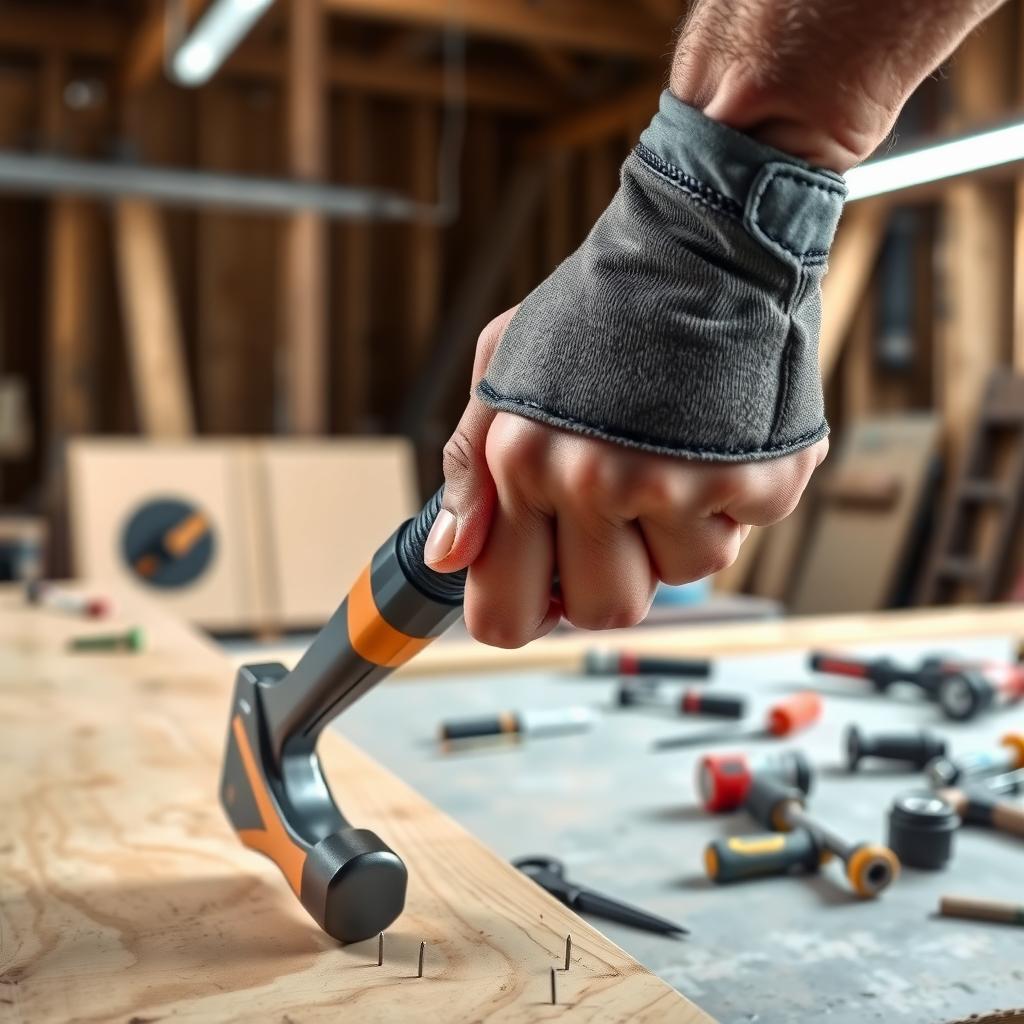
Holding a hammer correctly is critical to safety and efficiency. Grip the handle near its end, not close to the head, to maximize swing power and control. Your dominant hand should hold the hammer firmly but not tightly—think of shaking someone’s hand. Your non-dominant hand can steady the nail or material.
Stand with your feet shoulder-width apart for balance. Position your body slightly to the side of your target to avoid hitting yourself if you miss. Keep your eyes on the nail, not the hammer, to ensure accurate strikes.
Safe Hammering Techniques
Here’s where practice makes perfect. Follow these steps to hammer safely:
- Start the Nail: Hold the nail with your non-dominant hand, tapping it lightly to set it into the material. Once secure, move your hand away.
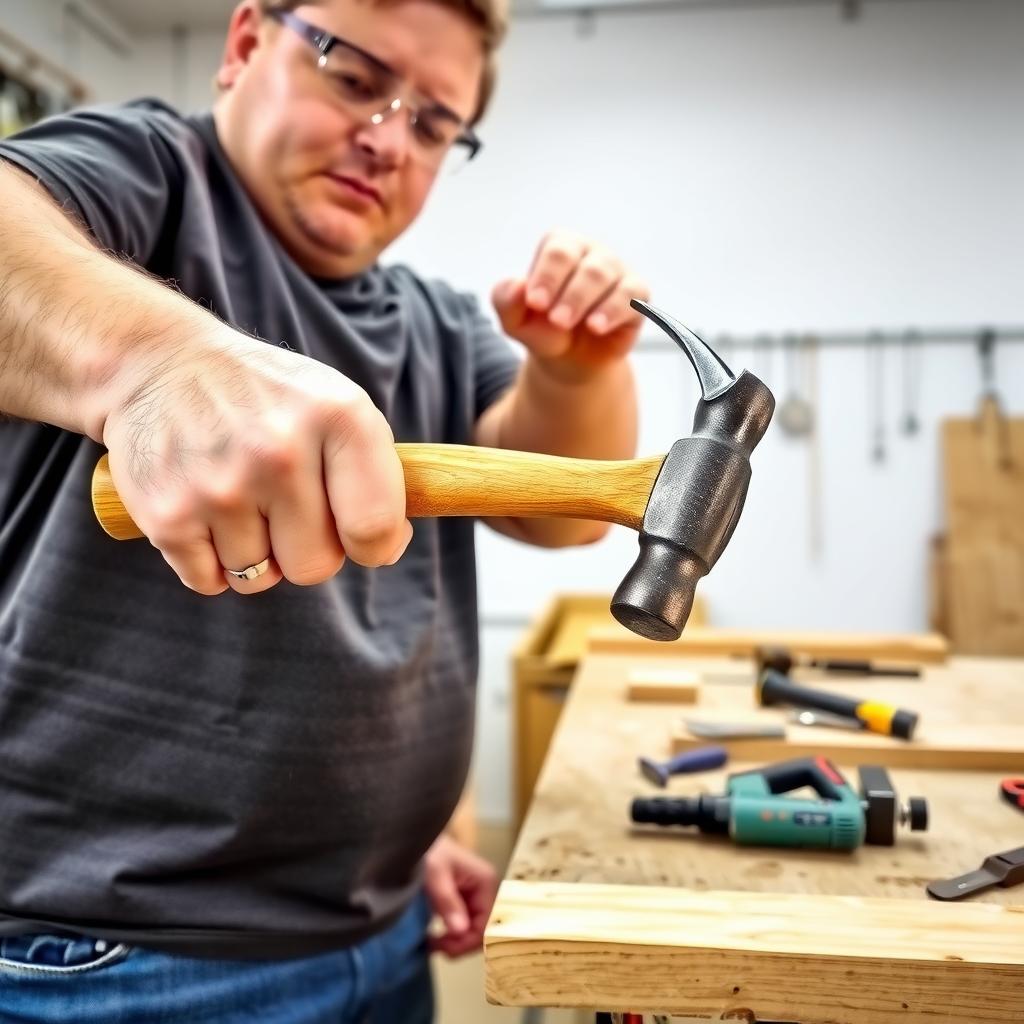
- Controlled Swings: Use your wrist and forearm, not your shoulder, for short, controlled swings. Aim for steady, even strikes.
- Follow Through: Let the hammer’s weight do the work. Don’t force it—overexertion leads to fatigue and mistakes.
- Check Your Surroundings: Ensure no one is within your swing range to avoid accidents.
I once rushed a project and missed a nail, denting the wood. Slowing down and focusing on rhythm improved my accuracy. Patience is key.
For more technical tasks, like driving nails into hardwood, consider pre-drilling pilot holes to reduce splitting. The Purdue University Extension recommends pilot holes for dense materials, which also makes hammering easier and safer.
Ergonomic Hand Tools for Reduced Strain
Long hammering sessions can strain your wrist, elbow, or shoulder. Ergonomic hand tools for reduced strain are a game-changer. Look for hammers with shock-absorbing handles, often made of rubber or composite materials. These reduce vibration, which can cause repetitive strain injuries over time.
A study by the National Institute for Occupational Safety and Health highlights that ergonomic tools lower the risk of musculoskeletal disorders. I switched to an ergonomic hammer last year, and the difference in comfort during long projects was noticeable. My hands no longer ached after an hour of work.
Safety Gear and Precautions
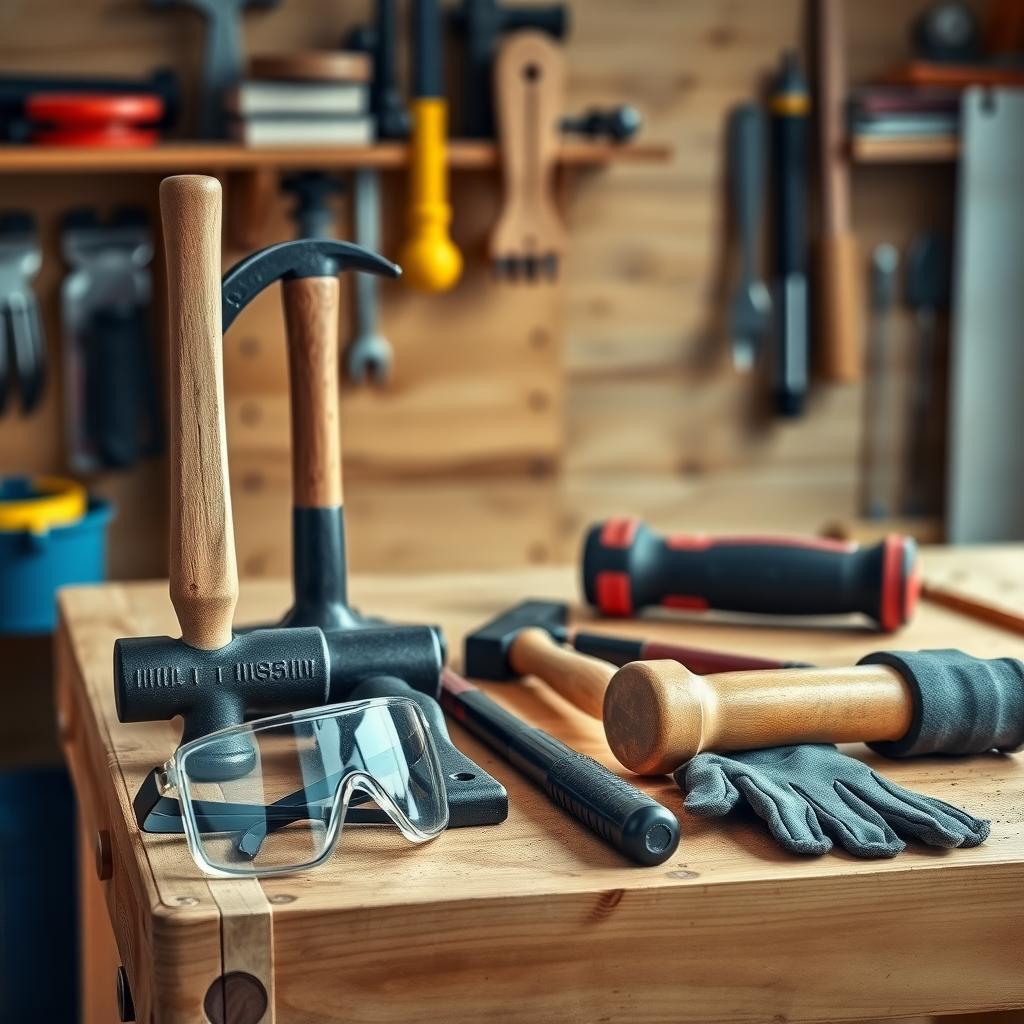
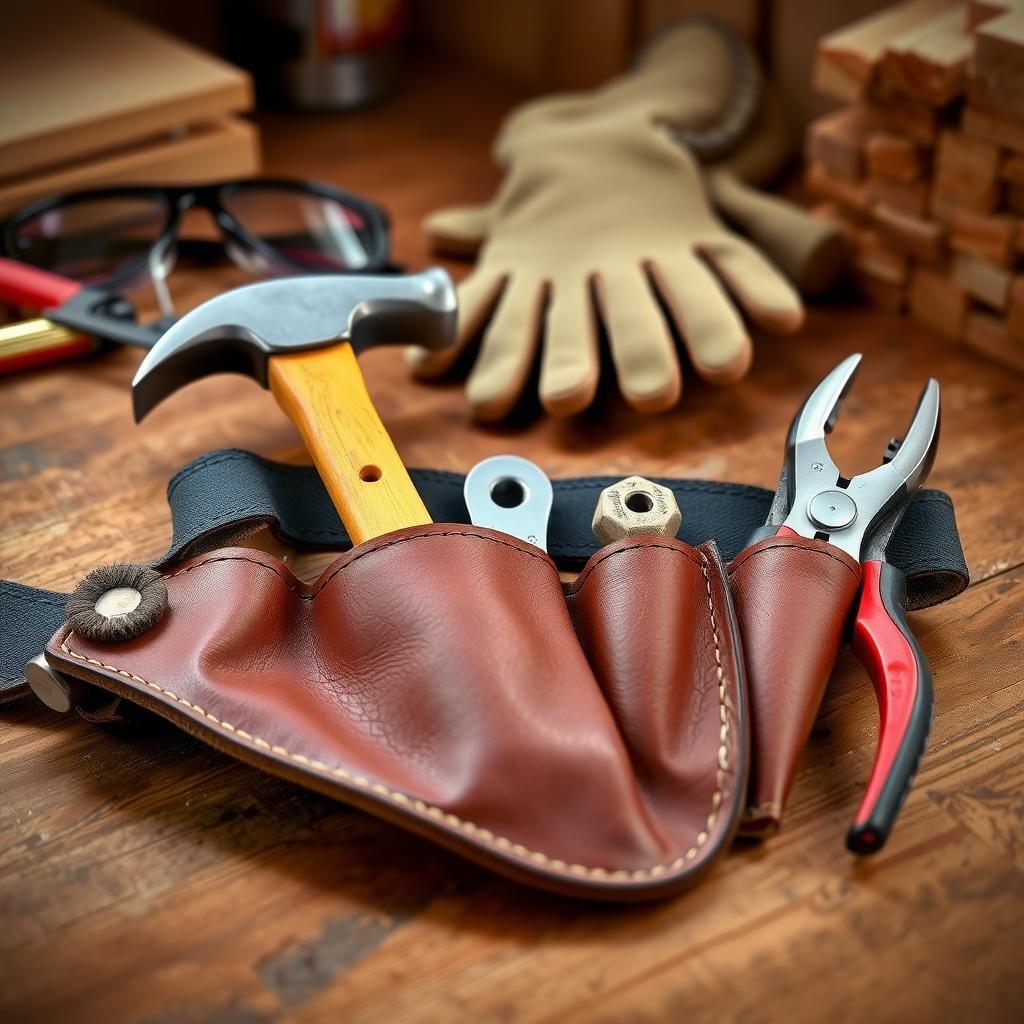
No guide on how to use a hammer safely is complete without discussing protective gear. Always wear safety glasses to shield your eyes from flying debris. Gloves can improve grip and protect your hands, but avoid bulky ones that reduce control.
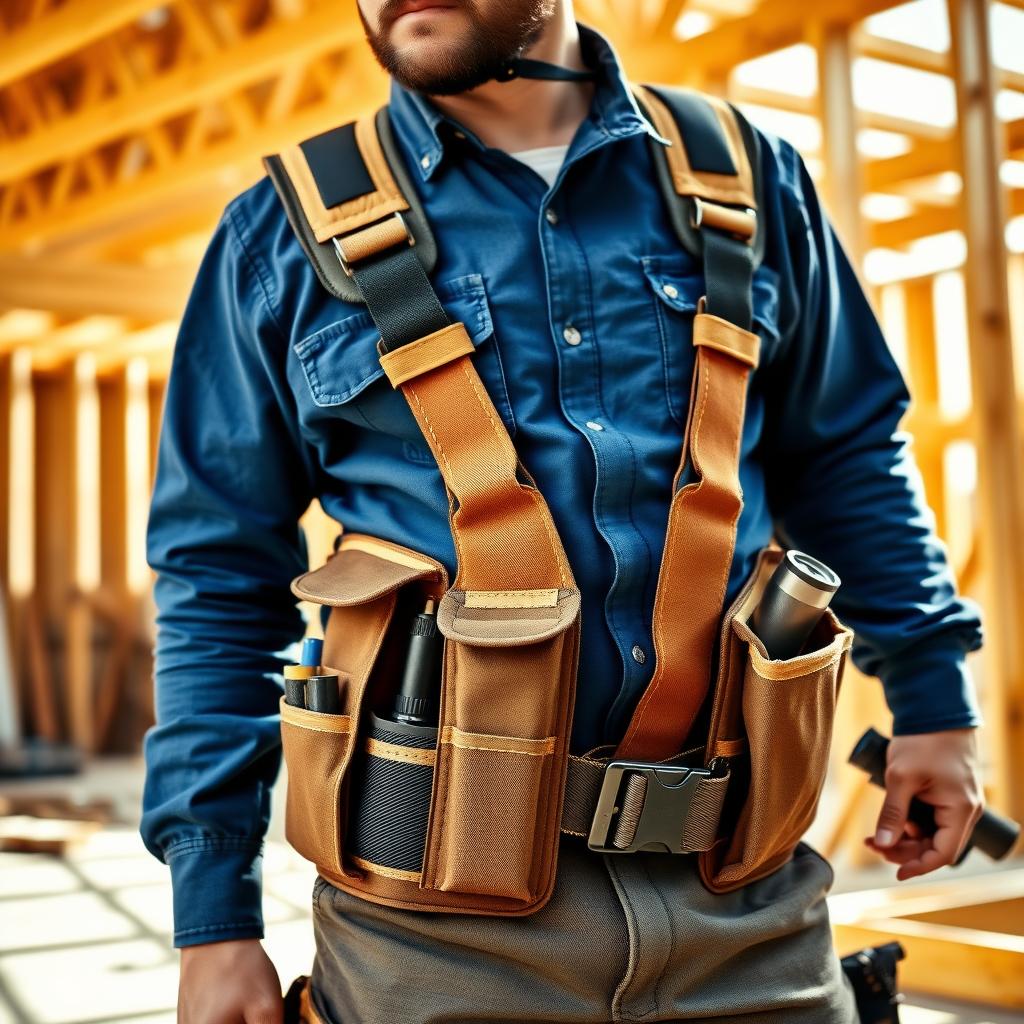
Inspect your hammer before use. A loose head or cracked handle can be dangerous. Store hand tools in a dry place to prevent rust, and never use a damaged tool. If you’re working on a ladder, secure the hammer in a tool belt to avoid dropping it.
Common Mistakes to Avoid
Beginners often make these errors:
- Overstriking: Hitting too hard bends nails or damages surfaces.
- Poor Aim: Missing the nail can injure your hand or ruin the material.
- Ignoring Maintenance: A rusty or loose hammer is unsafe.
- Skipping Safety Gear: Eye injuries are common without glasses.
Take your time to avoid these pitfalls. Practice on scrap wood to build confidence before tackling big projects.
Advanced Tips for Efficiency
Once you’ve mastered the basics, try these tips to level up:
- Use a Nail Set: For finishing nails, a nail set drives them below the surface for a clean look.
- Angle Your Nails: Driving nails at a slight angle increases holding strength, especially in framing.
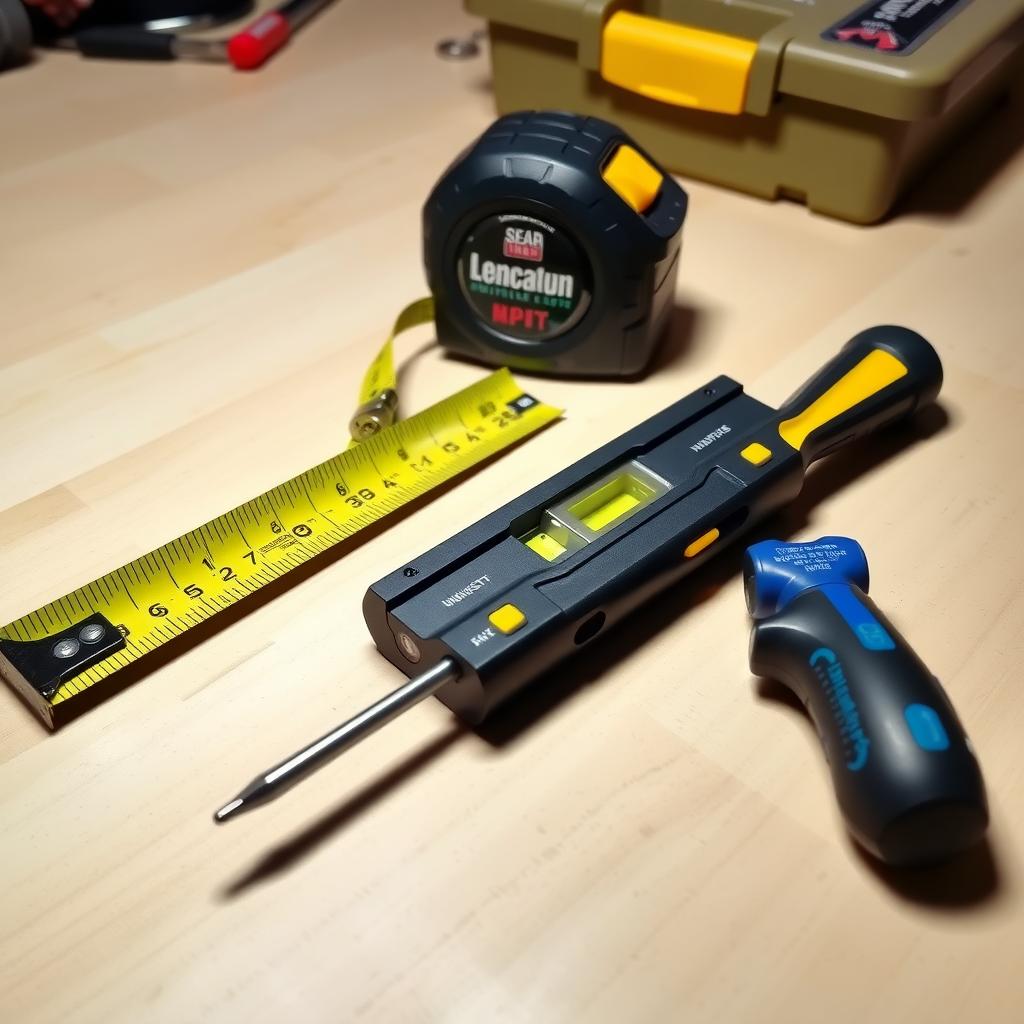
- Combine Tools: Pair your hammer with other workman tools, like a level or square, for precision.
These techniques, learned through trial and error, made my projects look more professional. Experiment, but always prioritize safety.
Summary
Mastering how to use a hammer safely is about preparation, technique, and the right tools. Choose an ergonomic hammer, grip it correctly, and wear safety gear. Practice controlled swings, avoid common mistakes, and maintain your tools. With these tips, you’ll hammer like a pro while staying safe and efficient.
Related How to Use a Hammer Safely:
- Top Ergonomic Hand Tools for DIY Projects
- Organizing Your Tool Shed Like a Pro: A Step-by-Step Guide
- Woodworking Tools Every DIY Enthusiast Should Own
- Must-Have Hand Tools for Mechanics: Your Essential Guide
- Top Toolkits for Every Handyman: Building Your Essential Collection
- Mastering Joinery with Mortise Chisels: A Woodworker’s Guide
- Safety Tips for Using Hand Tools in the Workshop
- Tool Belts with Ergonomic Designs: Comfort and Efficiency for Workmen
- Mastering Metal Forming: Advanced Hammering Techniques and Tools
- Preventing Hand Injuries at Work: Practical Tips for a Safer Workplace
- Future Trends in Construction Planning: Revolutionizing the Industry
- Must-Have Workman Tools for Every Toolbox: Your Ultimate Guide