Overview
Advanced electrical tools for automation are changing how industries operate. From manufacturing to construction, these workman tools save time, reduce errors, and improve safety. This article dives into the latest tools, their real-world applications, and why they matter for professionals seeking efficiency and precision.
Why Automation Tools Matter
Automation is no longer a buzzword—it’s a necessity. Factories, warehouses, and even small workshops rely on electrical tools to streamline tasks. These tools aren’t just about speed; they ensure accuracy and consistency, which are critical in high-stakes environments. For instance, a single wiring mistake in a factory’s control system can halt production for hours. Advanced electrical tools for automation prevent such costly errors.
As someone who’s worked around electricians and automation engineers, I’ve seen firsthand how these tools make a difference. A few years ago, I watched a team struggle with manual wire crimping on a tight deadline. Switching to an automated crimping tool cut their work time in half. That’s the kind of impact we’re talking about.
Key Types of Advanced Electrical Tools
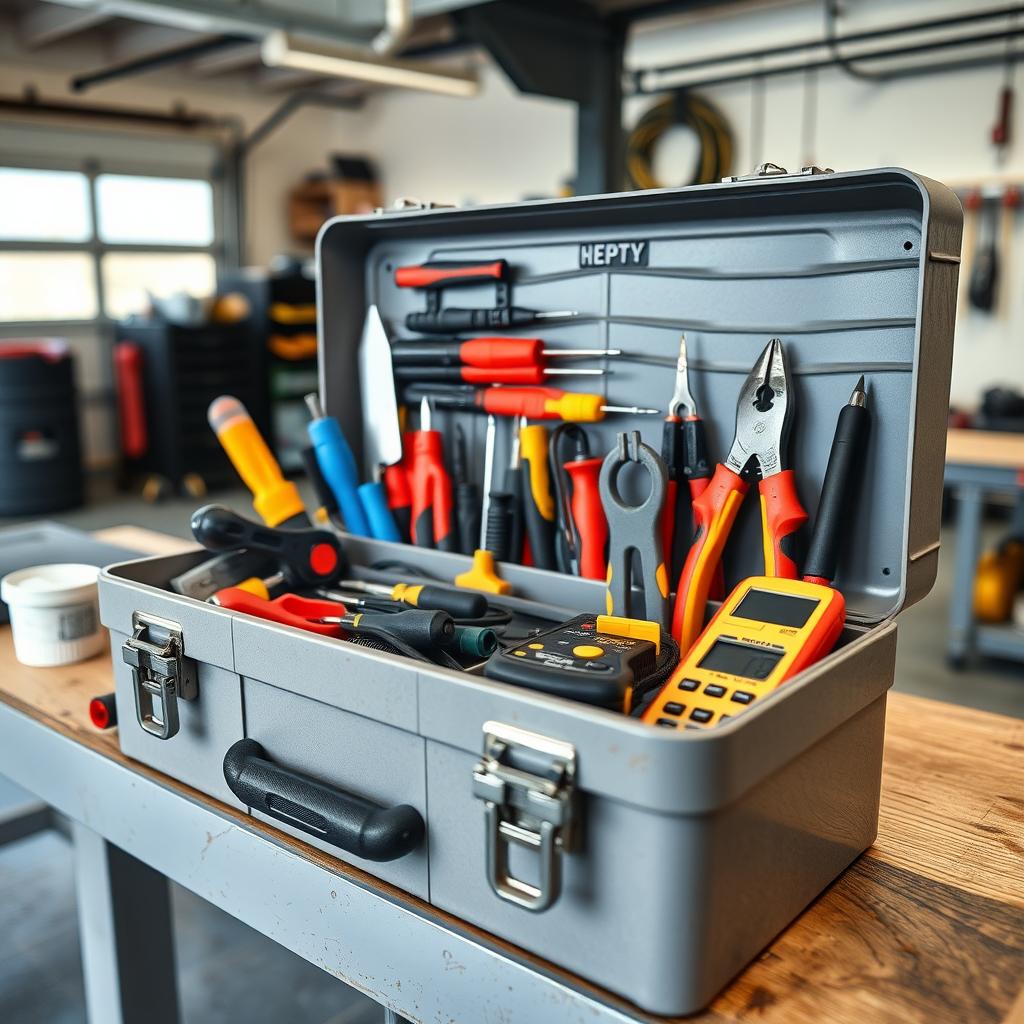
Let’s break down the most impactful electrical tools for automation. These aren’t your average screwdrivers or pliers—they’re designed for precision and integration with automated systems.
1. Programmable Logic Controllers (PLCs)
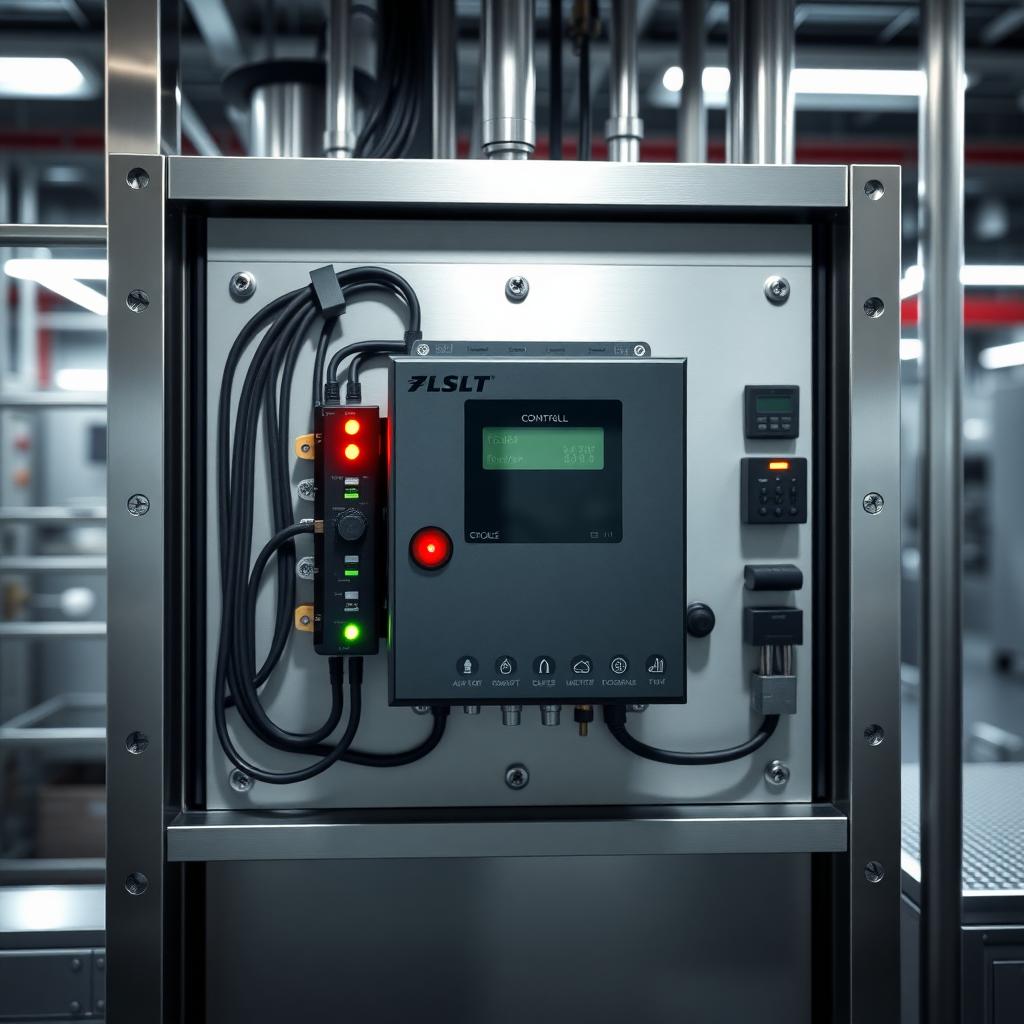
PLCs are the brains behind many automated systems. These devices control machinery by processing inputs and triggering outputs based on pre-programmed logic. For example, in a car manufacturing plant, a PLC might control robotic arms to weld parts with pinpoint accuracy. Modern PLCs, like those from Siemens or Rockwell Automation, are compact and customizable, making them essential workman tools.
What I love about PLCs is their versatility. I once saw a small brewery use a PLC to automate their bottling line, reducing manual labor by 70%. They’re not cheap, but the return on investment is hard to beat.
2. Automated Wire Strippers and Crimpers
Wiring is a huge part of automation projects, and manual tools just don’t cut it anymore. Advanced electrical tools for automation, like automated wire strippers and crimpers, handle repetitive tasks with unmatched precision. These tools can strip insulation, cut wires to exact lengths, and crimp connectors in seconds.
I remember visiting a workshop where electricians used a handheld crimper for hours. Their hands were sore, and mistakes were common. After switching to an automated crimping tool, they not only worked faster but also reduced defective connections by 90%. Brands like Klein Tools and TE Connectivity offer reliable options.
3. Smart Multimeters
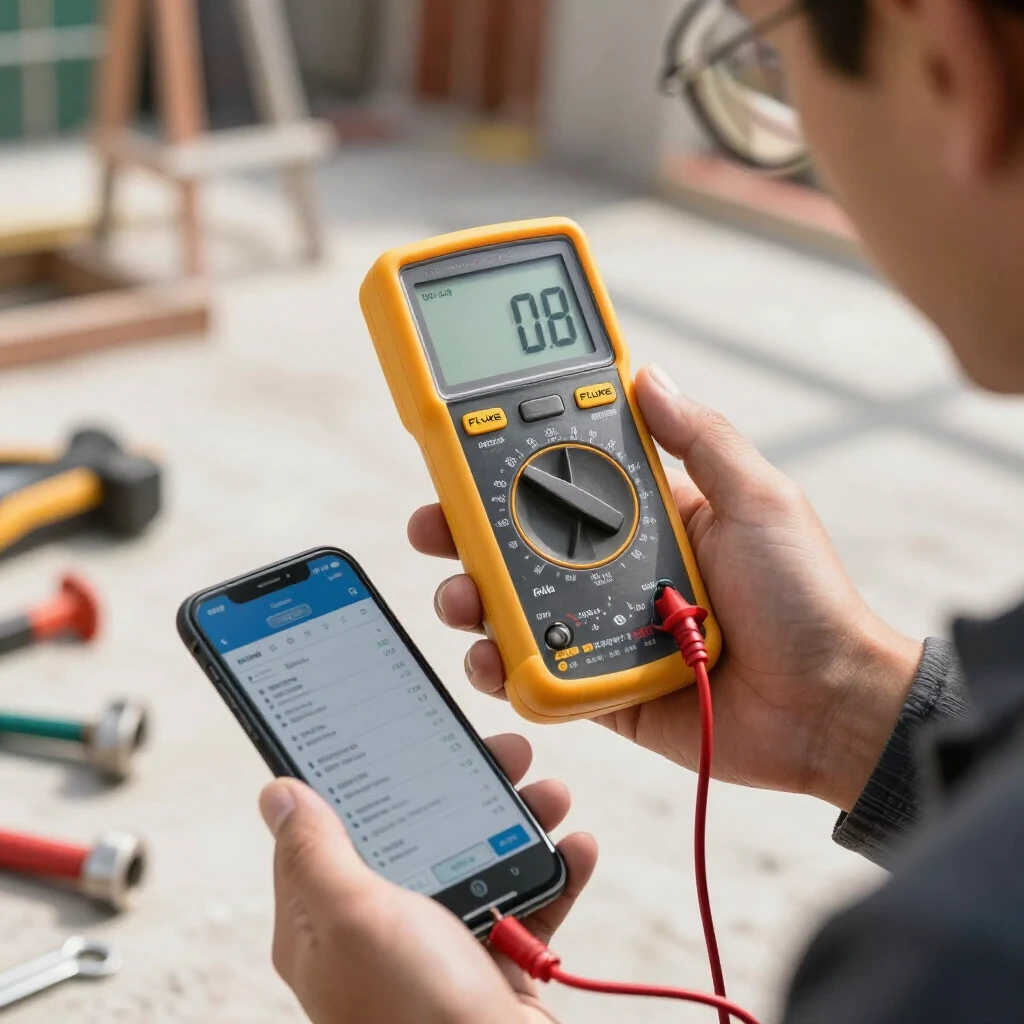
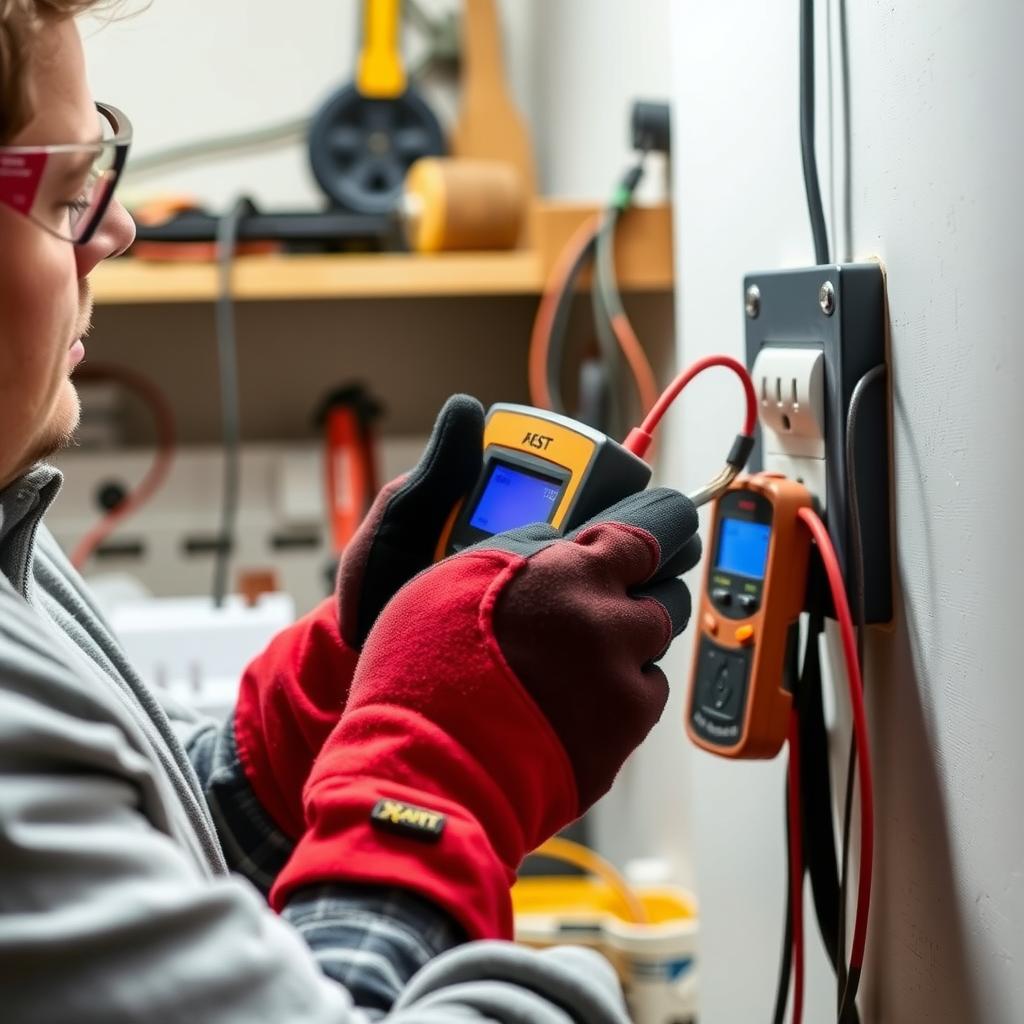
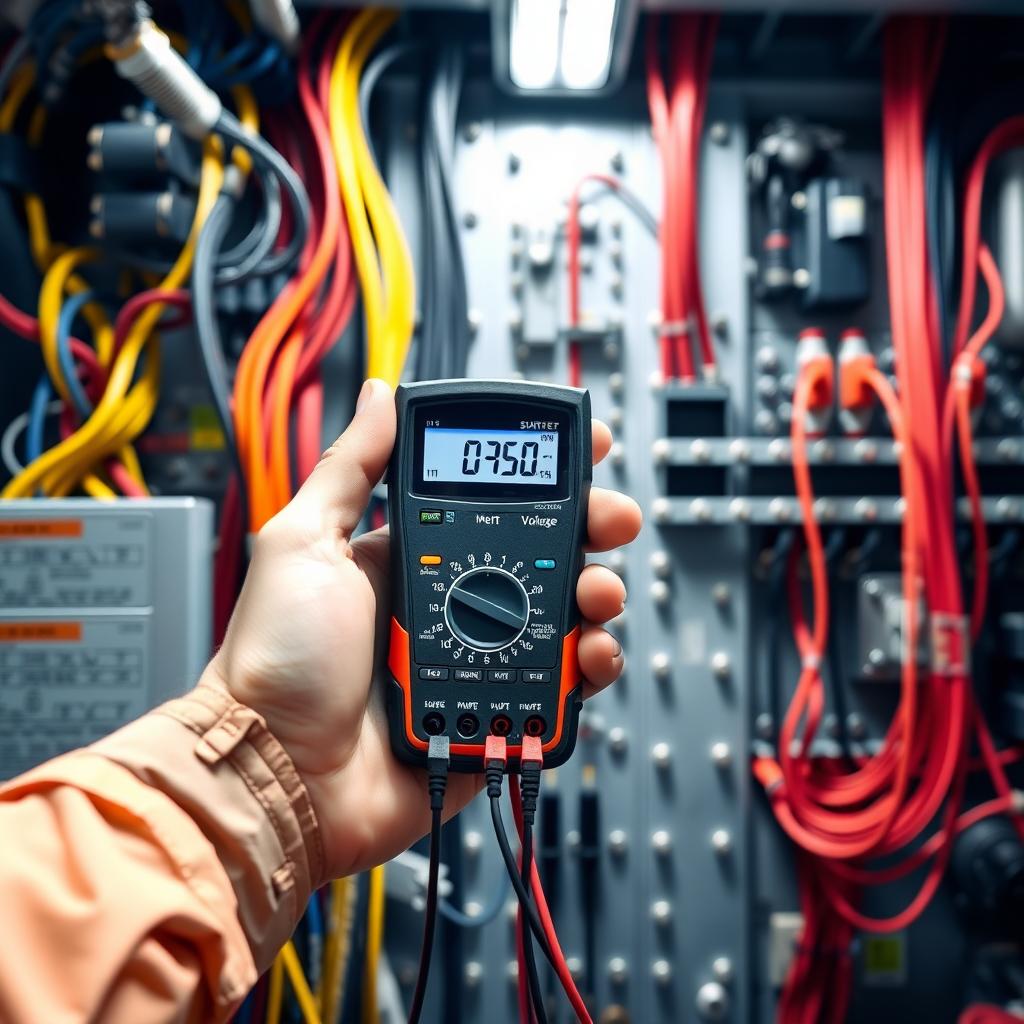
Testing and troubleshooting are critical in automation. Smart multimeters go beyond traditional models by connecting to smartphones or computers for real-time data logging. They measure voltage, current, and resistance with high accuracy, often displaying results on a digital interface.
A friend who works in industrial maintenance swears by Fluke’s smart multimeters. He once diagnosed a faulty circuit in a conveyor system in minutes, thanks to the tool’s data logging feature. It’s a game-changer for spotting issues before they cause downtime.
4. Robotic Installation Systems
Robotic tools are the future of automation. These systems, often paired with AI, handle tasks like soldering, circuit board assembly, or even installing entire electrical systems. They’re precise, tireless, and perfect for high-volume production.
I visited a factory where robotic arms installed wiring harnesses for electric vehicles. The speed and accuracy were jaw-dropping—tasks that took humans hours were done in minutes. Companies like ABB and FANUC lead in this space.
Benefits of Using Advanced Electrical Tools
Why invest in these tools? Here’s a quick breakdown:
| Benefit | Description |
|---|---|
| Efficiency | Tasks like wiring or testing are completed faster, saving hours on projects. |
| Accuracy | Automated tools reduce human error, ensuring consistent results. |
| Safety | Features like insulated grips and automated shutoffs minimize risks. |
| Scalability | Tools like PLCs and robotic systems adapt to small or large projects. |
These benefits translate to real savings. For example, a 2023 study by the International Federation of Robotics showed that factories using automated tools saw a 15% increase in output and a 10% reduction in operational costs.
Choosing the Right Tools
Picking the right workman tools depends on your project. Here’s a checklist to guide you:
- Project Size: Small workshops might need only smart multimeters and automated crimpers, while large factories benefit from PLCs and robotics.
- Budget: High-end tools like robotic systems are pricey but ideal for large-scale operations.
- Ease of Use: Look for tools with intuitive interfaces, especially if your team isn’t tech-savvy.
- Compatibility: Ensure tools integrate with existing systems, like PLCs that support your machinery’s software.
I once advised a small contractor to invest in a mid-range PLC instead of a high-end model. It saved them thousands without sacrificing functionality. Always match the tool to the task.
Challenges and Solutions
Advanced tools aren’t without challenges. They can be expensive, and training staff takes time. However, the long-term gains outweigh these hurdles. To address costs, consider leasing equipment or starting with modular tools that can be upgraded. For training, many manufacturers like Siemens offer online tutorials or certifications.
I’ve seen teams hesitate to adopt new tools because of the learning curve. But after a few weeks of practice, they wonder how they ever managed without them. Start small, train consistently, and the results will follow.
The Future of Electrical Tools for Automation
The future is exciting. Tools are getting smarter with AI integration, allowing for predictive maintenance and real-time adjustments. For example, next-generation PLCs can detect equipment wear before it fails, saving millions in downtime costs. Wireless connectivity is also on the rise, making tools more flexible and easier to integrate.
I’m particularly excited about AI-driven robotics. Imagine a tool that not only installs wiring but also optimizes the layout for efficiency. We’re not far from that reality.
Summary
Advanced electrical tools for automation are transforming how we work. From PLCs to smart multimeters, these workman tools boost efficiency, accuracy, and safety. While challenges like cost and training exist, the benefits make them worth the investment. As technology evolves, these tools will only get smarter, paving the way for more innovative automation solutions.
Related advanced electrical tools for automation:
- Top 10 Smart Multimeters for Electricians in 2025
- Top Safety Practices for Electrical Projects: A Comprehensive Guide
- DIY Safety: Protecting Yourself While Working on Home Projects
- Understanding the Role of Ergonomics in Construction
- Top 10 Tools Every Workman Should Own for Any Job
- How to Fix Common Plumbing Problems at Home: A DIY Guide
- How to Choose the Best Hand Tools for Home Repairs
- The Ultimate Guide to Workman Tools for Automotive Repairs
- Woodworking 101: Essential Tools for Beginners
- Understanding Construction Site Hazards: A Comprehensive Guide to Staying Safe
- How to Choose the Best Tools for Electrical Projects: A Comprehensive Guide
- Screwdriver Safety Tips: How to Use Workman Tools Safely and Effectively