Overview: Why Ergonomics Matters in Construction
Construction is tough on the body. Workers lift heavy materials, bend for hours, and use tools that can strain muscles and joints. Understanding the role of ergonomics in construction means creating work environments that prioritize comfort, safety, and efficiency. By focusing on ergonomic practices, workers can stay healthier, work longer, and get more done.
What Is Ergonomics in Construction?
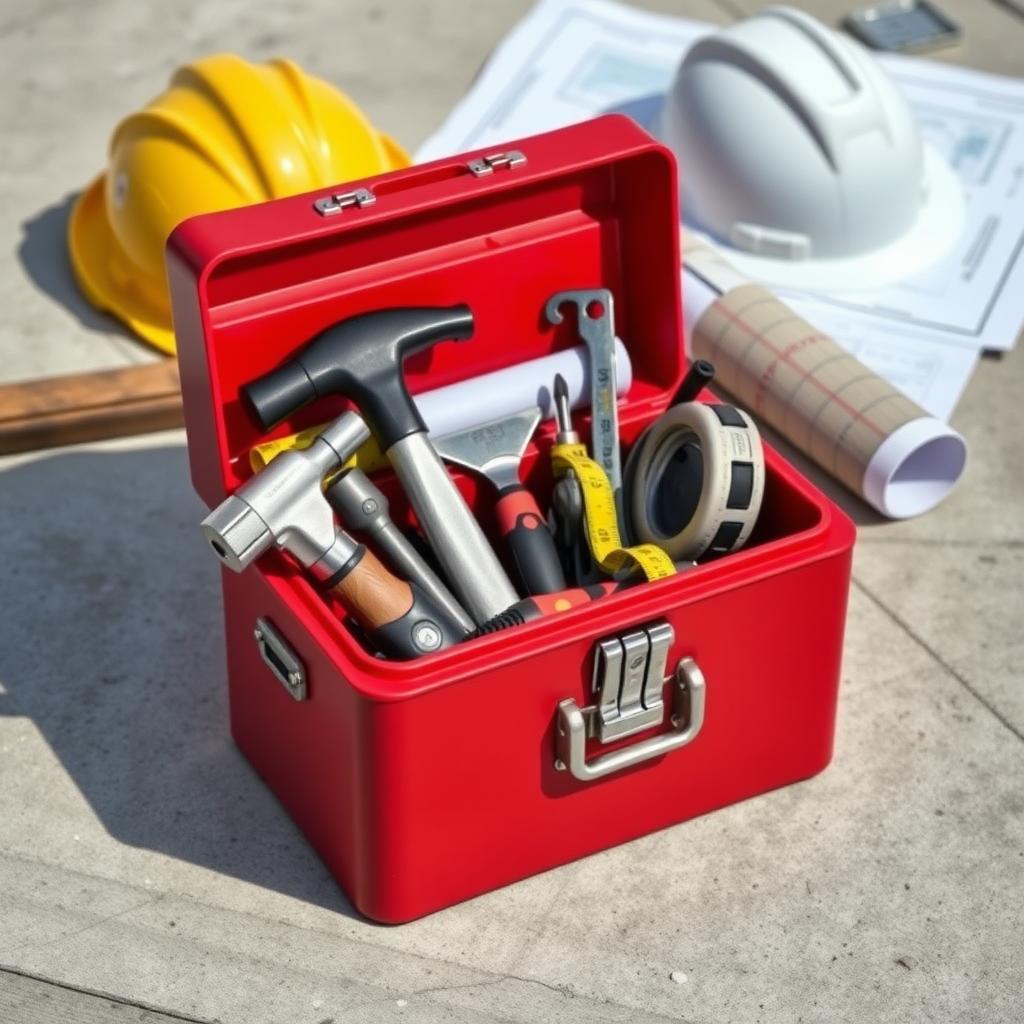
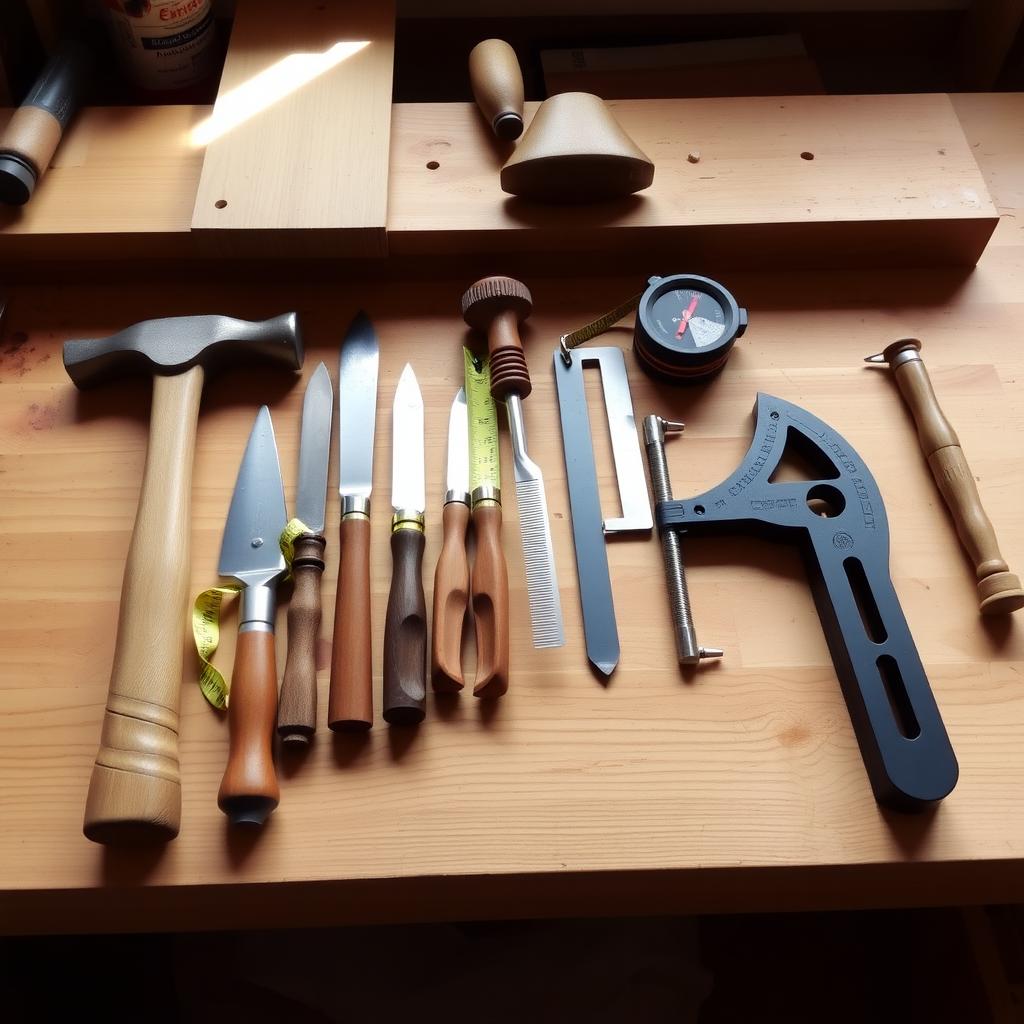
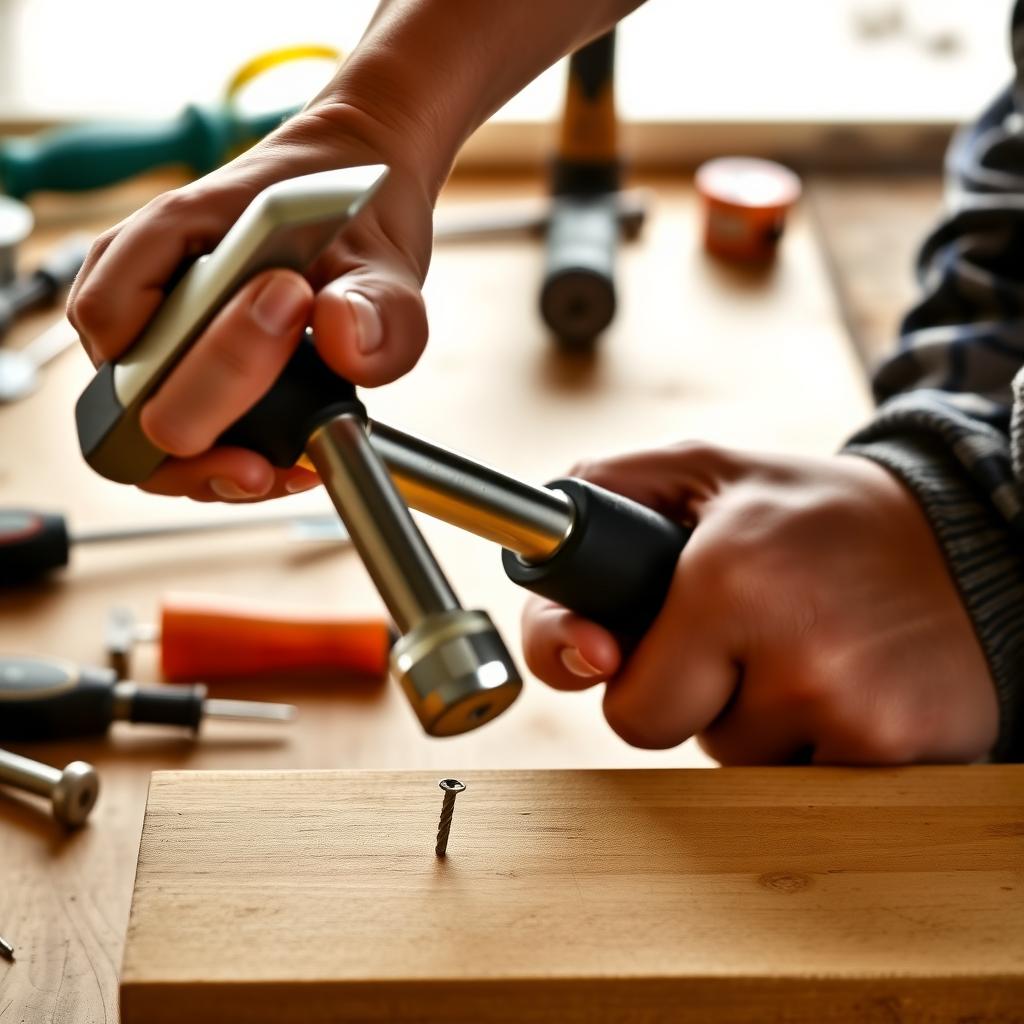
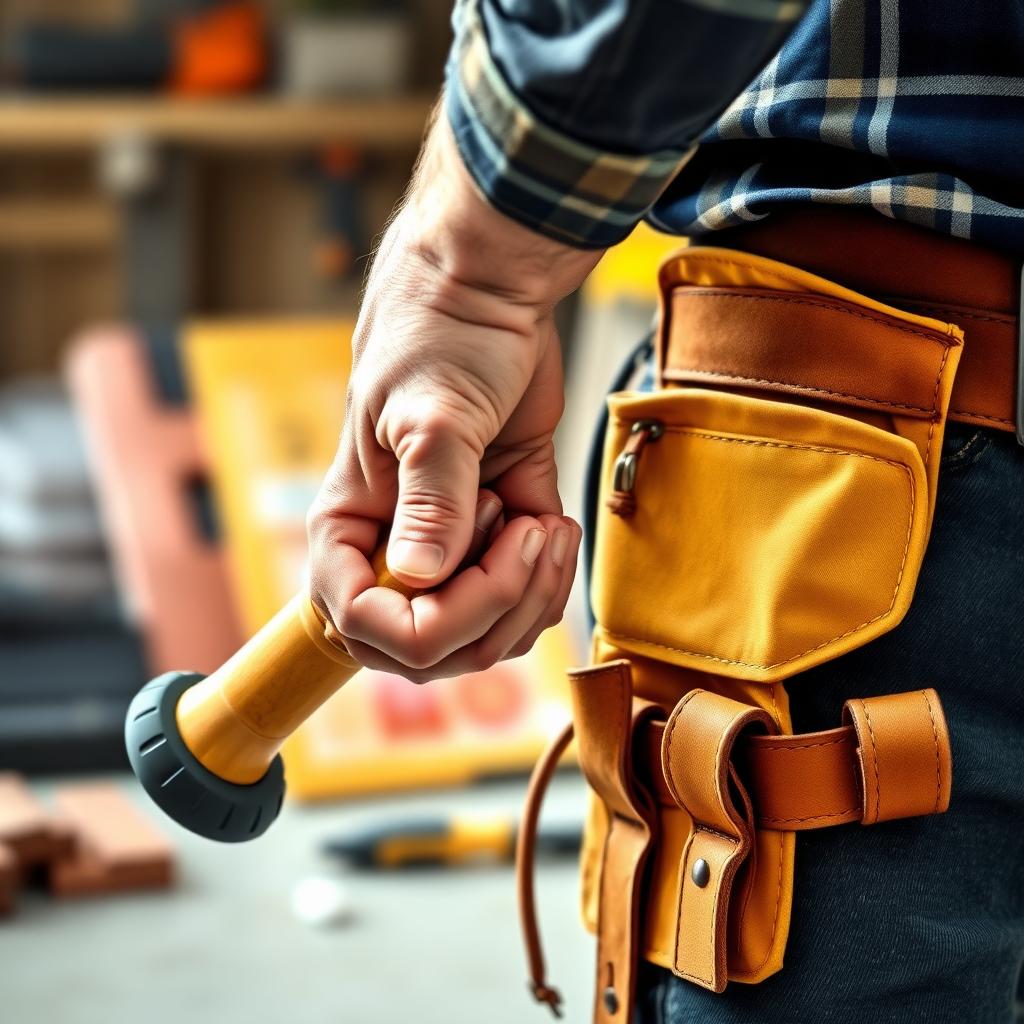
Ergonomics is the science of designing workplaces to fit the worker, not the other way around. In construction, this means adjusting tools, tasks, and environments to reduce physical strain. Think of it as making the job easier on your body. For example, a poorly designed hammer can cause wrist pain over time, while an ergonomically designed one reduces stress on joints.
Construction workers face risks like back injuries, repetitive strain, and fatigue. According to the U.S. Bureau of Labor Statistics, construction workers experience over 150,000 injuries annually, many preventable with better ergonomics. By addressing these risks, employers can cut down on injuries and boost productivity.
The Impact of Poor Ergonomics
Imagine carrying a 50-pound bag of cement all day with no break. Your back aches, your shoulders burn, and your grip weakens. This is what happens without ergonomic focus. Poor posture, repetitive motions, and heavy lifting lead to musculoskeletal disorders (MSDs). These injuries account for nearly 30% of construction-related absences, costing companies millions in downtime and medical expenses.
I’ve seen this firsthand on job sites. A friend, a mason for 15 years, developed chronic shoulder pain from using a heavy, unbalanced trowel. Switching to a lightweight, ergonomically designed tool made a huge difference. Small changes like this can transform a worker’s day-to-day experience.
The Role of Tool Belts with Ergonomic Designs
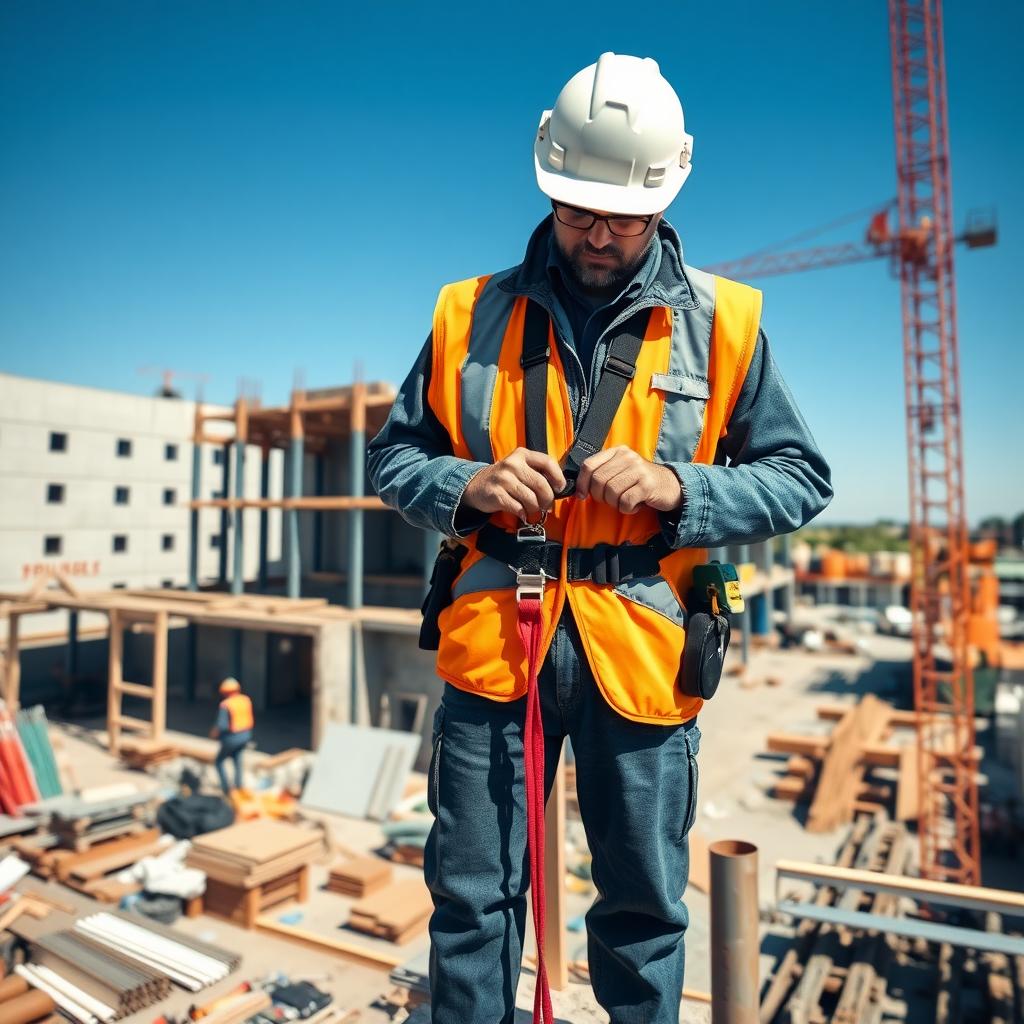
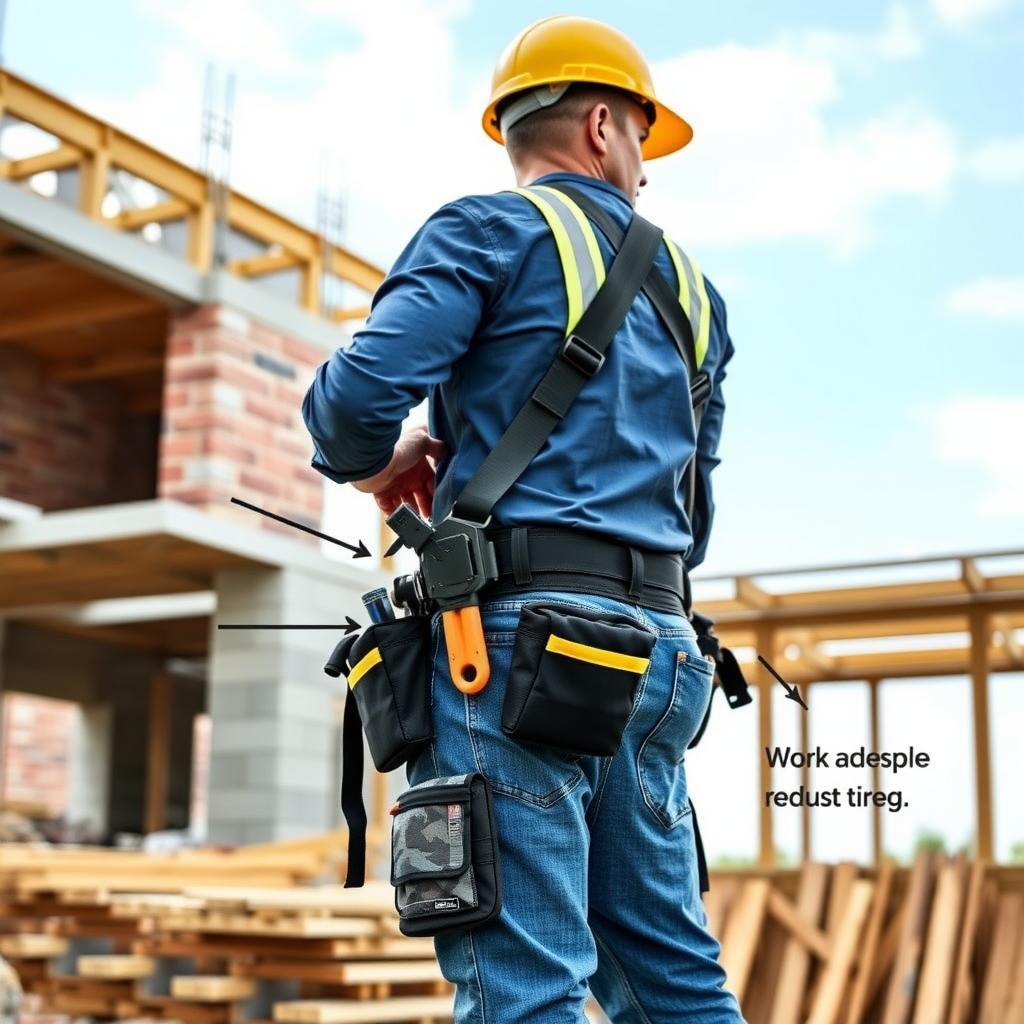
Tool belts are a construction worker’s lifeline, holding everything from hammers to screwdrivers. But not all tool belts are created equal. Tool belts with ergonomic designs prioritize weight distribution, comfort, and accessibility. They reduce strain on the hips and back, letting workers move freely without feeling weighed down.
A good ergonomic tool belt has padded straps, adjustable fittings, and balanced pockets to avoid uneven weight. For instance, instead of a single heavy pouch pulling on one side, ergonomic belts spread the load across the hips. This matters when you’re carrying 10-20 pounds of workman tools all day. Some brands, like Occidental Leather, even incorporate breathable materials to keep workers cool.
Benefits of Ergonomic Tool Belts
Why invest in a quality tool belt? Here’s a quick breakdown:
| Feature | Benefit |
|---|---|
| Padded Straps | Reduces pressure on hips and shoulders |
| Balanced Pockets | Prevents uneven strain on the body |
| Adjustable Fit | Suits different body types for comfort |
| Lightweight Materials | Lowers fatigue during long shifts |
I once spoke with a carpenter who switched to an ergonomic tool belt after years of back pain. He said it felt like “carrying half the weight.” That’s the power of smart design. These belts don’t just make work more comfortable—they help workers stay on the job longer without injury.
Choosing the Right Workman Tools
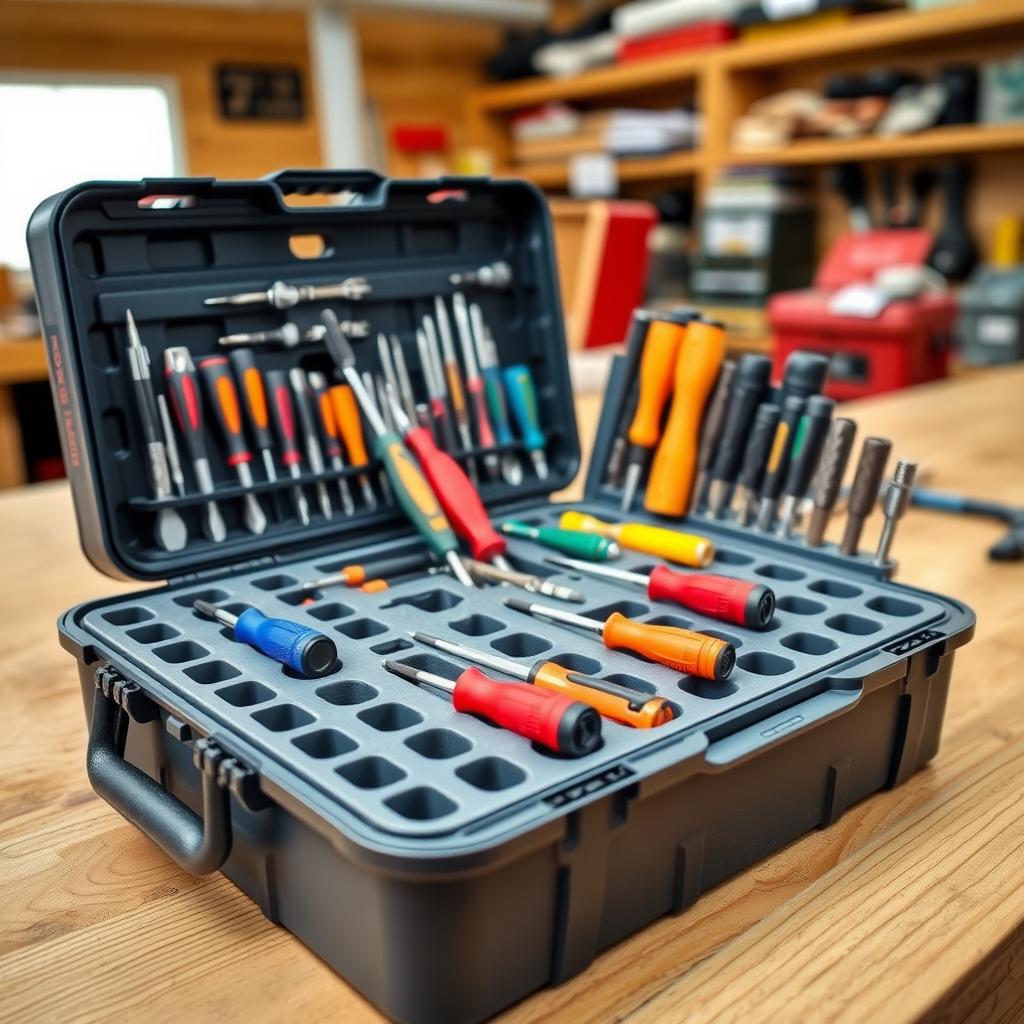
Beyond tool belts, the tools themselves matter. Workman tools like hammers, drills, and saws should feel like extensions of your body, not obstacles. Look for tools with non-slip grips, lightweight materials, and designs that minimize vibration. For example, a drill with an ergonomic handle reduces wrist strain, especially during repetitive tasks like installing drywall.
When selecting tools, test them in your hand. Are they too heavy? Does the grip feel natural? A 2019 study by the National Institute for Occupational Safety and Health (NIOSH) found that ergonomic tools can reduce hand and wrist injuries by up to 20%. That’s a big deal for workers who rely on their hands daily.
Practical Tips for Implementing Ergonomics
Bringing ergonomics to the construction site isn’t just about buying new tools. It’s about changing how work gets done. Here are some actionable steps:
- Assess the Job Site: Look for tasks that involve repetitive motions or heavy lifting. Can you use a dolly instead of carrying materials? Can tasks be rotated to reduce strain?
- Train Workers: Teach proper lifting techniques, like bending at the knees, not the waist. Regular training keeps ergonomics top of mind.
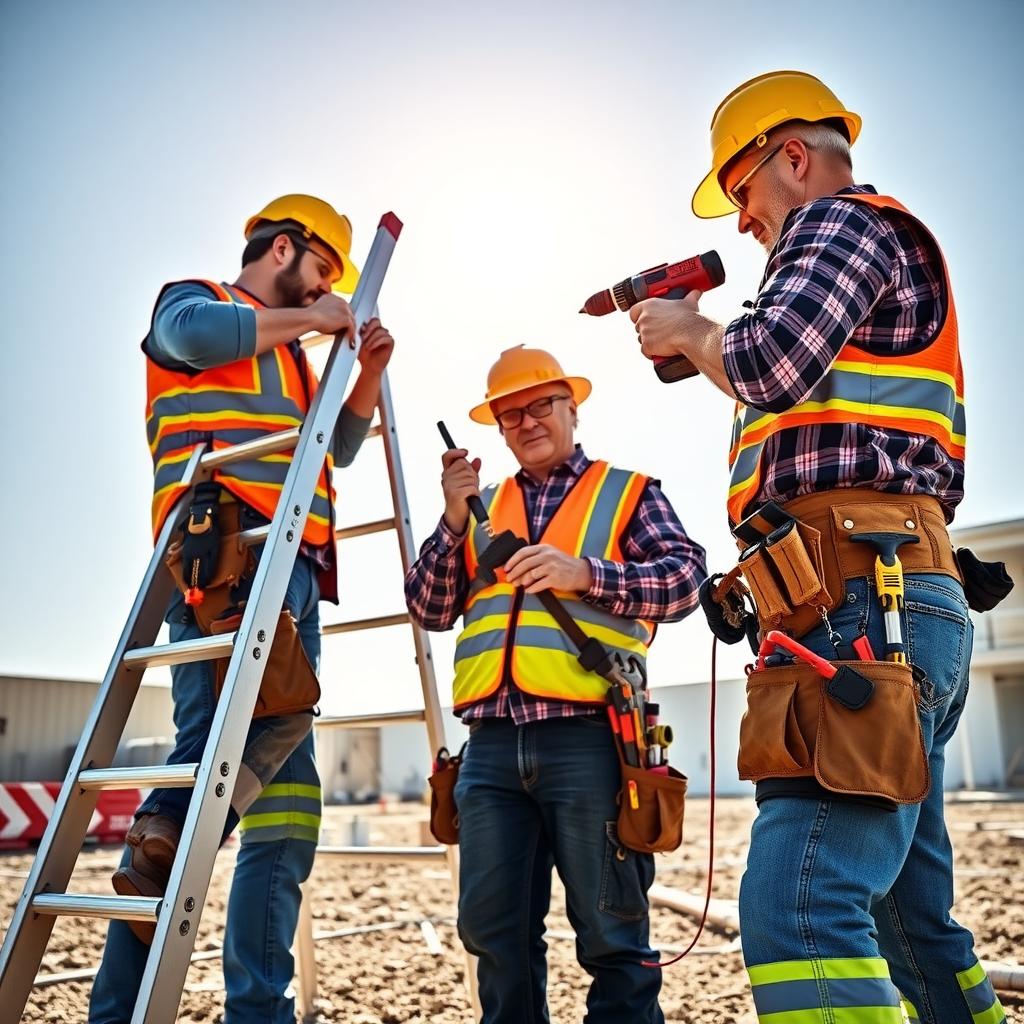
- Invest in Equipment: Beyond tool belts, consider ergonomic ladders, adjustable scaffolds, or powered tools that reduce manual effort.
- Take Breaks: Short, frequent breaks prevent fatigue. Even a five-minute stretch can reset your body.
On one site I visited, the crew used a rotating schedule for heavy tasks like concrete pouring. Workers switched roles every hour, reducing strain and keeping everyone fresh. It’s a simple fix with big results.
The Bigger Picture: Ergonomics and Productivity
Ergonomics isn’t just about preventing injuries—it’s about working smarter. When workers aren’t exhausted or in pain, they can focus better and work faster. A 2021 study by the Construction Industry Institute found that ergonomic improvements led to a 15% increase in productivity on job sites. That’s time and money saved.
Think about it: a worker with a comfortable tool belt and lightweight tools can move quicker and make fewer mistakes. They’re not distracted by a sore back or cramped hands. Over time, these small gains add up, benefiting both workers and employers.
Challenges to Adopting Ergonomics
Despite the benefits, some construction companies hesitate to invest in ergonomics. Cost is a big concern—ergonomic tool belts and workman tools can be pricier than standard options. But the upfront cost pales in comparison to medical bills and lost productivity from injuries.
Another challenge is resistance to change. Workers used to old-school methods might scoff at new tools or techniques. I’ve heard guys on sites say, “I’ve always done it this way.” But once they try an ergonomic setup, they rarely go back. Education and hands-on demos can help bridge this gap.
Summary: Building a Healthier Future
Understanding the role of ergonomics in construction is about more than fancy tools—it’s about keeping workers safe and productive. Tool belts with ergonomic designs, well-chosen workman tools, and smart work practices can transform a job site. By prioritizing ergonomics, construction companies can reduce injuries, save money, and create a workplace where people thrive. Start small—try a new tool belt or adjust a task—and watch the benefits stack up.
Related Understanding the Role of Ergonomics in Construction:
- Top 10 Tools Every Workman Should Own for Any Job
- How to Fix Common Plumbing Problems at Home: A DIY Guide
- How to Choose the Best Hand Tools for Home Repairs
- The Ultimate Guide to Workman Tools for Automotive Repairs
- Woodworking 101: Essential Tools for Beginners
- Understanding Construction Site Hazards: A Comprehensive Guide to Staying Safe
- How to Choose the Best Tools for Electrical Projects: A Comprehensive Guide
- Screwdriver Safety Tips: How to Use Workman Tools Safely and Effectively
- How to Use a Hammer Safely: A Beginner’s Guide to Mastering This Essential Tool
- Organizing Your Tool Shed Like a Pro: A Step-by-Step Guide
- Woodworking Tools Every DIY Enthusiast Should Own
- Must-Have Hand Tools for Mechanics: Your Essential Guide