Overview
Plumbing problems can disrupt your home and wallet, but many issues are fixable with the right know-how and tools. From dripping faucets to clogged drains, this guide walks you through solving common plumbing problems at home. With practical tips and a bit of elbow grease, you’ll save on costly repairs.
Why DIY Plumbing Matters
Plumbing issues, like a slow drain or a noisy toilet, often start small but can escalate fast. Fixing them yourself not only saves money but also builds confidence in handling home maintenance. I’ve tackled my fair share of leaks and clogs, and trust me, the satisfaction of fixing a dripping faucet is unbeatable. Plus, knowing How to Fix Common Plumbing Problems at Home empowers you to act before a small issue becomes a flood.
Common Plumbing Problems and Their Fixes
Let’s dive into the most frequent plumbing headaches and how to address them. These step-by-step solutions are designed for beginners, so don’t worry if you’re new to this.
1. Leaky Faucet
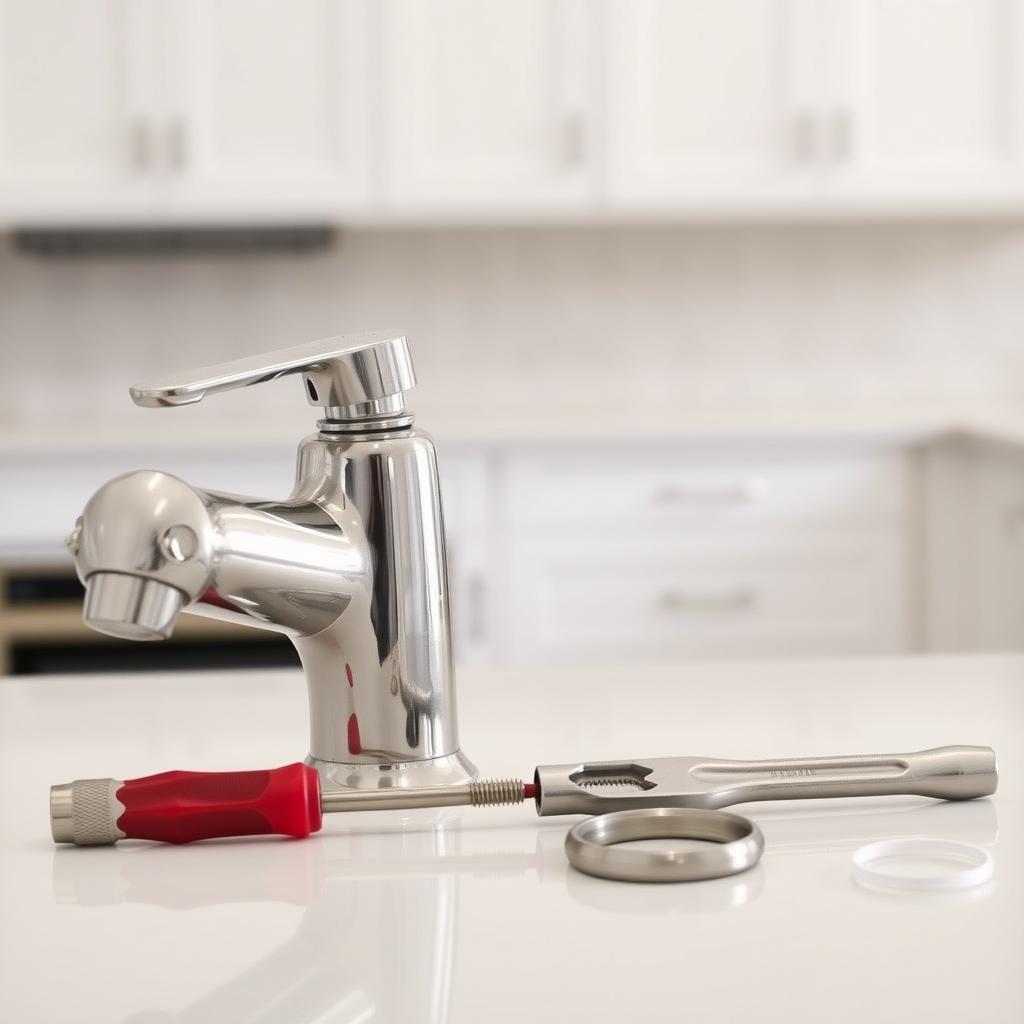
A dripping faucet wastes water and drives up your bill. The culprit is often a worn-out washer or O-ring inside the faucet. Here’s how to fix it: 1. Turn off the water supply under the sink. 2. Remove the faucet handle using a screwdriver. 3. Replace the washer or O-ring (take the old one to a hardware store for an exact match). 4. Reassemble and test for leaks.
Pro Tip: Keep a small container nearby to catch tiny screws. I learned this the hard way after losing one down the drain!
2. Clogged Drain
Clogged drains are a pain, whether it’s your sink or shower. Hair, soap, and grease are common culprits. Try these steps: - Use a plunger: A few firm plunges can dislodge minor clogs. - Try a drain snake: Insert it into the drain to pull out debris. - Flush with hot water: Pour boiling water down the drain to melt grease.
If the clog persists, avoid chemical cleaners—they can damage pipes. Instead, call a pro if the blockage is deep.
3. Running Toilet
A toilet that won’t stop running can waste gallons of water daily. The issue is usually a faulty flapper or fill valve. Here’s the fix: 1. Turn off the water at the shut-off valve. 2. Inspect the flapper: If it’s worn or warped, replace it (about $5 at hardware stores). 3. Check the chain: Adjust its length if it’s too tight or loose. 4. Test the fill valve: If it’s faulty, replace it following the manufacturer’s guide.
I once fixed a running toilet in 20 minutes, and the water bill thanked me!
How to Choose the Right Pipe for Your Plumbing Needs
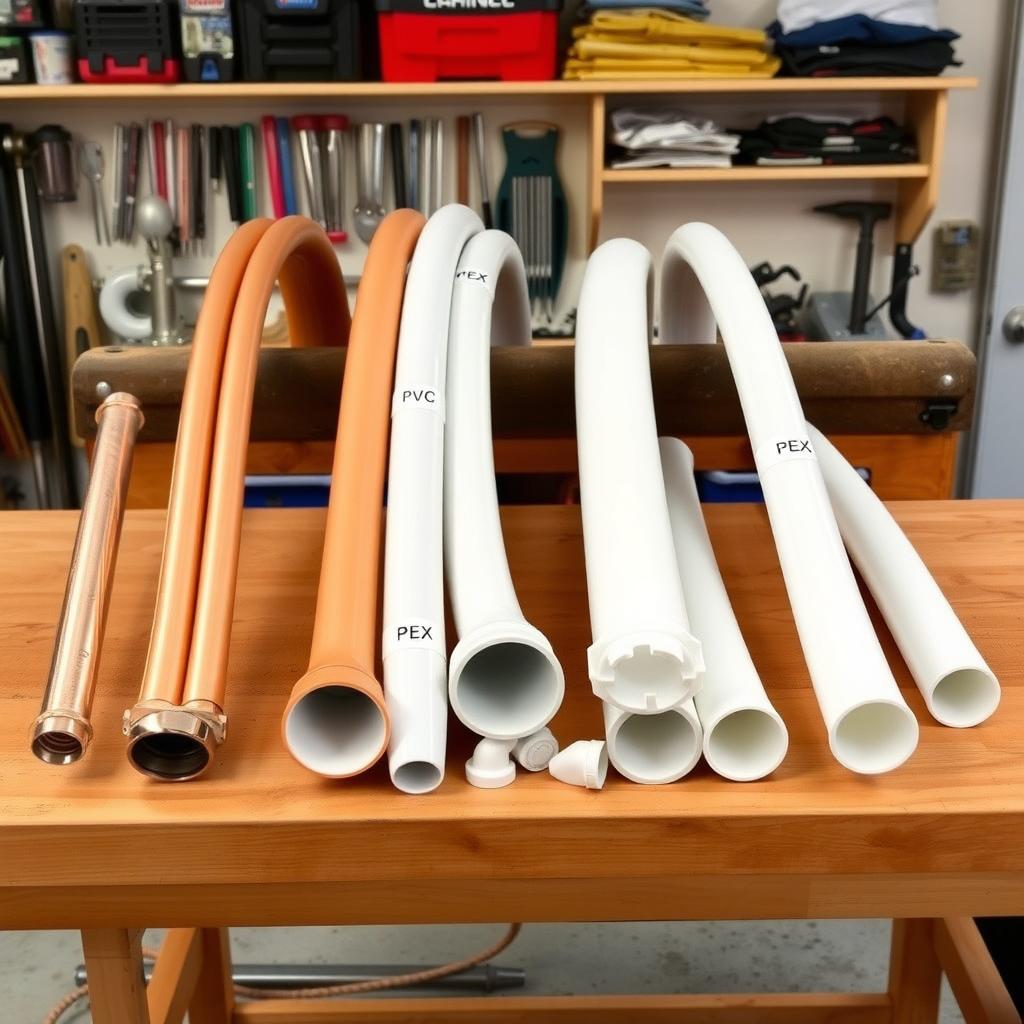
Selecting the right pipe is critical for repairs or upgrades. Pipes come in materials like copper, PVC, and PEX, each with pros and cons. Here’s a quick guide:
| Pipe Type | Pros | Cons |
|---|---|---|
| Copper | Durable, heat-resistant | Expensive, requires soldering |
| PVC | Affordable, easy to cut | Not for hot water |
| PEX | Flexible, easy to install | Less durable long-term |
For most home repairs, PEX is a DIY favorite due to its flexibility and ease of use. When I replaced a section of pipe under my sink, PEX saved me hours of frustration. Always check local codes, as some areas restrict certain materials. For detailed guidance, Family Handyman offers excellent pipe selection tips.
Top 10 Plumbing Tools Every DIYer Should Own
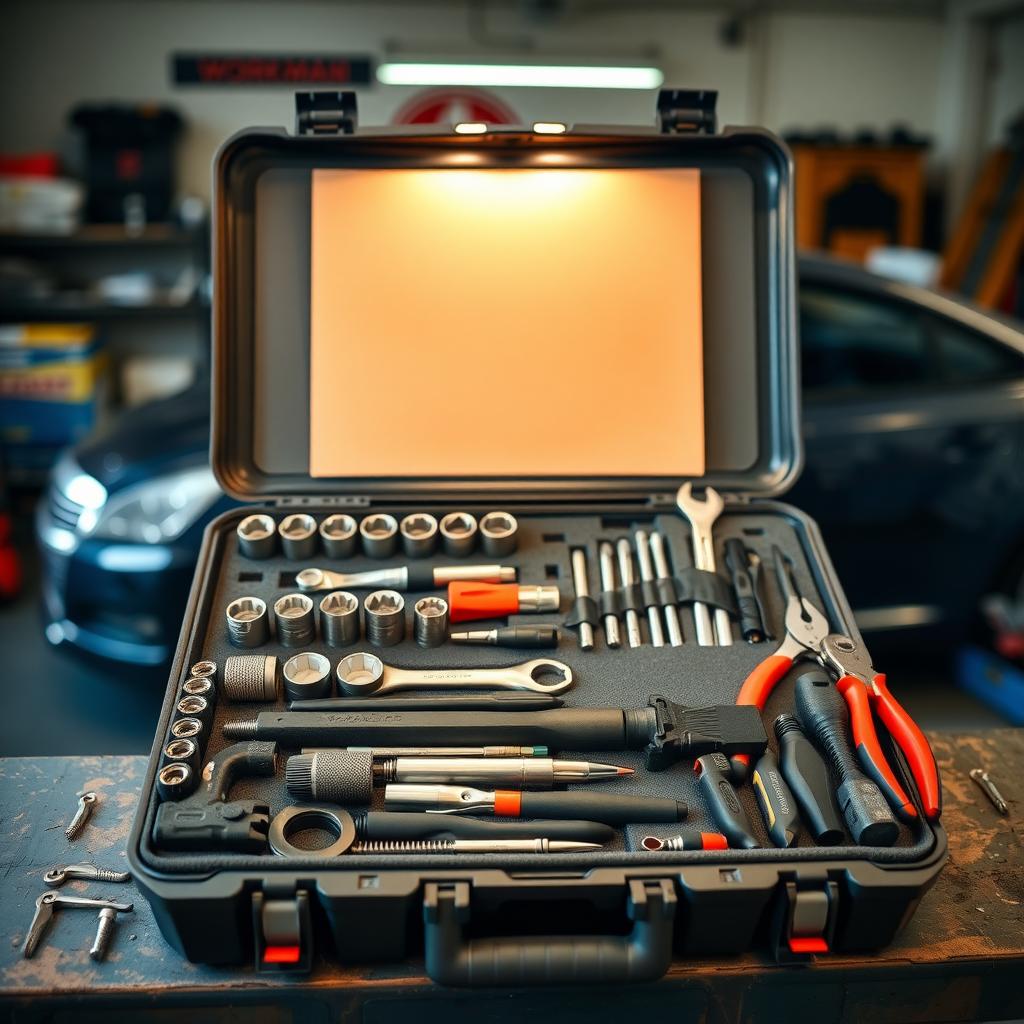
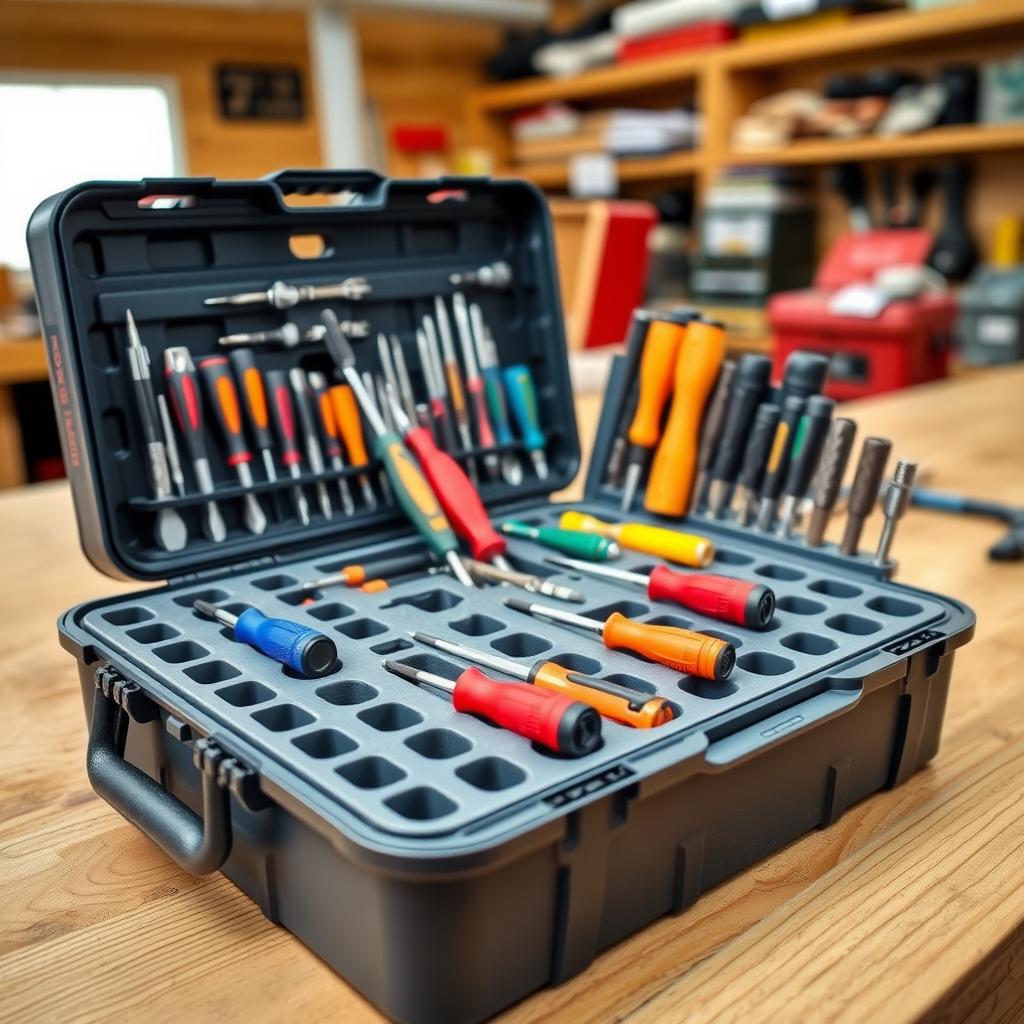
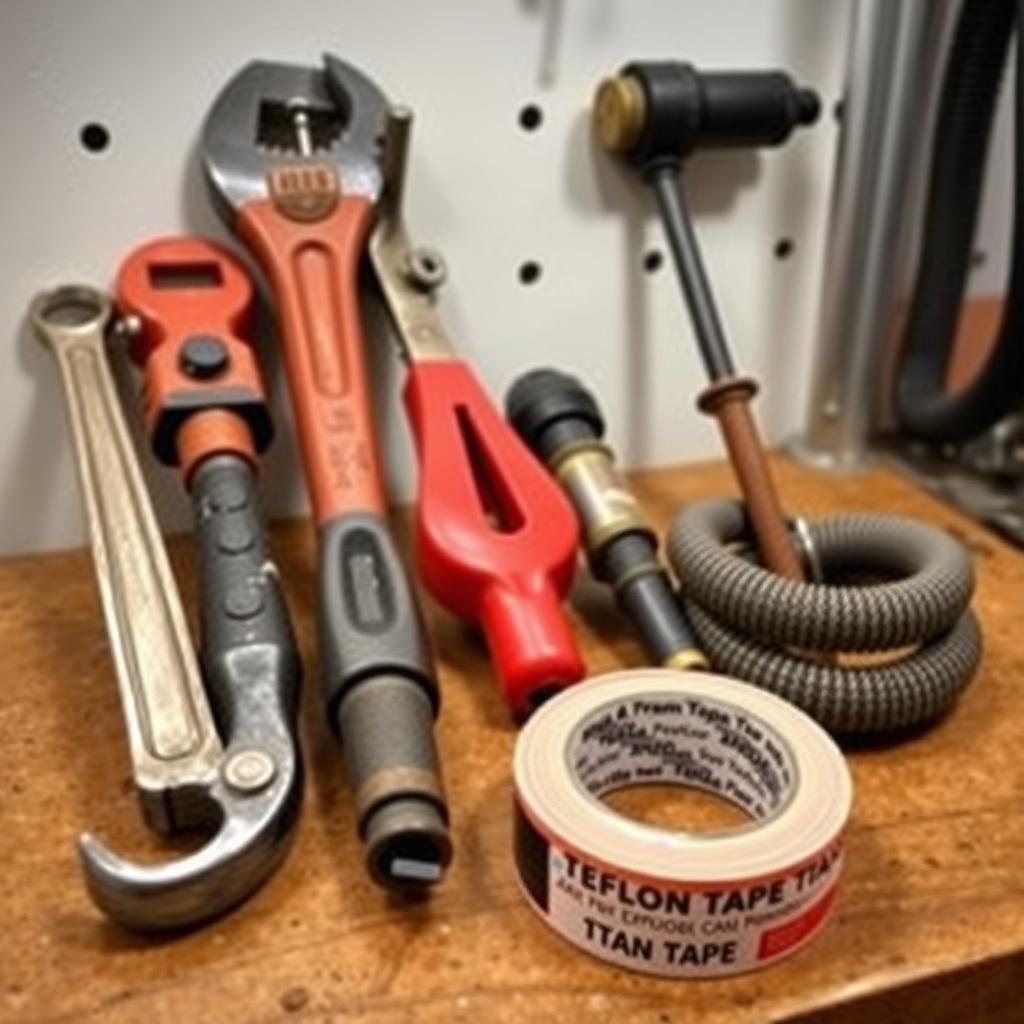
Having the right tools makes all the difference. Here’s a list of must-have workman tools for plumbing projects that I’ve found invaluable: 1. Adjustable Wrench: For tightening or loosening fittings. 2. Pipe Wrench: Perfect for gripping round pipes. 3. Plunger: A must for unclogging drains and toilets. 4. Drain Snake: Clears stubborn clogs. 5. Pipe Cutter: For clean, precise cuts on pipes. 6. Teflon Tape: Seals threaded connections to prevent leaks. 7. Plumber’s Torch: For soldering copper pipes. 8. Hacksaw: Cuts through metal or plastic pipes. 9. Basin Wrench: Reaches tight spaces under sinks. 10. Level: Ensures pipes are aligned properly.
Investing in these tools saved me countless trips to the hardware store. A good adjustable wrench, for instance, has been my go-to for nearly every project.
Choosing the Right Tools for Your Plumbing Needs
Not all tools are created equal, and picking the right ones depends on your project. For small fixes like a leaky faucet, a basic wrench and screwdriver will do. For bigger jobs, like replacing pipes, you’ll need a pipe cutter and torch. Always prioritize quality over price—cheap tools break fast. I once bought a bargain plunger that snapped mid-plunge, leaving me with a bigger mess. Check reviews on sites like This Old House to find reliable brands.
Tips for Successful DIY Plumbing
- Know your limits: If a job feels too big, call a professional. I once tried to fix a main water line and ended up with a flooded basement.
- Turn off the water: Always shut off the main valve before starting work.
- Keep a bucket handy: It catches drips and saves cleanup time.
- Test your work: After a repair, turn the water back on slowly and check for leaks.
- Learn from mistakes: Every DIY project teaches you something new.
These tips come from years of trial and error. The more you practice, the better you’ll get.
When to Call a Professional
Some problems, like major pipe bursts or sewer line issues, require a plumber’s expertise. If you’re unsure or the repair involves gas lines, don’t risk it. A licensed plumber can save you from costly mistakes. Websites like Angi can help you find trusted local pros.
Summary
Fixing common plumbing problems at home is achievable with the right tools and knowledge. From leaky faucets to clogged drains, you can handle most issues by following simple steps and choosing the right materials, like PEX or copper pipes. Invest in quality tools, stay patient, and know when to call a pro. With practice, you’ll master DIY plumbing and keep your home running smoothly.
Related How to Fix Common Plumbing Problems at Home:
- How to Choose the Best Hand Tools for Home Repairs
- The Ultimate Guide to Workman Tools for Automotive Repairs
- Woodworking 101: Essential Tools for Beginners
- Understanding Construction Site Hazards: A Comprehensive Guide to Staying Safe
- How to Choose the Best Tools for Electrical Projects: A Comprehensive Guide
- Screwdriver Safety Tips: How to Use Workman Tools Safely and Effectively
- How to Use a Hammer Safely: A Beginner’s Guide to Mastering This Essential Tool
- Organizing Your Tool Shed Like a Pro: A Step-by-Step Guide
- Woodworking Tools Every DIY Enthusiast Should Own
- Must-Have Hand Tools for Mechanics: Your Essential Guide
- Top Toolkits for Every Handyman: Building Your Essential Collection
- Mastering Joinery with Mortise Chisels: A Woodworker’s Guide