Overview
Home repairs can be a breeze with the right hand tools. Whether you're fixing a leaky faucet or building a shelf, having must-have workman tools for every toolbox ensures you're ready for any task. This guide dives into how to choose the best hand tools for home repairs, offering practical advice to make your DIY projects easier and more efficient.
Why Quality Hand Tools Matter
When I started doing home repairs, I grabbed the cheapest tools I could find. Big mistake. They broke, rusted, or just didn’t get the job done. Quality hand tools save time, reduce frustration, and last for years. Investing in reliable workman tools means you’re prepared for anything from minor fixes to major projects.
Good tools also improve safety. A dull blade or a wobbly hammer can lead to accidents. High-quality tools are designed with precision, offering better control and durability. For example, a sturdy screwdriver with a comfortable grip makes all the difference when tackling stubborn screws.
Must-Have Workman Tools for Every Toolbox
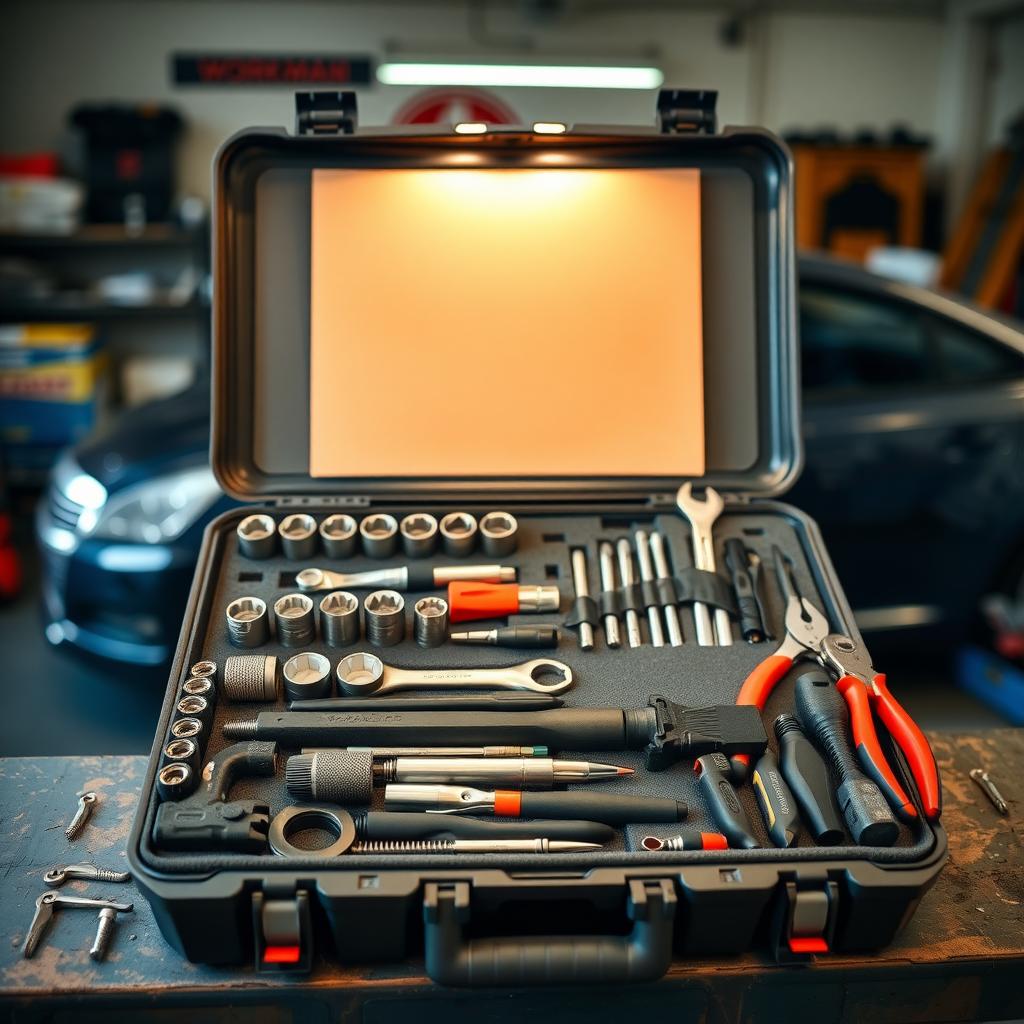
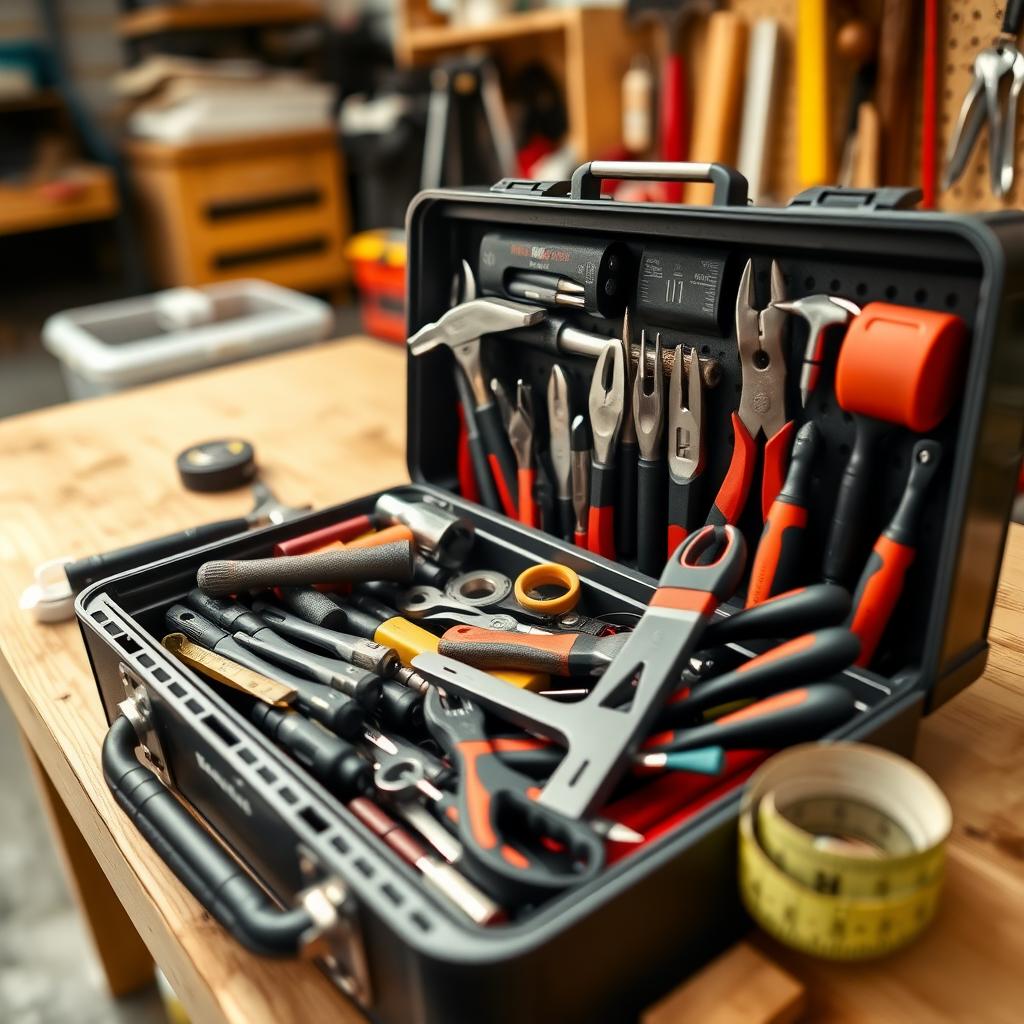
Building a solid toolbox starts with the essentials. Here’s a list of must-have workman tools for every toolbox, based on my years of tackling home repairs:
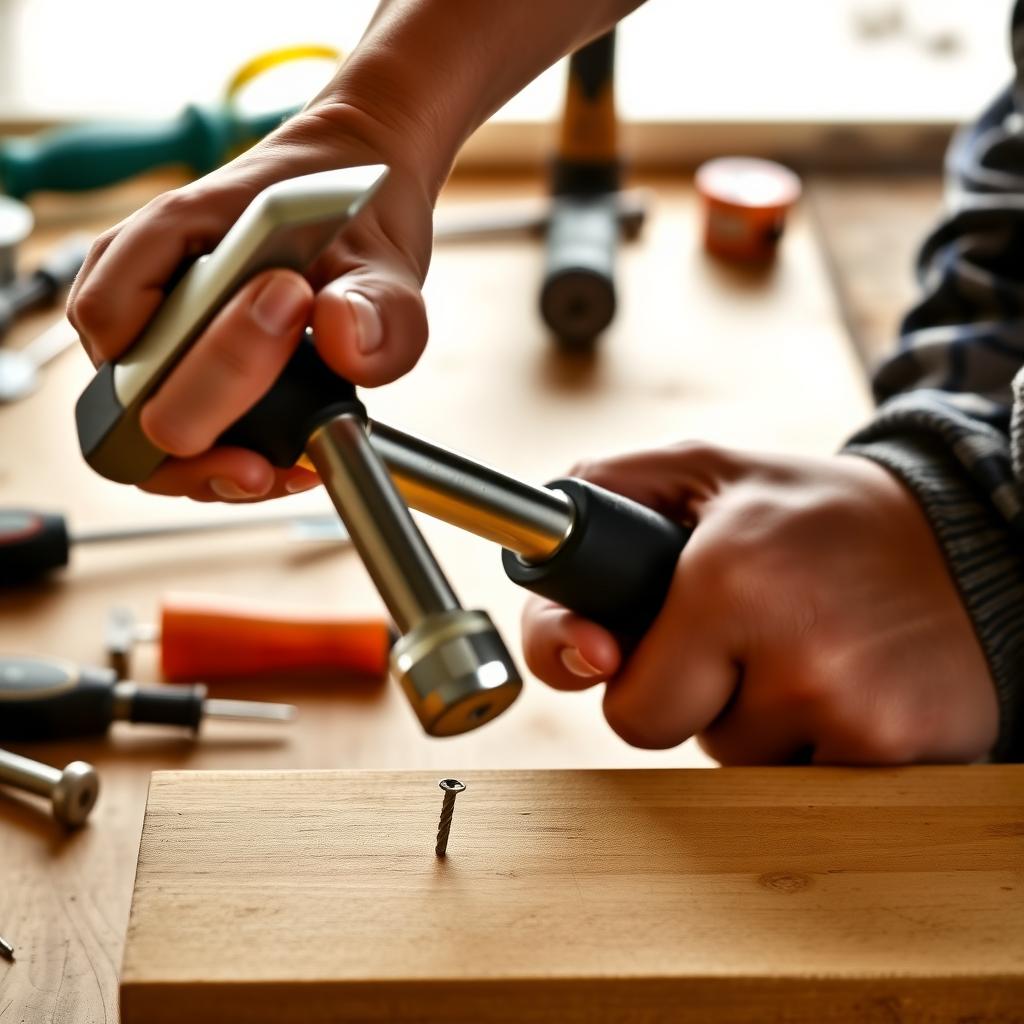
- Hammer: A 16-ounce claw hammer is versatile for driving nails and prying things apart. Look for a forged steel head and a comfortable grip.
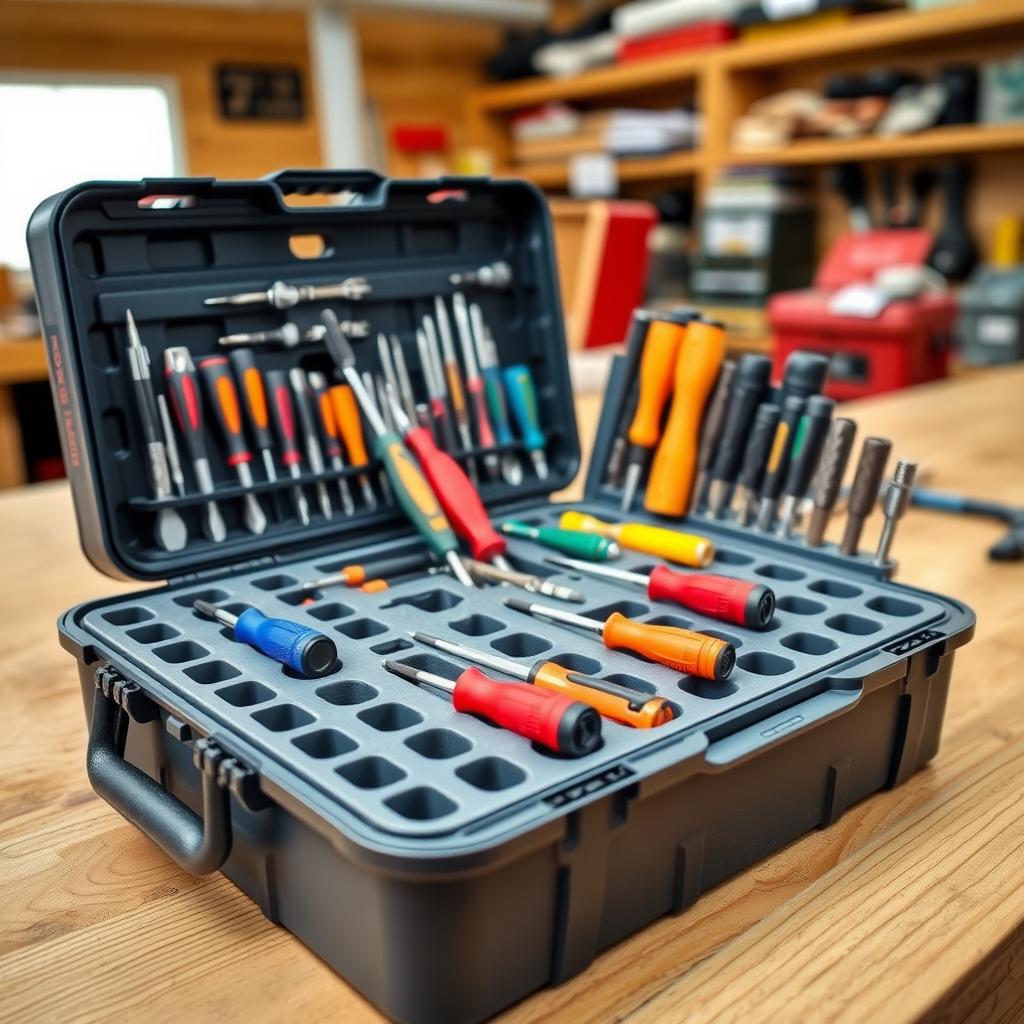
- Screwdrivers: Get a set with both flathead and Phillips heads in various sizes. Magnetic tips are a bonus for holding screws.
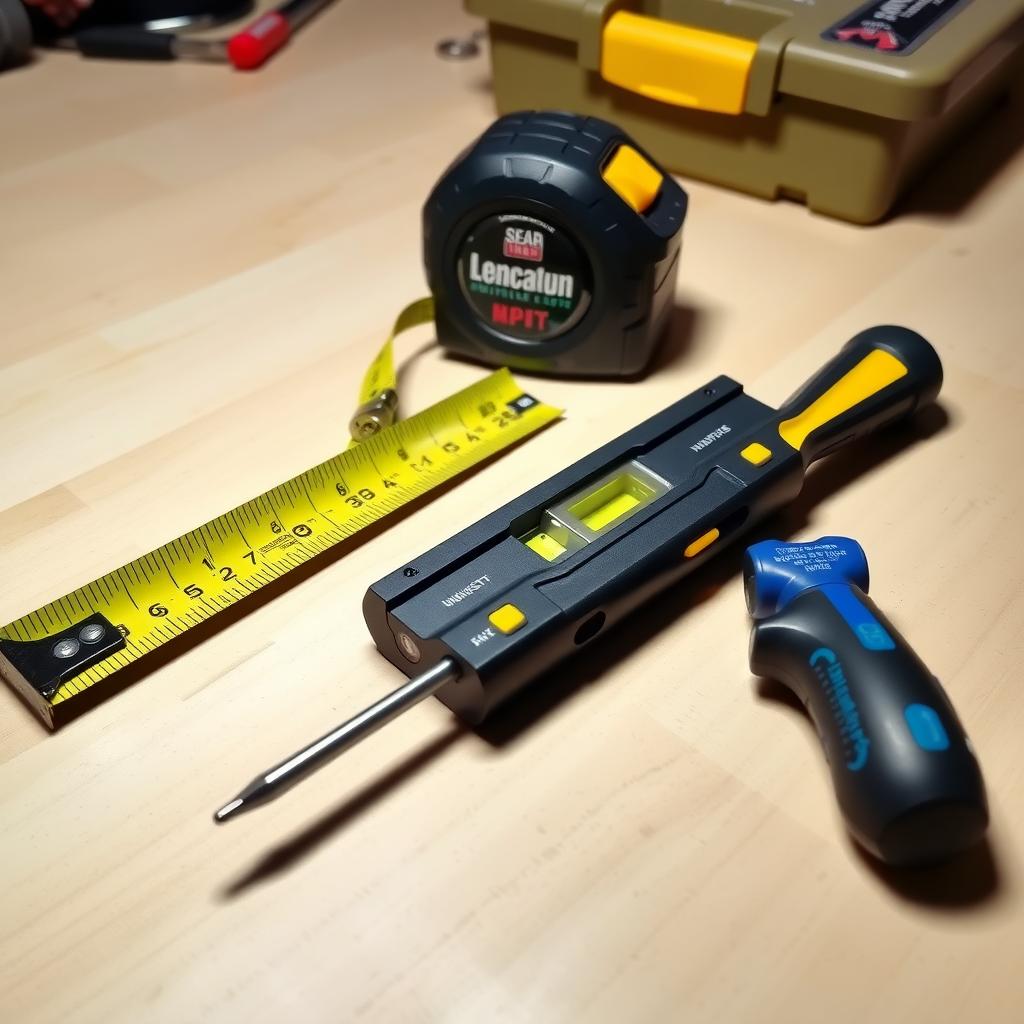
- Tape Measure: A 25-foot tape measure with a locking mechanism is ideal for most projects.
- Pliers: Needle-nose pliers for precision and slip-joint pliers for gripping are must-haves.
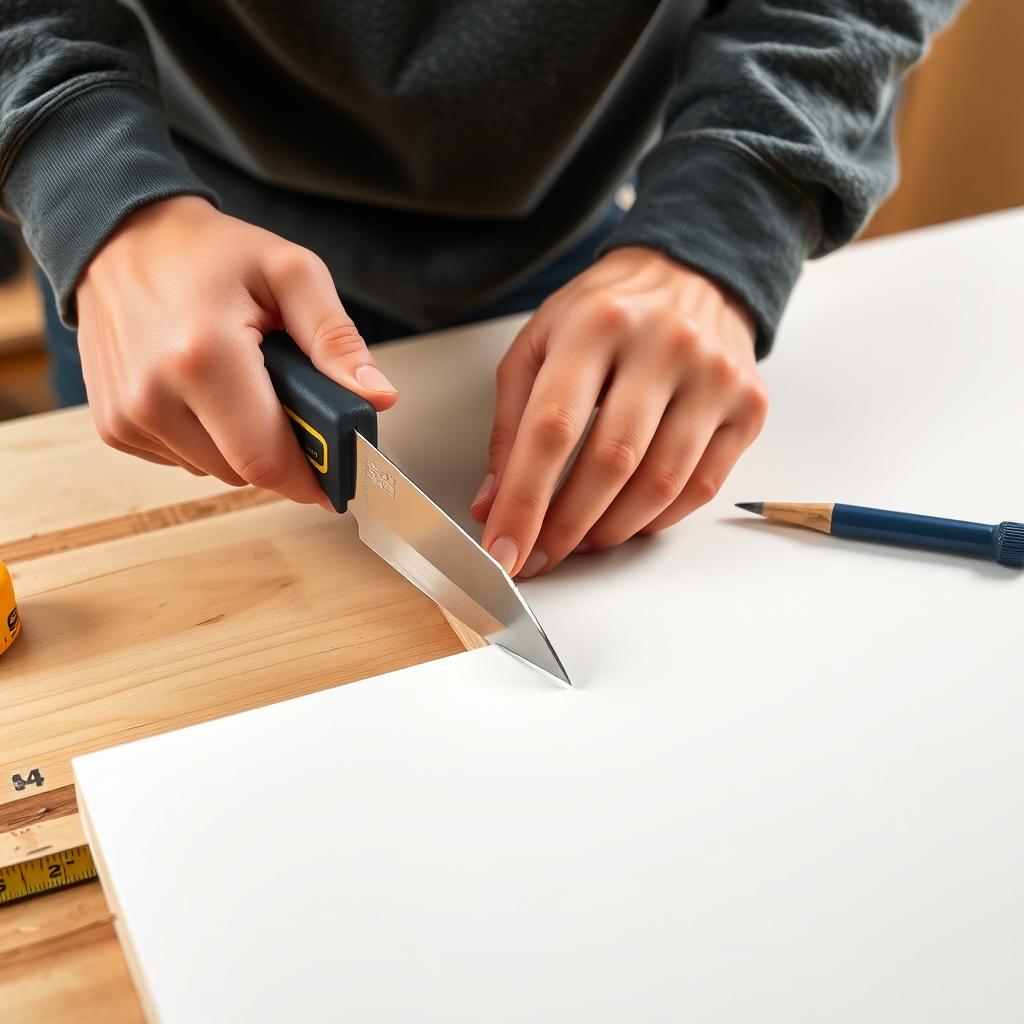
- Utility Knife: Perfect for cutting drywall, trimming carpet, or opening packages.
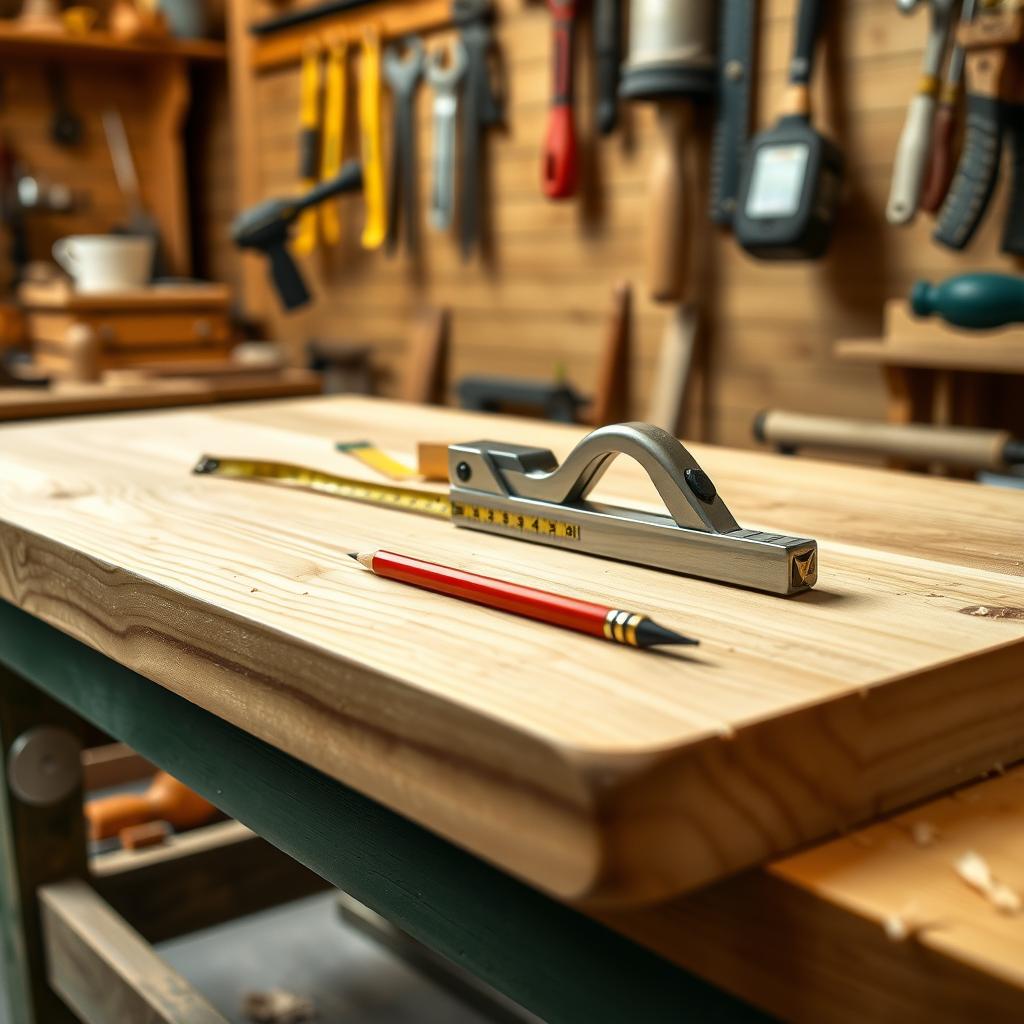
- Level: A 2-foot level ensures shelves and frames are straight.
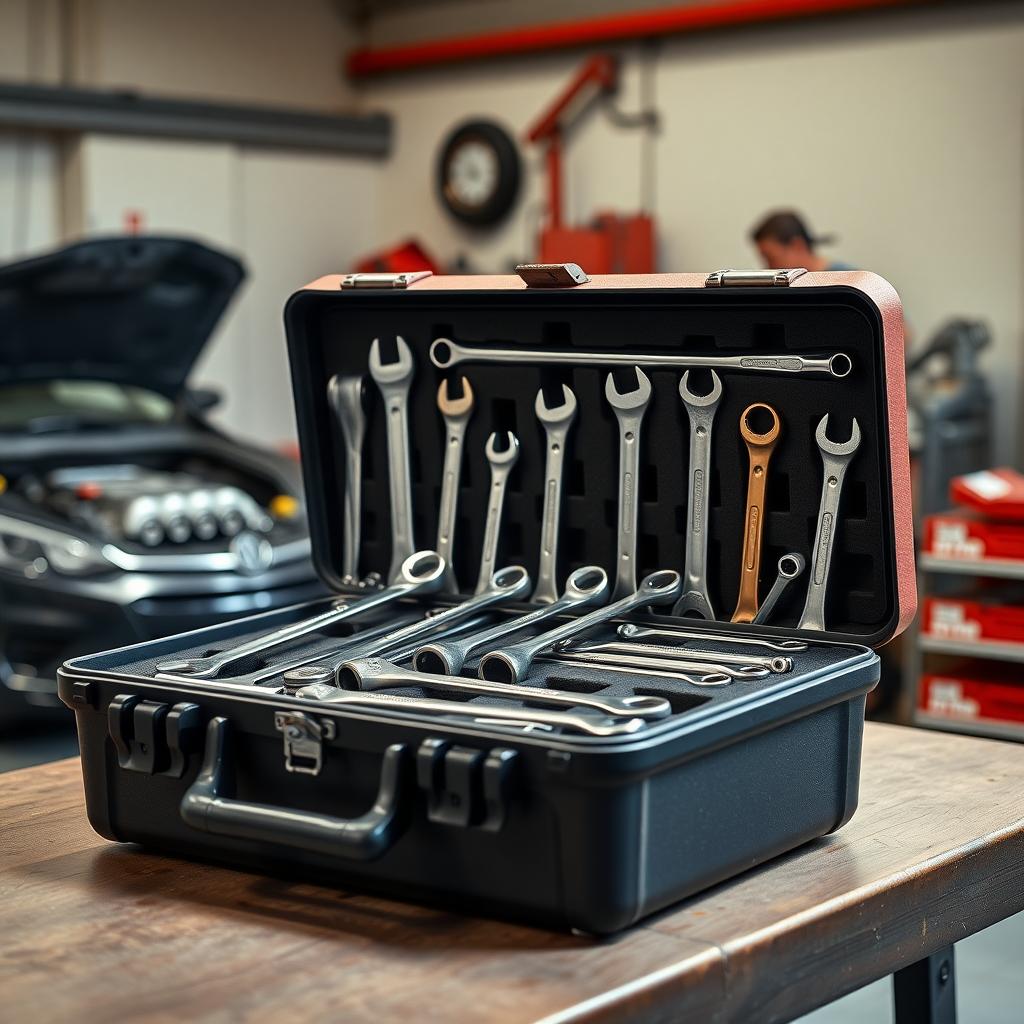
- Adjustable Wrench: A 10-inch wrench handles various bolt sizes.
These tools cover most basic repairs. As you grow your skills, you can add more specialized tools.
Choosing Cutting Tools for Precision
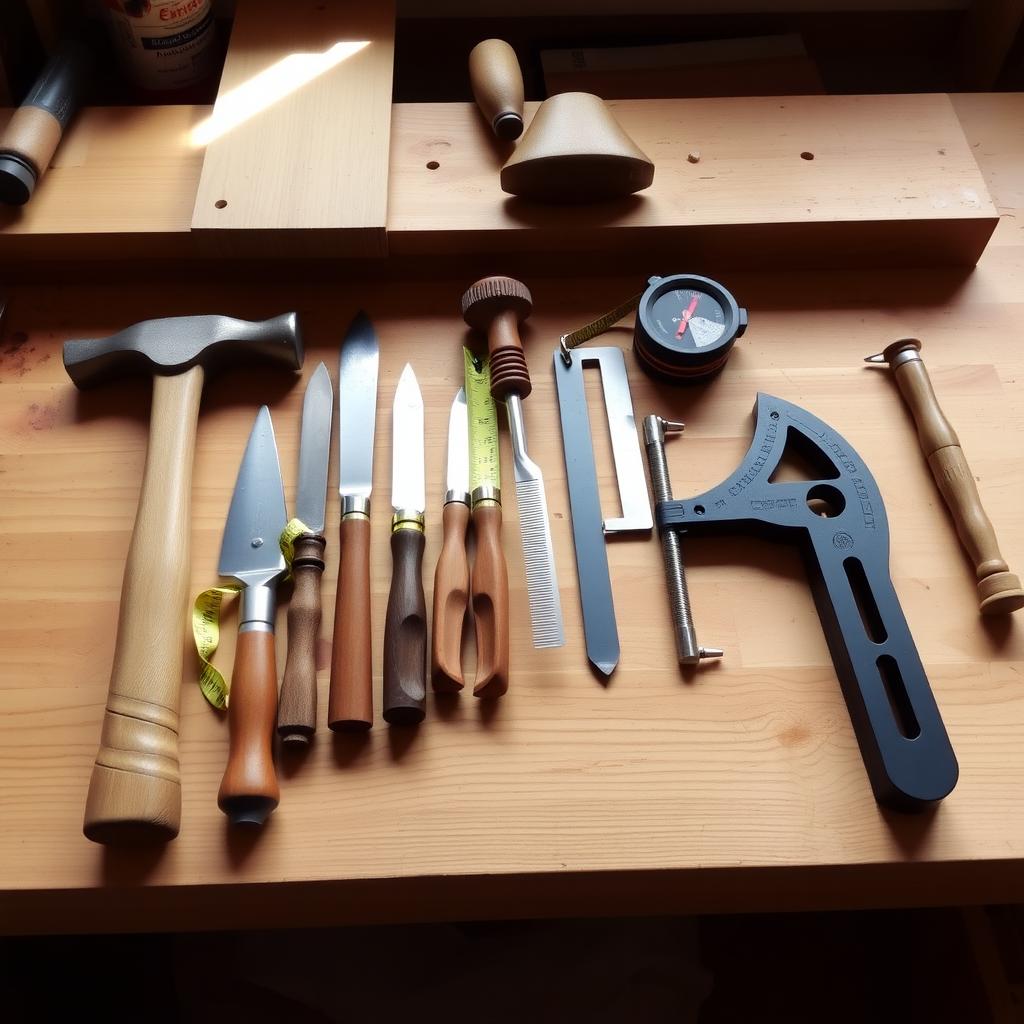
Cutting tools are critical for many home repairs, from trimming wood to slicing through drywall. When selecting cutting tools, prioritize sharpness, durability, and ease of use. Here are some key options:
| Tool | Use | Key Features to Look For |
|---|---|---|
| Utility Knife | Cutting drywall, rope, or carpet | Retractable blade, ergonomic handle |
| Hand Saw | Cutting wood or PVC | Sharp, rust-resistant blade, comfortable grip |
| Wire Cutters | Snipping wires or cables | Insulated handles for safety |
I once tried cutting drywall with a dull utility knife, and it was a nightmare—jagged edges and wasted time. A sharp, high-quality blade makes clean cuts and saves effort. For hand saws, I recommend a crosscut saw for general woodworking. Check out Fine Homebuilding for more on choosing cutting tools.
Factors to Consider When Choosing Hand Tools
Not all tools are created equal. Here’s what to keep in mind when shopping for workman tools:
1. Material and Build Quality
Look for tools made of high-carbon steel or chrome-vanadium for durability. Avoid plastic handles that crack easily. I’ve had a cheap hammer snap mid-swing—not fun.
2. Ergonomics
Comfort is key for long projects. Choose tools with cushioned, non-slip grips. A screwdriver that fits your hand reduces blisters and improves control.
3. Brand Reputation
Brands like Stanley, DeWalt, and Craftsman have a solid track record. Read reviews on sites like Popular Mechanics to find reliable options.
4. Versatility
Multi-purpose tools save space and money. An adjustable wrench, for example, handles various bolt sizes, reducing the need for multiple wrenches.
5. Budget
You don’t need to break the bank, but avoid the cheapest options. Mid-range tools often offer the best balance of quality and affordability for home use.
Organizing and Maintaining Your Tools
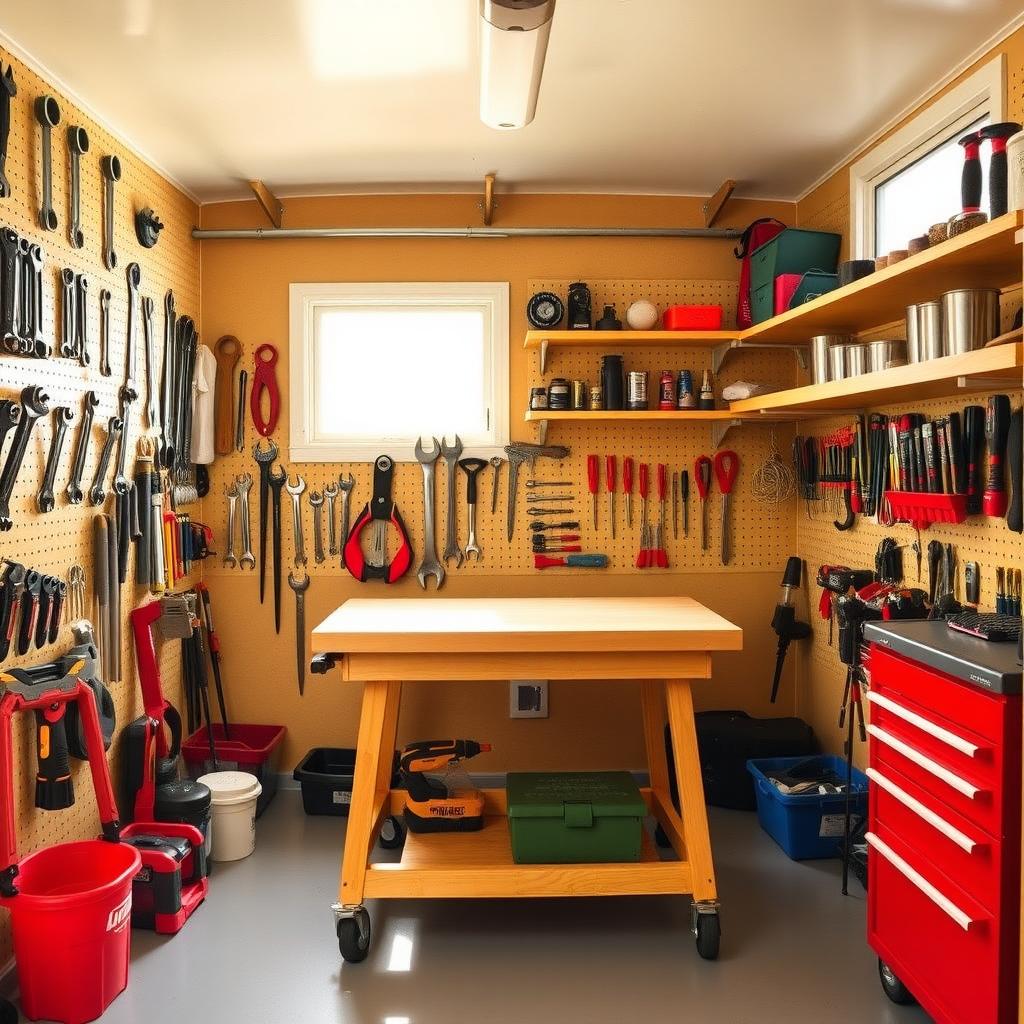
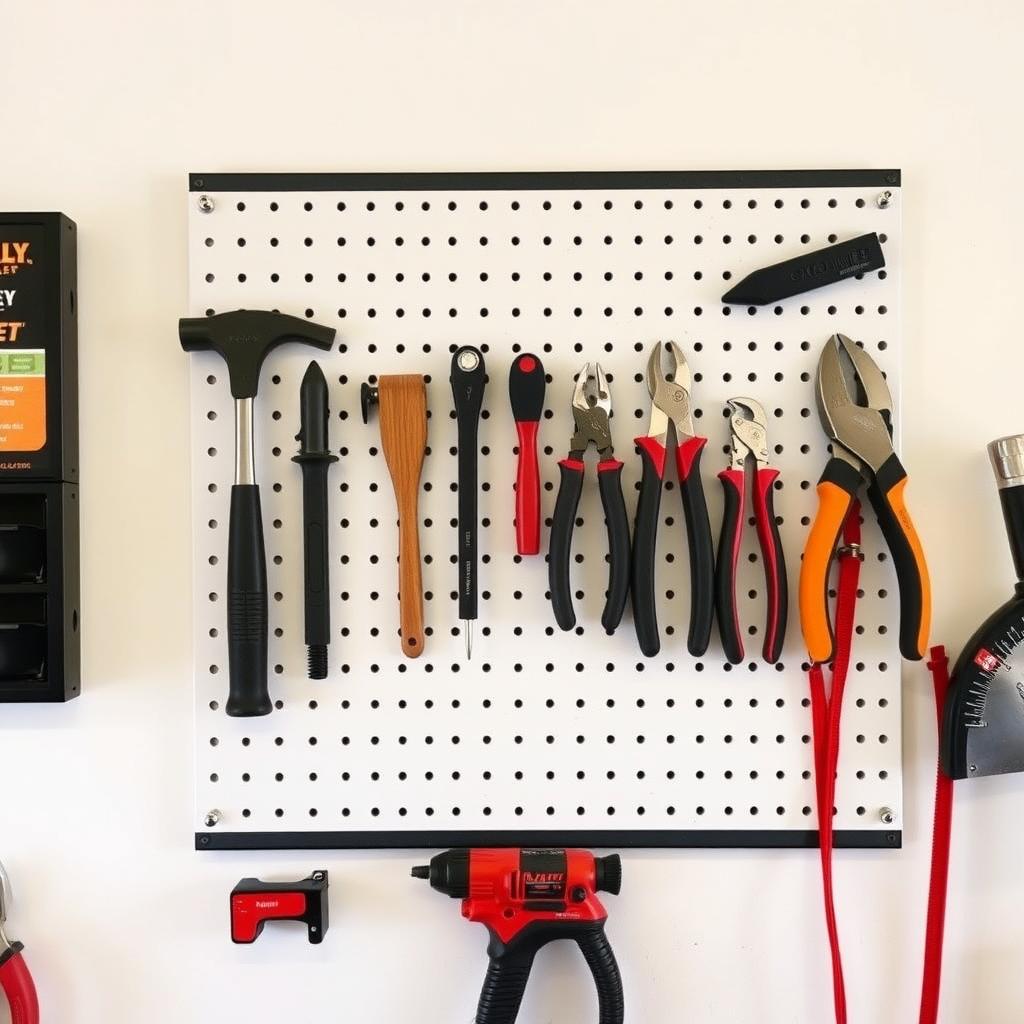
A well-organized toolbox keeps your tools accessible and in good shape. I learned this the hard way when I couldn’t find my pliers during a plumbing emergency. Use a toolbox with compartments or a tool bag with pockets. Wall-mounted pegboards are great for larger workshops.
Maintenance is just as important. Wipe tools clean after use to prevent rust. Store them in a dry place. For cutting tools, sharpen blades regularly—dull tools are dangerous and inefficient. A simple sharpening stone works wonders for knives and chisels.
Where to Buy Hand Tools
You can find quality tools at hardware stores, online retailers, or even secondhand shops. Big-box stores like Home Depot or Lowe’s offer a wide selection, while online platforms like Amazon have competitive prices and reviews. For used tools, check local flea markets or sites like eBay, but inspect them for wear.
Pro tip: Look for sales around holidays like Black Friday. I scored a great deal on a screwdriver set last year, and they’ve held up perfectly.
Common Mistakes to Avoid
When building your toolbox, steer clear of these pitfalls:
- Buying Cheap Tools: They break quickly and cost more in replacements.
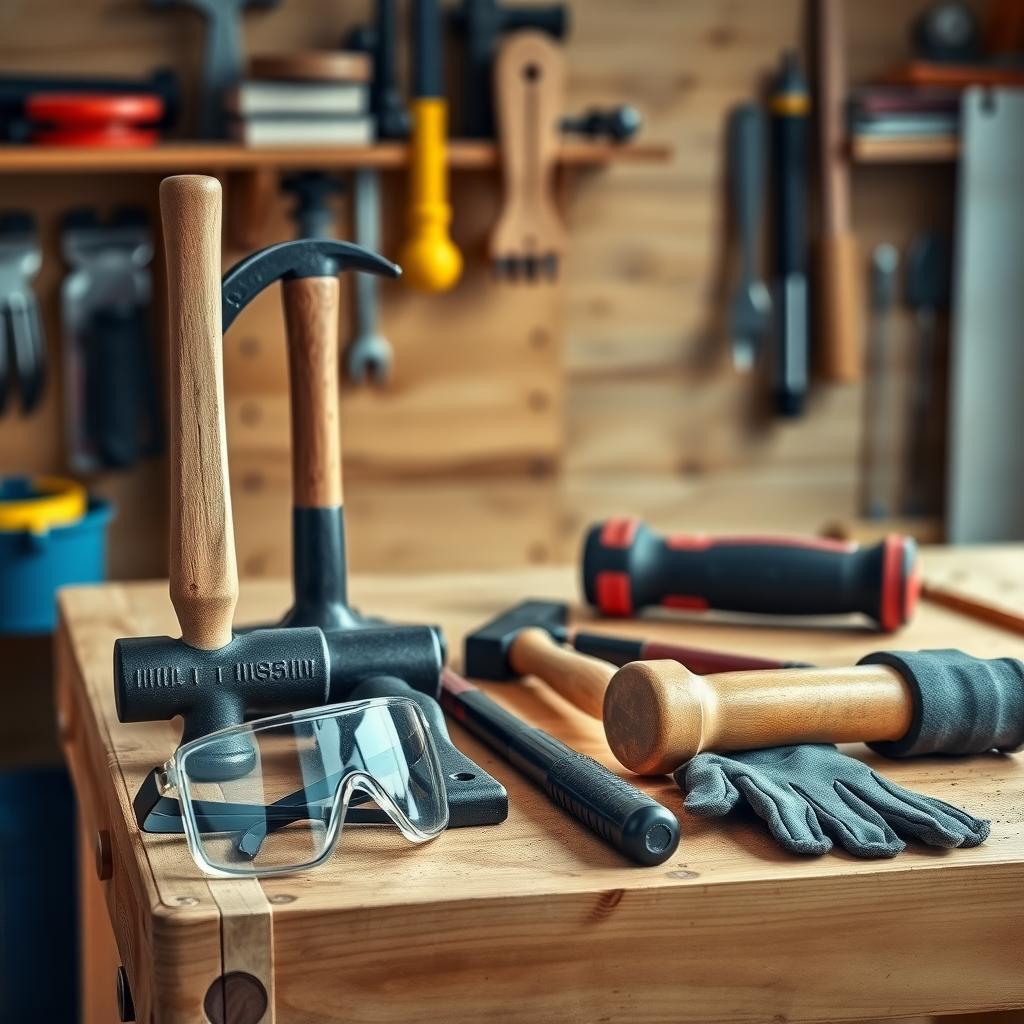
- Skipping Safety Gear: Always pair your tools with gloves, safety glasses, and proper lighting.
- Overloading Your Toolbox: Start with the basics and expand as needed.
- Ignoring Maintenance: Rusty or dull tools are less effective and unsafe.
I once bought a bargain-bin wrench that stripped a bolt, turning a quick fix into a headache. Stick to quality, and you’ll save time and money.
Summary
Choosing the best hand tools for home repairs comes down to quality, comfort, and versatility. Start with must-have workman tools like a hammer, screwdrivers, and cutting tools, and prioritize durable materials and ergonomic designs. Keep your tools organized and maintained for long-lasting performance. With the right toolbox, you’ll tackle any home repair with confidence.
Related How to Choose the Best Hand Tools for Home Repairs:
- The Ultimate Guide to Workman Tools for Automotive Repairs
- Woodworking 101: Essential Tools for Beginners
- Understanding Construction Site Hazards: A Comprehensive Guide to Staying Safe
- How to Choose the Best Tools for Electrical Projects: A Comprehensive Guide
- Screwdriver Safety Tips: How to Use Workman Tools Safely and Effectively
- How to Use a Hammer Safely: A Beginner’s Guide to Mastering This Essential Tool
- Organizing Your Tool Shed Like a Pro: A Step-by-Step Guide
- Woodworking Tools Every DIY Enthusiast Should Own
- Must-Have Hand Tools for Mechanics: Your Essential Guide
- Top Toolkits for Every Handyman: Building Your Essential Collection
- Mastering Joinery with Mortise Chisels: A Woodworker’s Guide
- Safety Tips for Using Hand Tools in the Workshop