Overview: Stay Safe While Tackling DIY Projects
DIY projects can be rewarding, but safety comes first. Whether you're fixing a shelf or building furniture, understanding DIY Safety: Protecting Yourself While Working on Home Projects ensures you finish your project without injury. This guide shares practical tips, personal insights, and expert advice to keep you safe.
Why DIY Safety Matters
Home projects spark creativity and save money, but they also come with risks. A moment of carelessness with a screwdriver or a poorly maintained tool can lead to accidents. According to the U.S. Consumer Product Safety Commission, over 200,000 injuries occur annually from home improvement mishaps. My first DIY project—a simple bookshelf—taught me this the hard way when a loose screw led to a minor hand injury. Safety isn’t just a checklist; it’s a mindset that protects you and your loved ones.
Essential Safety Gear for Every DIYer
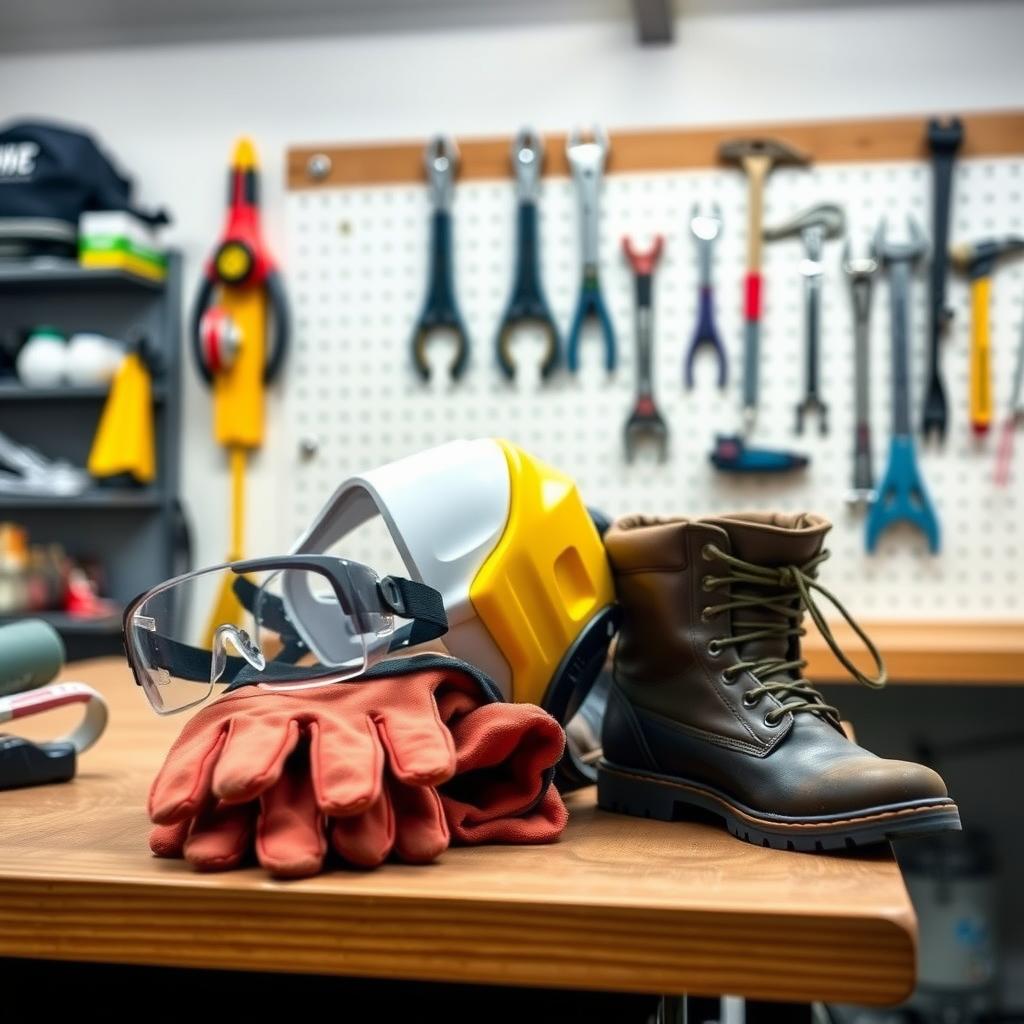
Before picking up a tool, gear up. Safety equipment isn’t optional—it’s your first line of defense. Here’s what you need:
- Safety Glasses: Protect your eyes from dust or flying debris.
- Work Gloves: Prevent cuts and blisters, especially when handling sharp tools like screwdrivers.
- Sturdy Footwear: Closed-toe shoes guard against dropped tools.
- Ear Protection: Essential for loud tools like drills or saws.
- Dust Mask or Respirator: Avoid inhaling harmful particles during sanding or painting.
I learned to prioritize gear after a splinter from a wooden plank sidelined me for days. Invest in quality equipment—cheap gloves tear easily, leaving you exposed.
Screwdriver Safety Tips for Beginners
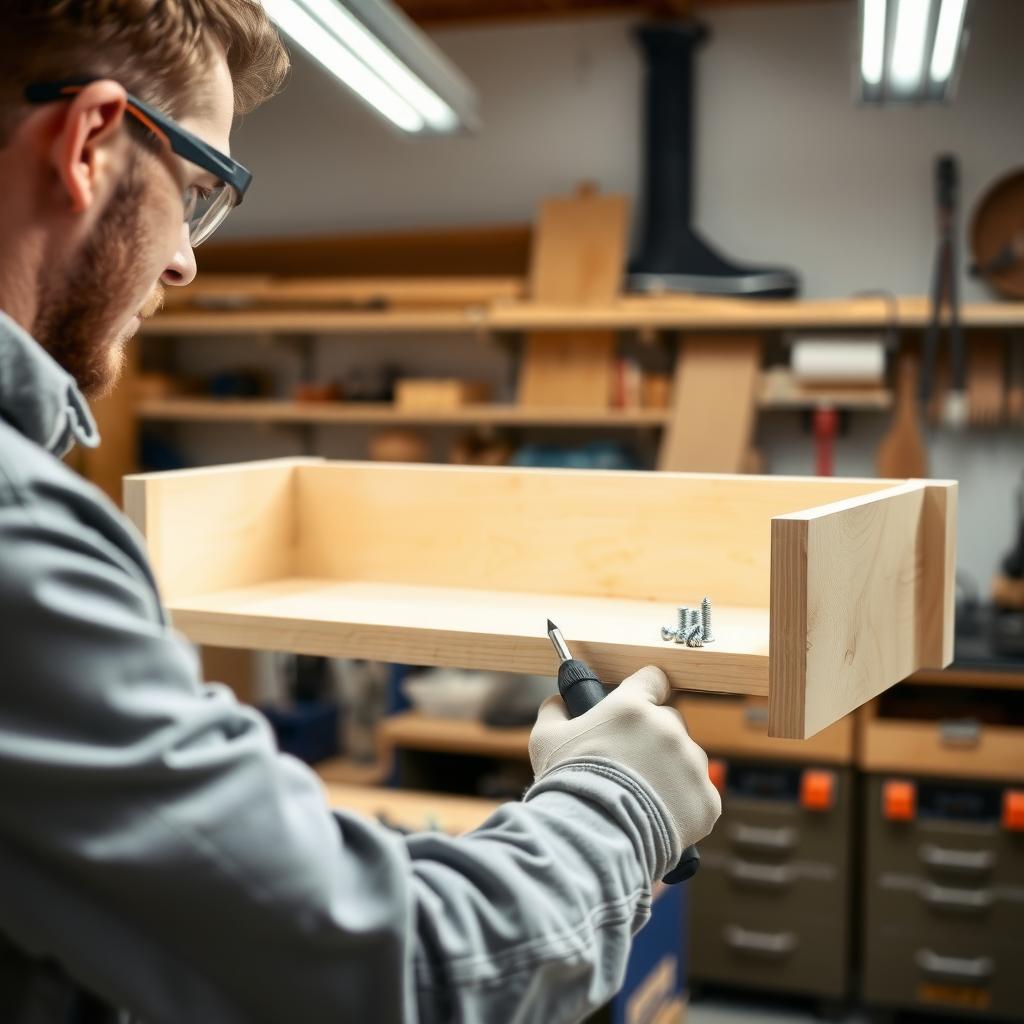
Screwdrivers seem simple, but they’re a common source of injury. Whether you’re assembling furniture or fixing a cabinet, follow these screwdriver safety tips to stay safe:
- Choose the Right Screwdriver: Match the head (Phillips, flathead, etc.) to the screw to avoid slipping.
- Inspect Before Use: Check for cracked handles or worn tips, which can cause accidents.
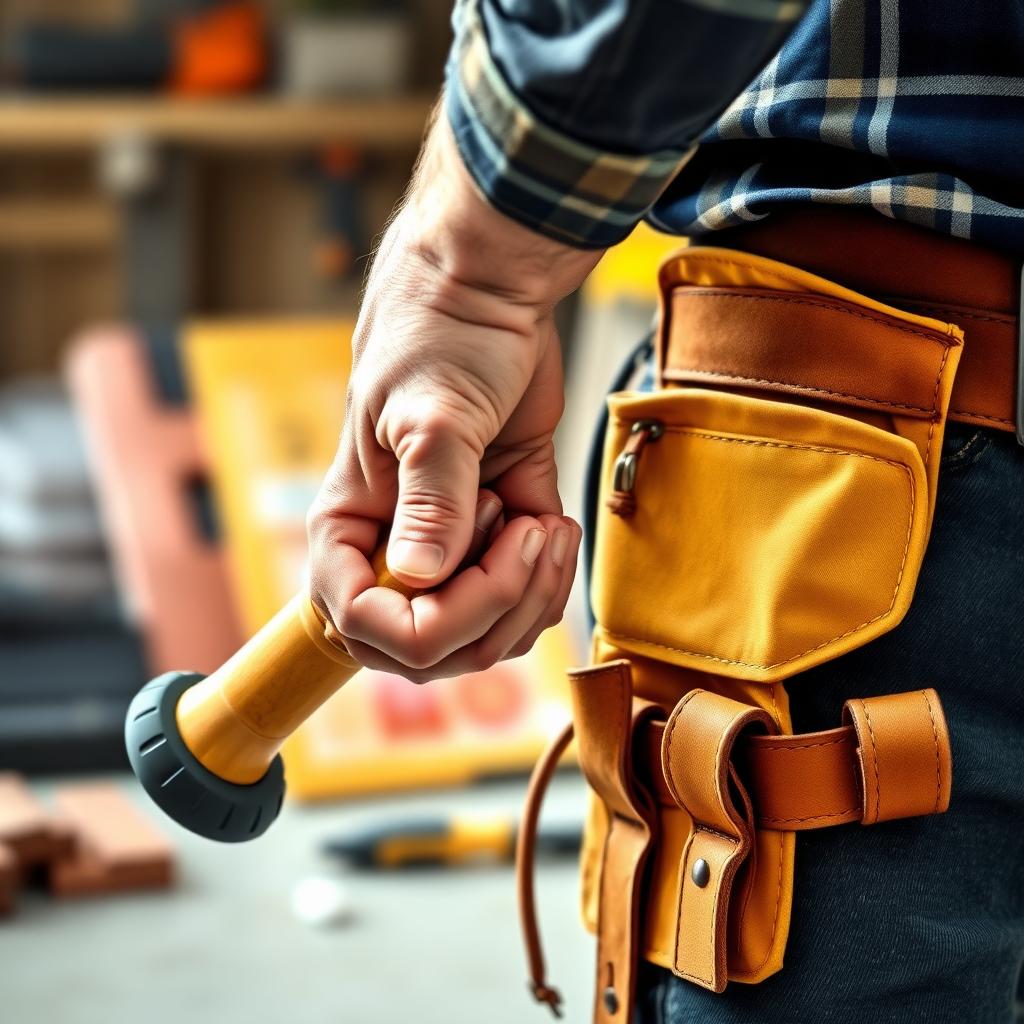
- Grip Firmly: Hold the handle securely to maintain control.
- Never Use as a Pry Tool: Screwdrivers aren’t chisels—misusing them can lead to breakage or injury.
- Keep Hands Clear: Position your free hand away from the screw to avoid stabbing yourself if the tool slips.
I once used a worn-out screwdriver on a stubborn screw, and it slipped, narrowly missing my thumb. Since then, I always double-check my tools. For more detailed guidance, the Occupational Safety and Health Administration (OSHA) offers excellent tips on safe tool handling.
Tool Maintenance: Tips for Longevity
Well-maintained tools are safer and last longer. Neglecting tool maintenance: tips for longevity can lead to malfunctions or accidents. Here’s how to keep your tools in top shape:
| Tool | Maintenance Tip | Why It Matters |
|---|---|---|
| Screwdrivers | Clean and inspect tips regularly | Prevents slipping and damage to screws |
| Drills | Lubricate moving parts; check cords for fraying | Reduces wear and electrical hazards |
| Saws | Sharpen blades; store in protective cases | Ensures clean cuts and prevents kickback |
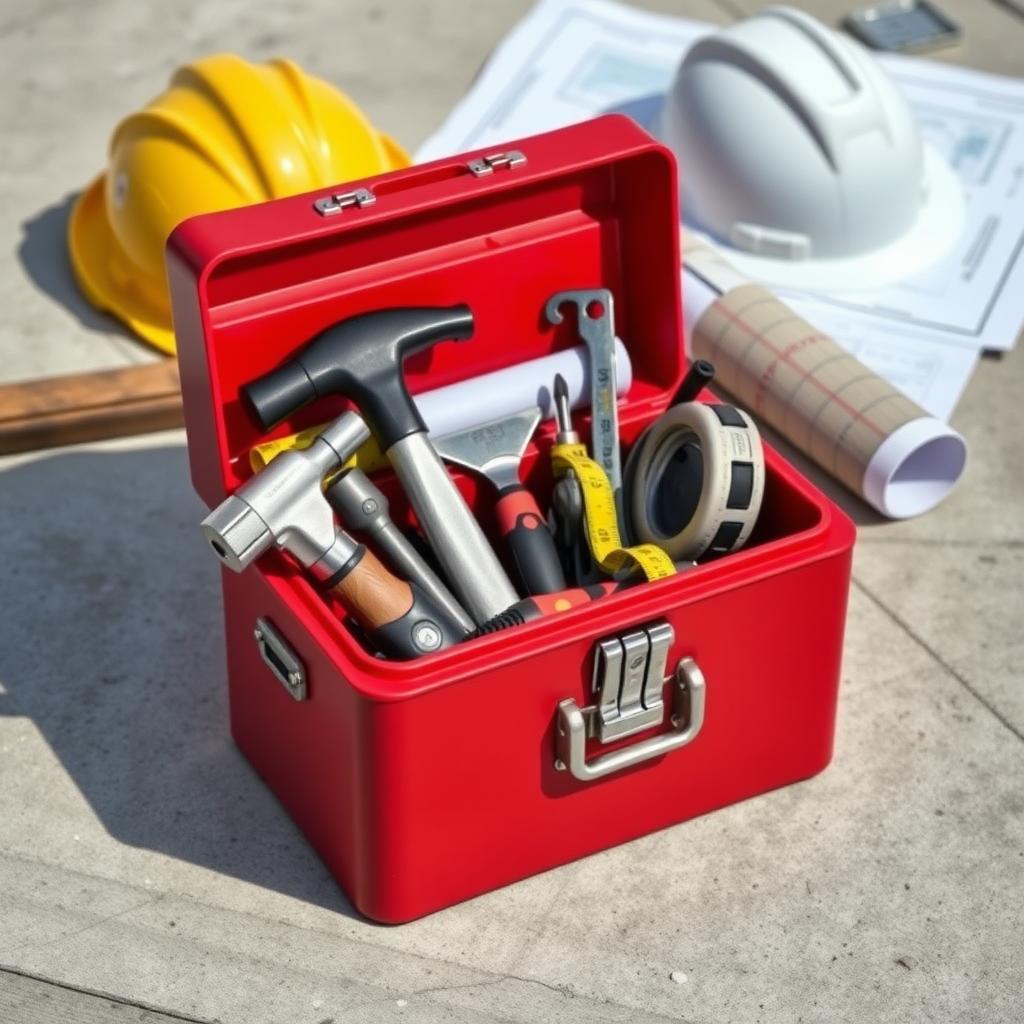
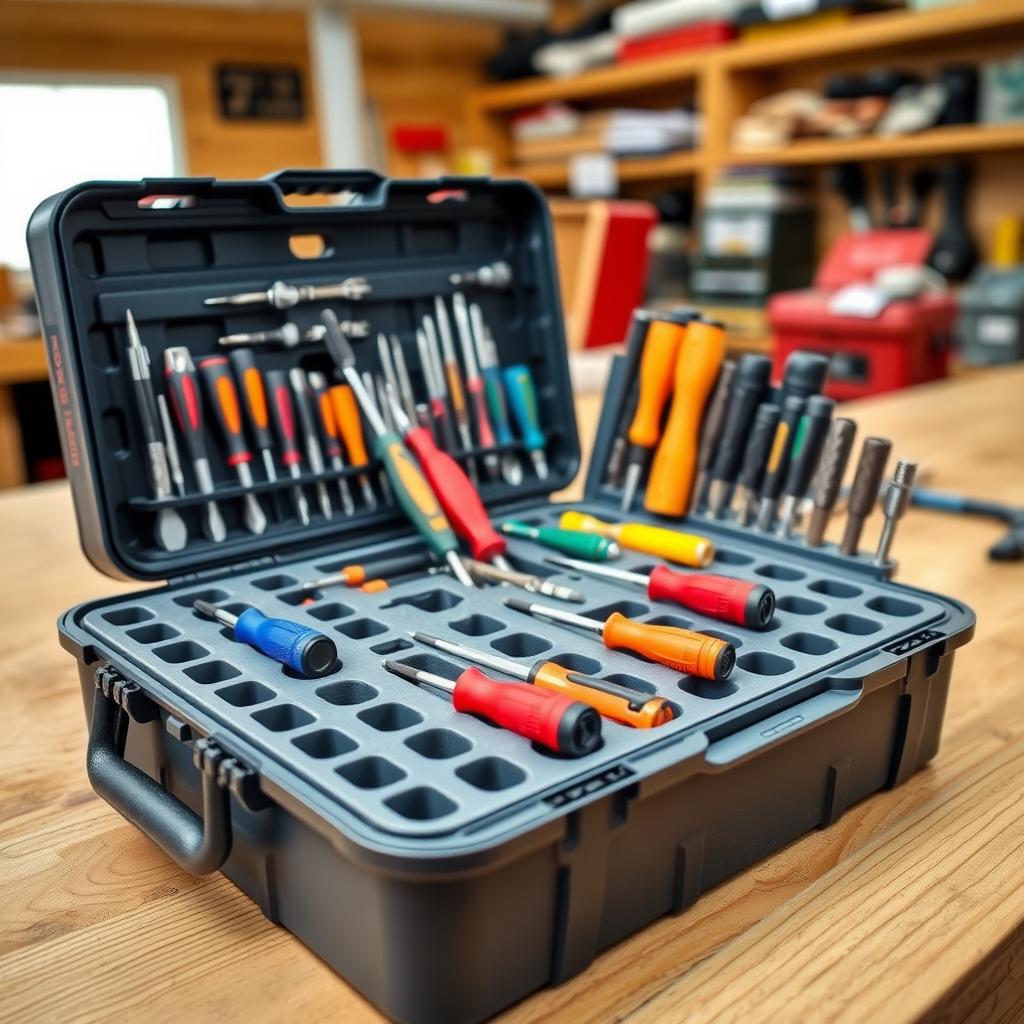
After every project, I wipe down my tools and store them in a dry toolbox. Once, I neglected a rusty screwdriver, and it snapped mid-use. Regular maintenance saves time and prevents injuries.
Creating a Safe Workspace
Your workspace sets the stage for safety. A cluttered or poorly lit area invites accidents. Follow these steps to create a safe environment:
- Clear the Area: Remove tripping hazards like cords or unused materials.
- Ensure Good Lighting: Bright light helps you see details and avoid mistakes.
- Use a Stable Surface: Work on a sturdy table or workbench to prevent wobbling.
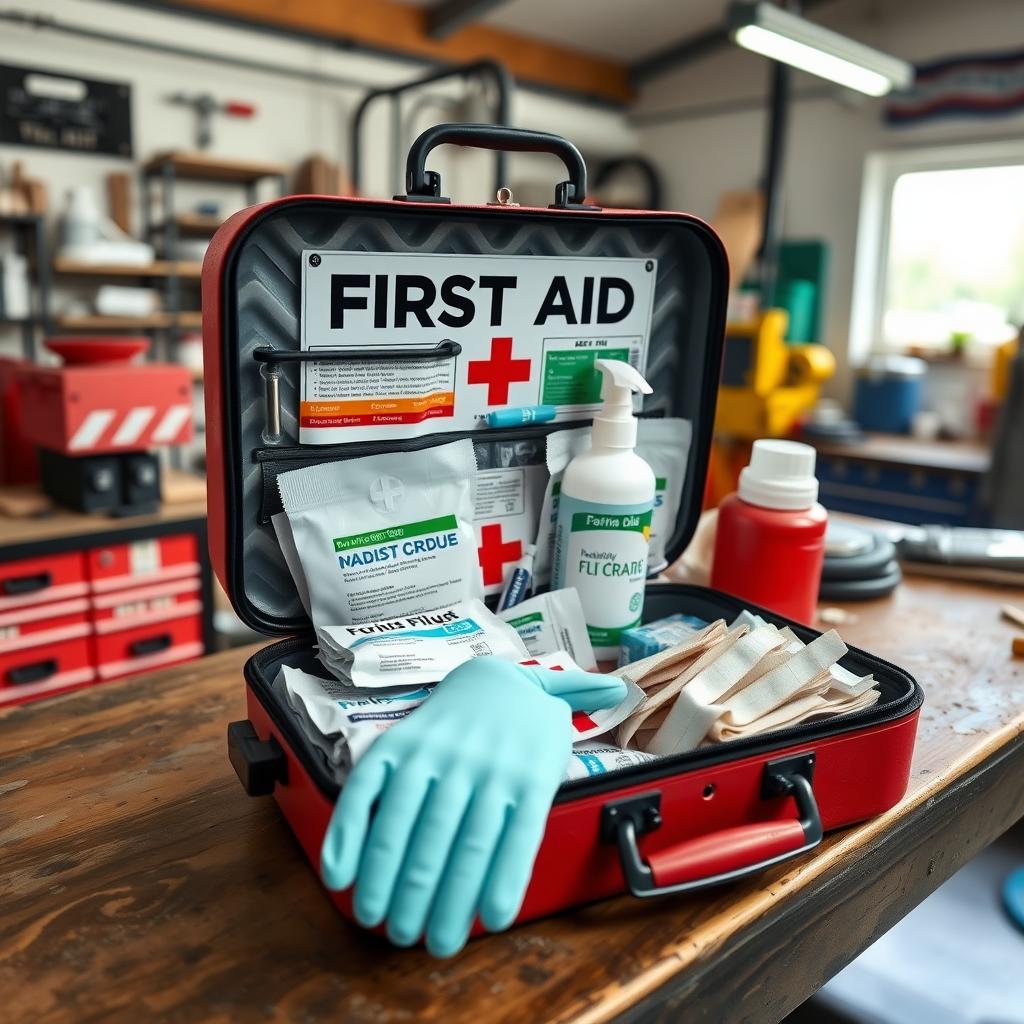
- Keep a First Aid Kit Nearby: Be prepared for minor cuts or scrapes.
I once tripped over a stray extension cord while carrying a drill, nearly dropping it. Now, I always tidy up before starting. The National Safety Council emphasizes workspace organization to reduce risks.
Common DIY Hazards and How to Avoid Them
Every project has potential dangers. Here are common hazards and how to steer clear:
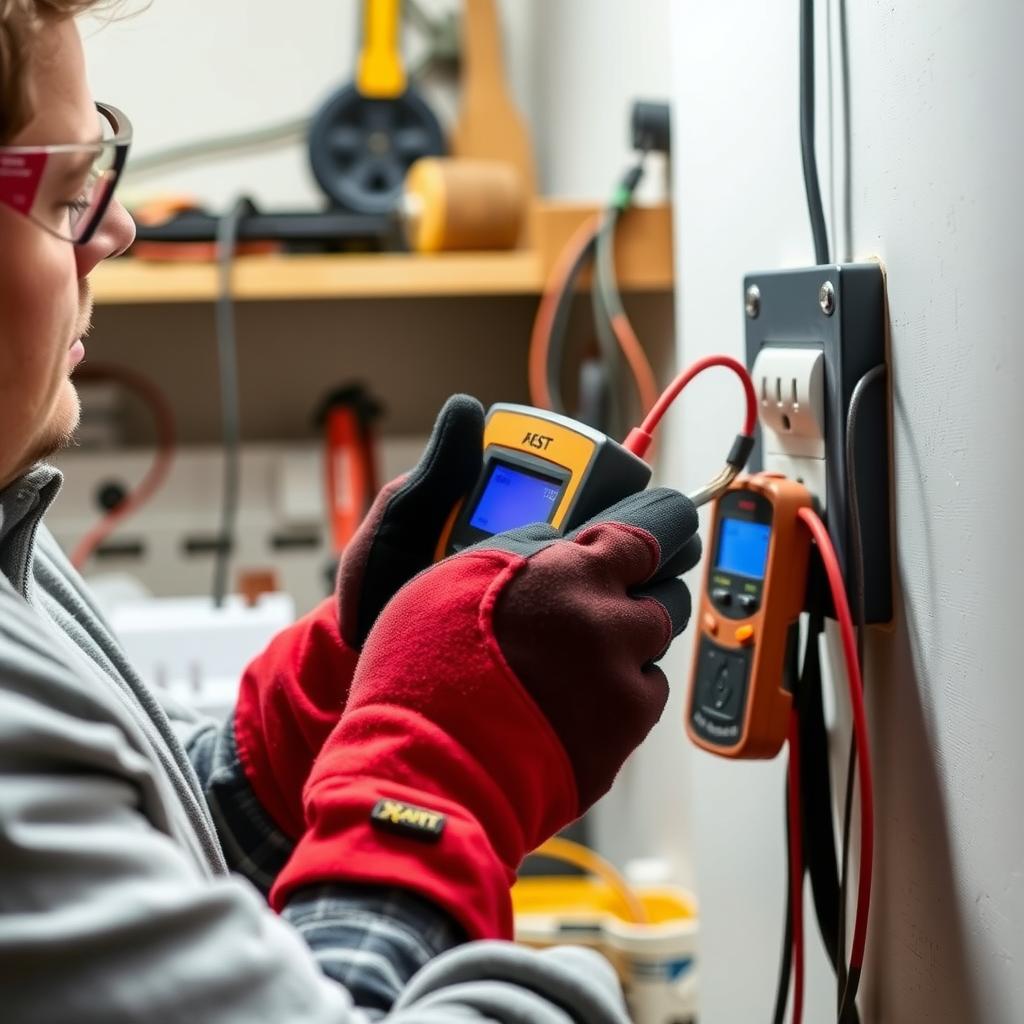
- Electrical Risks: Always turn off power before working on outlets or wiring. Use a voltage tester to confirm circuits are dead.
- Ladder Falls: Ensure ladders are stable and never overreach. I learned this after a wobbly ladder nearly cost me a sprained ankle.
- Tool Misuse: Use tools only for their intended purpose. A screwdriver isn’t a hammer.
- Chemical Exposure: Wear gloves and a mask when handling paints or adhesives.
The Centers for Disease Control and Prevention (CDC) provides detailed resources on avoiding tool-related injuries.
Building Confidence Through Preparation
Safety builds confidence. When you know your tools are in good condition, your workspace is organized, and you’re wearing proper gear, you can focus on the joy of creating. I started DIY projects nervously, but following safety protocols gave me the courage to tackle bigger tasks, like building a garden bench. Preparation turns daunting projects into manageable ones.
Summary: Safety First, Always
DIY Safety: Protecting Yourself While Working on Home Projects is about more than rules—it’s about creating habits that let you enjoy DIY with peace of mind. From screwdriver safety tips for beginners to tool maintenance: tips for longevity, small steps make a big difference. Stay equipped, stay cautious, and keep creating.
Related DIY Safety: Protecting Yourself While Working on Home Projects:
- Safe Ladder Use: Tips for DIY Home Projects
- Understanding the Role of Ergonomics in Construction
- Top 10 Tools Every Workman Should Own for Any Job
- How to Fix Common Plumbing Problems at Home: A DIY Guide
- How to Choose the Best Hand Tools for Home Repairs
- The Ultimate Guide to Workman Tools for Automotive Repairs
- Woodworking 101: Essential Tools for Beginners
- Understanding Construction Site Hazards: A Comprehensive Guide to Staying Safe
- How to Choose the Best Tools for Electrical Projects: A Comprehensive Guide
- Screwdriver Safety Tips: How to Use Workman Tools Safely and Effectively
- How to Use a Hammer Safely: A Beginner’s Guide to Mastering This Essential Tool
- Organizing Your Tool Shed Like a Pro: A Step-by-Step Guide