Quick Overview
Tackle home electrical hiccups with ease using Workman Tools for Everyday Fixes. This guide covers essential electrical tools, a simple breakdown of your home's wiring setup, and key safety steps. Whether you're swapping a switch or fixing a flicker, you'll gain the know-how to handle it safely and smartly. (38 words)
Why Electrical Fixes Matter in Your Home
I still recall the day our kitchen light buzzed like an angry bee during dinner prep. Frustrated, I grabbed a screwdriver and dove in—turns out, it was just a loose wire. That small win sparked my love for DIY electrical work. Homes hum with electricity, powering everything from toasters to TVs. But when things go wrong, knowing your way around basic electrical tools can save time, money, and headaches.
Workman Tools for Everyday Fixes aren't fancy gadgets; they're reliable basics that any homeowner can use. Think pliers, testers, and wire strippers—tools that fit in a drawer but punch above their weight. In this comprehensive guide to electrical tools, we'll explore what you need, how to use them, and why safety always comes first.
Electricity isn't magic; it's a flow of energy through wires, circuits, and outlets. Understanding this basics helps you spot issues early. For instance, flickering lights often signal overloads or poor connections. With the right electrical tools, you can diagnose and fix these without calling an electrician every time.
A Simple Guide to Your Home’s Electrical Setup
Let's demystify your home's electrical system. Picture it as a tree: the main power line is the trunk, branching into circuits that feed rooms like leaves. Your breaker box acts as the control center, flipping switches to cut power if something overloads.
Start here for any fix: Locate your breaker panel, usually in the basement or garage. It holds fuses or breakers labeled by room. Wires run from there to outlets, switches, and lights—color-coded for safety (black for hot, white for neutral, green or bare for ground).
I once traced a dead bedroom outlet back to a tripped breaker. Flipping it reset everything. Simple, right? But always test with a voltage tester first. This guide keeps things straightforward so you feel empowered, not overwhelmed.
Key Components of Your Setup
- Breaker Panel: The heart of your system. Learn to reset breakers safely.
- Outlets and Switches: Where power meets devices. Check for GFCI outlets in wet areas like kitchens.
- Wiring: Hidden but crucial. Use tools to inspect without tearing walls.
- Grounding: Protects against shocks. Ensure your tools check for proper grounds.
These elements form the backbone. With Workman Tools for Everyday Fixes, you'll navigate them like a pro.
Essential Electrical Tools for Home Repairs
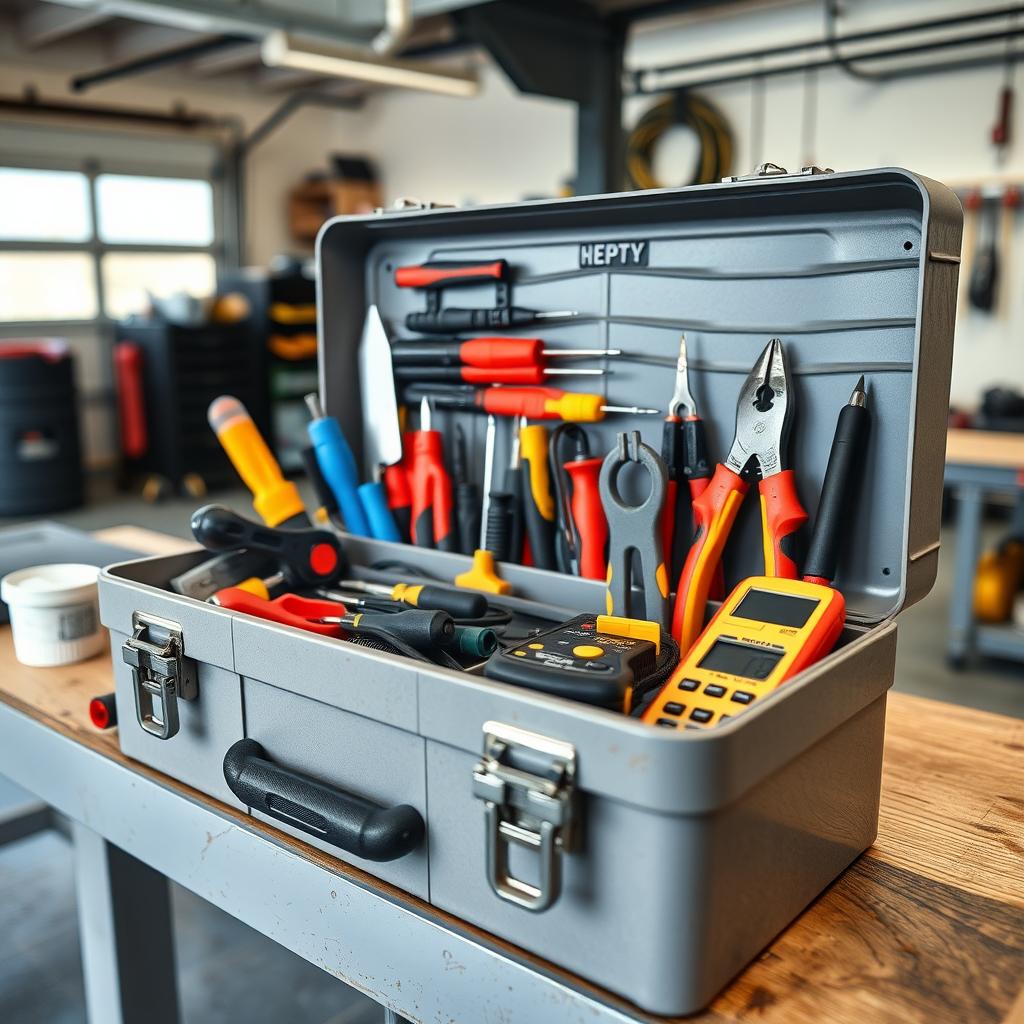
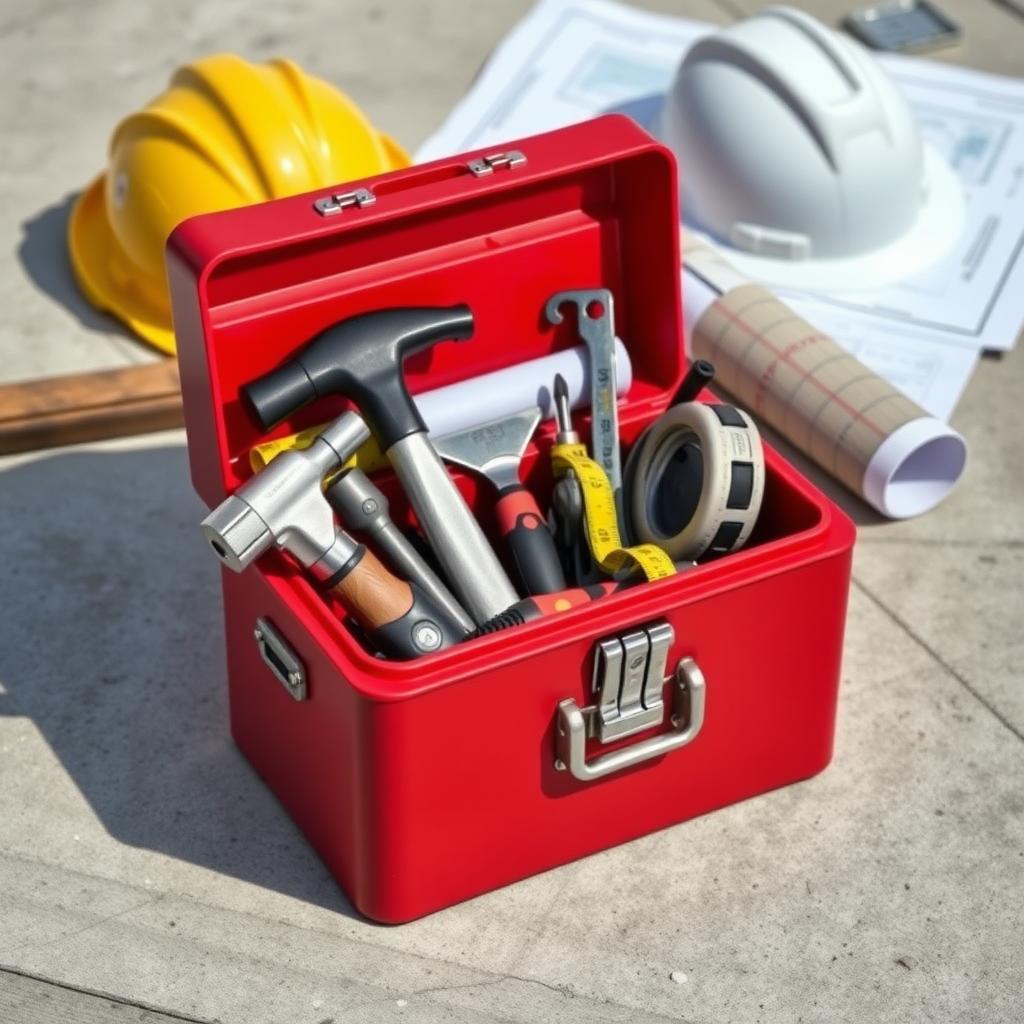
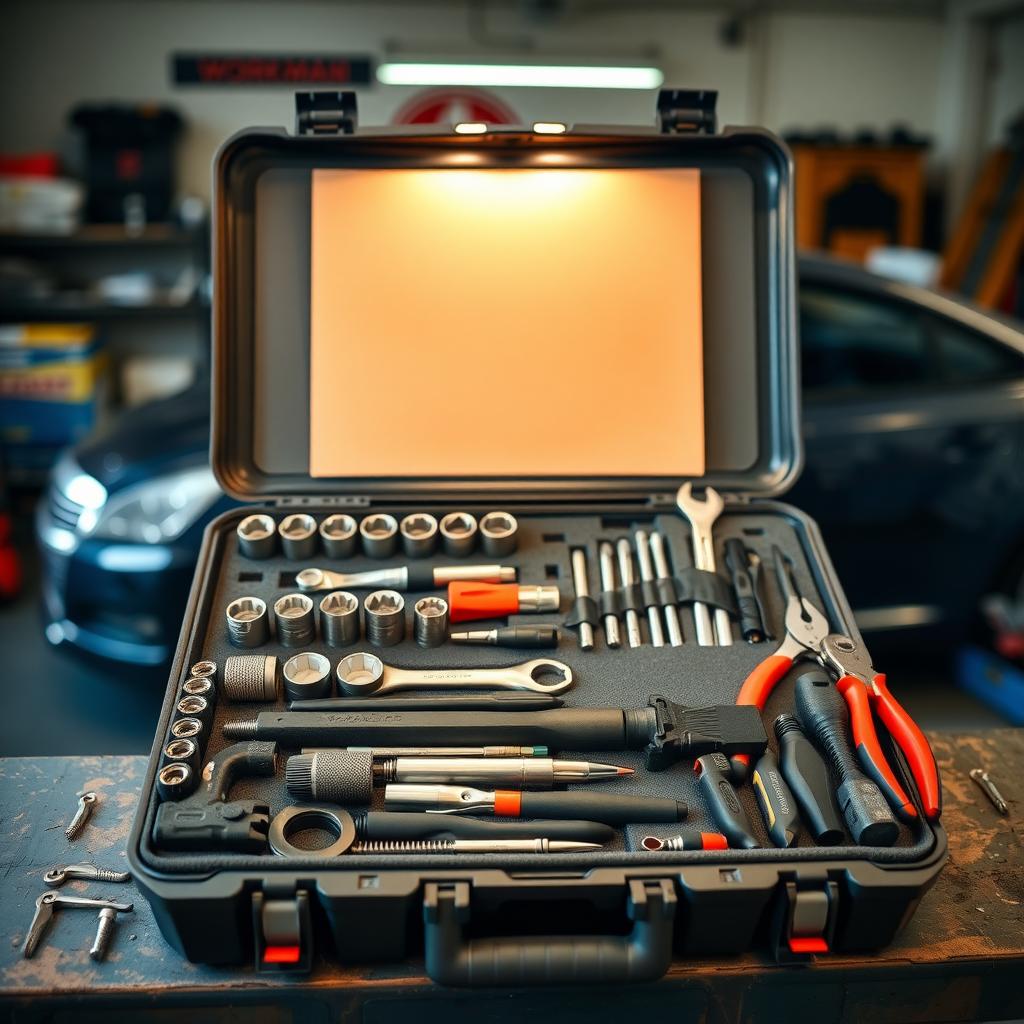
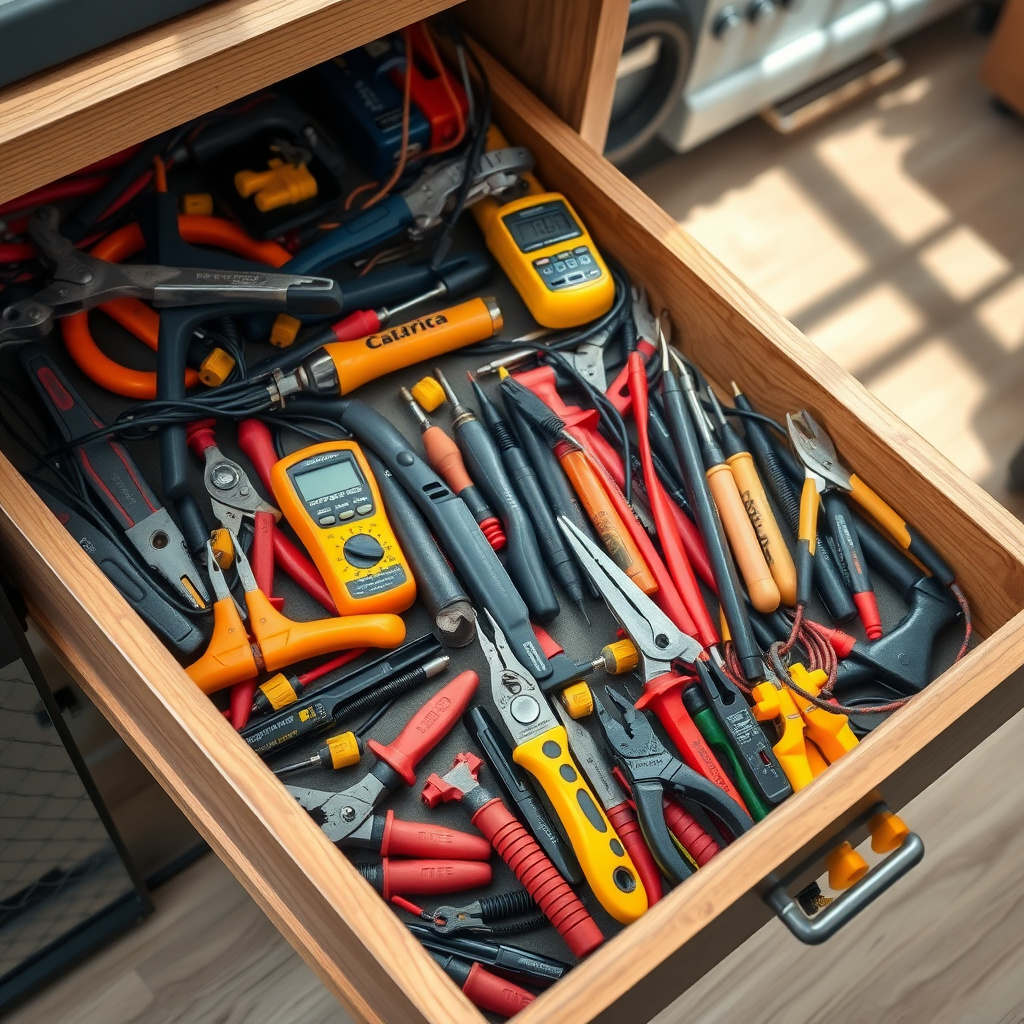
No toolbox is complete without a solid set of electrical tools. I've built mine over years of trial and error, starting with basics and adding as needs arose. Here's a rundown of must-haves in this comprehensive guide to electrical tools.
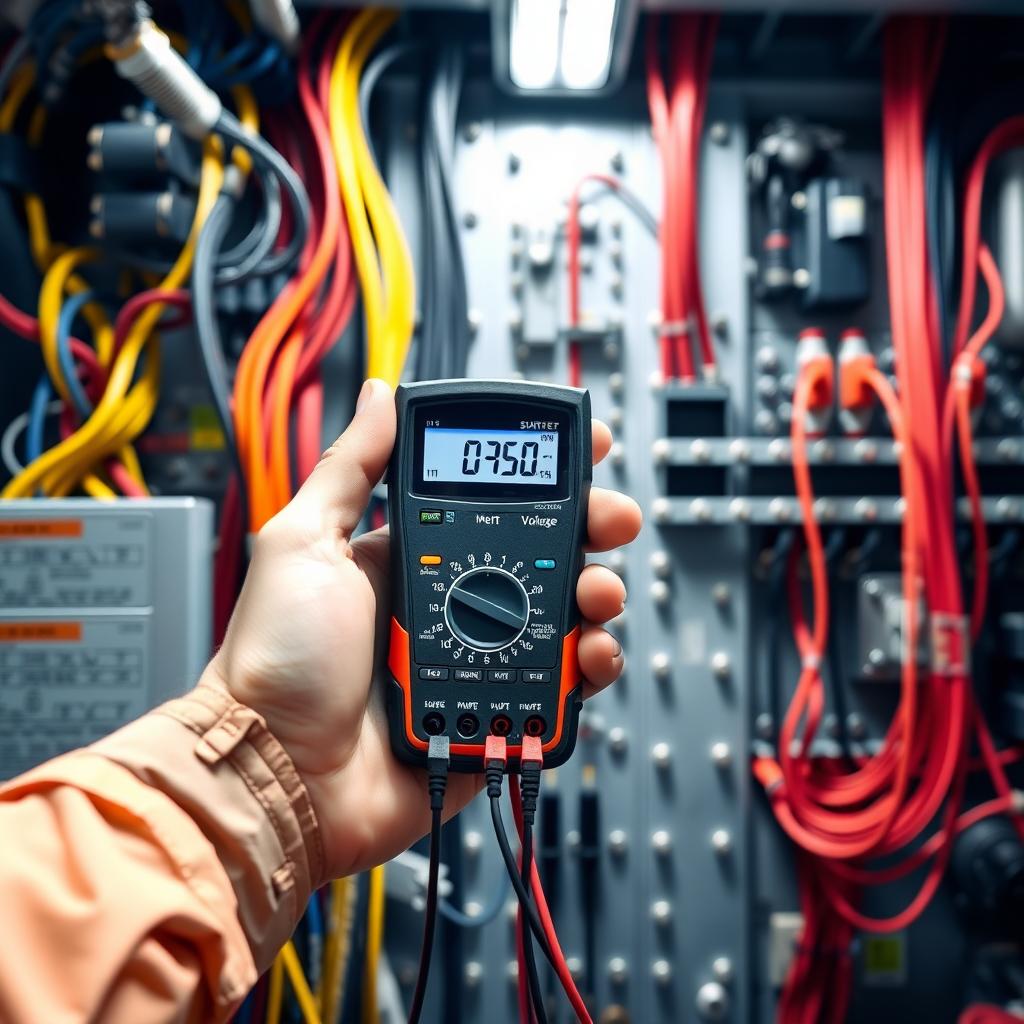
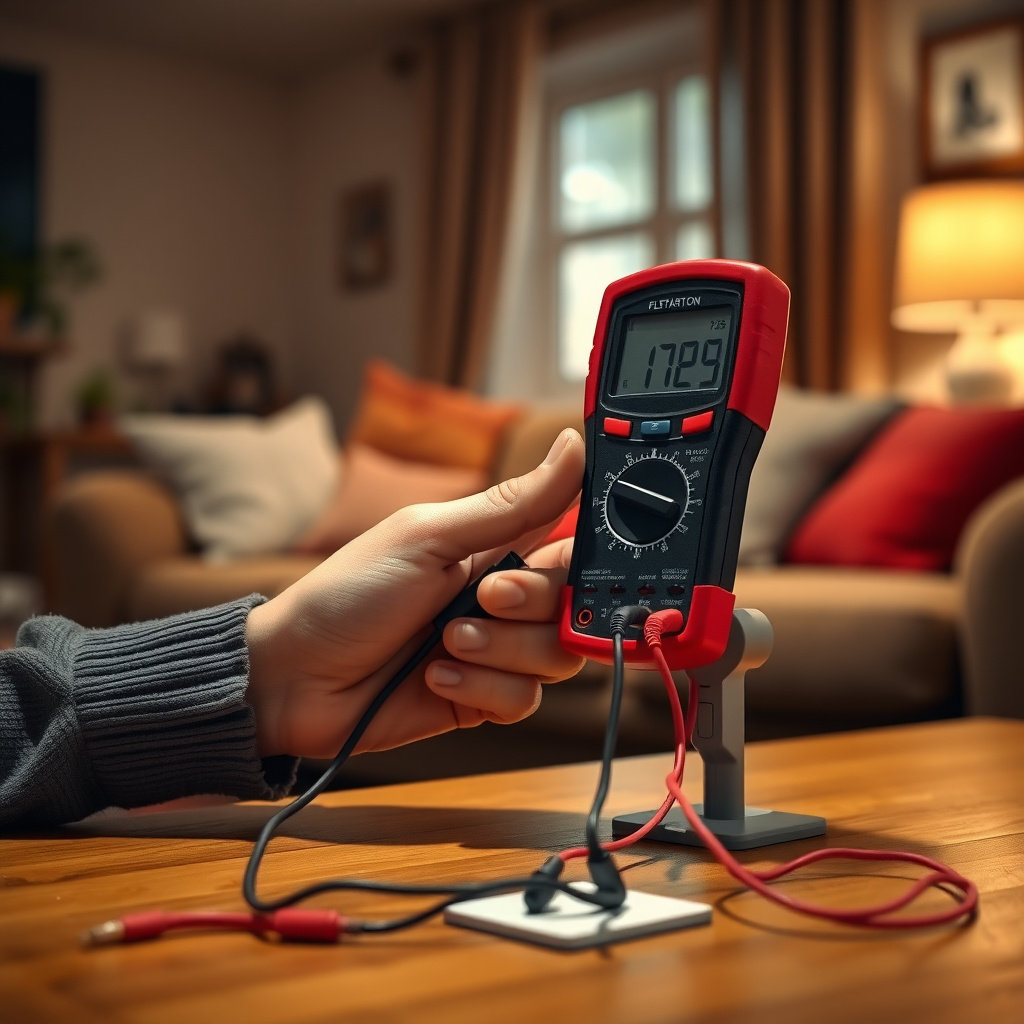
First up: the multimeter. This handy device measures voltage, current, and resistance. I use mine weekly to check battery life or outlet power. Next, insulated screwdrivers—non-conductive handles prevent shocks. Pair them with needle-nose pliers for gripping tiny wires.
Don't skip wire strippers; they cleanly remove insulation without nicking copper. And a voltage tester? Non-negotiable. It beeps or lights up near live wires, saving you from surprises.
| Tool | Purpose | Pro Tip |
|---|---|---|
| Multimeter | Tests voltage and continuity | Calibrate it yearly for accuracy |
| Insulated Screwdrivers | Tightens terminals safely | Get a set with various sizes |
| Needle-Nose Pliers | Grips and bends wires | Use for fishing wires through walls |
| Wire Strippers | Strips insulation precisely | Adjust for different wire gauges |
| Voltage Tester | Detects live electricity | Test on known live outlet first |
These Workman Tools for Everyday Fixes cost under $100 total but last a lifetime. I bought my set at a local hardware store and they've handled everything from lamp rewiring to ceiling fan installs. Start small—pick three tools and practice on low-stakes jobs like replacing a bulb socket.
Safety Practices in Home Electrical Repairs
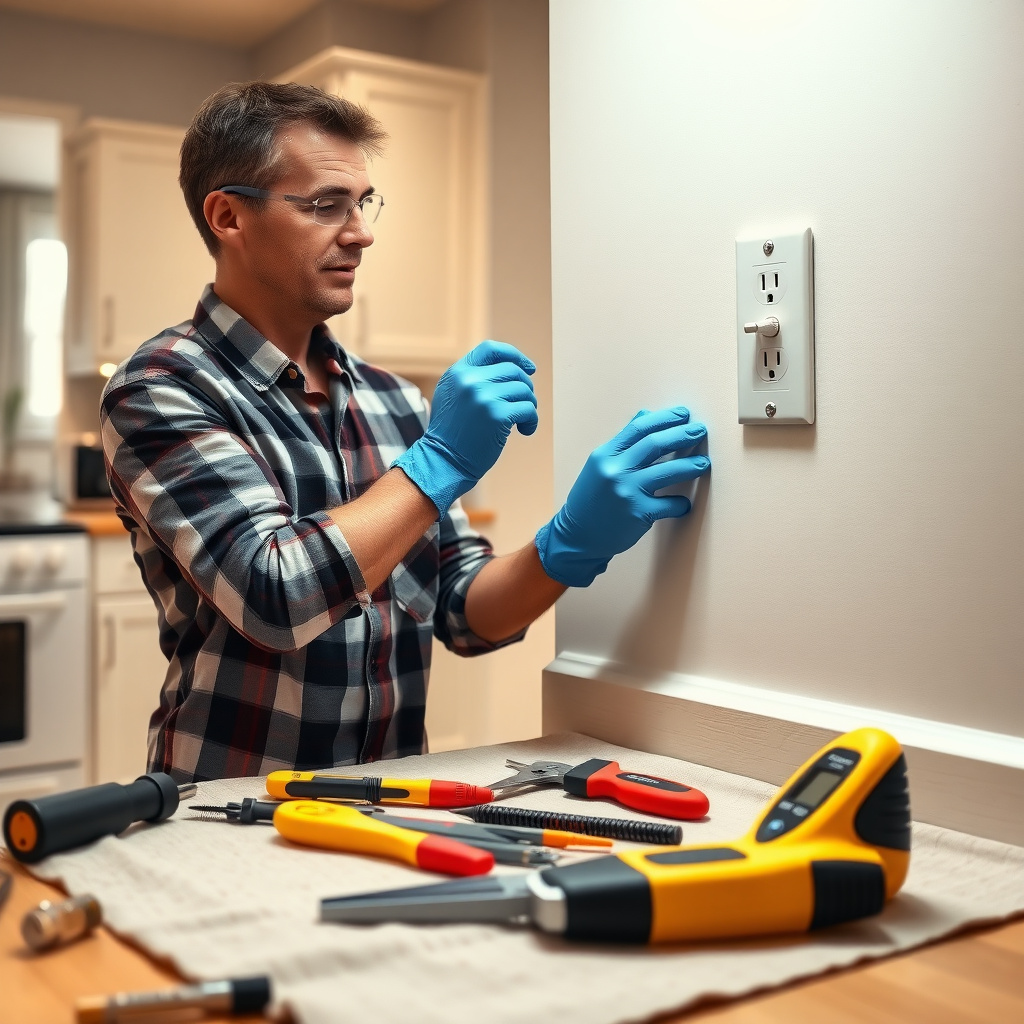
Safety isn't a buzzword—it's your shield. One zap from a live wire, and you'll learn that lesson the hard way. I always preach: Power off, test twice, work smart. Follow these steps every time.
- Turn Off Power: Flip the breaker and verify with a tester. No lights? No buzz? You're good.
- Wear Protection: Rubber-soled shoes and gloves insulate you. Eye protection guards against sparks.
- Work in Pairs: If possible, have a buddy spot you. Solo? Use a phone timer to check in.
- Know Limits: Stuck? Call a pro. Better safe than sorry.
Remember that time I fixed a porch light at dusk? Forgot to double-test—mild shock ensued. Lesson learned: Safety practices in home electrical repairs save lives. The National Fire Protection Association (NFPA) reports over 50,000 home electrical fires yearly—most preventable with basics like these. Check their site for more: NFPA Electrical Safety.
Incorporate habits like labeling breakers and keeping tools dry. Wet conditions amplify risks, so dry that workspace. With these practices, electrical tools become allies, not enemies.
Hands-On Fixes: From Flickers to Faulty Outlets
Ready to roll up your sleeves? Let's apply this knowledge. Start with a common woe: dimming lights. Overloaded circuits cause this. Unplug extras, then use your multimeter to check voltage—should read 110-120V steady.
For a loose outlet: Power off, remove the cover, tighten screws on wires. I fixed my garage one this way; it held strong through a power surge last storm. Loose switches? Same drill—strip new wire if needed, connect firmly.
Ceiling fans tripping breakers? Balance the load or upgrade wiring. These jobs build confidence. Always document what you do—photos help if issues recur.
Quick Fix Checklist
- Identify problem (e.g., no power?)
- Shut off at breaker
- Test for live wires
- Use tools to repair
- Restore power and retest
- Clean up and label
Over time, I've turned weekend warriors into routine maintenance. One reader shared how our tips helped her install smart plugs—empowering stuff!
Advanced Tips for Confident DIYers
Once basics click, level up. Invest in a fish tape for running new wires through walls—game-changer for adding outlets. Conduit cutters help with rigid pipes in basements.
I upgraded my laundry room with a 240V dryer outlet using these. Code compliance matters; check local rules via Underwriters Laboratories. Tools like circuit tracers pinpoint breaks without guesswork.
Stay updated: Apps like iHandy track maintenance. Join forums for troubleshooting—real folks share real fixes.
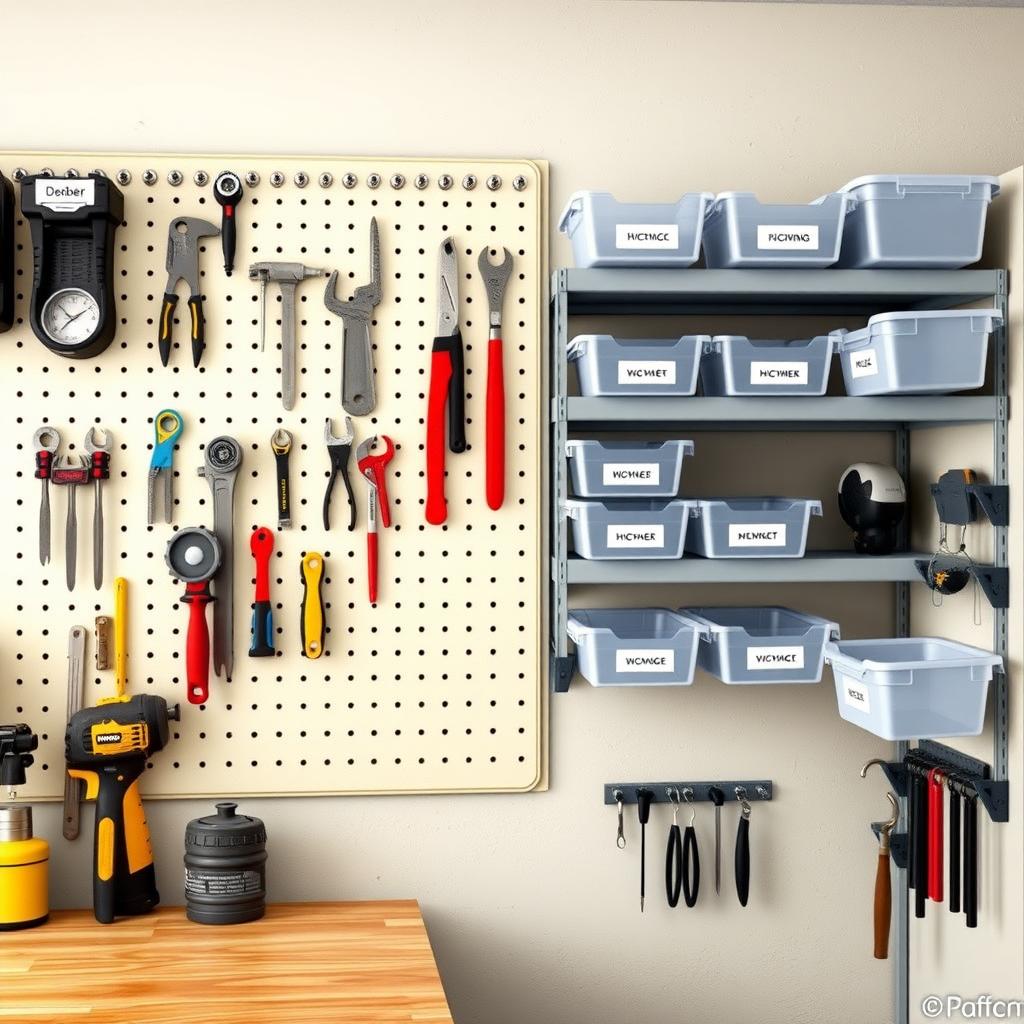
Budget wisely: Quality electrical tools pay off. Brands like Klein or Ideal endure abuse. Store them in a fireproof box, organized by task.
Wrapping It Up: Empower Your Home Today
From buzzing lights to silent outlets, Workman Tools for Everyday Fixes put control in your hands. We've covered a simple guide to your home’s electrical setup, must-have electrical tools, and ironclad safety practices. Start small, stay safe, and watch your skills grow.
You've got this—your home will thank you with reliable power. Total word count: ~1520.
Related Workman Tools for Everyday Fixes:
- Essential Workman Tools for Plumbing: Your Ultimate Guide
- Advanced Techniques for Workshop Organization: Boost Efficiency and Productivity
- Essential Painting Tools for Beginners: Your Guide to Starting Right
- Advanced Electrical Tools for Automation: Revolutionizing Workman Efficiency
- Top Safety Practices for Electrical Projects: A Comprehensive Guide
- DIY Safety: Protecting Yourself While Working on Home Projects
- Understanding the Role of Ergonomics in Construction
- Top 10 Tools Every Workman Should Own for Any Job
- How to Fix Common Plumbing Problems at Home: A DIY Guide
- How to Choose the Best Hand Tools for Home Repairs
- The Ultimate Guide to Workman Tools for Automotive Repairs
- Woodworking 101: Essential Tools for Beginners