Overview
Embarking on a DIY adventure can spark joy and accomplishment, but safety comes first. In this guide, we'll cover key safety tips to keep your projects smooth and secure. From gear to tools, you'll gain actionable advice drawn from real experiences to make your next build worry-free. (Word count so far: 48)

Why Safety Matters in DIY Projects
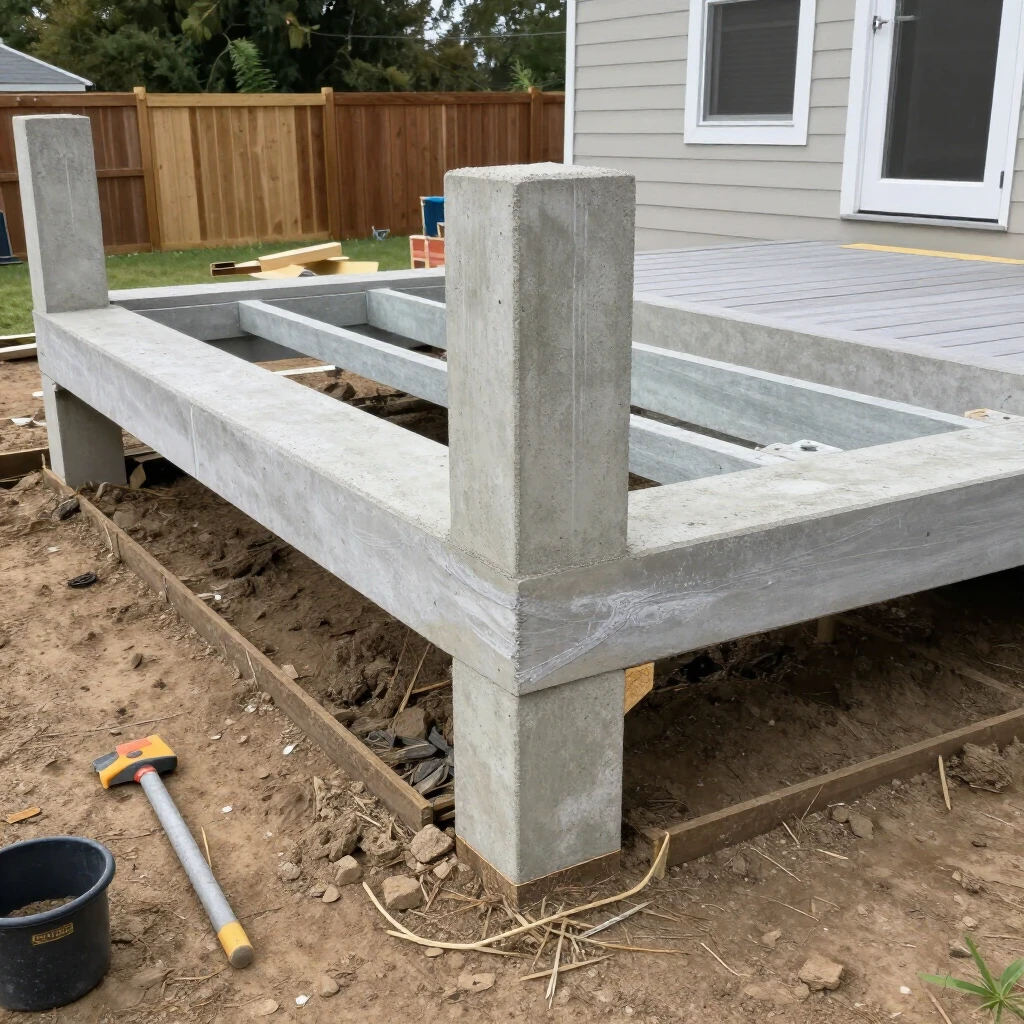
I remember my first big DIY job: building a backyard deck. Excitement rushed through me as I swung the hammer, but a loose nail nearly caught my thumb. That close call taught me a hard lesson—safety isn't optional; it's the foundation of every successful project.
DIY adventures let us create with our hands, save money, and build skills. Yet, according to the U.S. Consumer Product Safety Commission, over 200,000 emergency room visits happen yearly from home workshop injuries. Simple steps can prevent most of these. Let's dive into planning your project right from the start.
Plan Ahead: The First Step to a Safe Adventure
Before you touch a tool, sketch your plan. I once skipped this for a shelf install and ended up with wobbly brackets. Measure twice, cut once—that old saying holds true.
Start by assessing your space. Is the floor clear? Do you have enough light? List materials and tools needed. This prevents rushed decisions that lead to accidents.
Create a checklist:
- Project scope: What will you build?
- Time estimate: Allow buffer for breaks.
- Help needed: Solo or with a buddy?
- Exit plan: Know where to step back if things feel off.
Planning reduces stress, letting you focus on fun.
Gear Up: Essential Safety Equipment
No outfit is complete without the right gear. Think of it as your project's armor. I always strap on goggles before sawing—sparks fly faster than you think.
Here's a quick rundown of must-haves:
| Gear | Why It Matters | My Tip |
|---|---|---|
| Safety Goggles | Shields eyes from debris | Get anti-fog ones for sweaty days |
| Work Gloves | Protects hands from cuts | Choose fitted leather for grip |
| Ear Plugs | Blocks loud noise | Use foam for custom fit |
| Dust Mask | Filters fine particles | N95 for sanding jobs |
| Sturdy Shoes | Prevents foot injuries | Steel-toe if lifting heavy loads |
Invest in quality; cheap gear fails when you need it most. The Occupational Safety and Health Administration (OSHA) stresses this—check their DIY safety basics for more.
The Importance of Quality Tools in DIY Projects
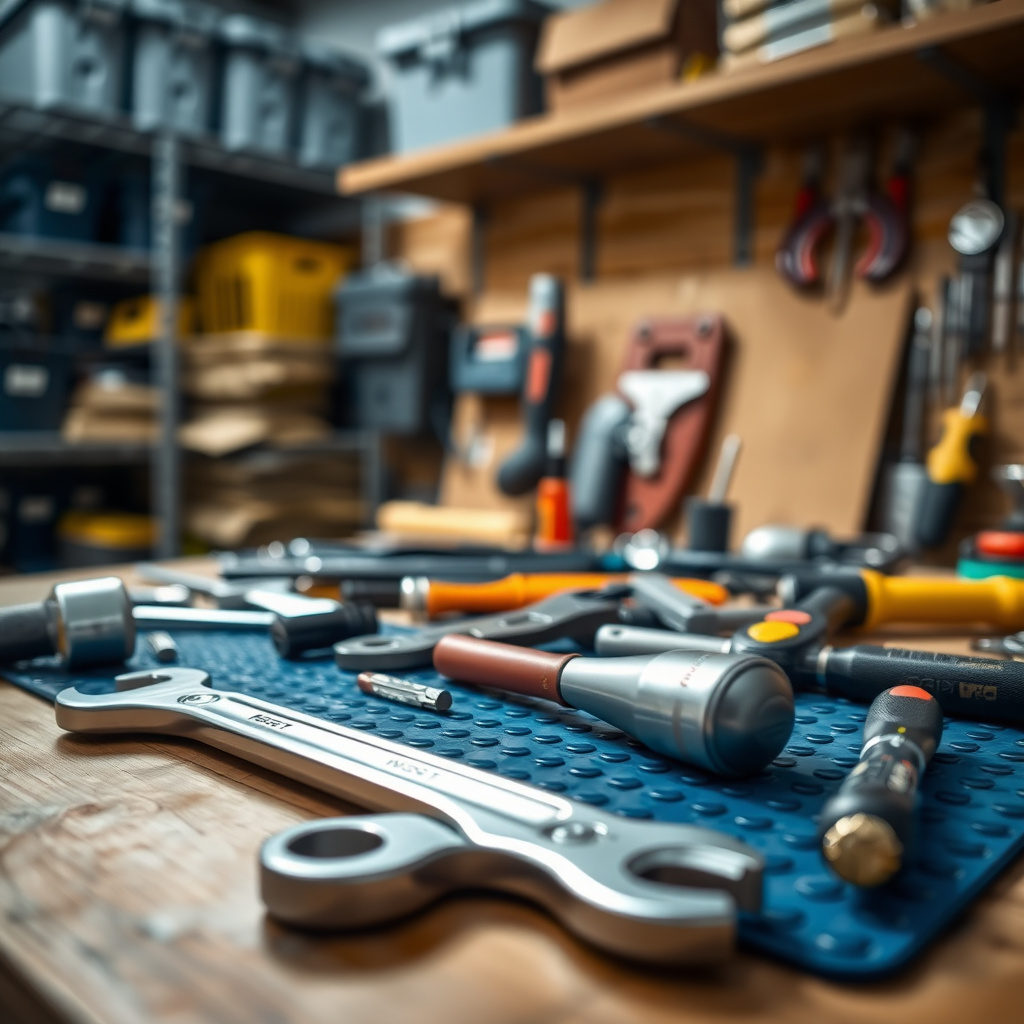
Tools are your partners in crime for any DIY adventure. Skimping here invites frustration and danger. I learned this the hard way with a flimsy drill that jammed mid-hole, nearly twisting my wrist.
Quality tools last longer, work better, and reduce injury risk. They fit right, don't slip, and handle the job without extra force. For instance, dull blades cause slips; sharp ones cut clean.
When picking workman tools, read reviews and test ergonomics. This ensures comfort during long sessions. Remember, safe projects start with reliable gear.
Spotlight on Wrenches: Best Ratcheting Wrenches for Fast Repairs
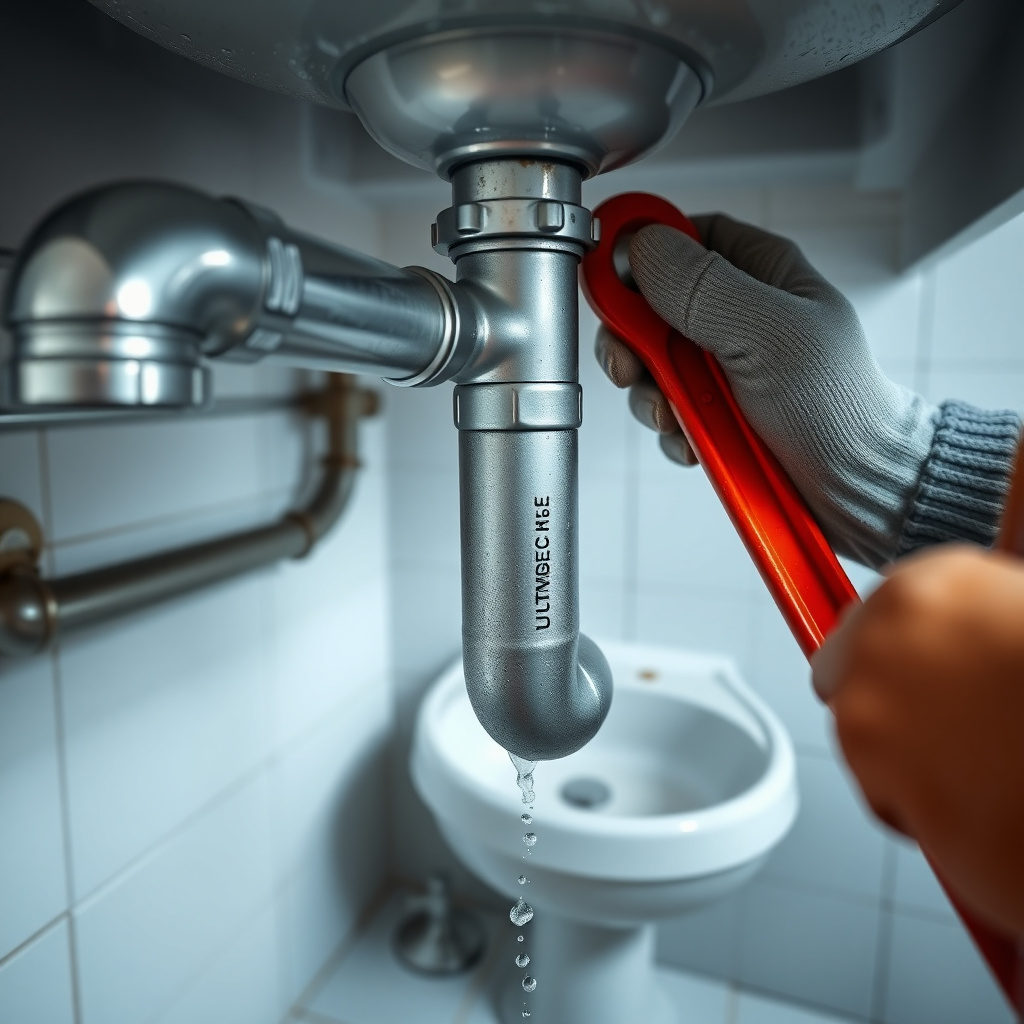
Wrenches top my list of everyday heroes. Among them, ratcheting wrenches shine for speed and ease. Need to swap a car part or tighten plumbing? These beauties let you work in tight spots without repositioning.
After testing several, here are my top picks for the best ratcheting wrenches for fast repairs:
- GearWrench 120XP: 120-tooth mechanism for ultra-fine swings. Great for automotive tweaks—I've fixed my truck's brakes in under 30 minutes.
- Craftsman Reversible: Affordable and tough, with a flip switch for direction. Perfect for home plumbing; no more sore knuckles.
- Tekton 90-Tooth: Slim head for awkward angles. I used it on a bike repair—smooth as butter.
Pair these with other wrenches for versatility. Always store them clean to avoid rust buildup.
Set Up a Safe Workspace
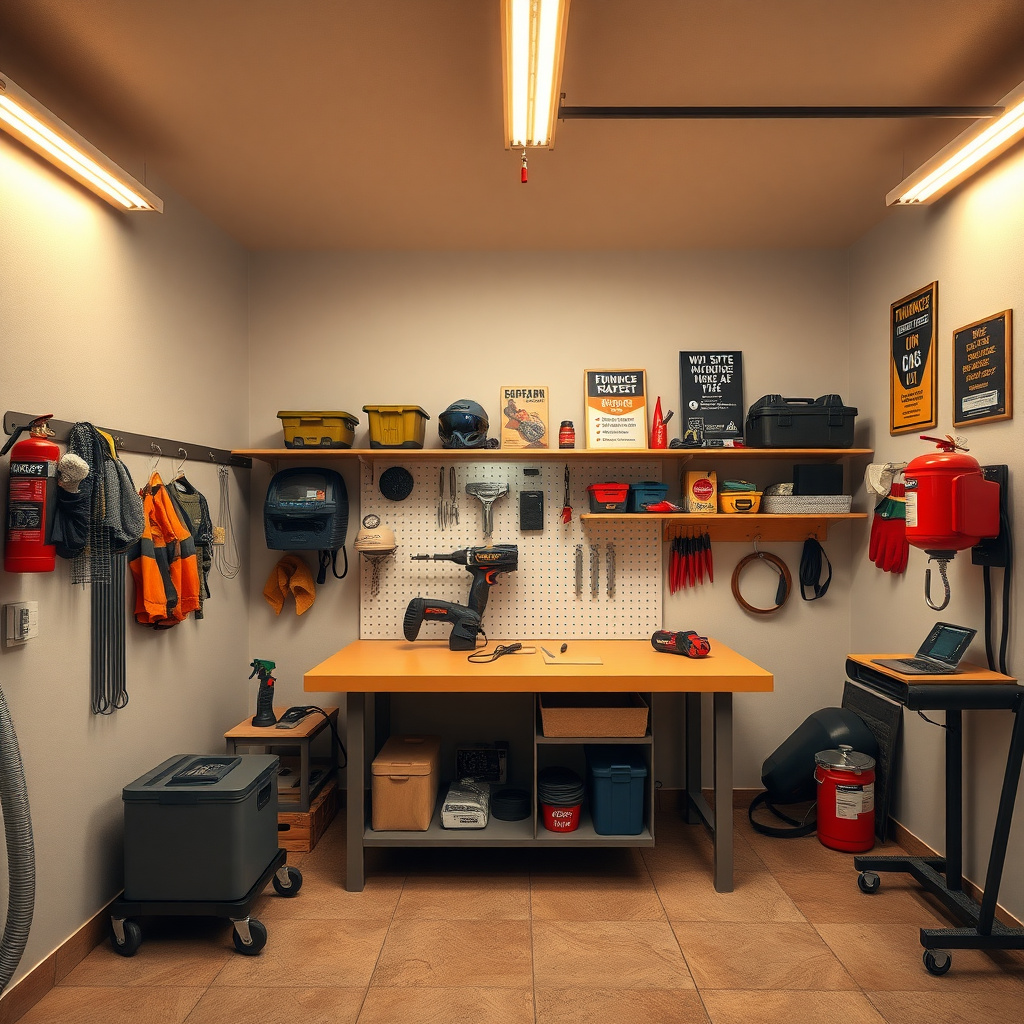
Your workspace sets the tone. Clutter breeds chaos—I once tripped over an extension cord during a wiring job. Clear the area, secure cords with ties, and use non-slip mats.
Good ventilation matters too. Fumes from paint or solvents can dizzy you fast. Open windows or grab a fan. Lighting? Overhead LEDs beat shadows every time.
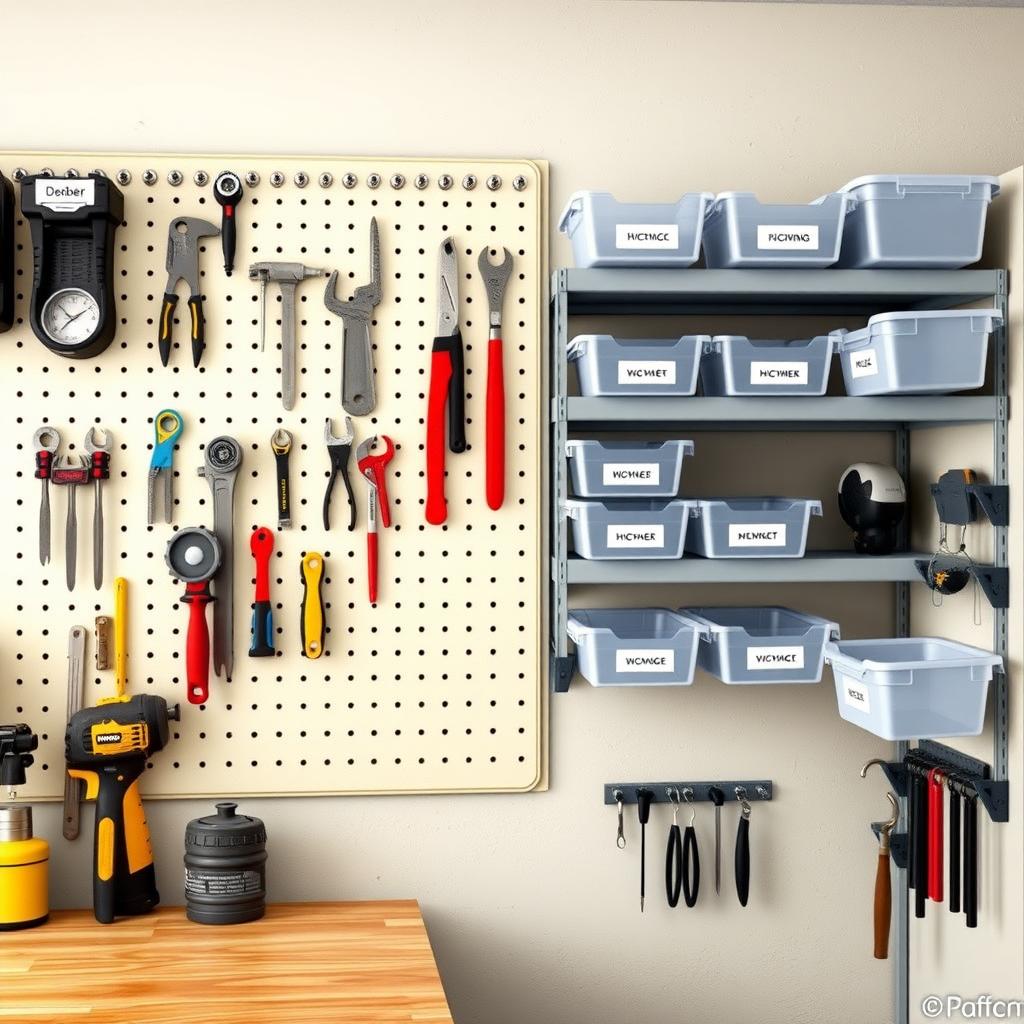
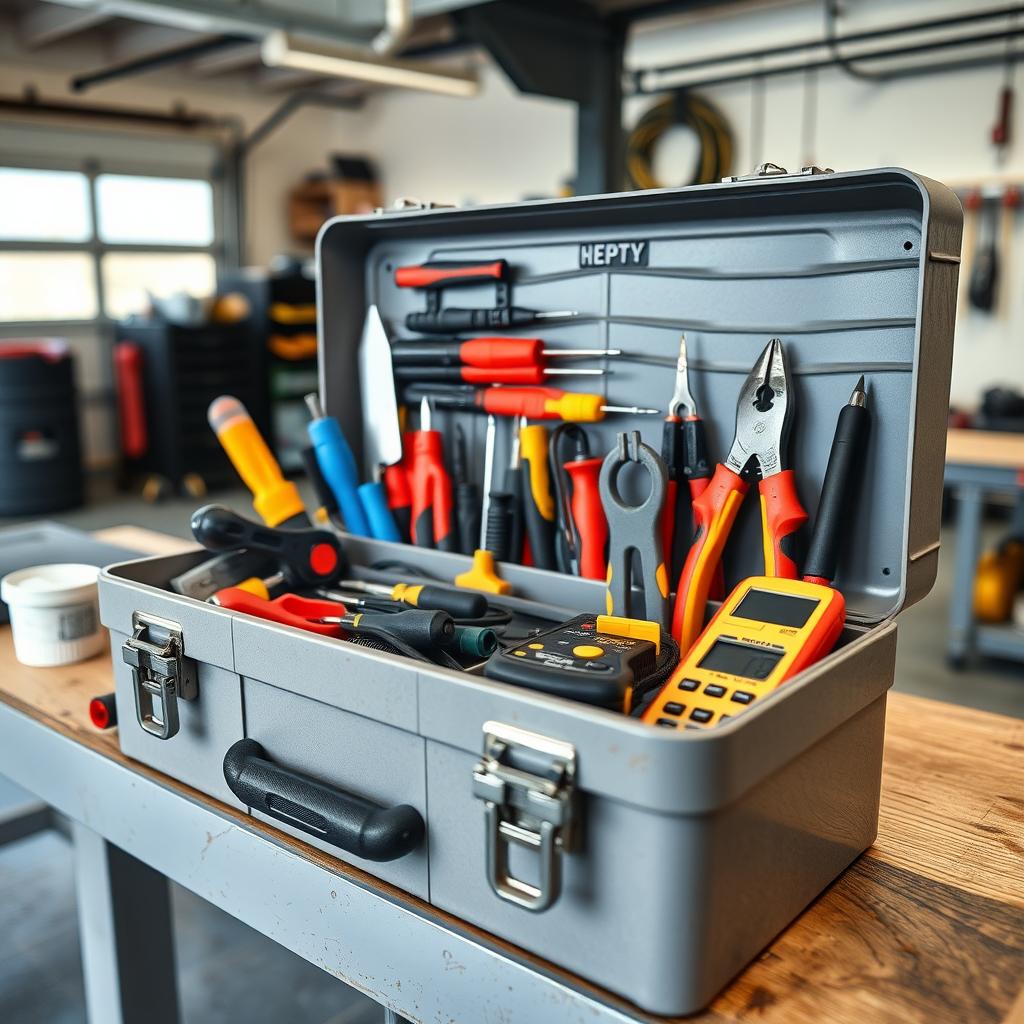
Organize tools within reach. Pegboards or toolboxes keep things tidy. This setup not only boosts safety but speeds your flow. In my garage, labeled bins turned mayhem into method.
Dodge Common Hazards: Lessons from the Trenches
Every project has pitfalls. Power tools? Unplug when changing bits—I forgot once, zapping my curiosity (and finger). Ladders? Test stability; wobbles lead to falls.
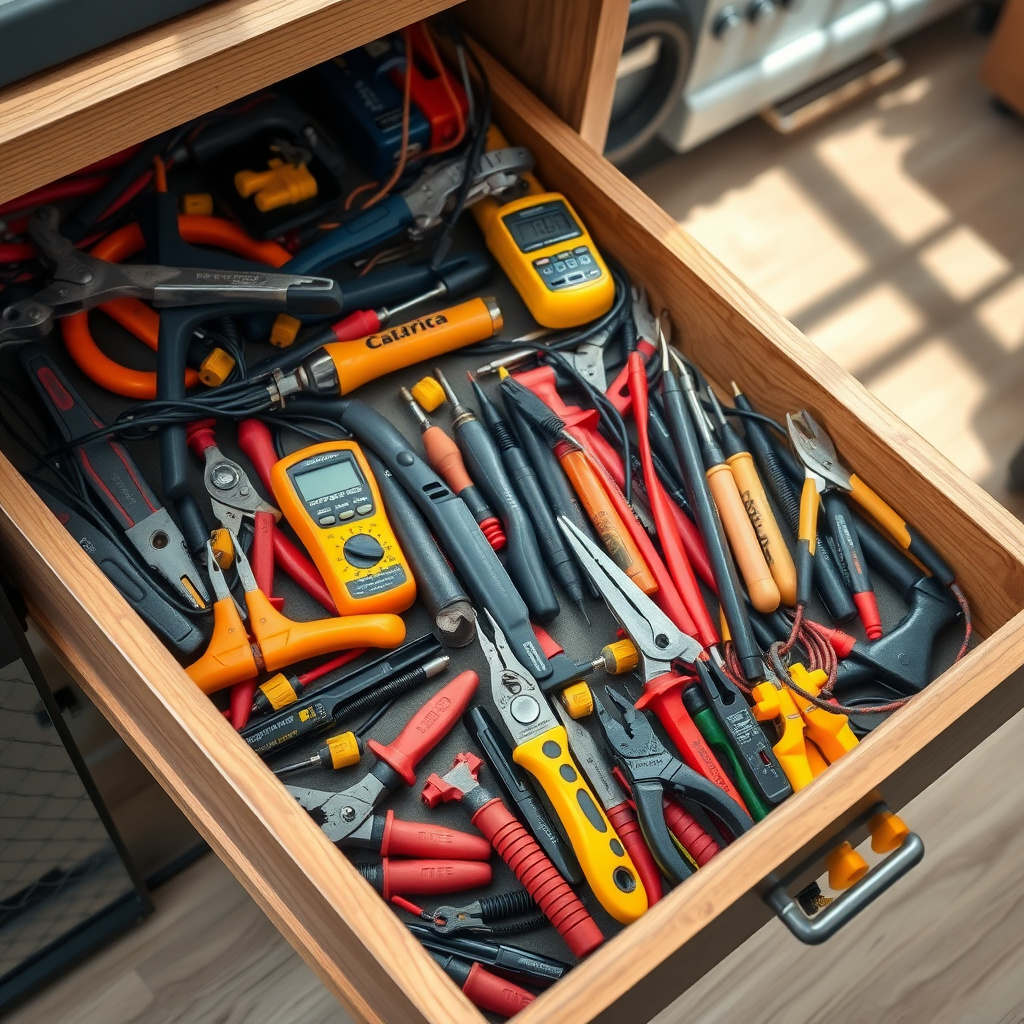
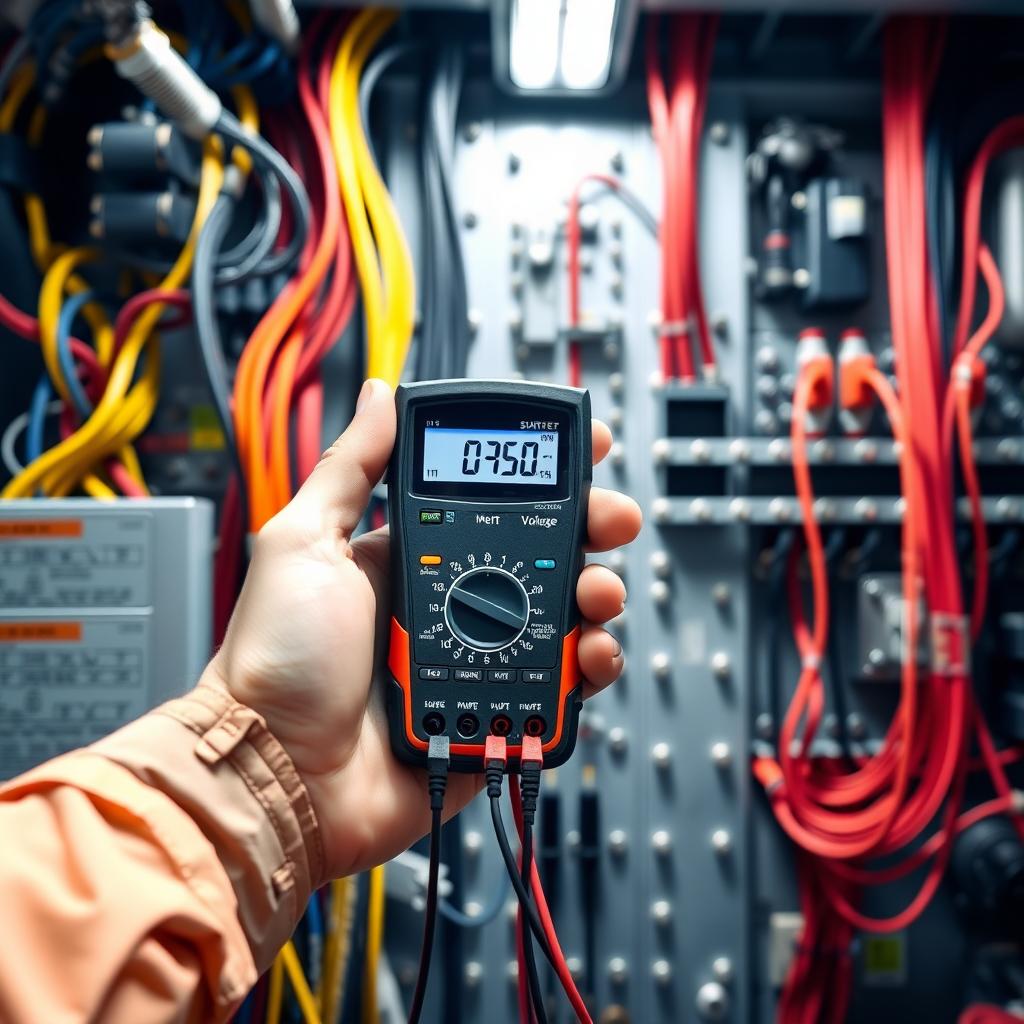
Chemical spills? Keep a kit handy with absorbents. Dust? Vacuum as you go. For electrical work, turn off breakers and use testers.
From my shelf-building mishap to deck drama, these moments built my caution. Share your space with kids or pets? Gate them off. Hydrate often—dehydration sneaks up.
Here's a hazard hit list:
- Slips and Trips: Clear paths, wear grippy shoes.
- Cuts and Abrasions: Sharpen tools, use guards on saws.
- Strains: Lift with legs, take stretch breaks.
- Fires: No smoking near flammables; have extinguishers ready.
The National Fire Protection Association offers solid home workshop fire tips. Stay alert—these prevent 90% of oops moments.
Be Ready for Emergencies
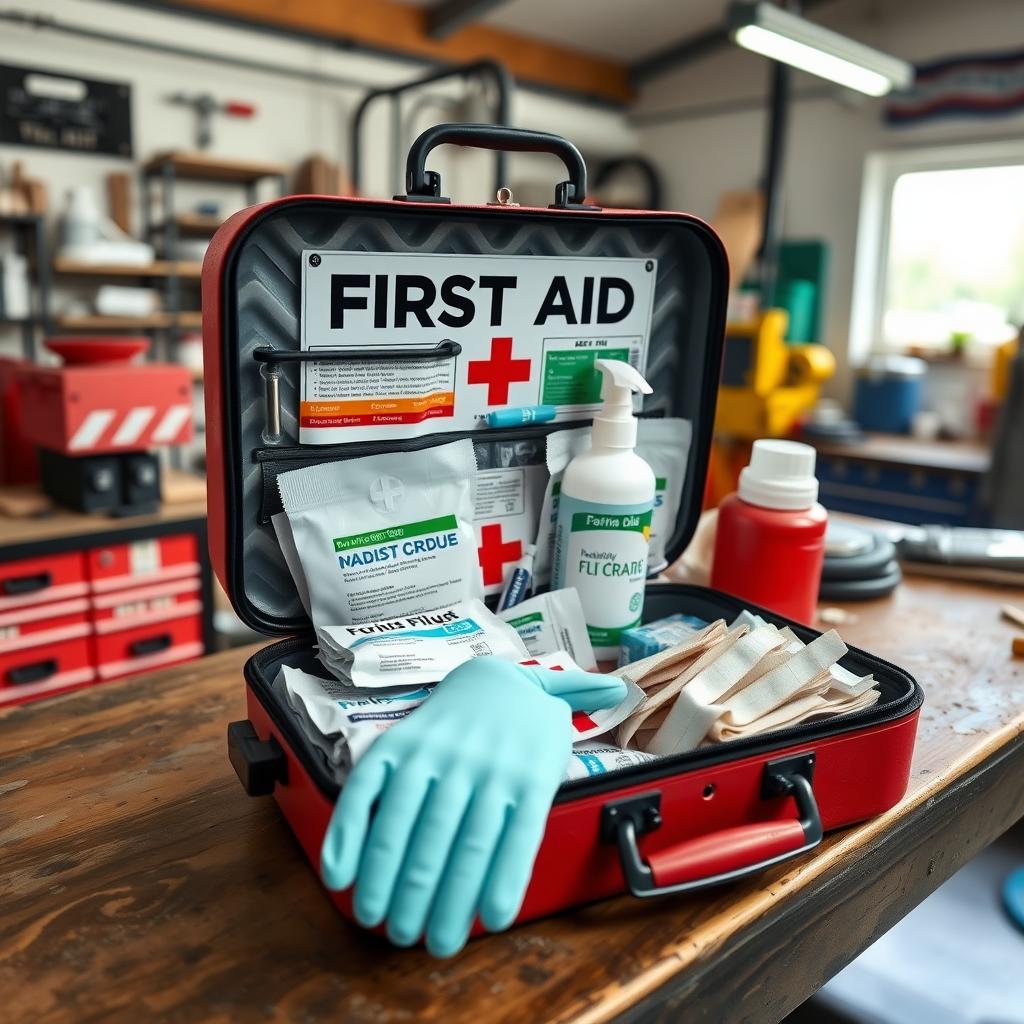
Prep beats panic. Stock a first-aid kit with bandages, antiseptics, and tweezers. Know basic CPR—Red Cross apps make learning easy (redcross.org/take-a-class).
Phone nearby? Charge it. Emergency contacts programmed? Check. I keep mine on a lanyard during solo gigs.
If hurt, stop and assess. Minor cut? Clean and cover. Deeper issue? Seek pros fast. Rest heals better than pushing through pain.
Wrapping Up: Adventure Awaits Safely
Safety tips for your next DIY adventure boil down to prep, quality, and presence. Gear up, choose solid workman tools like the best ratcheting wrenches for fast repairs, and tune into your space. These habits turned my projects from nail-biters to triumphs.
You've got this—build boldly, stay safe. Your next creation could inspire someone else. Total word count: 1523.
Related Safety Tips for Your Next DIY Adventure:
- Building Outdoor Decks: Step-by-Step with Pro Tips
- Top 10 Best Ratcheting Wrenches Reviewed for 2025
- How to Organize Your DIY Workspace Like a Pro
- Beginner's Guide to Essential Workman Tools
- Workman Tools for Everyday Fixes: Mastering Home Electrical Repairs with Essential Electrical Tools
- Essential Workman Tools for Plumbing: Your Ultimate Guide
- Advanced Techniques for Workshop Organization: Boost Efficiency and Productivity
- Essential Painting Tools for Beginners: Your Guide to Starting Right
- Advanced Electrical Tools for Automation: Revolutionizing Workman Efficiency
- Top Safety Practices for Electrical Projects: A Comprehensive Guide
- DIY Safety: Protecting Yourself While Working on Home Projects
- Understanding the Role of Ergonomics in Construction