Quick Overview
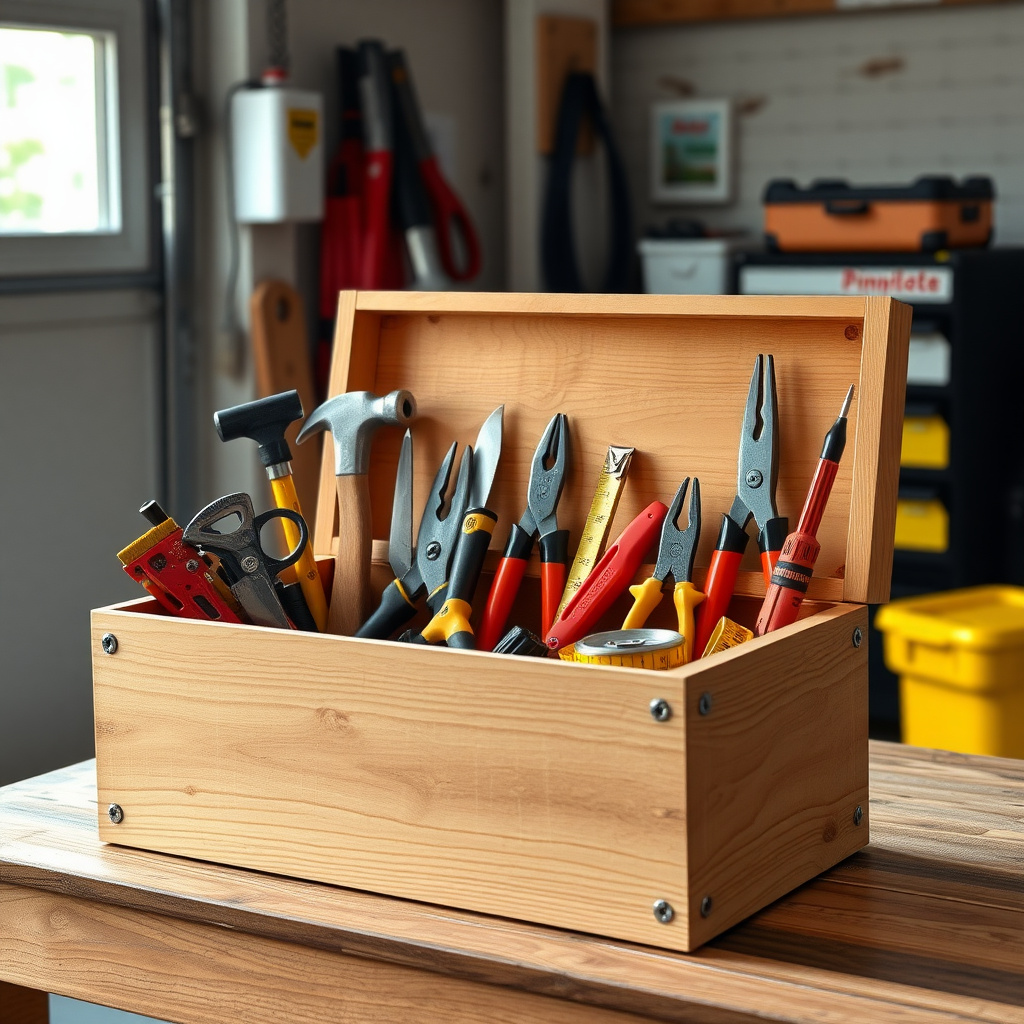
Ever stared at a loose door hinge or a wobbly shelf and wished you could fix it yourself? This guide to basic DIY home repair tools equips you with the essentials. You'll learn about hammers, workman tools, and more to handle common fixes like a pro. (38 words)
Why Bother with Basic DIY Home Repair Tools?
I remember the first time I tried to hang a picture frame without the right tools. The nail bent, the hammer slipped, and frustration set in. That mishap taught me a valuable lesson: having the right workman tools isn't just convenient—it's empowering.
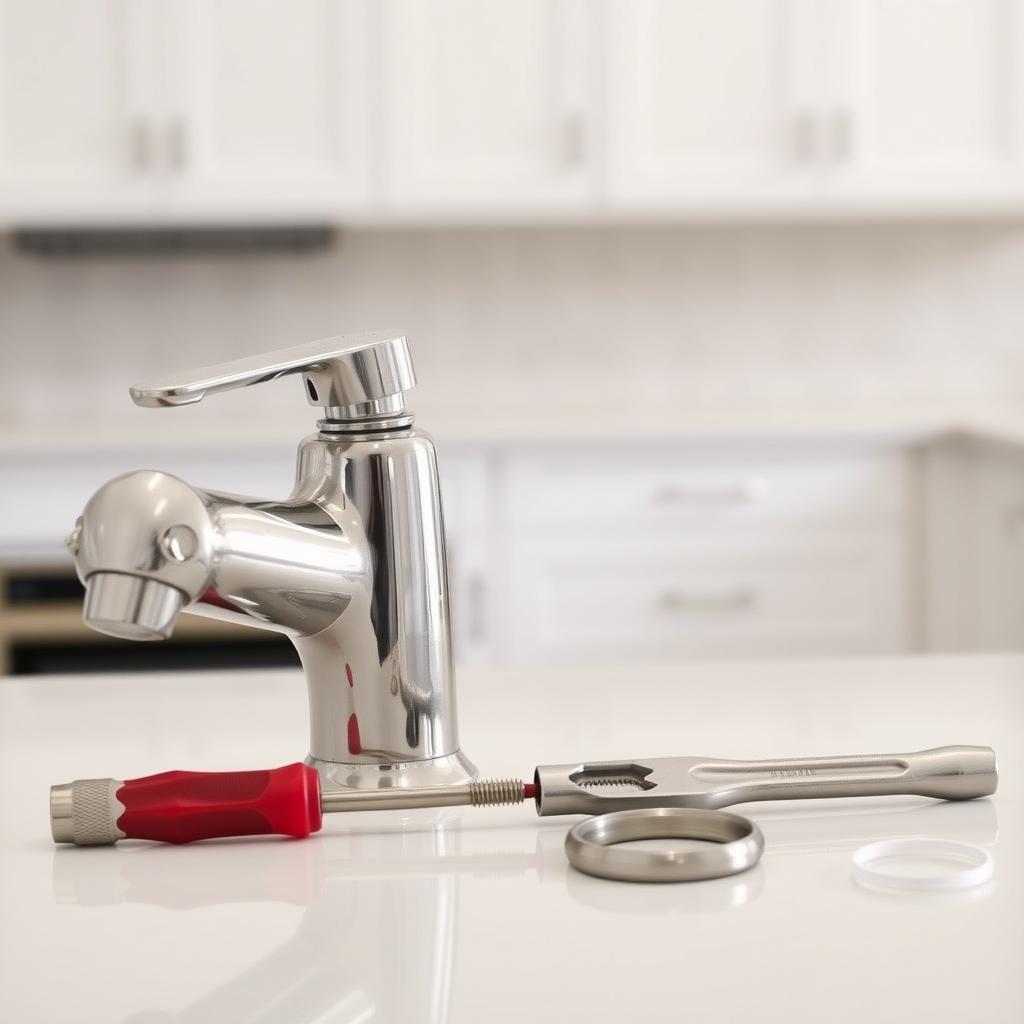
As a homeowner for over a decade, I've tackled everything from leaky faucets to creaky floors. Starting small builds confidence and saves hundreds on professional calls. According to the North Carolina State University Extension's guide on preventative home maintenance, regular DIY upkeep can extend your home's life and cut repair costs by up to 30%.
You don't need a fancy workshop. Focus on versatile basics that cover 80% of household jobs. This approach keeps things simple and budget-friendly. Let's dive into the must-haves, starting with one of the most iconic: hammers.
Hammers: The Heartbeat of Any Toolkit
Hammers top the list of workman tools for good reason. They're simple, durable, and incredibly versatile. But not all hammers suit every task. Choosing the right one prevents damage and speeds up work.
In my early days, I used a single claw hammer for everything—from driving nails to prying boards. It worked, but I learned the hard way that specialized types shine for specific projects.
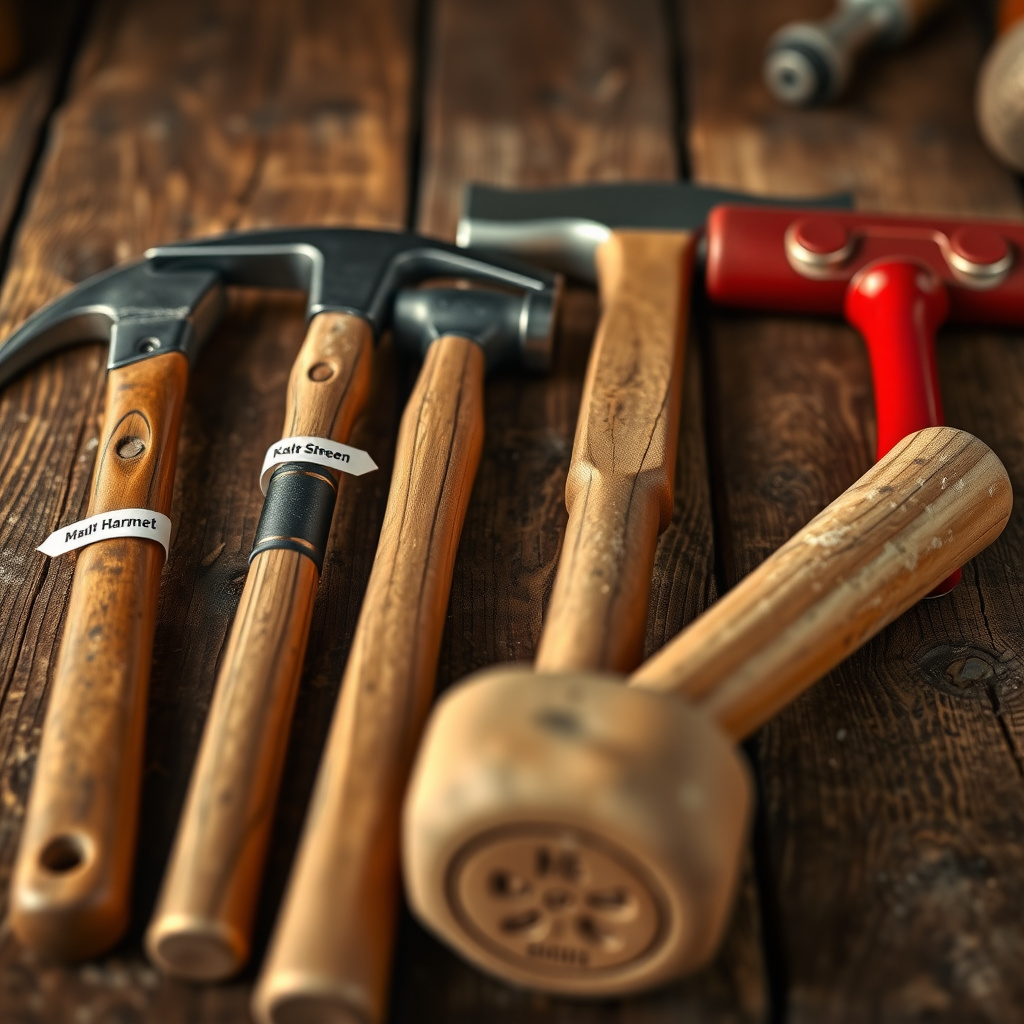
Types of Hammers for Different Projects
Here's a quick breakdown to help you pick the perfect hammer:
| Hammer Type | Best For | Why It Works |
|---|---|---|
| Claw Hammer | General nailing and prying | Curved head pulls nails easily; lightweight for everyday use. |
| Ball-Peen Hammer | Metalworking and riveting | Rounded peen shapes metal without marring. |
| Sledgehammer | Demolition and heavy driving | Long handle delivers powerful swings for breaking concrete or driving stakes. |
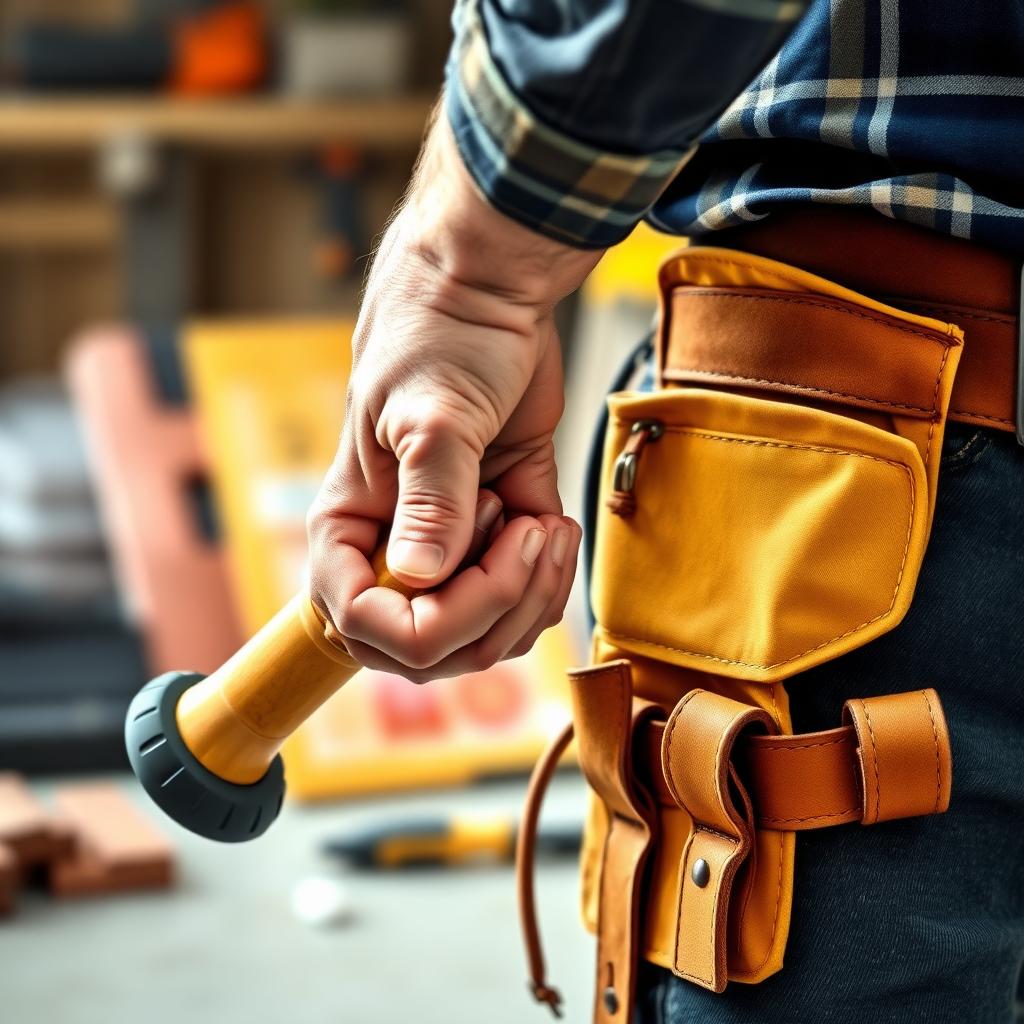
| Rubber Mallet | Delicate assembly | Soft head avoids dents on furniture or tiles. |
For deeper insights on hammer selection, check the University of Hawaii's building maintenance resources on common hammer varieties. They explain how each type's design matches job demands.
Start with a 16-ounce claw hammer—it's the Swiss Army knife of hammers. I keep mine handy for quick fixes like securing loose trim. Over time, add others as projects grow. Remember, quality matters: opt for forged steel heads and ergonomic handles to reduce strain.
Personal tip: Test swing a hammer in-store. It should feel balanced, like an extension of your arm. This small step avoids blisters and backaches down the line.
Beyond Hammers: Other Essential Workman Tools
Hammers get the glory, but a full toolkit needs partners. Screwdrivers, pliers, and more round out your arsenal for tackling diverse repairs.
Screwdrivers: The Unsung Heroes
Every DIYer needs a set of screwdrivers. Flathead and Phillips heads cover most screws. I once stripped a screw head trying to force the wrong type—lesson learned.
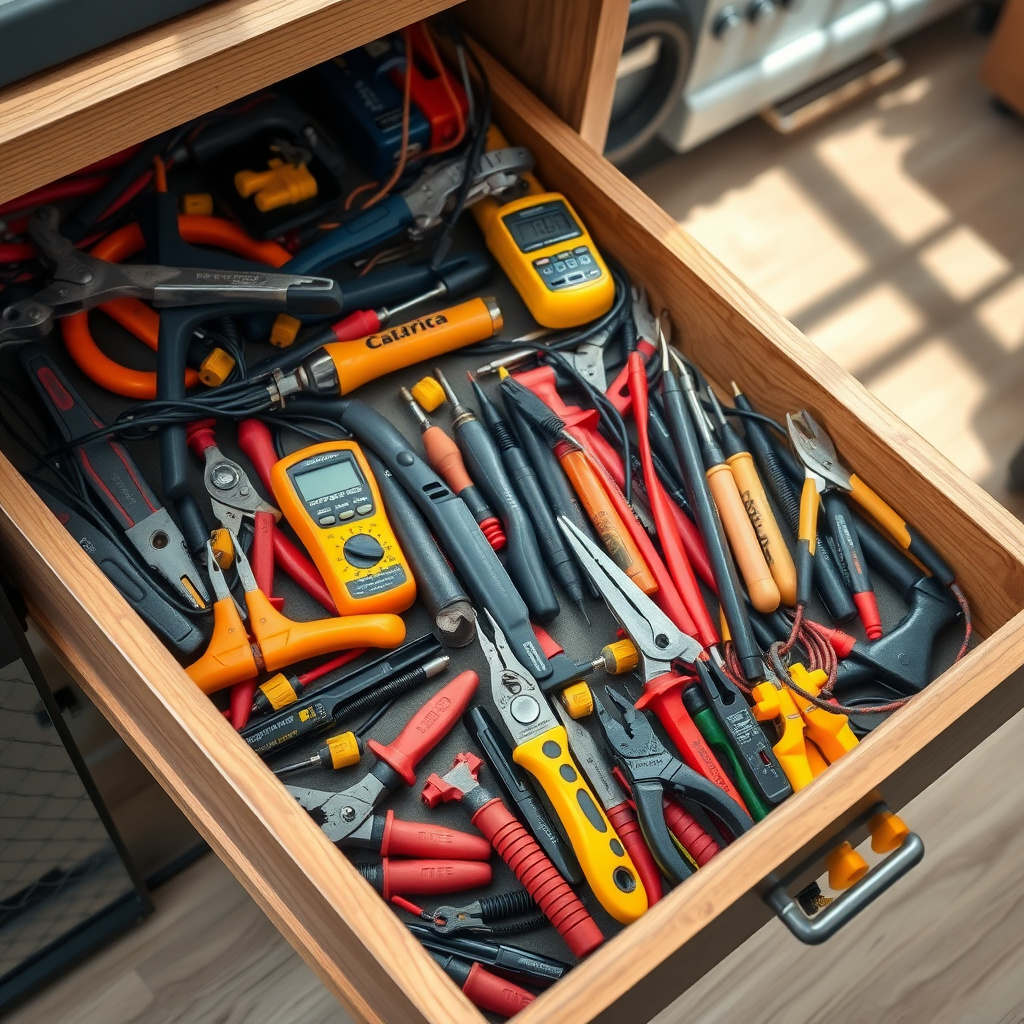
Go for a multi-bit driver with magnetic tips. It swaps bits fast and holds screws in place. For variety: - Flathead: Slots into straight grooves for cabinets. - Phillips: Cross slots for electronics and furniture. - Torx or Robertson: Specialty for modern appliances.
Aim for insulated handles if working near wires.
Pliers: Grip, Twist, and Cut with Confidence
Pliers are like the hands of your toolkit. Needle-nose for tight spots, slip-joint for general grabbing, and diagonal cutters for wire snipping.
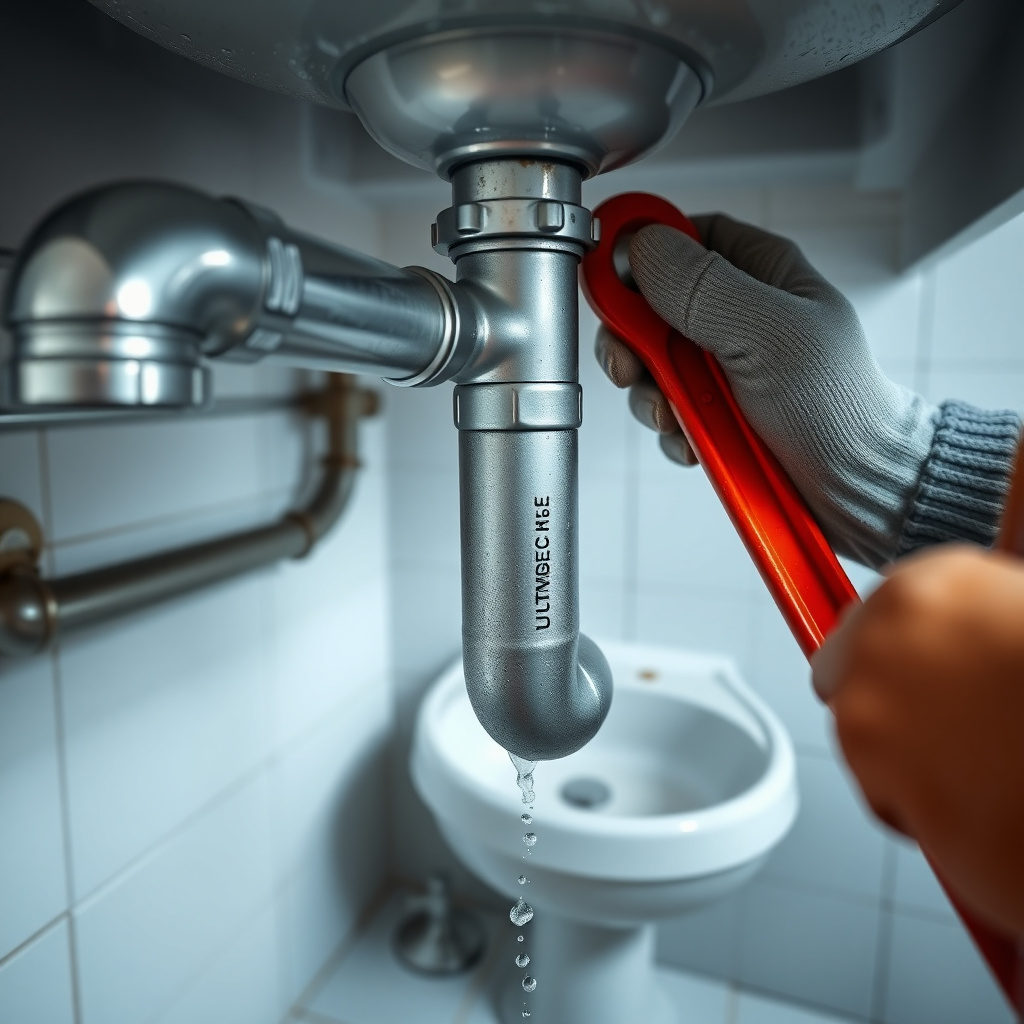
My favorite story? Using needle-nose pliers to fish a lost earring from under the fridge. But seriously, they're vital for plumbing tweaks or electrical tweaks.
Pro advice: Keep them oiled to prevent rust. A quick wipe after use extends their life.
Measuring and Leveling Tools
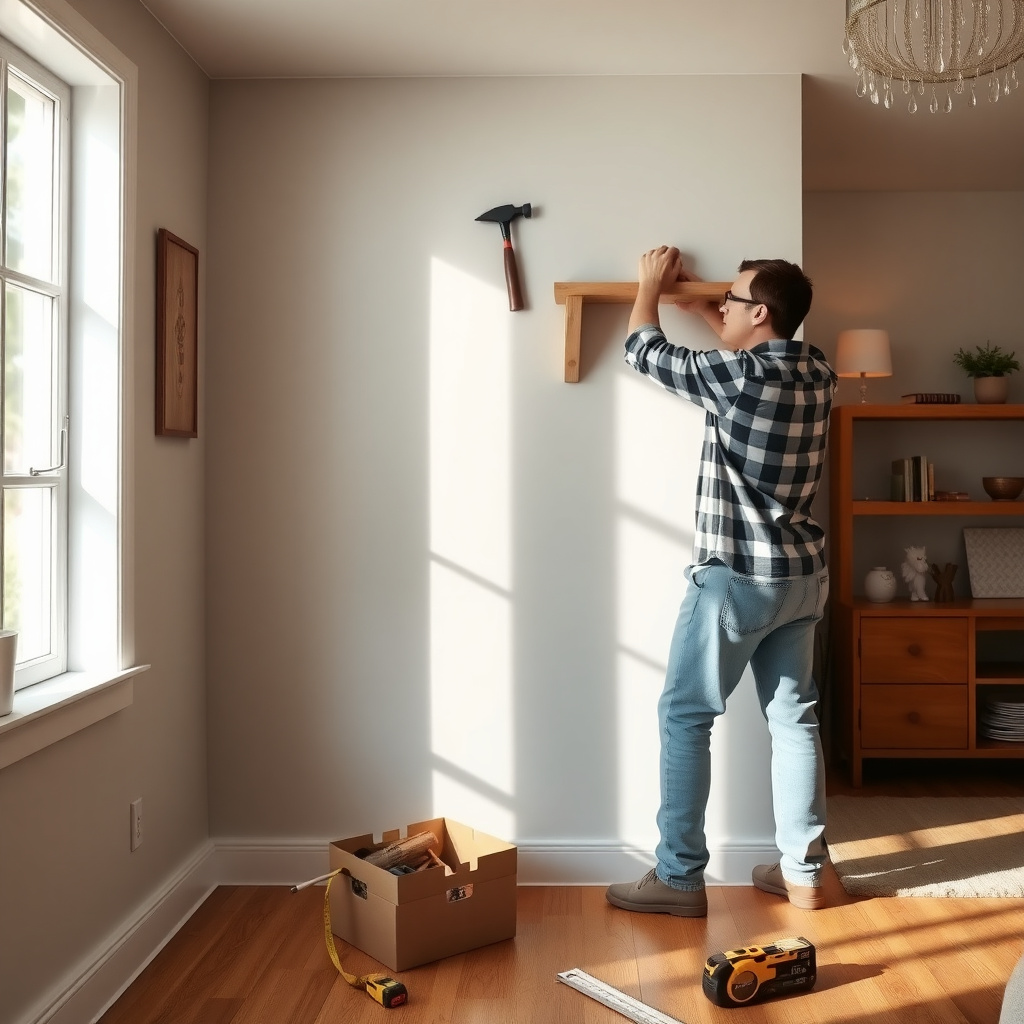
Measure twice, cut once—that's the mantra. A tape measure (25-foot steel) and spirit level ensure straight lines and accurate fits.
I've hung shelves that looked crooked until my level saved the day. Digital levels add precision for pros, but bubble ones work fine for basics.
Utility Knives and Saws
A sharp utility knife slices drywall or opens packages effortlessly. Replace blades often—dull ones cause slips.
For cutting, a handsaw handles wood trim. Hacksaws bite metal pipes. Start simple; power tools come later.
Safety First: Protecting Yourself with the Right Gear
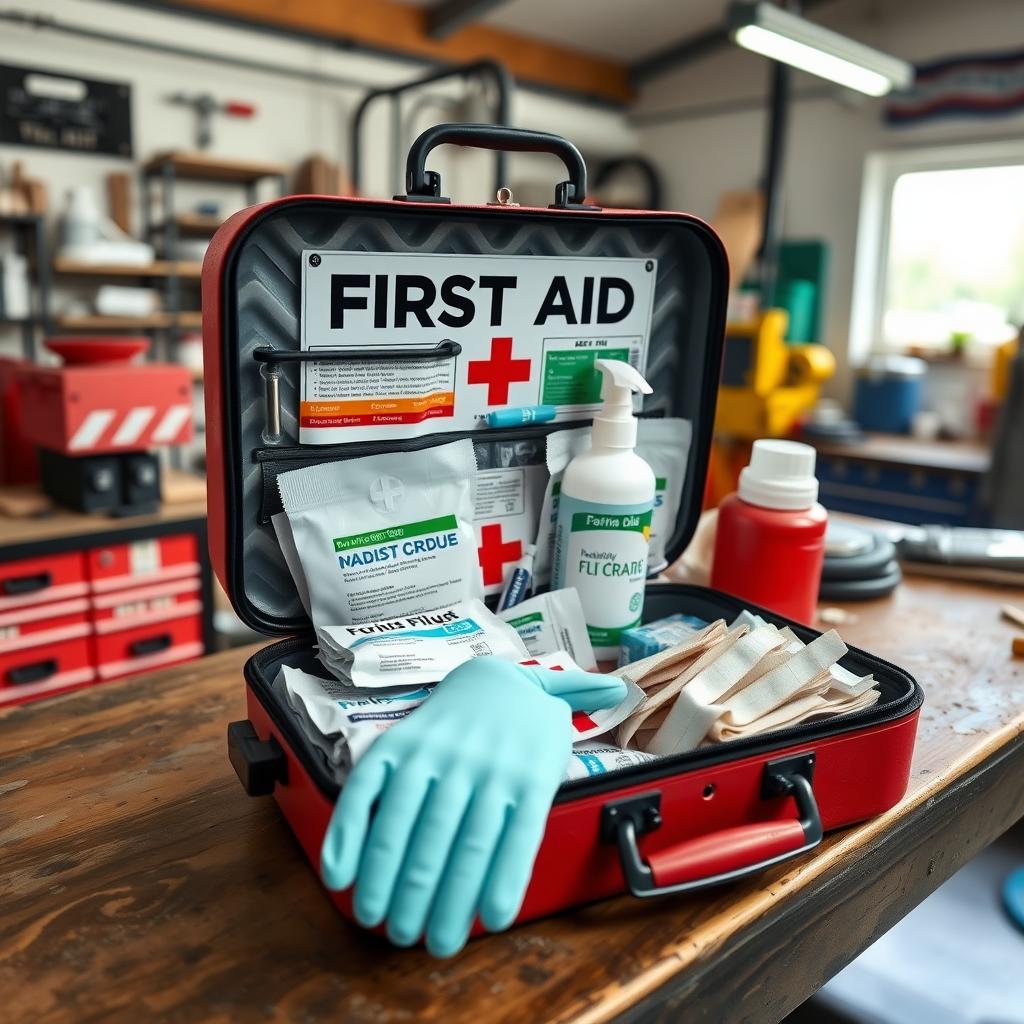
Tools empower, but safety gear guards. Gloves shield hands, safety glasses block debris, and ear protection muffles noise.
The U.S. Environmental Protection Agency's lead-safe renovation tips for DIYers stress testing for hazards in older homes. I always ventilate spaces and wear a mask during dusty jobs.
Build a safety habit: Inspect tools before use, work in lit areas, and keep a first-aid kit close. These steps turned potential disasters into smooth successes for me.
Building and Maintaining Your Toolkit
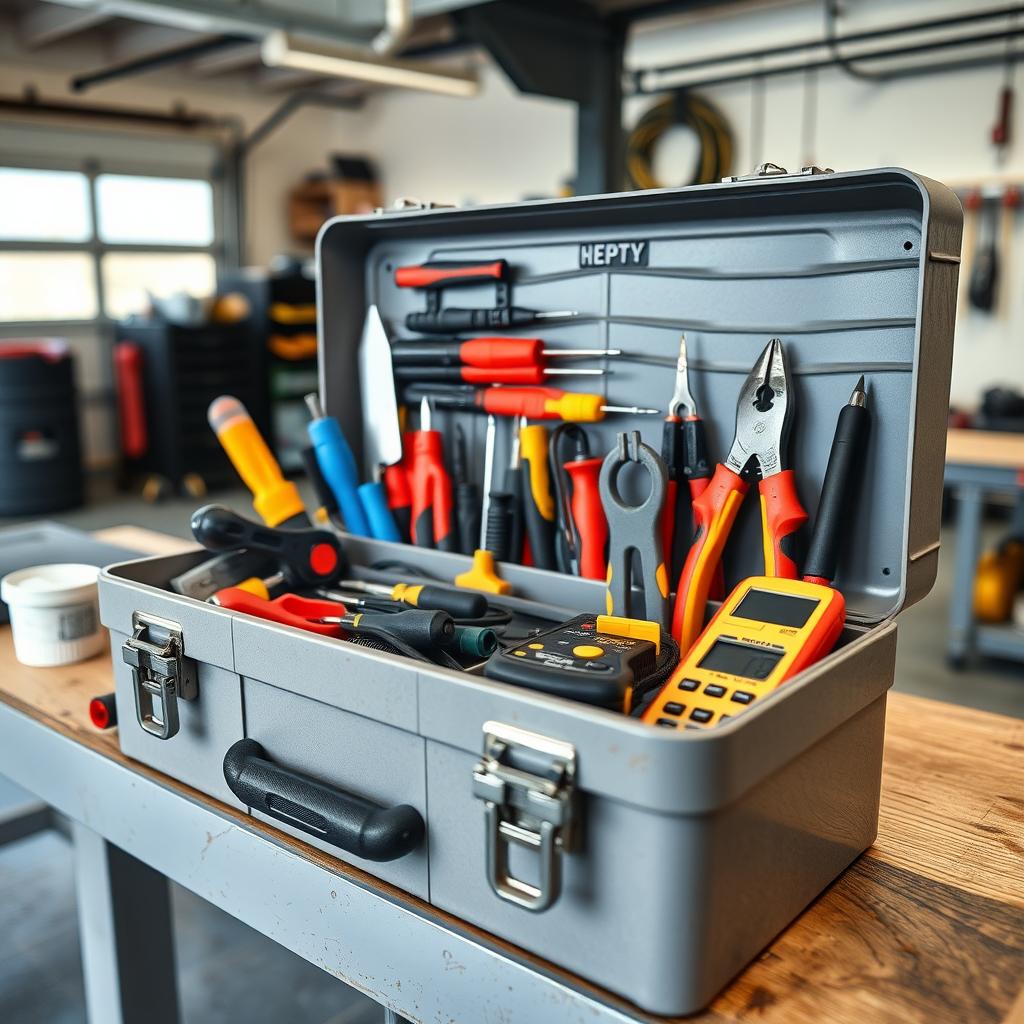
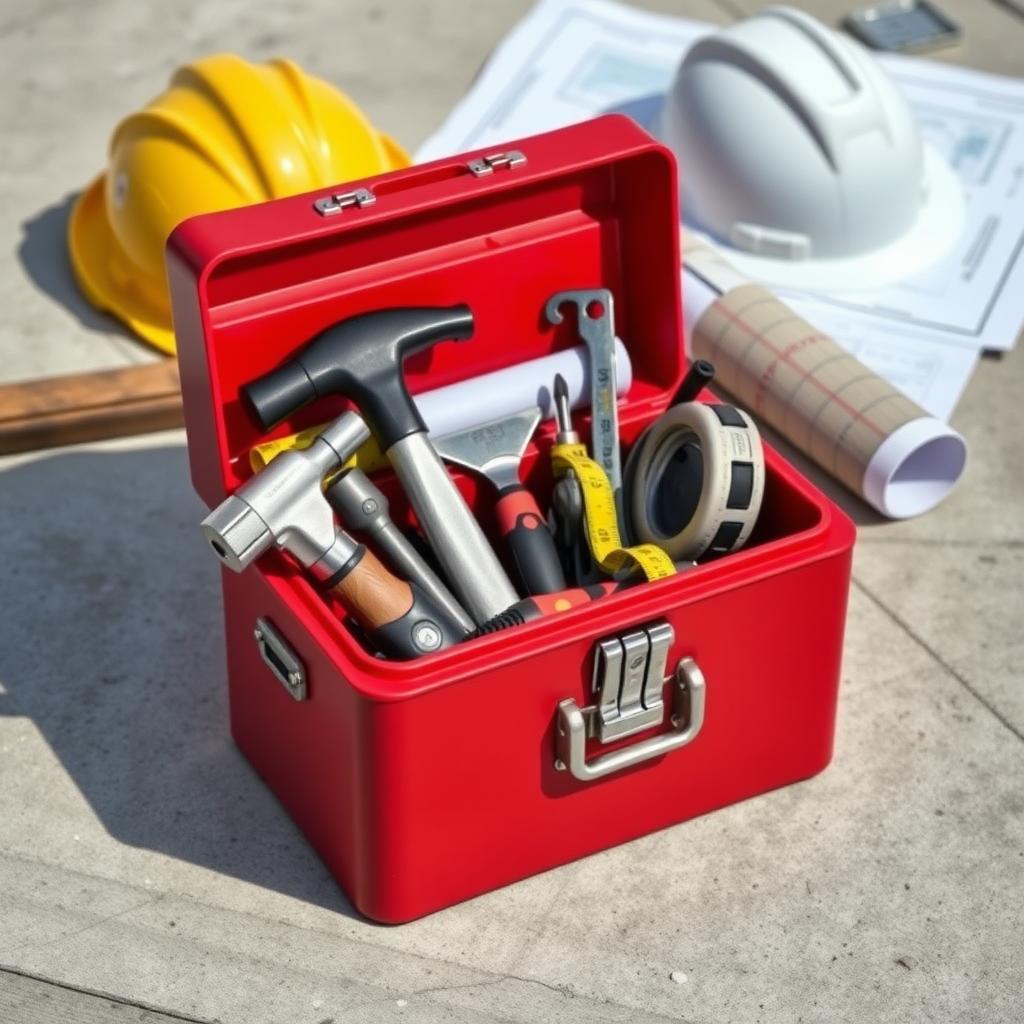
Assemble gradually. Begin with 8-10 essentials: hammer, screwdrivers (4-pack), pliers (3 types), tape measure, level, utility knife, adjustable wrench, and flashlight.
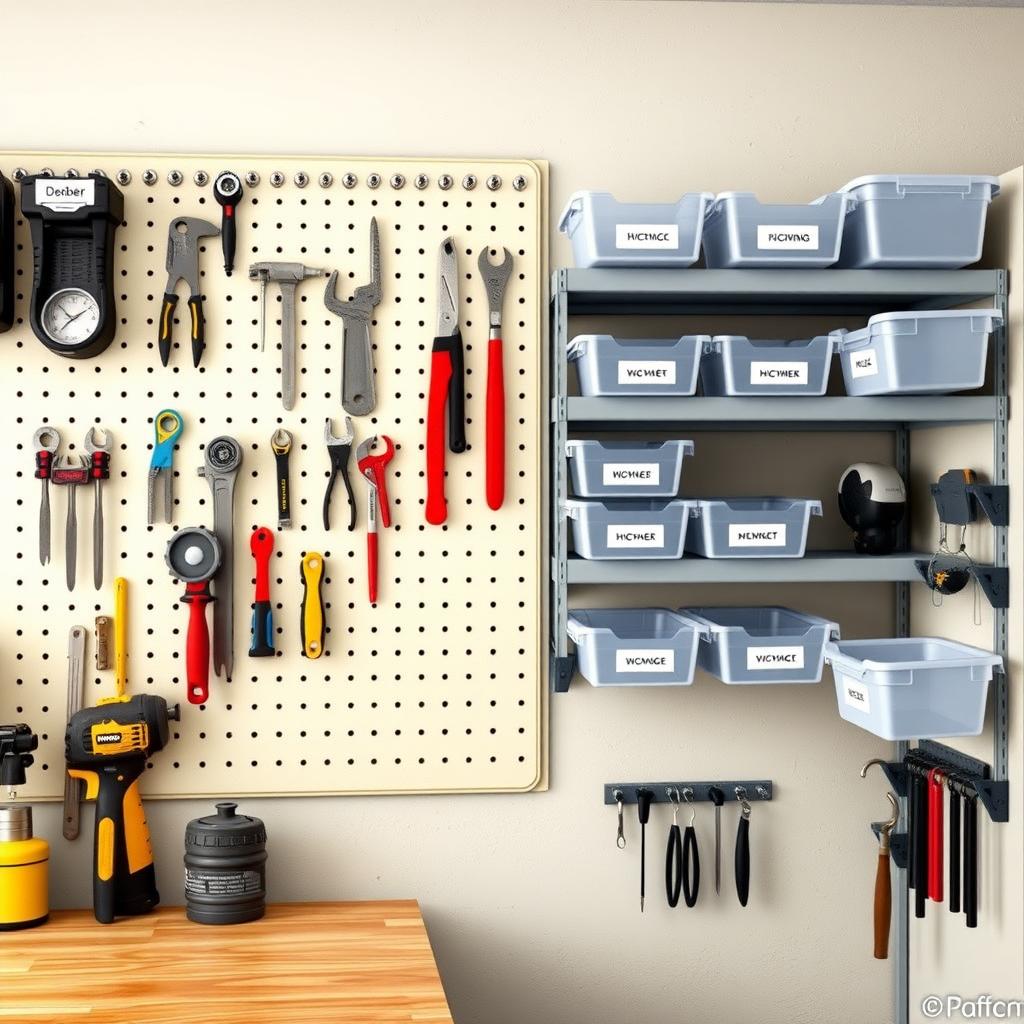
Store in a sturdy toolbox or pegboard for easy access. Clean after each use—wipe down metal parts and sharpen edges.
Budget tip: Shop sales or borrow to test before buying. Over years, I've curated a kit worth every penny, handling 90% of fixes solo.
Challenge yourself: Pick one project weekly, like tightening cabinet knobs. Track progress; it'll surprise you how capable you become.
Wrapping It Up: Your Path to DIY Mastery
From mastering types of hammers for different projects to stocking versatile workman tools, you're now set for home repair adventures. Start small, stay safe, and enjoy the satisfaction of a job well done. Your home—and wallet—will thank you. (1,512 words total)
Related A Guide to Basic DIY Home Repair Tools:
- Beginner's Guide to Electrical Safety at Home: Essential Tips for a Safer Household
- Safety Tips for Your Next DIY Adventure
- Workman Tools for Everyday Fixes: Mastering Home Electrical Repairs with Essential Electrical Tools
- Essential Workman Tools for Plumbing: Your Ultimate Guide
- Advanced Techniques for Workshop Organization: Boost Efficiency and Productivity
- Essential Painting Tools for Beginners: Your Guide to Starting Right
- Advanced Electrical Tools for Automation: Revolutionizing Workman Efficiency
- Top Safety Practices for Electrical Projects: A Comprehensive Guide
- DIY Safety: Protecting Yourself While Working on Home Projects
- Understanding the Role of Ergonomics in Construction
- Top 10 Tools Every Workman Should Own for Any Job
- How to Fix Common Plumbing Problems at Home: A DIY Guide