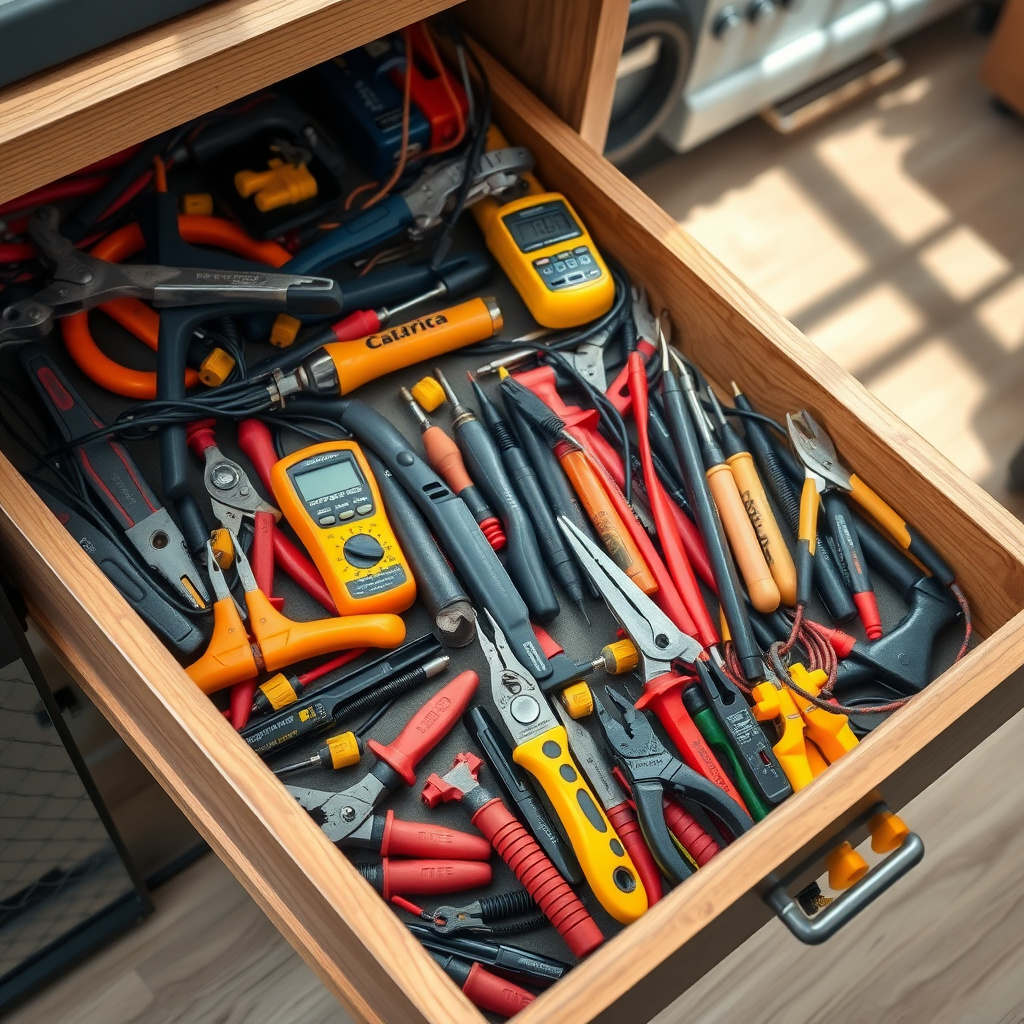
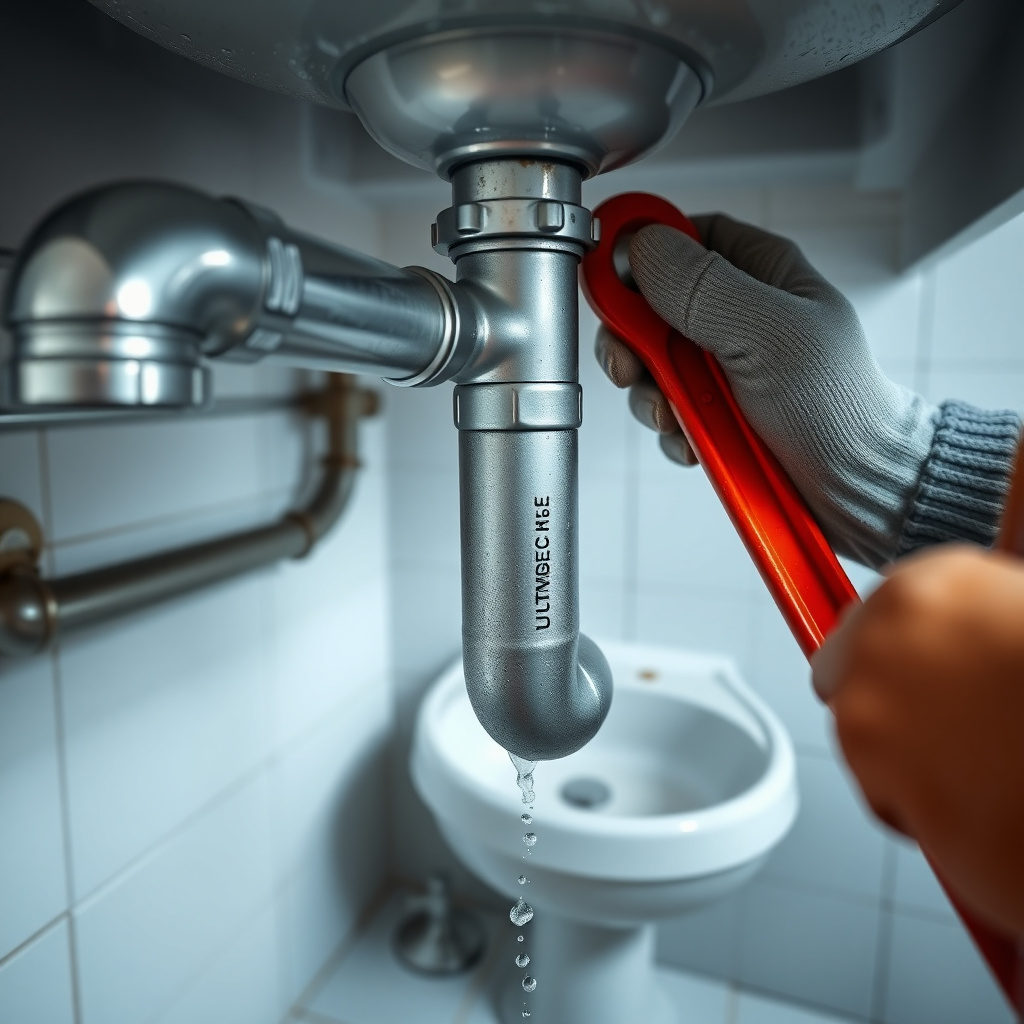
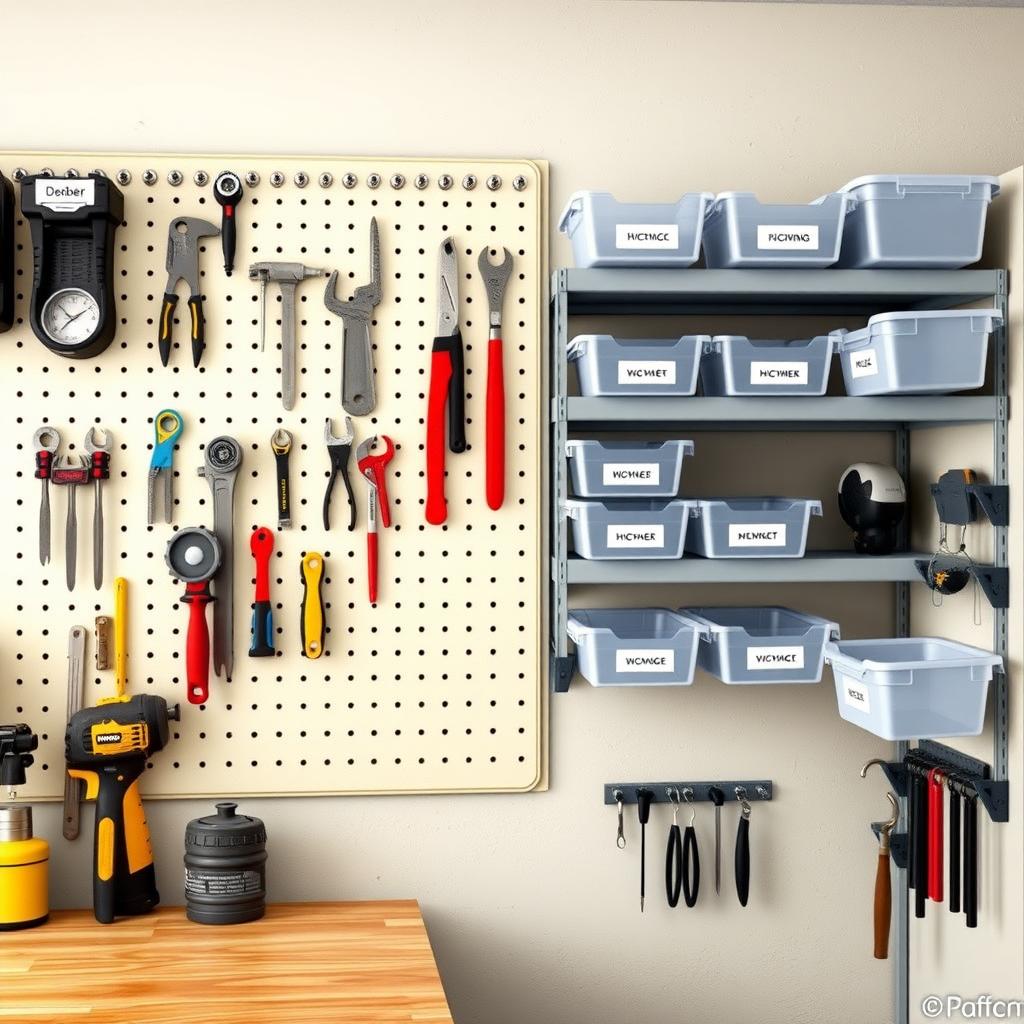
Quick Overview
Metalworking opens doors to endless creativity, but it starts with the right gear. This guide dives into essential workman tools for metalworking, highlighting key hand tools that make the job smoother. Drawing from my years in the shop, you'll get practical advice to build your toolkit wisely. (42 words)
Why Workman Tools Matter in Metalworking
I've spent countless hours in dusty workshops, shaping metal into useful pieces. What stands out? The tools in your hands. Good workman tools for metalworking turn frustration into flow. They let you focus on the craft, not the fight against faulty equipment.
Think about it: a dull file skips across steel, wasting time and energy. But a sharp one glides, revealing smooth edges. That's the difference quality makes. As a hobbyist turned pro, I learned early—invest in tools that last.
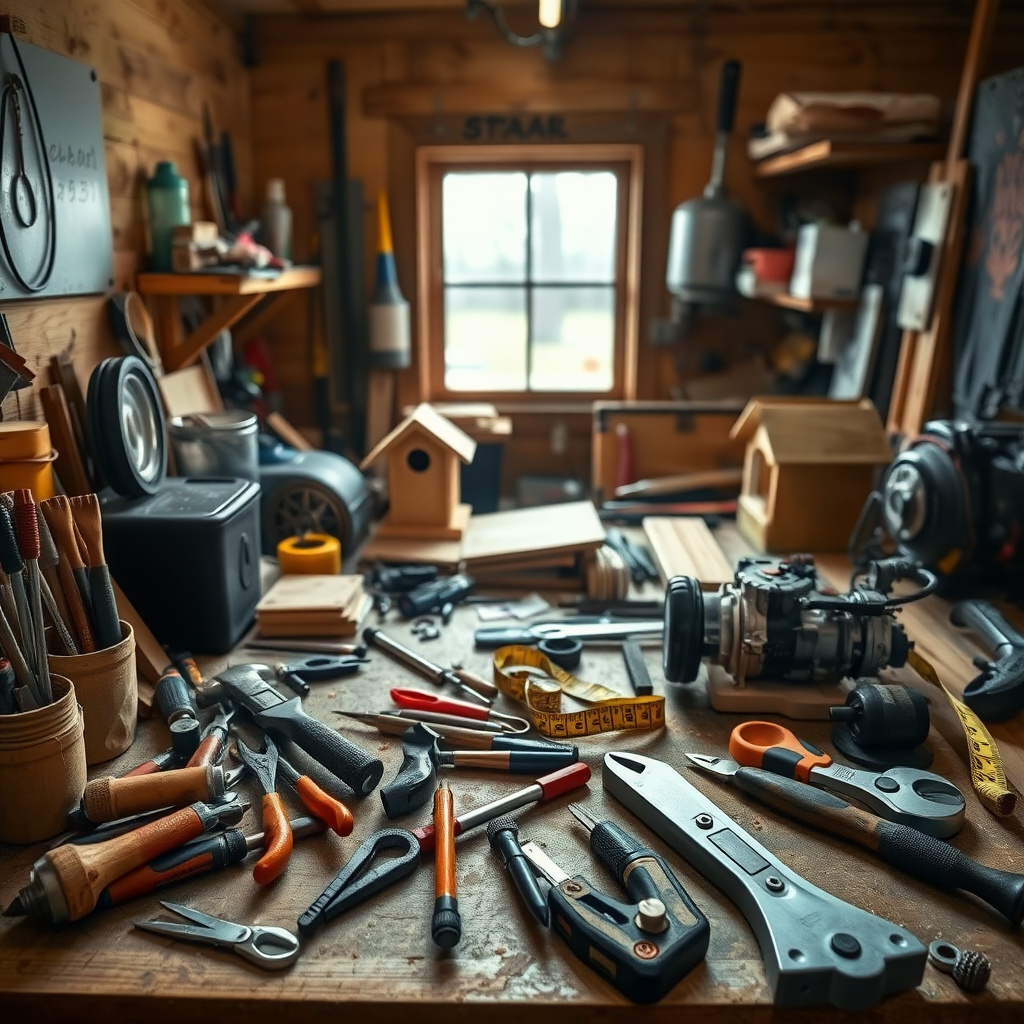
Hand tools form the backbone of any metalworking setup. They're portable, precise, and don't need power outlets. Whether you're bending sheet metal or filing down welds, these basics keep projects moving.
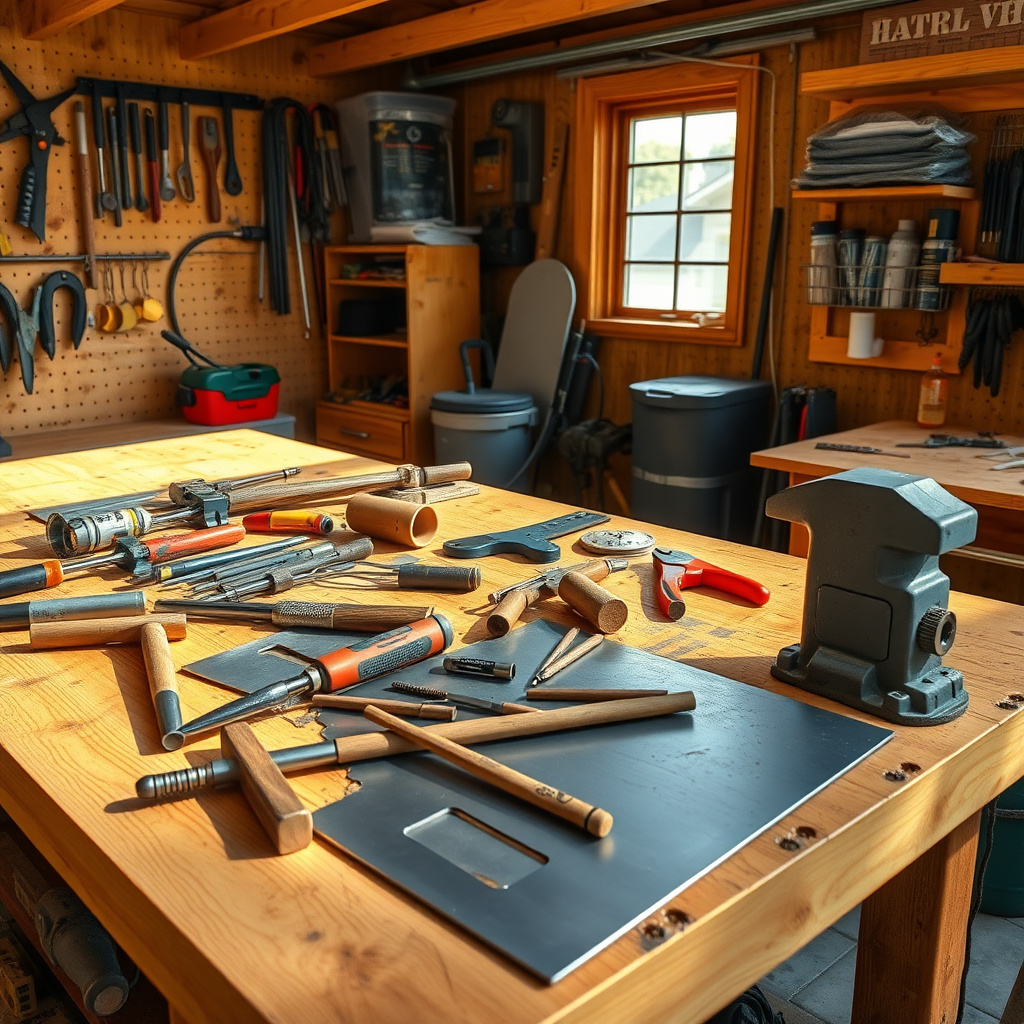
Must-Have Measuring Tools
Accuracy rules in metalworking. Start with a reliable tape measure for quick lengths. I swear by the 25-foot steel one—it's tough and won't stretch like cloth versions.
For finer work, grab digital calipers. They measure down to 0.01 inches, perfect for fitting joints. In my first big project, a custom bike rack, sloppy measurements cost me a redo. Lesson learned: measure twice, cut once.
Don't overlook squares. A try square checks right angles on flat stock. Pair it with a combination square for angles up to 45 degrees. These hand tools save headaches later.
| Tool | Best For | My Tip |
|---|---|---|
| Tape Measure | Rough lengths | Keep it coiled tight to avoid kinks |
| Digital Calipers | Precise dimensions | Zero it often for accuracy |
| Try Square | 90-degree checks | Wood handle for grip comfort |
Cutting Tools That Deliver Clean Edges
Cutting metal demands sharp, sturdy blades. Aviation snips top my list for sheet metal—they slice through aluminum like butter. Straight-cut ones handle long lines; curved for tight circles.
For thicker stock, use hacksaw frames with fine-tooth blades. I once botched a steel tube with a coarse blade—jagged mess. Switch to 24 teeth per inch for smoother results.
Bolt cutters shine for rods and chains. They're muscle tools, but leverage makes them easy. Always wear gloves; those handles bite back if you slip.
Explore MIT's training guide on hand tools and fixturing for detailed setups that enhance cutting precision.
Striking Tools: Hammers and Beyond
Nothing beats a solid hammer in metalworking. Ball-peen hammers suit riveting and peening— the rounded end shapes without marring. I use a 16-ounce one daily; it's balanced for control.
Chisels pair perfectly. Cold chisels cut cold metal; hot ones for heated stock. Tap lightly to start, then build force. Overdo it, and you'll chip the edge.
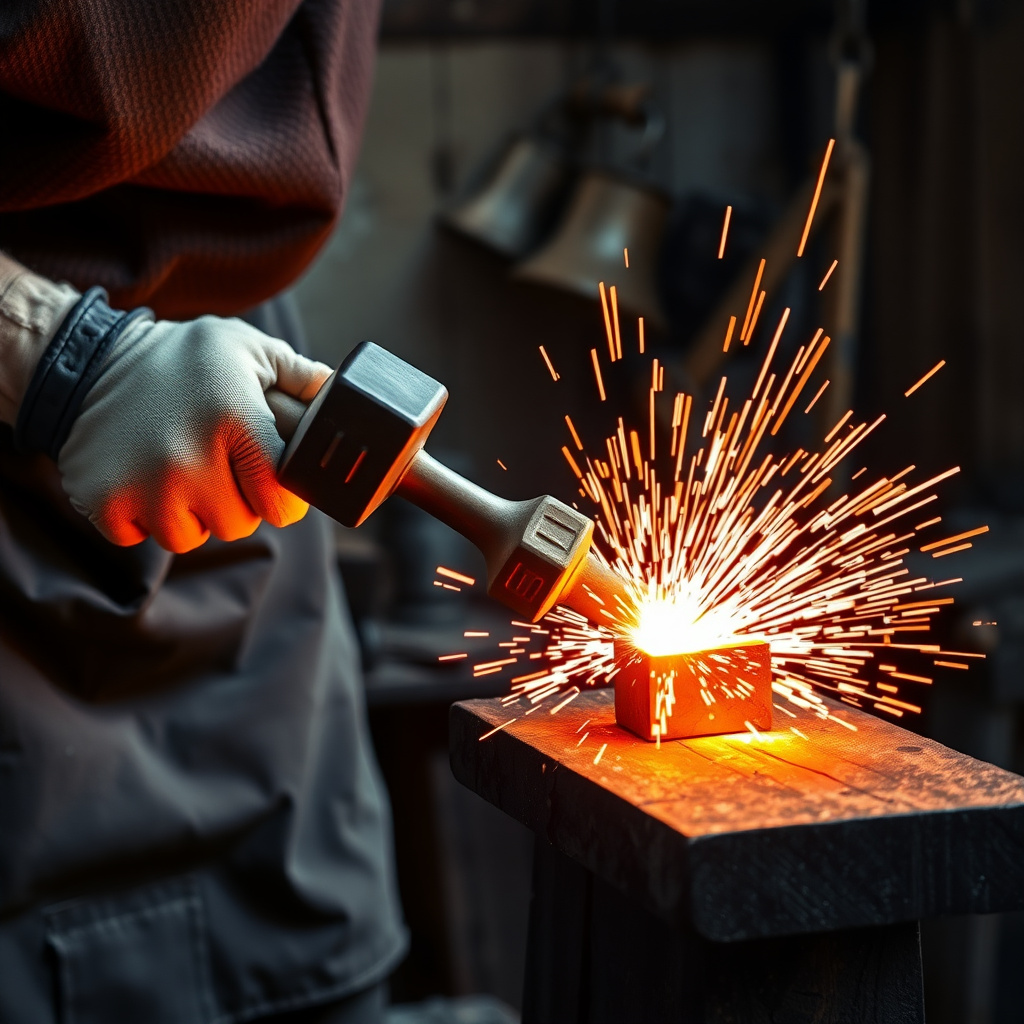
Mallets offer gentler persuasion. Rubber or plastic heads prevent dents on soft metals like brass. In restoration work, they preserved antique finishes where metal hammers would fail.
Holding and Clamping: Keep It Steady
Secure your work, or risk slips. Vises mount to benches for immovable holds. Quick-release ones speed up swaps.
C-clamps and bar clamps lock pieces tight. I layer them for complex bends—safety first.
Toggle clamps excel for repetitive tasks, like jig setups. They're fast and firm. My shop's full of them now, thanks to a production run that demanded speed.
- Vise Grips: Lock onto awkward shapes.
- Sheet Metal Clamps: Won't dent thin stock.
- Band Clamps: Even pressure around curves.
Filing and Finishing: Smooth Operators
Files shape and deburr. Bastard files rough out stock; smooth ones refine. Match tooth pattern to metal—single-cut for hard, double for soft.
I file in one direction only—push strokes. It keeps edges keen longer. After filing, sandpaper smooths to perfection.
Check Cuyahoga Community College's standard operating procedures for hand tools for safe filing techniques that prevent slips.
Safety First: Protecting Yourself with Workman Tools
Tools shine, but safety gear completes the picture. Gloves shield hands from cuts; safety glasses block flying chips. I skipped glasses once—regret it still, with a scar to prove.
Ear protection muffles hammer rings over time. Sturdy aprons catch sparks.
For power-assisted hand tools, like grinders, follow OSHA's guidelines on hand and power tool safety. They outline guards and inspections that keep accidents at bay.
In welding corners of metalworking, eye shields are non-negotiable. Refer to CDC's safety standards for welding and cutting for ventilation tips that clear fumes fast.
Maintenance: Keep Your Tools Sharp and Ready
Treat tools right, and they'll serve for decades. Clean after use—wipe off metal dust. Oil moving parts lightly.
Sharpen files with a brass brush; store hanging to avoid dulling. My grandfather's chisel set still cuts clean because of this routine.
For hammers, check handles for cracks. Replace wooden ones proactively. It's cheap insurance against flying heads.

Personal Insights: Lessons from the Shop Floor
Over 15 years, I've built everything from gates to jewelry. Early on, I chased shiny new tools. Big mistake—fundamentals first. Master hand tools before power ones; they teach feel and control.
One project stands out: forging a gate from scrap rebar. Basic workman tools turned junk into art. It taught patience—rush, and metal fights back.
Budget tip: Buy mid-range. Cheap breaks; premium overkill for starters. Join local maker groups—they swap tips and tools.
Building Your Kit: Step-by-Step
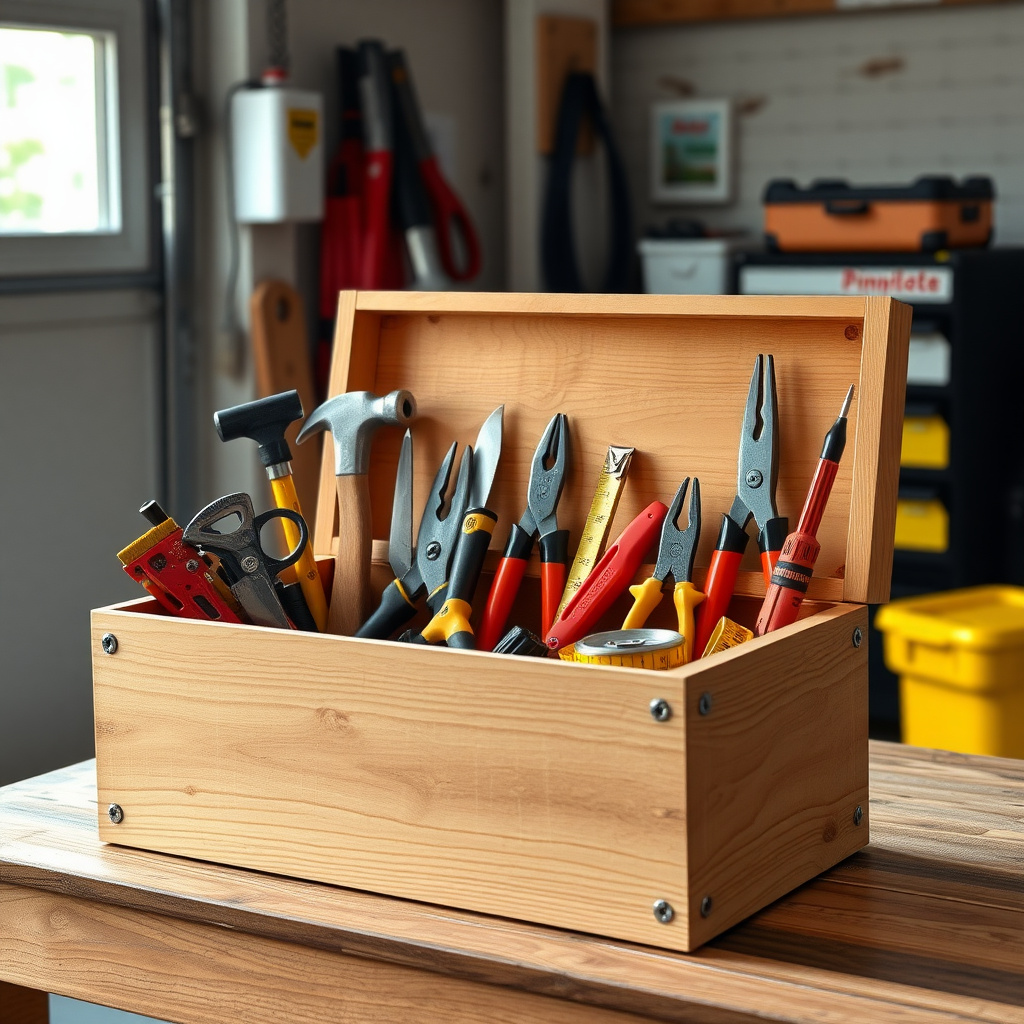
Start small: 1. Core hand tools: hammer, snips, file set. 2. Add measuring: calipers, square. 3. Expand to clamps and vises.
Scale as projects grow. Track what you use most—mine's the hacksaw, hands down.
Wrapping It Up
Workman tools for metalworking aren't just gear; they're extensions of your hands. Focus on quality hand tools, prioritize safety, and maintain diligently. You'll craft with joy and precision. Ready to spark your next project? Your bench awaits. (1480 total words)
Related workman tools for metalworking:
- How to Maintain Your Car's Engine for Longevity: Smart Tips, Essential Tools, and Your AI Companion
- A Detailed Guide to Essential Tools for Hobbyists
- How to Choose the Right Torque Wrench for Your Needs
- How to Choose the Best Power Drill for Your DIY Projects
- Best Wrench Sets for Construction Workers: Essential Workman Tools for Every Job Site
- A Guide to Basic DIY Home Repair Tools: Essential Workman Tools Every Homeowner Needs
- Safety Tips for Your Next DIY Adventure
- Workman Tools for Everyday Fixes: Mastering Home Electrical Repairs with Essential Electrical Tools
- Essential Workman Tools for Plumbing: Your Ultimate Guide
- Advanced Techniques for Workshop Organization: Boost Efficiency and Productivity
- Essential Painting Tools for Beginners: Your Guide to Starting Right
- Advanced Electrical Tools for Automation: Revolutionizing Workman Efficiency