Quick Overview
Hand tools are the backbone of any DIY project or workshop. Learning how to maintain hand tools effectively keeps them lasting longer and working better. In this guide, we'll cover cleaning, sharpening, storage, and more. Follow these steps to save time and money on your workman tools. (38 words)
Why Bother Maintaining Your Hand Tools?
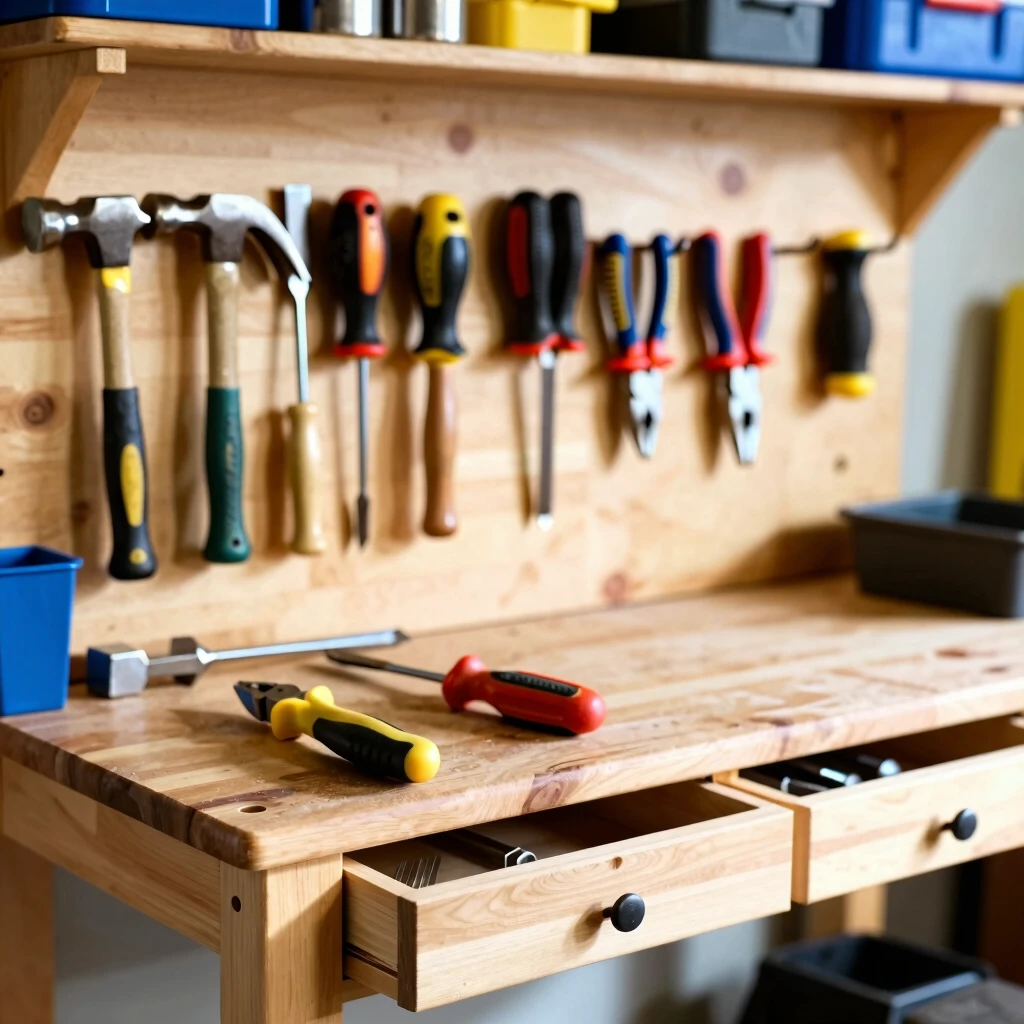
I remember my first toolbox. It was a rusty old thing from my grandpa, packed with bent screwdrivers and dull saws. Back then, I didn't know better. I'd force them through jobs, cursing under my breath. But once I started maintaining my tools, everything changed. Projects went smoother, and I felt more confident.
Maintaining hand tools isn't just about looks. It prevents accidents, extends tool life, and boosts efficiency. A sharp chisel cuts clean lines instead of splintering wood. A lubricated wrench turns bolts without slipping. Simple habits like these turn frustrating days into productive ones.
Think about it: How often do you reach for a tool only to find it's gummed up with old grease? Regular care keeps that from happening. Plus, well-kept workman tools hold their value if you ever sell them.
Step 1: Clean Your Tools After Every Use
Cleaning is the easiest place to start when you learn how to maintain hand tools effectively. Dirt, sawdust, and metal shavings build up fast. They cause rust and wear if left alone.
Here's my go-to routine:
- Wipe down immediately: After a job, grab a soft cloth and remove debris. For metal parts, use a brush to get into crevices.
- Tackle tough grime: Mix warm water with mild dish soap. Dip a rag and scrub gently. Avoid soaking wooden handles—they warp easily.
- Dry thoroughly: Air-dry or towel off right away. Moisture invites rust.
For power tool bits or saw blades, a quick blast of compressed air works wonders. I do this weekly in my shop, and it takes under 10 minutes.
Pro tip: Keep a dedicated cleaning kit nearby. Mine includes microfiber cloths, a brass brush, and citrus-based degreaser. It's cheap and saves headaches.
| Tool Type | Cleaning Method | Frequency |
|---|---|---|
| Screwdrivers & Wrenches | Soap and water wipe | After each use |
| Saws & Chisels | Brush off debris, then oil | Weekly |
| Hammers & Pliers | Dry cloth and light scrub | As needed |

Step 2: Sharpen Edges to Keep Cuts Precise
Nothing beats the satisfaction of a razor-sharp blade. Dull tools strain your muscles and ruin materials. Sharpening is a skill that pays off big time.
Start with files or whetstones. For chisels, I hold the blade at 25 degrees to the stone and push-pull gently. Ten strokes per side, then test on scrap wood.
Hacksaws need a three-sided file. Work the teeth at a slight angle, one at a time. It feels tedious at first, but practice makes it quick.
If sharpening intimidates you, consider a guided system. They're foolproof for beginners. I bought one years ago and wish I'd done it sooner.
Sharpen every few months, depending on use. A sharp tool feels alive in your hand—trust me, you'll notice the difference.
- Chisels: Use diamond stones for speed.
- Pruners: Disassemble and hone both blades.
- Knives (if in your kit): Leather strops for the final polish.
Remember, safety first. Wear eye protection and secure the tool in a vise.
Step 3: Lubricate Moving Parts for Smooth Operation
Lubrication keeps joints and hinges happy. Dry parts grind and fail over time.
I swear by lightweight machine oil for most workman tools. A drop on plier pivots or scissor blades goes a long way. Wipe off excess to avoid attracting dust.
For hammers or axes, coat wooden handles with linseed oil. It prevents cracking in dry weather. Rub it in quarterly, and let it soak overnight.
Avoid WD-40 for long-term lube—it's great for loosening but evaporates fast. Opt for something thicker like 3-in-1 oil instead.
In humid spots, like my coastal garage, I check lubrication monthly. It stops squeaks before they start.
Hand Tools Storage Solutions: Keep Them Safe and Accessible
Storage is where many folks drop the ball. Poor setups lead to lost tools or damaged edges. Smart hand tools storage solutions make all the difference.
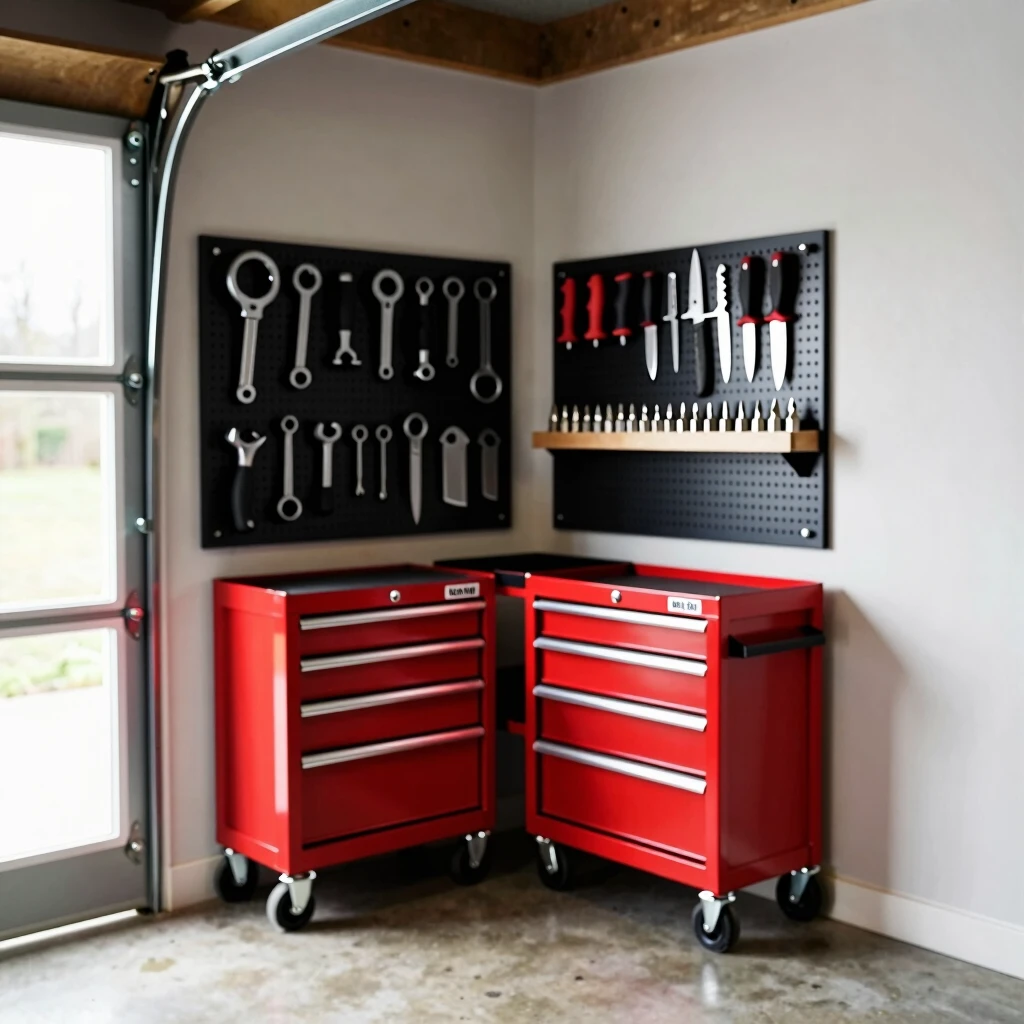
My favorite? Pegboards. Hang outlines of each tool so you see what's missing at a glance. It's like a puzzle that organizes itself.
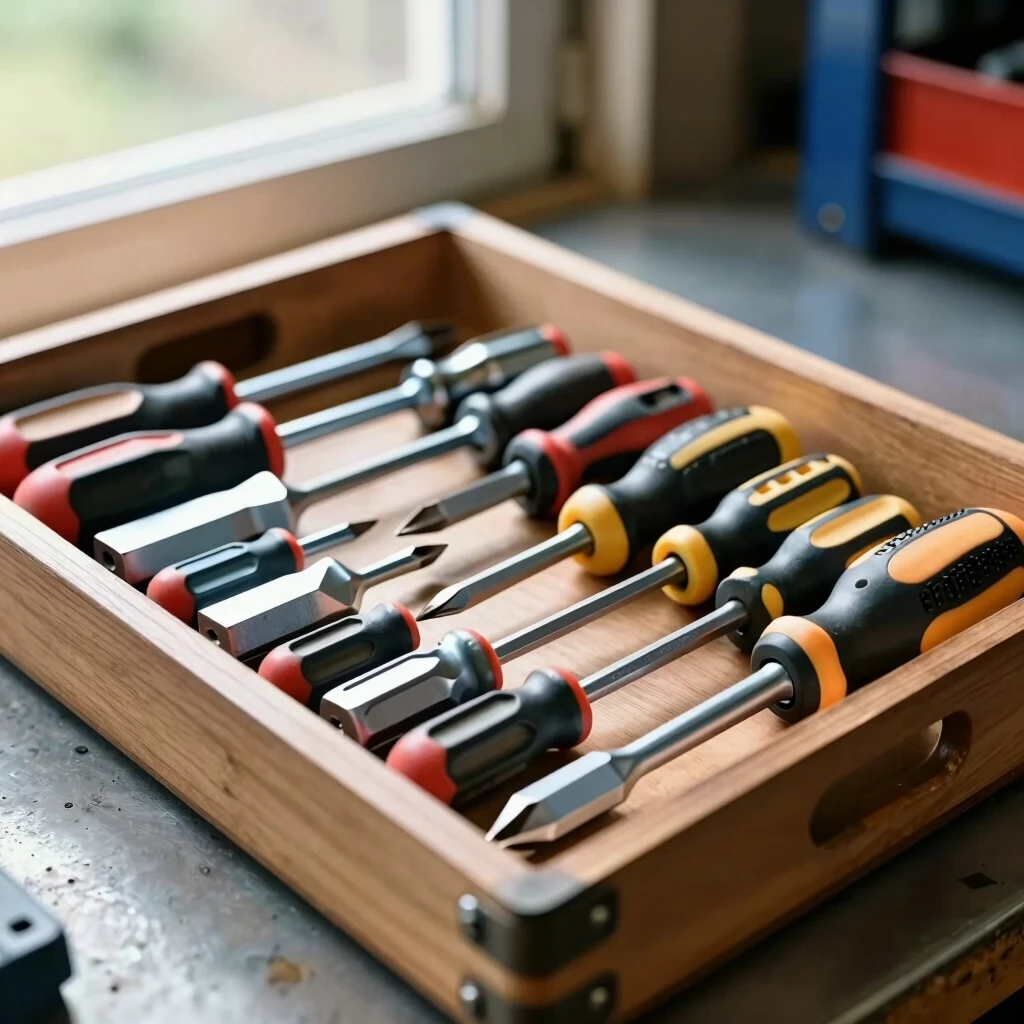
For drawers, use foam inserts or dividers. They cushion against bangs and keep things from rolling around.
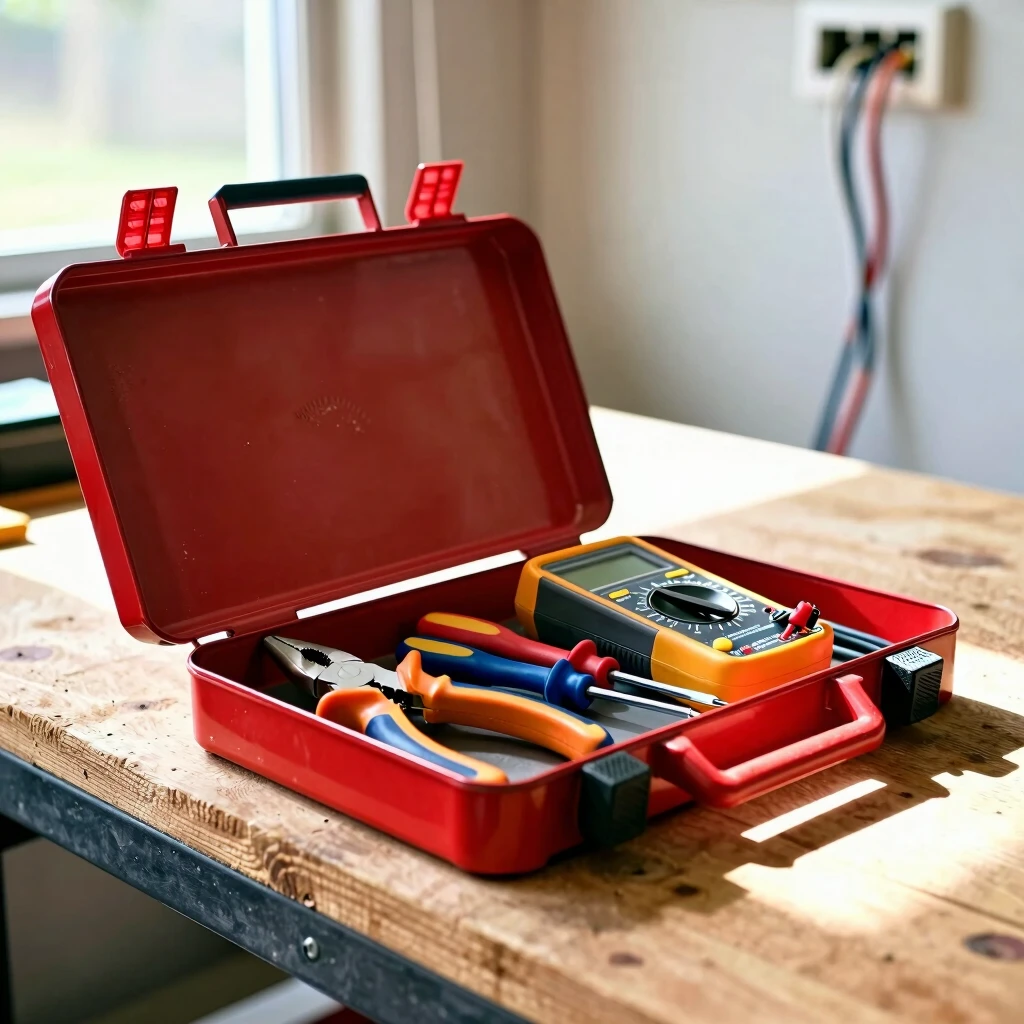
Portable cases work for on-site jobs. I built a rolling cart from scrap plywood—custom slots for every wrench size.
Avoid stacking loose tools. It dulls edges and invites rust. Elevate off concrete floors with shelves or racks.
Here's a quick comparison:
| Storage Option | Pros | Cons |
|---|---|---|
| Pegboard Wall | Visible, customizable | Needs wall space |
| Tool Chest | Portable, secure | Can get heavy |
| Magnetic Strips | Space-saving | Not for all tools |
Invest in good storage early. It turns chaos into calm.
Safety Tips: Handle with Care
Maintenance isn't just about performance—it's about staying safe. I once nicked my finger on a burred screwdriver. Lesson learned: Inspect tools before use.
Store sharp edges sheathed or wrapped. Label hazardous items clearly.
Wear gloves for cleaning chemicals, and ventilate your space. Good lighting prevents slips too—LED strips over your bench are a game-changer.
Teach kids or helpers the rules. My nephew now wipes his tools without reminding.
Common Mistakes to Avoid
From experience, here are pitfalls I've dodged:
- Skipping drying: Rust sneaks up fast.
- Over-oiling: Gunk magnets.
- Ignoring handles: Cracked wood fails you mid-swing.
- Crowded storage: Bent tools galore.
Catch these early, and your kit stays top-notch.
Wrapping It Up
Maintaining hand tools effectively boils down to consistency. Clean after use, sharpen as needed, lubricate regularly, and choose solid storage. Your workman tools will thank you with years of reliable service. Start small today—pick one tool and give it the full treatment. You'll be hooked.
For more tips, check these reads below. Happy tinkering!
(Total word count: 1523)
Related How to Maintain Hand Tools Effectively:
- Top Brands for Durable Hand Tools in 2025 - /best-hand-tool-brands
- How to Use Power Drills Safely and Effectively: Your Essential Guide
- Unlocking Creativity: Essential Specialty Hammers for Crafts and Hobbies
- The Importance of Tool Maintenance: A Guide to Safe and Efficient Electrical Work
- Preventing Workplace Injuries with Smart Tool Choices: A Practical Guide
- Understanding Different Types of Screwdrivers and Their Uses
- Essential Workman Tools for Metalworking: Your Complete Guide
- How to Maintain Your Car's Engine for Longevity: Smart Tips, Essential Tools, and Your AI Companion
- A Detailed Guide to Essential Tools for Hobbyists
- How to Choose the Right Torque Wrench for Your Needs
- How to Choose the Best Power Drill for Your DIY Projects
- Best Wrench Sets for Construction Workers: Essential Workman Tools for Every Job Site