Quick Overview
Power drills are game-changers for any DIYer or pro. But knowing how to use power drills safely and effectively turns potential hazards into smooth successes. This guide covers everything from basics to advanced tips, drawing from real-world experience to keep you drilling like a boss—without the mishaps.
Why Power Drills Matter in Your Toolkit
I've spent countless weekends tackling home projects, and power drills top my list of must-have power tools. They punch holes, drive screws, and even sand with the right bits. But rush in without prep, and you're asking for trouble—think flying bits or strained wrists.
The key? Treat them with respect. According to OSHA's overview on hand and power tools, improper use leads to severe injuries. That's why mastering how to use power drills safely and effectively starts with understanding what you're holding.
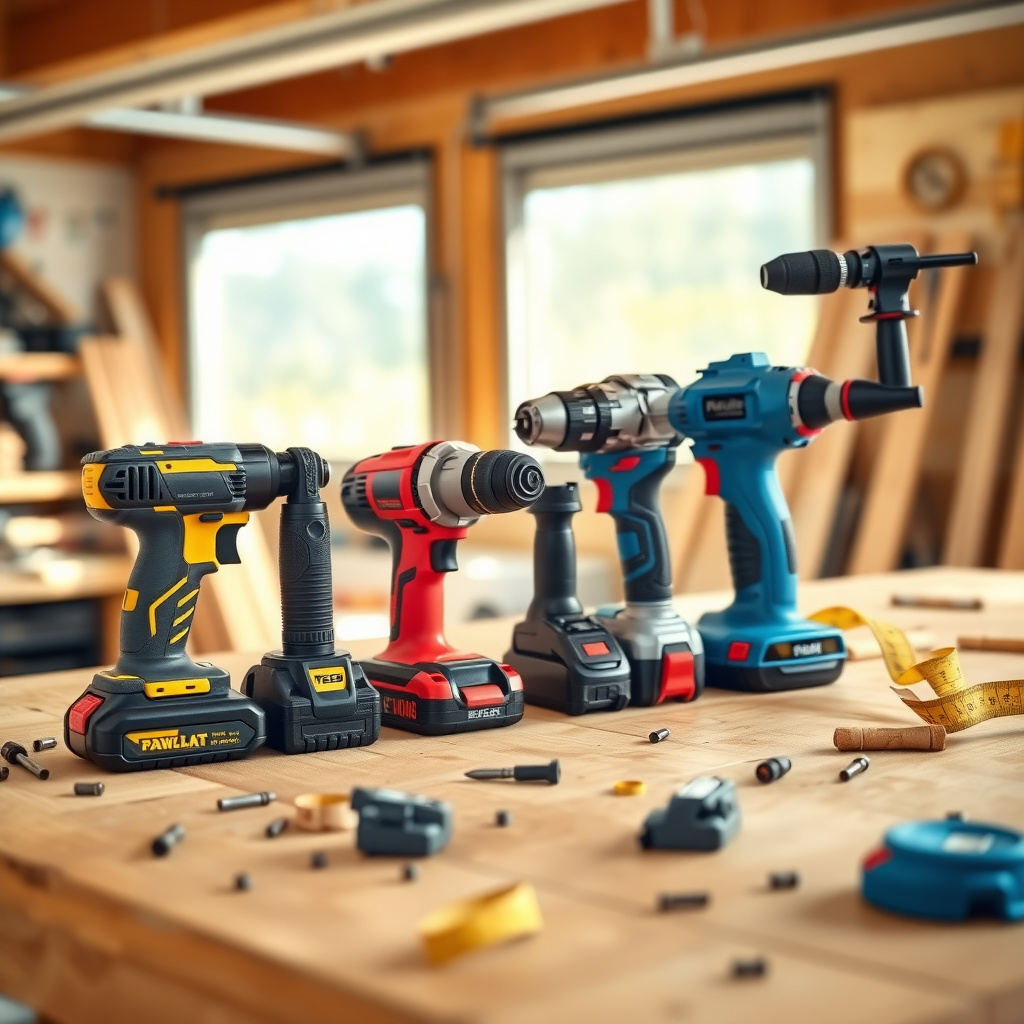
Power drills come in corded and cordless varieties. Corded ones pack more punch for heavy jobs, while cordless offer freedom to move. Both shine when paired with power drills with multiple attachments—like drill bits, screwdrivers, and nut drivers—that swap out for versatility.
In one project, I renovated my deck using a cordless drill with hex attachments. It saved hours compared to hand tools. But versatility demands care; mismatched bits can jam and kick back.
Gear Up: Essential Safety Equipment
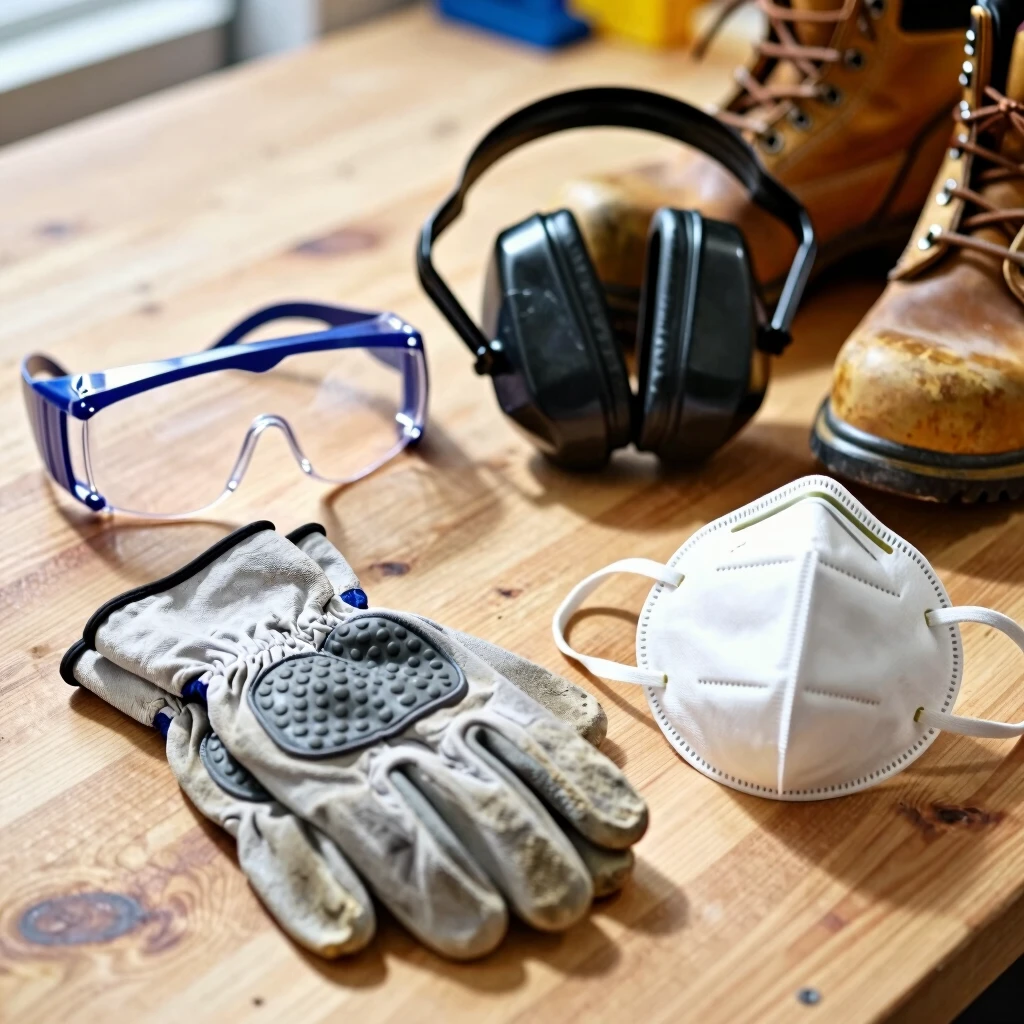
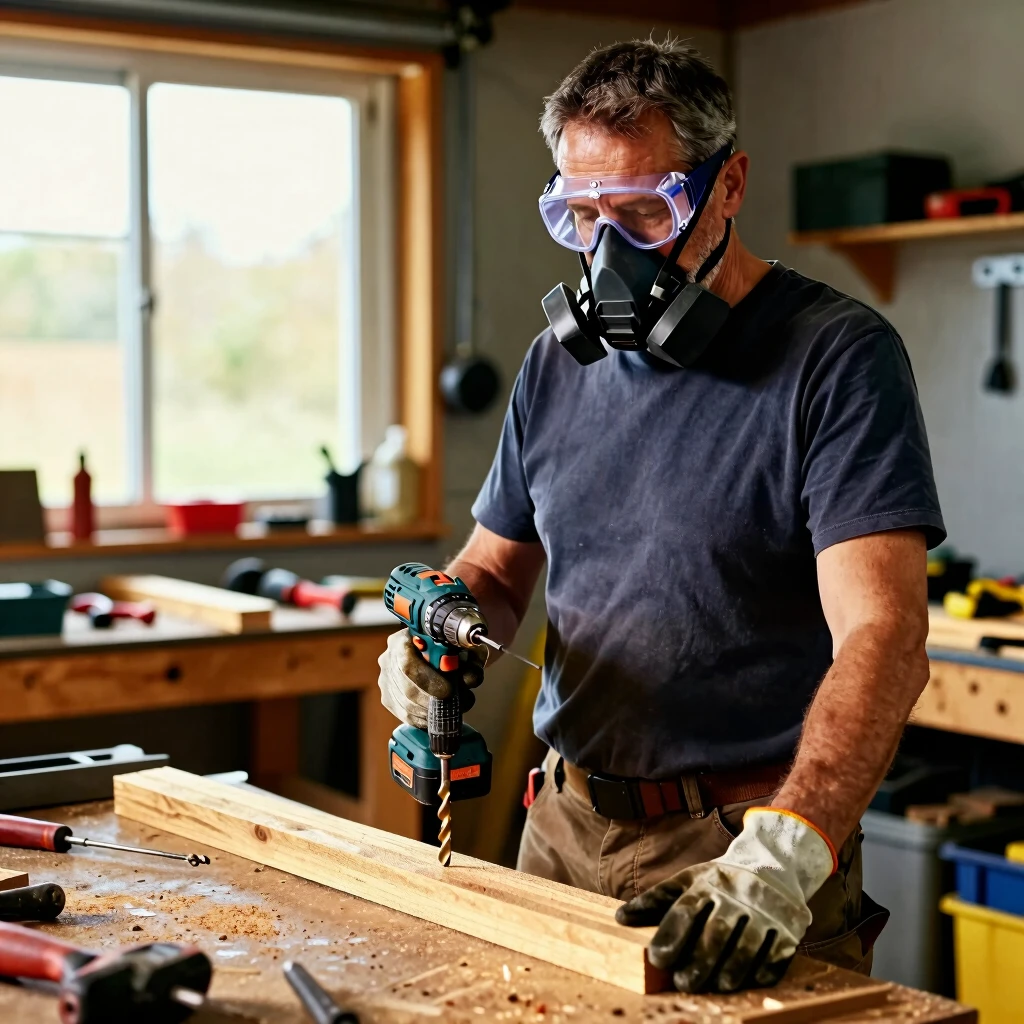
Safety isn't optional—it's your first line of defense. Start with eye protection. Debris flies fast, and one speck in your eye ruins the day.
Wear gloves to grip better and shield your hands. A dust mask keeps lungs clear, especially with masonry work. And don't skip ear protection for noisy sessions.
From Yale's powered hand drill safety guidelines, always don safety glasses and PPE before firing up. I've learned this the hard way: A rogue wood chip once nicked my cheek. Now, I suit up every time.
Quick PPE Checklist
- Eyes: Impact-resistant goggles
- Hands: Cut-resistant gloves
- Lungs: N95 mask for dust
- Ears: Plugs or muffs for prolonged use
- Feet: Steel-toed boots near heavy drops
Pick the Perfect Power Drill
Not all power drills are created equal. Match your tool to the task for efficiency and safety.
For light home fixes, a 12-volt cordless suffices. Heavy construction? Go 18-volt or corded. Look for variable speed triggers—they let you ease into the bite.
Power drills with multiple attachments expand your options. A quick-change chuck swaps bits in seconds, reducing frustration. I once fumbled a chuck key mid-job; now, keyless models are my go-to.
| Feature | Best For | Pro Tip |
|---|---|---|
| Cordless | Mobility | Charge extras to avoid downtime |
| Corded | High torque | Use GFCI outlets outdoors |
| Hammer Function | Masonry | Start slow to avoid cracks |
| Multiple Attachments | Versatility | Label bits for quick grabs |
Inspect and Maintain Like a Pro
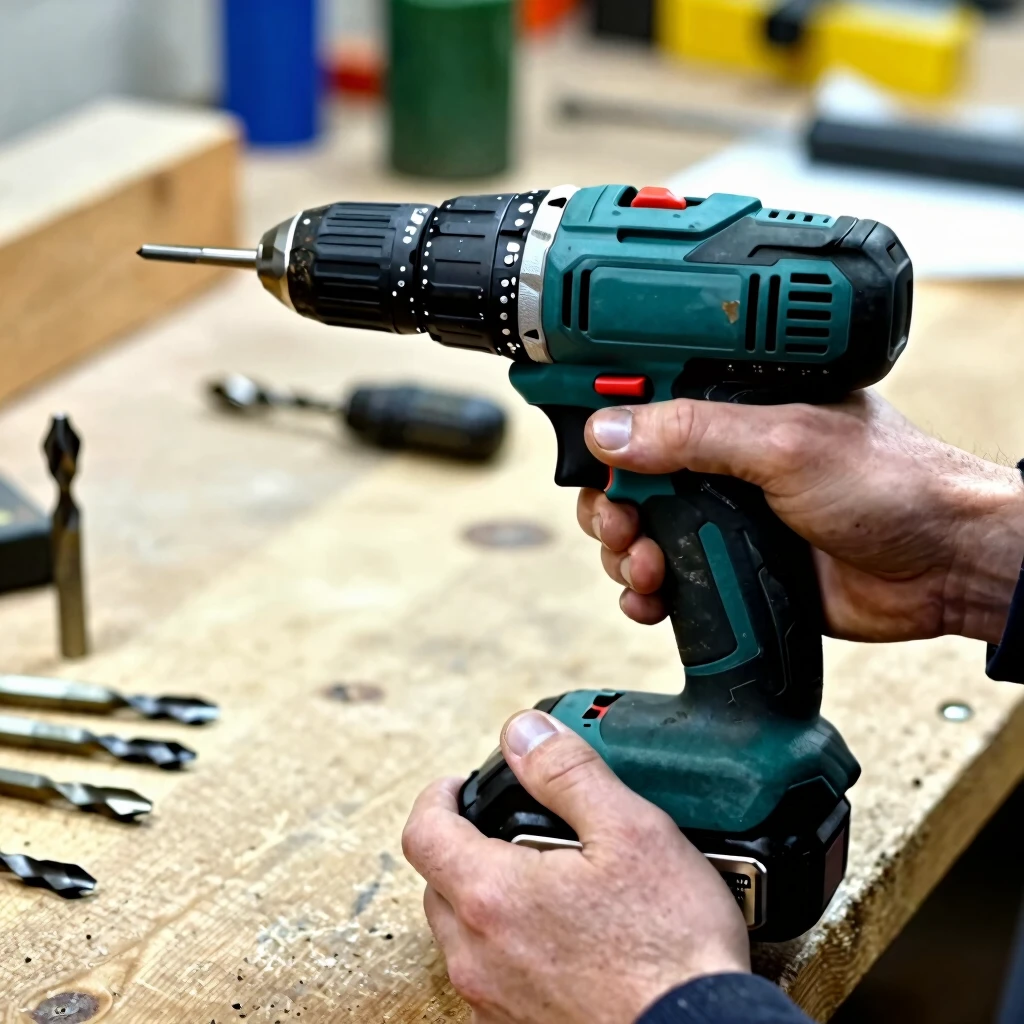
Before every use, give your drill a once-over. Cracked housings or frayed cords spell danger.
Disconnect power or remove the battery first—always. Check bits for dullness; sharp ones cut clean, reducing strain.
Maintenance keeps power tools reliable. Lubricate moving parts per the manual, and store in dry spots to fend off rust. OSHA's fact sheet on safe use of portable power tools stresses examining tools for damage and following manufacturer specs. Skipping this? I did once, and a loose bit flew off, nearly tagging my dog.
Daily Inspection Routine
- Visual Check: Look for cracks, dents, or loose parts.
- Cord Test: No frays or exposed wires.
- Bit Swap: Ensure secure fit—no wobbles.
- Battery Health: For cordless, note charge levels.
- Clean Up: Wipe away dust to prevent slips.
Store upright in cases to protect chucks. I've got a wall rack that organizes my collection—keeps things tidy and accessible.
Master Safe Drilling Techniques
Now, the fun part: Drilling without drama. Secure your workpiece first. Clamps beat hands every time; spinning wood equals pinched fingers.
Position yourself stably—feet shoulder-width, body balanced. Grip with both hands: One on the handle, the other auxiliary for control.
Start slow. Let the bit find its groove before ramping speed. For wood, pilot holes prevent splits. Metal? Use cutting oil to ease friction and heat.
When driving screws, match bit to head—Phillips to Phillips, no forcing. Torque settings on modern drills prevent stripping; dial down for softwoods, up for hard.
Outdoors, watch cords or signal a spotter. Indoors, clear the area of kids and pets.

Pro move: Angle awareness. Drilling overhead? Use a side handle to avoid fatigue. I've hung shelves solo this way—no ladder wobbles, no drops.
Tackle Common Mistakes Head-On
Even vets slip up. Over-tightening strips screws; under it, they loosen fast. Solution: Feel the resistance, then stop.
Ignoring kickback is riskier. If the bit binds, the drill twists—hold firm and release the trigger instantly.
Battery neglect hits cordless users hard. Run dead? You're stranded. Charge after each job, and rotate packs.
Forgetting to unplug? Habit I broke after a close call. Now, my rule: Power off, bit out, then admire the work.
Top Pitfalls to Dodge
- Rushing inspections
- Wrong bit for material
- Poor footing on uneven ground
- Overreaching for tough spots
- Skipping breaks—fatigue breeds errors
Level Up with Advanced Tips
Once basics click, explore more. Power drills with multiple attachments open sanding or mixing worlds. Attach a paddle bit for large holes, but brace against torque.
For precision, mark spots with tape—bits slip less. In tight spaces, right-angle attachments save the day.
Eco-tip: Opt for brushless motors—they last longer, sip less juice. My upgrade cut recharge waits in half.
Team up with other power tools: Pair with a shop vac for dust-free drilling. Clean ops mean safer vibes.
From experience, practice on scrap first. I botched a stud finder once—wasted studs. Now, dry runs build confidence.
Wrapping It Up: Drill Smart, Stay Safe
How to use power drills safely and effectively boils down to prep, respect, and practice. Gear up, inspect rigorously, and operate with control. Your projects will thank you—with flawless finishes and zero ER trips.
Remember, power tools empower when handled right. Grab that drill, channel these insights, and build boldly. What's your next project?
Related How to Use Power Drills Safely and Effectively:
- Essential Safety Gear for Power Tools: Protect Yourself and Work Smarter
- Unlocking Creativity: Essential Specialty Hammers for Crafts and Hobbies
- The Importance of Tool Maintenance: A Guide to Safe and Efficient Electrical Work
- Preventing Workplace Injuries with Smart Tool Choices: A Practical Guide
- Understanding Different Types of Screwdrivers and Their Uses
- Essential Workman Tools for Metalworking: Your Complete Guide
- How to Maintain Your Car's Engine for Longevity: Smart Tips, Essential Tools, and Your AI Companion
- A Detailed Guide to Essential Tools for Hobbyists
- How to Choose the Right Torque Wrench for Your Needs
- How to Choose the Best Power Drill for Your DIY Projects
- Best Wrench Sets for Construction Workers: Essential Workman Tools for Every Job Site
- A Guide to Basic DIY Home Repair Tools: Essential Workman Tools Every Homeowner Needs