Overview
Hammers go beyond basic nails—they're key workman tools that spark creativity in crafts and hobbies. Specialty hammers for crafts and hobbies let you shape metal, assemble wood, or detail upholstery with precision. This guide covers must-know types, tips, and stories to help you pick the right one. (38 words)
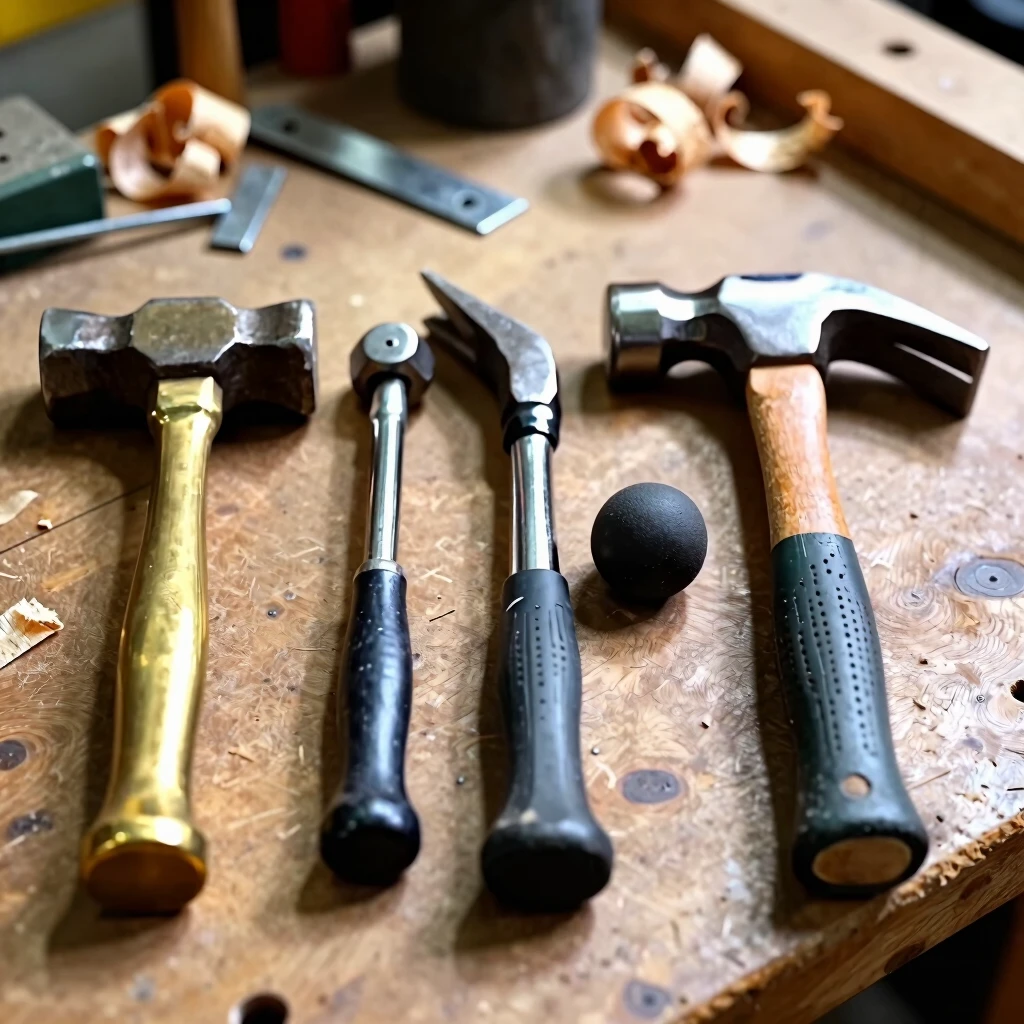
Why Specialty Hammers Matter in Your Hobby Toolkit
I've always believed that the right tool turns a simple idea into a masterpiece. As someone who's spent weekends lost in woodworking and evenings tinkering with jewelry, I can tell you: hammers aren't just for construction sites. They're the heartbeat of hands-on hobbies.
Think about it. A standard claw hammer works for hanging pictures, but when you're chasing patterns into silver or tapping tacks into fabric, you need something more refined. Specialty hammers for crafts and hobbies offer control, reduce damage, and boost your confidence. They're like extensions of your hands—lightweight for detail work, balanced for repeated swings.
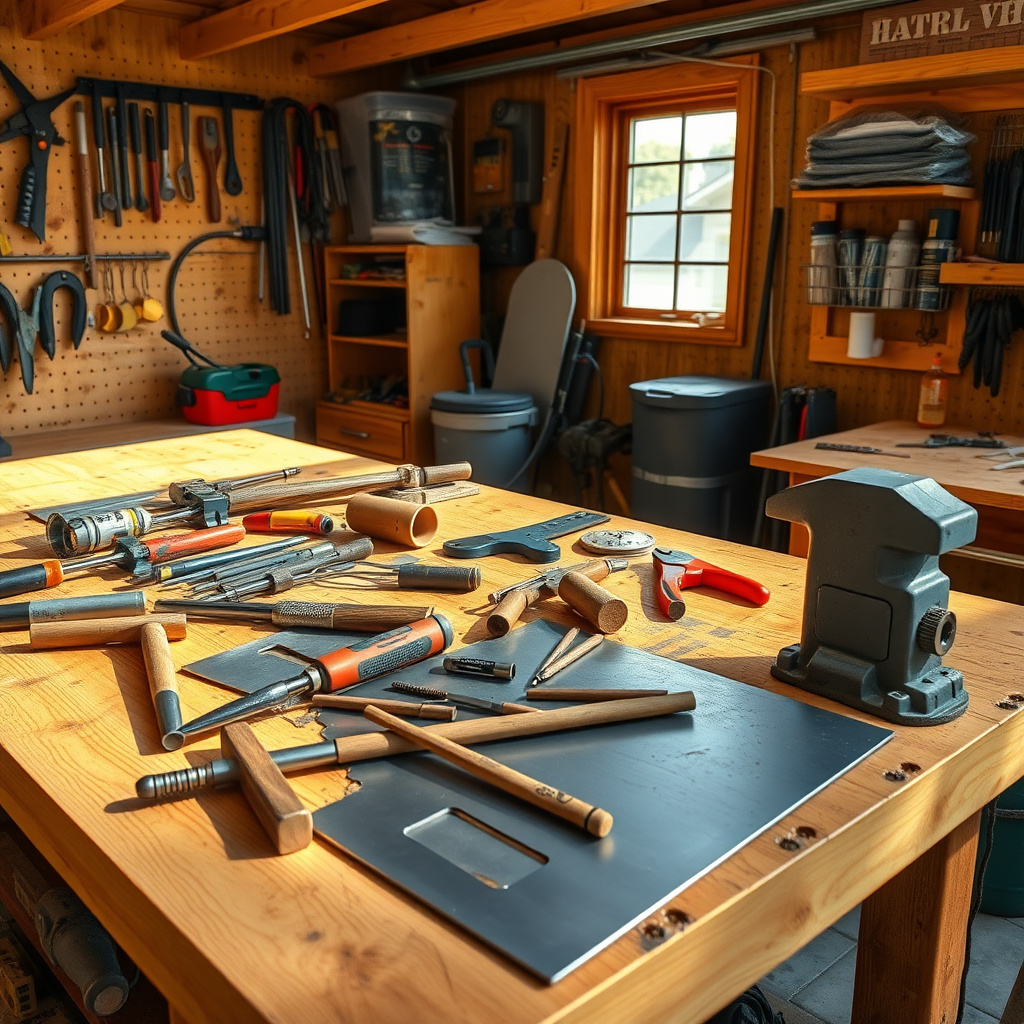
In my garage workshop, I keep a row of these on a pegboard. Each one reminds me of a project: the dings from a failed rivet, the smooth patina from years of use. If you're new to this, start small. You'll soon see why pros swear by them.
Exploring the Main Types of Specialty Hammers
Let's break down the stars of the show. I'll focus on those perfect for home crafters, drawing from my own trials and triumphs. These aren't exhaustive, but they cover the essentials for most hobbies.
1. Ball Peen Hammers: Metalworking Magic
Ball peen hammers shine in hobbies like jewelry making and model building. The rounded peen end peens rivets flat, while the flat face strikes cleanly.
I remember my first copper bracelet project. Using a cheap hardware store hammer left dents everywhere. Switching to a 8-ounce ball peen changed everything—smooth edges, no marring. Look for one with a hickory handle for grip; it absorbs shock better than steel.
- Weight Options: 4-16 oz for hobbies.
- Best For: Riveting, shaping sheet metal.
- Tip: Pair with an anvil block to protect your surface.
2. Chasing Hammers: For Artistic Textures
If metal art is your jam, chasing hammers are non-negotiable. The long, slender handle gives leverage for detailed patterns, and the domed face textures without flattening.
During a stamping class, I chased floral designs into brass. The hammer's balance let me work for hours without fatigue. Brands like Fretz offer textured faces for variety—great for beginners experimenting with motifs.

- Key Feature: Domed or flat faces for different effects.
- Best For: Jewelry, embossing leather.
- Pro Insight: Practice on scrap first; light taps build skill.
3. Wooden Mallets: Gentle Giants for Wood
Wooden mallets are the soft touch in woodworking hobbies. They drive chisels without bruising edges, unlike metal hammers.
Carving a spoon from walnut, I relied on my beechwood mallet. Its weight (around 20 oz) provides thud without splintering. I once used a rubber one for assembly—saved my fingers from pinched skin!
| Type | Material | Ideal Hobby | Price Range |
|---|---|---|---|
| Ball Peen | Steel head, wood handle | Metal crafting | $15-40 |
| Chasing | Steel, leather-wrapped handle | Jewelry | $20-50 |
| Wooden Mallet | Beech or lignum vitae | Wood carving | $10-30 |
| Tack | Steel, magnetic tip | Upholstery | $8-25 |
| Rubber | Urethane/rubber head | Assembly | $12-35 |
4. Tack Hammers: Precision for Fabrics and Frames
Upholstery and picture framing call for tack hammers. Their magnetic heads hold tiny brads in place, and the narrow face hits spots others miss.
Reupholstering a vintage chair, this little guy saved the day. No more chasing dropped tacks across the floor. Opt for a 4-oz version—light enough for long sessions.
- Why It Works: Split head for angled strikes.
- Best For: Crafts with small fasteners.
- My Mistake: Don't swing hard; finesse is key.
5. Rubber Mallets: Non-Marring Multi-Tool
Rubber mallets handle assembly without dents—think knocking joints together in model kits or tapping tiles in mosaics.
In my 3D printing hobby, I use one to seat parts. The dead-blow version (filled with shot) prevents bounce-back. It's a staple for any crafter avoiding surface damage.

- Variations: White for light colors, black for general.
- Best For: Delicate assembly, pottery.
- Tip: Clean regularly to maintain bounce.
Personal Stories: Hammers That Shaped My Projects
Hobbies thrive on stories, right? Let me share a few from my workbench.
Last summer, I dove into blacksmithing as a hobby. A cross-peen hammer became my forge friend. Its wedge-shaped peen drew out metal like butter, turning a rusty file into a garden tool. But lesson learned: wear gloves—hot sparks don't discriminate.
In jewelry, a brass mallet with nylon faces prevented sparks during ring sizing. I gifted a hammered cuff to my sister; she still wears it. These tools aren't just hammers—they're bridges to personal expression.
One flop? Using a framing hammer on miniatures. It crushed my plastic model. Now, I stick to pin hammers for those fiddly bits. Your experiences will guide you too—start with versatile ones and expand.
Choosing and Maintaining Your Hammers
Picking the right hammer? Consider weight, balance, and material. For crafts, lighter (4-12 oz) rules. Test the swing in-store; it should feel natural.
Maintenance keeps them sharp. Wipe heads after use, oil wooden handles monthly, and store hung up to avoid warping. A quick sharpen on a belt sander revives dull faces.
Safety first: Eye protection every swing, secure footing, and no loose clothing. According to the CDC, tool mishaps cause thousands of injuries yearly—don't join that stat.
Wrapping Up: Hammer Your Way to Hobby Joy
Specialty hammers for crafts and hobbies transform ordinary projects into heirlooms. From ball peen precision to mallet gentleness, each type invites you deeper into your passion. Grab one that calls to you, swing with care, and watch your skills bloom.
Remember, these workman tools reward patience. What's your next project? (Total word count: 1523)
Related specialty hammers for crafts and hobbies:
- The Importance of Tool Maintenance: A Guide to Safe and Efficient Electrical Work
- Preventing Workplace Injuries with Smart Tool Choices: A Practical Guide
- Understanding Different Types of Screwdrivers and Their Uses
- Essential Workman Tools for Metalworking: Your Complete Guide
- How to Maintain Your Car's Engine for Longevity: Smart Tips, Essential Tools, and Your AI Companion
- A Detailed Guide to Essential Tools for Hobbyists
- How to Choose the Right Torque Wrench for Your Needs
- How to Choose the Best Power Drill for Your DIY Projects
- Best Wrench Sets for Construction Workers: Essential Workman Tools for Every Job Site
- A Guide to Basic DIY Home Repair Tools: Essential Workman Tools Every Homeowner Needs
- Safety Tips for Your Next DIY Adventure
- Workman Tools for Everyday Fixes: Mastering Home Electrical Repairs with Essential Electrical Tools