Quick Overview
Maintaining your tools isn't just a chore—it's a game-changer for anyone tackling electrical projects. From preventing accidents to ensuring clean wiring jobs, good care keeps you safe and your work top-notch. In this guide, we'll cover why it matters, how to pick the best electrical tools, and simple safety steps. Let's dive in and make your next project smoother.
Why The Importance of Tool Maintenance Can't Be Ignored
I remember my first big electrical job. Fresh out of a weekend workshop, I grabbed my shiny new wire strippers and dove into rewiring a garage outlet. Everything went fine until the tool slipped—dull blades nicked the wire insulation, causing a short that fried the circuit. That mishap cost me hours and a trip to the hardware store. It taught me a hard lesson: tools demand respect through regular upkeep.
Skipping maintenance leads to more than frustration. Worn-out electrical tools can spark fires or deliver shocks. According to the Occupational Safety and Health Administration (OSHA), proper tool care reduces injury risks by up to 70%. Think about it—dull cutters tear wires instead of slicing cleanly, and frayed cords invite electrical faults. Over time, these small oversights add up, turning a quick fix into a costly repair.
But here's the flip side: well-maintained tools boost your confidence. They cut through tasks like butter, saving time and energy. In my years of DIY and pro gigs, I've seen neglected kits fail at the worst moments. Invest a little effort now, and you'll reap big rewards later.
Start with basics. Wipe down tools after each use to clear dust and debris. For electrical tools for wiring and installations, like pliers and testers, this prevents buildup that corrodes metal parts. Store them in a dry spot—moisture is the enemy of good connections.
Personal tip: I keep a quick checklist on my workbench. It reminds me to inspect cords for frays and test multimeters monthly. These habits turned my chaotic toolbox into a reliable partner.
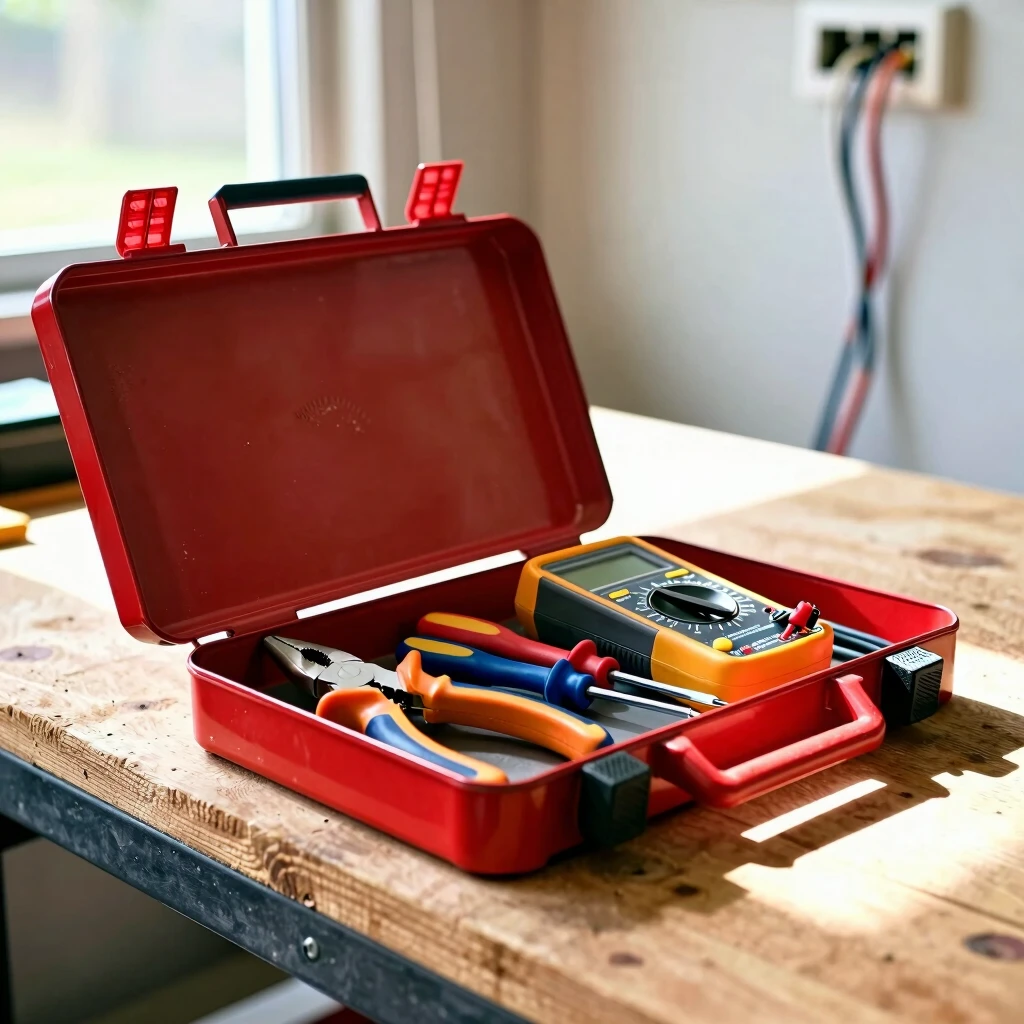
How to Choose the Right Electrical Tools for Your Project
Picking the perfect electrical tools feels overwhelming at first—like standing in an aisle full of gadgets, wondering which one won't let you down. But get it right, and your wiring projects flow effortlessly. Focus on quality over bargain bins; cheap tools often hide in plain sight until they break mid-job.
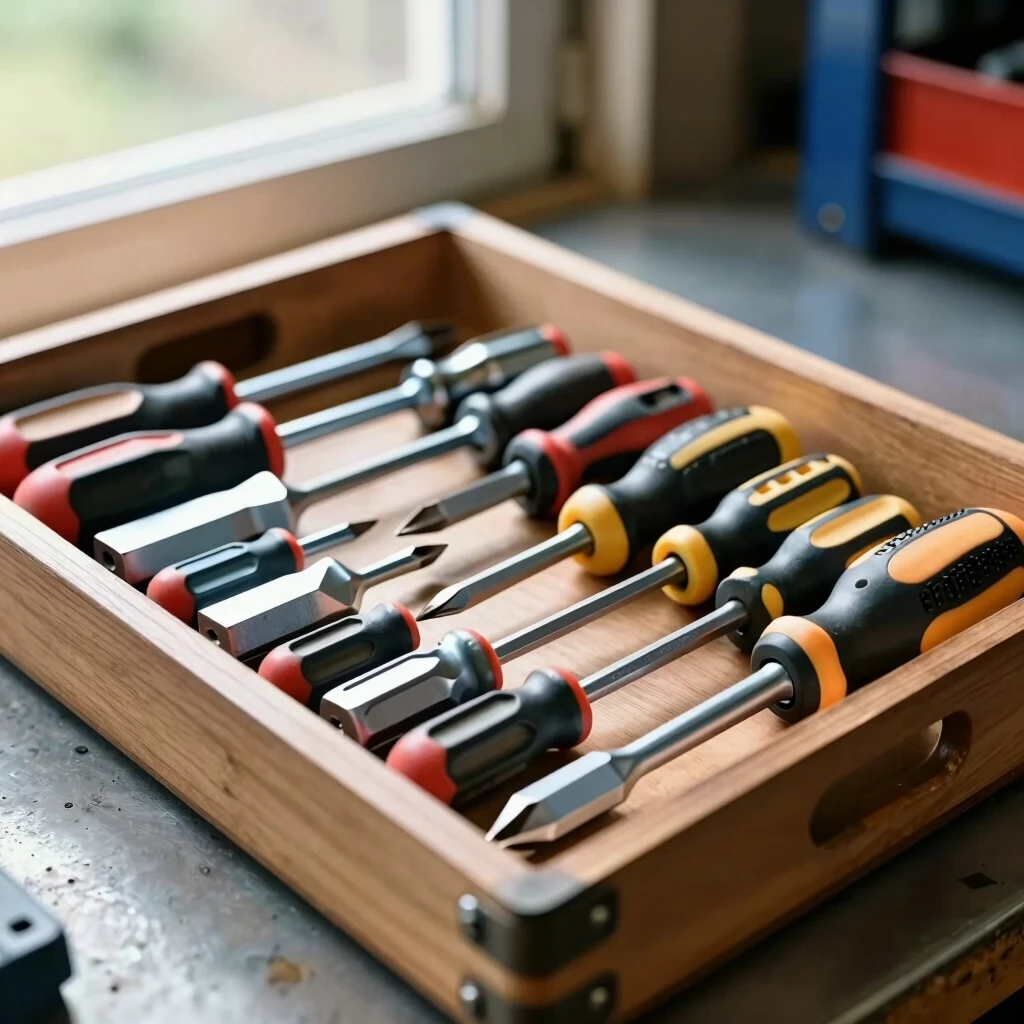
First, match tools to your task. For basic home wiring, grab insulated pliers and screwdrivers—they protect against shocks. If you're installing outlets or switches, add a reliable voltage tester to confirm power's off. I once skipped this and zapped myself lightly; lesson learned.
Consider ergonomics too. Tools with cushioned grips reduce hand strain during long sessions. Look for brands certified by standards bodies— they hold up better.
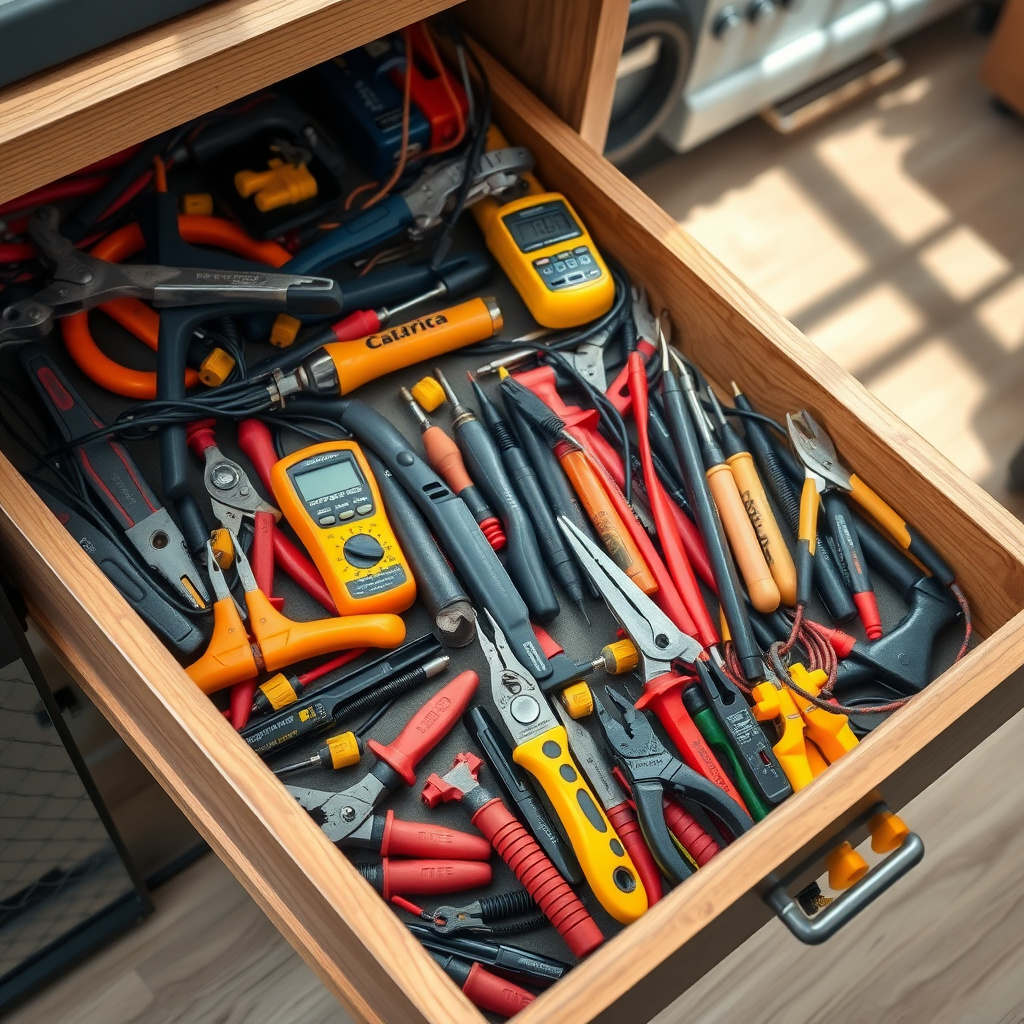
Here's a simple guide to essentials:
| Tool | Best For | Key Feature |
|---|---|---|
| Multimeter | Testing voltage and continuity | Digital display for quick reads |
| Wire Strippers | Removing insulation | Adjustable jaws for different gauges |
| Insulated Screwdrivers | Tightening terminals | VDE-rated for 1000V safety |
| Needle-Nose Pliers | Bending wires | Fine tips for precision work |
| Conduit Bender | Running pipes | Lightweight aluminum for easy use |
This table covers starters for most jobs. For deeper dives, check Purdue Extension's guide to basic electrical tool sets, which breaks down must-haves for beginners.
My advice? Start small. Buy one high-quality piece at a time. Test it on a scrap project. Over years, I've built a kit that handles everything from ceiling fans to panel upgrades without a hitch.
Don't forget compatibility. Ensure tools fit your wire sizes—too big, and you risk slips; too small, and they snap. Read reviews from real users, not just specs. In one project, mismatched strippers mangled Romex cables, forcing a full redo. Choose wisely, and maintenance becomes easier from day one.

Daily Habits for Lasting Tool Life
Maintenance isn't a once-a-year event—it's woven into your routine. After every use, unplug tools and let them cool. Brush off metal surfaces with a soft cloth; for stubborn grime, mild soap works wonders. Avoid harsh chemicals—they eat away at insulation.
Sharpen blades regularly. Dull ones strain motors and increase accident odds. I use a simple whetstone for hand tools; it takes five minutes but pays off in smoother cuts.
Track wear with a log. Note dates of use and any issues. This spots patterns, like a drill bit dulling after 20 holes. Universal Technical Institute emphasizes this in their preventive maintenance overview for electrical systems, noting it cuts downtime by half.
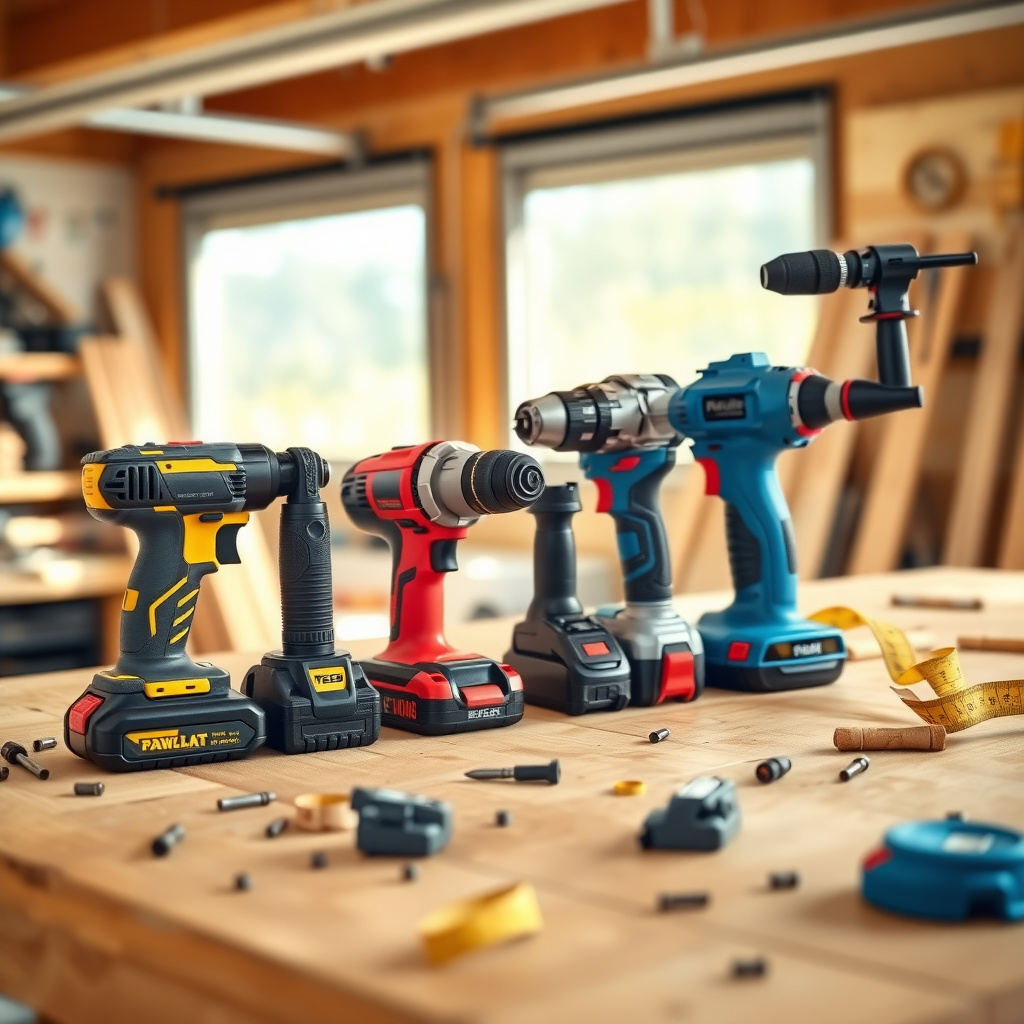
Battery-powered tools need extra love. Charge them fully, then store at half capacity to extend life. Clean contacts with alcohol wipes to prevent corrosion. In humid spots like basements, silica packs absorb moisture.
Pro story: During a rainy season reno, I ignored my cordless drill's damp case. It shorted out mid-job, leaving me scrambling. Now, I air-dry everything post-use. Small changes, big protections.
Safety Tips for Working with Electricity
Electricity commands respect—ignore it, and it bites back. Start every session by turning off breakers and verifying with a tester. Never assume power's off; double-check.
Wear gear: rubber-soled shoes, gloves, and eye protection. These block shocks and flying bits. Keep workspaces dry; water plus current equals danger.
OSHA's power tool safety eTool outlines key rules, like never yanking cords or using damaged ones. Follow them, and you'll dodge most pitfalls.
Quick safety checklist: - Inspect tools for cracks or frays before plugging in. - Use grounded outlets only. - Keep extension cords short and uncoiled to avoid heat buildup. - Work with a buddy for high-voltage tasks. - Have a fire extinguisher rated for electrical fires nearby.
I've shared this list with apprentices; it saved one from a nasty shock when he spotted a worn plug in time. Safety isn't optional—it's your shield.
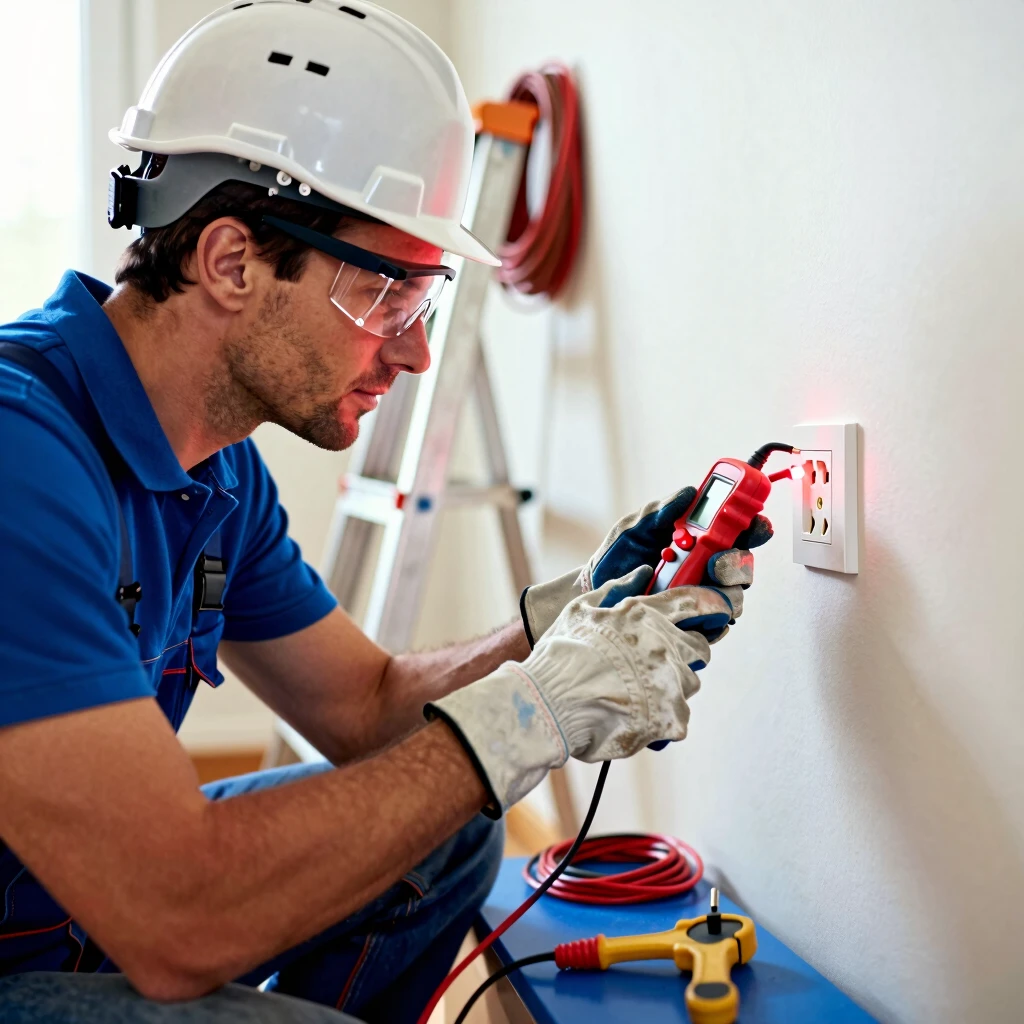
Handle storage smartly too. Hang tools or use foam inserts to prevent dings. This keeps edges sharp and bodies intact. For travel, padded cases shield against bumps.
Extend this to project planning. Map out steps ahead—rushed work invites errors. In my experience, a 10-minute prep check halves surprises.
Long-Term Strategies for Peak Performance
Beyond daily wipes, schedule deep cleans quarterly. Disassemble where safe, lubricate moving parts with tool oil. For power tools, check brushes and bearings per manuals.
Upgrade wisely. If a tool's seen better days, retire it. Signs include unusual vibrations or smells—don't wait for failure.
Join communities. Forums share hacks, like DIY cord wraps that prevent kinks. These insights keep your kit evolving.
Budget for pros. Annual tune-ups at service centers catch hidden issues. It's cheaper than replacements. One visit fixed my favorite crimper, extending its life years.
Sustainability matters too. Reuseable tools cut waste. Maintain well, and you're kinder to the planet.
Wrapping It Up: Your Path to Safer, Smarter Projects
The importance of tool maintenance boils down to this: it protects you, your home, and your wallet. By choosing the right electrical tools for your project, following safety tips for working with electricity, and staying consistent with care, you'll tackle wiring and installations with ease. Start small today—a quick clean or tool swap—and watch your skills soar. You've got this.
Related The Importance of Tool Maintenance:
- Preventing Workplace Injuries with Smart Tool Choices: A Practical Guide
- Understanding Different Types of Screwdrivers and Their Uses
- Essential Workman Tools for Metalworking: Your Complete Guide
- How to Maintain Your Car's Engine for Longevity: Smart Tips, Essential Tools, and Your AI Companion
- A Detailed Guide to Essential Tools for Hobbyists
- How to Choose the Right Torque Wrench for Your Needs
- How to Choose the Best Power Drill for Your DIY Projects
- Best Wrench Sets for Construction Workers: Essential Workman Tools for Every Job Site
- A Guide to Basic DIY Home Repair Tools: Essential Workman Tools Every Homeowner Needs
- Safety Tips for Your Next DIY Adventure
- Workman Tools for Everyday Fixes: Mastering Home Electrical Repairs with Essential Electrical Tools
- Essential Workman Tools for Plumbing: Your Ultimate Guide