Overview
Whether you tinker on weekends or build for a living, the right setup turns chaos into creation. This guide covers the Top 10 Tools Every Workshop Needs, shares insights on how to choose the right workbench for your space, tips for organizing small workshops efficiently, and how to maintain your workbench for years of use. Let's build better projects together.
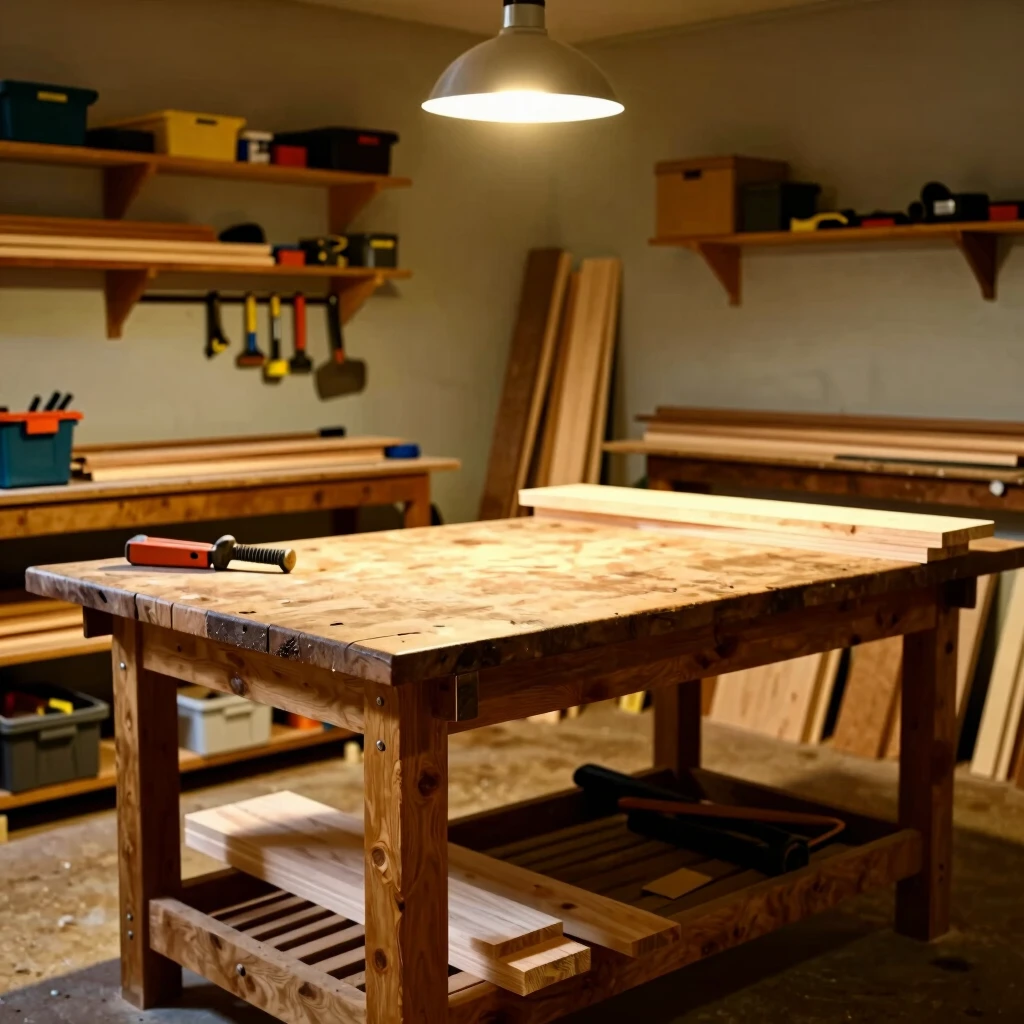
I've turned my garage into a haven for woodworking over the past decade. What started as a cluttered corner now hums with efficiency, all thanks to smart choices in tools and space. If you're setting up or upgrading, focus on versatile pieces that grow with you. High-quality workman tools for professionals aren't just durable—they spark joy in every cut and join.
Before diving into the tools, let's talk foundation: your workbench. It's the heart of any workshop.
How to Choose the Right Workbench for Your Space
Picking a workbench feels overwhelming at first. Measure your room twice—account for door swings and tool access. Opt for a solid wood top at least 1.5 inches thick to handle clamps and vices without wobbling.
Consider height: elbow-level for comfort during long sessions. For small spaces, go modular with fold-down designs. I once squeezed a 4-foot bench into a 10x10 shed by mounting it wall-style. It freed floor space for mobility.
Stability matters most. Look for heavy-duty legs or a base that anchors to the floor. If you're handy, build one using plans from trusted sources. For example, explore woodworking workbench design principles from the University of Wisconsin-Milwaukee Extension to match your needs perfectly.
Budget tip: Start under $200 for basics, then upgrade. Maple or beech tops resist dents better than pine. Test for levelness right away—shims fix minor tilts.
Once chosen, keep it thriving with routine care.
How to Maintain Your Workbench
A neglected bench warps under heat or moisture, ruining projects. Wipe it down daily with a damp cloth to catch sawdust before it grinds in. Apply boiled linseed oil monthly—it soaks deep, repelling water without stickiness.
For deep cleans, use mild soap and avoid harsh chemicals that strip the finish. Tighten bolts quarterly; vibrations loosen them over time. I learned this the hard way when a wobbly leg sent clamps flying mid-glue-up.
Store it covered if humid—canvas tarps breathe better than plastic. Follow setup and maintenance advice from St. Edward's University Woodworking Blog for dust control and longevity tips. Your bench will outlast you with this TLC.
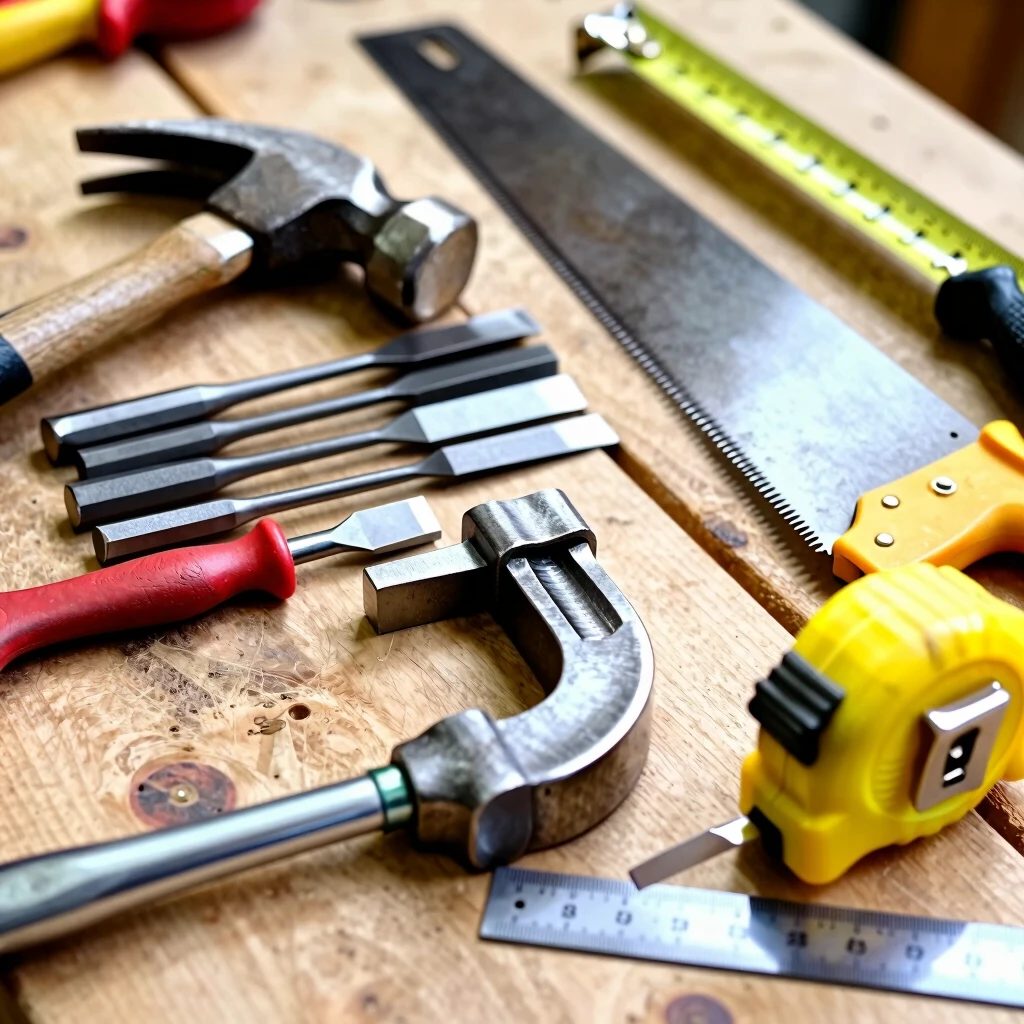
With a solid bench in place, stock it wisely. Here's my curated list of the Top 10 Tools Every Workshop Needs. These picks blend hand classics with powered helpers, drawn from years of trial and error. They're versatile for woodworking, metalwork, or repairs—perfect for pros and hobbyists alike.
-
Tape Measure (25-foot steel): Measure twice, cut once—it's the mantra for a reason. I grab mine 50 times a day for everything from board lengths to drill depths. Lock it tight; a flimsy one slips and ruins layouts.
-
Claw Hammer (16-ounce): Drives nails home and pries them out without splintering wood. Choose one with a shock-absorbing handle to save your wrists on big swings. Pro move: Keep a spare for demo work.
| Tool | Why It Matters | Personal Tip |
|---|---|---|
| Tape Measure | Accurate sizing prevents waste | Mark your most-used lengths on the case |
| Claw Hammer | Versatile for driving and pulling | Use the face for light tapping on finishes |
-
Chisel Set (1/4 to 1-inch blades): Shapes joints and cleans edges like magic. Sharpen them often—a dull one tears wood instead of slicing. From the University of Kentucky's beginner woodworking tools guide, start with bevel-edge styles for control.
-
C-Clamps (assorted sizes): Holds pieces steady during glue-ups. Get at least six; they're cheap insurance against shifts. I clamp in pairs for even pressure.
-
Hand Saw (crosscut, 10-12 tpi): For quick, clean cuts without power noise. Japanese pull saws pull finer lines—try one for dovetails. Oil the blade yearly to fend off rust.
-
Combination Square (12-inch): Checks 90s and 45s instantly. Aluminum ones last forever; engrave your name to avoid shop loans.
-
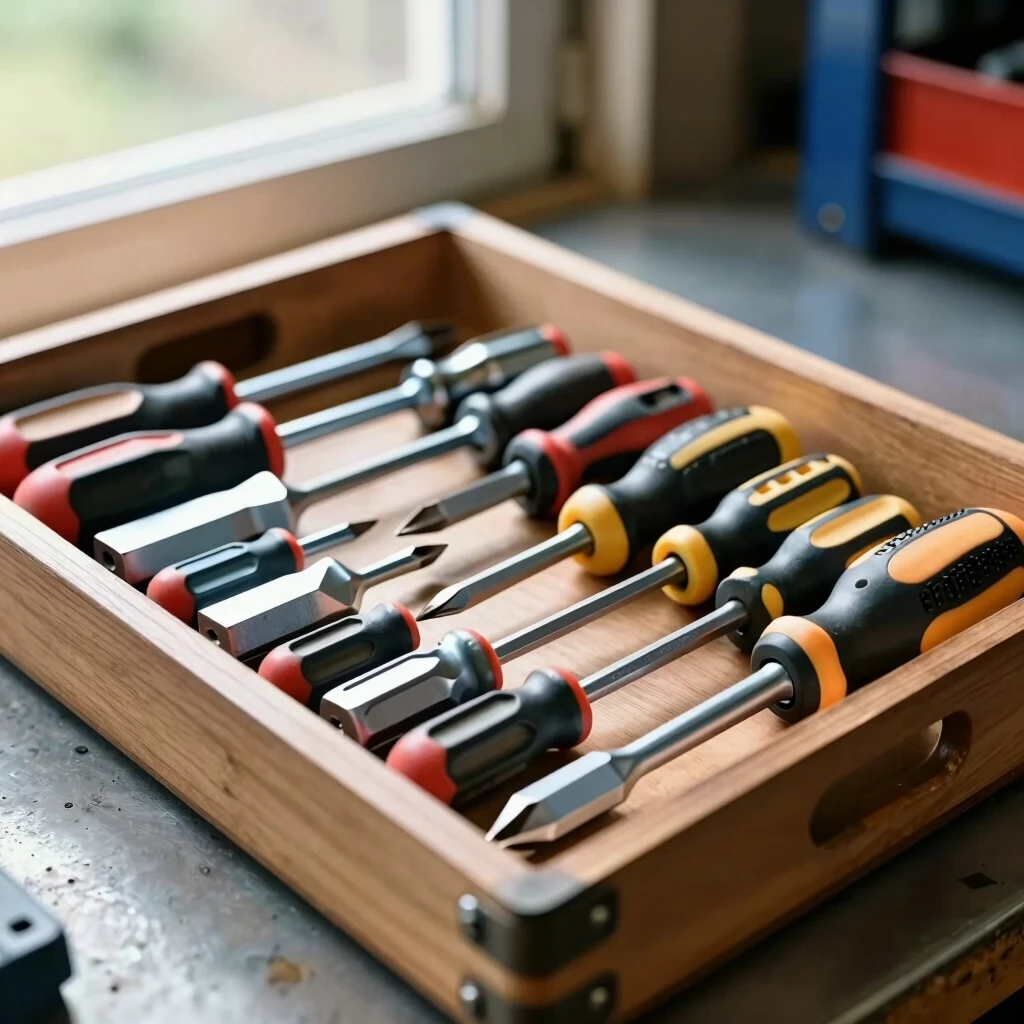
Screwdriver Set (multi-bit driver): Ratcheting handles speed assembly. Magnetic tips catch dropped bits—game-changer in tight spots.
-
Block Plane: Smooths end grain and chamfers edges fast. Adjust the blade for whisper-thin shavings; it's my go-to for fitting drawers.
| Tool | Key Feature | Upgrade Path |
|---|---|---|
| Chisel Set | Sharp bevel edges | Add mallet for heavy work |
| Hand Saw | Fine teeth per inch | Switch to Japanese for precision |
| Block Plane | Compact size | Get a low-angle model for hardwoods |
-
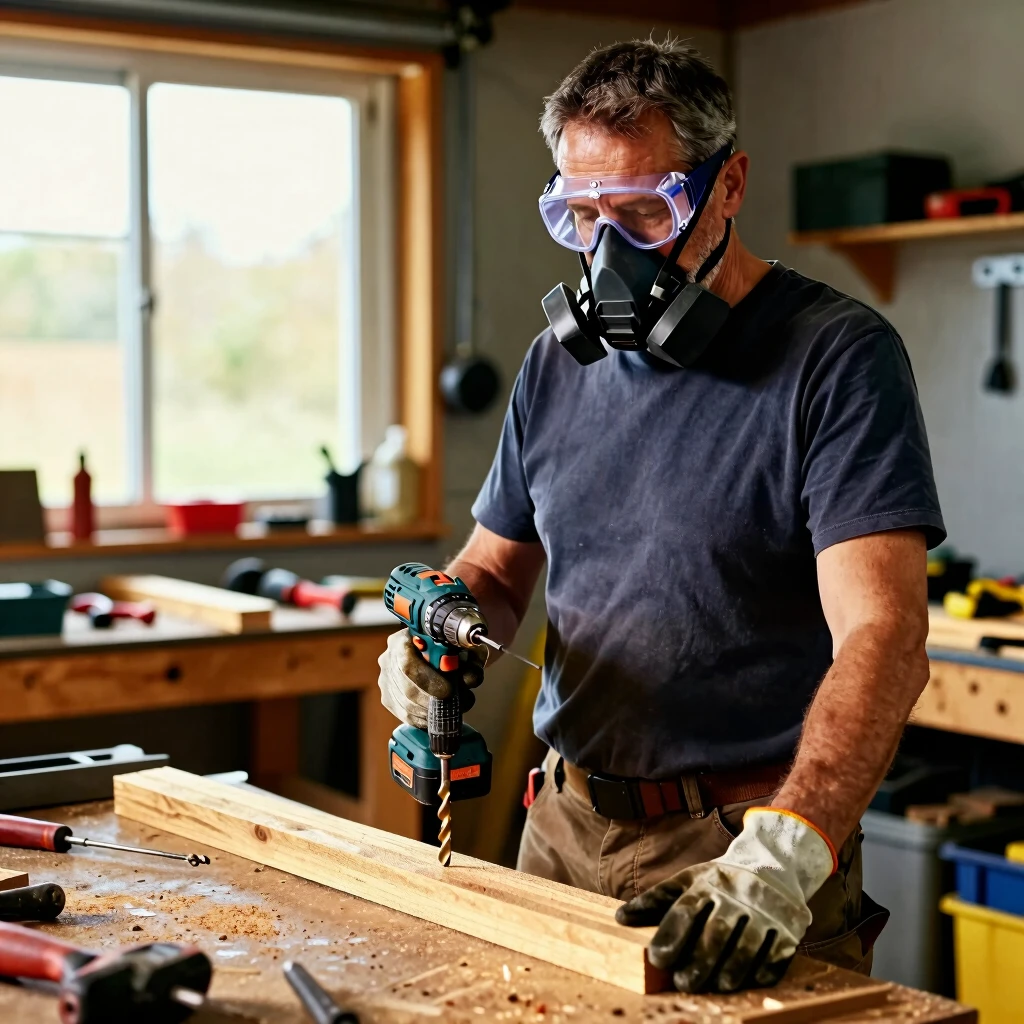
Cordless Drill (18-volt): Drills holes and drives screws effortlessly. Battery life rules—get extras for nonstop runs. Pair with bits for every material.
-
Safety Glasses and Dust Mask: Non-negotiable. Chips fly, dust lingers. UV-coated lenses protect eyes; N95 masks filter fines. I wear mine from setup to sweep-up.
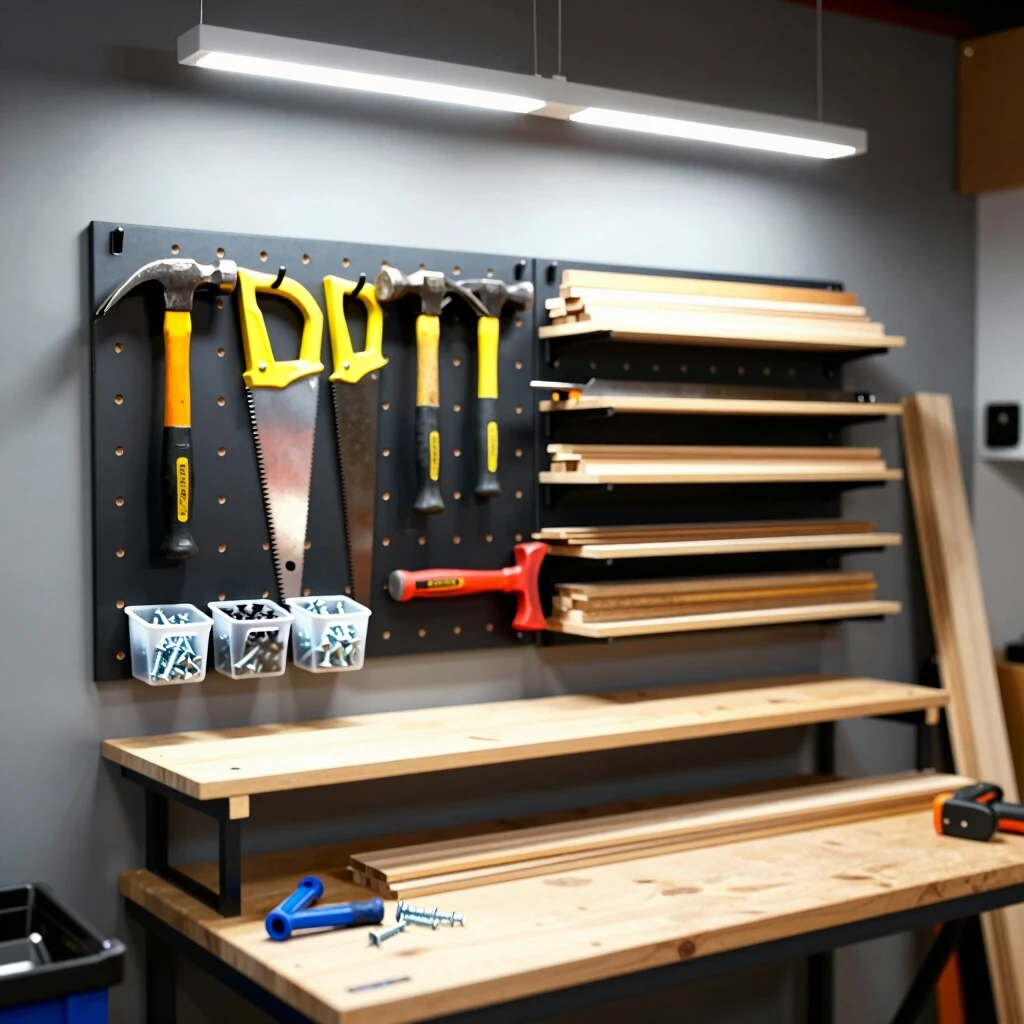
These high-quality workman tools for professionals form a lean arsenal. Total investment? Around $500 to start strong. Source from reputable makers—cheapies break and frustrate.
Even with top gear, space cramps creativity. Here's how to tame it.
Tips for Organizing Small Workshops Efficiently
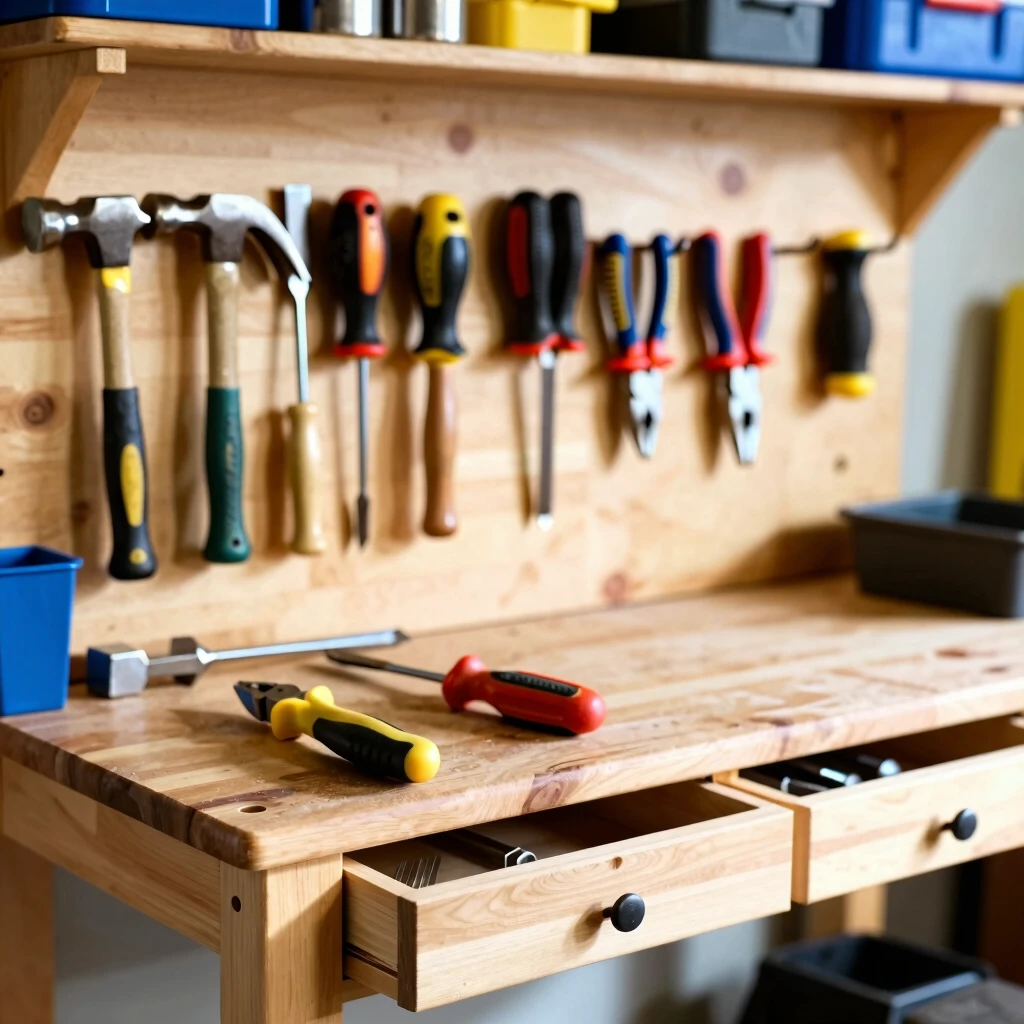
Tiny shops demand smart hacks. Go vertical: Pegboards hold saws and pliers within reach. I mounted mine at eye level—tools find homes fast.
Zone your flow: Lumber by the door, assembly near the bench, finishes in a sealed cabinet. Use stackable bins for screws; label boldly to cut hunt time.
Rolling carts double as mobile stations. For dust-prone areas, add shop vac hookups. Draw from St. Edward's University tips on workshop organization—they stress clear paths for safety.
Declutter ruthlessly: If unused in a year, donate. My rule keeps the vibe calm and focused.
One hack I swear by: Shadow boards. Outline tool spots on plywood—everything snaps back visually. In a 8x10 space, this freed 20% more elbow room.
Light it right: LEDs on arms spotlight nooks. Good visibility slashes errors.
Wrapping It Up
From the Top 10 Tools Every Workshop Needs to a tuned workbench and clever organization, your space shapes your success. Invest in quality, maintain diligently, and adapt as you grow. These steps turned my hobby into pros' envy—yours can too. Happy building!
Related Top 10 Tools Every Workshop Needs:
- Ultimate Guide to Power Tools for Metalworking: Boost Your Workshop Game
- The Essential Toolbox for Every DIY Enthusiast: Build Yours Right
- DIY Workshop Storage Solutions: Transform Chaos into Creative Flow
- OSHA’s Guide to Personal Protective Equipment: Essential Safety Gear for Construction Workers
- Essential Tools for Every Handyman: Build Your Ultimate Toolkit
- DIY Tool Repair: When to Fix and When to Replace
- How to Maintain Hand Tools Effectively: A Complete Guide for Everyday Use
- How to Use Power Drills Safely and Effectively: Your Essential Guide
- Unlocking Creativity: Essential Specialty Hammers for Crafts and Hobbies
- The Importance of Tool Maintenance: A Guide to Safe and Efficient Electrical Work
- Preventing Workplace Injuries with Smart Tool Choices: A Practical Guide
- Understanding Different Types of Screwdrivers and Their Uses