Quick Overview
Power tools for metalworking transform tough jobs into smooth tasks. Whether you're a hobbyist fixing bike frames or a pro building custom parts, the right power tools save time and effort. In this guide, we'll cover must-haves like grinders and saws, plus tips on safety and care. Let's dive in and gear up your workshop.
Why Choose Power Tools for Metalworking?
I still remember my first big metal project—a custom gate for my backyard. Hand tools left me sore and frustrated after hours of sawing. Then I grabbed a power saw, and everything changed. Power tools speed up work, cut down on mistakes, and let you focus on creativity.
They handle tough metals like steel and aluminum with ease. No more endless filing; instead, precise cuts in minutes. For beginners, start small to build confidence. Pros, these tools scale with your skills.
Power tools aren't just faster—they're safer when used right. Built-in features like guards and ergonomic grips prevent slips. Plus, modern batteries mean cordless freedom, so you move without tripping over cords.
Essential Power Tools for Metalworking
Let's break down the top power tools every metalworker needs. I'll share what each does, why it matters, and a quick pick based on my trials.
1. Angle Grinders
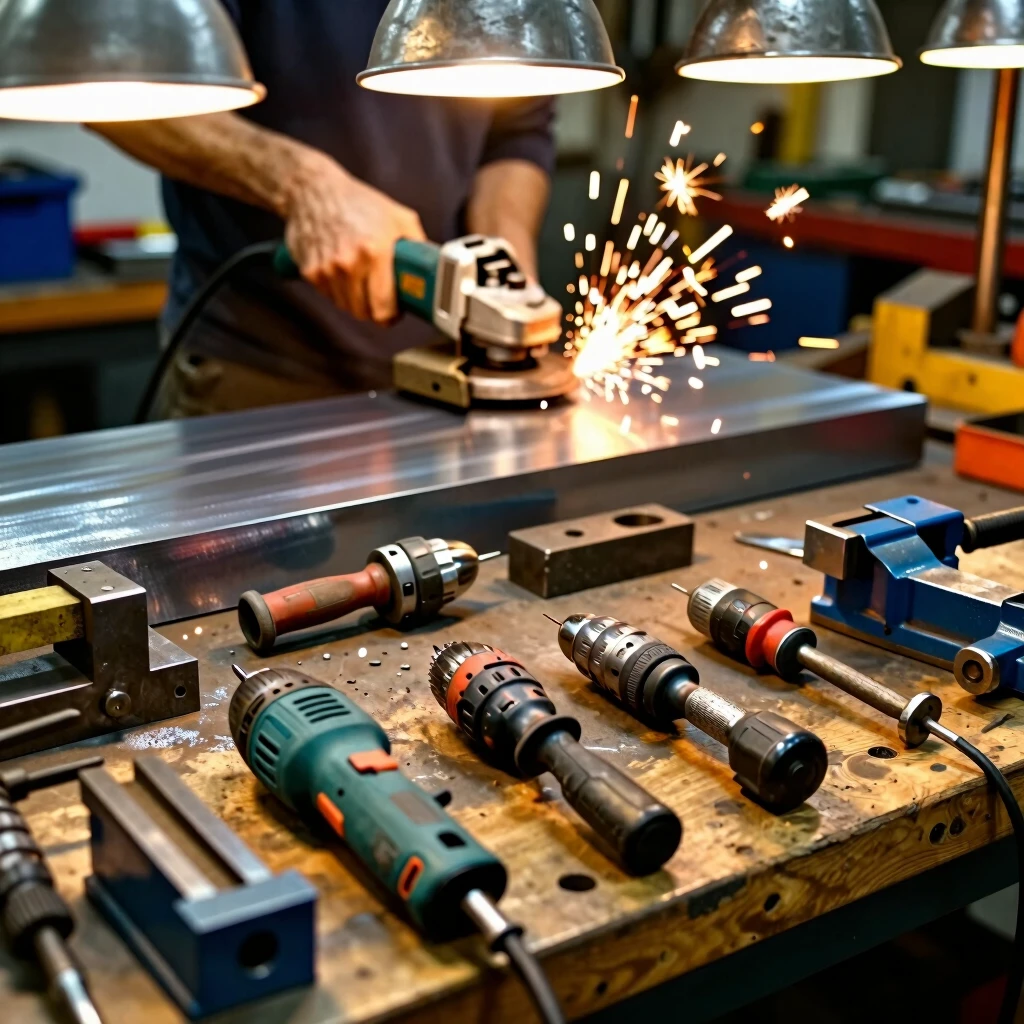
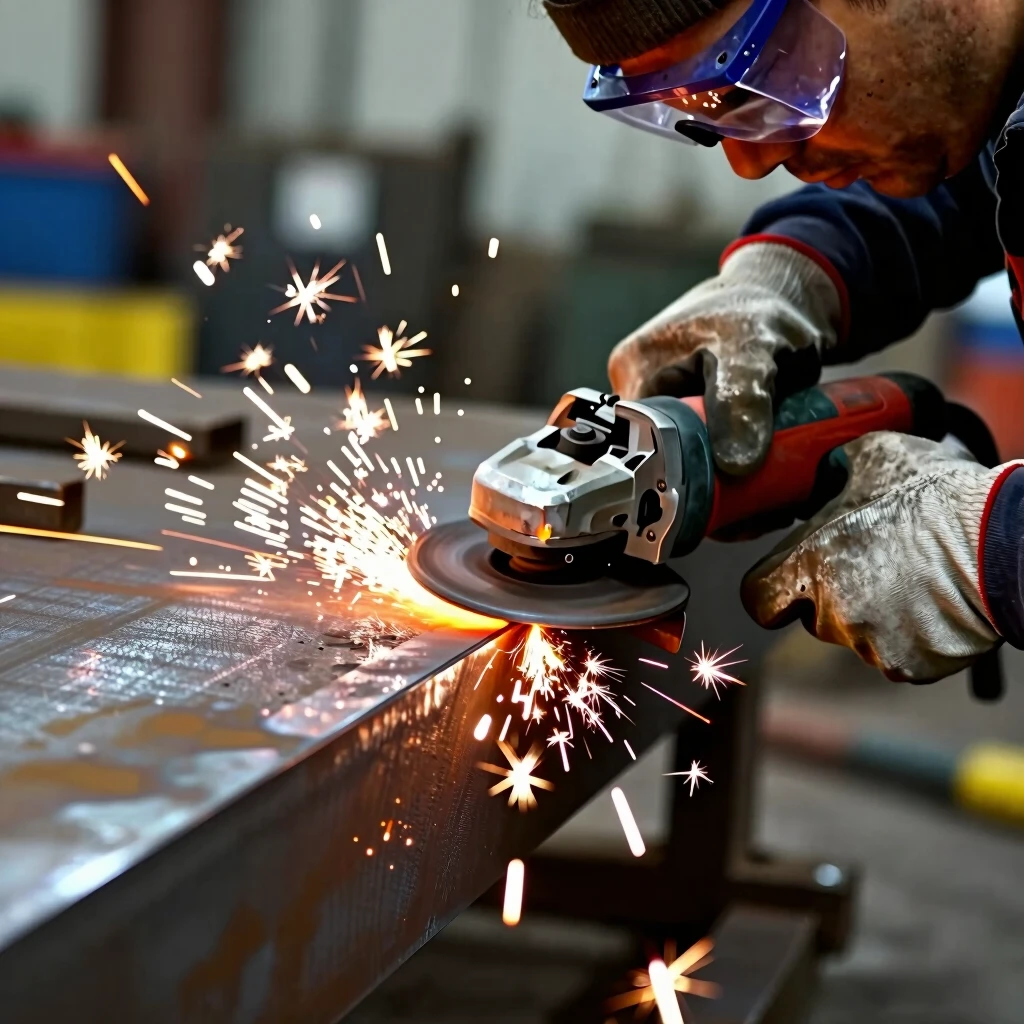
Angle grinders are workhorses for cutting, grinding, and polishing metal. Swap discs for different jobs: cut-off for slicing pipes, flap for smoothing welds.
In my shop, a 4.5-inch grinder handles most tasks. It zips through rusty bolts like butter. Look for variable speed to avoid overheating delicate pieces.
Pro Tip: Always wear eye protection—sparks fly everywhere!
| Tool | Best For | Key Features | My Rating (1-10) |
|---|---|---|---|
| Angle Grinder | Cutting & Grinding | Variable speed, ergonomic grip | 9 |
| Cordless Drill | Drilling Holes | Lithium battery, clutch settings | 8 |
| Reciprocating Saw | Demolition Cuts | Tool-free blade change | 7 |
| Plasma Cutter | Precision Cuts | Portable, clean edges | 10 |
2. Cordless Drills and Drivers
Drills punch holes in metal sheets or drive screws into frames. For metalworking, pick one with a metal chuck and high torque.
I once drilled through thick aluminum for a trailer hitch. A basic model struggled, but a beefy cordless one powered through without bogging down. Add bits for twist drilling or hole saws for larger openings.
Battery life matters—go for 18V or higher. They double as drivers for assembly, saving you from hand cramps.
3. Reciprocating Saws
Need to tear through old metal? Reciprocating saws, or 'Sawzalls,' chew up pipes and beams. Blades snap in for quick swaps: bi-metal for durability.
On a renovation job, mine sliced rusted rebar in seconds. It's messy but mighty. Use it for rough cuts before finishing with a grinder.
Watch Out: Vibration can tire your arms—take breaks.
4. Plasma Cutters
For clean, fast cuts on thick metal, plasma cutters use ionized gas to slice like a hot knife through butter. They're pricier but worth it for pros.
My first plasma cut on stainless steel blew me away—no warping, just perfect edges. Pair with a compressor for best results.
If budget's tight, stick to oxy-acetylene, but plasma's cleaner and quicker.
Power Washers: The Unsung Hero in Metal Prep
Before shaping metal, clean it first. Power washers blast away rust, grease, and grime without harsh chemicals. They're not just for cars—use them on workpieces too.
I power washed a salvaged engine block before welding. What took hours with a brush? Done in 10 minutes. Look for adjustable pressure to avoid denting thin sheets.
Bonus: They extend tool life by keeping bits and blades free of debris.
Power washers fit right into your power tools lineup. They're versatile for post-project cleanup too. A 2000 PSI model handles most shop needs without flooding the floor.

Safety First: Handling Power Tools Smartly
Safety isn't optional—it's your best friend in the shop. I learned the hard way after a close call with flying debris.
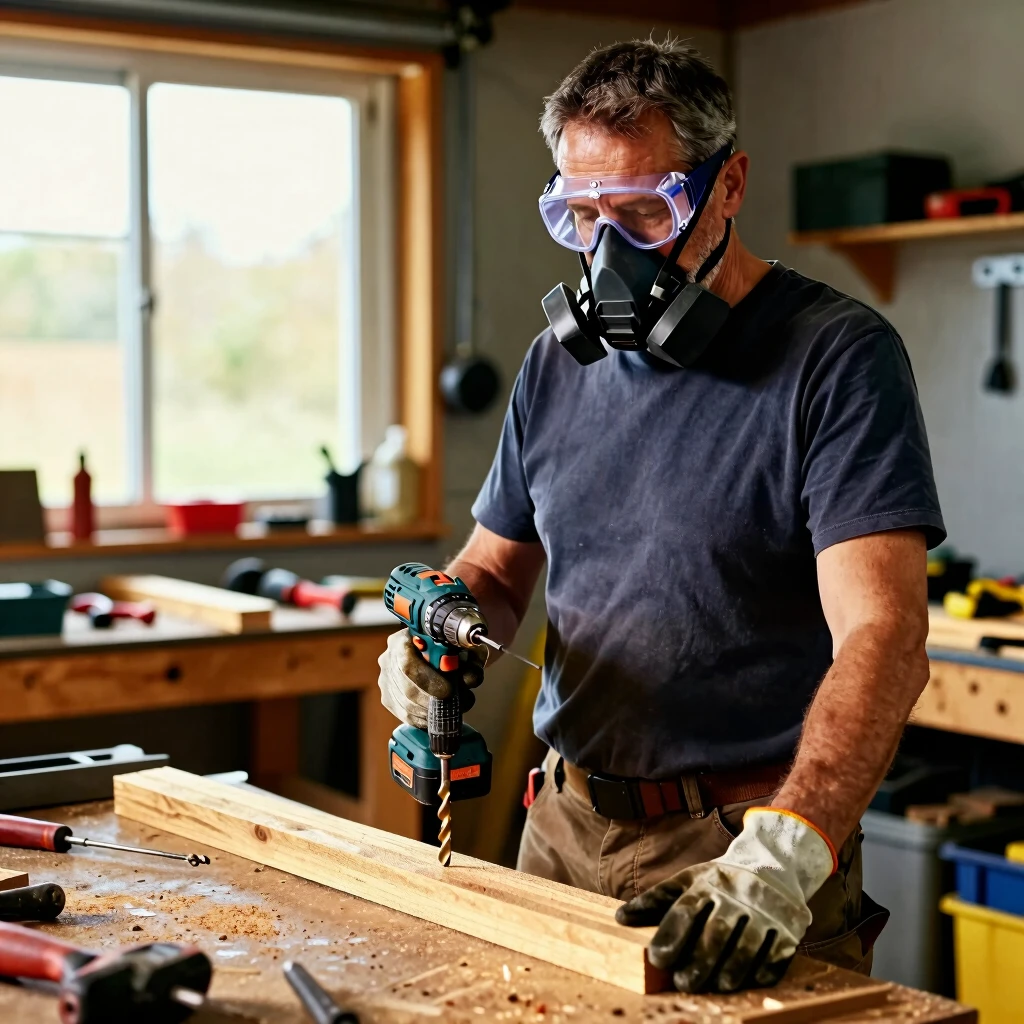
Wear gloves, goggles, and ear protection every time. Secure your workpiece in a vise to stop slips. Keep the area clear; clutter causes trips.
Check cords for frays and batteries for swelling. Unplug tools when changing bits. And ventilate—metal dust isn't fun to breathe.
Here's a quick safety checklist:
- Inspect Before Use: Look for damage.
- Dress Right: No loose clothes near blades.
- Start Slow: Practice on scrap metal.
- Have Aids Ready: First-aid kit and fire extinguisher nearby.
- Learn Limits: Don't force a tool; let it do the work.
Maintenance: Keep Your Power Tools Running Strong
Treat your power tools like old friends—clean and store them well, and they'll last years. After each use, wipe down with a dry cloth. Oil moving parts lightly.
Batteries? Store at half charge in cool spots. Sharpen blades or replace worn discs promptly. I schedule monthly checks; it caught a loose guard once.
For power washers, flush with fresh water after jobs to prevent clogs. Simple habits mean fewer breakdowns and better performance.
Personal Story: Neglecting my grinder led to a seized motor. Now, I log usage and service annually. It's paid off big time.
Choosing the Right Power Tools for You
Budget matters, but quality wins long-term. Start with versatile pieces like a grinder and drill. Brands like DeWalt or Milwaukee offer solid warranties—check DeWalt's site for specs.
Measure your space: Compact tools suit small garages. Think about power source—corded for heavy duty, cordless for mobility.
Test in-store if possible. Read reviews on sites like Consumer Reports for real-user feedback.
Eco-tip: Look for energy-efficient models to cut your shop's carbon footprint.
Wrapping It Up
Power tools for metalworking open doors to endless projects, from art to repairs. With the right ones—like grinders, drills, and even power washers—you'll work smarter, not harder. Stay safe, maintain diligently, and enjoy the sparks. Your next masterpiece awaits.
Word count: Approximately 1520.
Related power tools for metalworking:
- The Essential Toolbox for Every DIY Enthusiast: Build Yours Right
- DIY Workshop Storage Solutions: Transform Chaos into Creative Flow
- OSHA’s Guide to Personal Protective Equipment: Essential Safety Gear for Construction Workers
- Essential Tools for Every Handyman: Build Your Ultimate Toolkit
- DIY Tool Repair: When to Fix and When to Replace
- How to Maintain Hand Tools Effectively: A Complete Guide for Everyday Use
- How to Use Power Drills Safely and Effectively: Your Essential Guide
- Unlocking Creativity: Essential Specialty Hammers for Crafts and Hobbies
- The Importance of Tool Maintenance: A Guide to Safe and Efficient Electrical Work
- Preventing Workplace Injuries with Smart Tool Choices: A Practical Guide
- Understanding Different Types of Screwdrivers and Their Uses
- Essential Workman Tools for Metalworking: Your Complete Guide