Quick Overview
Your torque wrench is a key player in any toolbox, especially for precise work like automotive repairs. Proper maintenance keeps it accurate and extends its life. In this guide, we'll explore how to maintain your torque wrench for longevity with simple steps you can follow today.
Understanding Torque Wrench Basics
Before diving into care routines, let's get back to the fundamentals. A torque wrench measures the force you apply to tighten bolts and nuts. It ensures you don't over-tighten, which can strip threads, or under-tighten, which leads to loose parts and safety issues.
Think of it as the brain in your set of workman tools for automotive repairs. I've used mine on everything from brake jobs to engine rebuilds, and knowing its basics has saved me from costly mistakes. Torque wrenches come in types like click, beam, and digital—each needs tailored care, but the principles stay the same.

Start by checking your wrench's manual. It outlines specific tolerances and care instructions. For instance, most models handle up to 500 foot-pounds of torque, but pushing beyond that wears them out fast.
In my early days as a weekend mechanic, I ignored these basics. One overworked wrench failed mid-job, forcing a full replacement. Lesson learned: Treat it like a precision instrument, not just another tool in the box.
Why Maintenance Matters for Your Torque Wrench
Regular upkeep isn't busywork—it's insurance against inaccuracy. A poorly maintained wrench can lead to uneven tightening, which stresses components in your vehicle or project.
Studies show that uncalibrated tools cause up to 20% of assembly errors in manufacturing. The same holds true for home garages. By focusing on how to maintain your torque wrench for longevity, you protect your investments in time and money.
Daily Usage Tips
Use your torque wrench only for tightening, never for loosening bolts. This prevents damage to the internal mechanism. Apply force smoothly—jerky motions throw off calibration.
Always return the setting to zero after use. This relieves spring tension and avoids gradual drift in accuracy. I make it a habit to zero out mine right after each job, and it's kept my readings spot-on for years.
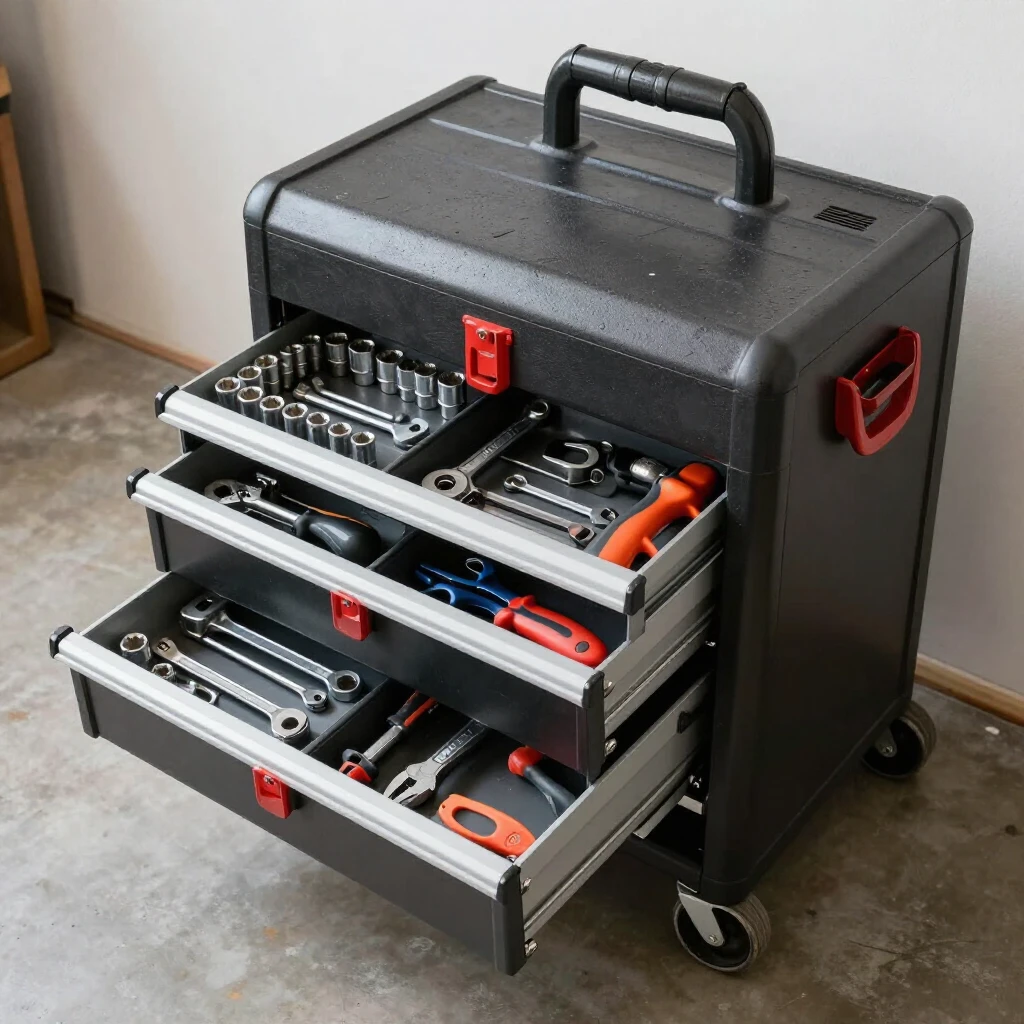
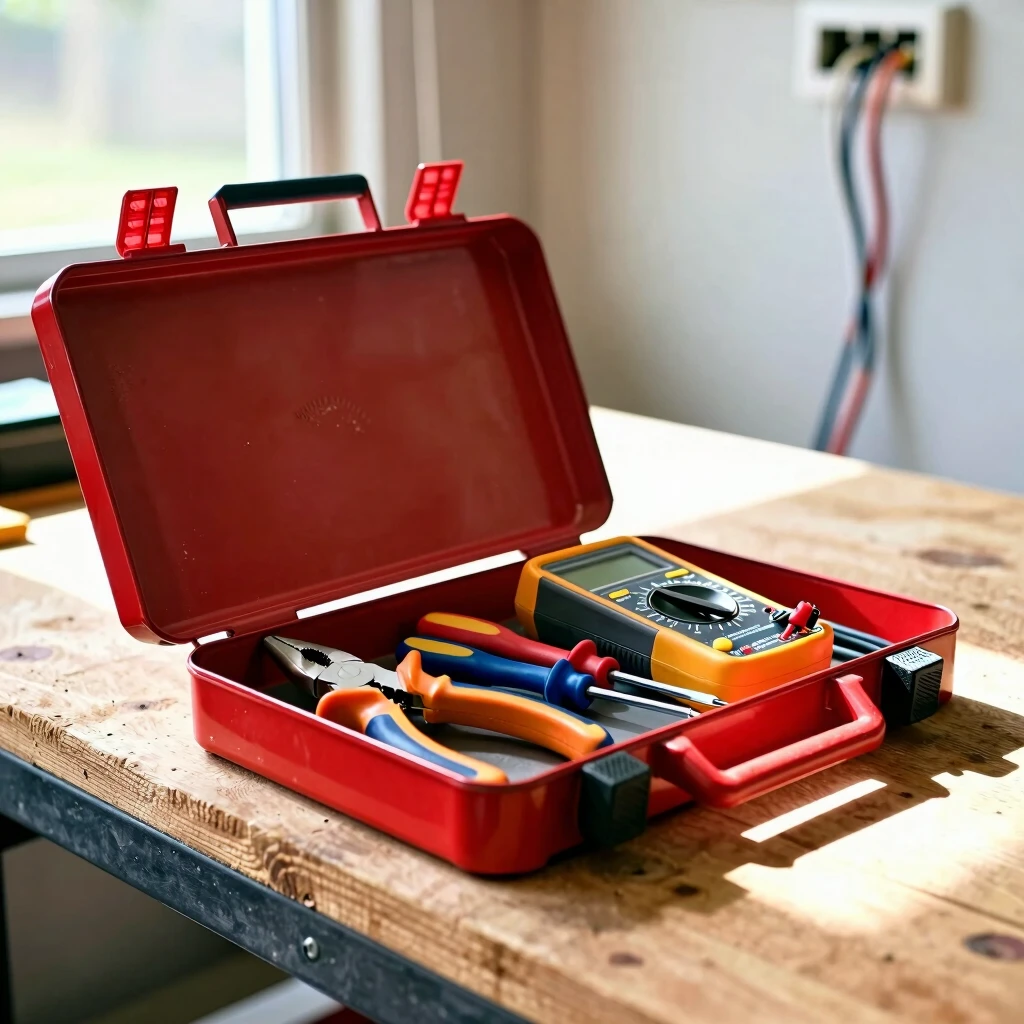
Store it in a padded slot in your toolbox to shield it from bangs and drops. Impacts can bend the handle or jar the internals, leading to false readings.
Here's a quick checklist for safe use:
| Step | Action | Why It Helps |
|---|---|---|
| 1 | Zero out after use | Reduces spring wear |
| 2 | Clean before storage | Prevents grit buildup |
| 3 | Avoid extensions unless rated | Maintains accuracy |
| 4 | Check for damage daily | Catches issues early |
Cleaning Your Torque Wrench Step by Step
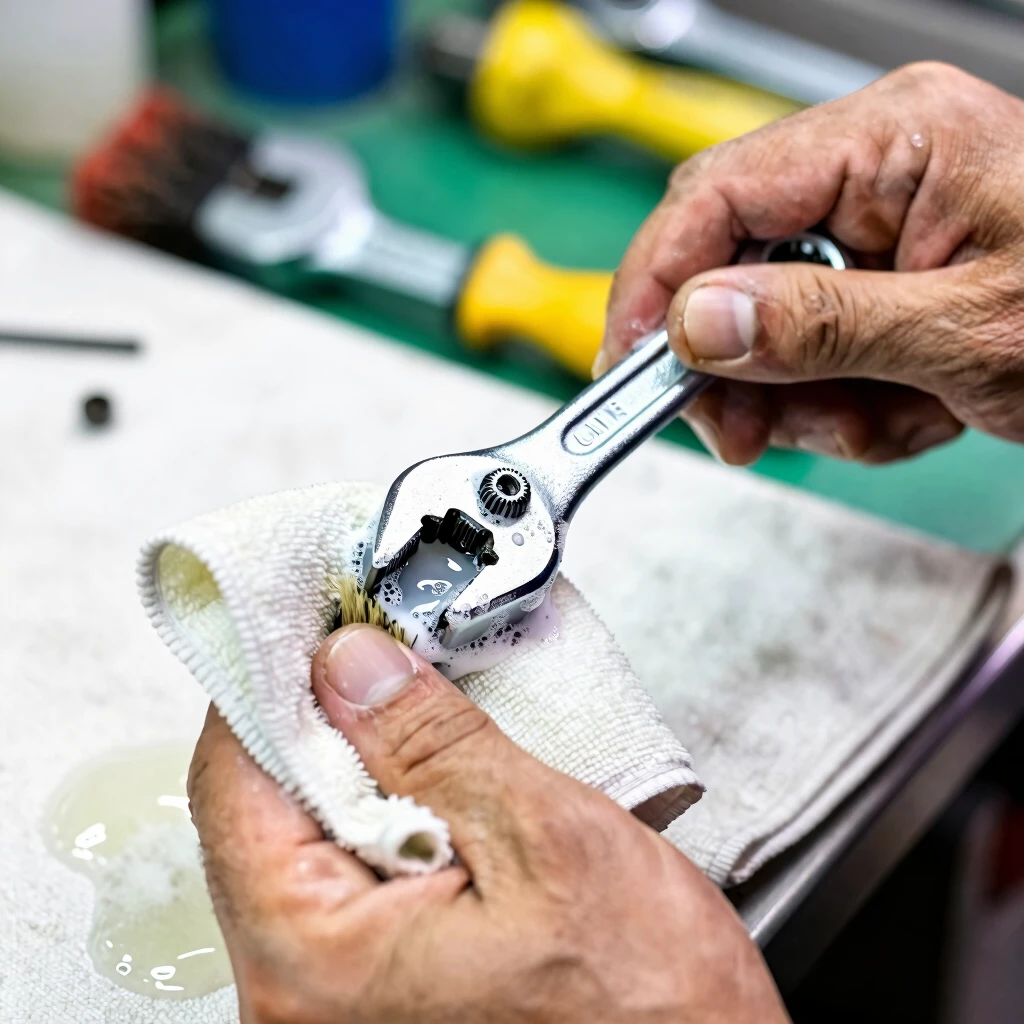
Dirt and grime are the enemies of precision tools. After a sweaty session under the hood, your wrench picks up oil, metal shavings, and dust. Left unchecked, these build up and gum up the works.
Wipe it down after every use with a soft, lint-free cloth dampened in mild soapy water. Avoid harsh chemicals—they can corrode the finish. For stubborn spots, use a nylon brush, but never metal ones that scratch.
Dry it thoroughly with a clean towel. Moisture invites rust, especially on the adjustment threads. In humid shops, I add a quick spray of silicone lubricant to those threads for smooth operation.
Disassemble only if the manual allows it—most don't. For deeper cleans, send it to a pro. Remember, workman tools like this thrive on gentle handling.
Pro tip: Keep a dedicated cleaning kit in your toolbox. Mine includes microfiber cloths, a small brush, and isopropyl alcohol for quick wipes. It's made maintenance a breeze.
Proper Storage in Your Toolbox
Where you store your torque wrench matters as much as how you use it. Heat, cold, and vibrations accelerate wear.
Hang it vertically if possible, or lay it flat in a custom foam insert. This prevents the handle from warping under its own weight. Avoid stacking heavy tools on top—I've seen drives crack from careless piling.
In extreme climates, keep it indoors. Temperature swings between -20°F and 120°F can affect calibration, per FAA guidelines on tool maintenance.
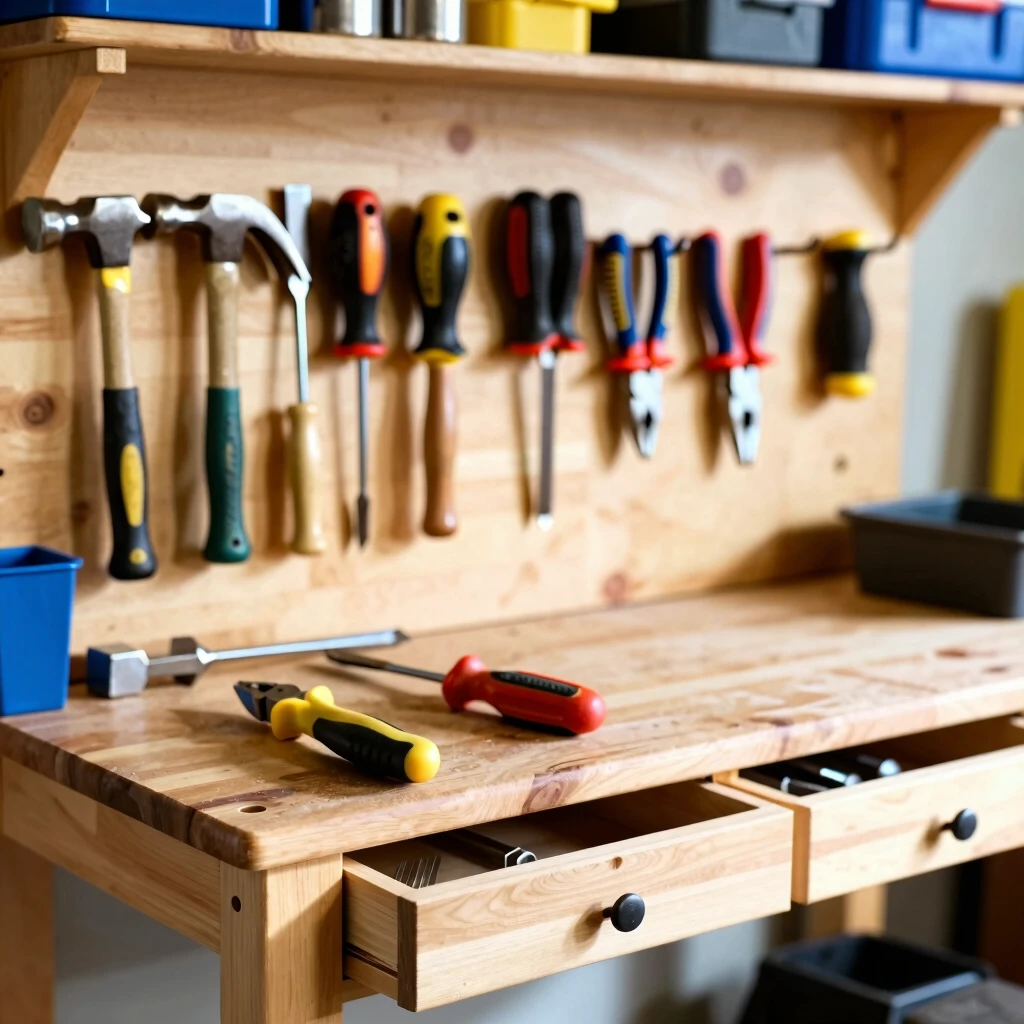
Organize your toolbox logically: Torque wrenches near sockets for quick grabs during automotive repairs. Label slots to avoid rummaging, which can nick edges.
A well-kept toolbox isn't just neat—it's efficient. My setup has cut job times by 15%, letting me focus on the fix, not the hunt.

Calibration: The Heart of Longevity
Calibration keeps your wrench honest. Without it, you're guessing on torque values, risking failures.
Schedule checks every 6-12 months, or after 5,000 cycles, whichever comes first. Drops or overloads demand immediate recalibration. Research from the University of Northern Iowa highlights how regular audits prevent drift, ensuring tools stay within ±4% accuracy for most applications (UNI torque tooling calibration study).
Take it to an accredited lab—DIY kits exist but often lack precision. I calibrate mine biannually, and it's caught drifts I never noticed.
Signs it needs service: Inconsistent clicks, sticky adjustments, or readings off by more than 2%. Don't ignore them; fix fast.
| Calibration Schedule | Trigger | Action |
|---|---|---|
| Annual | Routine | Lab visit |
| Immediate | Drop/Overload | Professional check |
| Every 5,000 uses | Heavy workload | Full audit |
| Visual cues | Odd behavior | Inspect internals |
Common Mistakes to Avoid
I've made my share of blunders, so learn from them. First, never use it as a breaker bar. The sudden reverse force damages the clutch.
Second, skipping zeroing leads to 'creep'—the setting inches up over time. Third, exposing it to chemicals like brake cleaner eats at seals.
Finally, ignoring storage in damp spots invites corrosion. Keep it dry and covered. These slips shorten life from decades to months.
Incorporate these into your routine, and your wrench becomes a lifelong partner. Pair it with quality workman tools, and your projects shine.
Advanced Tips from the Field
For pros or avid hobbyists, consider environmental factors. Dust in shops clogs mechanisms—use air blowers weekly.
Track usage in a log: Date, jobs, torque ranges. This spots patterns, like faster wear on high-torque settings.
Upgrade to models with lifetime warranties, but maintain them anyway. Brands like Snap-on offer recals, but your habits seal the deal.
Sharing a story: On a rusty truck restoration, my calibrated wrench prevented a snapped axle bolt. That precision? Pure maintenance magic.
Blend these habits, and you'll master how to maintain your torque wrench for longevity. It's not rocket science—just consistent care.
Wrapping It Up
Maintaining your torque wrench boils down to clean, store, calibrate, and use smartly. These steps ensure accuracy in every turn, safeguarding your workman tools for automotive repairs. Invest time now for reliability later. Your toolbox—and projects—will thank you.
Related How to Maintain Your Torque Wrench for Longevity:
- Top Workman Tools for Automotive Repairs You Need
- Top 10 Tools Every Workshop Needs
- Ultimate Guide to Power Tools for Metalworking: Boost Your Workshop Game
- The Essential Toolbox for Every DIY Enthusiast: Build Yours Right
- DIY Workshop Storage Solutions: Transform Chaos into Creative Flow
- OSHA’s Guide to Personal Protective Equipment: Essential Safety Gear for Construction Workers
- Essential Tools for Every Handyman: Build Your Ultimate Toolkit
- DIY Tool Repair: When to Fix and When to Replace
- How to Maintain Hand Tools Effectively: A Complete Guide for Everyday Use
- How to Use Power Drills Safely and Effectively: Your Essential Guide
- Unlocking Creativity: Essential Specialty Hammers for Crafts and Hobbies
- The Importance of Tool Maintenance: A Guide to Safe and Efficient Electrical Work