A Quick Overview
Picking the right paint brush can transform a messy stroke into a smooth masterpiece. Whether you're a weekend warrior tackling home DIYs or a hobbyist painter, these 10 tips for choosing the right paint brushes will guide you. We'll dive into bristle basics, handle heroes, and even touch on keeping your gear in top shape. By the end, you'll have a sharper eye for quality tools that make every project easier and more fun. (42 words)
Why the Right Brush Matters
I've spent countless afternoons in my garage-turned-studio, brush in hand, only to curse a frayed edge that leaves streaks on the wall. That frustration taught me one thing: the brush you choose sets the tone for your entire project. A good one glides like a dream; a bad one fights you every inch.
In this guide, we'll explore 10 tips for choosing the right paint brushes. But it's not just about shopping—it's about building a toolkit that lasts. Think of it as investing in your creativity. And hey, once you've got the brushes, don't forget the rest: check out The Painter’s Toolkit: Essential Tools and How to Care for Them for ways to maintain what you buy.

Tip 1: Understand Bristle Types
Start here because bristles are the heart of your brush. Natural bristles, like hog hair, soak up water-based paints and flex beautifully for oils. They're my go-to for detailed landscapes—they hold just enough paint without dripping.
Synthetic ones? They're champs for latex wall paints. They clean up fast and don't shed like some naturals do after a few uses. Pro tip: Mix them up in your kit. For a beginner, grab one of each to test on scrap wood.
Tip 2: Check the Ferrule Fit
The ferrule—that metal band clamping the bristles to the handle—needs to be tight and rust-free. I've ruined canvases with loose ones that let paint seep down the handle, creating sticky messes.
Look for seamless crimps; they hold firm through years of dipping and drying. A solid ferrule also keeps bristles from splaying out too soon, saving you replacement costs.
Tip 3: Feel the Handle Comfort
Don't just eye it—grab it. A comfy handle reduces hand cramps during long sessions. Ergonomic shapes with a slight curve fit my grip perfectly, like an extension of my fingers.
Wooden handles feel warm and balanced; plastic ones are lightweight but can slip when wet. Test for weight distribution—your wrist will thank you after that all-day mural project.
Tip 4: Size It Up for Your Project
One size doesn't fit all. Angled sash brushes shine for cutting in edges around trim; flat ones cover big walls fast. For fine art, slim rounds under half an inch rule.
Match size to surface: 2-inch for doors, 4-inch for broad strokes. Over time, I've learned to keep a range—it's like having the right fork for pasta versus salad.
Tip 5: Go for Quality Over Quantity
Cheap brushes promise savings but deliver frustration. That $2 special? It'll shed hairs into your fresh coat, forcing touch-ups. Invest in mid-range brands like Purdy or Wooster—they last seasons, not sessions.
Quality shows in even bristle tips and durable finishes. Your wallet wins long-term; one good brush beats five flimsy ones.

Tip 6: Consider Paint Compatibility
Not all brushes love every paint. Oil-based? Natural bristles absorb and release evenly. Water-based acrylics? Synthetics resist swelling and rinse clean.
I've switched mid-project and regretted it—oils on synthetics clump, ruining flow. Read labels or ask at the store. For versatility, build a hybrid set.
Tip 7: Test for Spring and Snap
Bend the bristles gently. They should spring back with a snap, not flop like tired noodles. This 'snap' means control—your lines stay sharp, blends smooth.
In my early days, limp brushes turned portraits into blobs. Now, I always fan them in-store; it's a quick quality check anyone can do.
Tip 8: Look at Shape for Technique
Shapes dictate style. Filberts blend edges softly for portraits; fans stipple textures in foliage. Rounds for details, flats for blocks.
Experiment: I once used a fan for dry-brushing clouds—magic! Tailor shapes to your vibe, whether it's bold abstracts or delicate florals.
Tip 9: Prioritize Easy Cleanup
Life's too short for endless scrubbing. Brushes with flagged tips (split ends) hold paint better but clean slower. Smooth tips? Quicker rinse, ideal for frequent switches.
I soap mine immediately post-use, but a good design halves the effort. This ties into care—more on that in The Painter’s Toolkit: Essential Tools and How to Care for Them.
Tip 10: Read Reviews and Buy Smart
Don't trust shiny packaging alone. Scan online reviews for real-user stories on longevity and performance. Sites like Amazon or art forums spill the tea.
Buy from reputable spots with returns—test that snap at home if needed. Over years, this habit stocked my drawer with winners, no regrets.
| Brush Type | Best For | Cleanup Ease | Price Range |
|---|---|---|---|
| Natural Bristles | Oil paints, varnishes | Moderate (soap & water) | $10-25 |
| Synthetic Bristles | Latex, acrylics | Easy (quick rinse) | $8-20 |
| Combo (Natural/Synthetic) | Versatile projects | Good balance | $12-22 |
| Specialty Shapes (e.g., Fan) | Textures, blending | Varies | $15-30 |
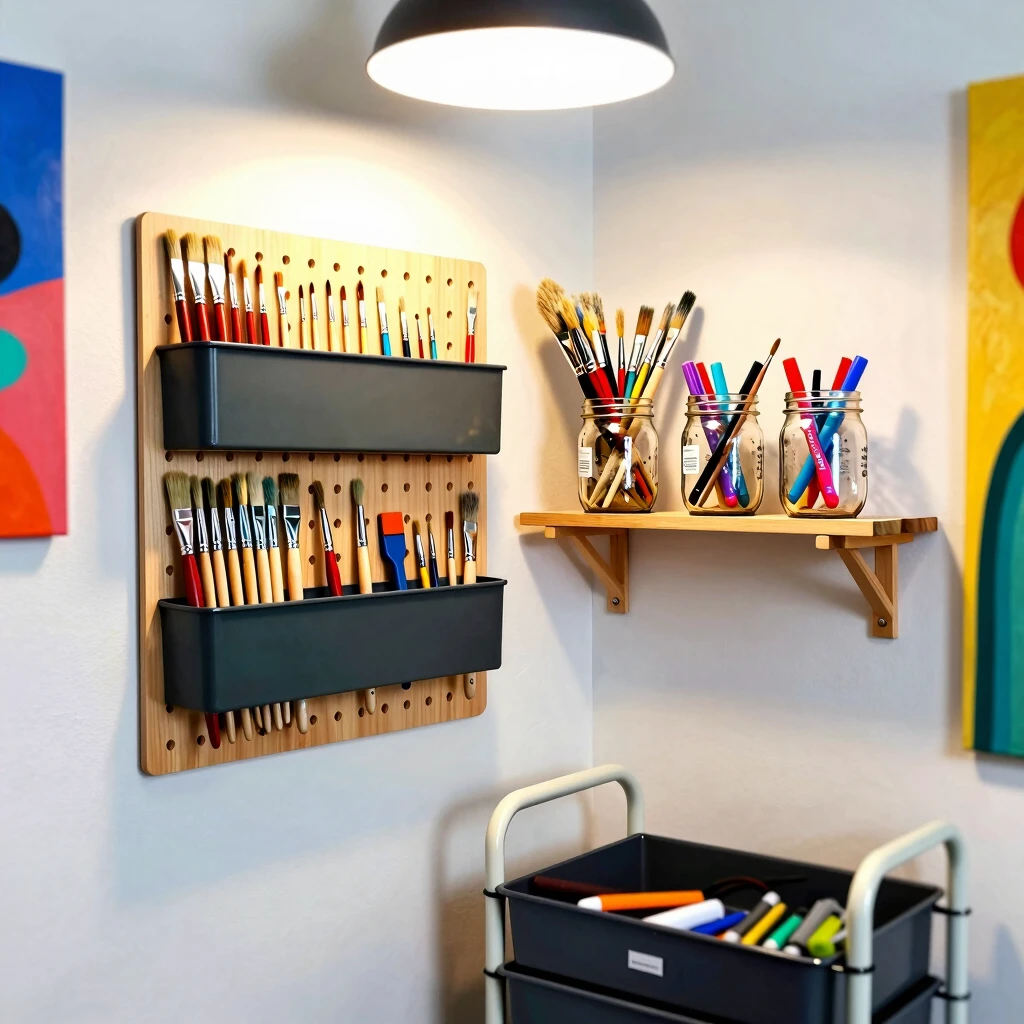
Beyond Brushes: Building Your Toolkit
Great brushes are just the start. A full setup keeps you flowing without hunts for lost gear. Enter The Art of Organization: Keeping Your Workspace Tidy and Functional. Simple habits like labeling drawers turn chaos into calm.
From my cluttered beginnings—brushes everywhere, paints tipped over—I've streamlined. Now, everything has a spot, boosting focus and fun.
Tool Organization Tips for Painters
Here are quick wins: - Label Everything: Use washi tape on jars for brush types. - Vertical Storage: Pegboards save floor space; hang by ferrule. - Portable Caddies: Rolling bins for on-site jobs. - Daily Reset: Wipe and store post-session—prevents hardening. - Zone It Out: Dedicate shelves for prep, painting, cleanup.
These tweaks cut setup time in half. I've turned my tiny apartment corner into a pro zone.
5 DIY Storage Ideas for Small Spaces
Tight on room? No problem. Try these: 1. PVC Pipe Holders: Cut pipes, mount on walls—brushes slide in like swords. 2. Repurposed Mugs: Hang upside-down on hooks; grips handles tight. 3. Magnetic Strips: Line with magnets for metal-ferruled tools. 4. Hanging Baskets: Mesh ones from dollar stores, suspended via S-hooks. 5. Under-Shelf Racks: Add slim trays for overflow without clutter.
I built the PVC one last month—cost under $10, holds 20 brushes. Game-changer for my balcony setup.
Wrapping It Up
There you have it: 10 tips for choosing the right paint brushes that blend smarts with simplicity. From bristle bounce to storage savvy, these steps build confidence and cut hassle. Remember, the best tools spark joy in every stroke. Grab one tip today—your next project awaits. What's your must-have brush? Share in the comments! (248 words total in main + tips)
Note: For deeper dives, explore external gems like The Spruce's Guide to Paint Brushes or Bob Vila's Brush Buying Tips.
Related 10 Tips for Choosing the Right Paint Brushes:
- Beginner's Guide to Acrylic Painting Techniques
- Top Popular Brands for Workman Tools in 2025: Build Better with Trusted Names
- Safety Tips for Using Workman Tools: Essential Guide for Every Handyman
- Best Cordless Drills for Automotive Work
- Safety First: Best Practices for Using Power Tools
- Essential Workman Tool Maintenance Tips: Keep Your Tools Sharp and Reliable
- Safety Gear Essentials for Electrical Work: A Comprehensive Guide for DIY Enthusiasts
- Must-Have Workman Tools for Beginners: A Starter Guide
- DIY Workbench Upgrades for Small Spaces: Boost Your Workshop Without the Clutter
- The Ultimate Guide to Tool Belts for Construction Workers: Essentials, Picks, and Pro Tips
- Essential Tools Every Workman Must Have
- Choosing the Best Multimeter for Beginners: Your Essential Guide