A Quick Overview
As a professional tradesperson, your tools are your lifeline. High-quality workman tools for professionals make all the difference in efficiency, safety, and job satisfaction. In this guide, we'll dive into must-have workshop equipment, share real-world tips, and help you build a toolkit that lasts. Whether you're a carpenter, mechanic, or electrician, investing wisely pays off big time.
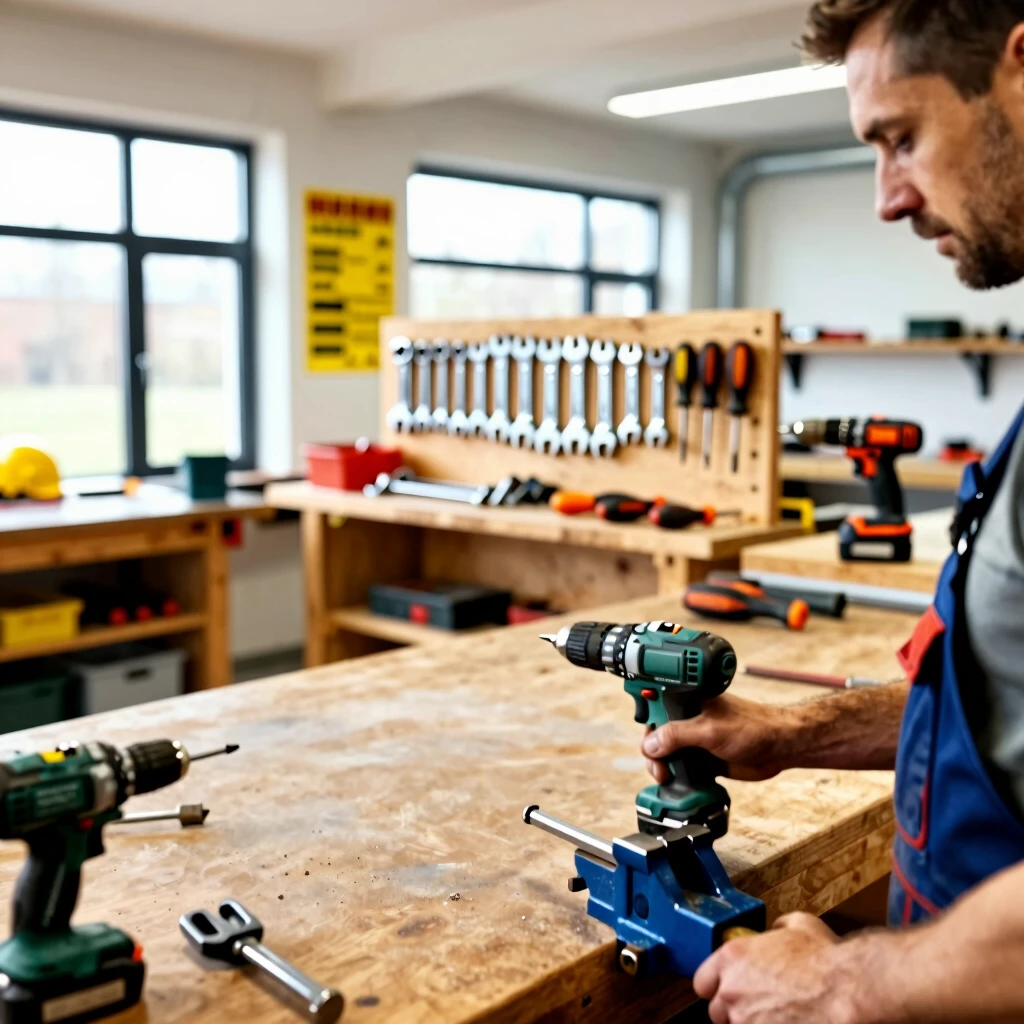
Why High-Quality Workman Tools Matter for Pros
I've spent over two decades swinging hammers and tightening bolts on construction sites. Let me tell you, cheap tools break your flow—and sometimes your budget. High-quality workman tools for professionals aren't just shiny; they're built to endure daily grind without failing you mid-job.
Think about it. A flimsy screwdriver slips, and suddenly you've got a stripped screw or a nicked finger. According to OSHA's overview on hand and power tools, improper use or maintenance of these basics can lead to severe injuries. Quality tools reduce that risk by fitting your hand right and holding up under pressure.
Plus, they save money long-term. Ever replaced a bargain-bin drill three times a year? Ouch. Durable workshop equipment means fewer trips to the store and more time billing hours. It's like upgrading from a rusty bike to a smooth motorcycle—everything just works better.
Essential Categories of Workman Tools
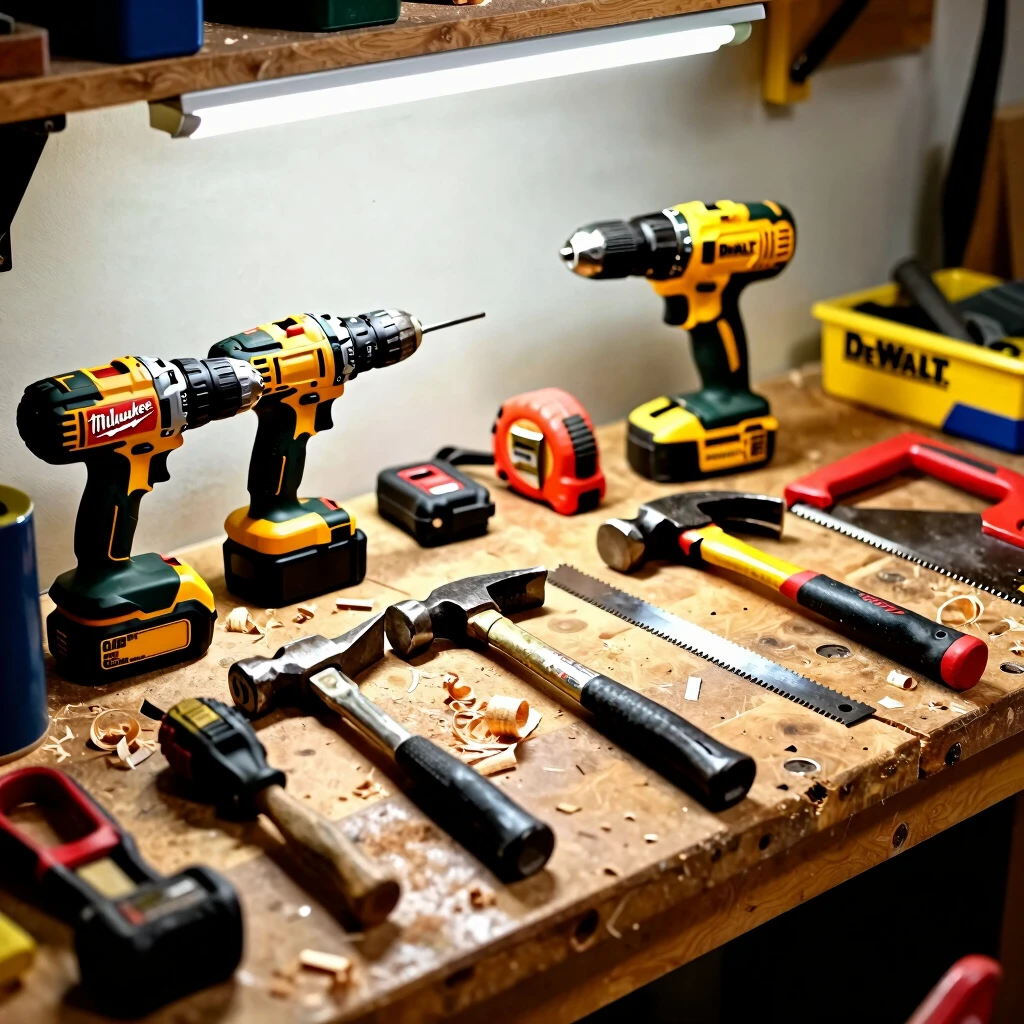
Let's break down the core lineup. No pro's kit is complete without a mix of hand tools, power tools, and smart workshop equipment. I'll highlight top picks based on what I've hauled to jobsites over the years.
Hand Tools: The Reliable Classics
These are the unsung heroes. You reach for them 80% of the time, so make them count.
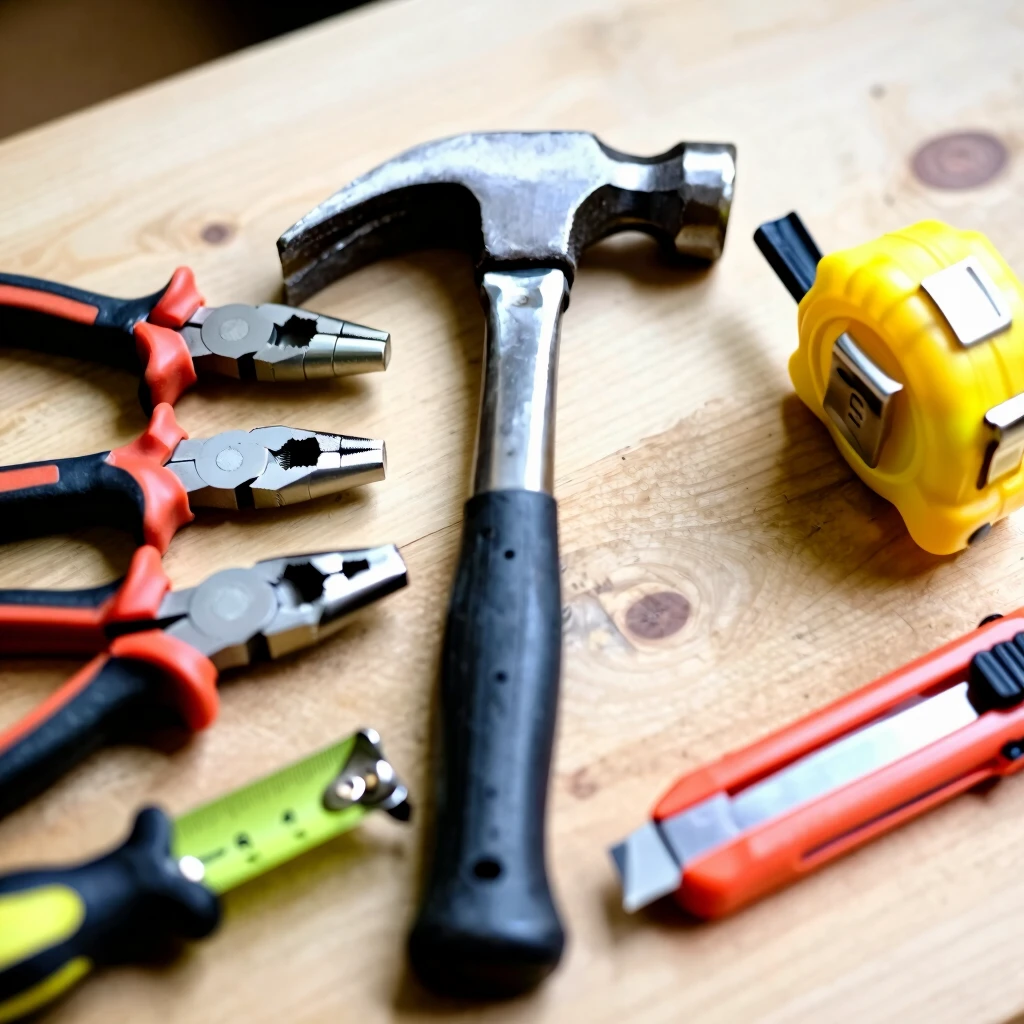
- Wrenches and Pliers: Go for forged steel ones with ergonomic grips. They grip tighter and last through torque without bending.
- Screwdrivers: Insulated sets for electrical work—safety first.
- Hammers and Mallets: Balanced heads prevent wrist strain on repetitive swings.
Pro tip: I once dropped a budget hammer on a concrete floor. It chipped. My Estwing? Bounced right back. That's the difference.
Power Tools: Boost Your Speed
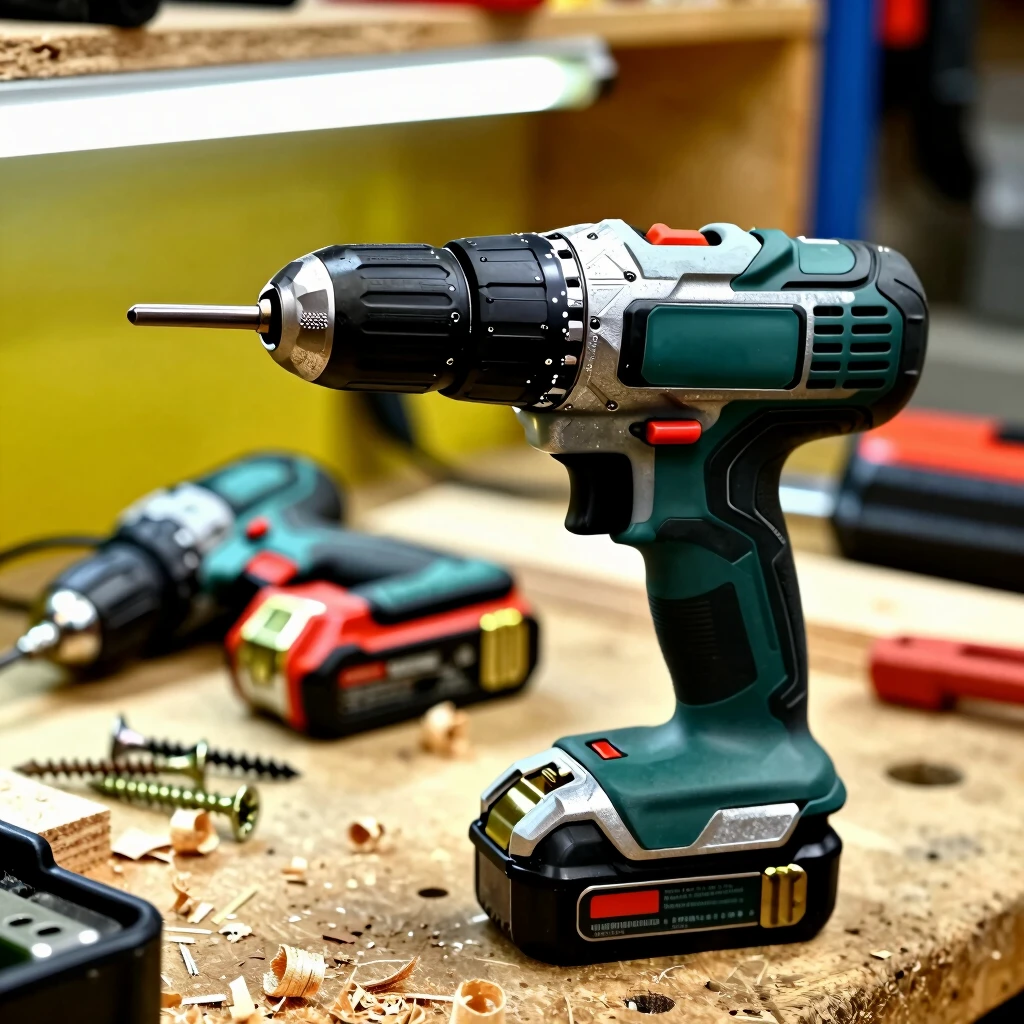
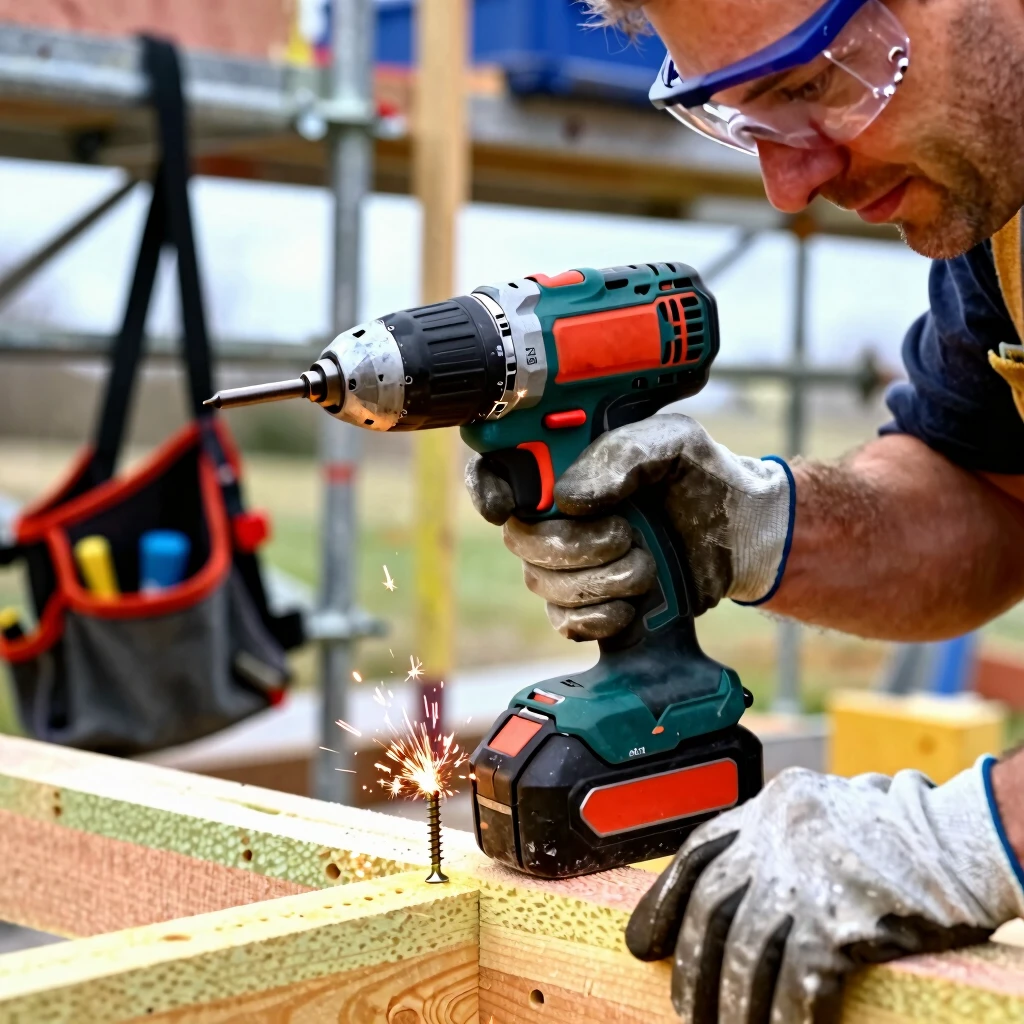
Nothing beats cordless freedom for mobility. But quality here means lithium-ion batteries that hold charge and motors that don't overheat.
| Tool Type | Key Feature | Why It Wins |
|---|---|---|
| Cordless Drill | Brushless Motor | Up to 50% longer runtime |
| Impact Driver | Hex Collet | Faster fastening without stripping |
| Circular Saw | Laser Guide | Precise cuts, less waste |
In tight spots, like retrofitting old wiring, my Milwaukee impact driver has saved me hours. No more fighting stubborn bolts.
Workshop Equipment: Set Up for Success
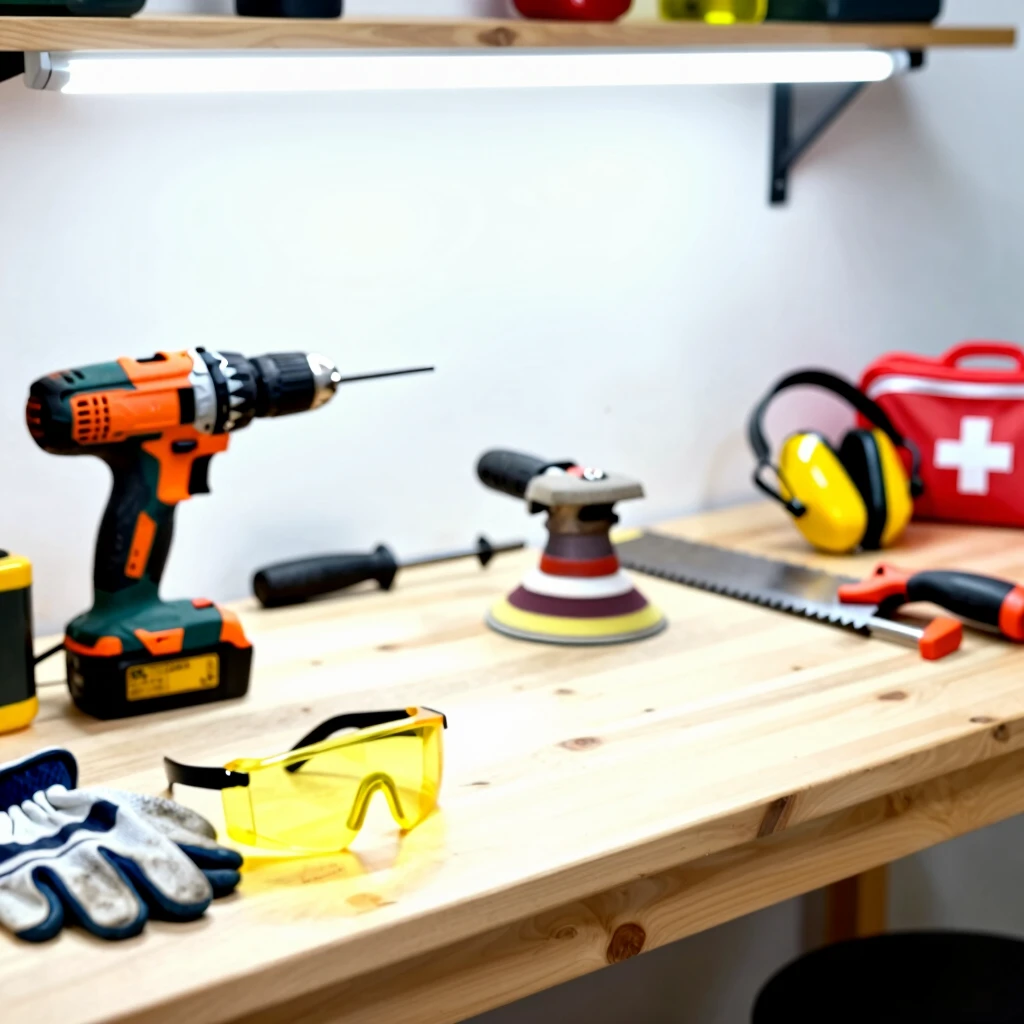
Beyond handheld stuff, your space needs solid supports. Think workbenches, vises, and storage that keeps everything at arm's reach.
A sturdy bench with built-in drawers? Game-changer. It cuts setup time and keeps your workspace clutter-free. Add pegboards for quick grabs—I've customized mine with outlines so tools snap back in place.
For bigger jobs, rolling tool carts with locking wheels let you mobile-ize your kit. Safety bonus: They prevent tripping hazards.
How to Choose Your High-Quality Tools
Picking the right workman tools isn't rocket science, but it pays to know what to look for. Start with your trade's demands.
Ergonomics top my list. Tools should feel like extensions of your body, not burdens. The NIOSH guide to selecting non-powered hand tools breaks it down: Match grip size to your hand, and avoid sharp edges that pinch.
Material matters too. Chrome-vanadium steel resists rust and wear. Check warranties—lifetime ones scream confidence from the maker.
Read reviews from fellow pros, not hobbyists. And test in-store if you can. Does it balance well? Does the trigger feel smooth?
Budget hack: Buy modular sets. Start with basics, add as you go. Over time, you'll curate a kit that's uniquely yours.
Maintenance: Keep Your Tools Sharp and Ready
Great tools demand care. Neglect them, and they bite back with dull edges or seized parts.
Daily ritual: Wipe down after use. Oil moving parts lightly—WD-40 for rust, sewing machine oil for precision bits.
Sharpen blades monthly. A whetstone and steady hand beat buying new every season. Store in dry spots; silica packs in your toolbox fend off moisture.
For power tools, check batteries quarterly. Clean vents to avoid dust buildup—that's a fire risk waiting to happen.
Personal story: Forgot to lube my snips once. They jammed on a metal sheet, costing me a rushed replacement mid-project. Lesson learned—routine checks are non-negotiable.

Real-World Insights from the Field
Drawing from my own gigs, here's what stands out. On a renovation last summer, my DeWalt sawzall chewed through joists like butter—no bogging down, no blade swaps mid-cut.
Quality shines in teams too. Shareable tools mean everyone works faster, fewer arguments over whose drill died first.
Sustainability angle: Durable gear cuts waste. As NIST notes on product longevity, extending tool life by half slashes replacement needs by a third. Good for your wallet and the planet.
One caveat: Don't chase brands blindly. Test value—does it outperform for the price? I've mixed Snap-On precision with Husky basics and never looked back.
Wrapping It Up
High-quality workman tools for professionals aren't luxuries; they're essentials that elevate your craft. From hand tools to full workshop equipment, prioritize fit, durability, and care. Build your arsenal thoughtfully, and you'll work smarter, safer, and longer.
Ready to upgrade? Start small, stay consistent. Your future self—and your back—will thank you. What's your go-to tool? Drop a comment below.
Related high-quality workman tools for professionals:
- Building a Custom Home Workshop on a Budget: 8 Proven Tips for Professionals
- How to Choose the Best Plumbing Tools for Your Needs
- Safety Tips for New Construction Workers: A Beginner's Essential Guide
- 10 Tips for Choosing the Right Paint Brushes: Elevate Your Art and DIY Projects
- Top Popular Brands for Workman Tools in 2025: Build Better with Trusted Names
- Safety Tips for Using Workman Tools: Essential Guide for Every Handyman
- Best Cordless Drills for Automotive Work
- Safety First: Best Practices for Using Power Tools
- Essential Workman Tool Maintenance Tips: Keep Your Tools Sharp and Reliable
- Safety Gear Essentials for Electrical Work: A Comprehensive Guide for DIY Enthusiasts
- Must-Have Workman Tools for Beginners: A Starter Guide
- DIY Workbench Upgrades for Small Spaces: Boost Your Workshop Without the Clutter