Quick Overview
Ever grabbed a wrench that slipped right off the bolt, turning a simple fix into a frustrating ordeal? Choosing the right wrench size saves time, prevents damage, and keeps your hands safe. In this guide, we'll cover everything from basic types to sizing tips, helping you build a solid set of wrenches and workman tools. Whether you're tightening a faucet or assembling furniture, you'll finish faster and stronger. (42 words)

Why Wrench Size Matters in Your Toolkit
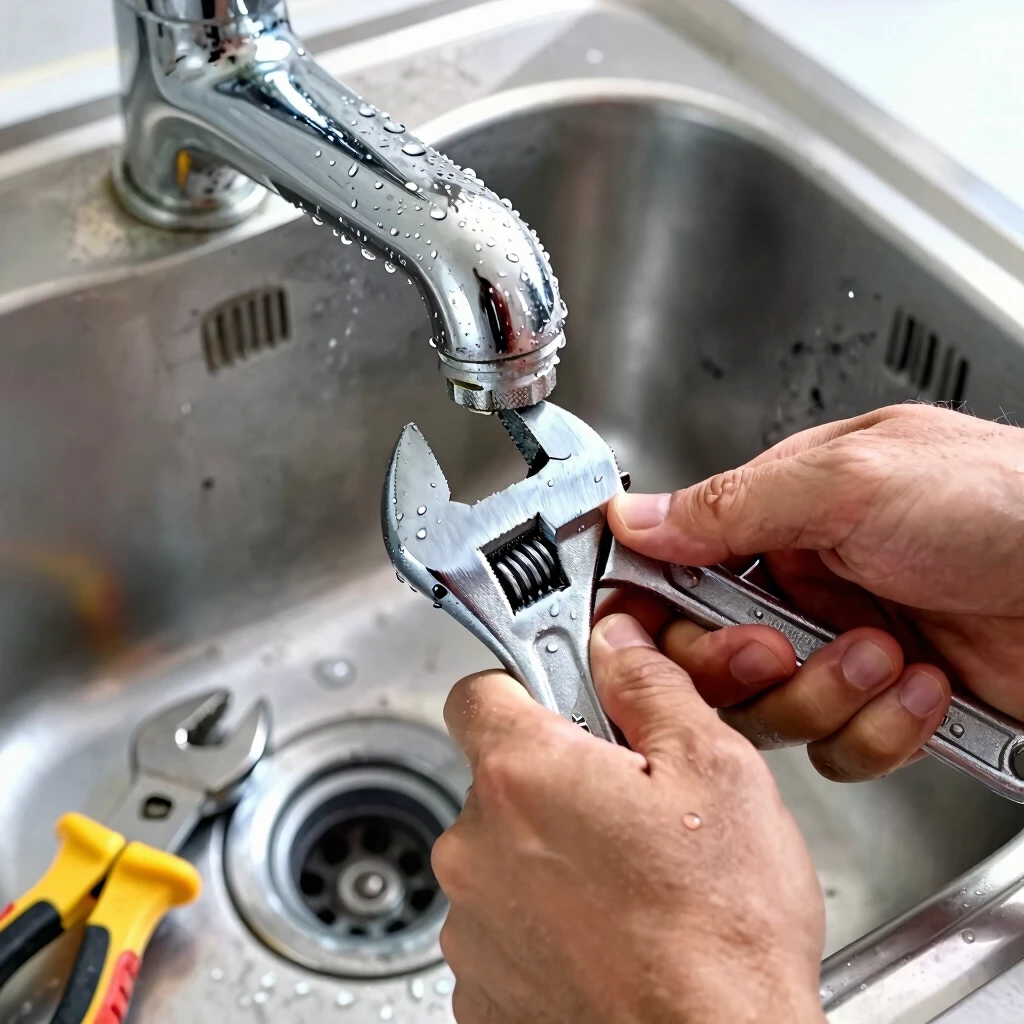
I remember my first big DIY project: fixing the leaky sink under our kitchen counter. I had a shiny new wrench set, but nothing fit quite right. Bolts rounded off, and I ended up calling a plumber. That day taught me a hard lesson—how to choose the right wrench size isn't just about grabbing any tool; it's about matching the wrench to the fastener perfectly.
Wrenches are the backbone of workman tools. They let you apply torque without stripping threads or hurting your knuckles. A poor fit leads to slippage, which can damage parts or cause injury. Start by understanding your project's needs. Are you working on a car engine with metric bolts or American-made furniture with imperial sizes? Knowing this upfront changes everything.
Think about the everyday tasks. Tightening a bicycle chain? You'll want a compact 10mm wrench. Rebuilding a lawnmower? Reach for a 1/2-inch beast. Over the years, I've collected dozens of wrenches, but I only use about 10 regularly. Focus on versatility first.
Types of Wrenches: Pick the Right One for the Job
Not all wrenches are created equal. Each type shines in specific scenarios, and pairing the right style with the correct size boosts your efficiency.
- Open-End Wrenches: Great for quick grabs on awkward angles. They grip two sides of the nut but can slip if not sized perfectly.
- Box-End Wrenches: These enclose the entire nut, offering more security. Ideal for high-torque jobs like engine work.
- Combination Wrenches: One end open, one boxed—my go-to for general use.
- Adjustable Wrenches: A single tool for multiple sizes, but they flex under heavy load.
- Pipe Wrenches: For plumbing; their teeth bite into soft metals without marring.
I've sworn by combination sets since my garage days. They handle 80% of my tasks without swapping tools mid-project.
Pro tip: For rusty outdoor fixtures, I always opt for a pipe wrench. Its jaw adjusts to odd sizes, saving me from wrestling with fixed ones. But remember, even adjustables need a close starting guess to avoid wear.

SAE vs. Metric: Decoding Wrench Sizes
Here's where many folks trip up—imperial (SAE) versus metric measurements. American cars and older homes often use fractions like 3/8-inch, while imports and modern bikes stick to millimeters, such as 10mm.
To choose the right wrench size, first identify the system. Look for markings on the bolt head: numbers like 'M10' scream metric, while fractions etched in mean SAE.
I once spent an hour on a neighbor's Volvo, fumbling with inch wrenches on metric parts. Now, I keep both sets handy. Here's a quick conversion table to bridge the gap:
| SAE (Inches) | Metric (mm) | Common Use |
|---|---|---|
| 1/4 | 6-7 | Small electronics |
| 5/16 | 8 | Bike pedals |
| 3/8 | 10 | Furniture assembly |
| 7/16 | 11 | Light automotive |
| 1/2 | 13 | Brakes and hoses |
| 9/16 | 14 | Engine bolts |
| 5/8 | 16 | Plumbing fittings |
| 11/16 | 17 | Wheel lugs |
| 3/4 | 19 | Heavy machinery |
This chart covers the essentials. Print it out and tape it inside your toolbox—trust me, it'll pay off.
For deeper dives, check out Zoro's Ultimate Guide to Standard and Metric Wrench Sizes. It's packed with visuals that make conversions a breeze.
How to Measure for the Perfect Fit
Measuring sounds basic, but it's your secret weapon in how to choose the right wrench size. Don't guess—use calipers or a ruler for accuracy.
Step 1: Clean the fastener. Dirt hides true dimensions. Step 2: Measure across the flats (the parallel sides of the nut or bolt head). Step 3: Cross-reference with your chart. Add a hair of wiggle room for expansion in heat.
In my workshop, I keep digital calipers nearby. They're cheap and precise, turning guesswork into confidence. Once, during a backyard deck build, a caliper saved me from forcing a 14mm on a 13mm bolt—disaster averted.
If you're in a pinch without tools, the 'eyeball and test' method works. Start with the closest size and snug it up. It should seat fully without rocking. Slippage means go smaller; binding means go larger.
For adjustable wrenches, set the jaw just shy of the measurement. Overtightening the adjustment knob leads to flex and failure under load.
Building Your Wrench Collection: Start Smart
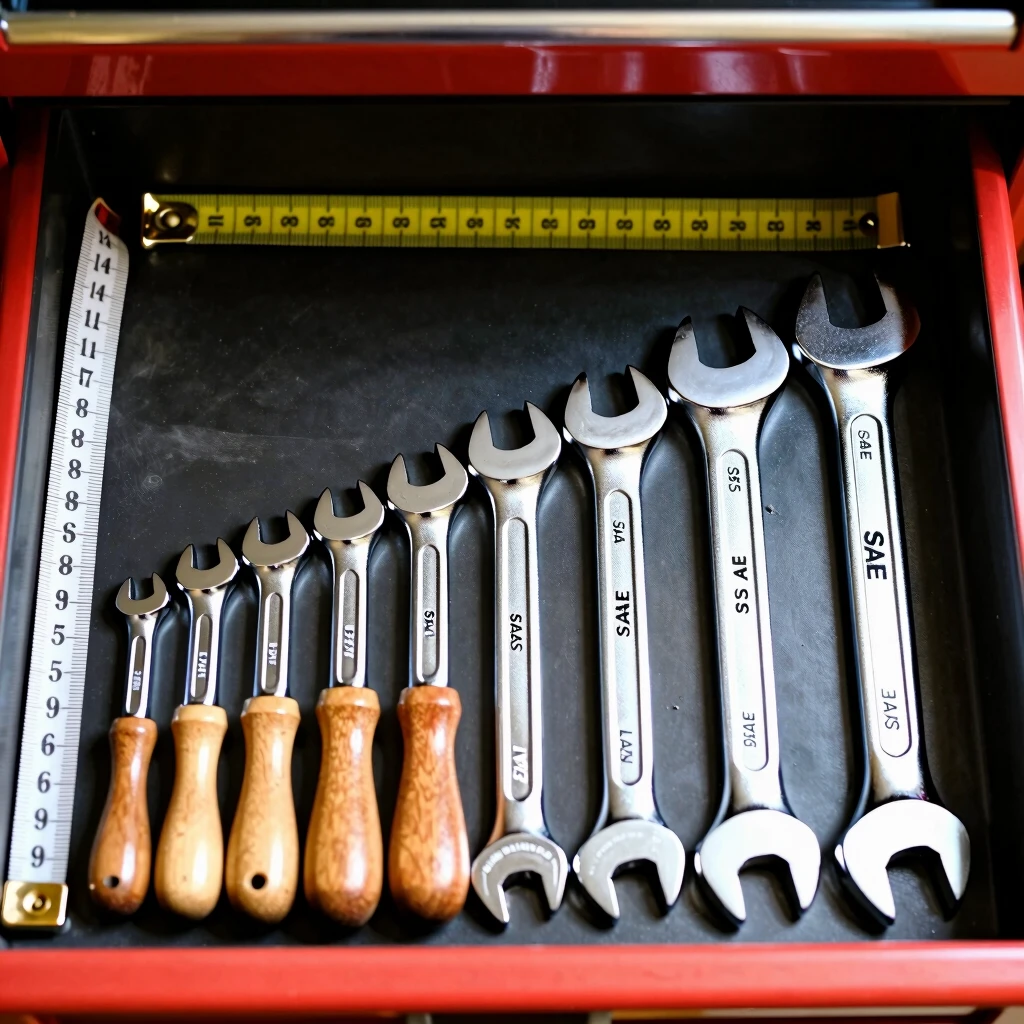
You don't need 50 wrenches to tackle most jobs. Focus on a core set of workman tools that covers 90% of scenarios.
Beginners: Grab a 6-piece combination set (8-19mm metric, equivalents in SAE). Add an adjustable 8-inch for versatility. Intermediate: Expand to ratcheting wrenches—they speed up repetitive tasks like wheel changes. Pros: Invest in torque wrenches for precise fastening, sized to your drive (1/4, 3/8, 1/2 inch).
From my experience rebuilding engines, ratcheting wrenches are game-changers. They let you work in tight spaces without flipping the tool every turn. I bought my first set on a whim during a road trip breakdown, and it's been indispensable ever since.
Budget tip: Skip fancy brands at first. Reliable no-names from hardware stores hold up fine. As you grow, upgrade to forged chrome-vanadium steel for durability.
Common Mistakes and How to Avoid Them
We've all been there—rounding a bolt head because the wrench was off by a millimeter. Here are pitfalls I've learned the hard way:
- Ignoring the system: Mixing SAE and metric leads to frustration. Label your sets clearly.
- Over-relying on adjustables: They're handy, but fixed sizes grip better.
- Neglecting angle: Choose offset wrenches for low-clearance spots.
- Skipping safety: Wear gloves and eye protection; slippage can send tools flying.
One rainy afternoon, I ignored the angle on a trailer hitch bolt. The wrench slipped, gashing my hand. Now, I always scout the workspace first.
Another gem: Apply penetrating oil to seized fasteners before wrenching. It cuts effort in half and preserves your tools.
Maintaining Your Wrenches for Long Life
Good wrenches last decades with care. Wipe them down after use to fend off rust. Store in padded racks to avoid dings.
For adjustables, lubricate the screw yearly. Check box-ends for cracks—toss any suspect ones.
I've got a 30-year-old Craftsman set that's outlasted three moves. Proper storage in a divided drawer keeps them rust-free and ready.
Wrapping It Up: Tighten Your Skills Today
Mastering how to choose the right wrench size transforms you from tinkerer to confident fixer. Start with the basics—know your systems, measure accurately, and build a versatile kit of wrenches and workman tools. Your projects will flow smoother, and you'll save money on replacements.
Next time you're in the garage, pull out that caliper and test a fit. You'll feel the difference immediately. Happy wrenching! (28 words)
Related how to choose the right wrench size:
- How to Choose the Best Safety Gear for Your Job
- DIY Plumbing: Tips and Tricks for Beginners
- Top 10 Must-Have Tools for Every DIY Enthusiast
- Unlocking Professional Excellence: The Ultimate Guide to High-Quality Workman Tools for Professionals
- How to Choose the Best Plumbing Tools for Your Needs
- Safety Tips for New Construction Workers: A Beginner's Essential Guide
- 10 Tips for Choosing the Right Paint Brushes: Elevate Your Art and DIY Projects
- Top Popular Brands for Workman Tools in 2025: Build Better with Trusted Names
- Safety Tips for Using Workman Tools: Essential Guide for Every Handyman
- Best Cordless Drills for Automotive Work
- Safety First: Best Practices for Using Power Tools
- Essential Workman Tool Maintenance Tips: Keep Your Tools Sharp and Reliable