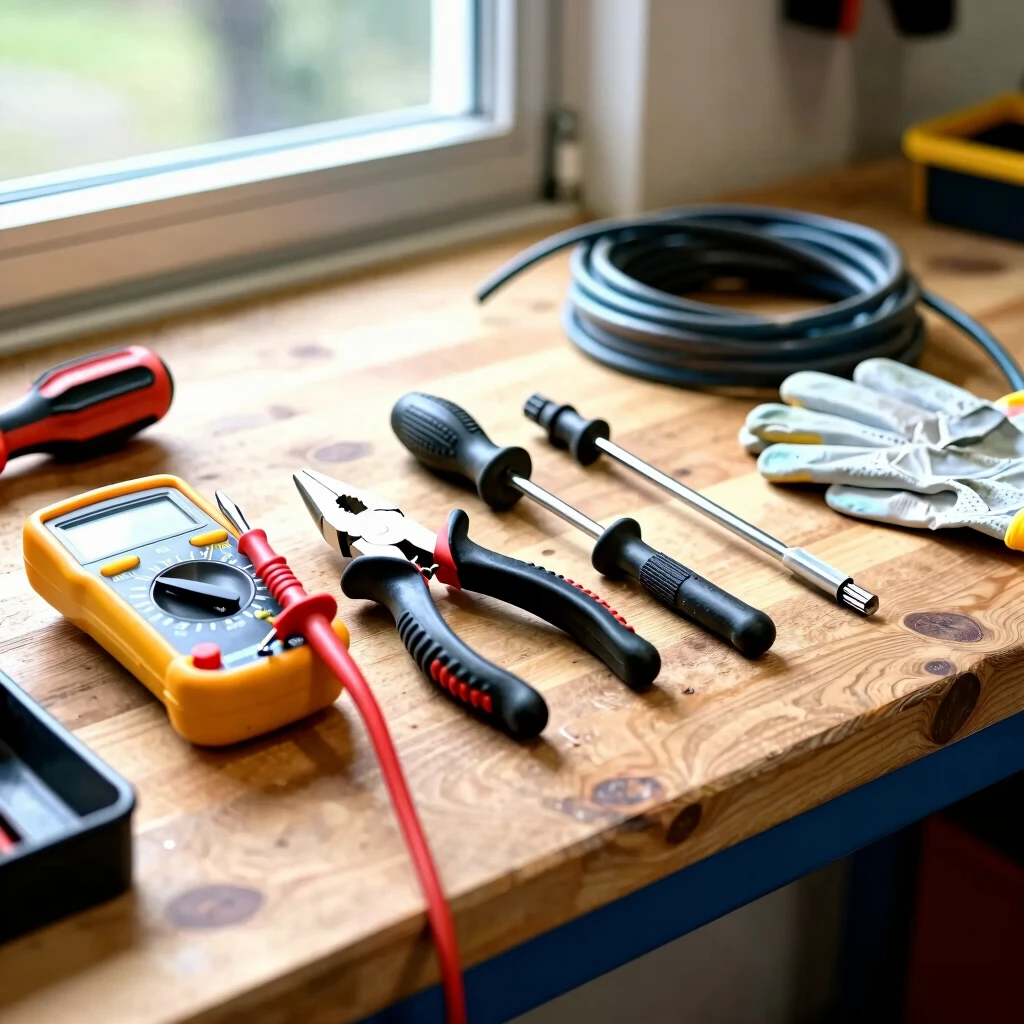
Welcome to Your Woodworking Journey
If you've ever dreamed of turning a rough piece of wood into a beautiful shelf or a sturdy chair, you're in the right place. This Beginner's Guide to Woodworking Tools will walk you through the must-haves for new makers. We'll cover workman tools for beginners, how to organize your toolbox, and real tips from my early days in the shop. Get ready to build something amazing—without the overwhelm. (38 words)
Why the Right Tools Matter for New Woodworkers
Starting woodworking feels exciting, but it can also seem daunting. I remember my first trip to the hardware store: aisles full of shiny gadgets, and me wondering where to begin. The truth? You don't need every tool on the shelf. Focus on versatile workman tools that handle multiple tasks. These build your skills and confidence.
Quality tools last longer and make the job easier. A dull saw fights you every cut; a sharp one glides through. Invest wisely in basics first. As you grow, add specialties. This approach saved me hundreds early on.
Think about your space too. A small garage or apartment corner works fine with compact tools. I started in my basement with just a folding workbench. Measure twice, buy once—that old saying holds true here.

Essential Hand Tools: Your Foundation
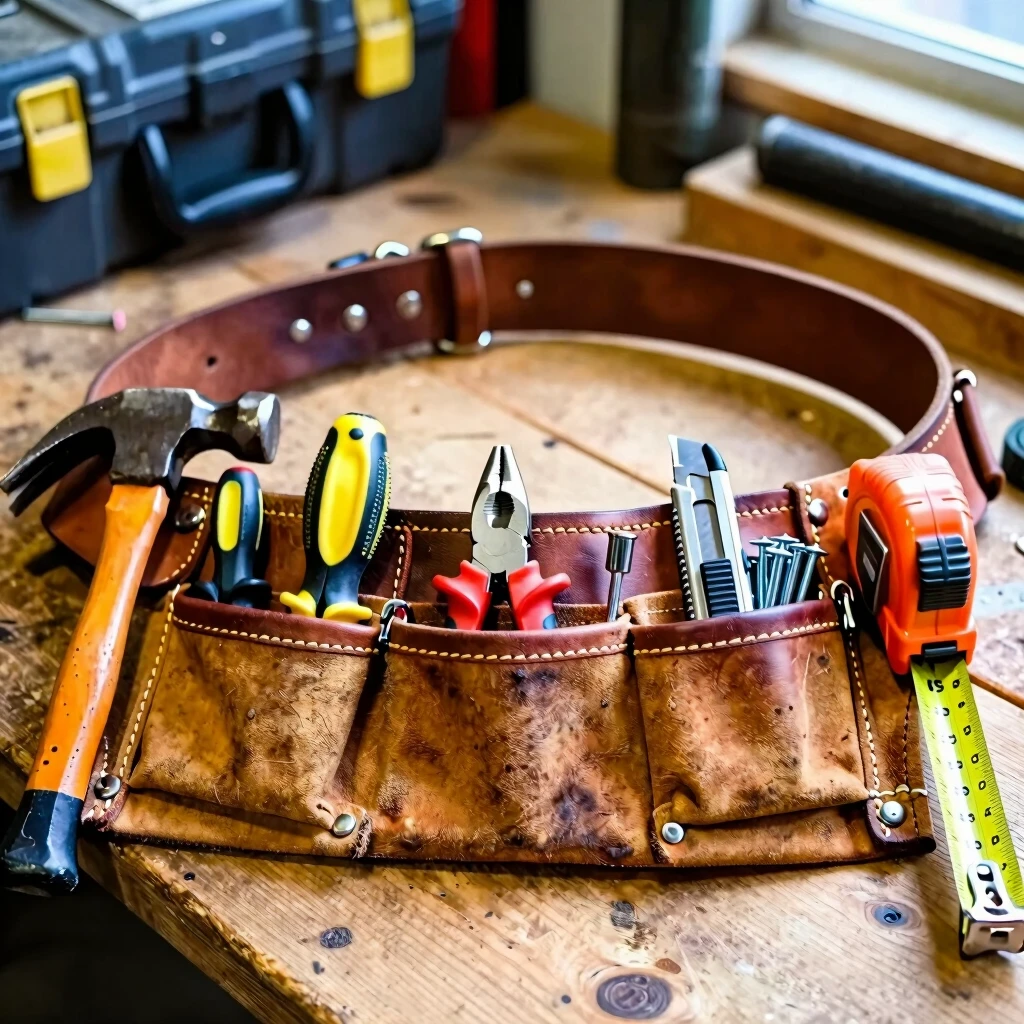
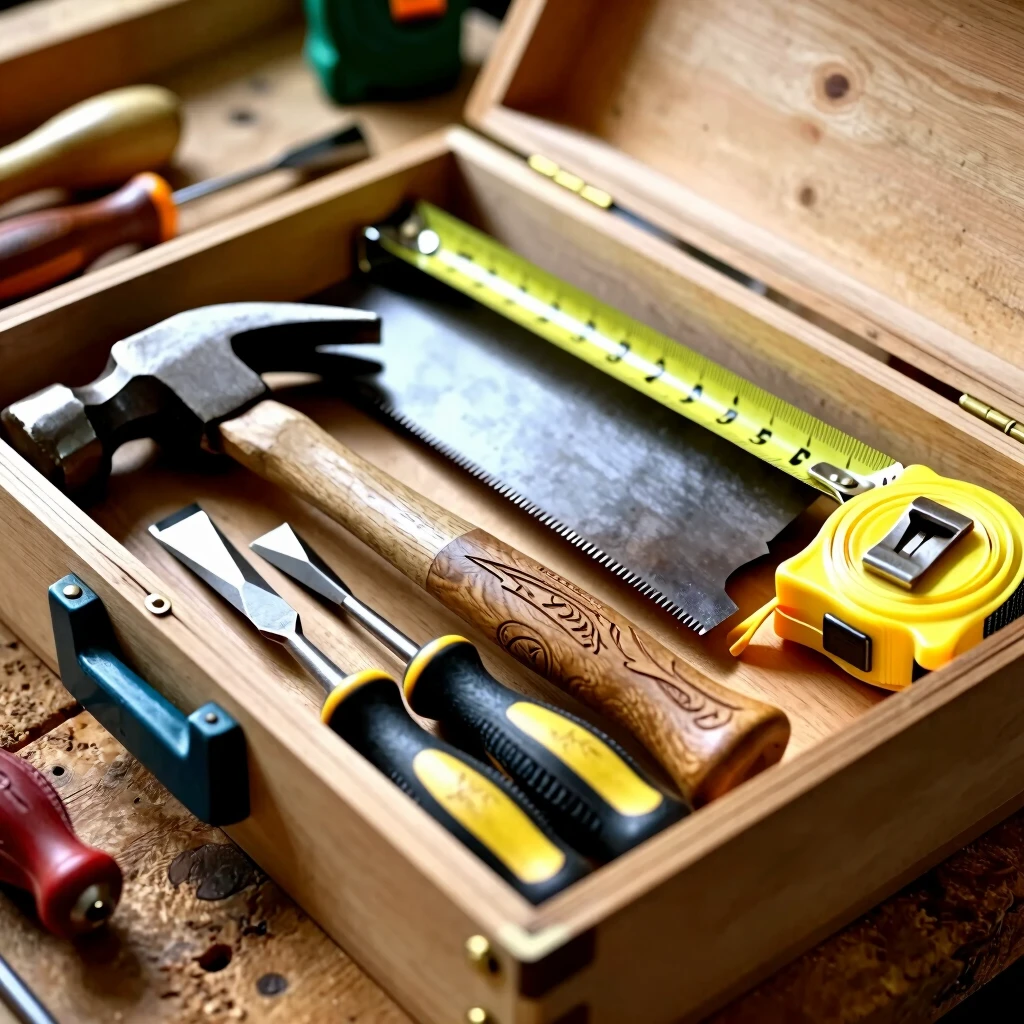
Hand tools form the heart of any woodworker's kit. They're quiet, precise, and teach you the craft's feel. For workman tools for beginners, start here. No electricity needed—just your hands and patience.
Here's a quick table of must-haves:
| Tool | Why You Need It | My Tip |
|---|---|---|
| Claw Hammer | Drives nails and pries them out | Get a 16-ounce head for balance; I once bent a light one on oak. |
| Handsaw | Cuts wood to length | Choose a crosscut blade for smooth ends across the grain. |
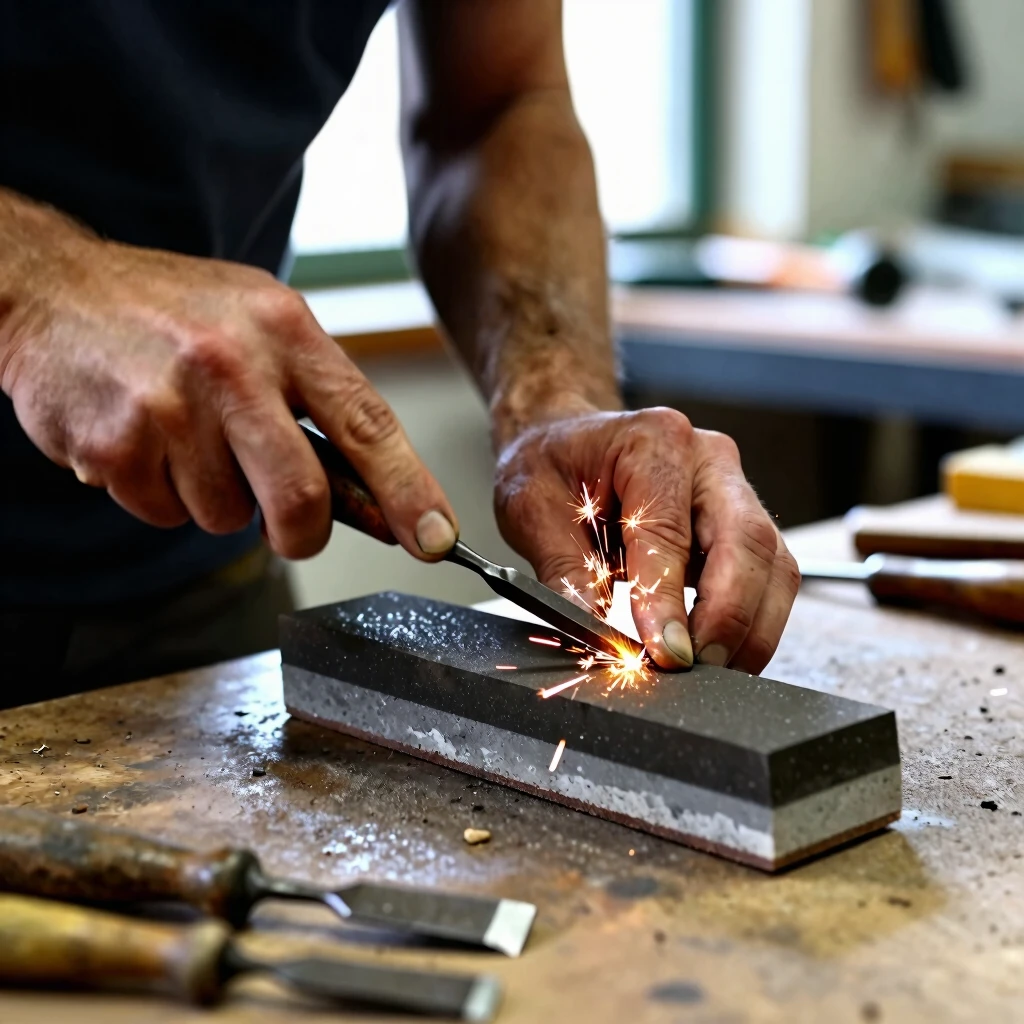
| Chisels | Shapes joints and details | Sharpen often—dull ones tear wood like my first failed dovetail. |
| Tape Measure | Ensures accuracy | Lockable 25-foot model; mark your most-used lengths on the case. |
| Clamps | Holds pieces steady | Spring clamps for quick jobs; C-clamps for heavy pressure. |
| Screwdriver Set | Tightens hardware | Mix of Phillips and flathead; magnetic tips save frustration. |
These tools cover 80% of beginner projects. Check out Utah's CTE detailed list of common woodworking tools for diagrams and uses—it helped me visualize setups.
I learned the hard way: skip cheap chisels. They chip fast. Spend $20-30 on a bevel-edge set from a trusted brand. Practice on scrap wood to build muscle memory.
Power Tools: Boost Without the Bulk
Once hand tools feel natural, add power for speed. Beginners often fear them, but safe ones expand your options. Stick to cordless for mobility—I love not tripping over cords in tight spaces.
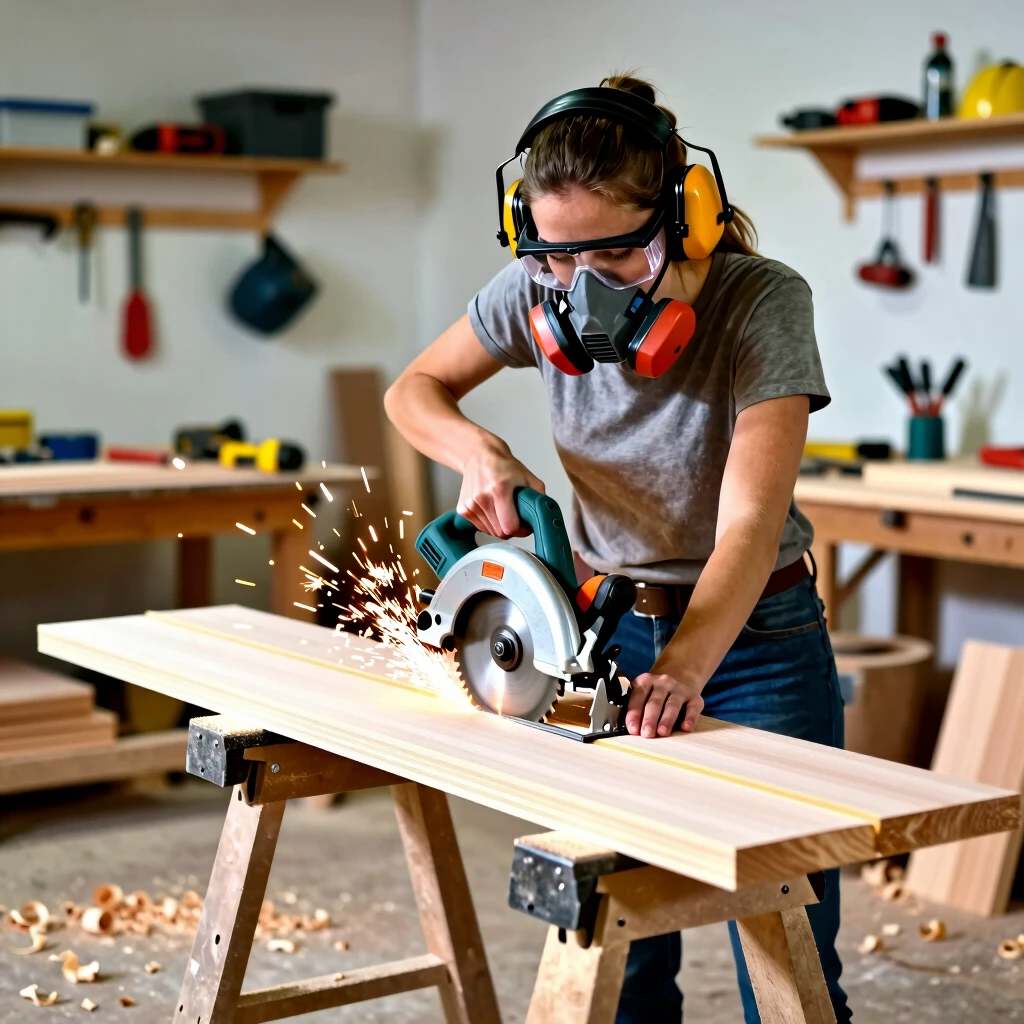
Top picks: - Circular Saw: Rips long boards straight. Pair with a guide rail for pro cuts. - Drill/Driver: Bores holes and drives screws. Get a combo kit with bits. - Random Orbital Sander: Smooths surfaces fast. Beats hand-sanding my endless tabletops. - Jigsaw: Curves and angles. Great for decorative edges.
For deeper dives, see the Kansas 4-H guide on working with wood and tools, which breaks down power tool basics with safety sketches.
My advice? Borrow before buying. A friend's drill showed me lithium-ion batteries' power. Start with a 18-volt system; batteries swap across tools. Budget $150-300 for a starter set.
Power tools shine in repetition. Sanding a chair seat by hand? Hours. With an orbital, minutes. But always wear gear—dust flies everywhere.
Building a Smart Toolbox and Storage
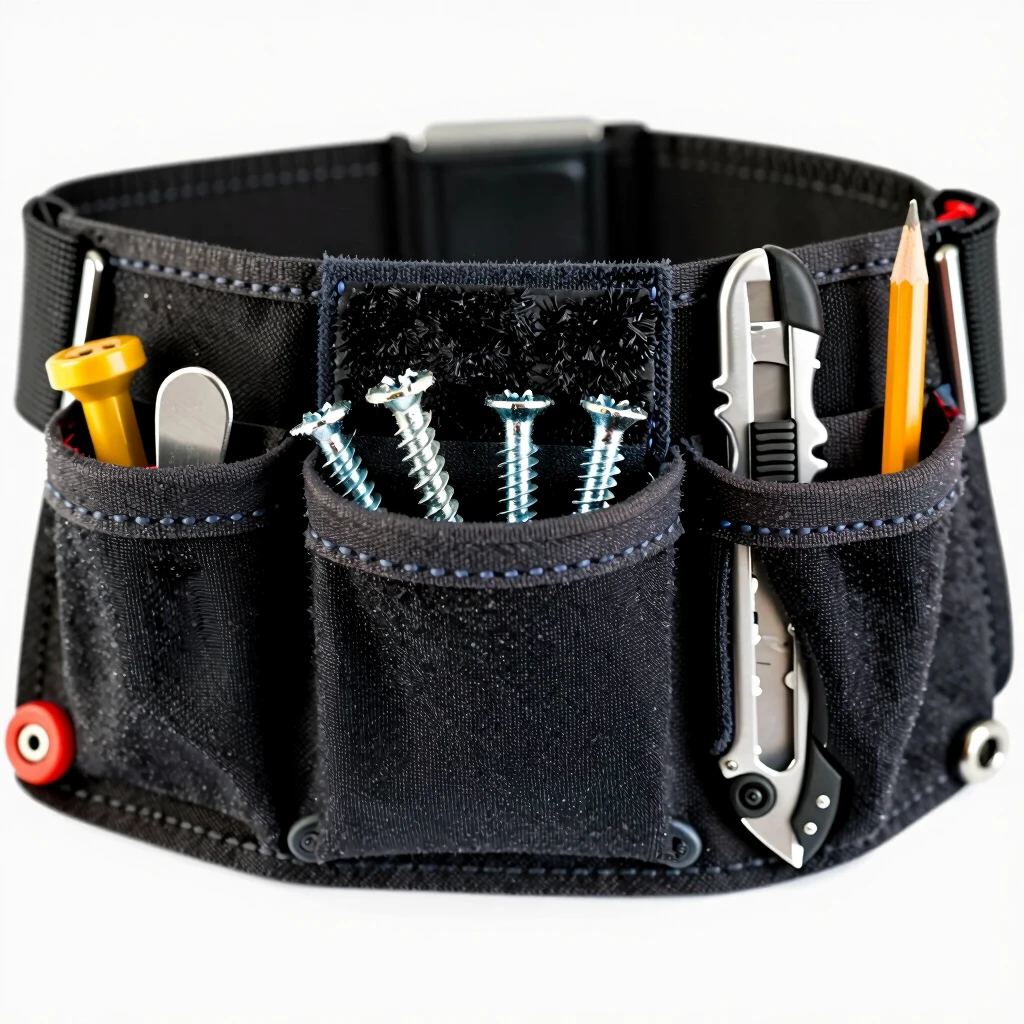
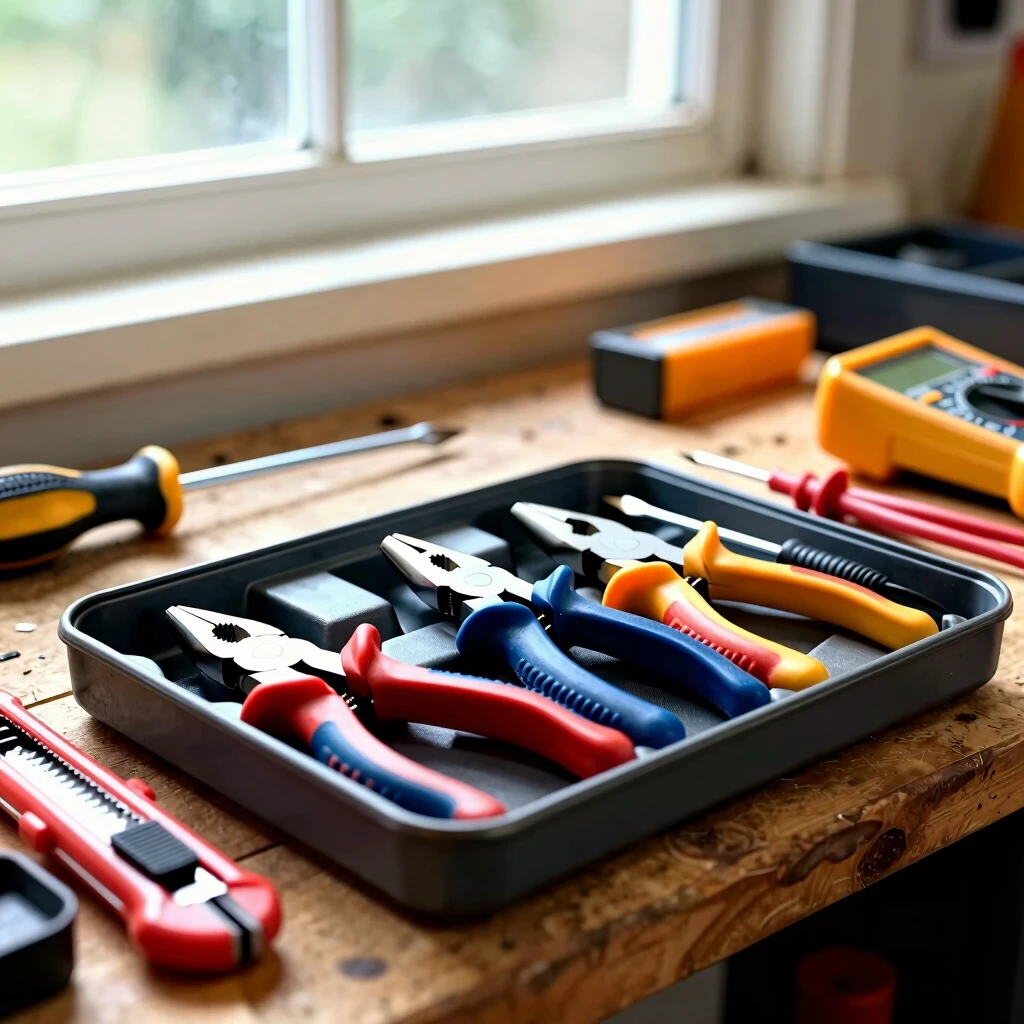
A good toolbox keeps your workman tools organized and portable. Beginners clutter fast—I've lost count of misplaced clamps. Start simple: a sturdy plastic tote or metal chest with drawers.
Organize by use: 1. Daily drivers (hammer, tape) in top tray. 2. Saws and chisels in padded slots. 3. Power tools charging on a dedicated shelf.
Wall pegboards save space. Label hooks—I use chalk for quick finds. For larger setups, rolling carts beat fixed benches.
Explore St. Edward's University beginner's tool guide for affordable storage hacks that kept my setup tidy from day one.
Pro tip: Inventory yearly. I donate duplicates to community shops. Keeps things fresh and supports others starting out.
Toolboxes evolve. Mine began as a $20 toolbox; now it's a custom cabinet. Yours will too—grow with your projects.
Safety: Your Non-Negotiable Rule
Woodworking thrills, but respect the risks. Sharp edges, flying chips, dust—ignore them, and visits the ER follow. I skipped goggles once; a splinter in the eye taught me forever.
Basics: - Eye protection always. - Dust masks or collectors. - Ear plugs for power tools. - Stable footing, no loose clothes.
Set a routine: inspect tools pre-use. The East Tennessee State University beginner's woodworking essay shares stories like mine, stressing habits that prevent mishaps.
Teach kids or grandkids? Model calm. Rushed cuts cause slips. Breathe, measure, cut. Safety builds joy, not just survival.
Personal Insights: From Novice to Confident Maker
My first project? A wobbly stool. Crooked legs from a shaky saw hand. But that stool holds books now—a reminder progress comes slow.
Embrace mistakes. They sharpen skills faster than perfection. Join local groups; shared tools and tips accelerate learning. I traded saw advice for chisel techniques—win-win.
Budget smart: garage sales yield gems. Test before buying—feel the weight, check rust. Online reviews help, but hands-on rules.
Woodworking heals stress. The scent of fresh-cut pine, the satisfaction of a tight joint—pure therapy. Start small: a cutting board gifts well and teaches joins.
Scale up gradually. After basics, try joinery. Each tool adds freedom. Yours waiting—pick it up.
Wrapping Up: Tools to Treasures
You've got the blueprint: solid hand and power workman tools, a tidy toolbox, and safety smarts. This Beginner's Guide to Woodworking Tools equips you to create lasting pieces. Remember, every master began clumsy. Dive in, stay curious, build boldly. Your shop awaits—what's your first project? (42 words)
(Total word count: 1523)
Related Beginner’s Guide to Woodworking Tools:
- Advanced Electrical Troubleshooting: Tips from the Pros
- Preventing Work-Related Injuries: Tips and Tricks
- Unlocking Efficiency: Why Tool Belts with Customizable Pockets Are a Must for Every Tradesperson
- How to Choose the Best Tool Belt for Your Needs
- Workman Tools for Electricians: What You Need to Know
- Budget-Friendly Workshop Setup Ideas: Transform Your Space Without Breaking the Bank
- Essential Maintenance Tips for Workman Tools: Keep Your Construction Gear Running Smoothly
- The Ultimate Guide to Automotive Repair Tools
- Beginner's Guide to Car Maintenance
- Top 10 Power Tools for Woodworking Enthusiasts
- Oscillating Tools for Tight Spaces: Your Ultimate Guide to Precision Power Tools
- Top 10 Electrical Safety Tips for New Electricians: Essential Gear, Tools, and Best Practices