A Quick Overview
Work injuries happen too often, but you can stop them with simple changes. This guide shares tips on Preventing Work-Related Injuries: Tips and Tricks: https://example.com/injury-prevention. From picking the right tools to building safe habits, you'll find easy steps to protect yourself. Let's keep you strong and on the job.
Every day, millions head to work without a second thought about safety. But one slip, awkward lift, or faulty tool can change everything. I've seen it firsthand as a former construction supervisor turned safety advocate. A buddy of mine twisted his back hauling heavy loads without proper gear. That downtime cost him weeks of pay and endless pain. The good news? Most injuries are preventable. By focusing on smart habits and the right equipment, you cut risks big time.
Start by knowing your workplace hazards. Construction sites buzz with sharp edges and heavy lifts. Offices hide repetitive strain from typing all day. Factories deal with machines that don't forgive mistakes. No matter your spot, spot the dangers early. Walk your area daily. Ask: What could trip me? Where's the weak lighting? Jot notes and fix what you can.

Master Ergonomics for Everyday Comfort
Ergonomics isn't fancy talk—it's about fitting your work to your body. Poor setup leads to backaches, wrist pain, and worse. I remember tweaking my desk after months of neck strain from hunching over blueprints. The difference? Night and day.
Begin with your workstation. Adjust your chair so feet flat on the floor, knees at 90 degrees. Keep screens at eye level to avoid craning. For standing jobs, use anti-fatigue mats. They cushion your legs during long shifts.
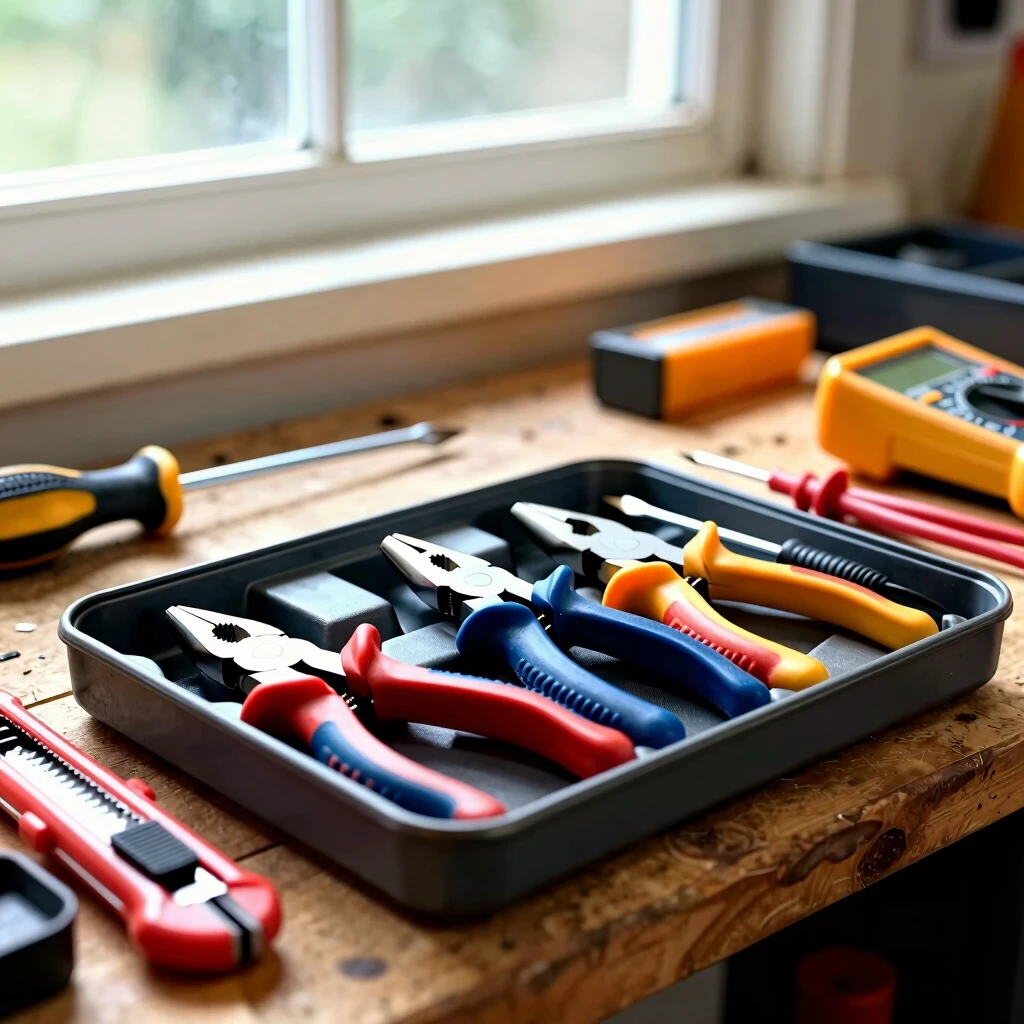
Now, let's talk tools. Ergonomic workman tools for comfort change the game. Think handles that fit your grip, reducing strain. A straight-back shovel or padded pliers saves your joints. Swap them in gradually. Test a few models—your hands will thank you.
| Ergonomic Tool | Benefit | Quick Tip |
|---|---|---|
| Adjustable wrench | Less wrist twist | Choose one with soft grip |
| Ergonomic hammer | Reduced vibration | Use for light tapping first |
| Padded knee pads | Joint protection | Pair with comfortable pants |
Incorporate breaks too. Follow the 20-20-20 rule: Every 20 minutes, look 20 feet away for 20 seconds. Stretch your arms, roll shoulders. These micro-moves build resilience. Share this with your team—safety spreads when everyone joins in.
Handle Electrical Tools with Care
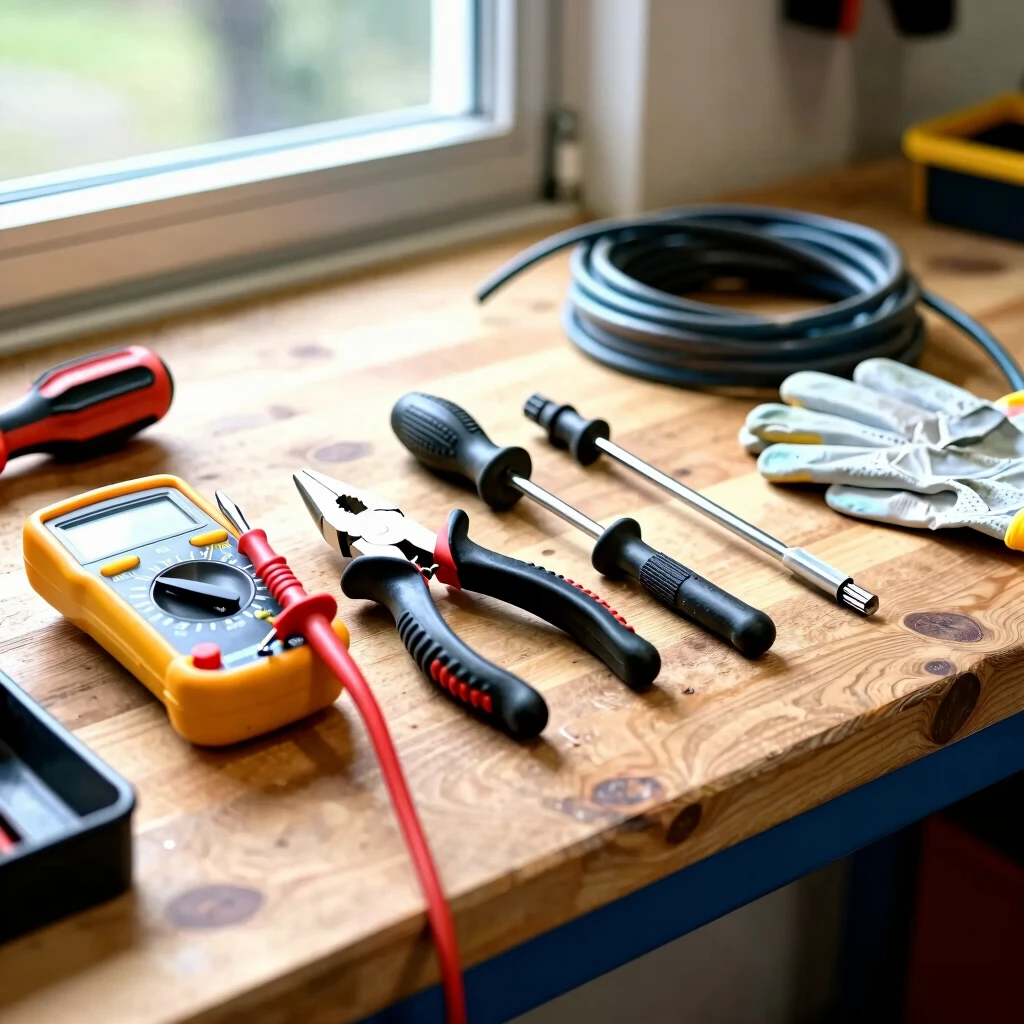
Electrical tools power our jobs, but they pack a punch if mishandled. Shocks, burns, or fires start from frayed cords or wet hands. I've wired panels for years and learned: Respect the spark.
Inspect before use. Check cords for cuts, plugs for damage. Use ground-fault circuit interrupters (GFCIs) near water. Dry hands and feet always. Store tools in dry spots—moisture invites trouble.
Choose quality over cheap. Reliable electrical tools last and protect. Look for UL-listed marks—they meet safety standards. When drilling or sawing, secure your workpiece. A slip means a shock or worse.
Train your eyes on warning signs. Tingling? Stop. Smoke? Unplug. Report issues fast. Your employer should provide lockout/tagout training—use it to shut off power safely during fixes.
- Tip 1: Wear rubber-soled shoes for insulation.
- Tip 2: Keep extension cords short and coiled properly.
- Tip 3: Never yank plugs—grip the head to pull.
One story sticks with me: A colleague grabbed a live wire during a storm. Quick thinking and insulated gloves saved him, but it shook us all. Now, we double-check weather before outdoor work. Small vigilance, big payoff.

Essential Workman Tools and Maintenance
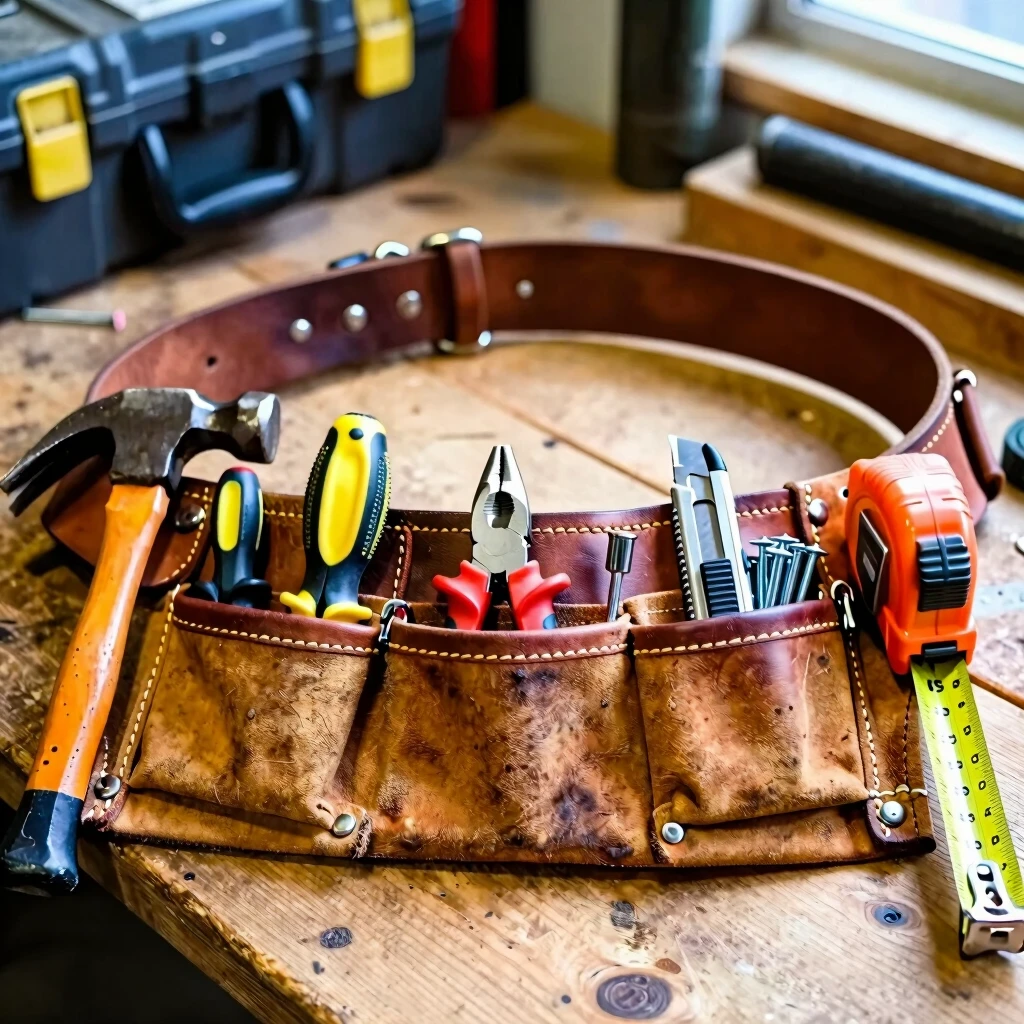
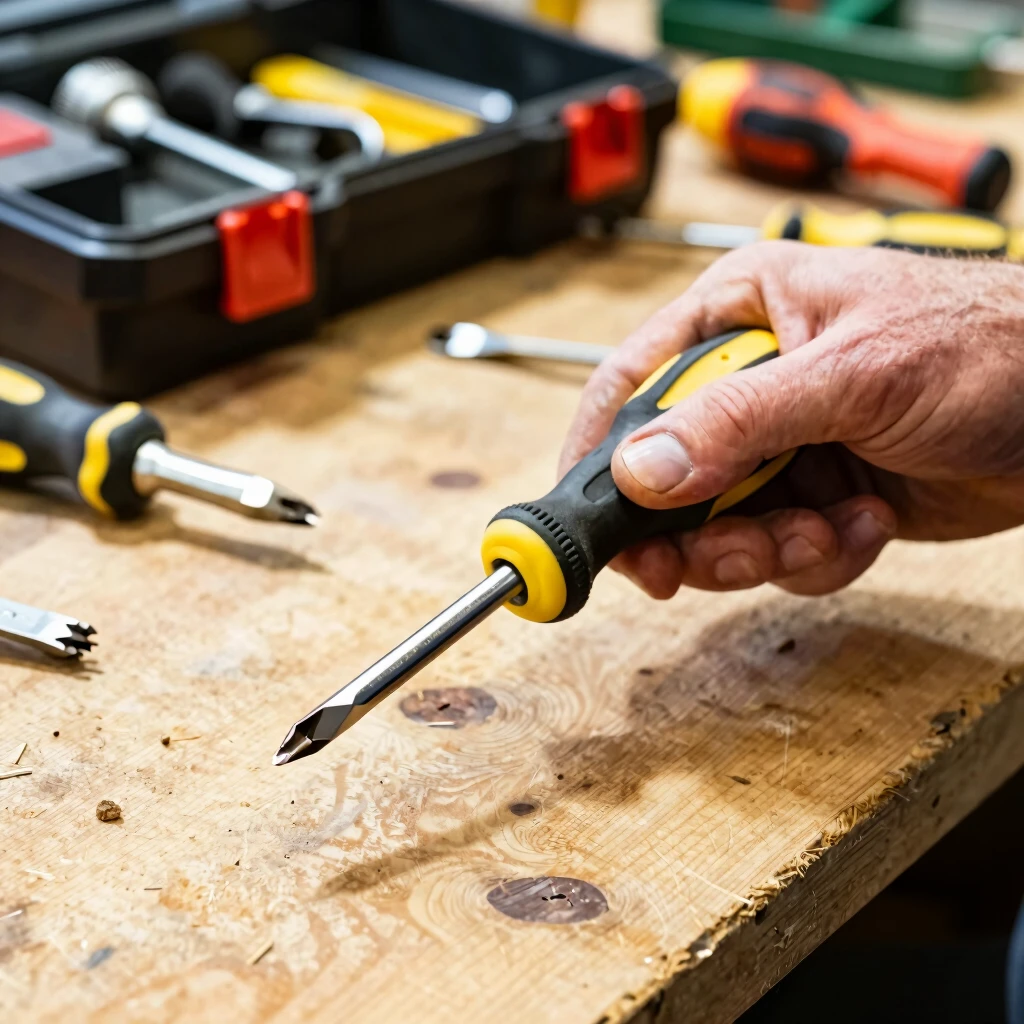
Good workman tools are your best friends—or worst enemies if neglected. Dull blades slip, rusty parts break. Stock basics: Hammers, screwdrivers, levels, tape measures. But quality counts.
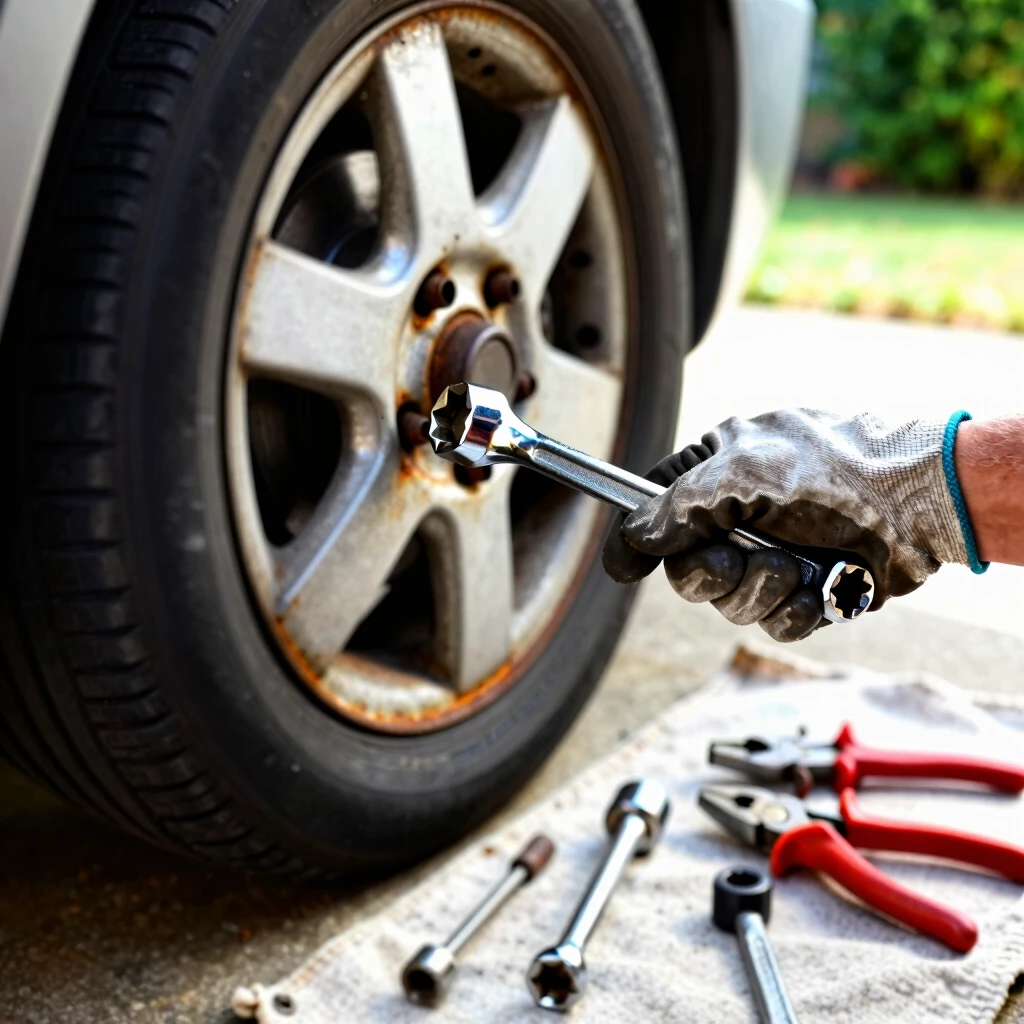
Build a kit tailored to your trade. For builders, add saws and drills. Mechanics need wrenches and sockets. Label everything to avoid mix-ups.
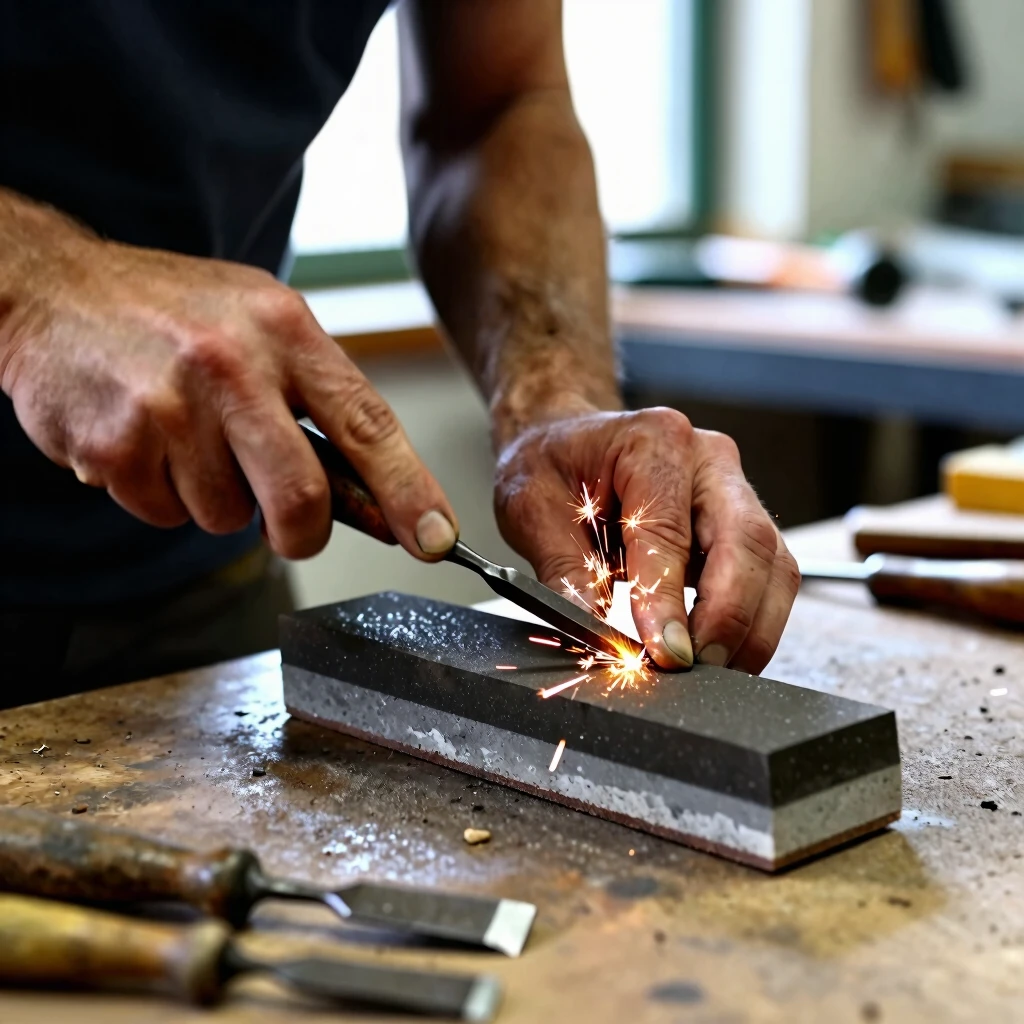
Maintenance is key. Clean after each use—wipe off debris. Sharpen edges regularly. Oil moving parts to prevent jams. Store in toolboxes or pegboards for easy grab-and-go. I've lost hours hunting misplaced gear; organization fixes that.
Upgrade wisely. Invest in durable workman tools from trusted brands. They pay back in fewer injuries and longer life. Check OSHA's tool safety guidelines for pro tips—they're gold.
Build a Safety-First Mindset
Tools and setups matter, but your attitude seals the deal. Treat safety like breathing—automatic. Chat with coworkers about near-misses. No blame, just lessons. I started a weekly huddle at my old site; it caught issues before they bit.
Wear PPE without fail: Gloves, goggles, hard hats. Hydrate and eat well—fatigue fuels errors. If something feels off, pause and reassess.
For teams, lead by example. Bosses, provide training and gear. Workers, speak up. Together, you create a culture where injuries fade.
Personal tweak: I journal risks weekly. It sharpens my eye. Try it—track patterns and pat yourself for wins.
Lifting and Moving Smart
Back injuries top the list, often from bad lifts. Bend at knees, not waist. Keep loads close to your body. Team up for heavies—why solo when help's near?
Use carts or dollies. They roll weight away from your spine. Practice the technique: Feet shoulder-width, tight core, smooth rise.
- Light loads: Under 50 pounds? Fine alone if balanced.
- Heavier? Get a partner or machine.
- Awkward shapes: Pivot feet, don't twist.
Stretch before shifts. Warm muscles handle stress better. I do five minutes of bends and reaches—feels like armor.
Slips, Trips, and Falls: Ground-Level Guards
Floors cause chaos. Wet spots, cords, clutter—they trip you up. Keep paths clear. Mop spills instantly; use signs.
Good shoes grip—non-slip soles save soles. Light areas well; shadows hide hazards. In warehouses, mark aisles bright.
Ladders? Secure them three-to-one ratio—three feet up for every foot out. Test wobbles before climb. Harness in for heights over six feet, per CDC fall prevention.
My slip story: Grease on factory tiles sent me sliding. Bruised ego more than body, but it taught: Clean as you go.
Heat, Cold, and Repetitive Strain
Extreme weather bites. Hot days drain; cold stiffens. Dress in layers, take shaded breaks. Hydrate like it's your job—because it is.
Repetitive tasks grind: Typing, assembly lines. Vary motions. Use voice software or stands to mix it up.
| Condition | Prevention | Symptom Watch |
|---|---|---|
| Heat stress | Cool vests, fans | Dizziness, nausea |
| Cold exposure | Gloves, breaks | Numb fingers |
| Repetitive strain | Rotate tasks | Tingling, swelling |
Listen to your body. Pain signals rest. Push through once; regret twice.
Wrapping It Up
Preventing work-related injuries boils down to prep, practice, and partnership. Grab ergonomic workman tools for comfort, handle electrical tools and workman tools with respect, and build habits that last. You've got the tips—now make them yours. Stay safe, work smart, thrive long-term.
Word count: Approximately 1520.
Related Preventing Work-Related Injuries: Tips and Tricks: https://example.com/injury-prevention:
- OSHA Compliance Basics for Small Teams
- Unlocking Efficiency: Why Tool Belts with Customizable Pockets Are a Must for Every Tradesperson
- How to Choose the Best Tool Belt for Your Needs
- Workman Tools for Electricians: What You Need to Know
- Budget-Friendly Workshop Setup Ideas: Transform Your Space Without Breaking the Bank
- Essential Maintenance Tips for Workman Tools: Keep Your Construction Gear Running Smoothly
- The Ultimate Guide to Automotive Repair Tools
- Beginner's Guide to Car Maintenance
- Top 10 Power Tools for Woodworking Enthusiasts
- Oscillating Tools for Tight Spaces: Your Ultimate Guide to Precision Power Tools
- Top 10 Electrical Safety Tips for New Electricians: Essential Gear, Tools, and Best Practices
- Essential Safety Tips for Using Hand Tools: The Ultimate Guide to Hand Tools