Quick Overview
Choosing the right tool belt can transform your workday. Whether you're a carpenter, electrician, or DIY enthusiast, the best tool belt keeps your essentials close, reduces strain, and boosts productivity. In this guide, we'll cover key factors like fit, capacity, and ergonomics to help you pick the ideal one for your needs. (38 words)
Why a Good Tool Belt Matters
I've spent years on construction sites, and let me tell you, a poorly chosen tool belt can ruin your day. It digs into your hips, makes tools hard to reach, and leaves you fumbling around. On the flip side, a well-picked tool belt feels like an extension of your body. It saves time and keeps you focused on the task.
Tool belts aren't just accessories—they're essential workman tools that support your workflow. According to safety experts, overloaded belts can add extra stress to your lower back.
Think about your daily routine. Do you climb ladders often? Or spend hours bending over? The right belt adapts to that. It distributes weight evenly and lets you move freely.

Types of Tool Belts: Find Your Match
Not all tool belts are created equal. Start by matching the type to your trade. Here are the main categories:
-
Apron-Style Belts: Great for beginners or light work. They hang in front, leaving your back free. Ideal if you don't carry much weight.
-
Pouch Belts: These wrap around your waist with multiple pockets. Perfect for electricians who need quick access to wires and testers.
-
Suspenders or Hammer Loops: Add these for heavy loads. They shift weight to your shoulders, easing hip pressure.
I remember my first big framing job. I went with a basic apron belt, and by lunch, my back ached. Switching to one with suspenders changed everything.
| Type | Best For | Pros | Cons |
|---|---|---|---|
| Apron | Light DIY | Affordable, easy to store | Limited capacity |
| Pouch | Trades like plumbing | Organized pockets | Can feel bulky |
| Full Suspension | Heavy construction | Even weight distribution | Higher cost |
Key Factors to Consider When Choosing
Comfort and Fit
Fit comes first. A belt that's too tight pinches; too loose shifts around. Measure your waist and add an inch for movement. Look for adjustable straps and padded backs.
Tool belts with ergonomic designs shine here. They use breathable materials to prevent sweat buildup. Pro tip: Try it on with your usual tools inside.
Capacity and Organization
How many tools do you carry? Count them up. A belt with 10-15 pockets handles most needs without overload. Organize by frequency—hammers on the side, screws in front.
Overloading leads to imbalance. Experts recommend keeping total weight under 20 pounds for daily use.
Durability and Materials
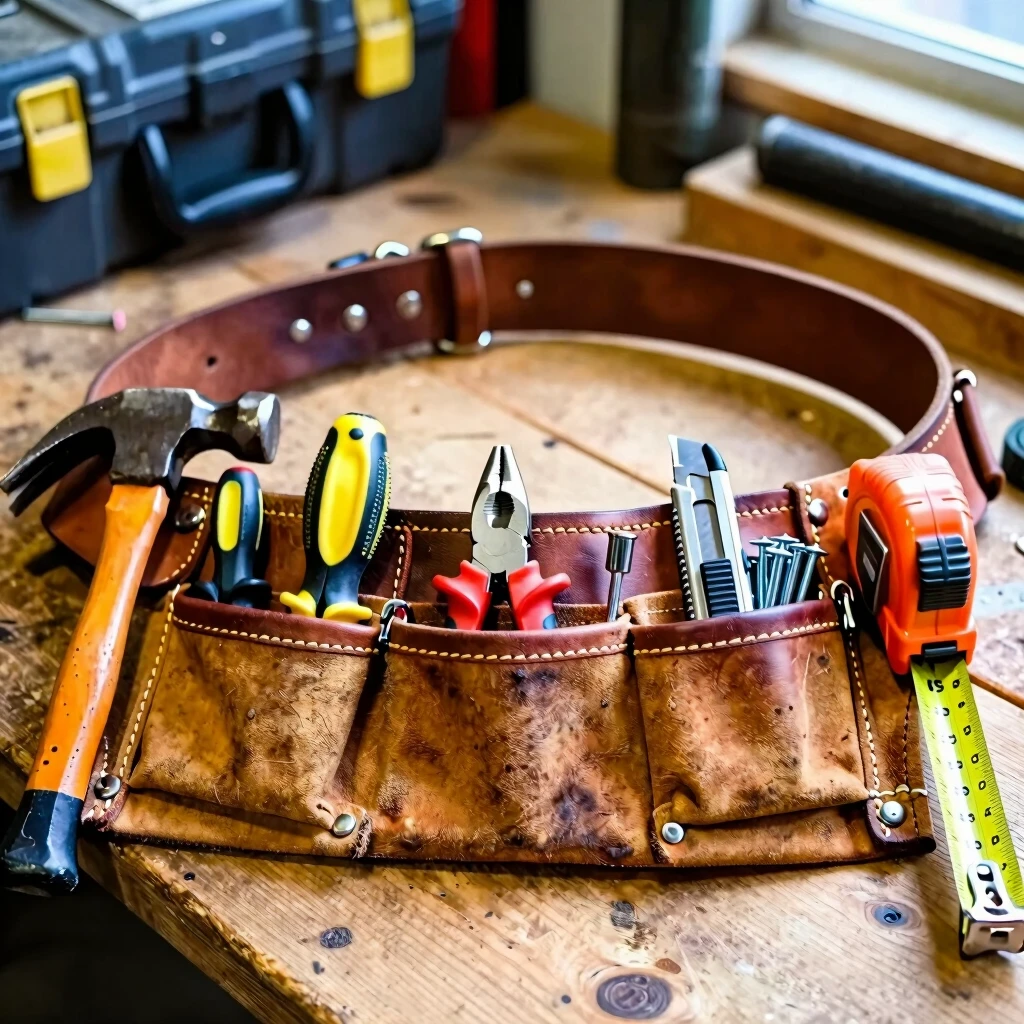
Your belt takes a beating. Opt for nylon or leather—both resist tears and weather. Reinforced stitching holds up to drops and drags.
I've torn through cheap canvas belts in a season. Investing in quality pays off; one good belt lasts years.
Ergonomics: Don't Skip This
Ergonomics isn't buzz—it's back-saving. Poor design strains your spine. Choose belts that distribute weight evenly, like those with wide padded belts and shoulder straps.
For instance, maintenance workers benefit from padded suspenders to share the load between hips and shoulders. Carpenters should pick lightweight options to cut fatigue.
Loaded tool belts can weigh over 50 pounds, increasing stress on your lower back and hips. Using suspenders helps counter this.

How to Test and Buy Smart
Don't buy online blind. Visit a store to walk around with it loaded. Feel the weight shift as you move.
Read reviews from real users in your trade. Check for warranties—good ones cover defects for a year.
Budget-wise, expect $30-100. Cheap ones fail fast; mid-range offers the best value.
Personal story: Last summer, I helped a buddy pick his first pro belt. We loaded it with his gear, simulated a ladder climb, and nailed the choice. He swears by it now.
Maintenance Tips for Longevity
Keep your belt clean. Wipe down after sweaty days; store dry. Inspect stitching monthly—fix loose threads quick.
Oil leather ones yearly to stay supple. This simple care extends life and keeps tools secure.
Common Mistakes to Avoid
- Ignoring your body type: Tall folks need longer belts.
- Overpacking: Less is more for mobility.
- Skipping suspenders: They prevent sagging.
Learn from my error—I once ignored hip padding and paid with bruises.
Wrapping It Up
Picking the best tool belt boils down to your needs: trade, comfort, and durability. Prioritize ergonomics, test the fit, and invest wisely. A great belt enhances your skills, tying into broader workman tools mastery. You'll work smarter, not harder. (42 words)
Related How to Choose the Best Tool Belt for Your Needs:
- Workman Tools for Electricians: What You Need to Know
- Budget-Friendly Workshop Setup Ideas: Transform Your Space Without Breaking the Bank
- Essential Maintenance Tips for Workman Tools: Keep Your Construction Gear Running Smoothly
- The Ultimate Guide to Automotive Repair Tools
- Beginner's Guide to Car Maintenance
- Top 10 Power Tools for Woodworking Enthusiasts
- Oscillating Tools for Tight Spaces: Your Ultimate Guide to Precision Power Tools
- Top 10 Electrical Safety Tips for New Electricians: Essential Gear, Tools, and Best Practices
- Essential Safety Tips for Using Hand Tools: The Ultimate Guide to Hand Tools
- Best Storage Solutions for Small Workshops: Organize, Maintain, and Maximize Your Space
- Revolutionizing Your Trade: Modern Workman Tools with Ergonomic Design
- 10 Essential Workman Tools Every DIYer Should Own