A Quick Overview
Whether you're a weekend warrior refreshing your living room or a seasoned pro tackling big jobs, the right must-have tools in a painter's toolkit make all the difference. These painting tools turn chaos into clean lines and drips into dreams. In this guide, we'll cover the essentials—about 1500 words of tips, lists, and stories from the field—to help you build a kit that lasts. Let's roll up our sleeves and dive in.

Why Your Toolkit Matters
I remember my first big painting gig—a friend's kitchen remodel back in 2010. I showed up with just a cheap brush and a can of paint. By the end, walls looked streaky, and I wasted half a day cleaning spills. Lesson learned: quality workman tools save time, reduce frustration, and deliver pro results. Today, after hundreds of rooms under my belt, I know the must-have tools in a painter's toolkit aren't fancy gadgets—they're reliable basics that handle prep, application, and cleanup like champs.
Think of your kit as your painting partner. It preps surfaces smoothly, applies color evenly, and protects everything else. Skip the shortcuts; invest in durable pieces. Over time, they'll pay for themselves in fewer mistakes and faster jobs.
Prep Tools: Set the Stage Right
Prep work eats up 70% of any paint job, but it's where magic happens—or doesn't. Good painting tools start here, smoothing out bumps and shielding what you don't want painted.
Drop Cloths and Tarps
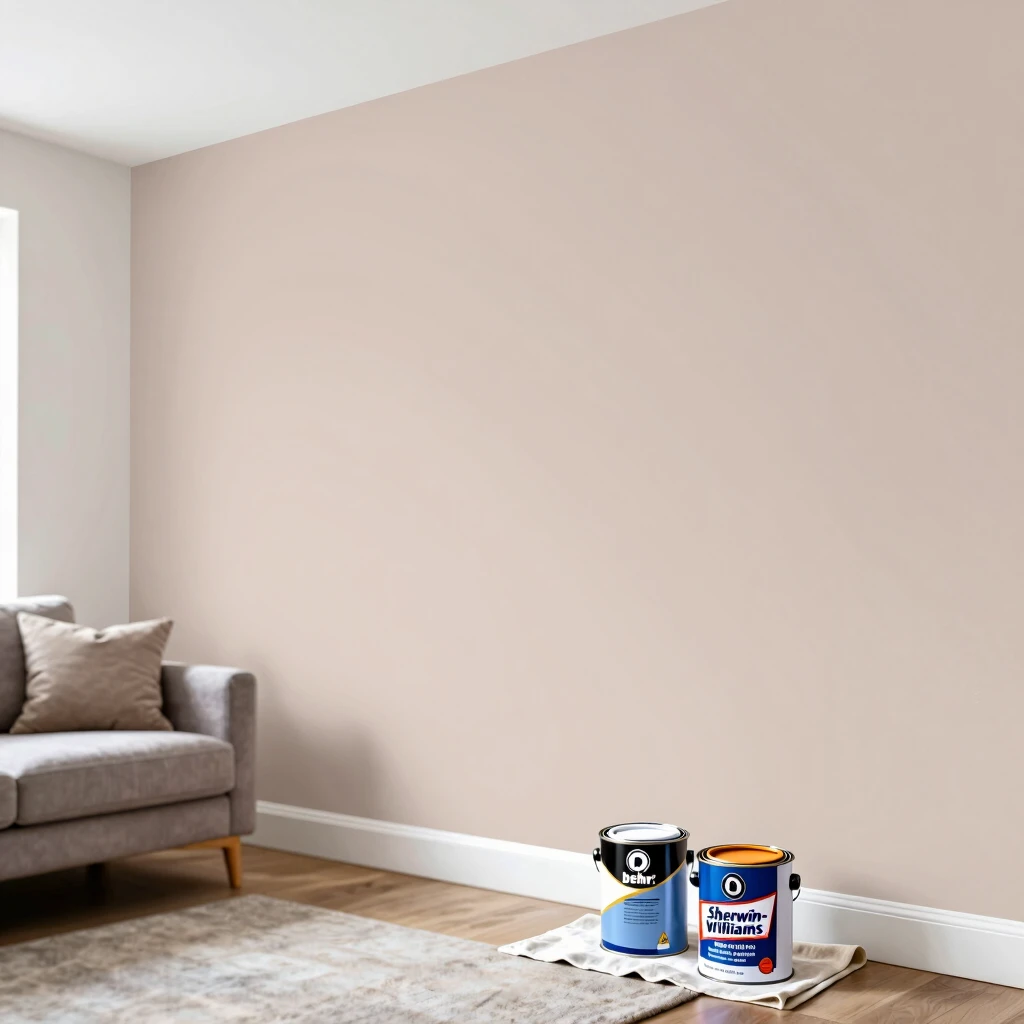
Canvas drop cloths beat plastic every time. They don't slip, absorb spills, and last years. I once used a cheap plastic sheet; it bunched up and caused a ladder tip-over. Ouch. Go for 9x12-foot sizes for rooms. Pro tip: Fold them neatly after each use to avoid creases.
Painter's Tape
This blue wonder creates crisp edges. Choose 1-inch for trim, 2-inch for walls. Apply it backward (sticky side out) for reuse on small jobs. From my experience, ScotchBlue tape holds through two coats without bleeding.
| Tool | Why It Matters | My Pick | Price Range |
|---|---|---|---|
| Canvas Drop Cloth | Protects floors/furniture, non-slip | Home Depot Basics | $15-30 |
| Painter's Tape | Clean lines on edges | ScotchBlue Delicate | $5-10/roll |
| Sandpaper Assortment | Smooths surfaces | 3M Variety Pack (80-220 grit) | $8-15 |
Sandpaper comes in grits—coarse for rough spots, fine for baby-smooth finishes. I keep a block sander handy; it grips paper better than freehand rubbing.
Personal story: Last summer, prepping a textured ceiling nearly broke me. Without proper scrapers, I chipped away for hours. Now, my kit always includes a 5-in-1 tool— it scrapes, opens cans, and spreads filler in one go. Game-changer.
Putty Knives and Scrapers
These workman tools remove old paint and apply spackle. Get a flexible 2-inch for patching holes and a rigid 6-inch for scraping. Fill dents with lightweight spackle; it dries fast and sands easy.

Application Tools: Where the Color Hits
Now for the fun part—getting paint on walls. The right painting tools here ensure even coverage without fatigue.
Brushes: Your Precision Partners
No toolkit skips brushes. Angled sash brushes (2-3 inches) cut in along ceilings and corners like a dream. Synthetic bristles handle latex paints best; they're durable and clean up quick. I swear by Purdy brushes—worth every penny for that chisel-edge tip.
For flat surfaces, a 4-inch block brush speeds baseboards. Tip: Soak new brushes in water first; it softens them for better flow.
Rollers: Speed Demons for Walls
Rollers cover square footage fast. Start with a 9-inch frame and 3/8-inch nap cover for smooth walls—thicker naps for textured ones. Extension poles reach ceilings without a ladder dance.
I learned the hard way: Cheap frames wobble and fling paint. Invest in a spring-loaded one; it swaps covers in seconds. For edges, use a mini 4-inch roller—saves your wrists on trim.
| Brush Type | Best For | Bristle Material | Lifespan Tip |
|---|---|---|---|
| Angled Sash (2") | Cutting in trim | Synthetic | Clean immediately, hang to dry |
| Flat Block (4") | Baseboards/doors | Natural/ Synthetic blend | Condition with oil yearly |
| Mini Foam | Touch-ups | Foam | Disposable after heavy use |
Rollers pair perfectly. A good setup cuts painting time in half. From my garage reno last year, switching to a Wooster roller pole meant no more neck strains.
Don't forget trays! Metal ones with liners prevent drips and clean easy. For big jobs, a five-gallon bucket with a grid roller skin mixes and rolls in one.
External nod: Check Wirecutter's guide to roller gear for more picks—solid research there.

Safety and Support Tools: Don't Skip These
Painting seems harmless, but fumes and falls add up. Must-have tools in a painter's toolkit include gear that keeps you safe.
Gloves and Masks
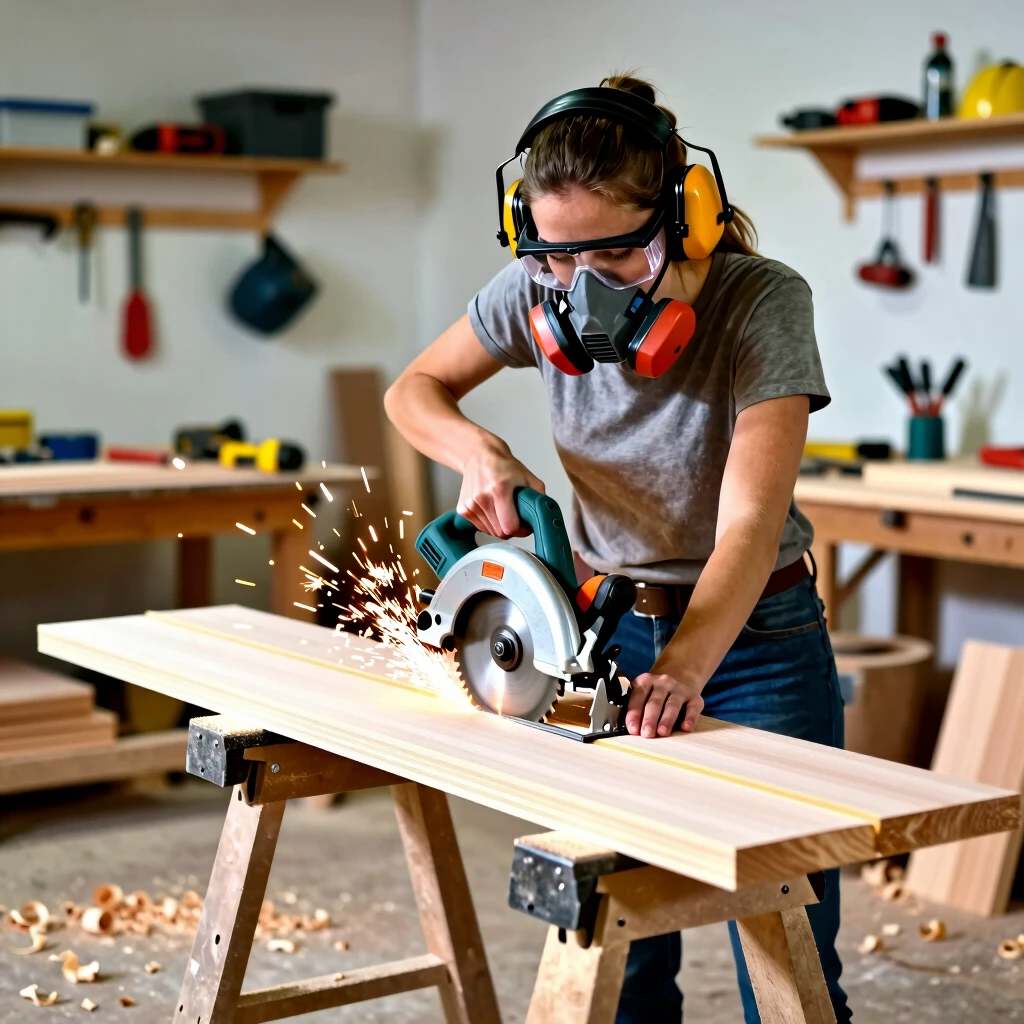
Nitrile gloves block chemicals without tearing. For air, a half-mask respirator with organic cartridges filters VOCs—I felt the difference after a day in oil paints. No more headaches.
Ladders and Stands
A 6-foot step ladder handles most rooms; add a stabilizer bar for wobbles. For heights, an extension ladder with stand-offs hugs walls safely. Story time: A buddy skipped the stabilizer once; paint cans tumbled everywhere. Lesson: Stability first.
Other workman tools? A caulking gun seals gaps pre-paint—silicone for bathrooms, acrylic for interiors. And a wet/dry shop vac sucks up dust mid-prep.
| Safety Item | Use Case | Comfort Hack |
|---|---|---|
| Nitrile Gloves | Handling paint/primer | Size up for dexterity |
| N95 Respirator | Fume protection | Fit-test for seal |
| Step Ladder | Reaching mid-height | Rubber feet for grip |
These aren't extras; they're essentials. Pros like those at Jobber Academy echo this—safety boosts efficiency.
Maintenance: Keep Your Tools Sharp
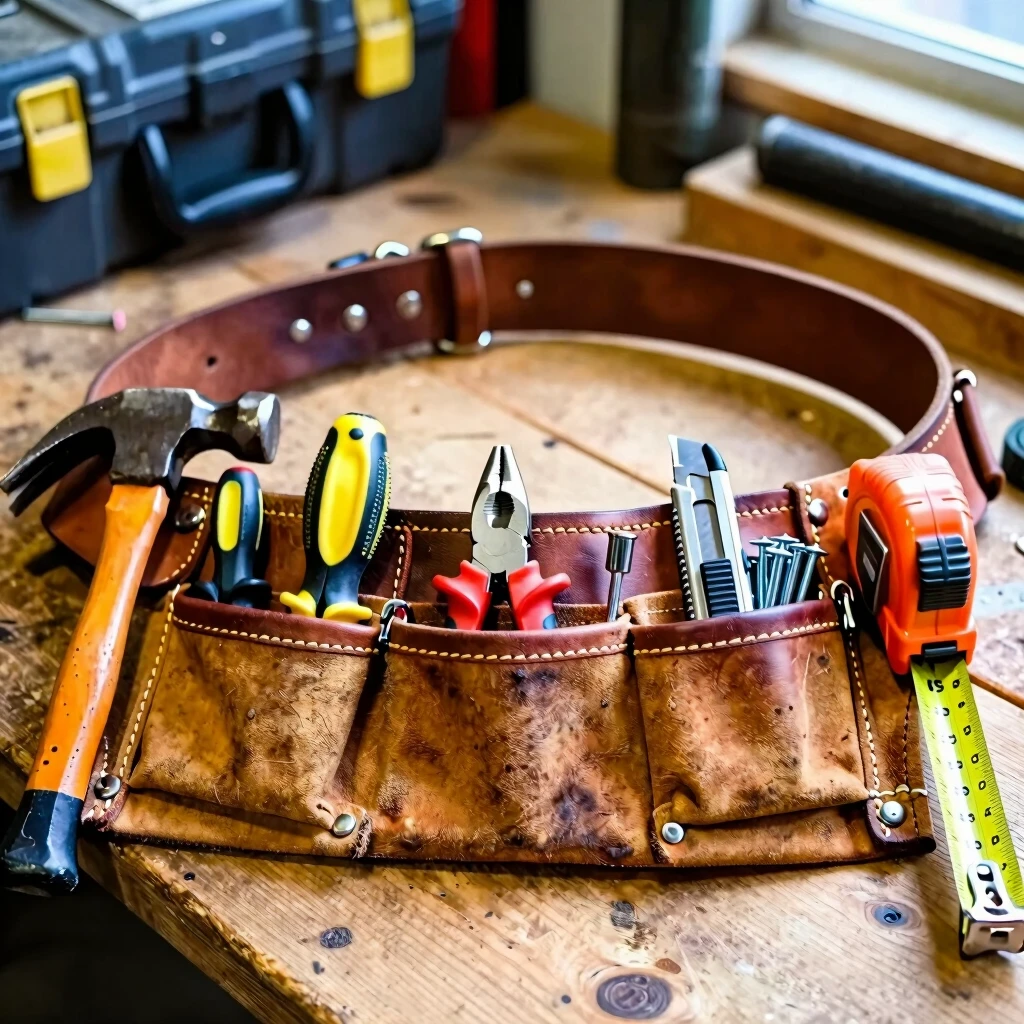
Tools last longer with care. Clean brushes in soapy water right after use; comb out bristles. Store rollers in sleeves to prevent matting. I hang my kit on a pegboard—easy access, no clutter.
Every six months, oil wooden handles to fend off cracks. Dull tools lead to sloppy work; sharp ones glide. From experience, a quick rinse post-job saves hours on the next one.
Wrapping It Up
Building your must-have tools in a painter's toolkit transforms projects from daunting to doable. Start with basics like brushes, rollers, and tape, then layer in safety and prep gear. You'll paint faster, cleaner, and with more joy. Remember my early mishaps? They've shaped a kit I trust implicitly. Grab these painting tools, roll up, and create something beautiful. Your walls—and back—will thank you.
Word count: ~1520
Related must-have tools in a painter's toolkit:
- Top Paint Brands Review 2025 - /top-paint-brands-review
- Essential Safety Gear for Home Projects - Essential Safety Gear for Home Projects
- Beginner’s Guide to Woodworking Tools
- Advanced Electrical Troubleshooting: Tips from the Pros
- Preventing Work-Related Injuries: Tips and Tricks
- Unlocking Efficiency: Why Tool Belts with Customizable Pockets Are a Must for Every Tradesperson
- How to Choose the Best Tool Belt for Your Needs
- Workman Tools for Electricians: What You Need to Know
- Budget-Friendly Workshop Setup Ideas: Transform Your Space Without Breaking the Bank
- Essential Maintenance Tips for Workman Tools: Keep Your Construction Gear Running Smoothly
- The Ultimate Guide to Automotive Repair Tools
- Beginner's Guide to Car Maintenance