A Quick Overview
Starting metalworking? It's exciting to shape raw metal into something amazing. But safety comes first. These safety tips for metalworking beginners focus on smart habits that keep you injury-free. From picking the right gear to handling tools wisely, you'll build confidence while protecting yourself. Let's dive in and make your workshop a safe haven.
Why Safety Matters in Metalworking
I remember my first time firing up a grinder. Sparks flew everywhere, and I felt that rush of creation. But one slip could turn fun into a trip to the ER. Metalworking involves heat, sharp edges, and heavy loads. Beginners often overlook these risks, leading to cuts, burns, or worse.
According to the Occupational Safety and Health Administration (OSHA), thousands of workshop injuries happen yearly. Most are preventable with basic know-how. Think about it: a single unguarded blade or cluttered bench can derail your hobby. By prioritizing safety, you focus on the joy of crafting, not the fear of mishaps.
Safety isn't just rules—it's a mindset. It lets you experiment freely, knowing you've got your back. In this guide, we'll cover gear, tools, space, and techniques that saved me from rookie mistakes.
Gear Up: Personal Protective Equipment (PPE) Essentials
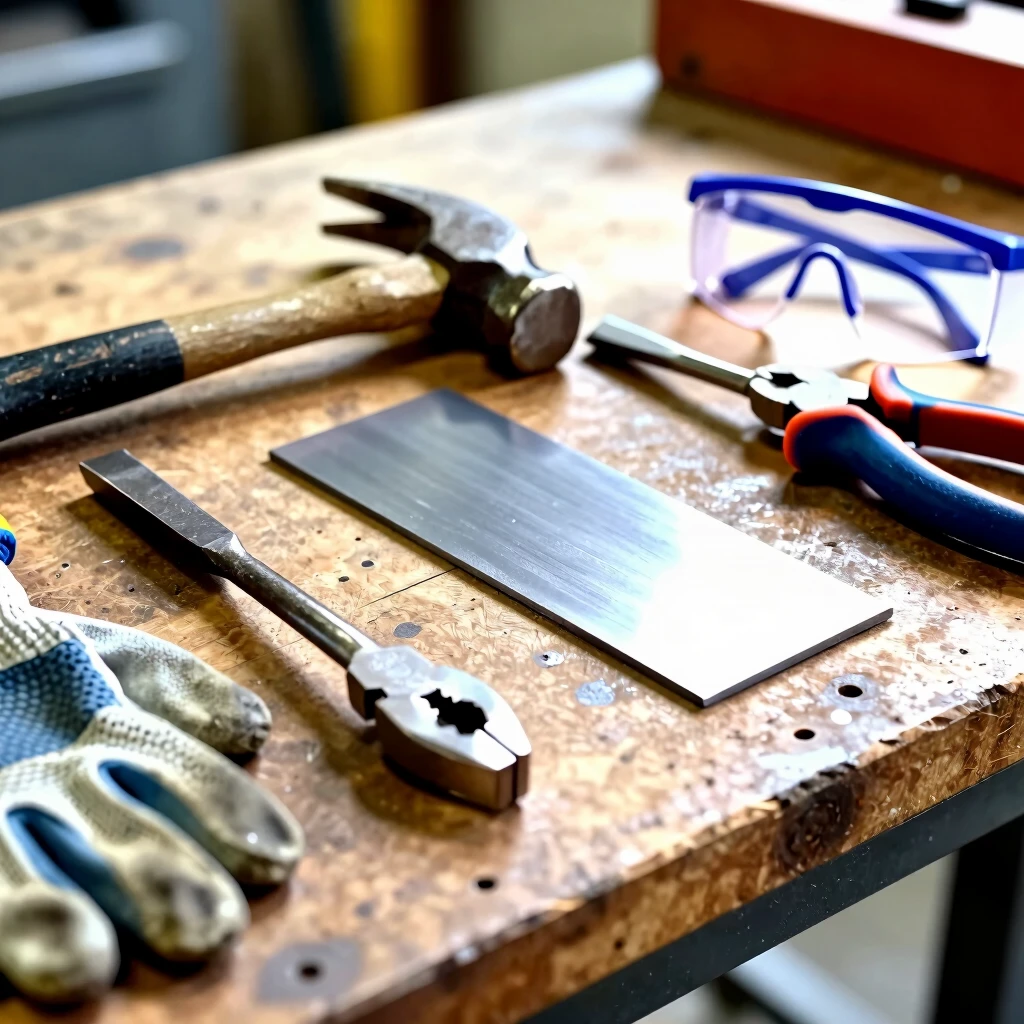
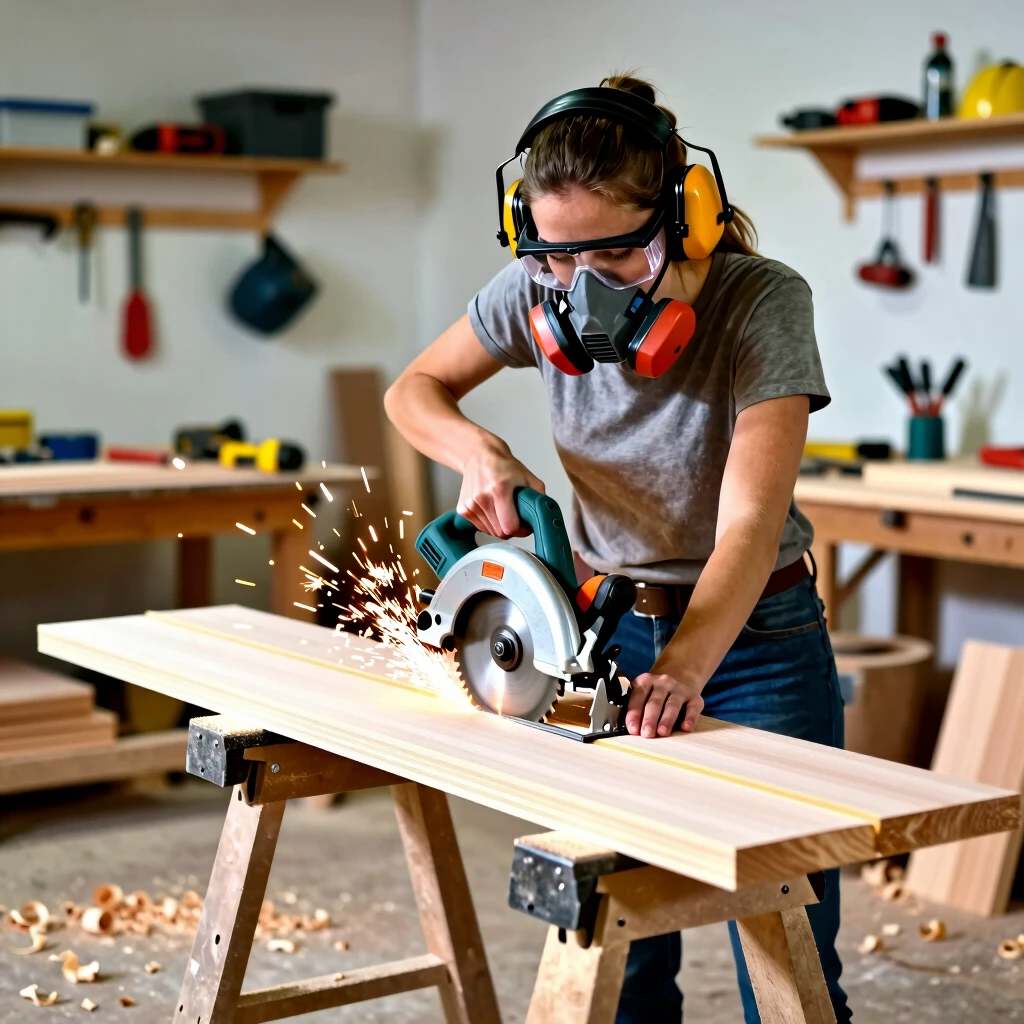
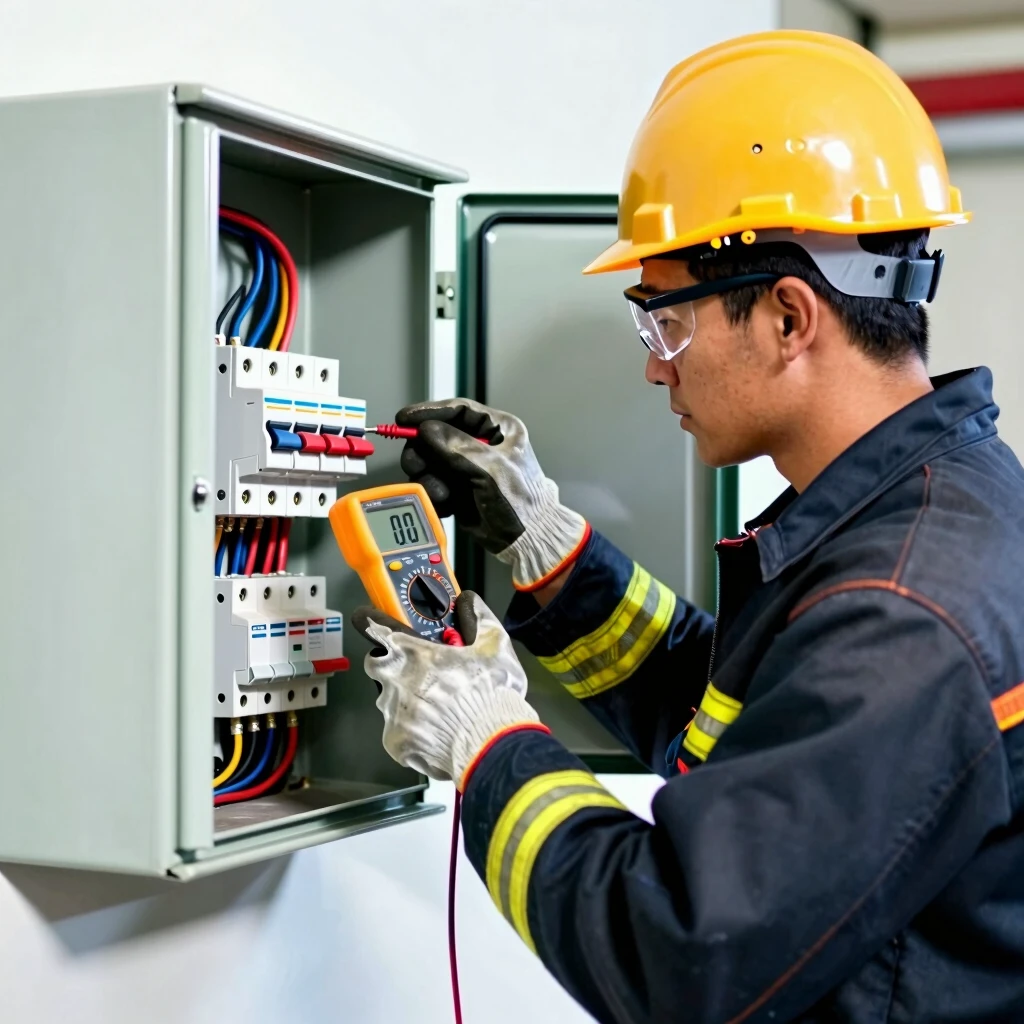
Your body is your best tool—protect it first. I once skipped gloves and ended up with a nasty file cut. Never again. Start with eye protection. Safety glasses or a full-face shield block flying chips and sparks. Look for ANSI Z87.1 rated ones; they're tough against impacts.
Next, cover your skin. Leather gloves shield hands from heat and slices, but choose ones that fit snugly for dexterity. A flame-resistant apron or jacket guards your torso during welding or grinding. And don't forget hearing protection—earplugs or muffs—for noisy machines.
Footwear matters too. Steel-toed boots prevent crushed toes from dropped pieces. Respiratory masks filter metal dust, especially with aluminum or stainless steel. I keep a N95 handy for sanding sessions.
Here's a quick PPE checklist:
| Item | Why It Matters | Pro Tip |
|---|---|---|
| Safety Glasses | Blocks debris | Anti-fog lenses for long sessions |
| Leather Gloves | Heat and cut resistance | Thumb holes for easy removal |
| Apron/Jacket | Spark protection | Layer over clothes for easy wash |
| Steel-Toed Boots | Impact guard | Non-slip soles for oily floors |
| Earplugs | Noise reduction | Foam ones for custom fit |
| Dust Mask | Fume filtering | Replace after each use |
Invest in quality. Cheap gear fails when you need it most. Fit everything right—loose straps snag on tools. Make PPE a ritual: suit up before touching metal.
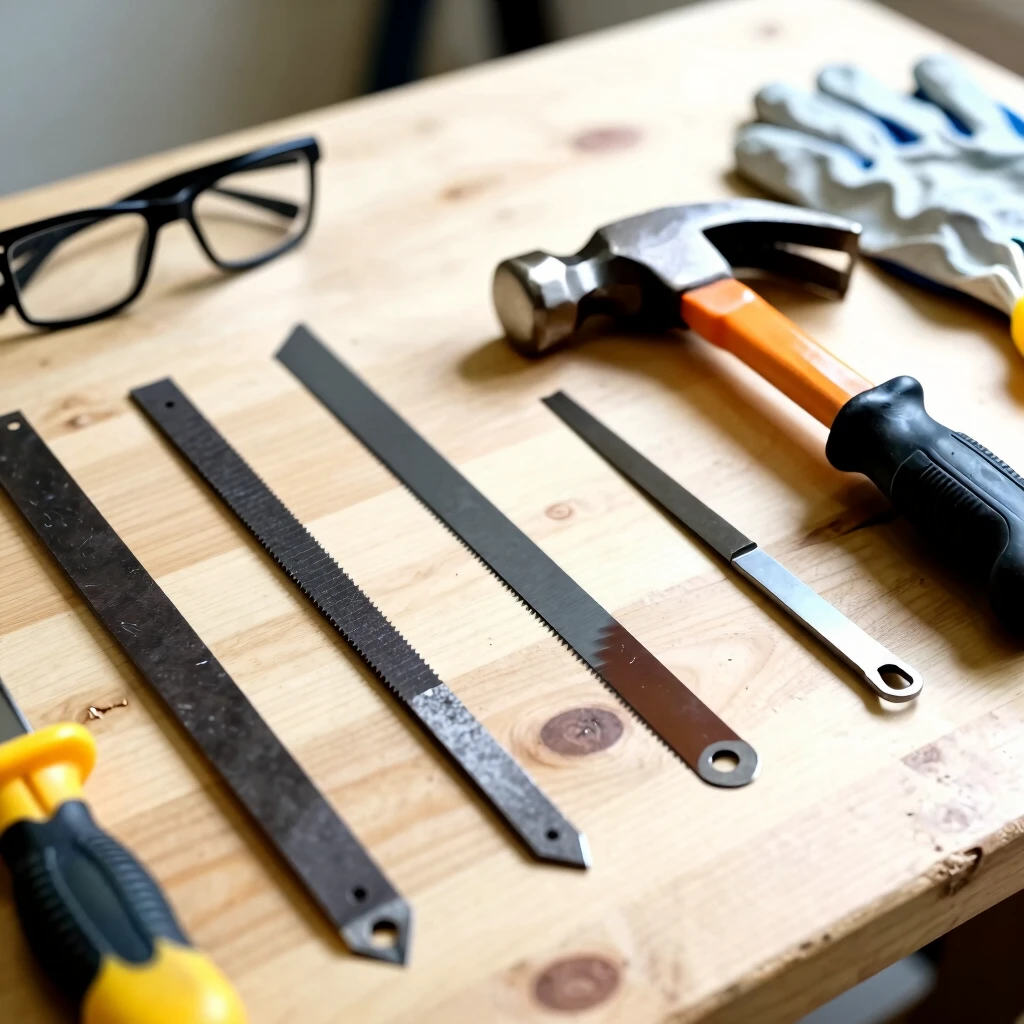
Picking Workman Tools for Metalworking: Safety Through Quality
Tools are your partners in metalworking, but bad ones bite back. As a beginner, focus on workman tools for metalworking that balance safety and simplicity. I started with basics and avoided fancy gadgets until I built skills.
Hand tools top the list. Files, hacksaws, and hammers demand respect. A dull file slips, causing slips. Sharpen or replace them regularly. For hacksaws, secure blades teeth-down to prevent kickback. Hammers? Use dead-blow types to minimize rebound shocks.
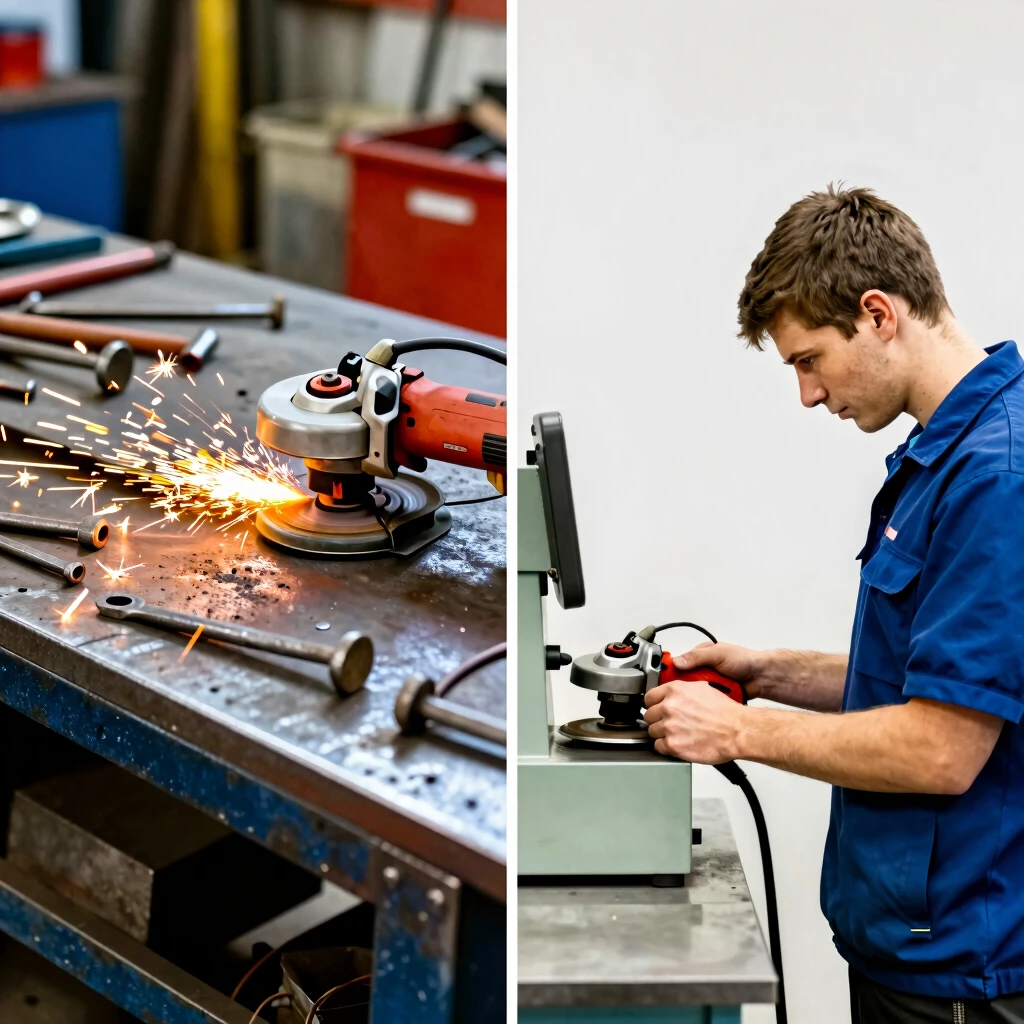
Power tools amp up efficiency but risks too. Angle grinders and bench vises are game-changers, but only if stable. Clamp workpieces firmly—never hold by hand. I learned this when a loose vise sent a piece flying.
When buying, check for safety features like guards and ergonomic grips. Brands like Stanley or Irwin offer reliable workman tools. Read reviews and match to your projects—light files for jewelry, heavy shears for sheet metal.
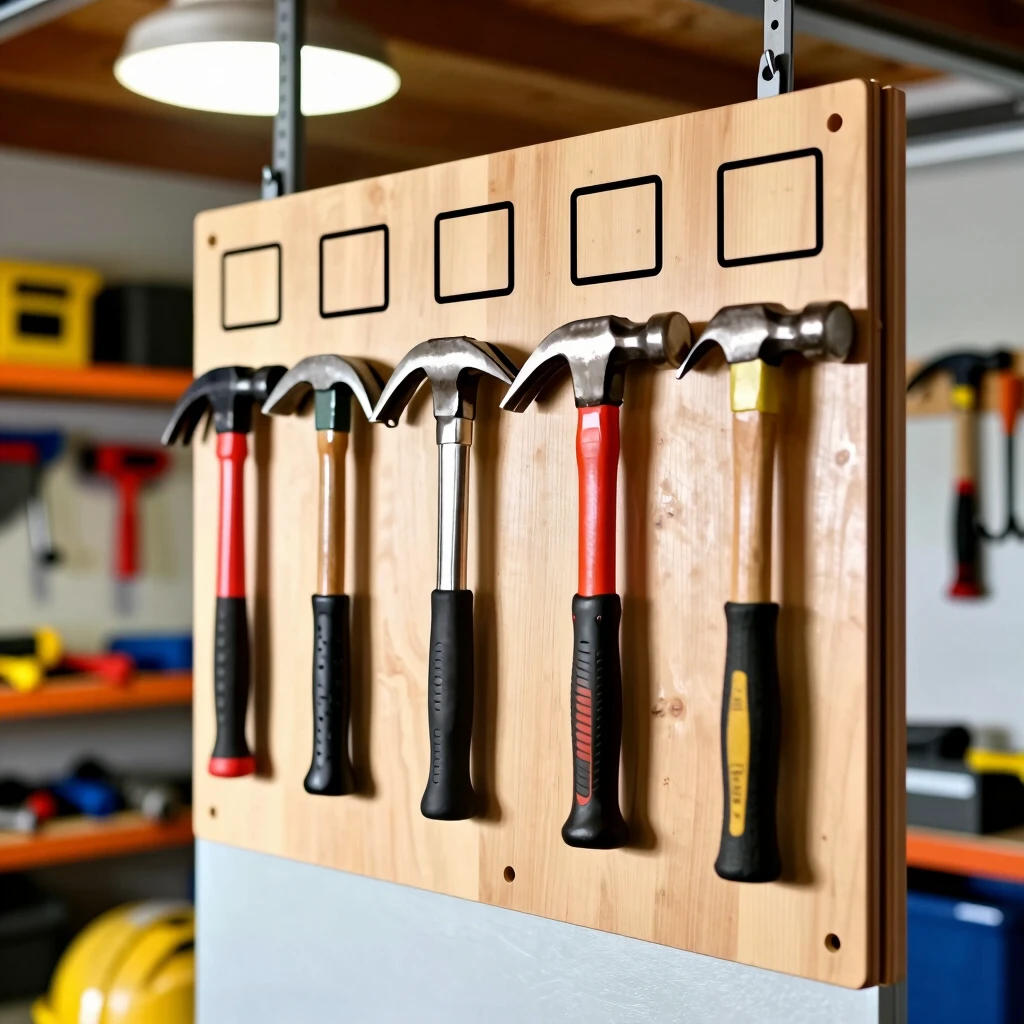
Safety tip: Inspect before use. Cracked handles or frayed cords? Set aside. Store tools in labeled drawers to avoid grabs in haste. Quality workman tools last, reducing frustration and accidents.
Crafting a Safe Workspace: Your Foundation for Success
Your shop sets the stage. A messy space invites chaos. Mine used to look like a tornado hit—tools everywhere, cords tangled. One trip over a chisel, and I was down. Now, I swear by the 5S method: sort, set in order, shine, standardize, sustain.
Start with lighting. Bright LED overheads and task lamps cut shadows where accidents hide. Ventilation is key—fumes from cutting fluid or welding linger. An exhaust fan or open windows keep air fresh; pair with a shop vac for dust.
Floors need grip. Rubber mats prevent slips on metal shavings. Fire safety? Keep an ABC extinguisher handy and a metal bucket for hot scraps. Electrical outlets should be GFCI-protected to zap water risks.
Organize zones: tool storage, work area, cleanup spot. Wall pegboards hold hand tools at eye level. This setup saved my project—and my toes—more than once.
For small spaces, go vertical. Shelves above benches free floor room. And always have a first-aid kit stocked with bandages, antiseptics, and eye wash. Safety starts with your surroundings.

Mastering Safe Techniques: Hands-On Habits That Stick
Technique turns potential pitfalls into smooth sails. Hold files at an angle to avoid slips—I've got the scars to prove why not. For sawing, let the tool do the work; force it, and it binds.
With power tools, start slow. Test cuts on scrap. Wear PPE every time—no shortcuts. I once thought, 'Just one quick grind without glasses.' Big mistake; a chip nicked my cheek.
Lifting heavy stock? Bend knees, not back. Use carts for big pieces. And pauses matter—step back every 20 minutes to check for fatigue. Tired hands fumble.
Welding beginners: Ground clamps prevent arcs jumping. Clean metals first to avoid toxic fumes. Practice on waste to build muscle memory.
Here's a list of daily do's: - Secure work in vises or clamps. - Keep blades and bits sharp. - Clear debris mid-project. - Use push sticks for routers or saws. - Never reach over running machines.
These habits, born from my trial-and-error, make safety second nature. Share them with buddies; accountability boosts compliance.
Keeping It Going: Maintenance and Emergency Know-How
Tools wear out; neglect them, and they turn traitorous. Weekly wipe-downs with oil prevent rust on hand tools. Check cords monthly for frays—replace pronto.
For emergencies, know your outs. Post shop layouts with exits marked. Learn basic CPR via Red Cross classes (redcross.org). My kit includes burn gel and tourniquets for bad cuts.
Track incidents in a log. Mine revealed patterns, like late-night slips from fatigue. Adjust accordingly—set work hours.
Stay informed. OSHA's free resources (osha.gov) offer checklists. Local makerspaces host safety workshops; I've attended a few that sharpened my edge.
Wrapping It Up: Safe Metalworking Starts Today
There you have it—safety tips for metalworking beginners that blend caution with creativity. Gear up, tool smart, space right, and technique strong. You'll craft masterpieces without the mishaps. Remember my early stumbles? They taught me: safety empowers, not restricts. Start small, stay vigilant, and watch your skills soar. Happy forging!
Related Safety Tips for Metalworking Beginners:
- Advanced Techniques: From Beginner to Pro in Metal Shaping
- Understanding Your Car’s Cooling System: Tips and Tricks
- How to Maintain Your Hammers for Longevity
- Essential Workman Tools for Electrical Work: A Hands-On Guide to Getting the Job Done Right
- Top Voltage Testers for Safe Electrical Work
- How AI is Transforming Manufacturing: The Future of Industrial Automation
- Guide to Selecting the Best Paint for Your Home
- Must-Have Tools in a Painter's Toolkit: Essentials for Every Project
- Beginner’s Guide to Woodworking Tools
- Advanced Electrical Troubleshooting: Tips from the Pros
- Preventing Work-Related Injuries: Tips and Tricks
- Unlocking Efficiency: Why Tool Belts with Customizable Pockets Are a Must for Every Tradesperson