Quick Overview
Your car's cooling system keeps the engine from overheating on hot drives or long trips. It mixes coolant, water, and clever parts to pull heat away. With simple checks and the right tools, you can spot issues early and fix them fast. This guide shares tips to maintain it well, boosting your car's longevity without hassle. (38 words)
Why the Cooling System Matters
Think about your engine as a hardworking heart. It pumps power but generates tons of heat. Without a solid cooling system, that heat builds up and causes damage. I've seen friends ignore a small leak, only to face a $2,000 repair bill later. Don't let that happen to you.
A well-maintained cooling system saves money and stress. It ensures smooth rides and fewer breakdowns. Plus, it ties right into how to maintain your car's engine for longevity. Regular care means your vehicle lasts longer and runs better.
Key Parts of Your Cooling System
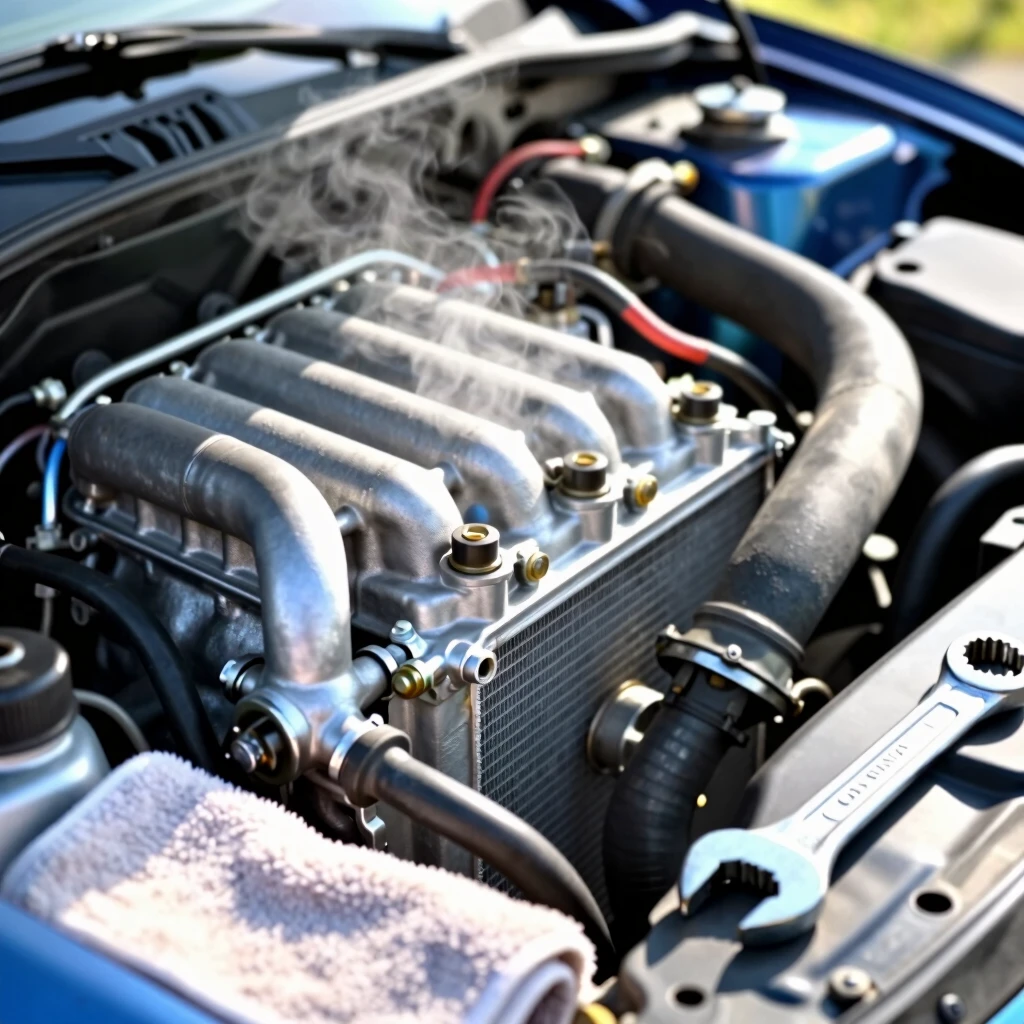
Let's break down the main players. First, the radiator. It looks like a mini heat exchanger with fins that release warmth into the air as you drive.
Next, coolant hoses carry the hot fluid from the engine to the radiator. They flex but can crack over time from heat and age.
The water pump pushes the coolant around, like a heart for your engine. Without it working right, everything stalls.
Don't forget the thermostat. It acts as a gatekeeper, opening only when the engine needs cooling.
And the reservoir? That's your easy-check spot for fluid levels.
Understanding these parts helps you troubleshoot fast. I once spotted a loose hose clamp during a routine peek—that quick fix saved a road trip disaster.
| Component | Role | Common Issue |
|---|---|---|
| Radiator | Dissipates heat | Clogged fins from debris |
| Hoses | Transports coolant | Cracks or leaks |
| Water Pump | Circulates fluid | Bearing failure |
| Thermostat | Regulates flow | Stuck open or closed |
| Reservoir | Holds extra fluid | Low levels from evaporation |
How It All Works Together
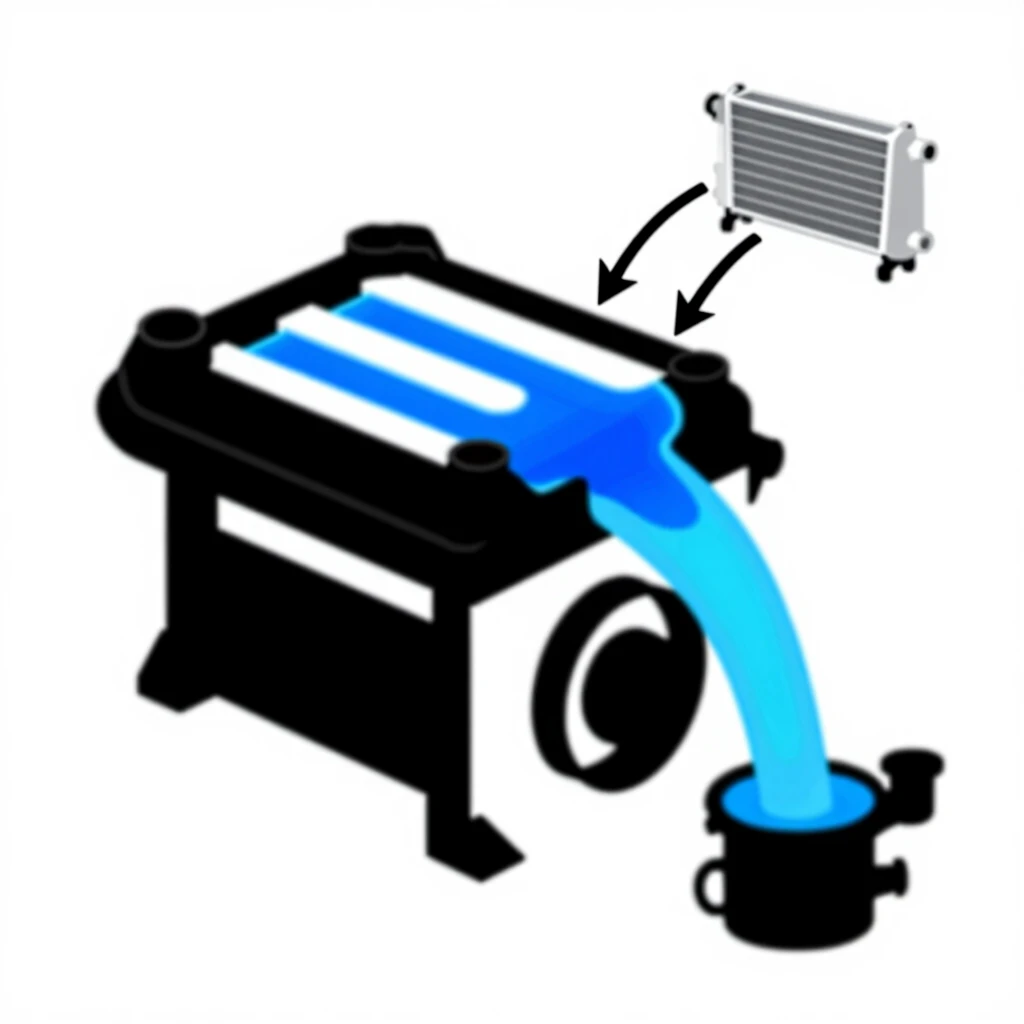
Picture this: Your engine revs up, heat rises. Coolant absorbs it and heads to the radiator. Fans kick in to blow air over the fins, cooling the fluid down. Then it loops back, ready for more.
On cold starts, the thermostat keeps things warm until operating temp hits. It's a balanced dance that prevents boiling or freezing.
I've tinkered with this in my garage on lazy weekends. Watching the fluid flow after a flush feels satisfying—like giving your car a fresh breath.
Spotting Trouble Early
Overheating is the big red flag. Your temp gauge climbs, or steam puffs from the hood. Pull over safely if that happens.
Other signs? Sweet smells from burning coolant, or puddles under the car after parking. Low fluid levels scream for attention too.
A rattling water pump or spongy hoses point to wear. Listen during drives—I caught my pump failing early once, avoiding a tow.
Check monthly. Pop the hood, eye the reservoir, and feel for leaks. Simple habits prevent big woes.
- Visual Checks: Look for cracks, bulges, or wet spots.
- Auditory Cues: Whines from the pump or hisses from pressure.
- Performance Hints: Rough idling or power loss when hot.
- Dashboard Alerts: Heed that check engine light—scan it if you can.
Maintenance Tips for Peak Performance
Start with flushes every two years or 30,000 miles. Drain old coolant, refill with the right mix—usually 50/50 antifreeze and water.
Use distilled water to avoid mineral buildup. I learned that the hard way after a tap-water flush caused gunk.
Tighten connections snug but not overdone. Here's where tools shine. A good set of wrenches makes the job easy.
Speaking of which, must-have wrenches for every toolbox include adjustable ones for odd fittings and ratcheting types for speed. They handle hose clamps and pump bolts without stripping.
For precision, consider how torque wrenches enhance vehicle maintenance. They apply exact force, preventing loose parts or cracked fittings. I swear by mine for cooling jobs—saves guesswork.

Advanced Tricks from the Garage
Ever tried a pressure test? Rent a kit from an auto store. It mimics engine heat to reveal hidden leaks. Game-changer for pre-summer checks.
Upgrade to silicone hoses if you tow heavy loads—they resist cracking better than rubber.
Bleed air after refills to avoid hot spots. Run the engine with the cap off until bubbles stop.
Personal story: On a cross-country haul, I DIY'd a thermostat swap using basic wrenches. Saved hundreds and kept rolling. Wrenches aren't just tools; they're your road allies.
Tie this to broader care: Understanding your car’s cooling system: tips and tricks like these directly feed into how to maintain your car's engine for long life. Cool engine, happy miles.
Tools That Make It Easier
Beyond basics, grab a coolant tester. It checks freeze protection and acidity—quick dip in the fluid tells all.
Infrared thermometers spot hot spots on hoses without touch. Fun gadget for pros and hobbyists alike.
And don't skip gloves; coolant irritates skin. Safety first keeps maintenance enjoyable.
| Tool | Why It Helps | Cost Range |
|---|---|---|
| Torque Wrench | Precise tightening | $30-100 |
| Coolant Pressure Tester | Leak detection | $20-50 |
| Infrared Thermometer | Temp scanning | $15-40 |
| Adjustable Wrench | Versatile gripping | $10-25 |
| Coolant Tester Strips | Fluid quality check | $5-15 |
Common Mistakes to Avoid
Skipping the owner's manual? Big no. It specifies coolant type—wrong mix leads to corrosion.
Overfilling the reservoir invites spills and pressure issues. Stick to the marked line.
Ignoring fans? They pull air; test by running AC on max.
I once forgot to burp the system post-flush. Air pockets caused uneven cooling. Lesson learned: Patience pays off.
Wrenches: Your Cooling System Sidekicks
No toolbox skips wrenches. They're essential for loosening stubborn bolts on pumps or radiators.
An adjustable wrench adapts to any nut, while a torque one ensures you don't warp parts.
How torque wrenches enhance vehicle maintenance? They spec exact turns—say, 20 foot-pounds for a clamp. Over-tighten, and you crack; under, and it leaks.
Stock must-have wrenches for every toolbox: Start with SAE and metric sets. Add a breaker bar for rusted bits. These gems handle 90% of cooling tasks.
Long-Term Benefits
Invest time now, reap miles later. A tuned cooling system cuts fuel waste from draggy heat and prevents warped heads—costly fixes.
Eco bonus: Proper coolant recycles heat efficiently, easing emissions.
From my driveway fixes to pro shops, consistent care shines. Your car thanks you with reliable starts every dawn.
Wrapping It Up
Mastering your car's cooling system boils down to vigilance and the right tools. Regular checks, smart flushes, and trusty wrenches keep heat in check. Apply these tips, and you'll drive worry-free for years. Your engine's longevity starts here—cool, calm, and collected. (42 words)
References: For more depth, check the SAE International guidelines on coolant specs or AAA's engine maintenance tips. Always consult your manual.
Related Understanding Your Car’s Cooling System: Tips and Tricks:
- How to Maintain Your Car's Engine for Longevity
- How to Maintain Your Hammers for Longevity
- Essential Workman Tools for Electrical Work: A Hands-On Guide to Getting the Job Done Right
- Top Voltage Testers for Safe Electrical Work
- How AI is Transforming Manufacturing: The Future of Industrial Automation
- Guide to Selecting the Best Paint for Your Home
- Must-Have Tools in a Painter's Toolkit: Essentials for Every Project
- Beginner’s Guide to Woodworking Tools
- Advanced Electrical Troubleshooting: Tips from the Pros
- Preventing Work-Related Injuries: Tips and Tricks
- Unlocking Efficiency: Why Tool Belts with Customizable Pockets Are a Must for Every Tradesperson
- How to Choose the Best Tool Belt for Your Needs