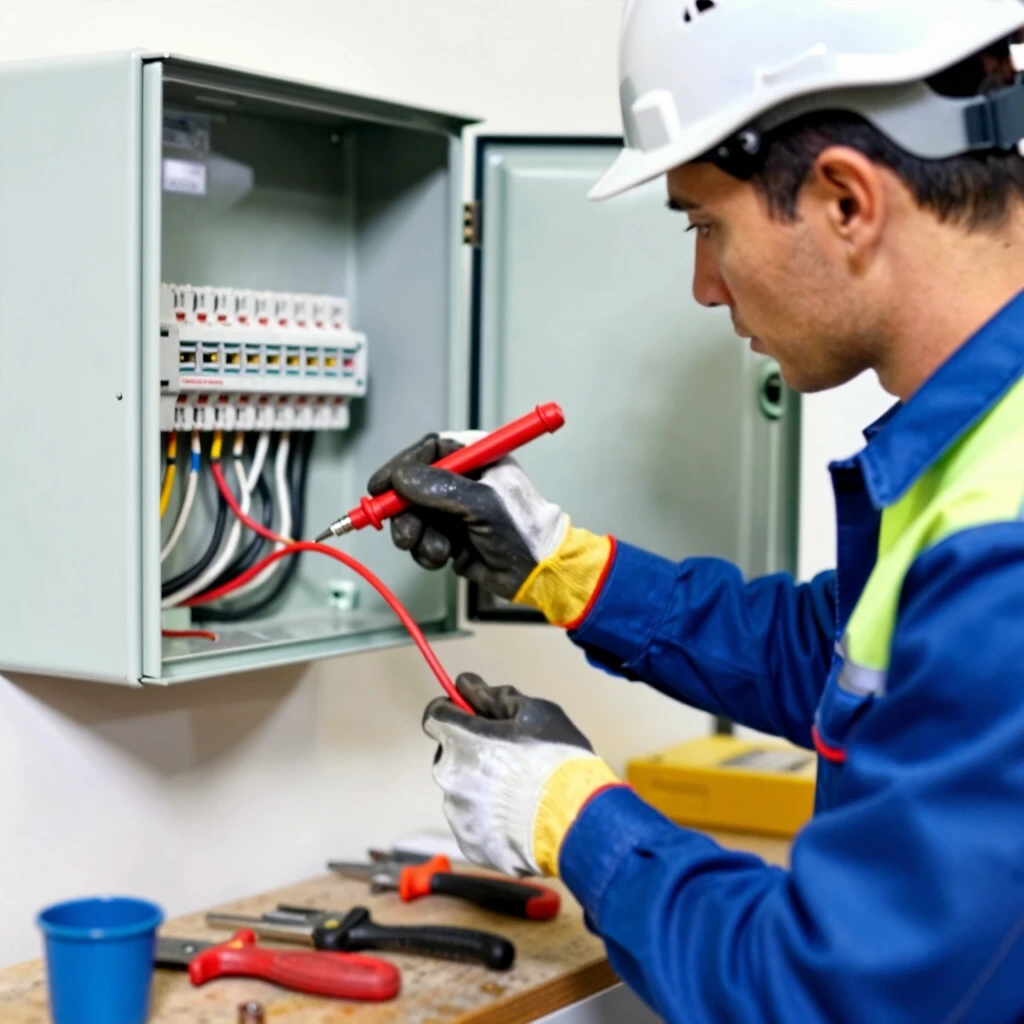
In the world of hands-on work, staying safe isn't just a rule—it's a daily necessity. This guide dives into practical workman safety tips to help you maintain comfort and health. From picking the right tools to building smart habits, you'll find actionable advice that makes a real difference. Let's keep you strong and steady on the job.
Why Workman Safety Matters More Than You Think
I've spent years on construction sites and in workshops, and one thing stands out: small choices add up. A comfortable worker stays focused and avoids injuries that sideline you for weeks. Think about it—back pain from poor posture or a shock from a faulty tool. These aren't rare stories; they happen every day.
According to the Occupational Safety and Health Administration (OSHA), over 2.8 million nonfatal workplace injuries occur annually in the U.S. alone. Many stem from preventable issues like improper tool use or ignoring ergonomics. But here's the good news: you can flip the script with simple steps.
Start by assessing your workspace. Do you bend over too much? Reach too far? These habits wear you down over time. I remember a buddy who ignored his setup for months. One day, a tweak in his neck turned into a month off work. Don't let that be you.
Prioritize safety to boost not just health but also your output. A safe environment means fewer distractions and more pride in your craft.

Ergonomic Workman Tools for Comfort: Your Best Allies
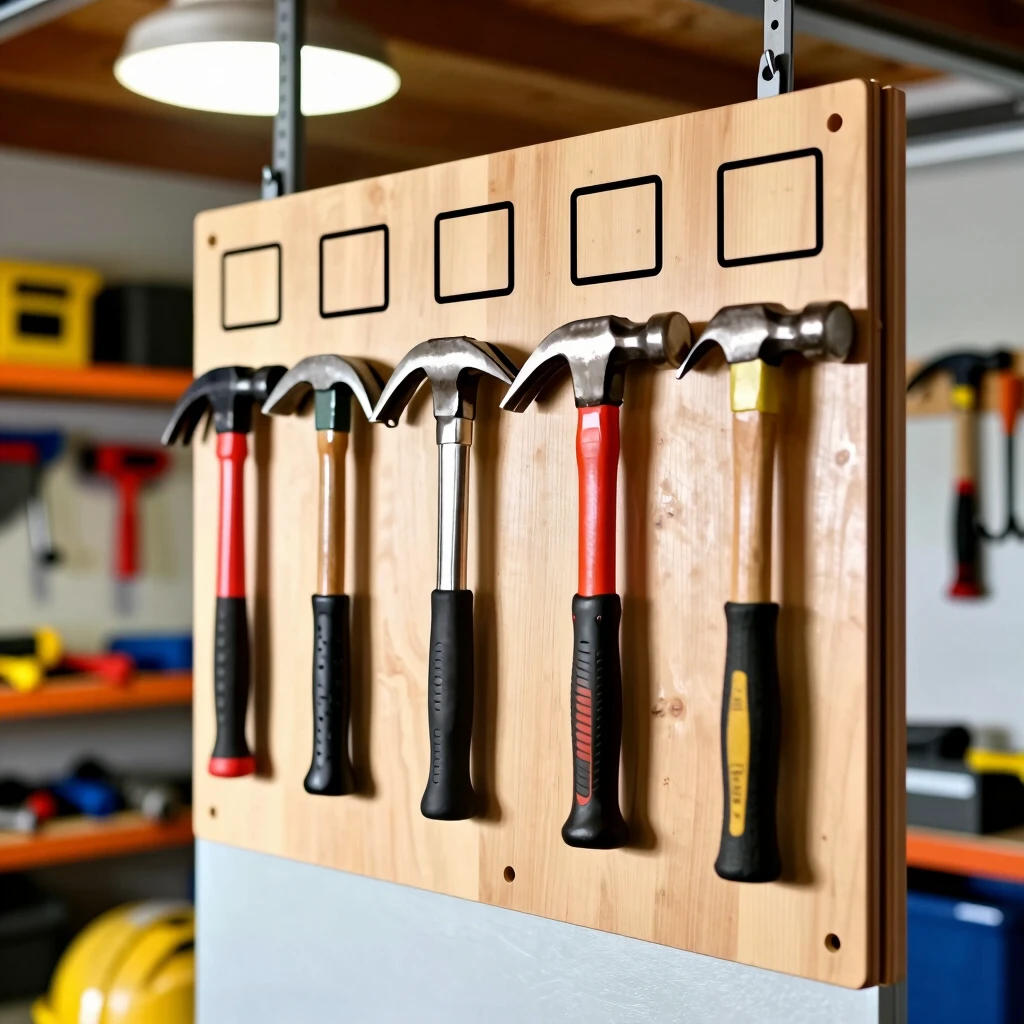
Ergonomic workman tools for comfort change everything. These aren't fancy gadgets—they're smart designs that fit your body. Take a hammer with a contoured grip. It reduces hand strain during long swings. Or insulated pliers that cushion your fingers.
Why go ergonomic? They cut down on repetitive stress injuries, which affect millions. The National Institute for Occupational Safety and Health (NIOSH) reports that proper tool design can lower musculoskeletal disorders by up to 50%.
Let's break it down:
| Tool Type | Benefit | Example |
|---|---|---|
| Hammers | Reduces vibration | Anti-vibe handle |
| Screwdrivers | Less wrist twist | Ratcheting mechanism |
| Wrenches | Better leverage | Adjustable with soft grip |
Pick tools that match your hand size. I always test them in the store—feel the weight, check the balance. It's worth the extra few bucks.
Incorporate these into your routine. Swap out old, worn tools for ergonomic ones gradually. Over time, you'll notice less fatigue at the end of the day. And remember, comfort leads to precision—fewer mistakes mean safer work.
Mastering Electrical Tools: Stay Safe and Steady
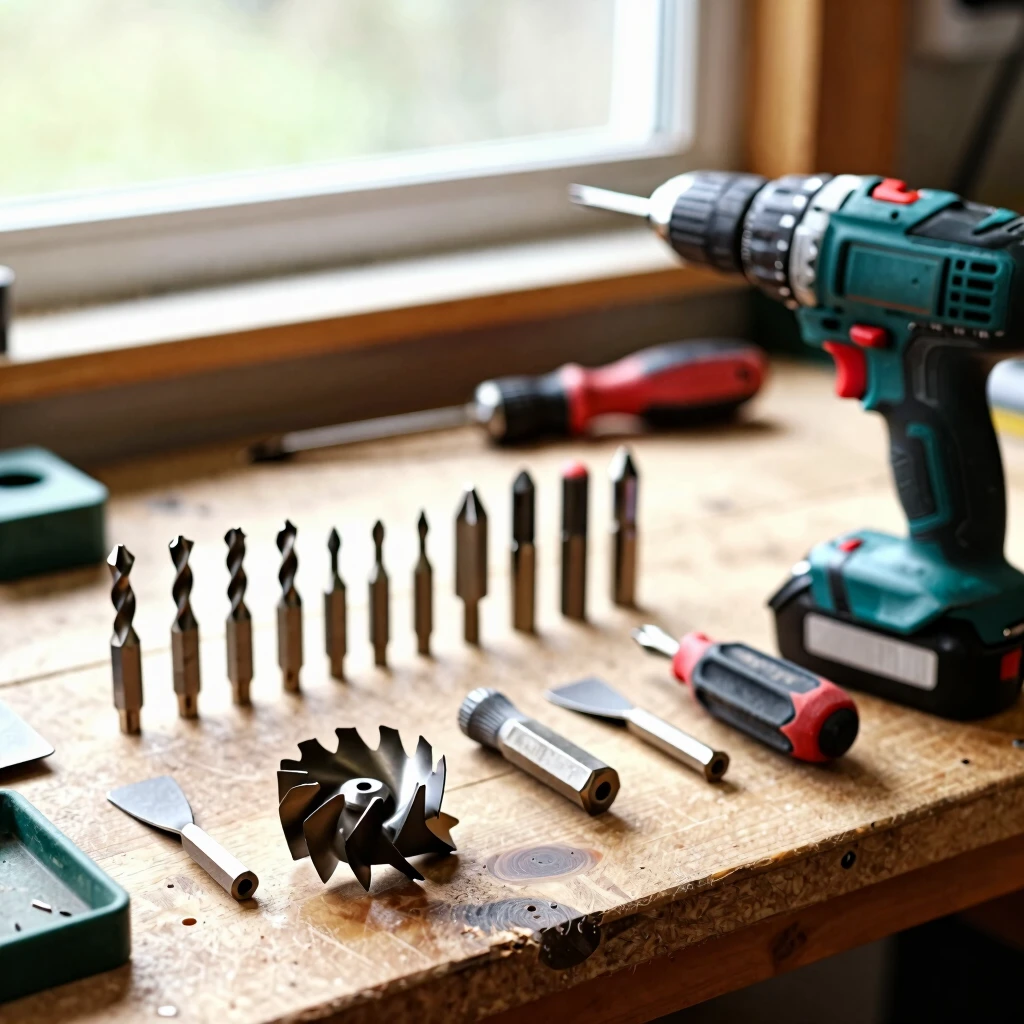
Electrical tools power so much of our work, but they demand respect. A loose wire or wet surface can turn a simple task deadly. Workman tools like drills and saws often run on electricity, so handle them with care.
First rule: inspect before use. Check cords for frays, plugs for damage. I once skipped this on a rainy day—nothing happened, but it was a close call. Now, it's my ritual.
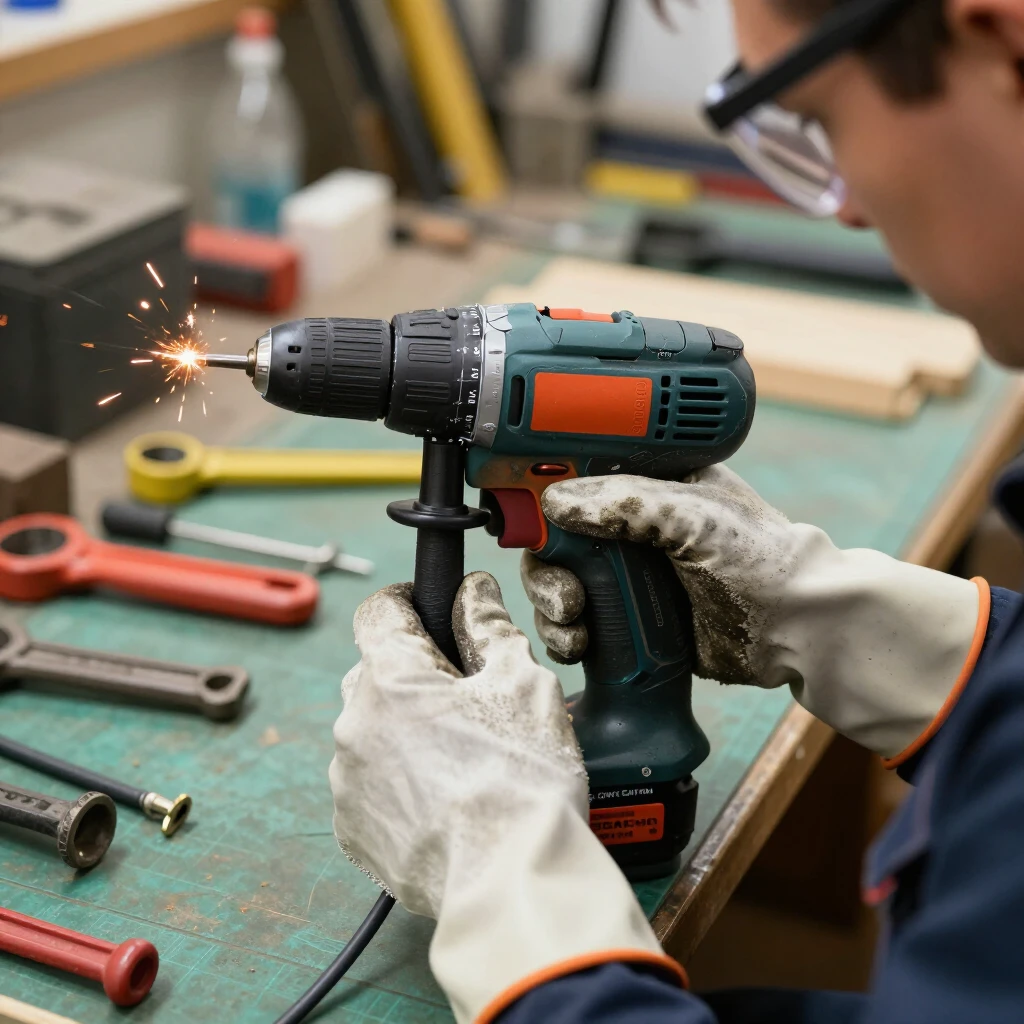
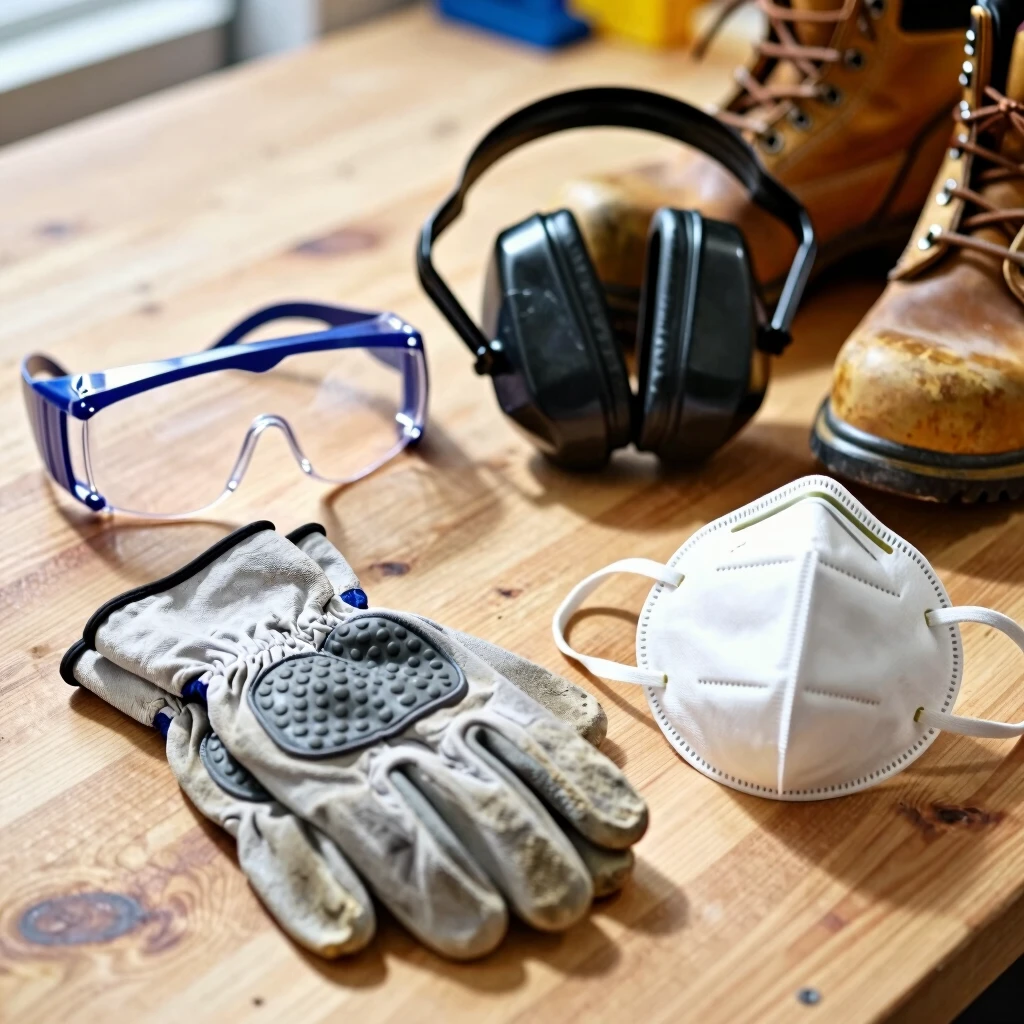
Key tips for electrical tools: - Ground everything: Use tools with three-prong plugs. - Keep dry: Never operate near water without GFCI protection. - Unplug when idle: Avoid accidental starts. - Wear PPE: Gloves and glasses shield you from shocks and debris.
The Electrical Safety Foundation International notes that following these basics prevents 90% of shocks. Build these habits, and you'll work with confidence.
Pair this with regular maintenance. Clean contacts, store in dry spots. Over years, I've seen tools last longer this way, saving money and hassle.
Daily Habits for Long-Term Health
Beyond tools, your body needs attention. Workman safety tips extend to breaks, stretches, and nutrition. Hydrate often—dehydration sneaks up and saps your strength.
Try this quick routine: 1. Every hour, stand and stretch your arms overhead. 2. Walk around for two minutes. 3. Focus on deep breaths to ease stress.
I do this on breaks, and it keeps my energy steady. Studies from the American Journal of Health Promotion show such micro-breaks boost productivity by 13%.
Fuel right too. Pack nuts, fruits, and lean proteins. Skip the heavy lunches that make you sluggish. And sleep—aim for seven hours. Tired eyes miss hazards.

Personal Stories: Lessons from the Field
Let me share a tale from my early days. I was framing a house, swinging a heavy mallet without padded grips. By lunch, my hands throbbed. A veteran crew lead handed me an ergonomic version. 'Feel the difference?' he said. It did—my swings got smoother, pain faded.
Another time, rushing with a live wire, I got a mild zap. It taught me: slow down for safety. These moments stick because they hurt, but they shape better practices.
You might face similar spots. Listen to your body. If something feels off, pause. Talk to coworkers—safety's a team effort. I've built lasting bonds over shared tips like these.
Drawing from experts, check out OSHA's free resources at osha.gov. They offer checklists tailored to trades.
Wrapping It Up: Your Path to Safer Days
Workman safety tips for maintaining comfort and health boil down to preparation and mindfulness. Choose ergonomic workman tools, respect electrical tools, and nurture daily habits. These steps protect you today and build resilience for tomorrow.
Implement one change this week—maybe inspect your kit or add a stretch. Small wins lead to big health gains. Stay safe out there; your future self will thank you.
Related Workman Safety Tips: Maintaining Comfort and Health:
- Woodworking for Dummies by Jeff Strong: Your Ultimate Beginner-to-Pro Guide
- Essential Safety Gear for Power Tools: Protect Yourself and Work Smarter
- Essential Chisels in a Woodworker's Toolkit: Your Guide to Precision and Craftsmanship
- Understanding Power Drill Attachments and Their Uses
- How to Organize Your Workshop Like a Pro
- Maintenance Tips for Workman Tools: Keep Your Gear Sharp and Safe
- Essential Electrical Tools for Troubleshooting and Repair: A Hands-On Guide
- Essential Safety Tips for Metalworking Beginners: Protect Yourself and Craft with Confidence
- Understanding Your Car’s Cooling System: Tips and Tricks
- How to Maintain Your Hammers for Longevity
- Essential Workman Tools for Electrical Work: A Hands-On Guide to Getting the Job Done Right
- Top Voltage Testers for Safe Electrical Work