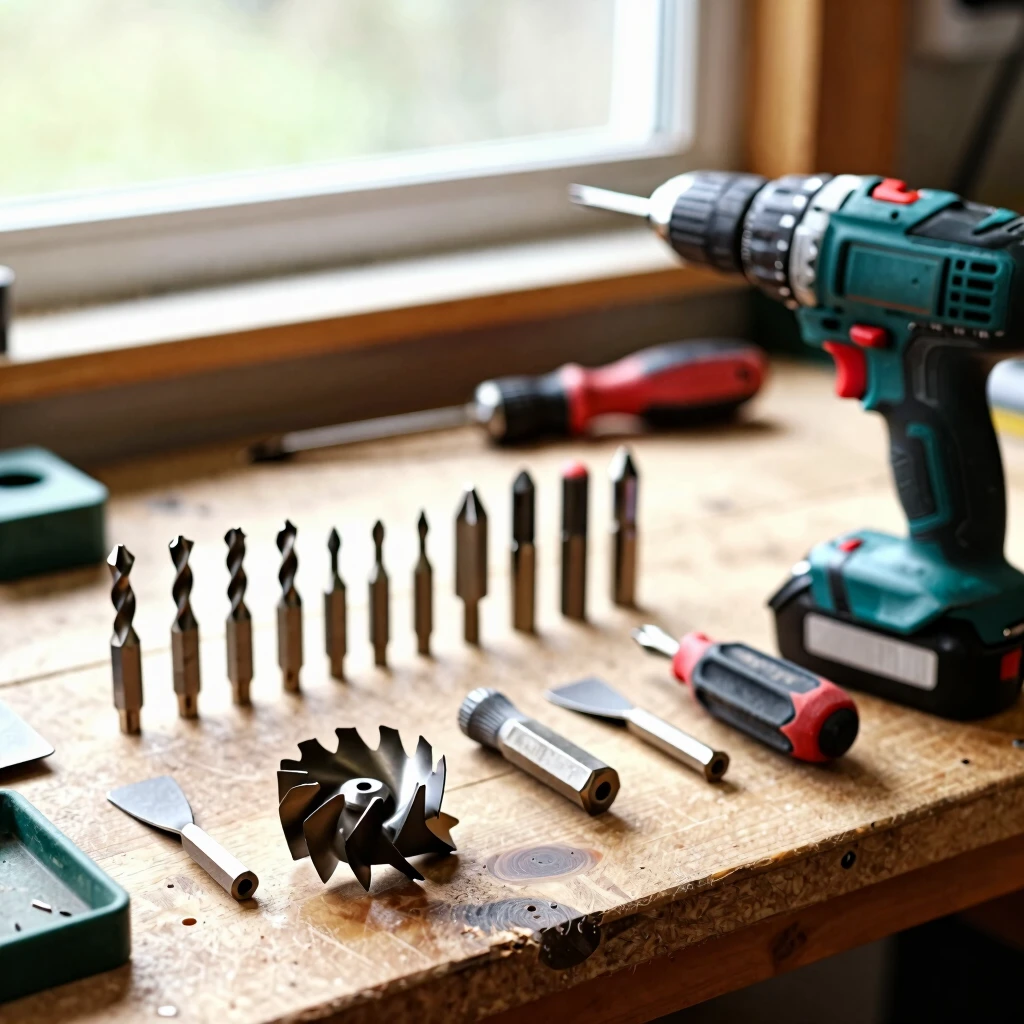
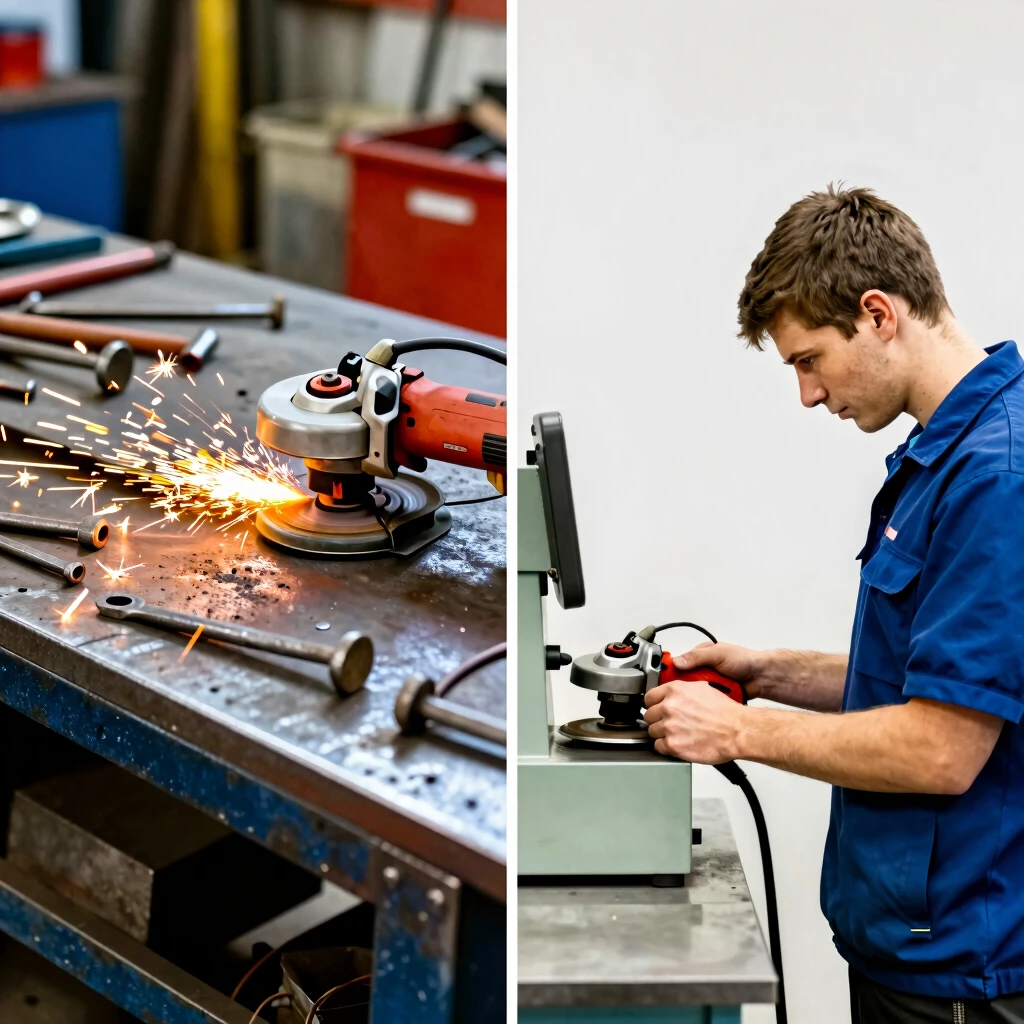
Starting woodworking can feel exciting yet overwhelming. You stand in your garage, dreaming of shelves or a simple bench, but the tool aisle at the store spins your head. Fear not—this guide cuts through the noise. We'll cover the essential power tools for beginner woodworkers, focusing on versatile picks that deliver results without breaking the bank or your spirit. Think drills for perfect holes, saws for clean cuts, and oscillating tools for those tricky spots no other tool reaches. By the end, you'll know exactly what to buy and how to use it safely. Let's build something great together.
Why Power Tools Matter for Newbies
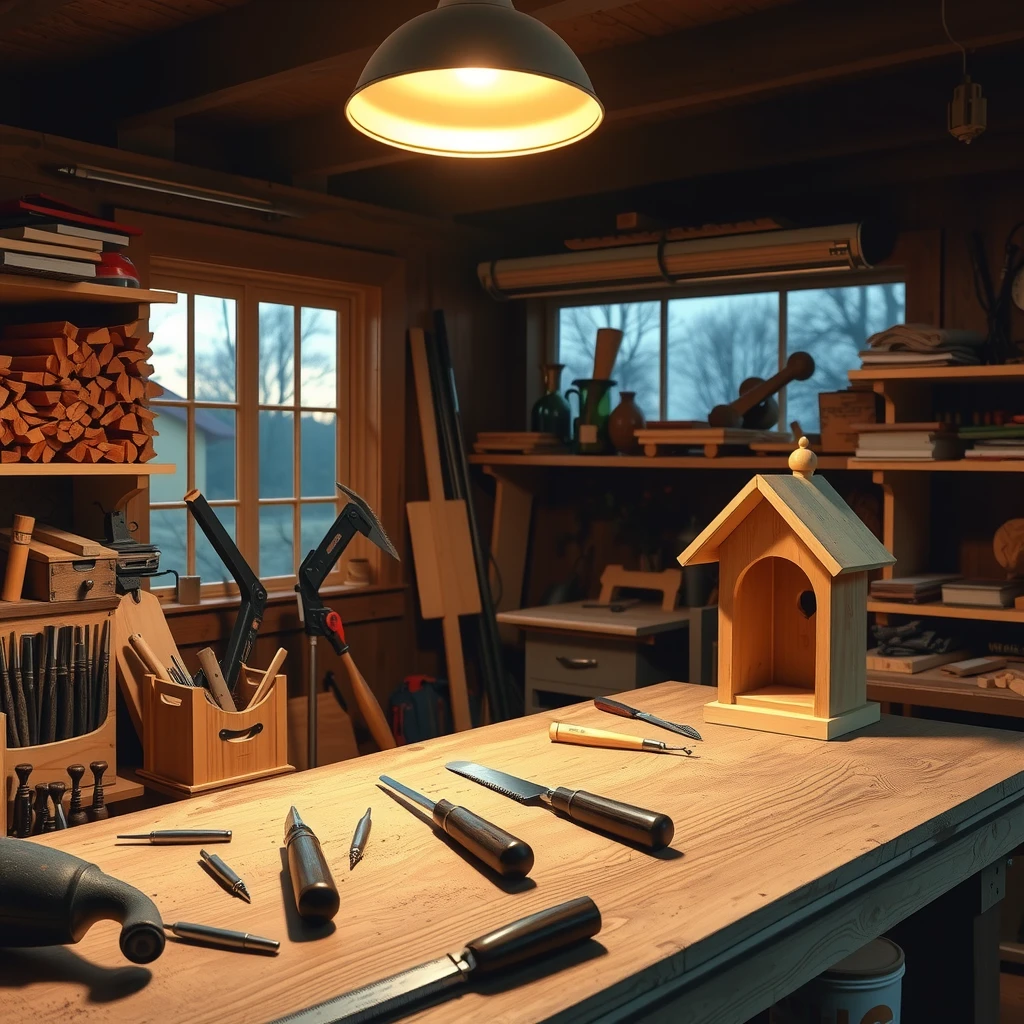
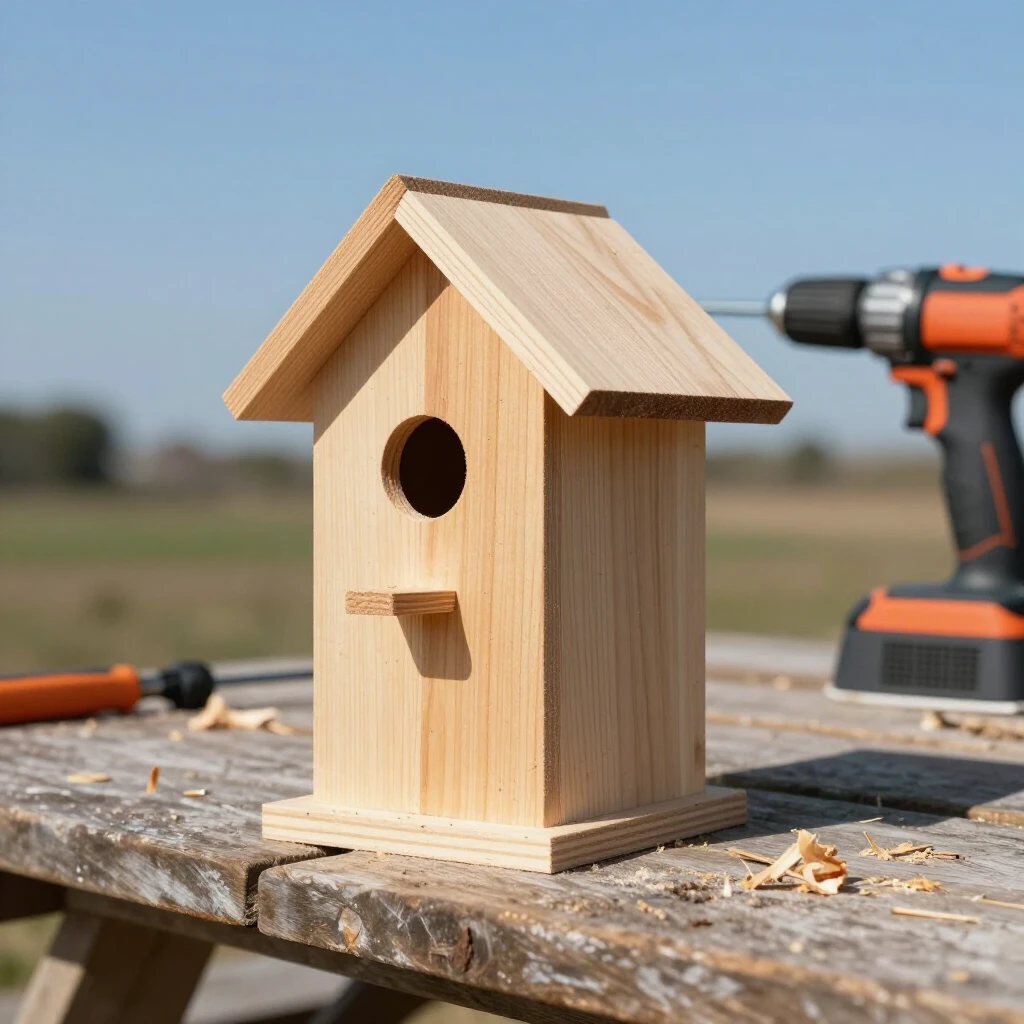
I still remember my first woodworking flop—a wobbly birdhouse that leaned like it had too much holiday cheer. Back then, I hacked away with a handsaw, blisters forming faster than progress. Switching to power tools changed everything. They save time, reduce frustration, and let you focus on design, not drudgery.
For beginners, power tools build skills quickly. You learn precision without years of practice. Plus, modern cordless models mean no more tripping over cords mid-cut. Start small: invest in quality over quantity. A few reliable power tools beat a garage full of dusty gadgets.
According to a beginner's tool guide from St. Edward's University, focusing on basics like saws and sanders sets a strong foundation A Beginner's Tool Guide. Trust me, your future self will thank you.
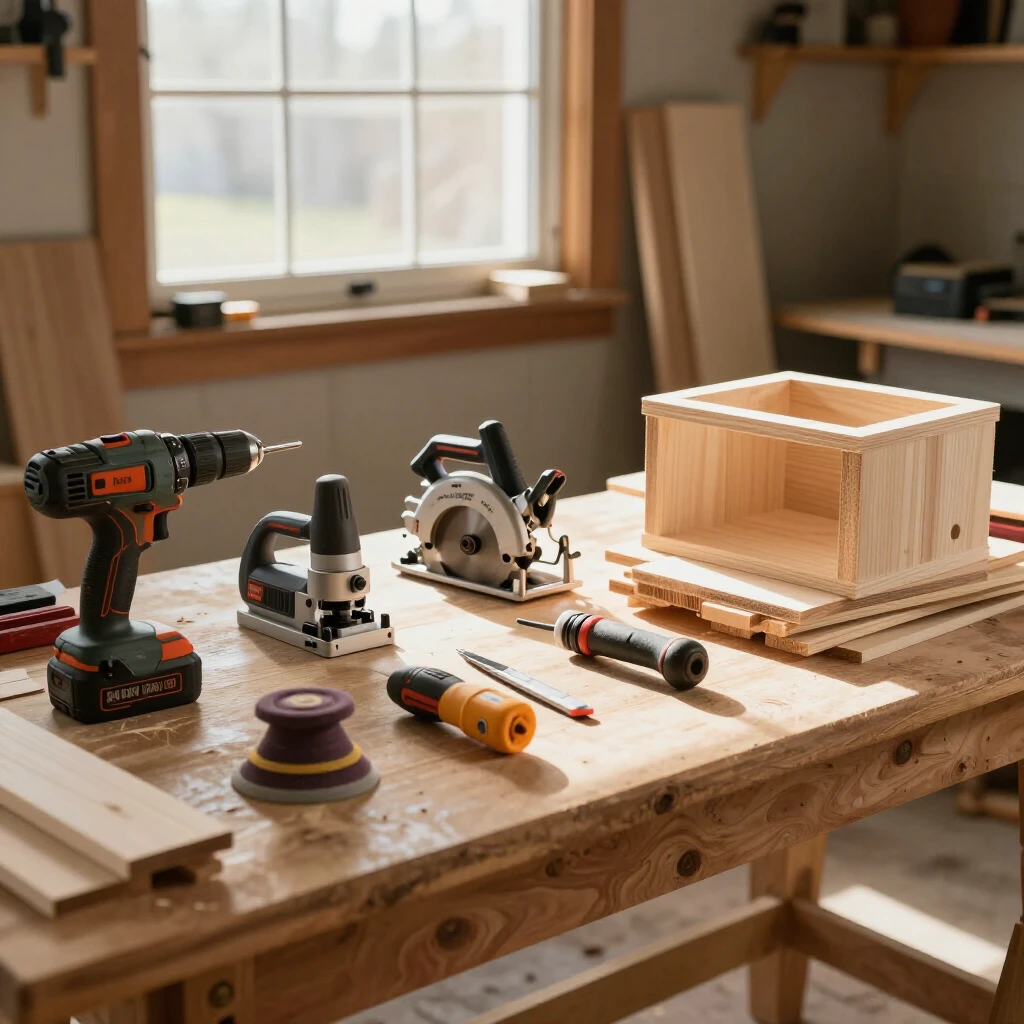
Your Starter Kit: The Top Six Power Tools
No need for a pro-level arsenal. These six power tools cover 90% of beginner projects, from cutting boards to assembling frames. I'll share what each does, why it earns a spot, and a personal tip from my trial-and-error days.
Here's a quick comparison table to scan:
| Tool | Main Use | Beginner Price Range | Pro Tip |
|---|---|---|---|
| Cordless Drill | Drilling holes, driving screws | $50–$100 | Get one with a clutch to avoid stripping screws. |
| Circular Saw | Straight cuts in lumber | $60–$120 | Clamp your wood—freehand cuts lead to wonky lines. |
| Jigsaw | Curved and intricate cuts | $40–$80 | Use sharp blades; dull ones vibrate like crazy. |
| Random Orbital Sander | Smoothing surfaces | $30–$60 | Start with 80-grit paper—too fine, and you'll sand forever. |
| Router | Edging and joinery | $70–$150 | Practice on scrap; it bites if you're not steady. |
| Oscillating Multi-Tool | Detail work in tight spots | $50–$100 | Swap accessories often for versatility. |
This lineup keeps things simple. Now, let's dive deeper.
1. The Cordless Drill: Your Workhorse
Every project starts with a solid hole or screw. A cordless drill handles both like a champ. I once built a wall shelf using only this and some wood—zero fuss.
Look for a 12-volt model with a 20-piece bit set. It drives 3-inch screws into pine without bogging down. Actionable tip: Always pilot-hole softwoods to prevent splitting. Drill at low speed for control.
The University of Kentucky Extension highlights the electric hand drill as a core tool for holding and fastening Woodworking Tools Overview. It's the one tool you'll reach for daily.
2. Circular Saw: Master Straight Lines
Need to rip a 2x4 in half? The circular saw delivers laser-straight cuts. Beginners love its power—7-1/4-inch blade tackles most lumber.
My advice: Buy a model with a laser guide. It saved my first plywood sheet from disaster. Set the depth to blade height plus 1/4 inch for safety. Pair it with a straightedge for flawless rips.
Remember, measure twice, cut once—power tools forgive mistakes less than hand tools do.
3. Jigsaw: Curves Made Easy
Straight lines bore you? The jigsaw carves scrolls and circles with ease. Its thin blade orbits for smooth paths.
I used mine to craft puzzle-piece joints on a toy chest. Start slow: Let the tool do the work, or you'll wander off-line. Clean the base plate often—sawdust gums it up.
For intricate designs, orbital action helps, but practice on cheap pine first.
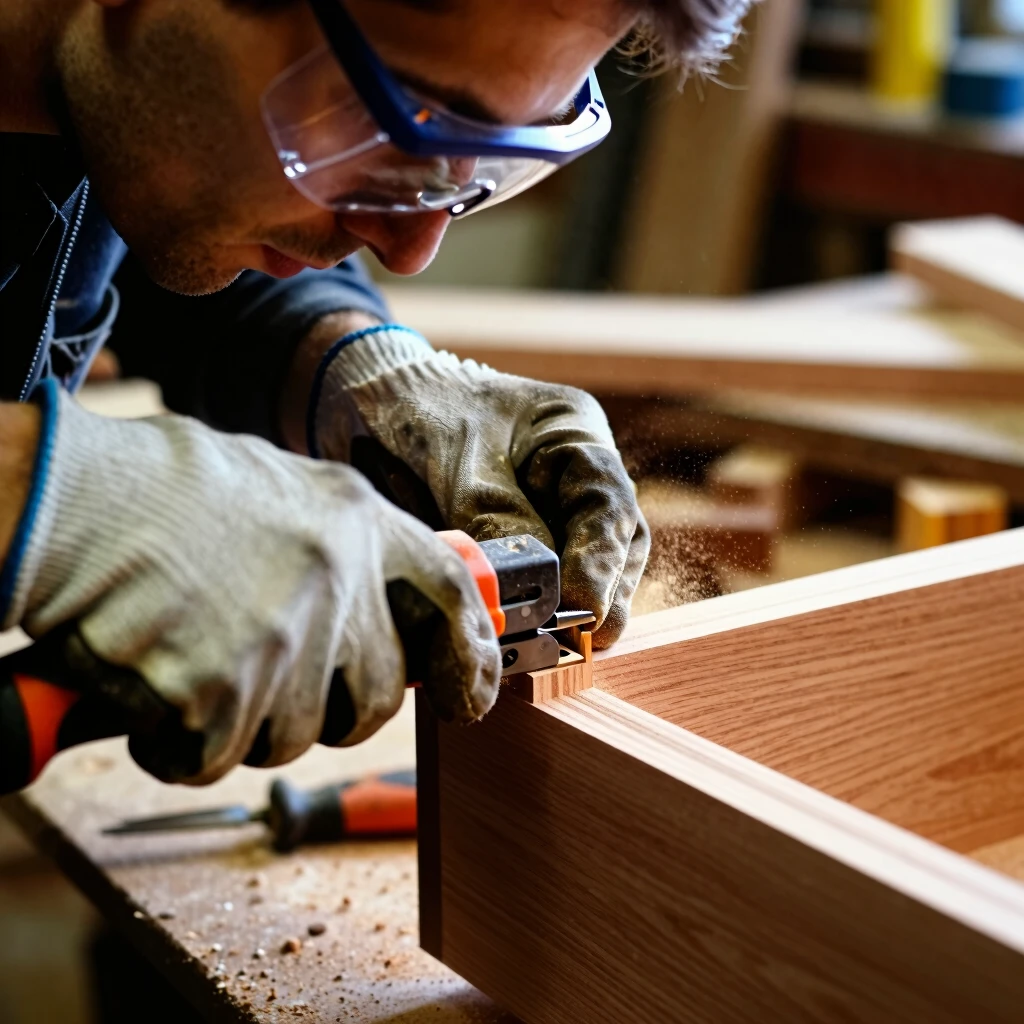
4. Random Orbital Sander: Smooth Operator
Rough edges ruin a finish. This sander spins and orbits to erase scratches without swirl marks.
Dust collection is key—hook it to a shop vac. I skipped that once and spent hours cleaning my lungs (metaphorically). Begin with coarse grit, finish fine. It transforms jagged cuts into baby-bottom soft wood.
The Oregon State University Extension notes sanders flatten surfaces efficiently Woodworking Tools and Machinery. Your projects will look pro-grade fast.
5. Router: Add Flair to Edges
Want rounded corners or dadoes? The router shapes like magic. Plunge models let you start mid-board.
My early routing attempts scarred the bench more than the wood—lesson learned: Secure bits tightly. Use a table for safety. It's addictive once mastered; I routed a table edge that wowed guests.
Start with straight and round-over bits. Guides keep lines true.
6. Oscillating Tools: Heroes in Tight Spaces
Enter the unsung star: oscillating tools. These power tools vibrate at high speed, swapping blades for sanding, cutting, or scraping. Perfect for oscillating tools for tight spaces where bulky saws fail.
I once renovated an old chair—oscillating tools scraped glue from joints without nicking surrounds. They're compact, quiet, and precise. WOOD Magazine praises their clean cuts and control in reviews Oscillating Multi-Tools Review.
Actionable insight: Invest in a kit with flush-cut and detail-sand blades. For beginners, they turn 'impossible' fixes into wins. Oscillating tools shine in demolition too—remove nails flush before refinishing.
Safety First: Don't Skip the Basics
Power tools thrill, but respect them. I learned the hard way: A loose sleeve caught in a saw blade. Ouch.
Wear goggles, gloves, and ear protection always. Secure workpieces with clamps—no hands near blades. The Occupational Safety and Health Administration stresses safeguards against hazards like dust and kickback Woodworking Hazards and Solutions.
Keep a first-aid kit handy. Work in lit spaces. And unplug tools when changing bits—simple habits save fingers.
Maintenance: Keep 'Em Running Smooth
Tools last longer with care. Clean blades after use; dull ones strain motors. Store in dry spots—rust kills drills.
Sharpen bits monthly. Oil moving parts per manual. My circular saw hummed for years thanks to this routine.
Pro tip: Label tools with purchase dates. Replace worn parts early.
Wrapping Up: Build Your Way
There you have it—the essential power tools for beginner woodworkers that sparked my passion. From the versatile drill to game-changing oscillating tools, these picks empower safe, satisfying projects. Start with one or two, practice on scraps, and watch your skills grow. Woodworking isn't about perfection; it's about the joy of creation. Grab your tools and make sawdust fly—what's your first build?
Related Essential Power Tools for Beginner Woodworkers:
- Mastering Complex Projects: Essential Advanced Workman Tools for Every Builder
- Mastering Metalwork: The Ultimate Guide to Specialized Workman Tools
- Workman Safety Tips: Maintaining Comfort and Health
- Woodworking for Dummies by Jeff Strong: Your Ultimate Beginner-to-Pro Guide
- Essential Safety Gear for Power Tools: Protect Yourself and Work Smarter
- Essential Chisels in a Woodworker's Toolkit: Your Guide to Precision and Craftsmanship
- Understanding Power Drill Attachments and Their Uses
- How to Organize Your Workshop Like a Pro
- Maintenance Tips for Workman Tools: Keep Your Gear Sharp and Safe
- Essential Electrical Tools for Troubleshooting and Repair: A Hands-On Guide
- Essential Safety Tips for Metalworking Beginners: Protect Yourself and Craft with Confidence
- Understanding Your Car’s Cooling System: Tips and Tricks