Overview
Choosing the right construction hammer can make your work easier, faster, and safer. With so many options available, picking the best one depends on the job, your comfort, and long-term health. This guide breaks it down step by step.
I've spent years on construction sites, swinging hammers from dawn to dusk. One thing I've learned the hard way: the wrong hammer leads to sore hands, missed nails, and unnecessary fatigue. The right one feels like an extension of your arm.
Common Types of Hammers in Construction
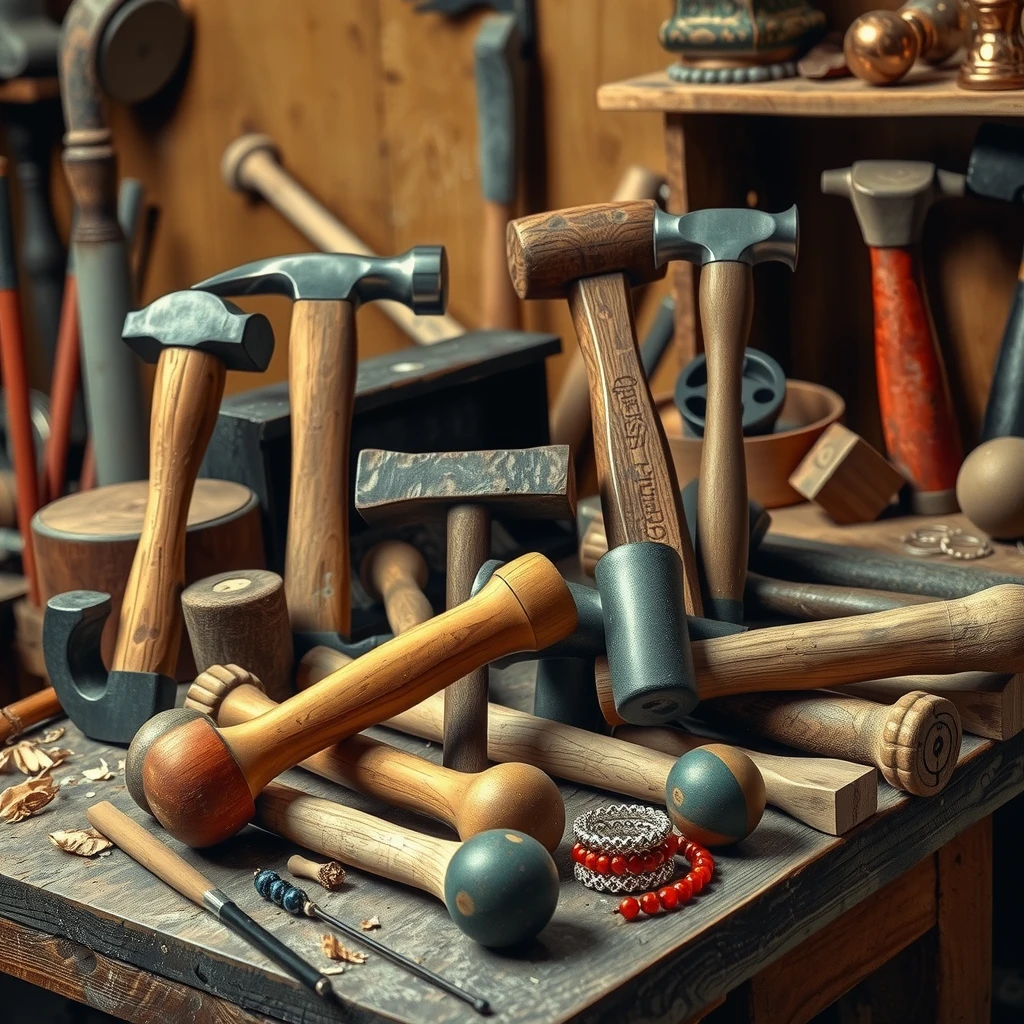
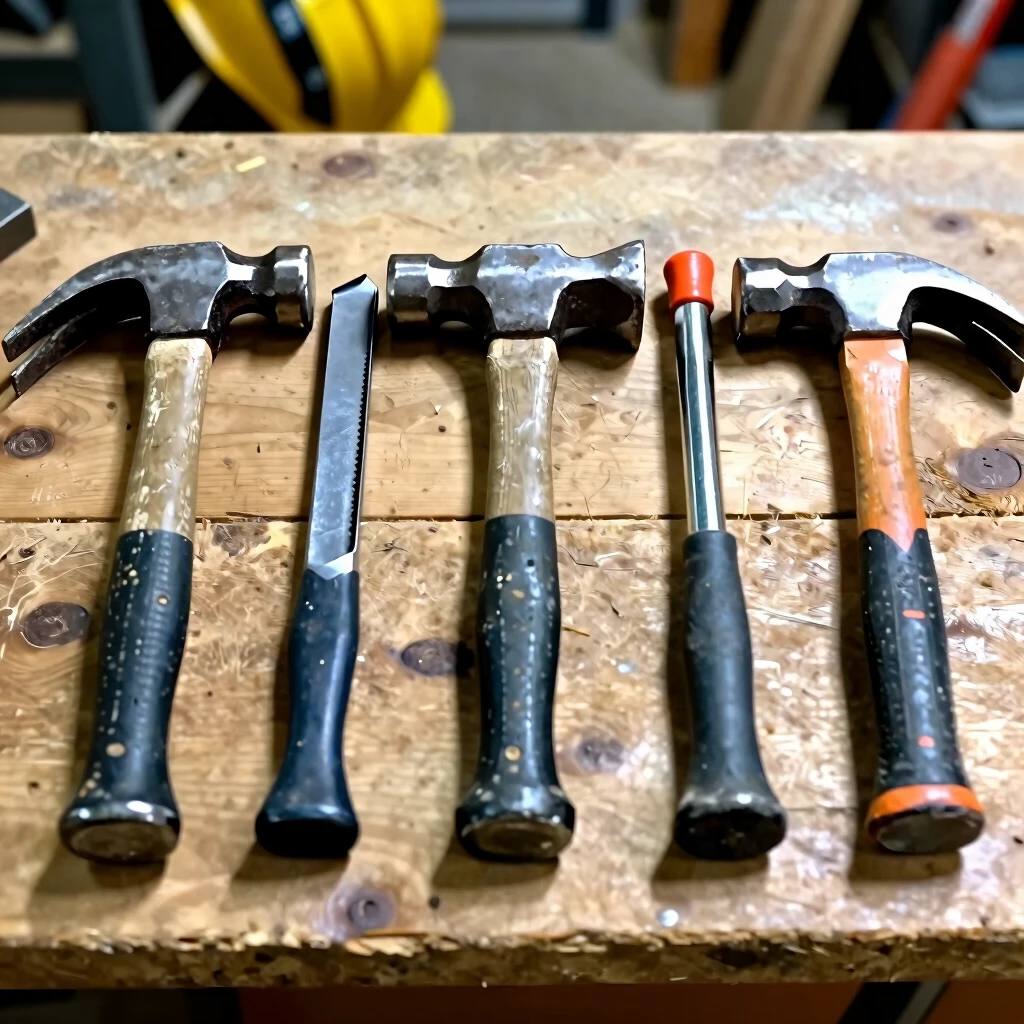
Hammers come in different shapes and sizes for specific tasks. Here's a quick rundown of the most popular ones you'll find on job sites:
- Claw Hammer: The go-to for general work. The curved claw pulls nails easily. Weights range from 16 to 20 ounces. Great for finishing and light framing.
- Framing Hammer: Heavier (20-28 ounces) with a longer handle for more power. Often has a milled (waffle) face to grip nails better and reduce slips.
- Ripping Hammer: Straight claw for prying apart boards.
- Sledgehammer: For heavy demolition or driving stakes. Weights start at 8 pounds and go up.
- Ball Peen Hammer: One flat face, one rounded. Useful for metalwork or shaping.
Pick based on your main tasks. I started with a basic claw hammer, but switched to a framing hammer when doing roof work—it drives big nails in one or two swings.
Head Weight and Balance Matter
Heavier heads give more force but tire you out faster. Lighter ones offer control for precise work.
A well-balanced hammer swings smoothly without straining your wrist. Always test swing a few in the store.
Handle Materials: Wood, Fiberglass, or Steel?
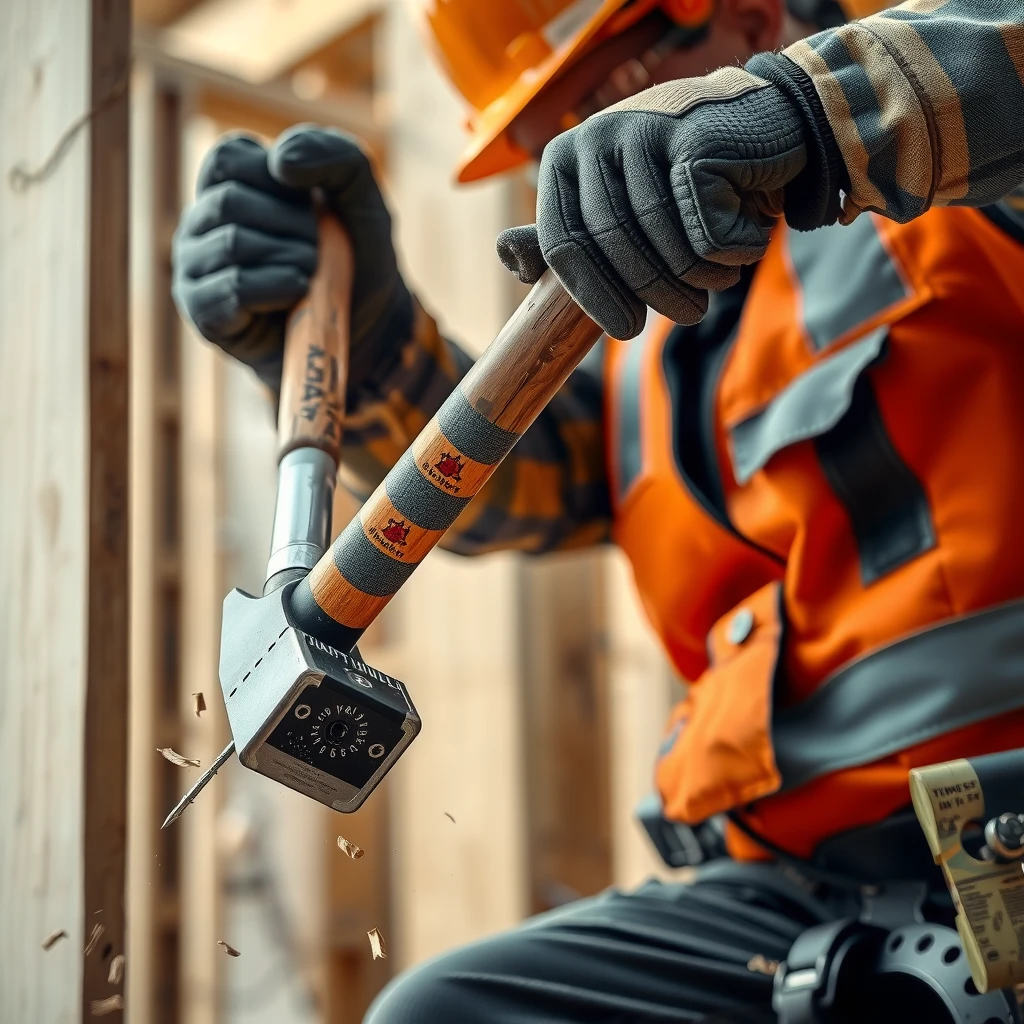
Handles affect shock absorption, durability, and weight.
| Material | Pros | Cons |
|---|---|---|
| Wood (Hickory) | Excellent shock absorption, comfortable grip, replaceable | Can break, absorbs moisture, heavier |
| Fiberglass | Lightweight, durable, good vibration dampening | Less traditional feel |
| Steel (often with rubber grip) | Indestructible, one-piece design | Transfers more shock to your hand |
| Titanium | Very light for its power, reduces fatigue | Expensive |
From experience, fiberglass handles saved my elbows on long days. For ergonomics, look for grips that fit your hand without sharp edges.
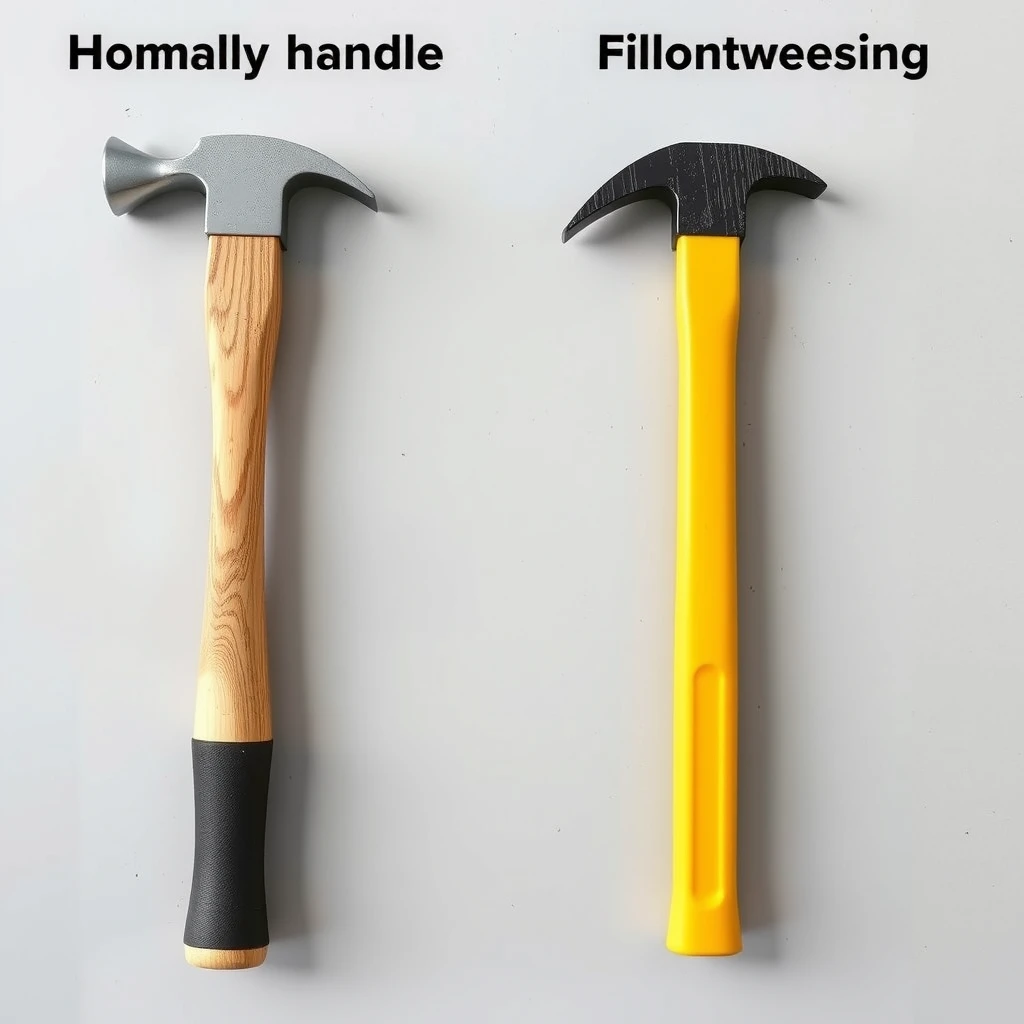
According to the Easy Ergonomics: A Guide to Selecting Non-Powered Hand Tools published by NIOSH and Cal/OSHA, choose handles with textured grips and avoid excessive vibration to prevent hand injuries.
Face Types: Smooth or Milled?
Smooth faces leave cleaner marks on wood. Milled faces grip nails better, reducing glances that can cause injury.
Many pros prefer milled for framing to avoid flying nails.
Safety First on the Job Site
Always inspect your hammer before use. Check for loose heads, cracks, or mushroomed faces.
OSHA's Hand Tools Standard (1926.301) requires employers to ensure only safe tools are used—no damaged ones allowed.
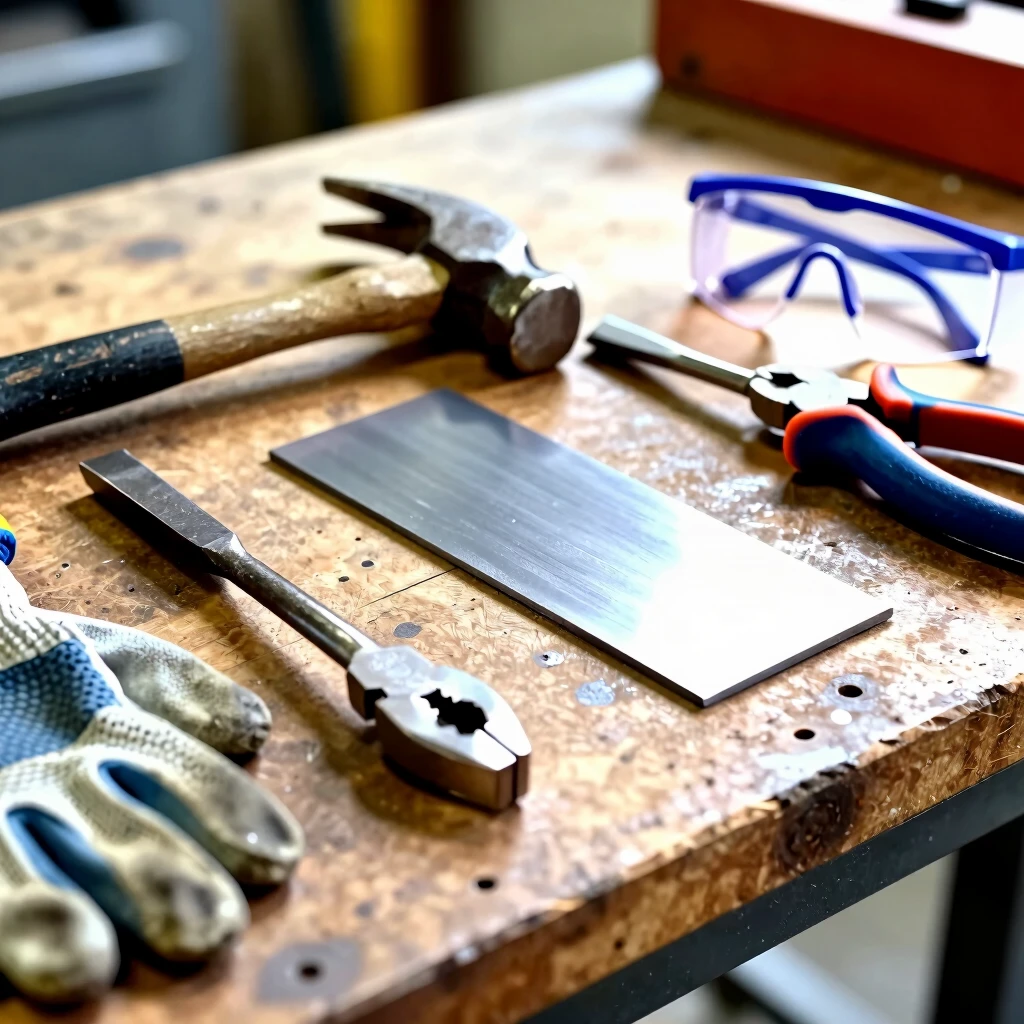
Wear safety glasses. Flying nails or chips are common. Grip near the end for power, but keep control.
The CPWR Hammer Safety Tipsheet, supported by NIOSH, recommends using the right hammer for the task and checking it daily.
Pairing Hammers with Other Workman Tools
A good hammer works best alongside quality wrenches and other hand tools. For example, construction workers often need the best wrench sets for construction workers to tighten bolts after framing.
Solid wrenches prevent slips, just like the right hammer prevents mishits. Invest in reliable workman tools overall—they last longer and keep you safe.
My Top Recommendations
- For general use: 20-oz fiberglass claw hammer.
- For heavy framing: 22-oz titanium or milled-face framing hammer.
- Budget pick: Quality hickory handle claw hammer.
Test them yourself. Comfort beats brand names every time.
Final Thoughts
Choosing the right construction hammer boils down to matching the tool to your tasks, body, and budget. Prioritize ergonomics and safety to build longer without pain. The perfect hammer makes tough jobs feel manageable.
Related Choosing the Right Construction Hammer:
- Power Washer Accessories for Better Cleaning: Essential Upgrades to Transform Your Results
- DIY Workshop Projects: Build Your Own Workbench
- Pliers 101: A Beginner’s Guide to This Versatile Tool
- Beginner's Guide to Measuring Tools
- The Ultimate Guide to Power Drills with Multiple Attachments
- Top 10 Smart Multimeters for Electricians in 2025
- Advanced Techniques: From Beginner to Pro in Metal Shaping
- How to Analyze Complex Topics
- Ultimate Guide to Power Washer Troubleshooting and Repair
- Easy DIY Projects to Try with Your Power Tools
- The Best Attachments to Upgrade Your Power Drill
- How IoT is Revolutionizing Construction Sites