Overview
Working on home electrical repairs can save money, but safety always comes first. This comprehensive guide to safety practices in home electrical repairs helps you avoid common risks like shocks and fires. Follow these tips to stay safe while fixing outlets, switches, or lights.
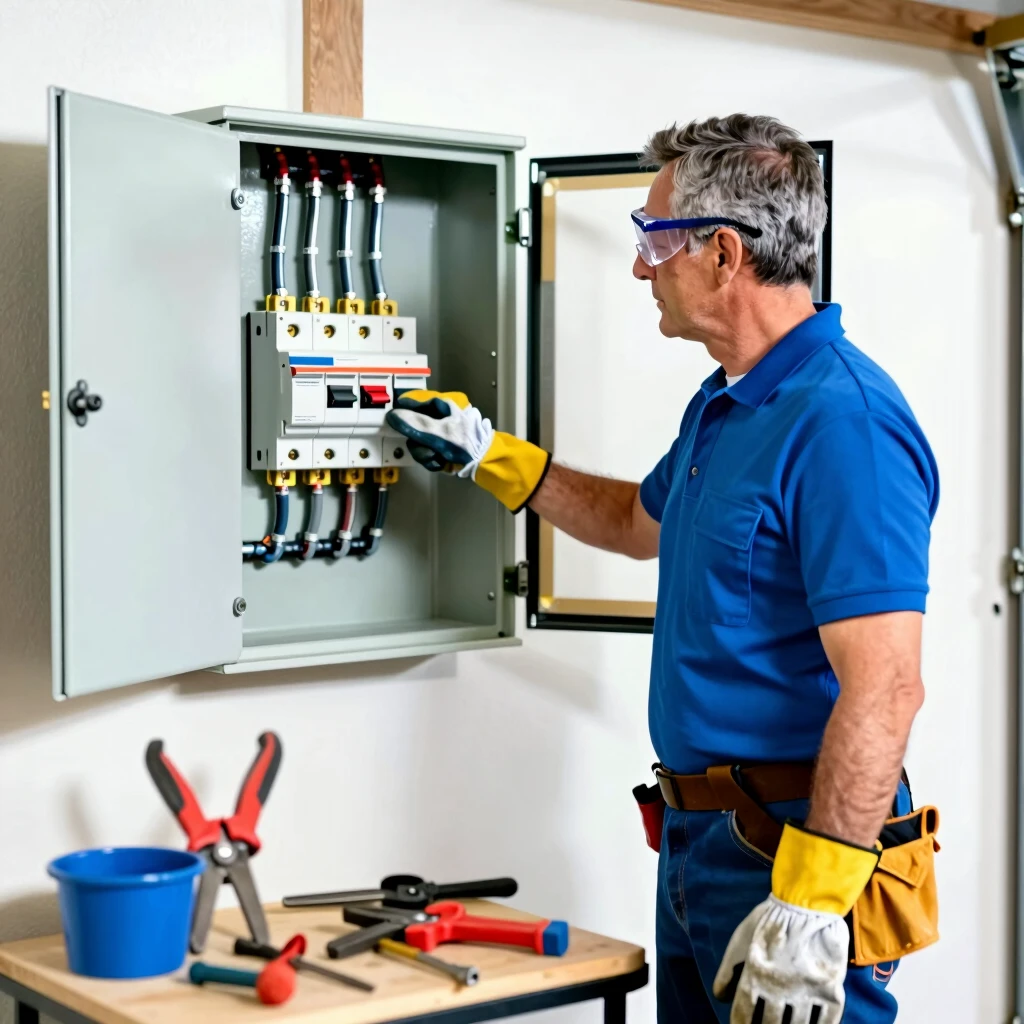
Electricity powers our homes, but it demands respect. Every year, electrical issues cause thousands of fires and injuries. I remember my first DIY repair—I skipped checking if the power was off and got a scary jolt. That lesson stuck with me: always prioritize safety practices in home electrical repairs.
Why Safety Matters
According to the National Fire Protection Association (NFPA), electrical failures spark many home fires. Simple mistakes, like working on live wires, lead to shocks or worse. Safe habits protect you, your family, and your property.
You don't need to be a pro to handle basic repairs, but you must follow rules. Turn off power, use the right electrical tools, and know your limits. If a job feels too complex, call an electrician.
Key Safety Rule: Always Turn Off the Power
Start every job at the breaker box. Find the circuit for the area you're working on and switch it off. Label breakers clearly for easy identification later.
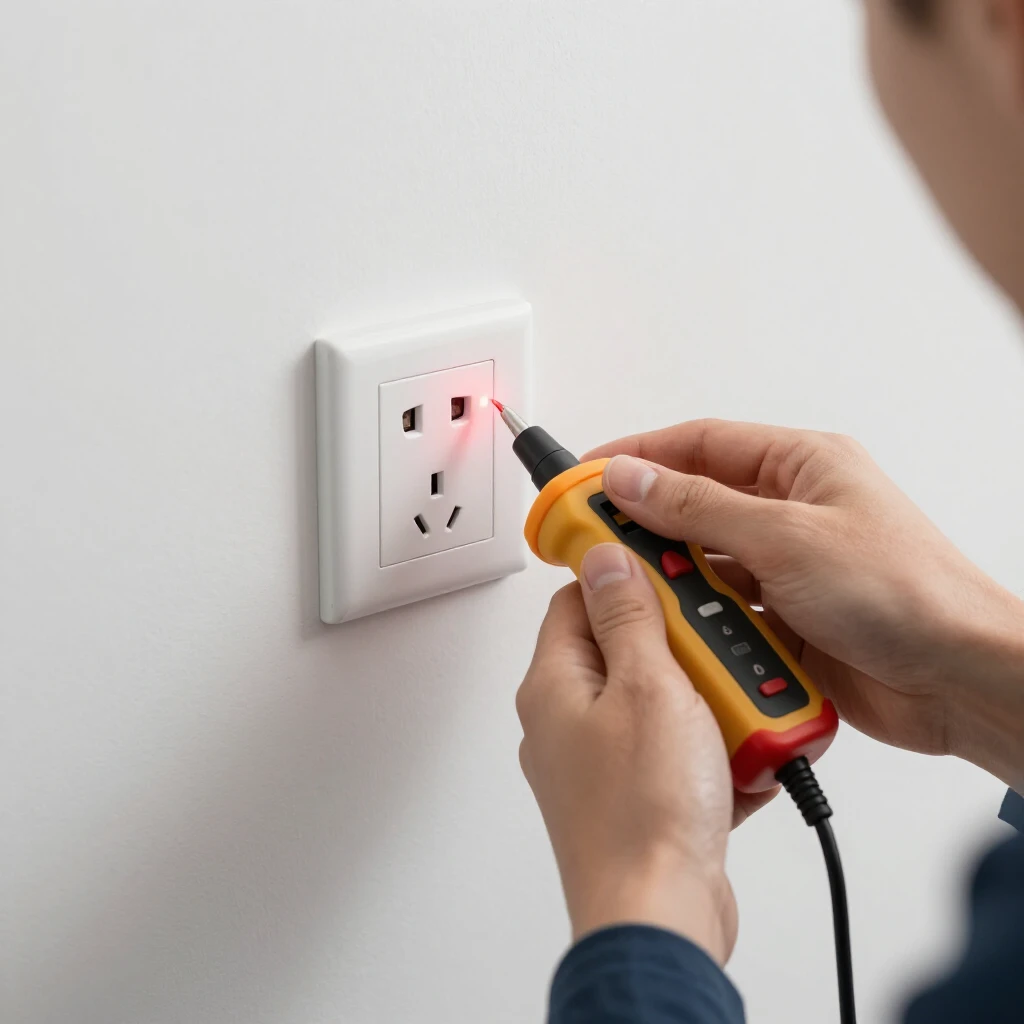
Then, test to confirm no power flows. Use a voltage tester on outlets or wires. Even after flipping the breaker, double-check—this step saves lives.
A Comprehensive Guide to Electrical Tools
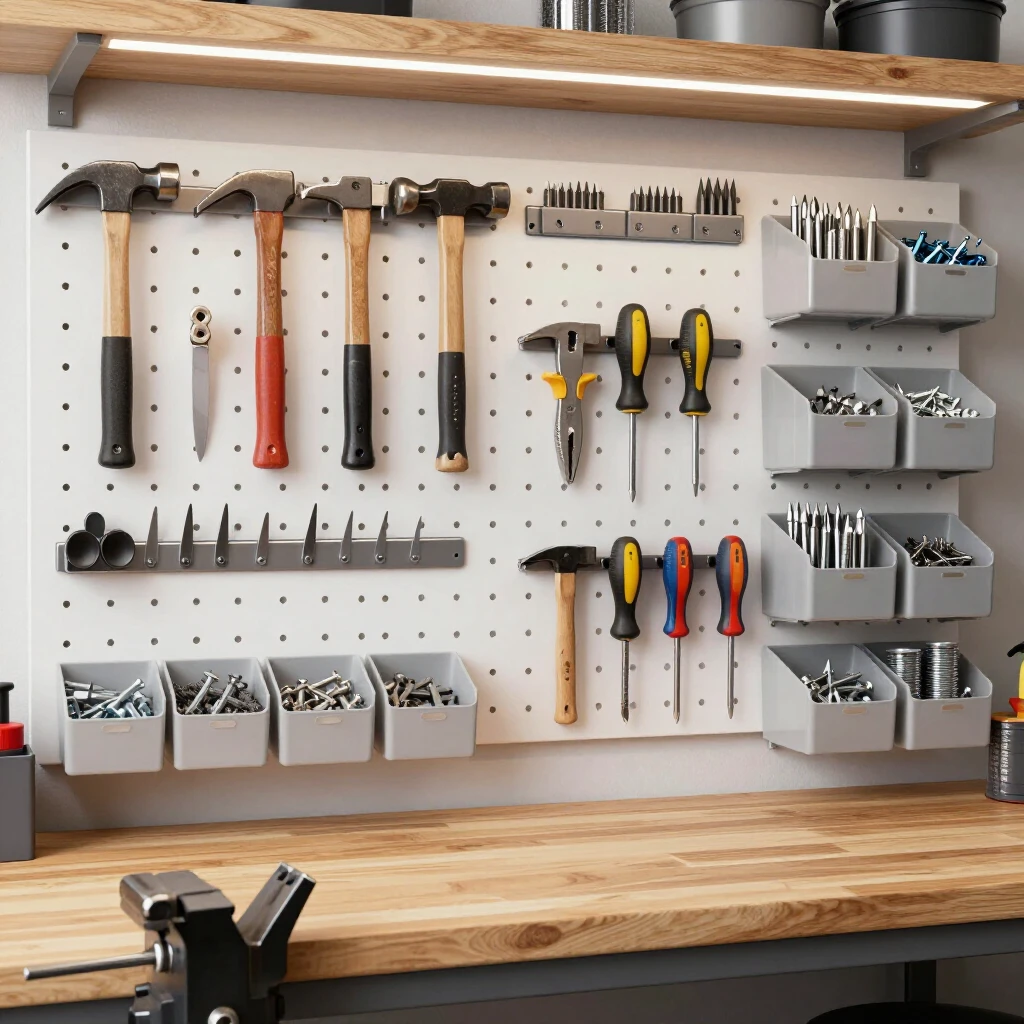
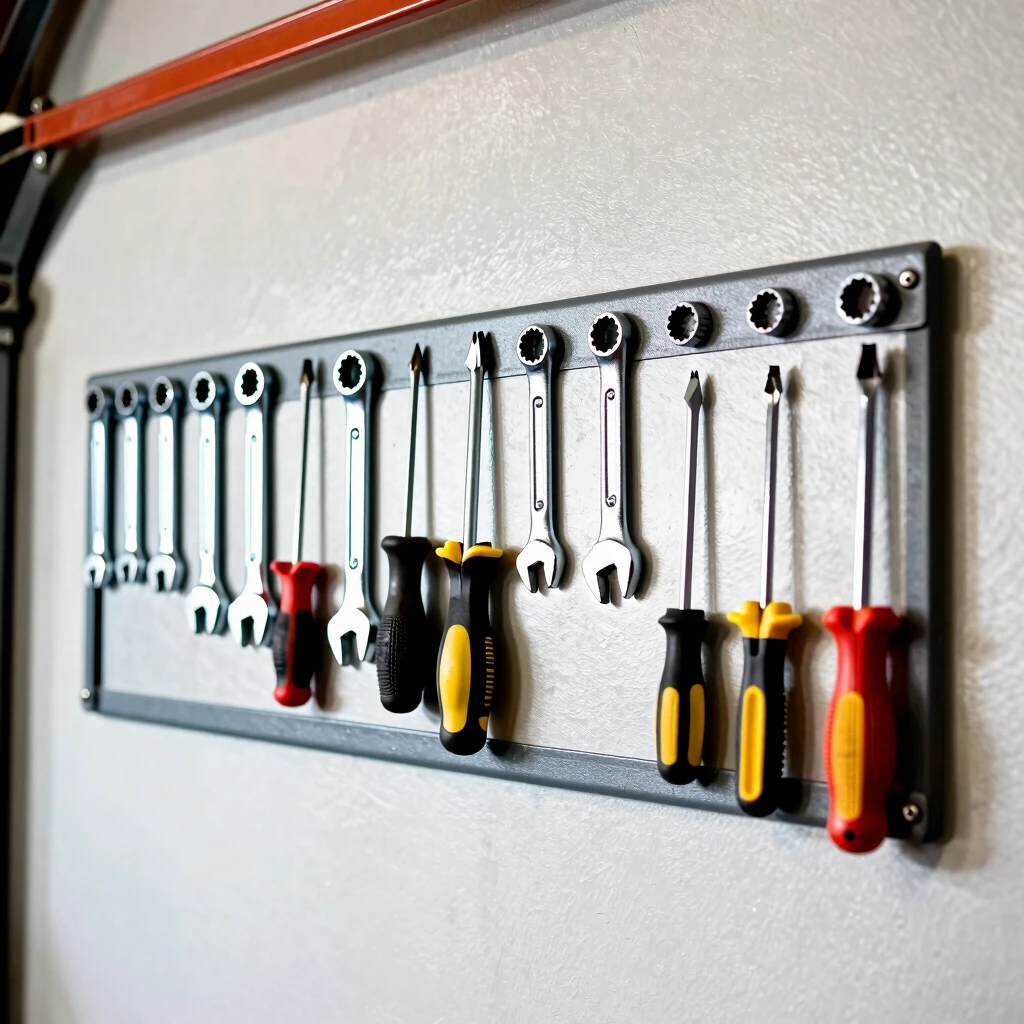
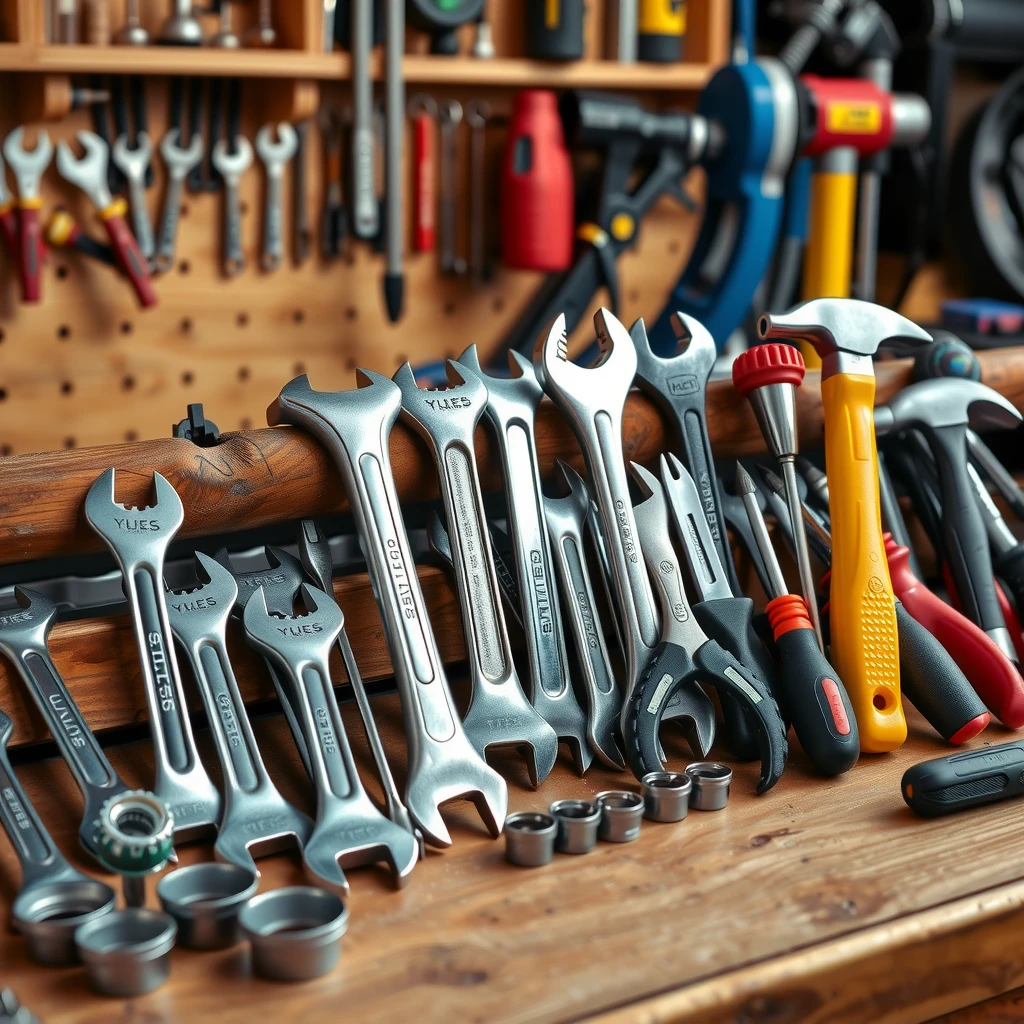
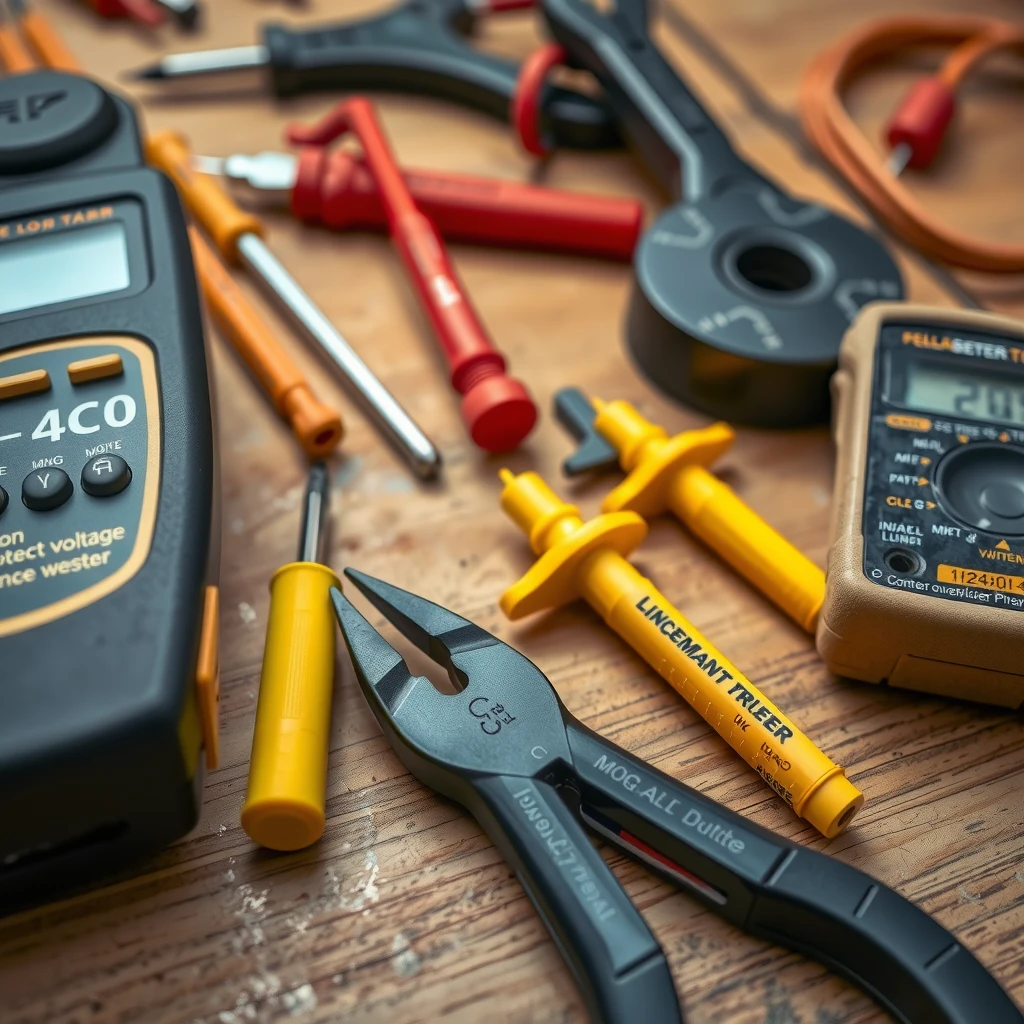
Good work starts with the right electrical tools. Invest in quality workman tools that last and keep you safe.
Here’s a list of must-haves:
- Non-contact voltage tester: Detects power without touching wires. It's your first line of defense.
- Insulated screwdrivers: Protect against shocks with rubber handles.
- Wire strippers: Remove insulation cleanly without nicking wires.
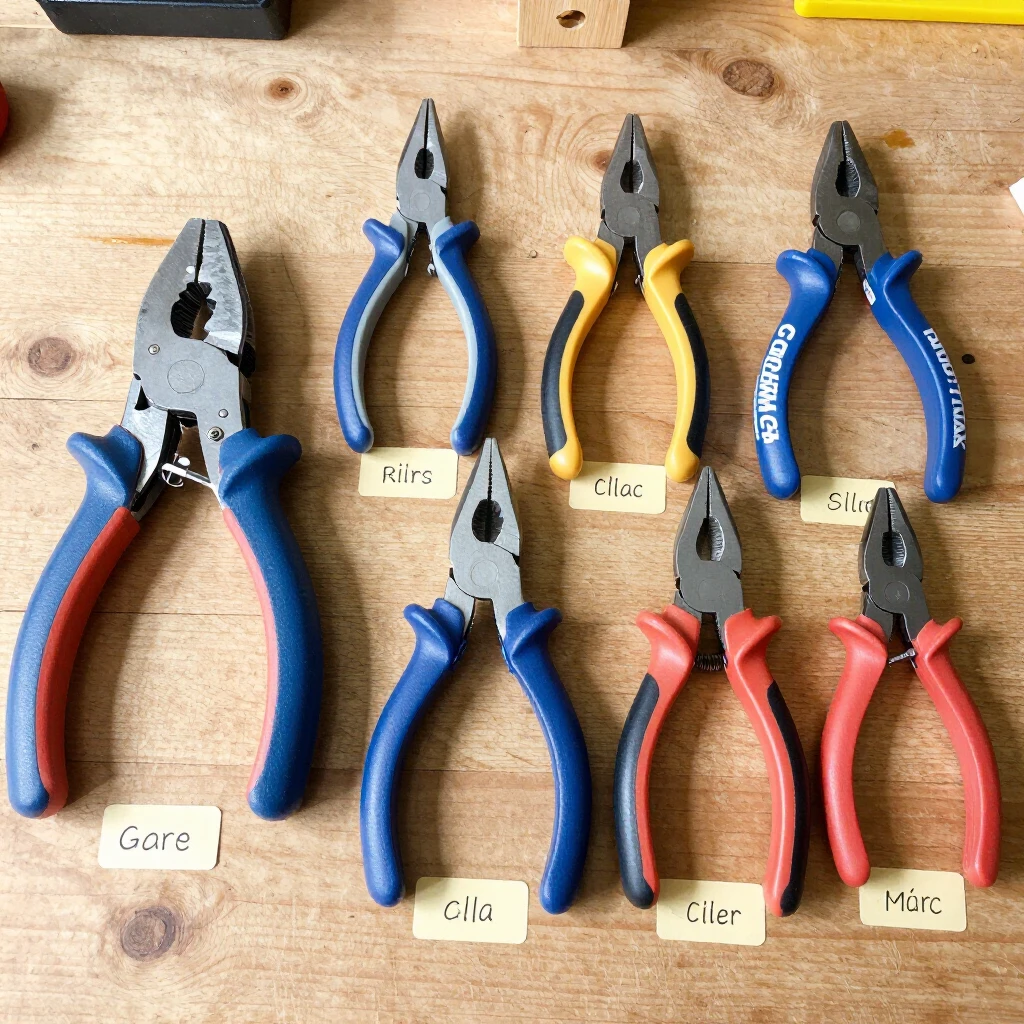
- Pliers (needle-nose and lineman's): Grip, bend, and cut wires safely.
- Multimeter: Measures voltage, current, and continuity for troubleshooting.
- Outlet tester: Checks if receptacles are wired correctly.
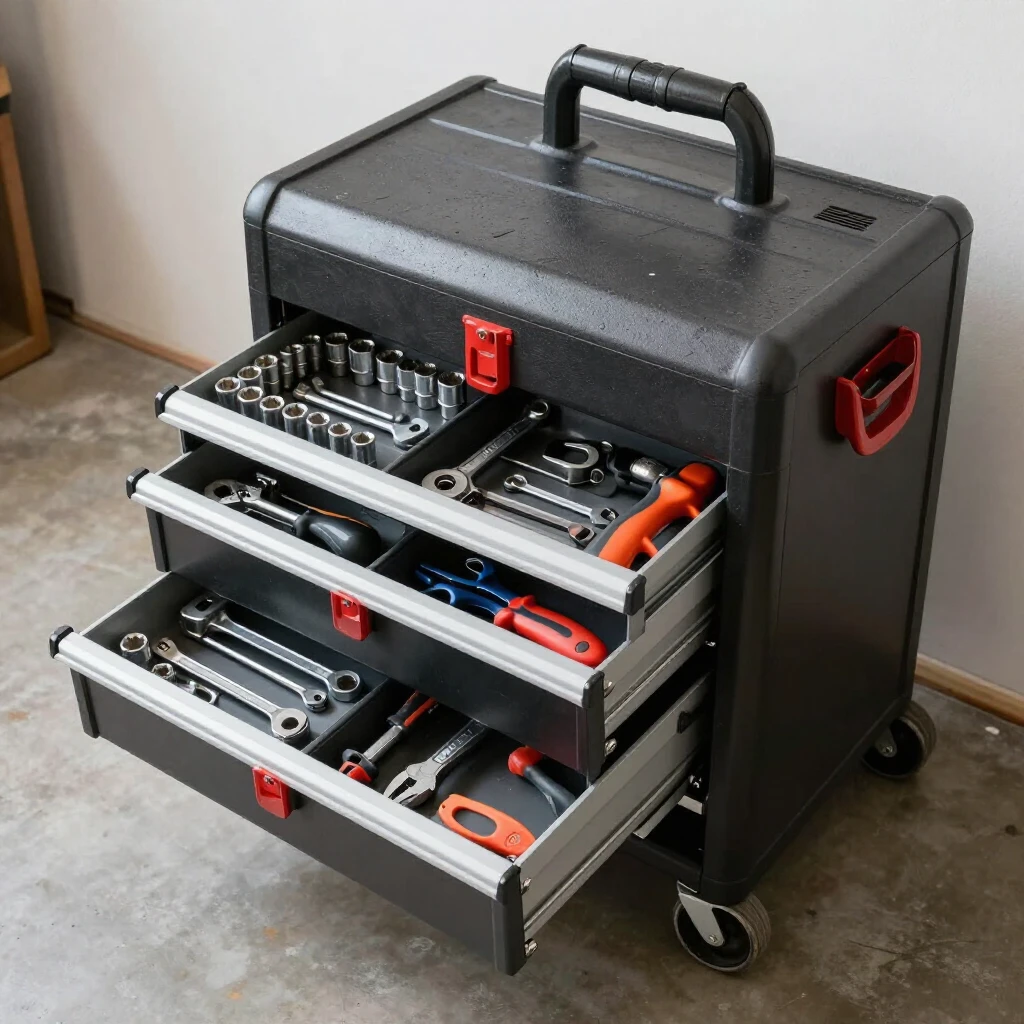
Choose tools rated for electrical work. Cheap ones might fail when you need them most. I keep my electrical tools in a dedicated box to grab them quickly.
Personal Protective Equipment (PPE)
Wear safety gear every time:
- Safety goggles to shield eyes from sparks
- Insulated gloves for hand protection
- Rubber-soled shoes to avoid grounding yourself
Stand on a dry surface. Never work in wet areas—water conducts electricity dangerously.
Step-by-Step Safe Repair Process
- Plan the job: Gather tools and read instructions.
- Turn off power at the breaker and lock it if possible.
- Test for voltage multiple times.
- Remove covers carefully.
- Make connections securely—loose wires cause heat and fires.
- Reassemble and test with power on from a safe distance.
For more on safe work practices, see OSHA's Controlling Electrical Hazards guide.
Common Repairs and Tips
Replacing an Outlet: Use GFCI outlets in kitchens and bathrooms. They trip fast to prevent shocks.
Fixing a Switch: Match wire colors correctly—black to brass, white to silver.
Adding a Light Fixture: Support the fixture properly; don't let wires bear the weight.
Avoid overloading circuits. Spread devices across outlets. Extension cords are temporary—never permanent solutions.
When to Call a Professional
Tackle simple tasks yourself, but hire experts for: - Panel upgrades - New circuit installations - Signs of burning smells or frequent breaker trips
The NFPA recommends professional help for complex work to ensure code compliance.
For detailed home electrical safety tips, check the NFPA Electrical Safety page.
Final Thoughts
Safety practices in home electrical repairs boil down to preparation, the right electrical tools, and caution. One small mistake can have big consequences, but following these steps keeps risks low.
I've done dozens of repairs safely by sticking to these rules. You can too. Stay informed, work carefully, and enjoy the satisfaction of a job well done.
OSHA emphasizes deenergizing circuits before work whenever possible—learn more in their Electrical Overview.
Related Safety Practices in Home Electrical Repairs:
- Organizing Your Workbench for Maximum Efficiency: Tips and Strategies
- Top Workman Tools for Automotive Repairs You Need
- The Importance of Safety Training in Construction
- Garage Organization Hacks for Small Spaces
- Top-Quality Workman Tools for Contractors: Essential Picks for Reliable Performance
- Woodworking Chisel Guide - Woodworkers Guild of America
- Best Wrench Sets for Mechanics - Popular Mechanics
- Choosing the Right Construction Hammer: A Complete Guide for Builders
- Power Washer Accessories for Better Cleaning: Essential Upgrades to Transform Your Results
- DIY Workshop Projects: Build Your Own Workbench
- Pliers 101: A Beginner’s Guide to This Versatile Tool
- Beginner's Guide to Measuring Tools