Quick Overview
Rotary tools are versatile power tools that have become indispensable in jewelry making. These handheld devices spin at high speeds to drill, grind, polish, and engrave delicate materials, saving time and delivering professional results.
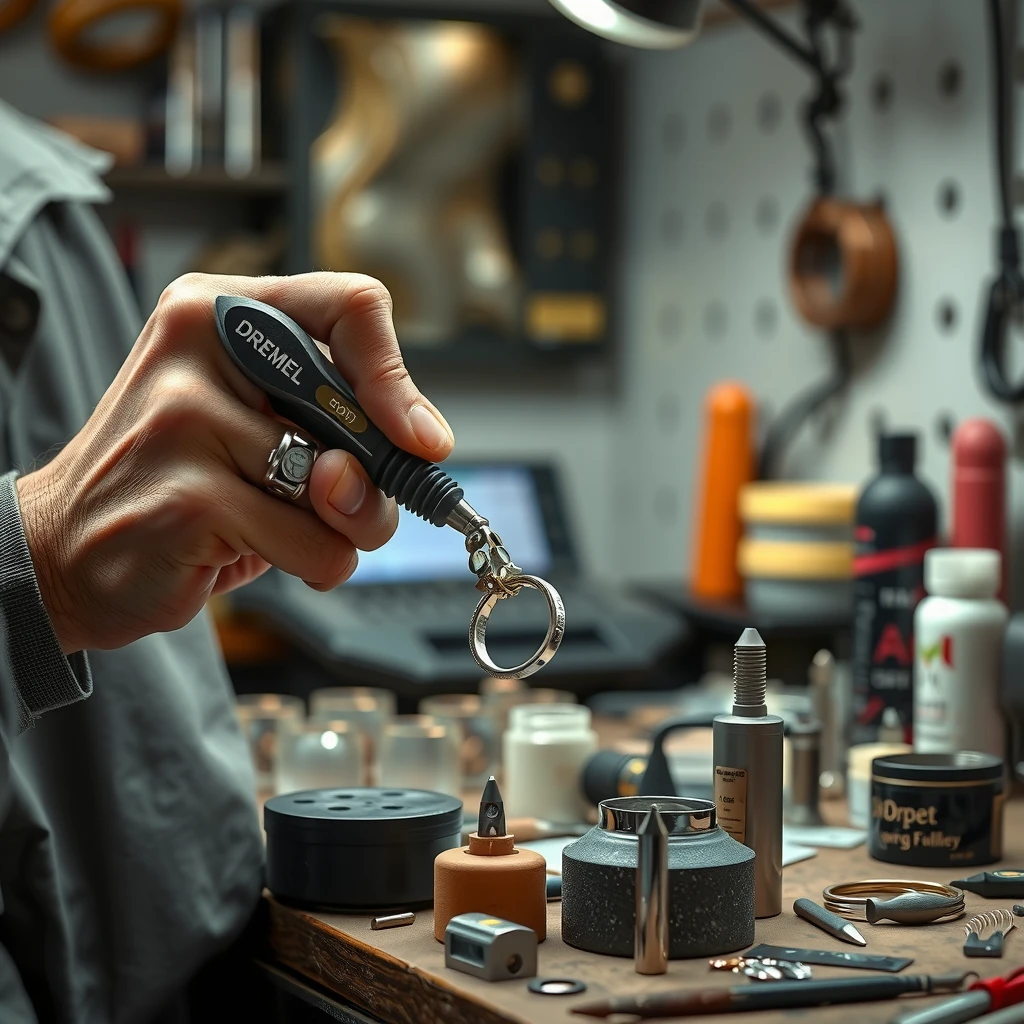
If you've ever struggled with hand filing rough edges on a pendant or achieving that mirror shine on a bracelet, you'll appreciate what rotary tools bring to the table. As someone who's spent countless hours at the bench, I can tell you these power tools changed my workflow completely.
What Are Rotary Tools and Why Use Them for Jewelry?
Rotary tools, often called by popular brands like Dremel, are compact motors that drive interchangeable bits at variable speeds. In jewelry making, they excel at tasks requiring precision on metals, gemstones, and beads.
Common uses include: - Drilling tiny holes in pearls or metal - Sanding and shaping bezels - Polishing to a high gloss - Engraving personal designs - Cutting thin metal sheets
From my experience, starting with a basic rotary tool cut my finishing time in half. They're more efficient than manual methods and give consistent results, especially on intricate pieces.
Types of Rotary Tools for Jewelry Making
There are two main styles jewelers prefer:
-
Handheld Rotary Tools (like Dremel models): Great for beginners. Corded versions offer reliable power, while cordless provide mobility.
-
Flex Shaft Tools (like Foredom): Professional favorite with a hanging motor and flexible shaft for better control and less hand fatigue during long sessions.
Many experts recommend flex shaft systems for serious jewelry work due to their torque and precision.
| Type | Pros | Cons | Best For |
|---|---|---|---|
| Handheld (Dremel-style) | Affordable, portable, easy to start | Can vibrate more, heats up | Beginners, light tasks |
| Flex Shaft (Foredom) | Low vibration, high torque, comfortable | Higher cost, needs space for motor | Professionals, detailed work |
| Cordless | Freedom of movement | Limited battery life | On-the-go repairs |
I started with a Dremel and upgraded to a flex shaft after a year – the difference in comfort was night and day.
Essential Accessories
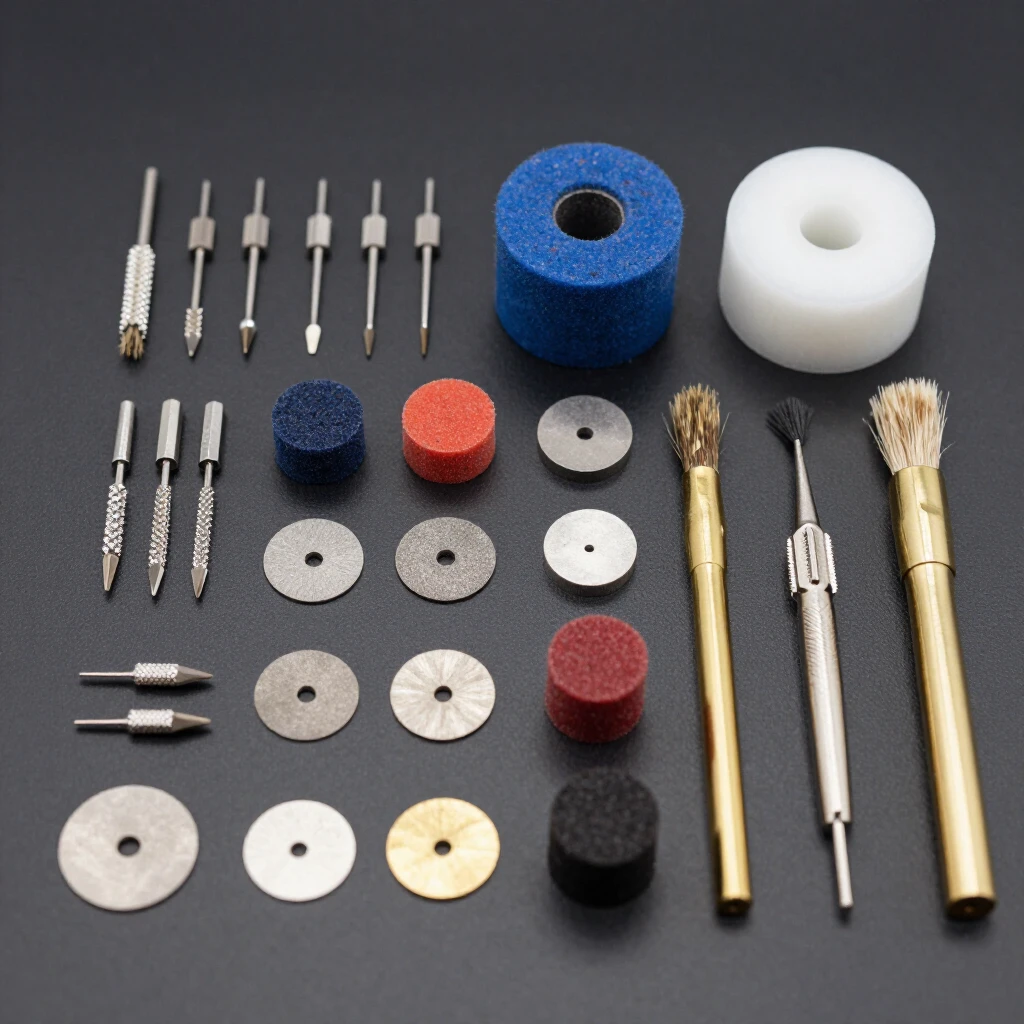
The magic happens with the bits. Invest in quality ones: - Diamond burrs: For carving stone settings or texturing metal - Polishing wheels and compounds: Felt or rubber for progressive shine - Sanding drums: Remove scratches step-by-step - Cutting discs: Precise metal cuts - Brushes: Cleaning or satin finishes
Always use the right speed – low for polishing, high for cutting.
Safety First: Protecting Yourself
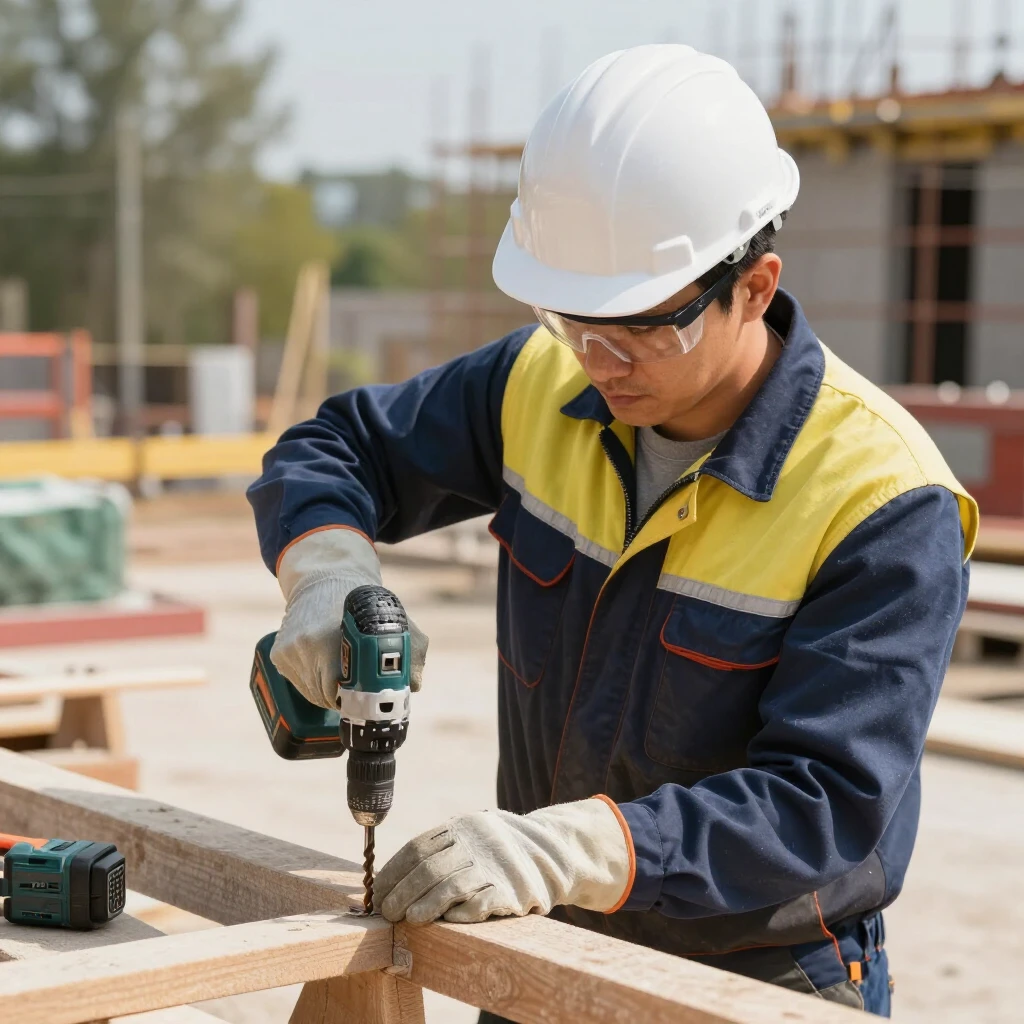
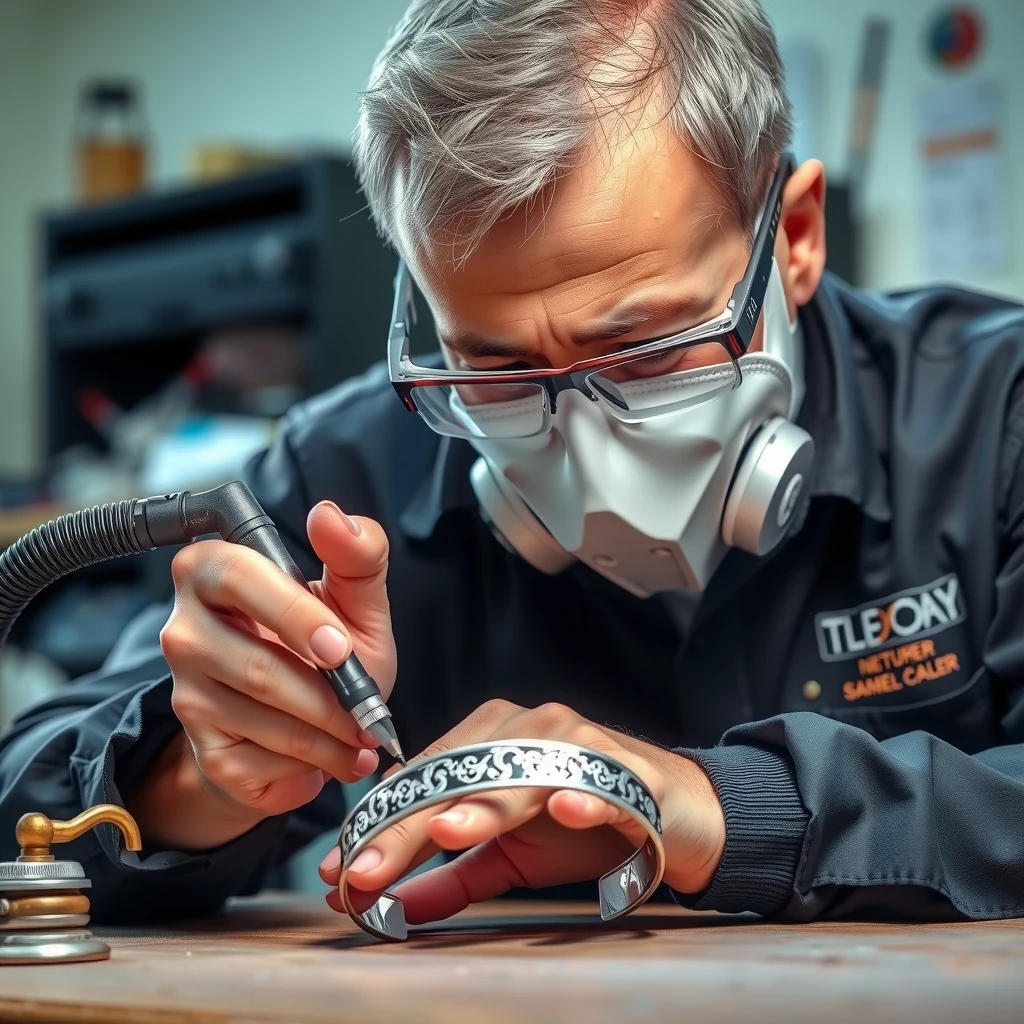
Power tools demand respect. Key tips: - Wear safety glasses to shield from flying debris - Use a dust mask, especially with stones or metals - Secure your workpiece with clamps or vices - Tie back hair and avoid loose clothing - Work in a well-ventilated area
According to jewelry safety guidelines from established communities like Ganoksin and Metalsmith Society, proper protective gear prevents most accidents.
Getting Started: Basic Techniques
Start slow. Practice on scrap metal first.
Polishing Tip: Use progressive grits – coarse sanding, then finer, ending with polishing compound on a felt wheel.
Drilling: Mark your spot, use lubricant, and go slow to avoid breaking bits.
Engraving: Hold like a pencil, let the tool do the work – no heavy pressure.
One mistake I made early: rushing speeds. Burned a few pieces before learning patience pays off.
Choosing Your First Rotary Tool
For beginners: A variable-speed Dremel kit with accessories. For pros: Foredom SR series.
Look for variable speed (5,000-35,000 RPM), comfortable grip, and compatibility with standard bits.
Maintenance and Longevity
Clean bits after use. Lubricate flex shafts if needed. Store properly to avoid damage.
A well-maintained tool lasts years – mine's going strong after a decade.
Final Thoughts
Rotary tools for jewelry making open up endless creative possibilities. They combine speed with precision, turning good work into exceptional. Start simple, practice safely, and you'll wonder how you ever managed without one.
With the right rotary tool in hand, your jewelry pieces will shine brighter and come together faster.
Related rotary tools for jewelry making:
- How to Choose the Right Screwdriver for the Job
- Safety Best Practices for Electricians: Essential Tips to Stay Safe on the Job
- Setting Up Your Ideal Workbench: Tips and Tricks
- Key Features to Look for in Cordless Power Tools
- Top 10 Workman Tools Every Contractor Needs
- Building Outdoor Decks: Step-by-Step with Pro Tips
- Safety Practices in Home Electrical Repairs: A Comprehensive Guide
- Organizing Your Workbench for Maximum Efficiency: Tips and Strategies
- Top Workman Tools for Automotive Repairs You Need
- The Importance of Safety Training in Construction
- Garage Organization Hacks for Small Spaces
- Top-Quality Workman Tools for Contractors: Essential Picks for Reliable Performance